Ipas DRC
Non-profit organization
This blog was written by Habygaelle Muzie Kimbal Lombo, Patience Lisasi Lisika, and Nadia Lobo Jive (Ipas DRC).
This blog documents the process of developing a Values Clarification and Attitude Transformation (VCAT) training toolkit, highlights key lessons learned, and reflects on its relevance for initiatives supported by GPE KIX and the International Development Research Centre (IDRC).
Inspired by Ipas’ Values Clarification and Attitude Transformation (VCAT) model—originally developed in 2000 to address stigma, attitudes, and beliefs related to abortion—this gender- and inclusion-responsive training toolkit is the result of a collaborative effort between Ipas DRC, Ipas Francophone Africa, and Ipas Global, in partnership with the Kinshasa School of Public Health and Université Félix Houphouët-Boigny.
Designed to support durable shifts in attitudes and practices among education system actors, the toolkit was developed as part of a research project funded by the Global Partnership for Education – Knowledge and Innovation Exchange (GPE KIX), in partnership with the International Development Research Centre (IDRC).. It seeks to address gender-based violence (GBV) and discrimination in schools , while also making it possible to assess uptake and early effects.
Implemented in the Democratic Republic of Congo (DRC), Côte d’Ivoire, and Mali, the project is embedded within a multi-country consortium that leverages youth-led solutions and digital technologies to promote safety and inclusion in schools. Particular attention is given to pregnant adolescents, adolescent mothers, and gender non-conforming students, informed by research evidence documenting the violence and discrimination they face.
In the Democratic Republic of Congo, gender-based violence (GBV) and discrimination in school settings remain widely normalized. Research conducted under the project—including surveys with 4,915 secondary school students—shows that the vast majority of students are exposed to multiple forms of violence. Specifically, 84% report experiencing bullying, 76% report being subjected to corporal punishment, and 67% indicate having been exposed to sexual violence in school settings. These practices disproportionately affect specific groups, including pregnant girls and adolescent mothers, students with disabilities, and gender non-conforming youth.
Beyond their immediate impact on students’ safety and wellbeing, such forms of violence undermine school retention and learning outcomes, while reinforcing pre-existing social and gender inequalities.
Institutional responses to school-related GBV continue to rely primarily on regulatory frameworks, policies, and disciplinary sanctions. While these measures are essential, they remain insufficient when they fail to address the social norms, beliefs, and attitudes that shape everyday behaviors among teachers, school administrators, parents, and education authorities.
Yet these less tangible dimensions play a central role in the reproduction—or, conversely, the prevention—of violence and discrimination in schools.
In response to this gap, identified through research, Ipas and its partners developed a training toolkit grounded in the VCAT approach. By intentionally linking evidence, attitude transformation, and concrete practices for promoting safer and more inclusive schools, the toolkit creates structured spaces for individual and collective reflection. It enables participants to critically examine the values underlying educational practices, make their impacts visible, and initiate sustainable changes in attitudes.
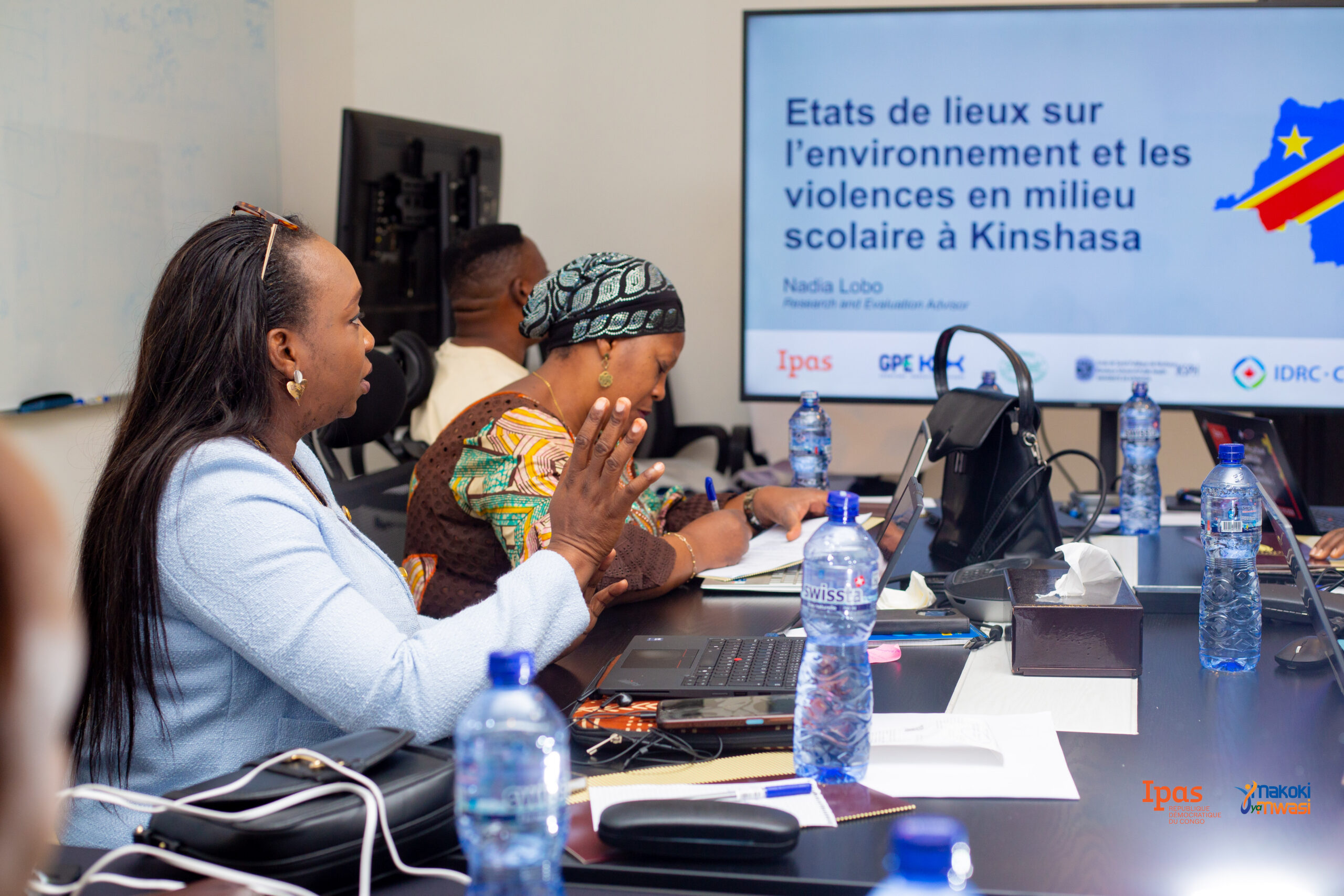
Building on research conducted in secondary schools, the project undertook a deep methodological adaptation process. Findings highlighted several persistent trends: the continued use of corporal punishment, the normalization of psychological violence, stigma toward pregnant girls, the invisibility of students with disabilities, and targeted violence against gender non-conforming youth.
Based on this evidence, Ipas DRC and its partners carried out a critical review of existing VCAT tools to identify exercises most relevant to school settings. Four exercises were selected and contextualized—Comfort Zone Continuum, Four Corners, Why Did They Leave School?, and Crossing the Line—with content reformulated to reflect lived realities in the Congolese context.
The development of the toolkit relied on a co-creation process involving Ipas DRC, Ipas Francophone Africa, and Ipas Global technical teams, alongside academic partners including the Kinshasa School of Public Health and Université Houphouët-Boigny.
The adaptation drew on Ipas methodological frameworks, national and international legal instruments on children’s rights, and resources produced by UNESCO and UNICEF. The process also underscored the limited availability of operational literature on school-related GBV, reinforcing the added value of the toolkit as a bridge between research and practice.
From the outset, the toolkit integrated an evaluation component through paired pre- and post-training tests designed to measure changes in knowledge, attitudes, and levels of engagement with issues related to gender, inclusion, and GBV.
This strengthens the toolkit’s credibility as a learning and knowledge capitalization tool, beyond its function as a training resource.
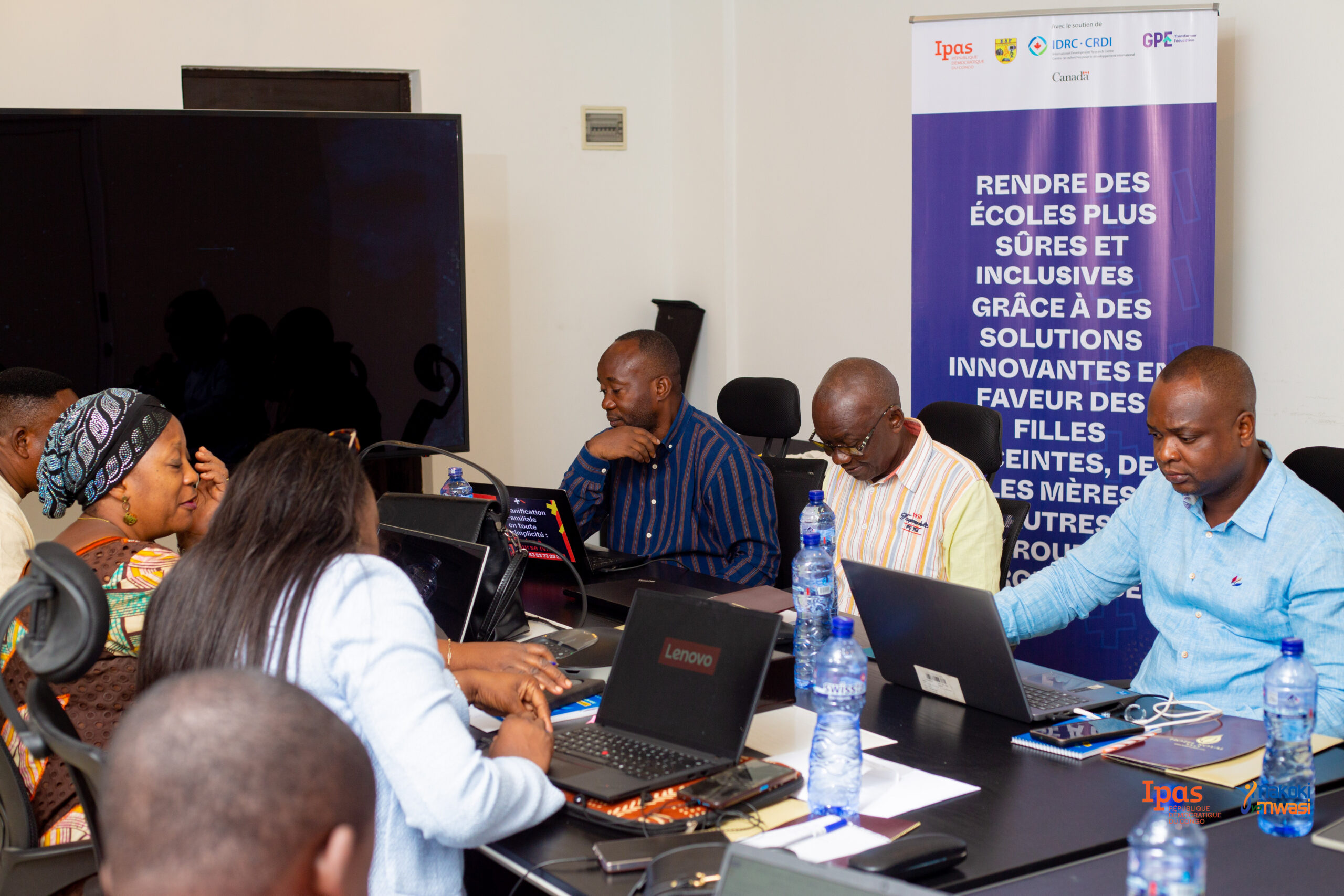
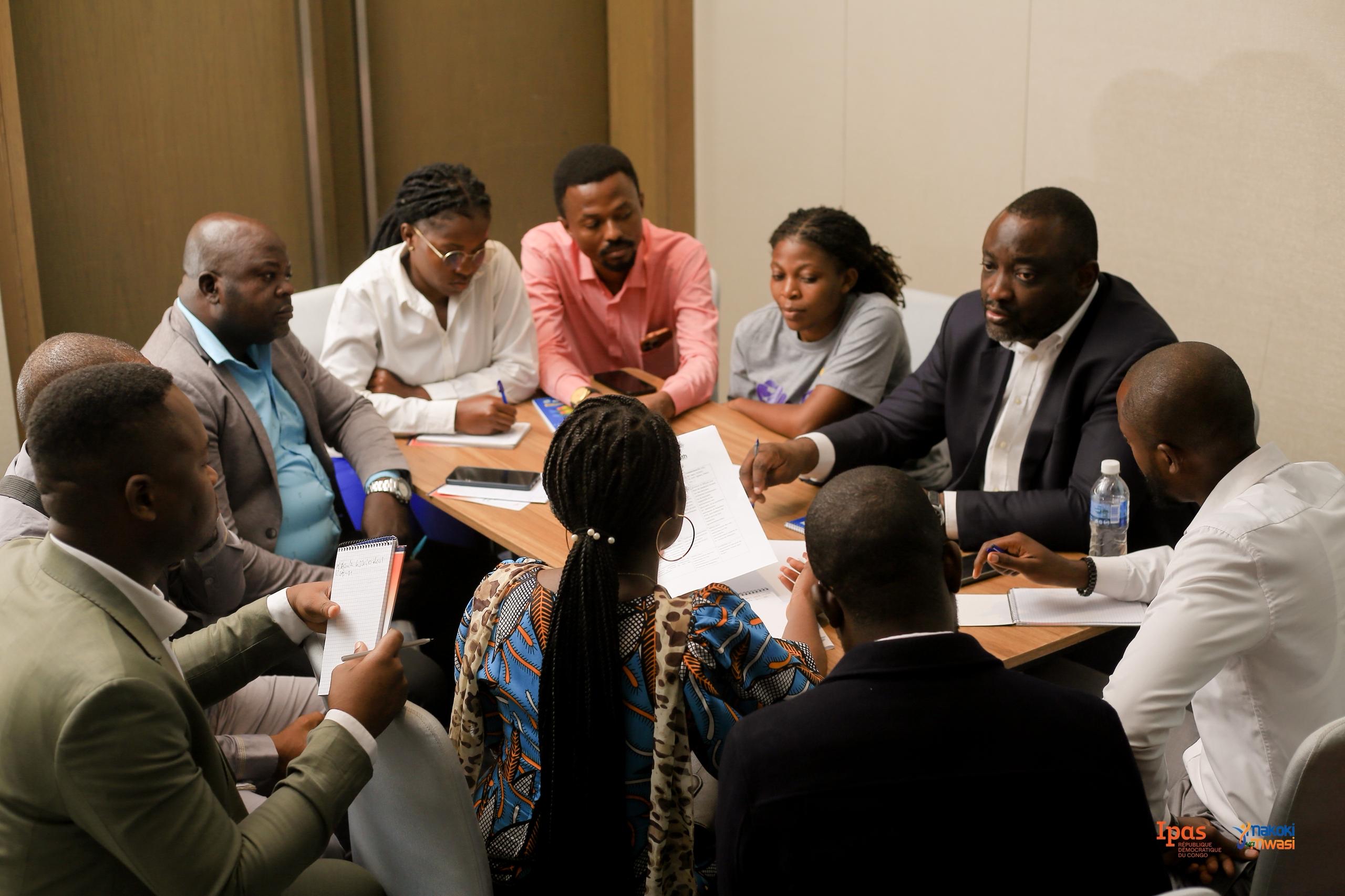
To foster long-term ownership and prepare for scale-up, the project adopted a training-of-trainers approach. Participants included representatives from the Ministries of Education and New Citizenship (life skills education division), Gender, Family and Children, and Health, Hygiene and Prevention (National Adolescent Health Program), as well as teachers, school leaders, and civil society actors, including organizations representing women, youth, and persons with disabilities.
For many participants, this was their first experience of a training approach centered on critically examining their own values, emotions, and professional practices.
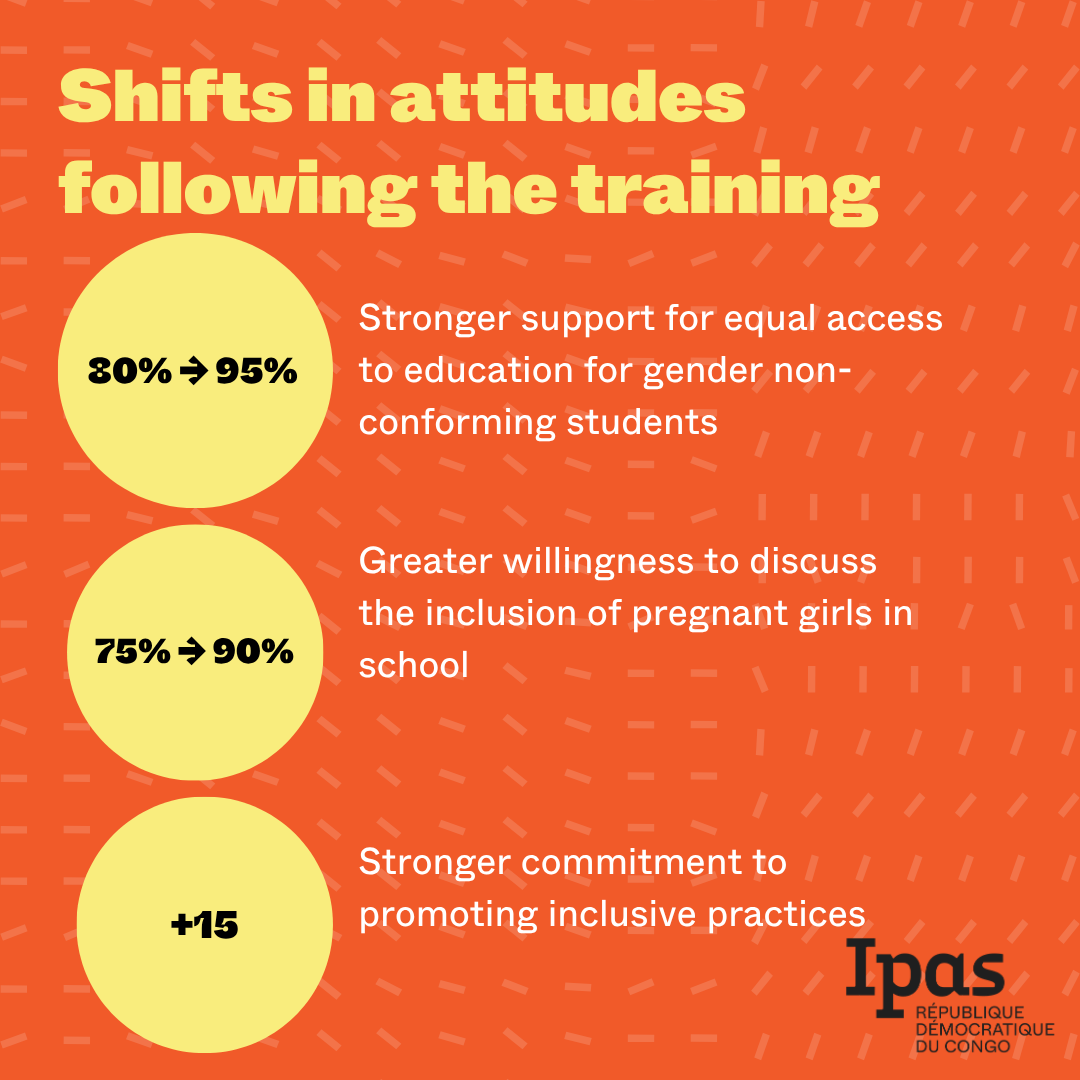
Initial implementation revealed notable shifts: increased awareness of the violent nature of practices long perceived as normal, greater clarity around the roles of teachers and parent committees in violence prevention, and the emergence of school-based prevention and reporting mechanisms.
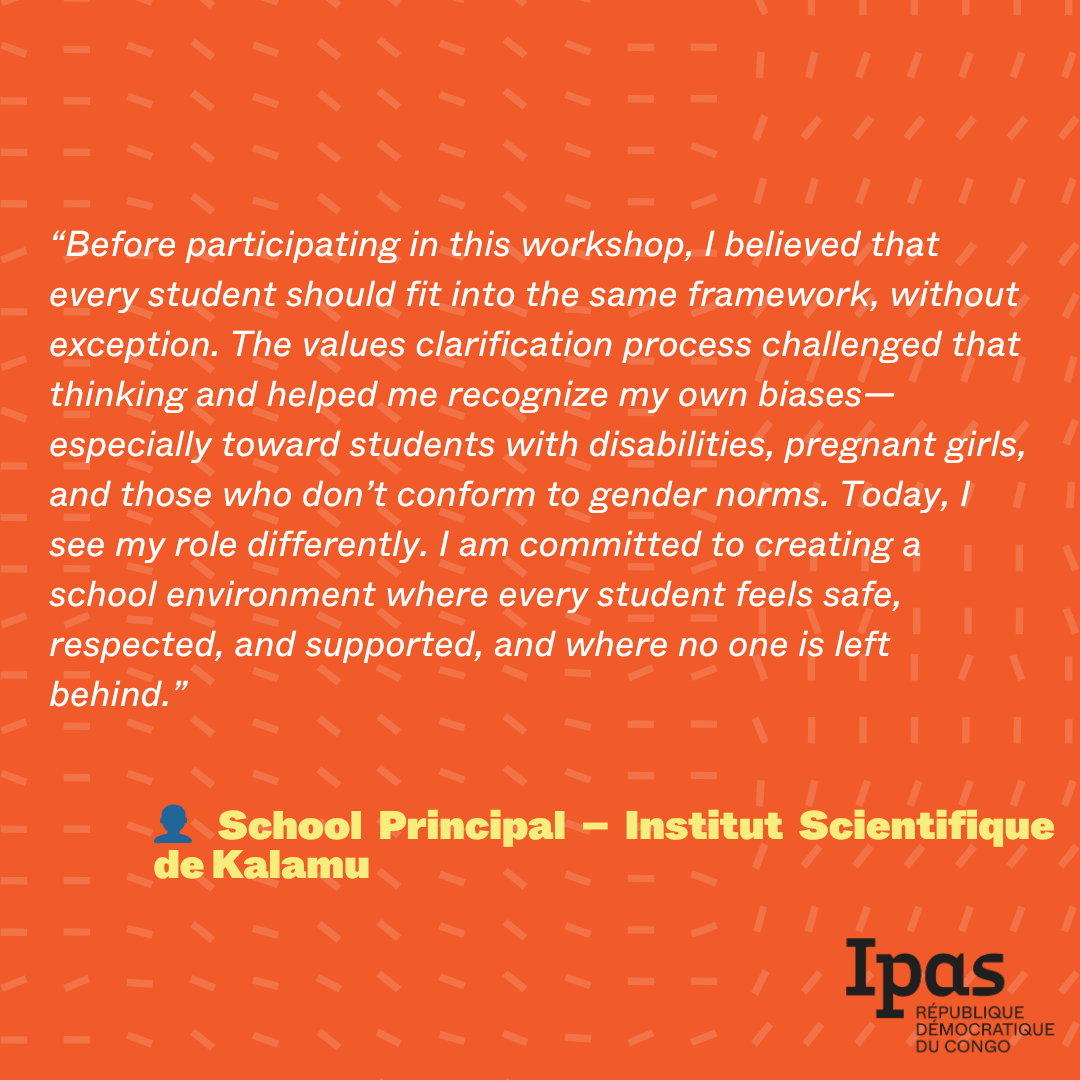
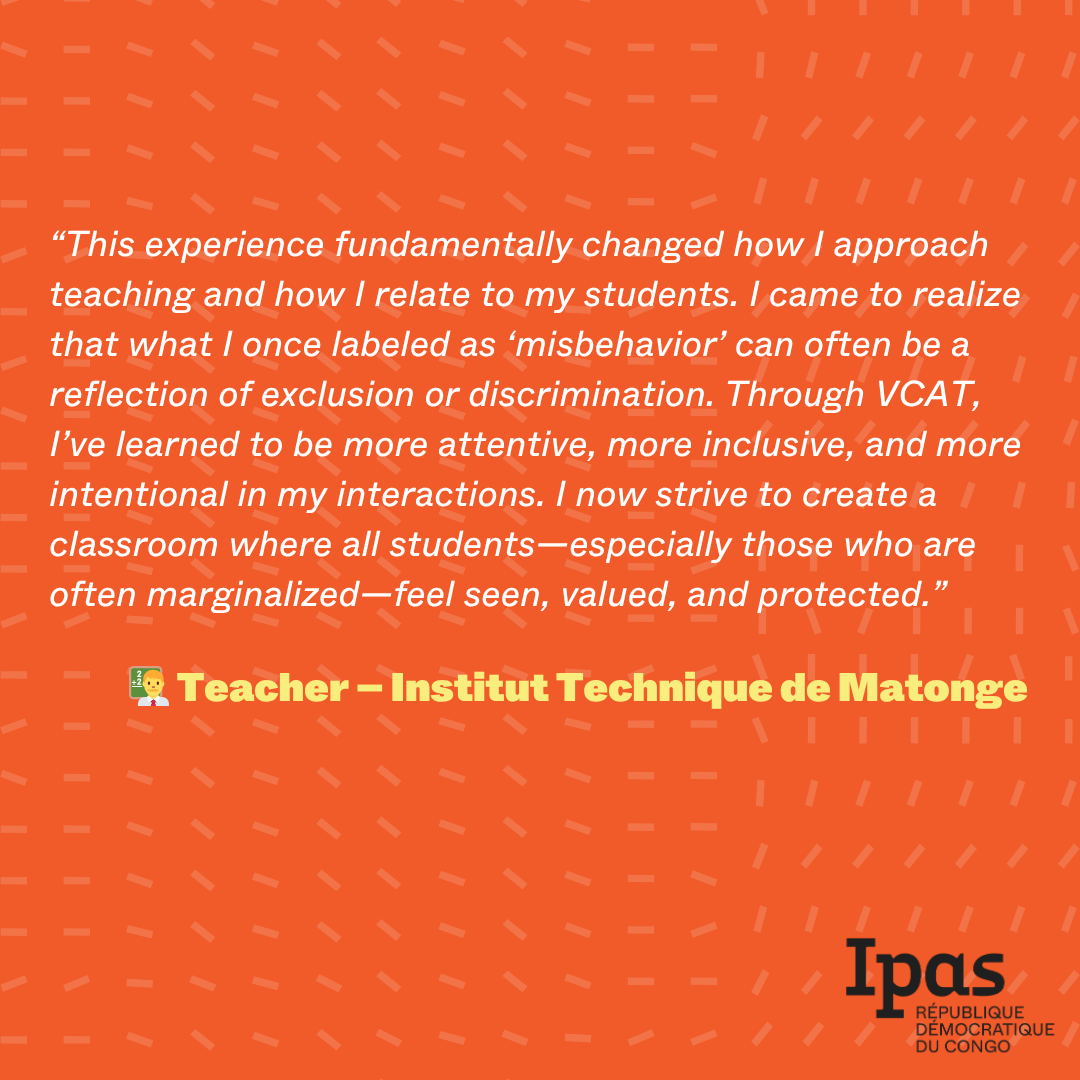
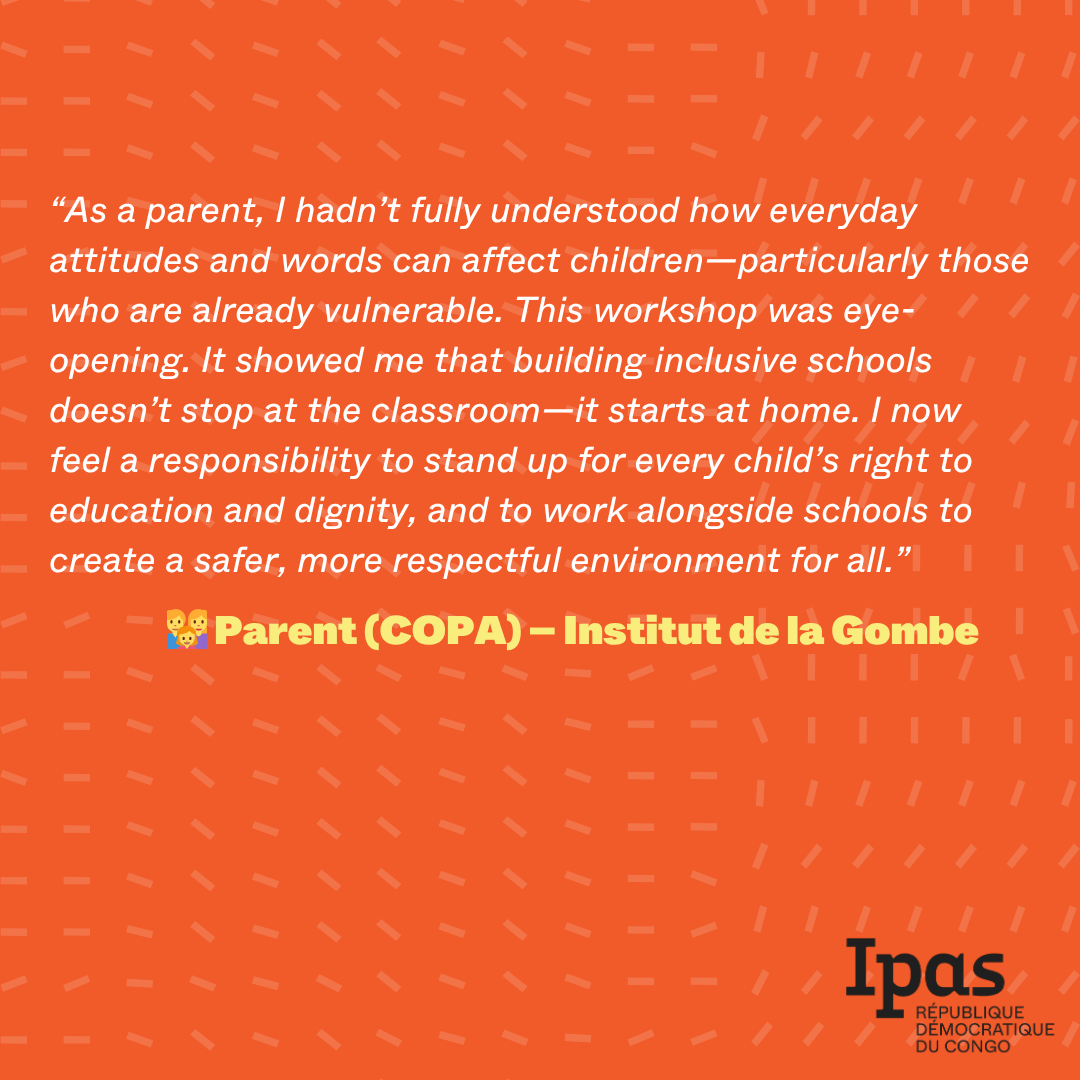
However, resistance persists—particularly regarding the abandonment of corporal punishment and the acceptance of gender non-conforming students—confirming that changing social norms is a gradual and non-linear process.
This experience highlights several transferable lessons for the GPE KIX community :
Next steps will focus on scaling up the toolkit, strengthening direct engagement with students, and anchoring safe and inclusive school approaches more sustainably within education policies.
For Ipas Global, Ipas Francophone Africa, Ipas DRC, and their academic partners, this toolkit represents a strategic lever for transforming education systems—placing dignity, inclusion, and the safety of every learner at the heart of action.
In the Democratic Republic of the Congo, abortion is part of the lived reality of many women and girls. Yet for a significant number of them, access to safe, quality services remains out of reach, forcing them to turn to care outside the formal health system—often at great risk to their health and well-being.
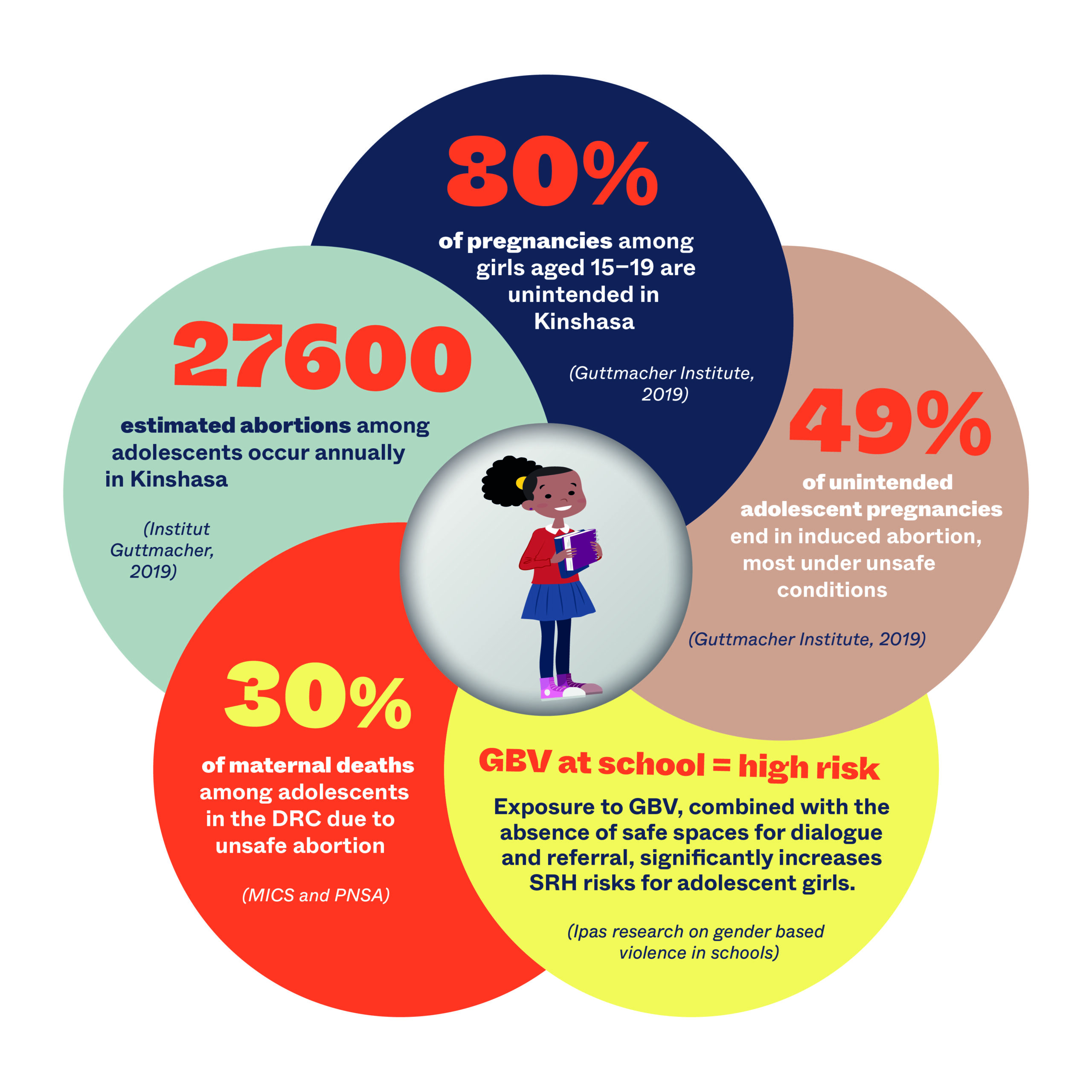
Complications related to unsafe abortion remain a major contributor to maternal morbidity and mortality. These outcomes reflect persistent inequalities in access to sexual and reproductive health (SRH) information, quality services, and financial protection. Adolescents, women living in poverty, and those in humanitarian or conflict-affected settings face the greatest barriers.
For too long, comprehensive abortion care (CAC) has been treated as peripheral to health system priorities. This marginalization has not only delayed access to timely care but has also increased financial burdens on families and placed additional strain on already stretched health systems.
Universal Health Coverage (UHC) aims to ensure that the entire population of the Democratic Republic of the Congo can access essential, quality health services without the risk of financial hardship linked to out-of-pocket payments. In the DRC, the National Health Development Plan (NHDP) 2016–2020—revised as the 2019–2022 NHDP under the vision of “toward universal health coverage”—laid the foundation for the development and adoption of the National Strategic Plan for Universal Health Coverage (NSP-UHC) 2020–2030. This plan now serves as the primary framework guiding health system reforms.
But beyond its technical ambition, UHC represents a powerful political commitment: placing equity, social justice, and human rights at the center of health policies. It provides a unique opportunity to address structural inequalities that continue to exclude many women from essential sexual and reproductive health (SRH) services.
In this context, integrating comprehensive abortion care (CAC) is not simply a programmatic consideration—it is essential for UHC to fulfill its promise of universality.
However, CAC remains only partially integrated into national UHC implementation mechanisms. This gap continues to limit the inclusiveness of health policies for women and girls. This shared reality has gradually led to a growing consensus : UHC cannot achieve its objectives without fully including comprehensive abortion care within its essential health service package.
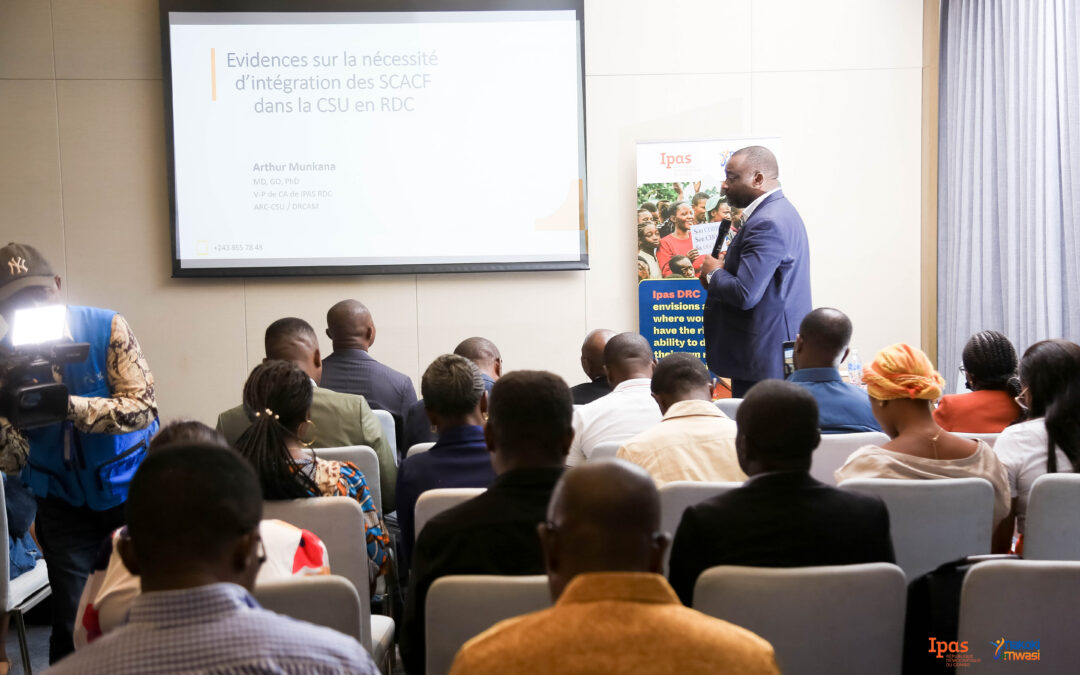
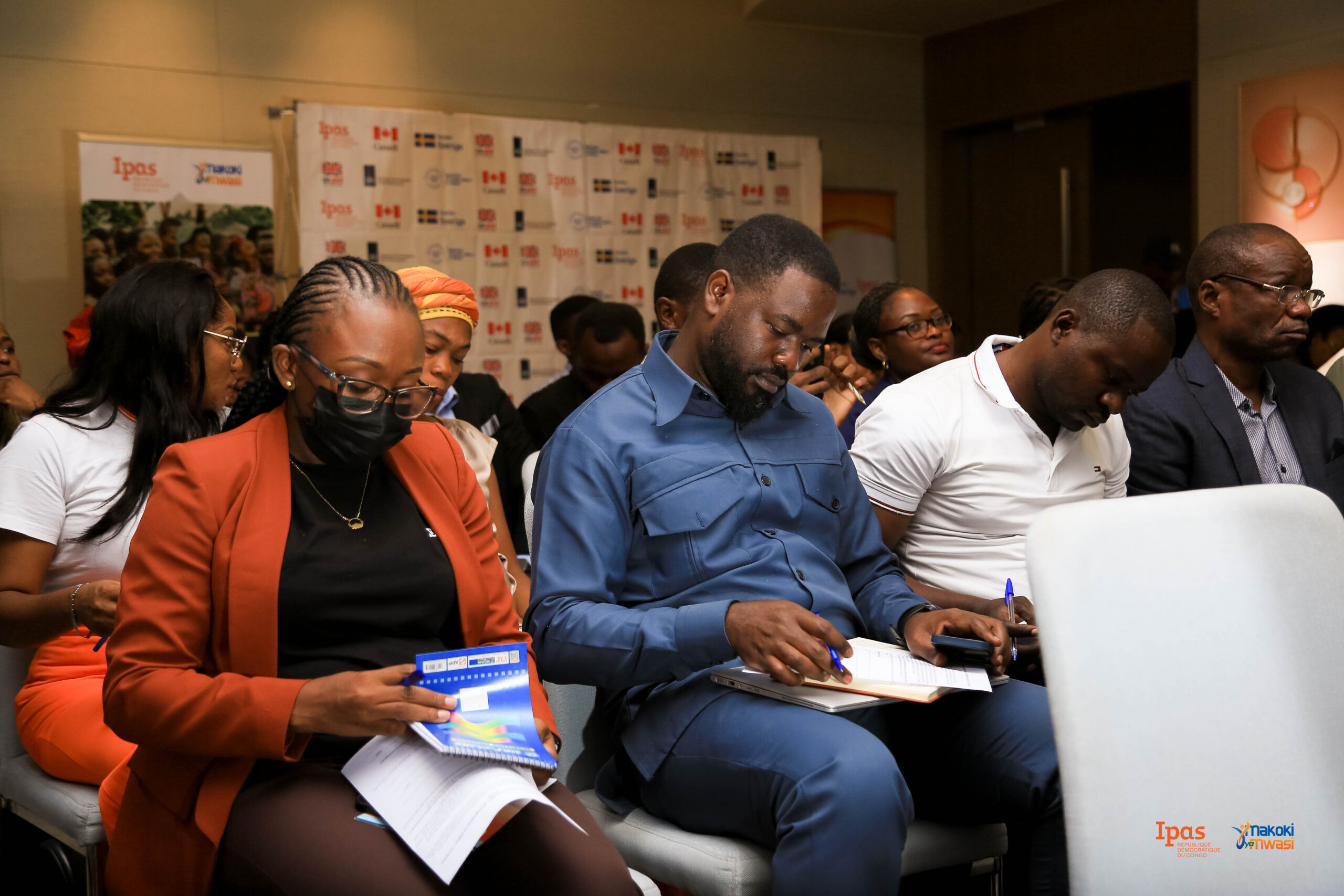
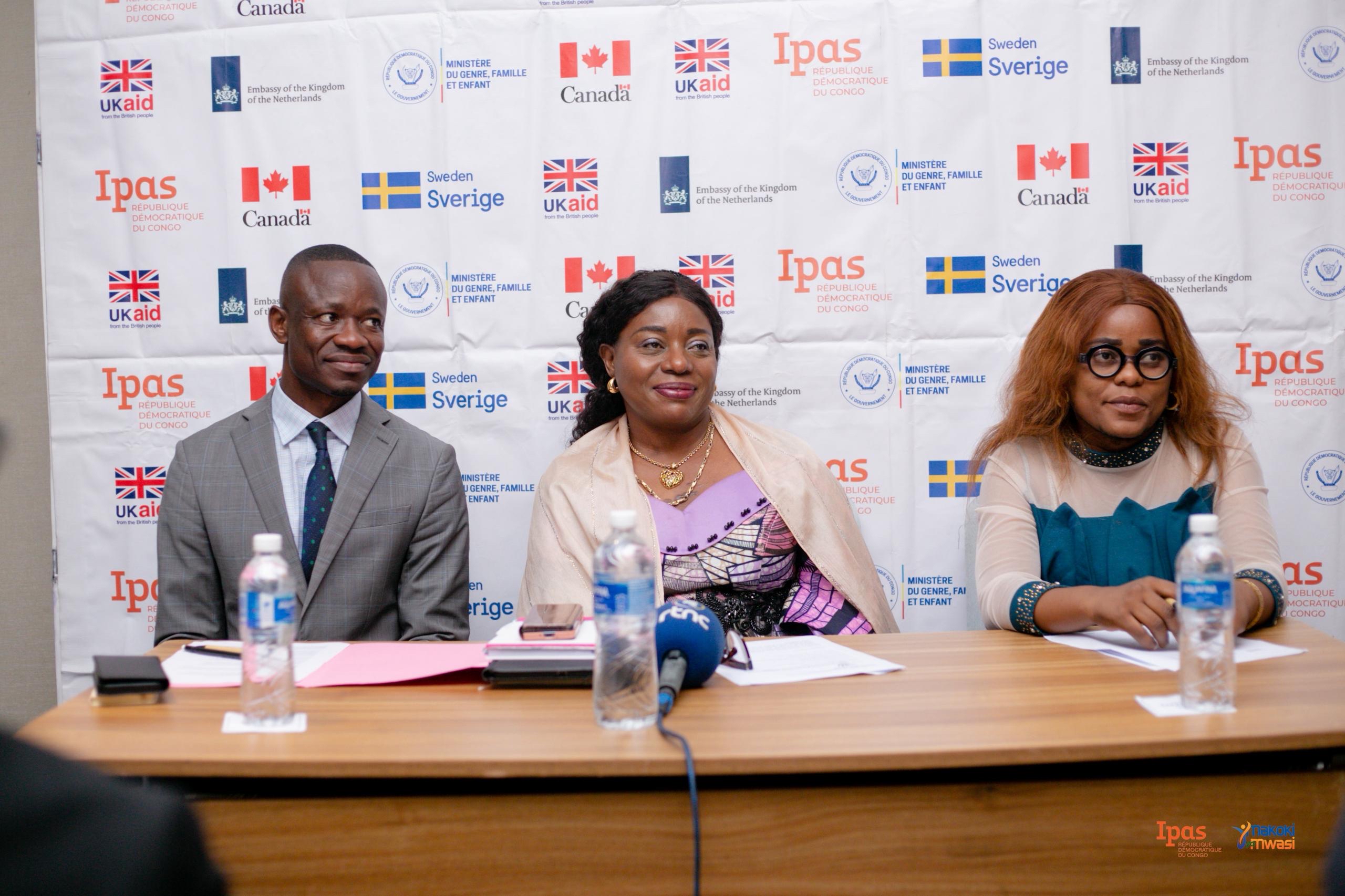
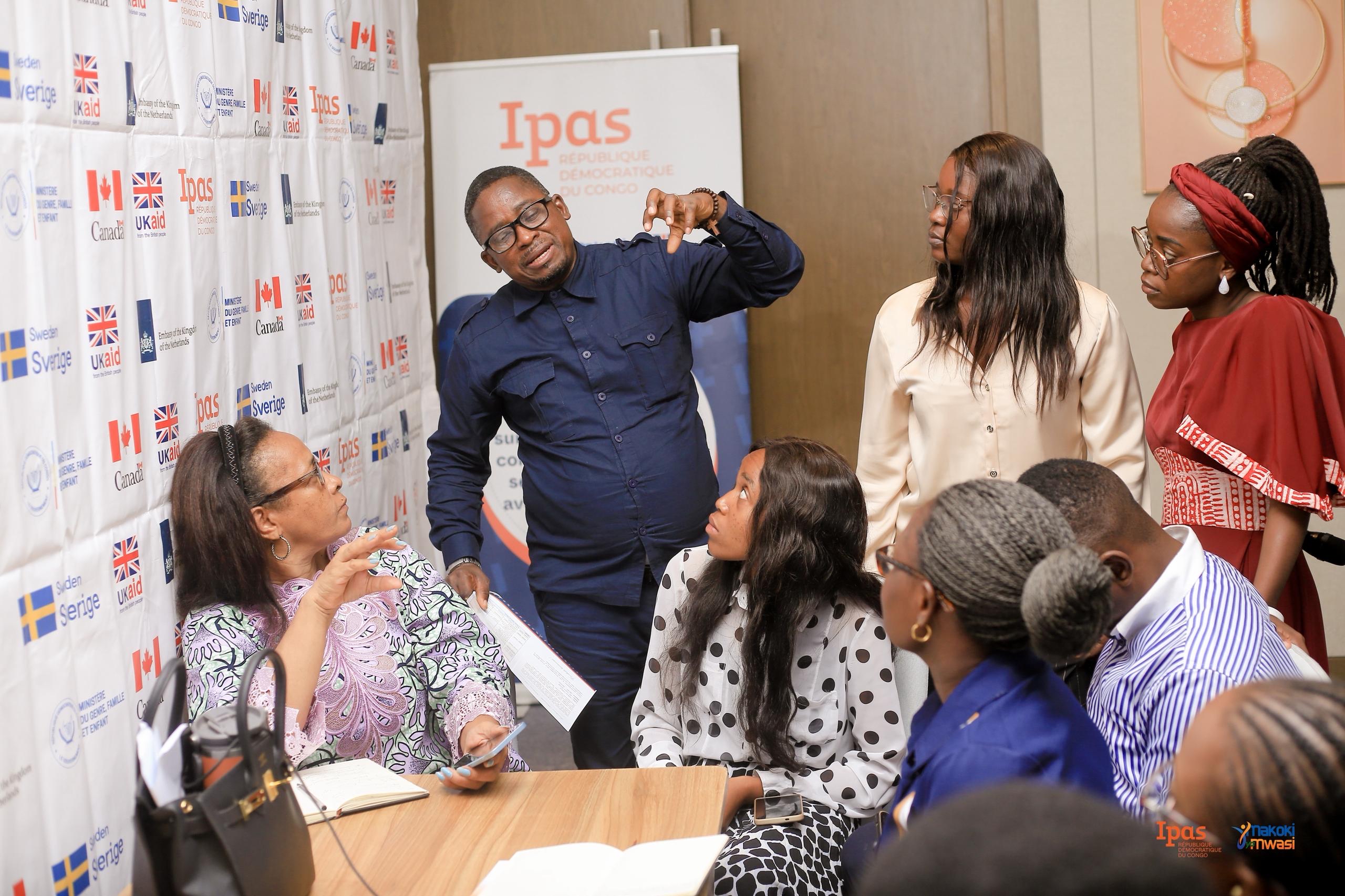
It is within this context that advocacy efforts were launched in October 2024, under the leadership of the National Reproductive Health Program (PNSR), with technical support from Ipas DRC. The process began with an initial engagement with UHC authorities, including the Director of the Agency for Regulation and Oversight of Universal Health Coverage (ARC-UHC), focusing on how UHC operates and how to integrate comprehensive abortion care into its framework.
This collective effort has helped reposition comprehensive abortion care as an essential public health service, grounded in evidence and in the realities experienced by communities.
Several key milestones have already been achieved :
These advances mark a turning point: the question is no longer whether comprehensive abortion care should be included, but how to ensure its progressive, coherent, and sustainable integration in a way that upholds the health and dignity of women and girls.
The favorable position toward integrating comprehensive abortion care into UHC represents a critical milestone—but it is not the end of the process. The priority now is clear: to move from political commitment to effective implementation, in a way that is progressive, measurable, and equitable.
This includes :
Beyond technical considerations, this integration represents a broader structural shift. It recognizes that abortion-related care is part of public health realities and must be included in health systems that are equitable, inclusive, and responsive to people’s needs.
For Ipas DRC, integrating comprehensive abortion care into UHC is part of a broader goal: ensuring that every woman and girl can fully exercise her right to bodily autonomy and access safe, respectful, and accessible sexual and reproductive health services.
It represents a strategic opportunity to transform normative commitments into real access to care—and to bring health systems closer to the lived realities of women.
In the DRC, the question is no longer whether these needs exist, but whether public policies will respond in ways that are equitable, sustainable, and grounded in rights.
In eastern Democratic Republic of Congo (DRC), decades of humanitarian crisis have led to repeated waves of displacement. The recent closure of several internally displaced persons (IDP) camps has further intensified this situation, with families moving into host communities and informal settlements, particularly in Nyiragongo, Karisimbi, and the city of Goma.
This shifting humanitarian landscape is unfolding amid ongoing insecurity and armed violence, placing sustained pressure on social services and an already fragile health system. As population movements become more dispersed, the way sexual and reproductive health (SRH) services are organized must also evolve.
Service delivery models that were once centered in displacement camps are no longer sufficient to meet the needs of women and adolescents living within host communities. This reality has called for a strategic shift—one that brings essential services closer to where people live and strengthens local health systems in the process.
With support from the Government of Canada through the WISH initiative, Ipas DRC works alongside health authorities and local partners to support continuity and access to essential SRH services for women and adolescents, even in acute humanitarian contexts.
As displaced populations have become more dispersed, health authorities—supported by Ipas DRC and other humanitarian partners—have moved toward integrating sexual and reproductive health services into existing public health facilities and outreach sites.
This approach prioritizes proximity, sustainability, and system resilience. It supports the delivery of comprehensive abortion care, family planning services, care for survivors of gender-based violence, and prevention and treatment of sexually transmitted infections.
Across North and South Kivu, this collaboration has strengthened service delivery in approximately thirty health facilities, primarily in areas hosting large numbers of displaced and vulnerable households. Support has focused on building provider capacity, ensuring the availability of essential commodities, providing supportive supervision, and reinforcing community-based referral mechanisms. Together, these efforts help reduce geographic, social, and economic barriers to care.
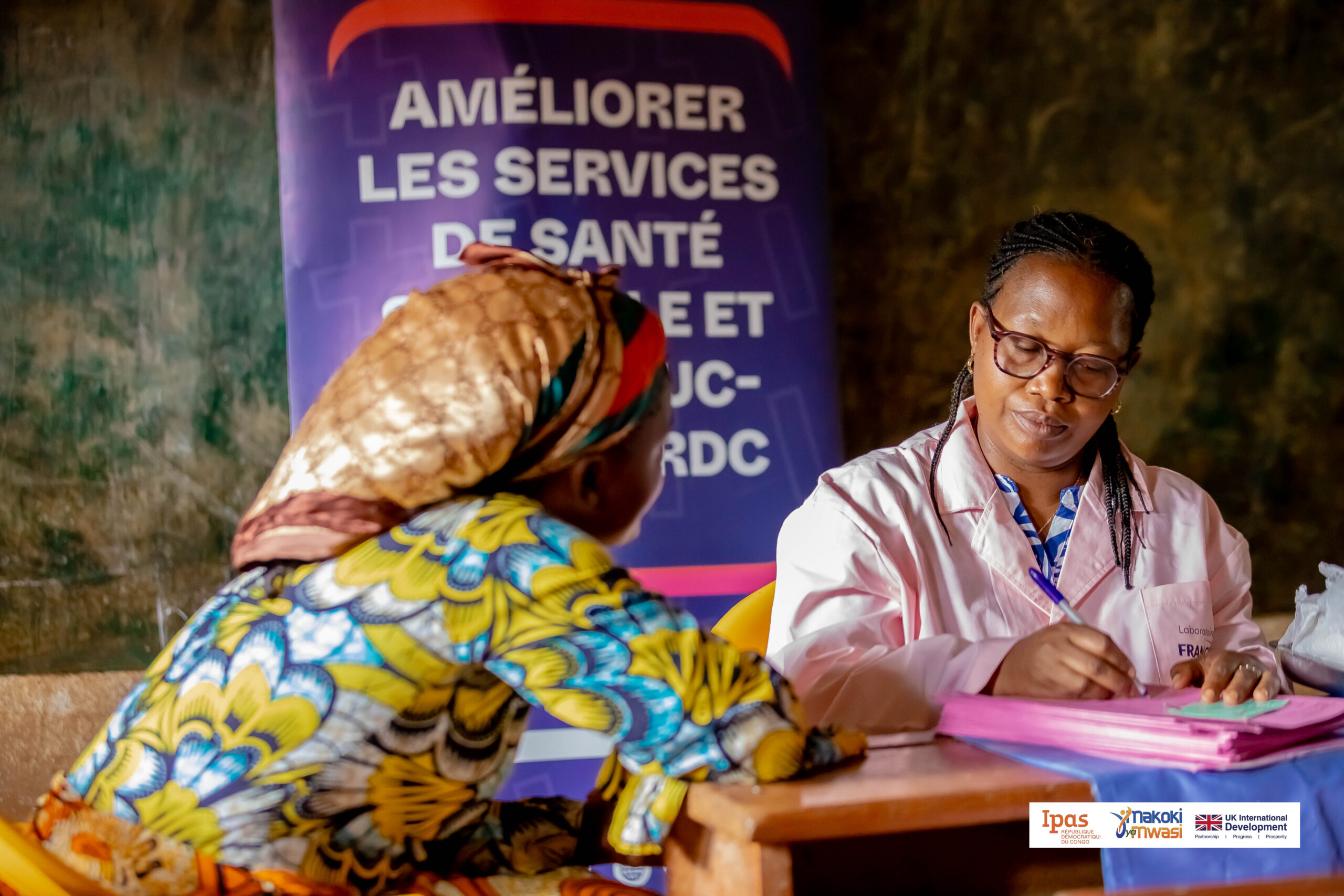
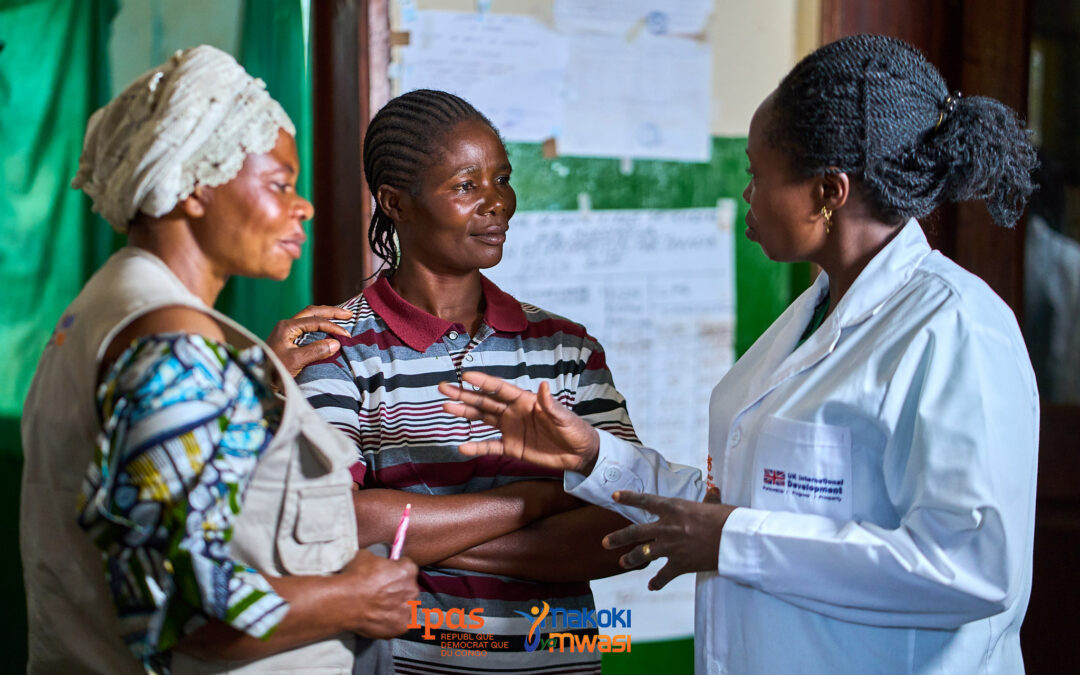
Elikya (name changed), a 29-year-old mother of three, reflects the real-life impact of this integrated approach. After discovering a closely spaced pregnancy that posed serious risks to her health, she was referred by a community health worker to a nearby health facility.
There, she received free, respectful care, including comprehensive abortion services, and was able to choose a contraceptive method suited to her needs.
“Today, I am alive and relieved to be able to space my pregnancies.
I am grateful to those who make these services possible in our community,” she shares.
Her experience underscores the importance of accessible, rights-based sexual and reproductive health services—even in humanitarian settings.
This intervention is grounded in a human rights framework and aligns with national and regional commitments, including the Maputo Protocol. By strengthening health facilities and community referral systems, services are made available, accessible, acceptable, and of quality.
In contexts where access to contraception remains limited and the risks associated with unintended pregnancies are high—often leading to unsafe abortion—integrating comprehensive abortion care and family planning is essential to reducing maternal mortality and supporting women’s bodily autonomy.
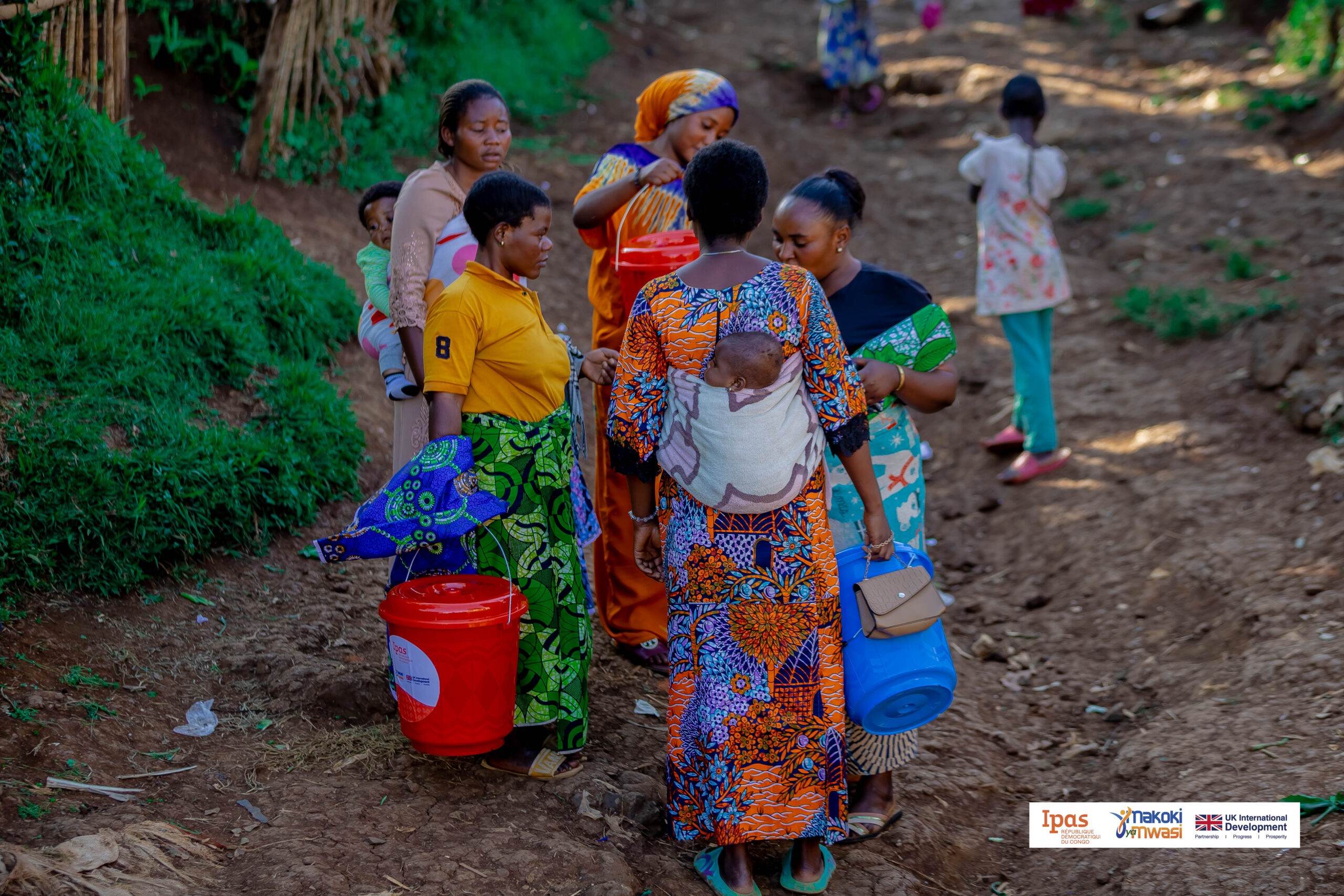
Despite significant operational constraints—including supply chain disruptions, insecurity, and sustained pressure on health workers coordination among health authorities, humanitarian partners, and community actors has made it possible to maintain essential services at the last mile.
Through this collective effort, thousands of women have accessed family planning, comprehensive abortion care, and services for survivors of sexual violence. By sustainably bringing care closer to communities affected by crisis, this approach helps save lives, protect the dignity of women and girls, and strengthen health system resilience in humanitarian settings.
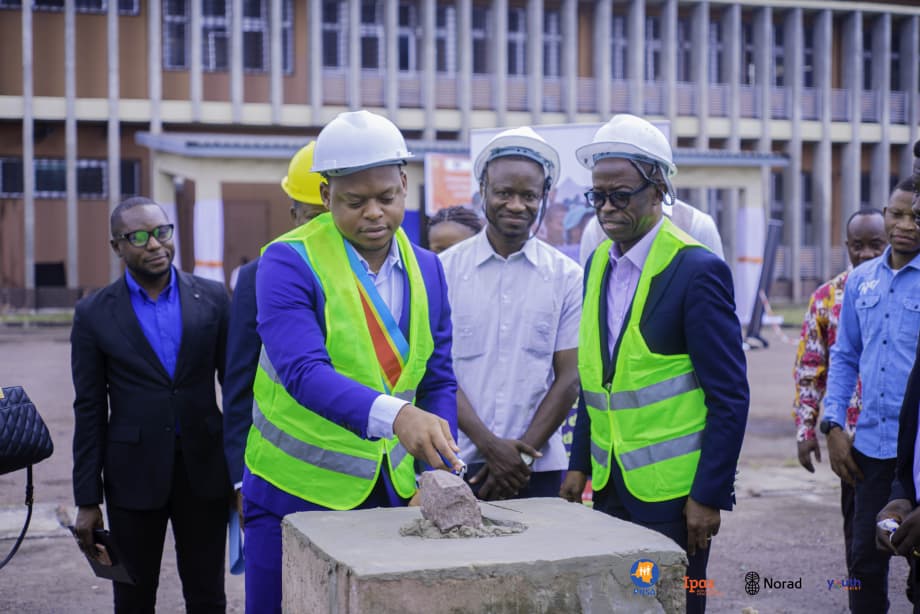
On April 3, the Democratic Republic of Congo took an important step forward in strengthening sexual and reproductive health (SRH) prevention with the launch of a new youth‑focused initiative at the National Institute for Health Education and Promotion (INPESS). Led by the National Adolescent Health Program (PNSA), with support from Ipas DRC and funding from the Norwegian Agency for Development Cooperation (NORAD), the initiative seeks to establish a safe, inclusive space for learning, dialogue, and peer‑to‑peer exchange—designed with young people, for young people.
Rather than intervening at the point of crisis, the Youth Center is grounded in a social and behavior change approach, addressing the root causes of vulnerability by strengthening access to reliable information, encouraging critical reflection, and supporting informed decision‑making among adolescents and young people.
In the DRC, many adolescents and young people still struggle to access accurate, age‑appropriate SRH information. Deep‑rooted social taboos, limited communication within families and communities, and fear of judgment leave young people—especially girls—without the tools they need to navigate decisions about their bodies and their futures. Too often, these decisions are made alone, under pressure, or when risks have already escalated.
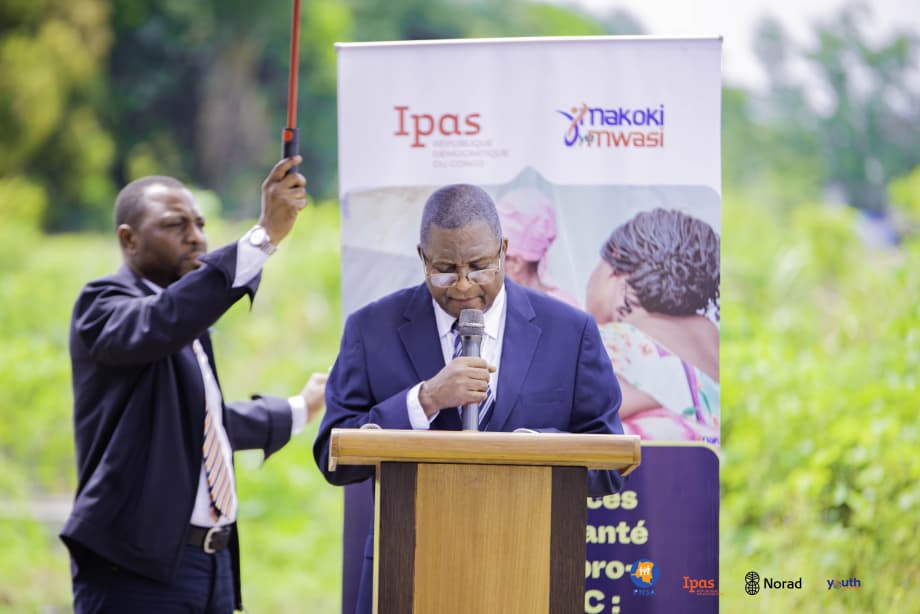
The Youth Center is built on a model of shared responsibility. The National Adolescent Health Program (PNSA) provides strategic leadership, ensuring coherence with national health and education priorities, as well as with broader SBC frameworks.
At the groundbreaking ceremony, the PNSA Director emphasized the center’s role as a space for information, listening, and youth‑friendly referral, reinforcing the State’s commitment to adolescent health and to the long‑term sustainability of the initiative.
Equally central to the model is youth leadership. The center will be managed and animated by members of Youth Sprint, creating a strong peer‑to‑peer dynamic. This approach ensures relevance, cultural resonance, and credibility, while allowing young people to act not only as participants, but as facilitators and agents of social change.
By combining institutional leadership with meaningful youth engagement, the initiative reflects a core SBC principle: lasting behavior change grows out of trusted, locally anchored spaces shaped by the people they serve.
The Youth Center has been intentionally designed to operate upstream—before clinical care is sought and before risks escalate. It moves away from service‑delivery models and instead positions information, dialogue, and reflection as the first steps toward prevention.
Crucially, the center is non‑medicalized. Young people come not to receive treatment, but to talk, listen, question, and learn in an environment free from judgment or stigma. This makes it possible to openly address issues that are often silenced: sexual and reproductive health, gender norms, bodily rights, gender‑based violence, and decision‑making.
Grounded in social and behavior change, the center focuses on the norms, beliefs, and power dynamics that shape young people’s choices—particularly those affecting adolescent girls. The aim is not simply to share information, but to foster agency, critical thinking, and confidence.
Another defining feature is that the space will be run by young people, for young people, through Youth Sprint. Peer‑to‑peer engagement strengthens trust, makes conversations more accessible, and transforms young people from information recipients into leaders and advocates.
In practice, the Youth Center will offer:
The center will also play a key referral role, helping young people identify appropriate services and navigate safer care‑seeking pathways, without duplicating existing health services.
By placing information, dialogue, and referral at the center of its approach, the Youth Center addresses vulnerability at its source. It creates conditions for young people to understand their options, reflect on their choices, and take informed decisions about their bodies and their lives.
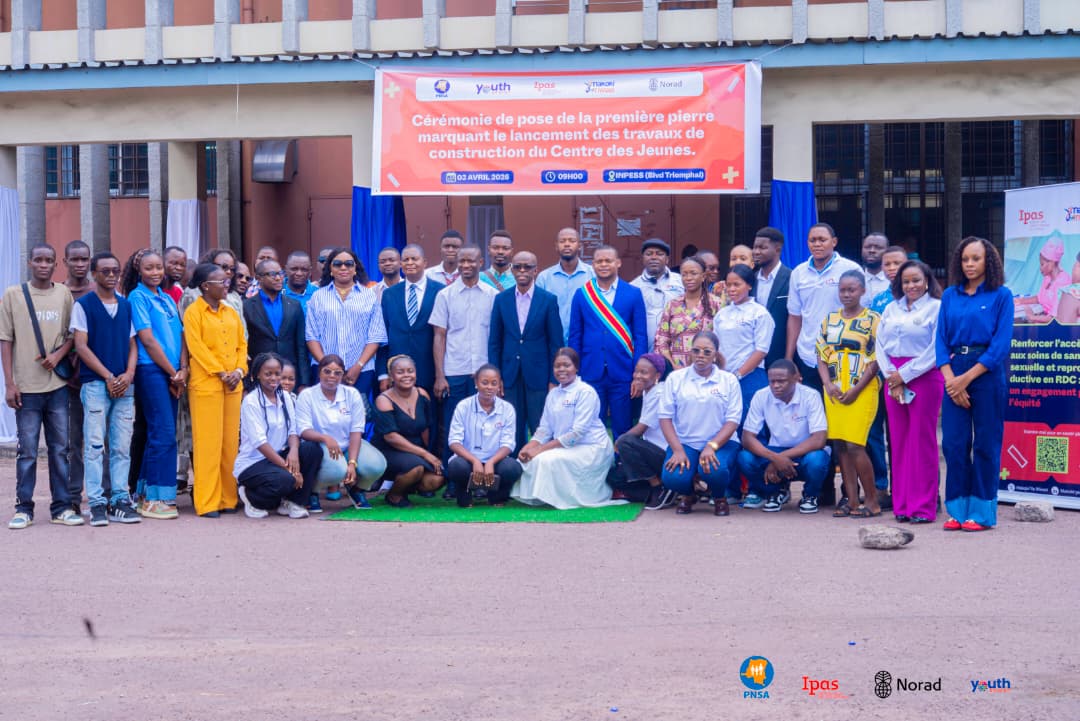
Over time, this approach contributes to reducing unintended pregnancies, unsafe practices, and gender‑based violence. More broadly, the center stands as a strategic investment in social and behavior change, supporting bodily autonomy and well‑being for adolescents and young people across the Democratic Republic of Congo.
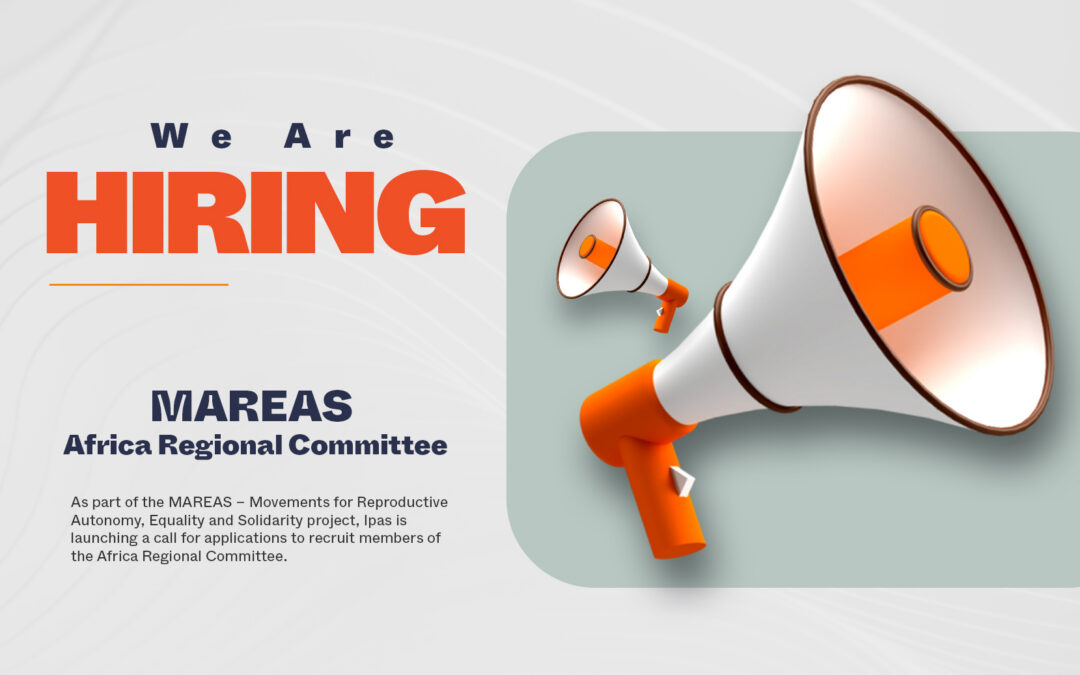
As part of the MAREAS – Movements for Reproductive Autonomy, Equality and Solidarity project, Ipas is launching a call for applications to recruit members of the Africa Regional Committee.
MAREAS is a three-year interregional project implemented in Africa (Benin, Democratic Republic of Congo, Kenya, Madagascar, Senegal, and Uganda) and Latin America (Argentina and Mexico). Led by a consortium composed of Ipas, Reprod’Action Santé (RAS), CLACAI, and Médecins du Monde, the project aims to advance bodily autonomy and sexual and reproductive health and rights (SRHR), with a particular focus on preventing unsafe abortion, by strengthening feminist civil society organizations (CSOs).
Inspired by the spirit of the marea verde (“green tide”) feminist mobilizations, MAREAS seeks to support feminist movements as key actors in transforming legal frameworks, public discourse, social norms, and health systems related to reproductive autonomy.
The Africa Regional Committee is a core component of the project’s feminist and participatory governance structure. In close collaboration with the consortium and country teams, the committee will contribute to:
The committee will be composed of 8 to 10 members, including consortium representatives and members recruited through this public call, for a one-year renewable term.
This call is open to individuals and organizations with:
Additional experience working with grassroots, community-based, and marginalized groups is considered an asset.
Interested candidates are invited to submit :
1) a summary of the organization’s or individual’s experience and understanding of working with feminist organizations and on issues related to bodily autonomy;
2) a motivation statement outlining the applicant’s interest in and commitment to being part of the MAREAS Africa Regional Committee.
📅 Application deadline : May, 4 2026
📧 Applications should be sent to: [email protected] and [email protected]
For more information click here
⚠️ Please note that this is a voluntary position and does not include financial compensation.