
Ipas DRC
Non-profit organization
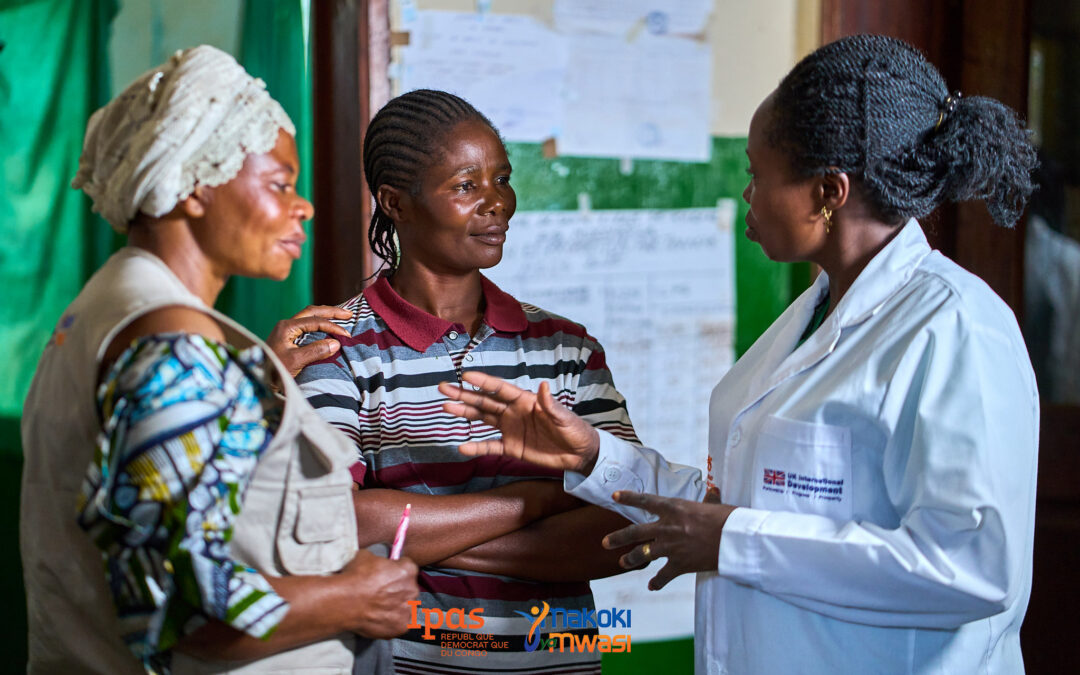
In eastern Democratic Republic of Congo (DRC), decades of humanitarian crisis have led to repeated waves of displacement. The recent closure of several internally displaced persons (IDP) camps has further intensified this situation, with families moving into host communities and informal settlements, particularly in Nyiragongo, Karisimbi, and the city of Goma.
This shifting humanitarian landscape is unfolding amid ongoing insecurity and armed violence, placing sustained pressure on social services and an already fragile health system. As population movements become more dispersed, the way sexual and reproductive health (SRH) services are organized must also evolve.
Service delivery models that were once centered in displacement camps are no longer sufficient to meet the needs of women and adolescents living within host communities. This reality has called for a strategic shift—one that brings essential services closer to where people live and strengthens local health systems in the process.
With support from the Government of Canada through the WISH initiative, Ipas DRC works alongside health authorities and local partners to support continuity and access to essential SRH services for women and adolescents, even in acute humanitarian contexts.
As displaced populations have become more dispersed, health authorities—supported by Ipas DRC and other humanitarian partners—have moved toward integrating sexual and reproductive health services into existing public health facilities and outreach sites.
This approach prioritizes proximity, sustainability, and system resilience. It supports the delivery of comprehensive abortion care, family planning services, care for survivors of gender-based violence, and prevention and treatment of sexually transmitted infections.
Across North and South Kivu, this collaboration has strengthened service delivery in approximately thirty health facilities, primarily in areas hosting large numbers of displaced and vulnerable households. Support has focused on building provider capacity, ensuring the availability of essential commodities, providing supportive supervision, and reinforcing community-based referral mechanisms. Together, these efforts help reduce geographic, social, and economic barriers to care.
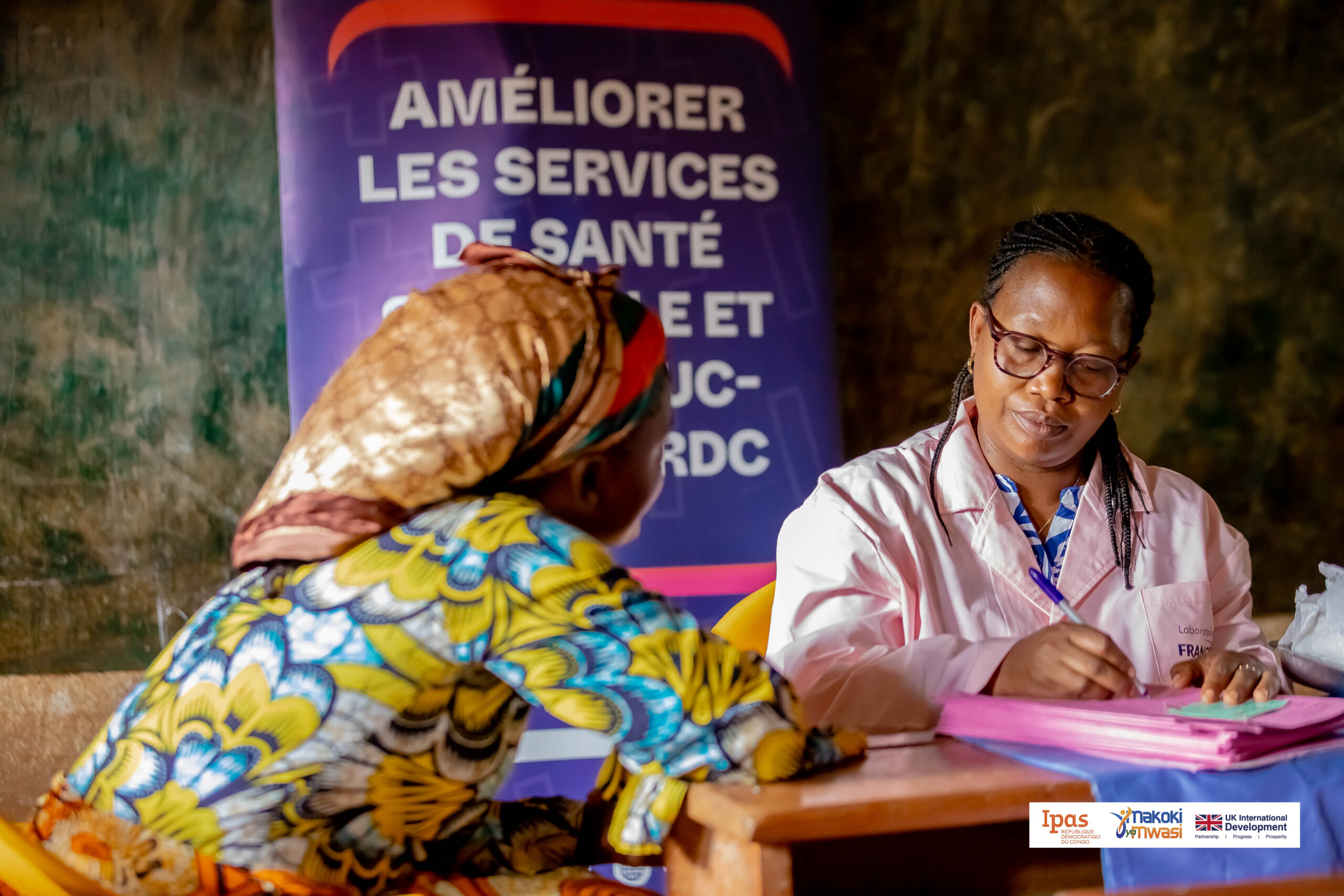
Elikya (name changed), a 29-year-old mother of three, reflects the real-life impact of this integrated approach. After discovering a closely spaced pregnancy that posed serious risks to her health, she was referred by a community health worker to a nearby health facility.
There, she received free, respectful care, including comprehensive abortion services, and was able to choose a contraceptive method suited to her needs.
“Today, I am alive and relieved to be able to space my pregnancies.
I am grateful to those who make these services possible in our community,” she shares.
Her experience underscores the importance of accessible, rights-based sexual and reproductive health services—even in humanitarian settings.
This intervention is grounded in a human rights framework and aligns with national and regional commitments, including the Maputo Protocol. By strengthening health facilities and community referral systems, services are made available, accessible, acceptable, and of quality.
In contexts where access to contraception remains limited and the risks associated with unintended pregnancies are high—often leading to unsafe abortion—integrating comprehensive abortion care and family planning is essential to reducing maternal mortality and supporting women’s bodily autonomy.
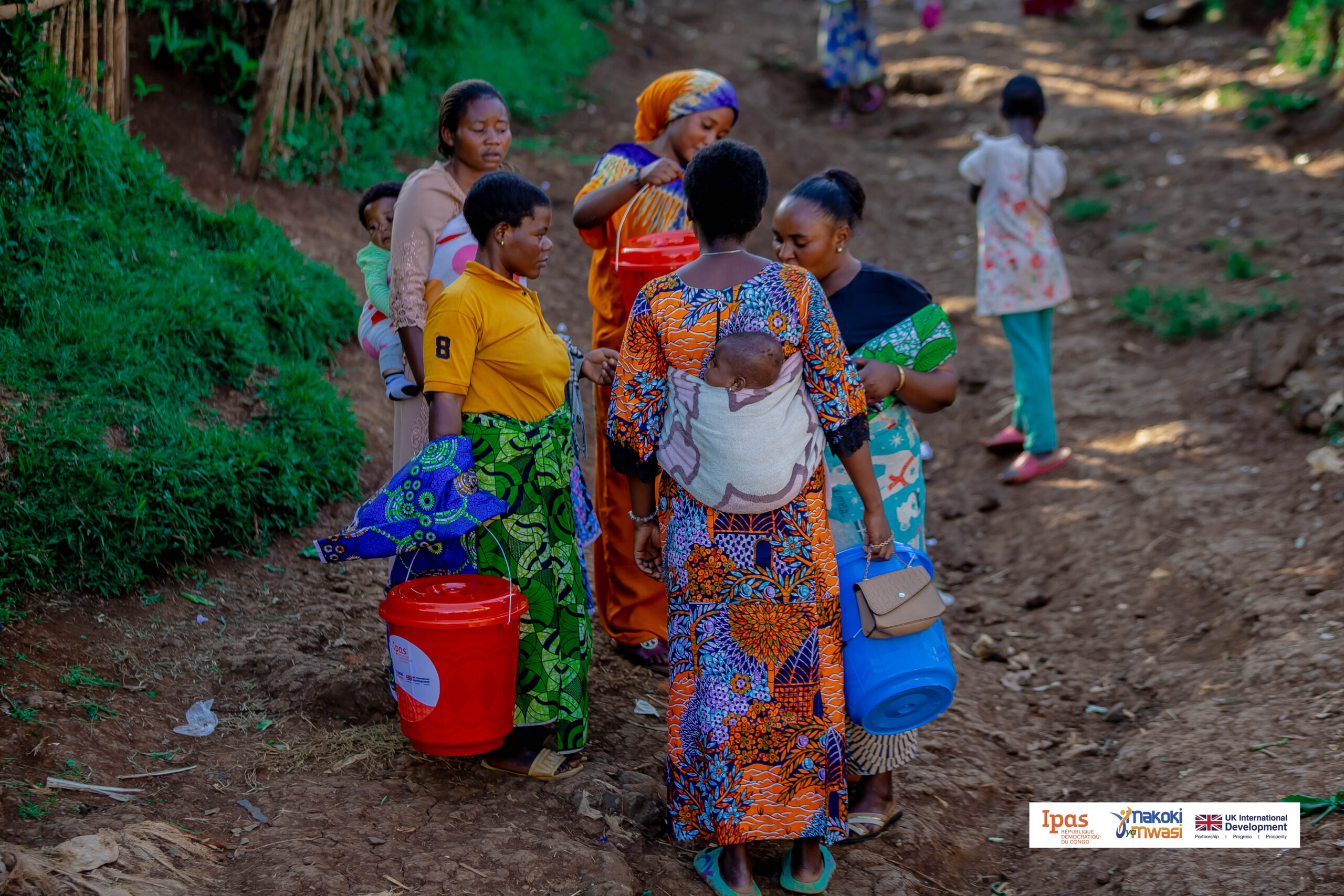
Despite significant operational constraints—including supply chain disruptions, insecurity, and sustained pressure on health workers coordination among health authorities, humanitarian partners, and community actors has made it possible to maintain essential services at the last mile.
Through this collective effort, thousands of women have accessed family planning, comprehensive abortion care, and services for survivors of sexual violence. By sustainably bringing care closer to communities affected by crisis, this approach helps save lives, protect the dignity of women and girls, and strengthen health system resilience in humanitarian settings.