Ipas DRC
Non-profit organization
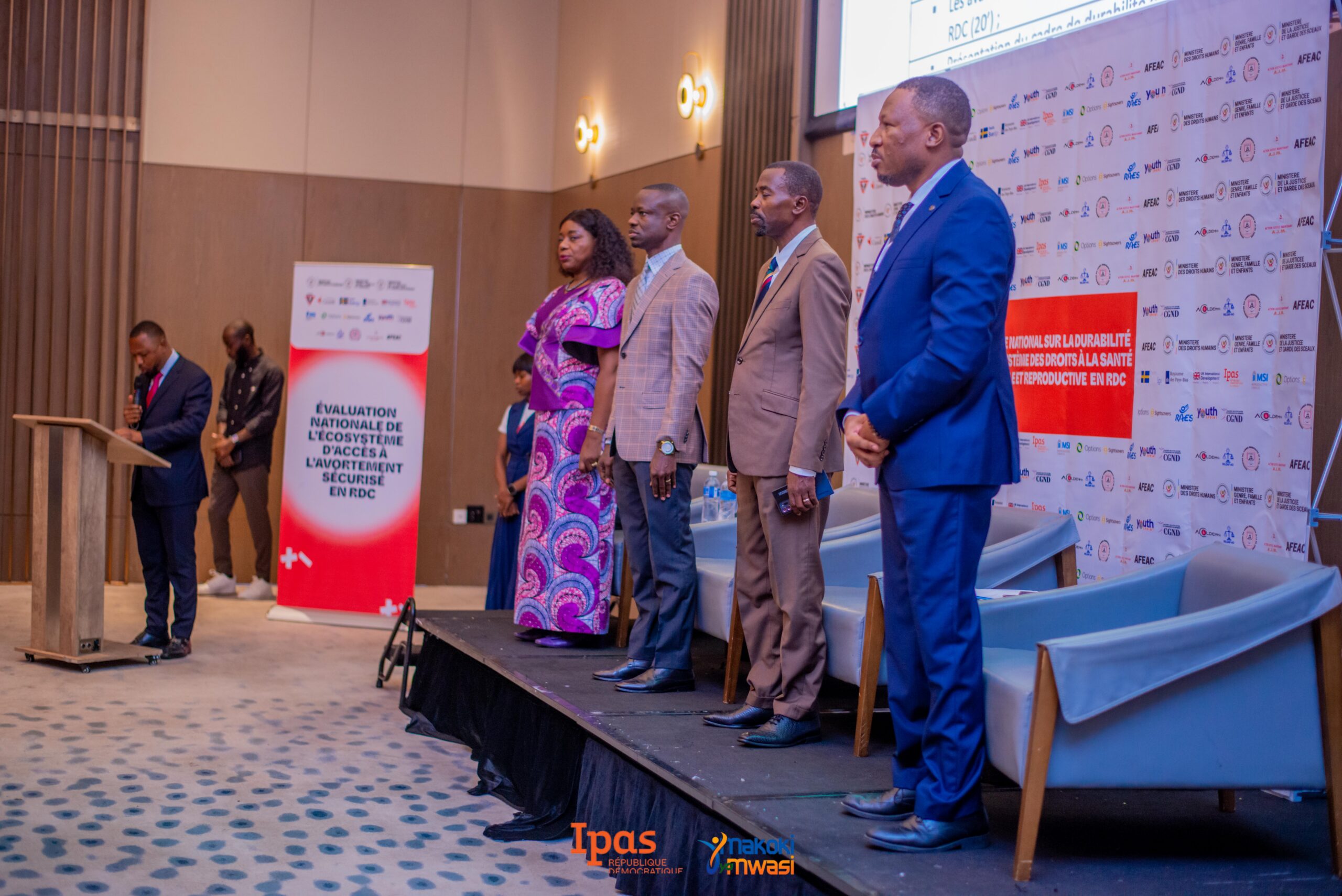
Ipas has been strengthening the sustainable abortion ecosystem in the DRC, by engaging key political leaders on the path to improving access to safe abortion care. Ipas strengthened their capacities through the Values Clarification and Action for Transformation (VCAT) trainings, highlighting the impact of unsafe abortion on the lives of women and girls and their role in promoting women’s rights. This work has been done through several ministries, and despite political instability, Ipas has been able to support policy makers and work with champions within the government and parliament supporting advocacy initiatives and policies favoring women’s rights.


The Maputo Protocol is the first document ratified by the DRC that recognizes abortion under certain conditions as a human right for women, who can use this right without restriction or fear of any legal proceedings.

The full implementation of this [Maputo] protocol will strengthen the bodily autonomy of women, improve their well-being and socio-economic empowerment.

We can continue to hide behind harmful beliefs and restrictive laws; the truth is that denying women and girls access to SRH information and services do not prevent them from performing abortion. It forces them to use unsafe and dangerous methods.