Ipas DRC
Non-profit organization
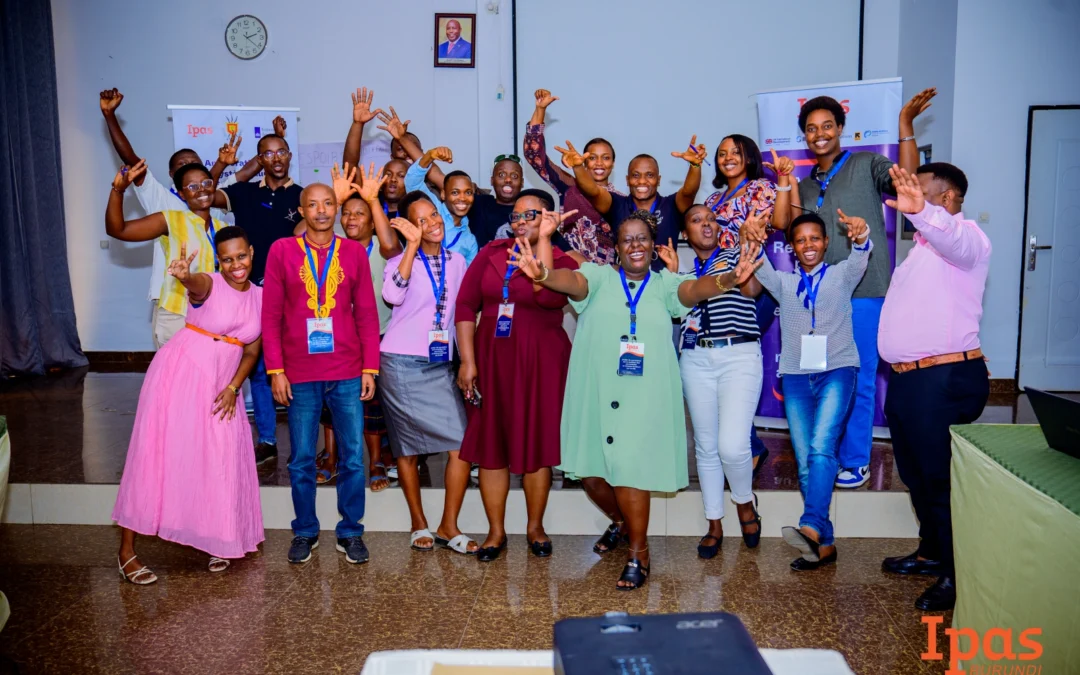
The initiative is rooted in a clear understanding: access to accurate, verified, balanced and evidence-based information is essential for people to make informed decisions about their health and lives. Yet reproductive health issues remain underreported and are sometimes presented through stereotypes or unverified information.
Through this alliance, media professionals and influencers are bringing their skills and platforms together to improve public access to trusted reproductive health information.
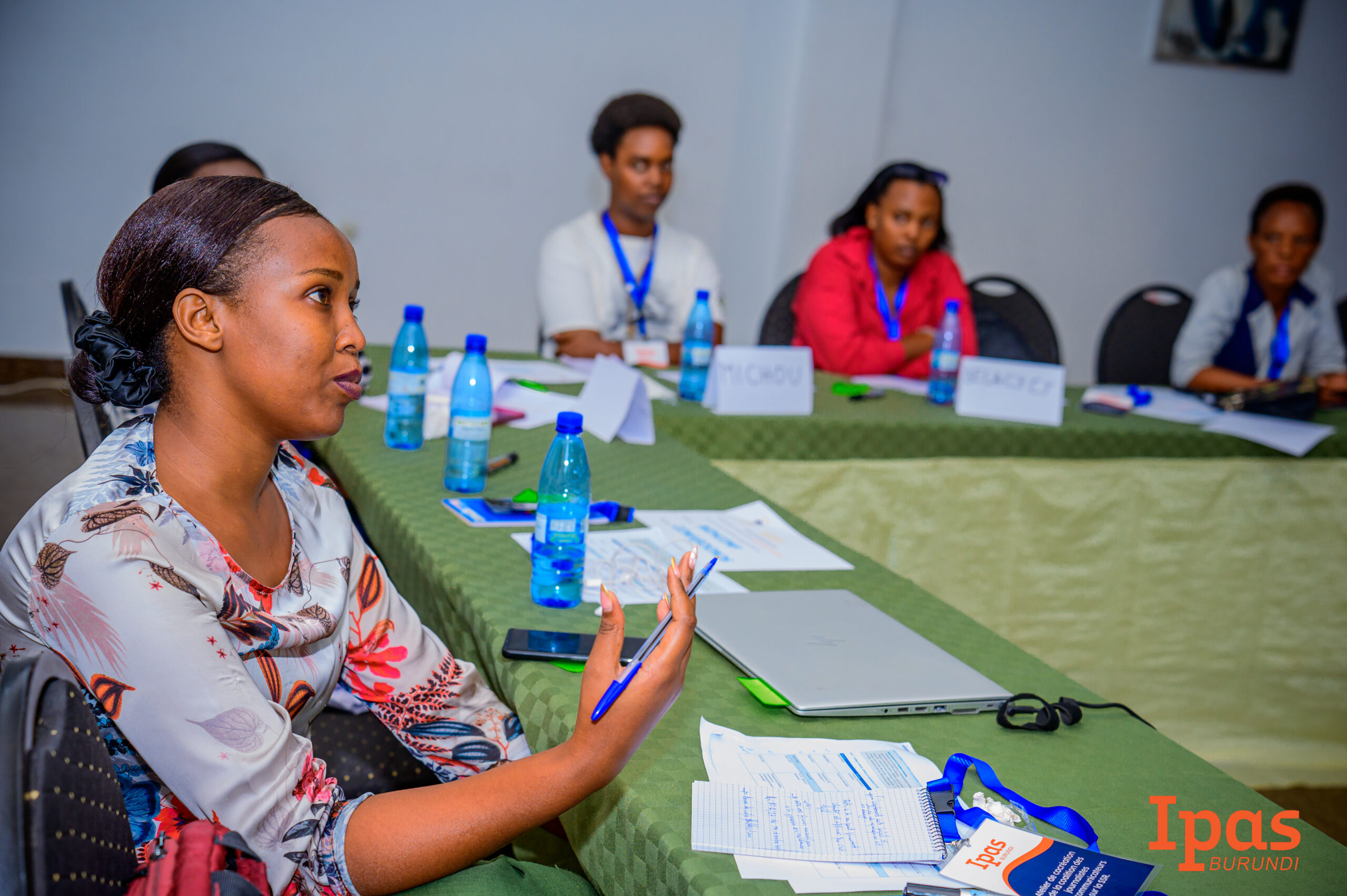
Journalists have a central role to play. Through reporting, interviews, investigations, radio and television programs, and digital content, they can explain reproductive health issues, amplify the voices and experiences of those most affected, and connect audiences with safe and credible sources of information.
Influencers can help make this information easier to understand and more accessible to diverse audiences by using formats and messages tailored to their needs.
By combining their respective strengths, journalists, communicators and influencers can also help address rumors, misinformation and false narratives related to reproductive health.
Women, girls and young people are at the heart of AJC-SR’s vision.
For young people, access to accurate and age-appropriate information is particularly important as they navigate questions about their bodies, puberty and reproductive health. Without trusted sources of information, myths and misinformation can easily fill the gap.
For women and girls, improved access to information can strengthen their understanding of reproductive health issues and support informed decisions about their health.
AJC-SR therefore seeks not only to improve access to information, but also to ensure that the realities, experiences and concerns of women, girls and young people are better represented in public conversations.
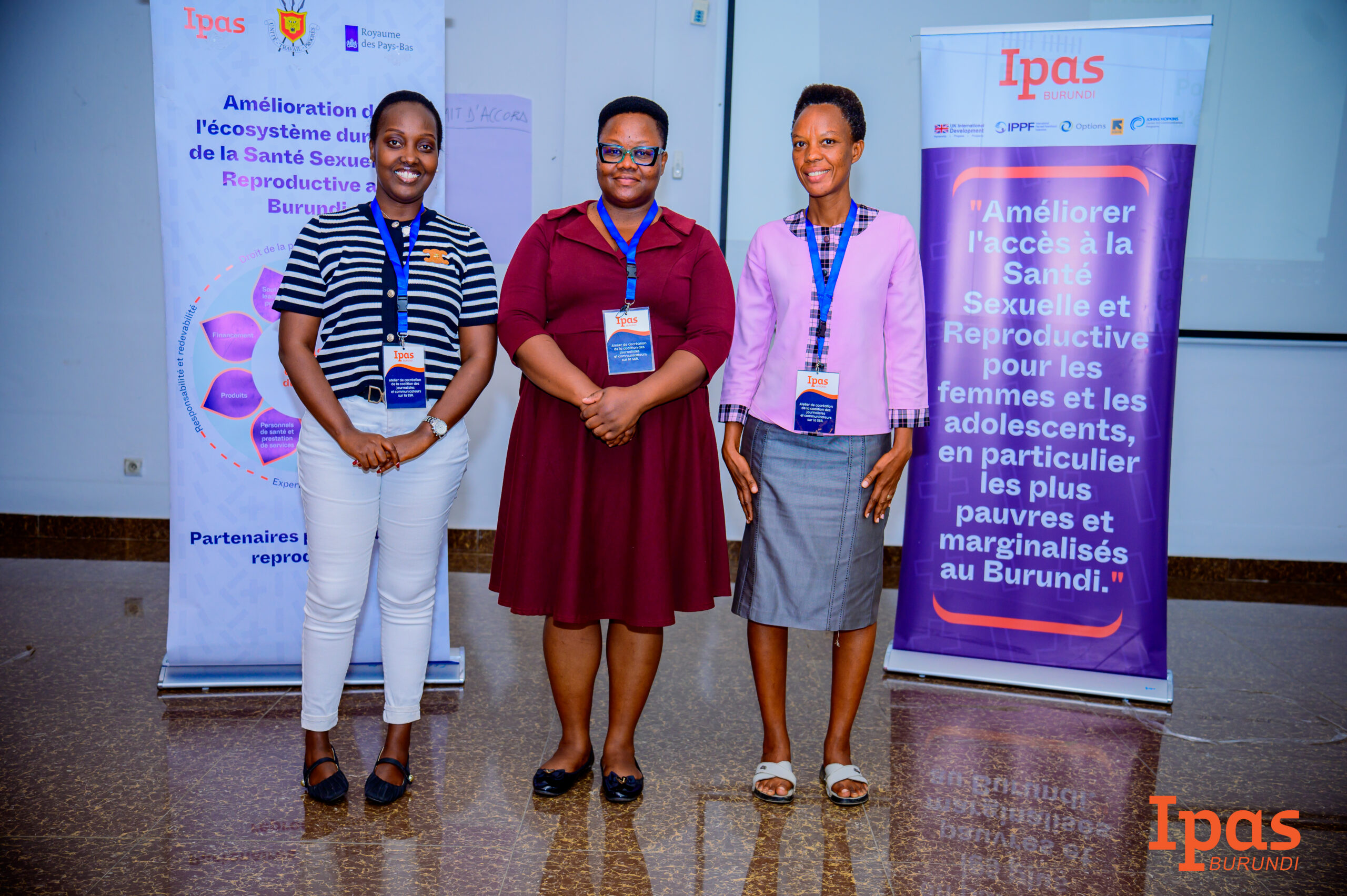
The Alliance also aims to help address the taboos surrounding reproductive health.
Topics such as menstruation, contraception, fertility, sexually transmitted infections, unintended pregnancy and sexual violence can still be difficult to discuss openly. Yet silence can create more space for rumors and misinformation.
Addressing these taboos does not mean treating these issues casually. It means creating a media environment in which reproductive health can be discussed accurately, respectfully and ethically, based on verified information.
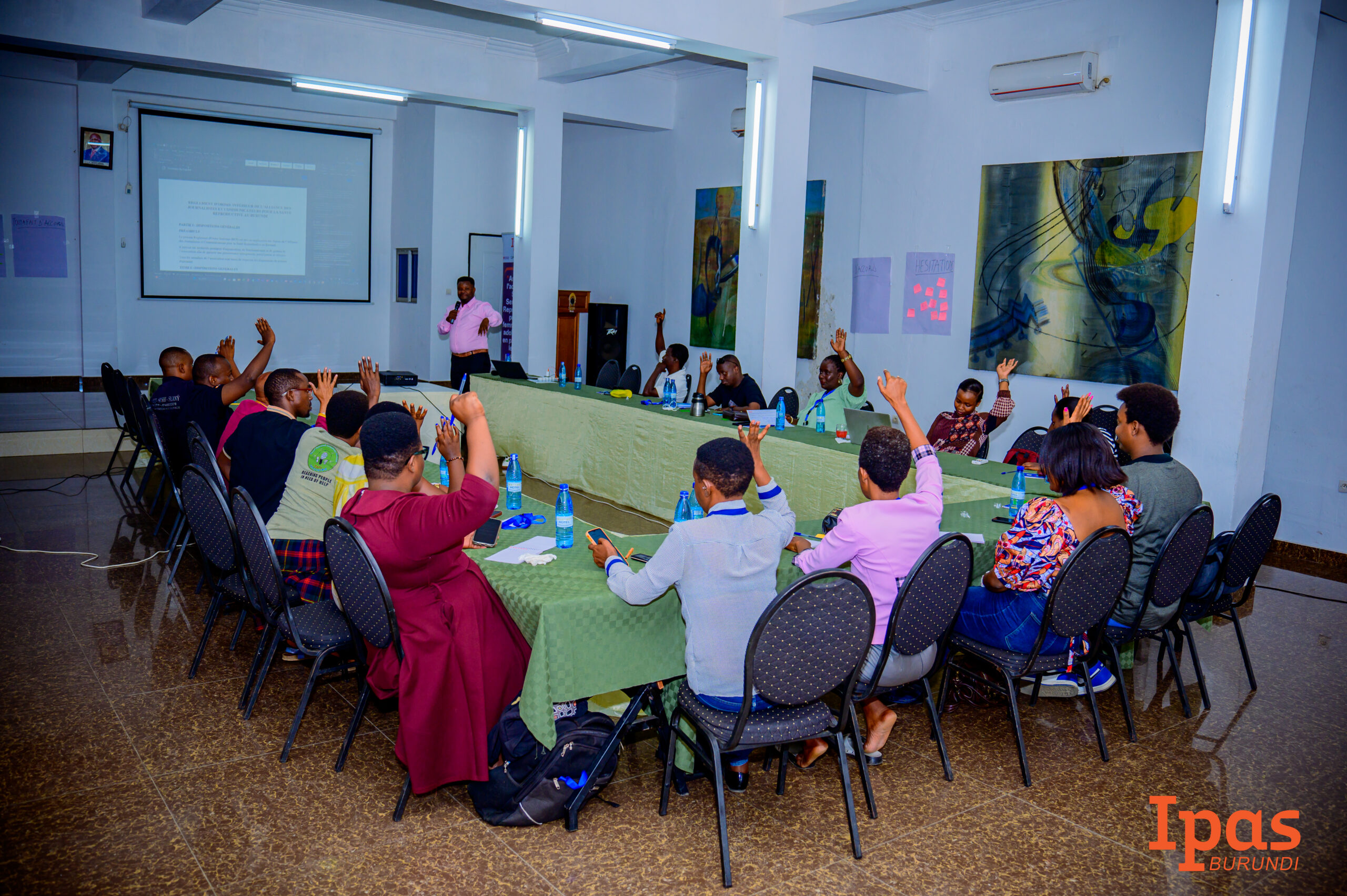
AJC-SR plans to strengthen the capacity of journalists and communicators, improve access to trusted sources, encourage the production of innovative content, and promote responsible media advocacy on reproductive health.
The Alliance also seeks to foster experience-sharing among its members and establish partnerships with public institutions, civil society organizations, universities, technical and financial partners, and media organizations.
Through this initiative, AJC-SR aims to make accurate information a meaningful tool for prevention and greater understanding.
Its ambition is to contribute to a media environment in Burundi where reproductive health issues are addressed professionally, respectfully and without stigma. Through the work of AJC-SR, more people will be able to access credible information and make informed decisions about their health and lives.
By Linda BUSHASHA ,Coordinator of the Alliance of Journalists and Communicators for Reproductive Health (AJC-RH)
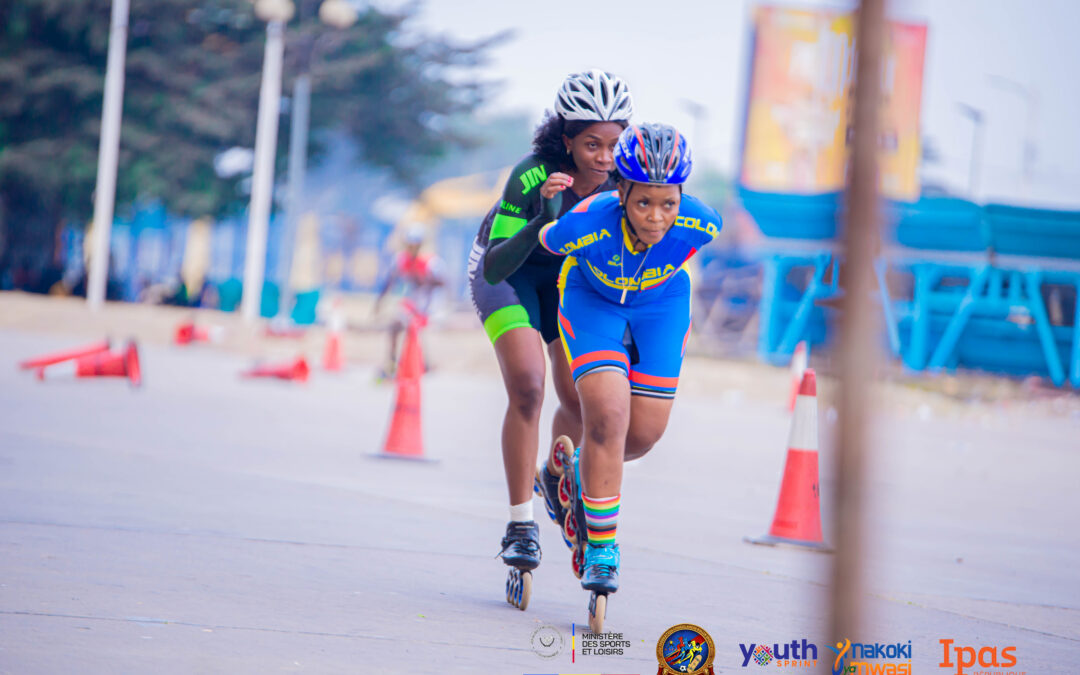
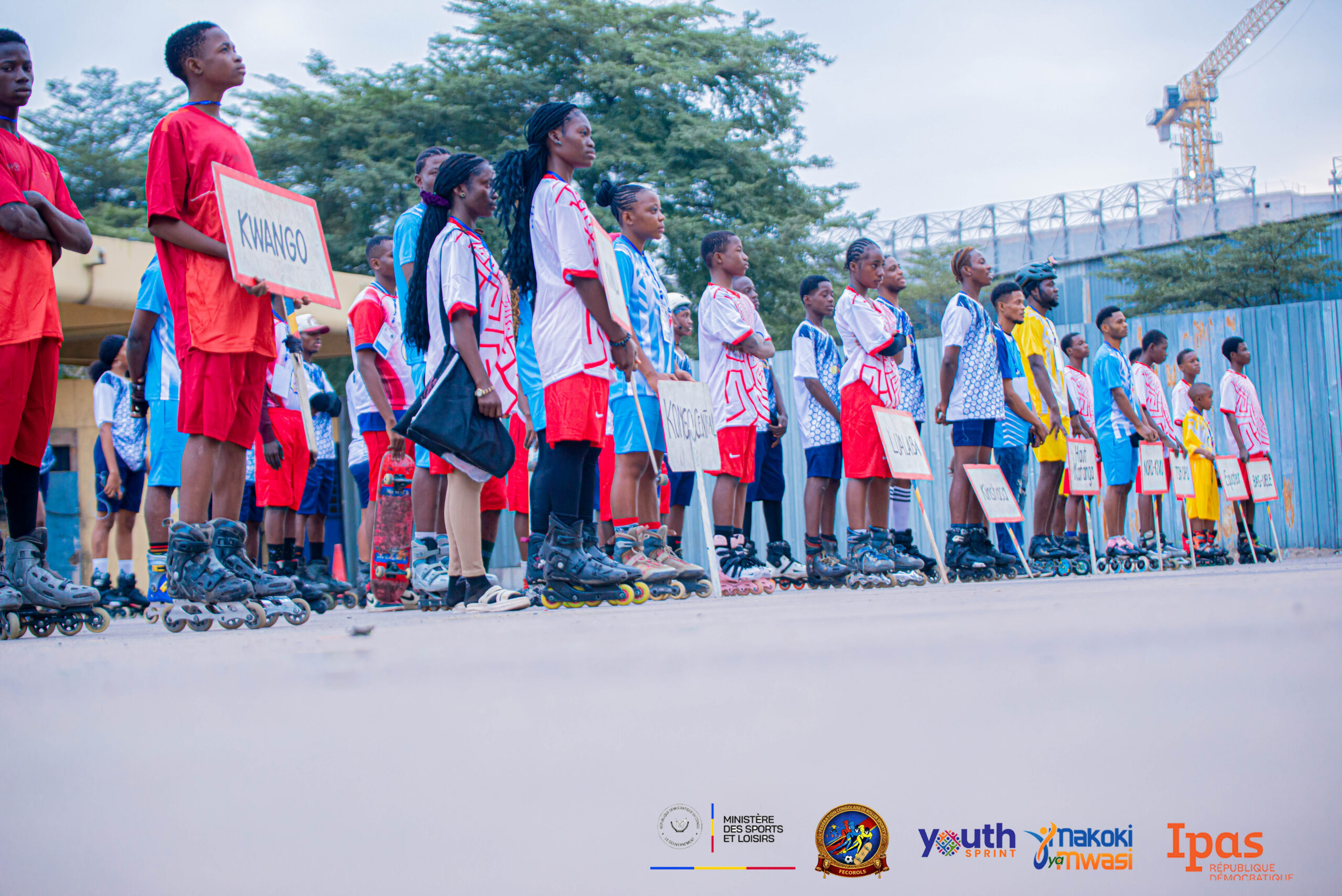
From August 28 to 30, 2026, the Stade des Martyrs hosted the fifth Congo Roller Sports Cup. For the third time, Ipas DRC supported the competition, which was organized with the backing of the Ministry of Sports through the Congolese Roller Sports Federation, FECOROLS.
During the competition, Youth Sprint, a youth-led organization, conducted awareness-raising activities on gender-based violence and contraception with support from Ipas DRC. By engaging directly with athletes, young people, and spectators, its members created a space for information, listening, and open conversation about sexual and reproductive health and rights.
The initiative was grounded in a simple conviction: spaces where young people come together, express themselves, and pursue their ambitions can also become spaces for prevention and social change. It also demonstrated the important role young people can play in informing their peers and leading change in their communities.
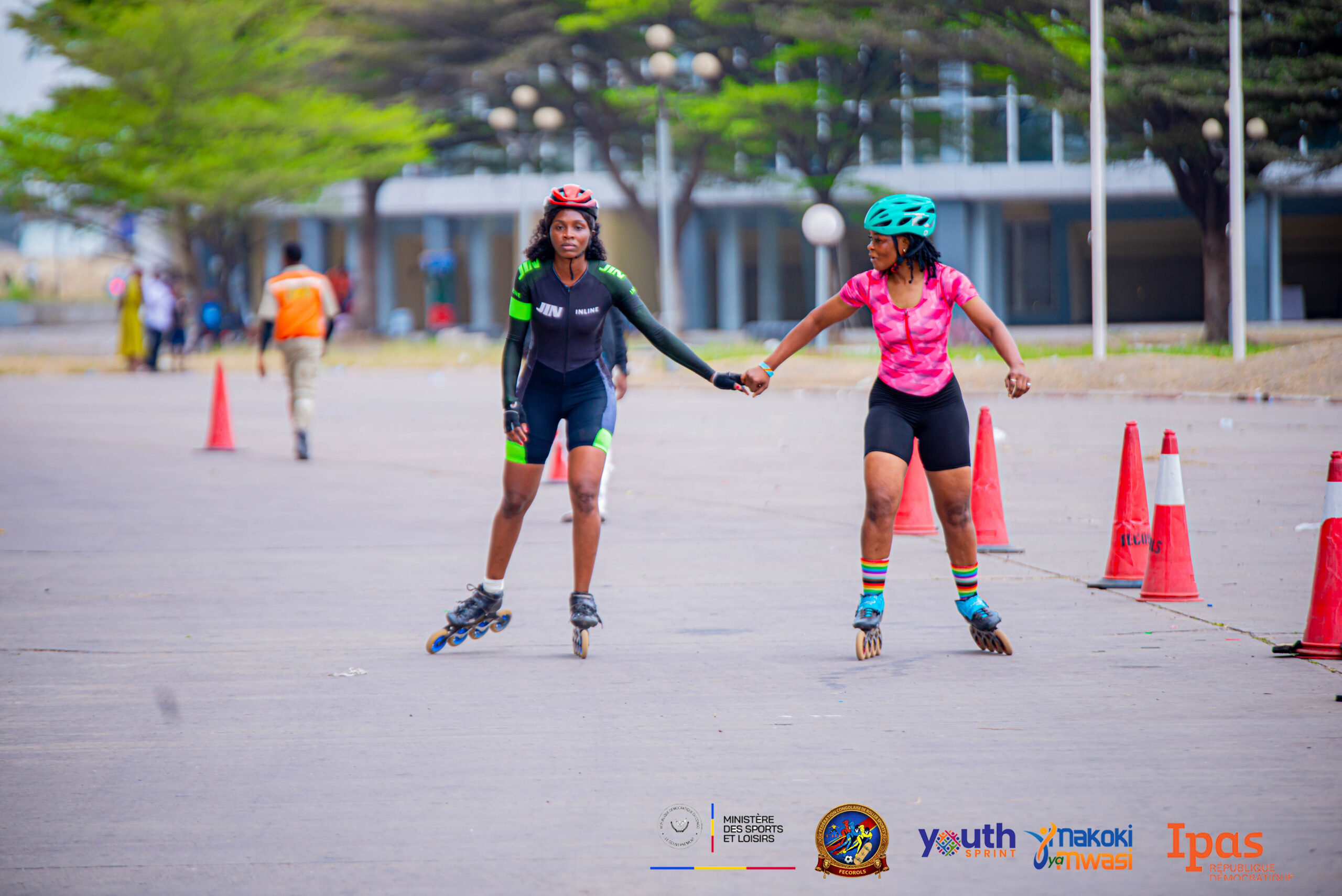
For many girls, participating in sport involves more than training or competing. It can also mean confronting prejudice, sexist comments, and social expectations that still seek to define what girls can do, which spaces they can occupy, and how far their ambitions should take them.
Not all girls experience these barriers in the same way. Gender can combine with age, disability, economic hardship, or location, making it even more difficult to participate in sport or access information and health services. Some girls must therefore overcome several barriers before they even reach the starting line.
Sport can reflect these inequalities, but it can also help challenge them. By taking their place on the track, girls affirm their ability to develop their talents, pursue their ambitions, and determine the direction of their own lives.
Athlete Linda Kanku’s experience illustrates this reality. During long-distance races, she heard people tell her to “stay at home” or “go and cook.” These remarks show how gender stereotypes can undermine girls’ confidence and restrict their aspirations. They also reinforce the need to engage families, coaches, communities, and spectators in creating safer, more respectful, and inclusive sporting environments.
“When a girl chooses sport, she is not challenging society. She is developing her talent, her health, her confidence, and her future.”
said Linda Kanku.
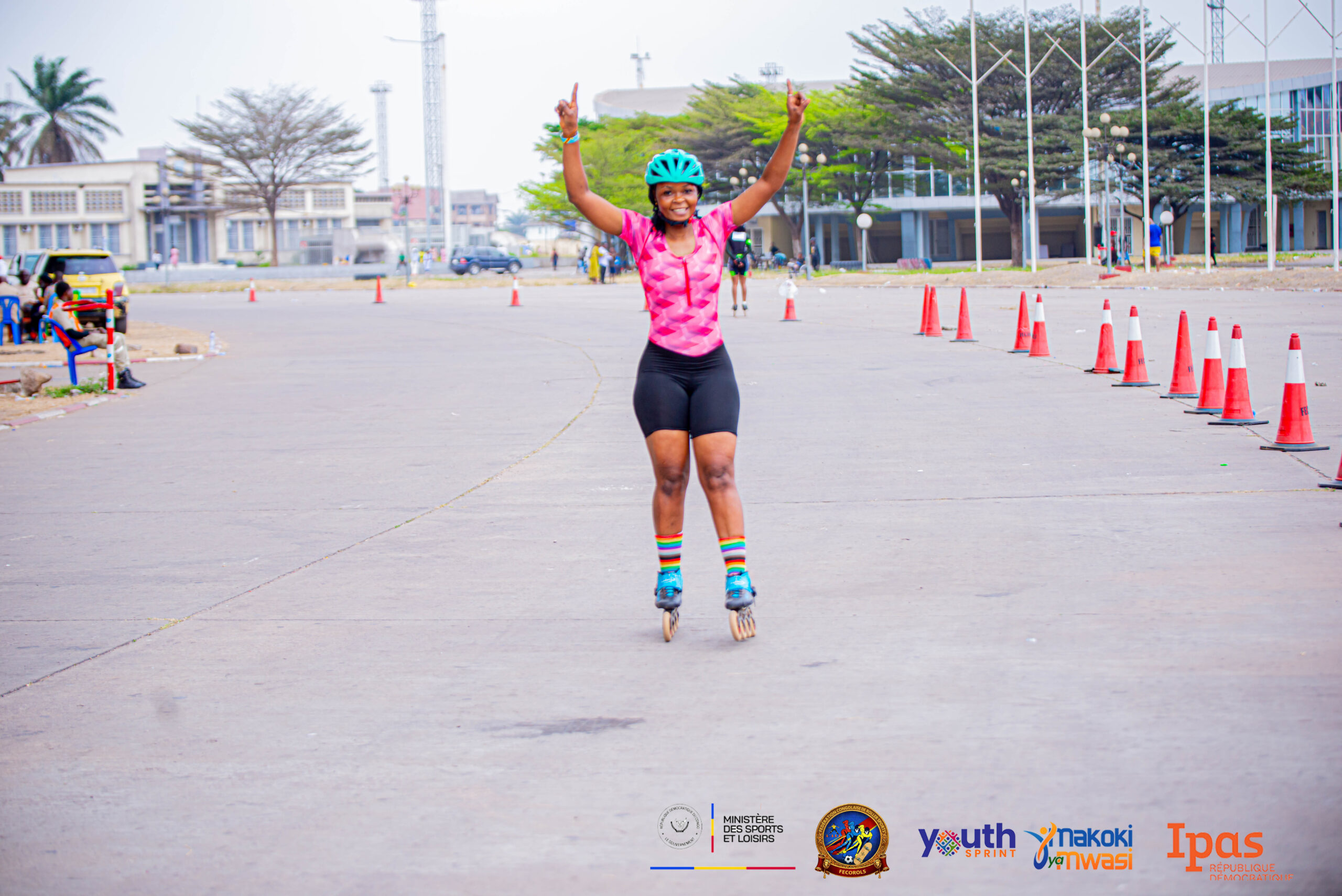
On the track, girls learn to recognize their abilities, push their limits, and believe in their potential. This confidence can also help them raise their voices, stand by their choices, and resist the pressures that seek to make decisions on their behalf.
However, confidence alone is not enough if girls lack reliable information and services that respond to their needs. Supporting them to make decisions about their health and future also requires preventing violence, challenging discrimination, and improving access to clear sexual and reproductive health information.
Through the awareness-raising sessions held during the competition, the young people mobilized by the organization spoke with participants about the different forms of gender-based violence. Violence can be physical, but it can also be verbal, psychological, or social, including through humiliation, intimidation, and prejudice that push some girls away from sporting spaces.
The team also facilitated discussions on contraception. Access to reliable information about contraceptive methods and appropriate services can help young people protect their health, prevent unintended pregnancies, and continue their education, training, and plans for the future. Through these conversations, the organization’s members connected young people with useful resources while helping to break the silence surrounding sexual and reproductive health.
By leading these discussions, the young people of Youth Sprint were not simply delivering messages to their peers. They were helping to create a space where young people could ask questions, learn about their rights, and reflect on the choices that shape their health and futures.
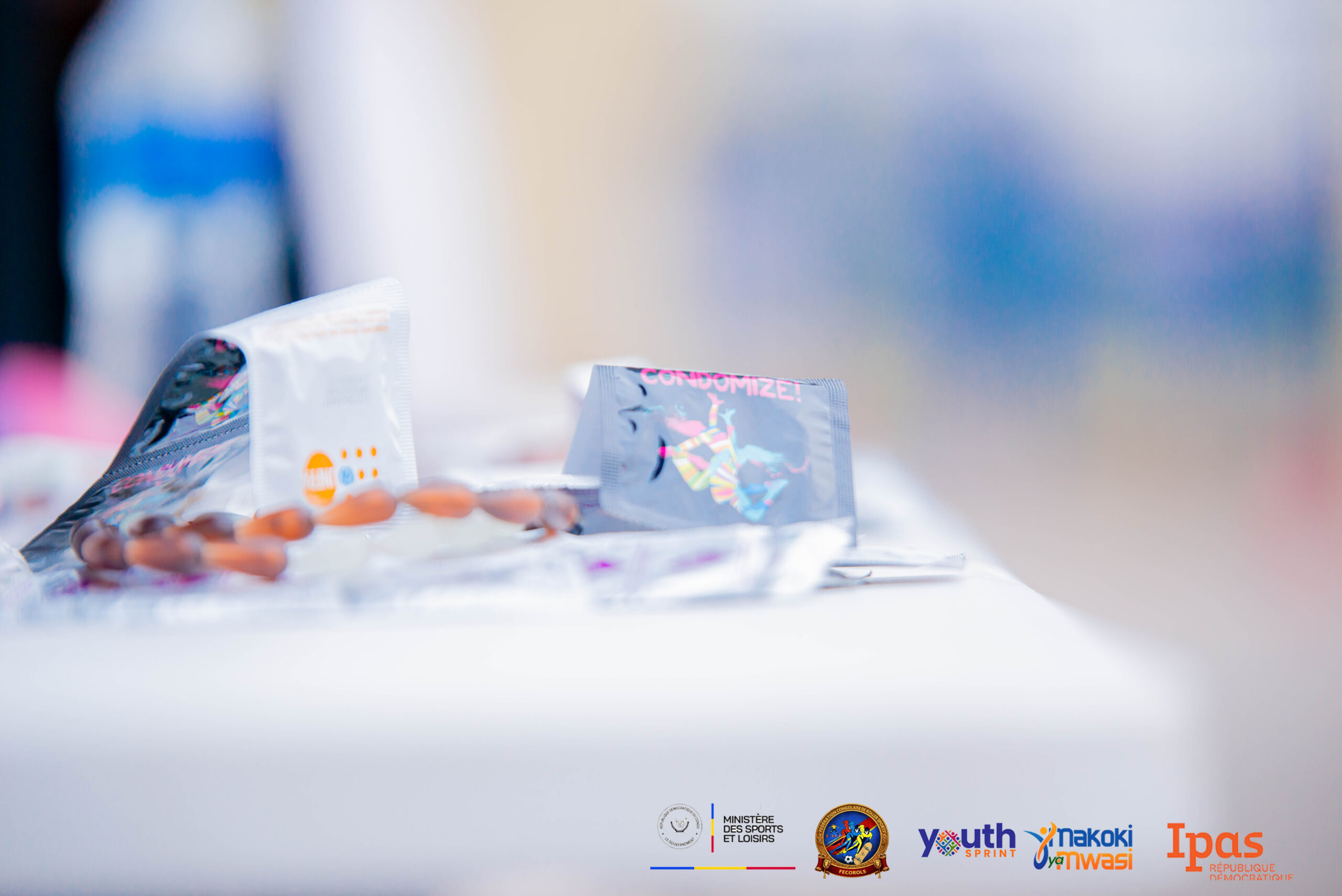
Bringing together gender-based violence prevention and contraception makes it possible to address young people’s safety, health, and ability to make their own choices. A young athlete who is informed, supported, and protected is better positioned to pursue her goals and realize her full potential.
Girls should not, however, carry the responsibility for change alone. Families, coaches, sporting federations, communities, and institutions all have a role to play in making sport an environment where no young person is excluded, humiliated, or exposed to violence.
At the fifth Congo Roller Sports Cup, the awareness-raising activities led by young people from Youth Sprint, with support from Ipas DRC and in collaboration with the Ministry of Sports and FECOROLS, showed that sport can be much more than competition. It can become a space where girls build confidence, learn about their rights, and connect with the resources they need to protect their health and pursue their ambitions.
On the track and beyond, every girl should be able to claim her space, make her own choices, and shape her future free from violence, discrimination, and barriers.
Writen by Lusangi Mankesi Bernetelle, intern at Ipas DRC and member of the Youth Sprint Coalition
For many adolescent girls, understanding their bodies, knowing their rights and accessing reliable sexual and reproductive health information is already a challenge. During the Ebola outbreak in Beni, that challenge became even greater for girls living with disabilities, who often faced additional barriers to accessing the information they needed to protect their health and well-being.
In eastern Democratic Republic of the Congo, Agnes is part of a generation of young people growing up amid overlapping public health and humanitarian crises. Like many girls with hearing impairments, she often felt left out. While much of the public attention was focused on the Ebola response, adolescent girls’ sexual and reproductive health needs did not disappear.
Information about menstrual health, personal hygiene, protection from violence and sexual and reproductive health services was not always available in formats that were accessible to her. Agnes knew that this information existed, but accessing and understanding it was not always easy.
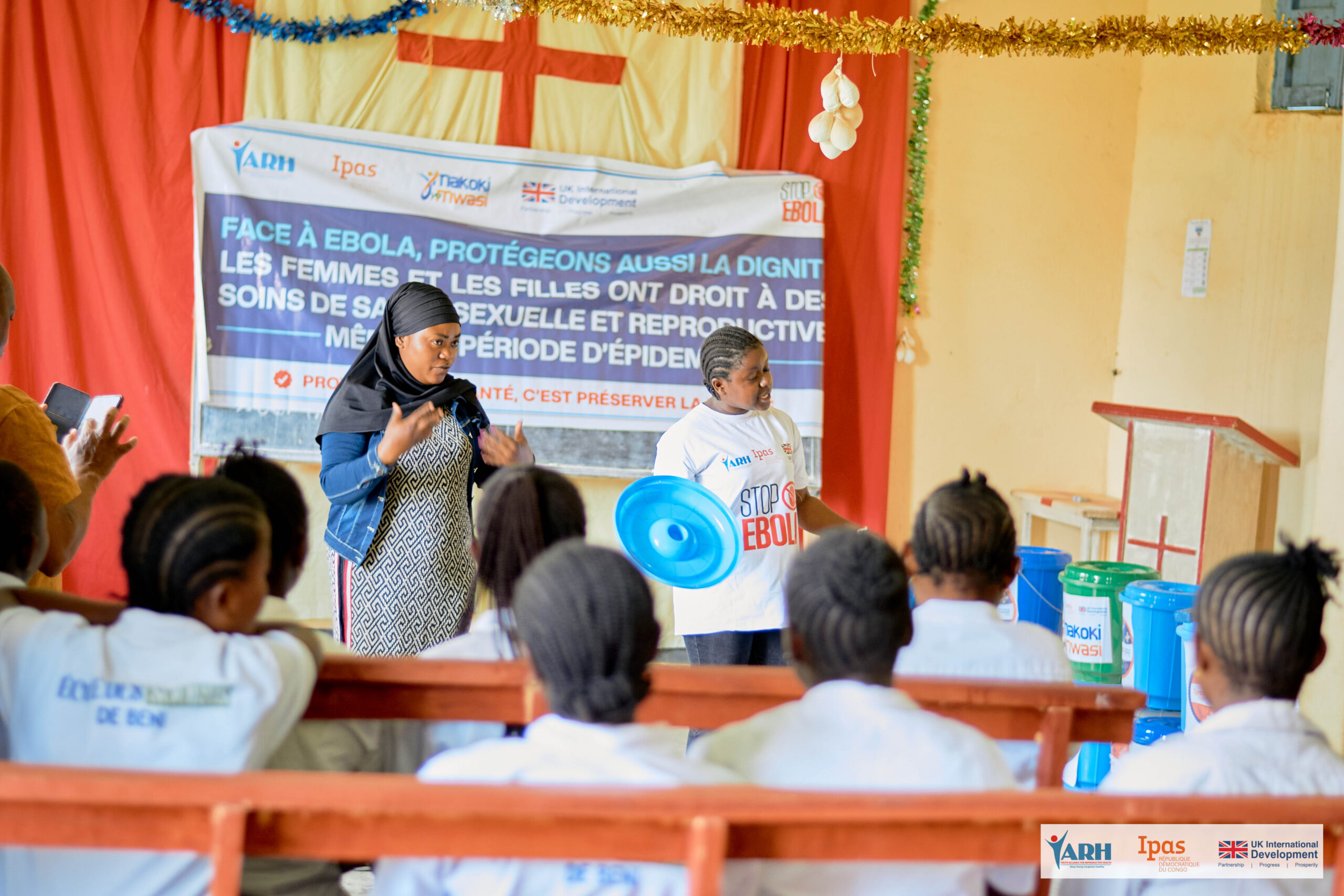
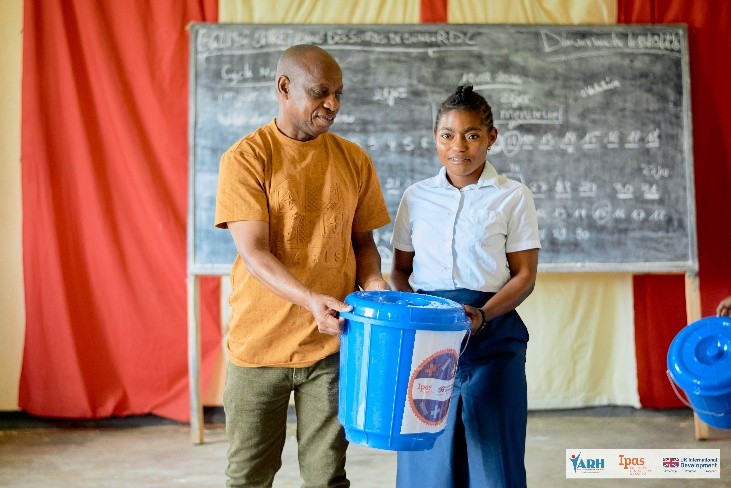
That began to change when she participated in an activity organized by Youth Alliance for Reproductive Health with support from Ipas DRC through WISH2, a programme funded by the UK government through the Foreign, Commonwealth and Development Office (FCDO). At a time when the Ebola outbreak was disrupting access to information and essential services across communities, the initiative aimed to ensure that adolescent girls living with disabilities were not left behind.
During the session, participants discussed menstrual health, personal hygiene and protection from violence. Through practical demonstrations and approaches tailored to their needs, Agnes was able to actively engage, ask questions and better understand topics that are often surrounded by silence and stigma.
For Agnes, the most significant outcome was not simply the information she received. It was the feeling of finally being seen.
“Today, I feel heard, valued and included. I know that I, too, have the right to information, care and protection. To me, that is what inclusion means: ensuring that no one is left behind, especially when it comes to our health and dignity.”
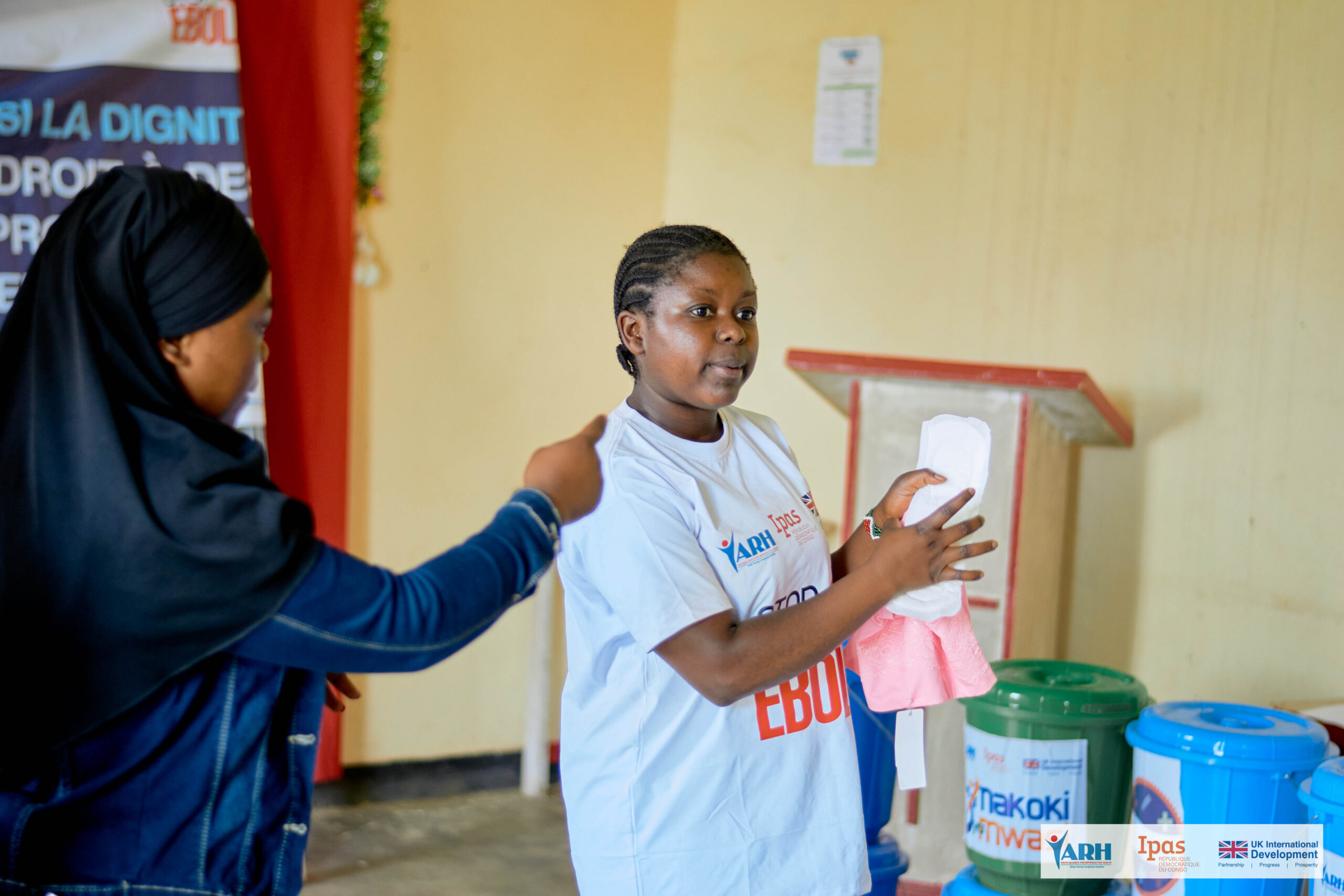
Her story highlights an often-overlooked reality: access to information is a prerequisite for the power to choose. When adolescent girls cannot access information that is adapted to their age, circumstances or abilities, they face greater risks of unintended pregnancy, violence and exclusion from essential health services.
According to Christelle Ambiti, focal point for YARH-DRC in Beni, girls with hearing impairments continue to face significant challenges in accessing sexual and reproductive health information and services. In a context marked by the Ebola outbreak, unequal access to information and heightened vulnerability to violence, information itself becomes a critical form of protection.
She notes that five girls left school because of early and unintended pregnancies in the previous year alone. Behind those numbers are interrupted dreams, lost opportunities and young lives shaped by barriers to information and services.
For frontline teams, the solution goes beyond making services available. Information must also be accessible, understandable and responsive to the realities of every girl so that she can make informed decisions about her health and future.
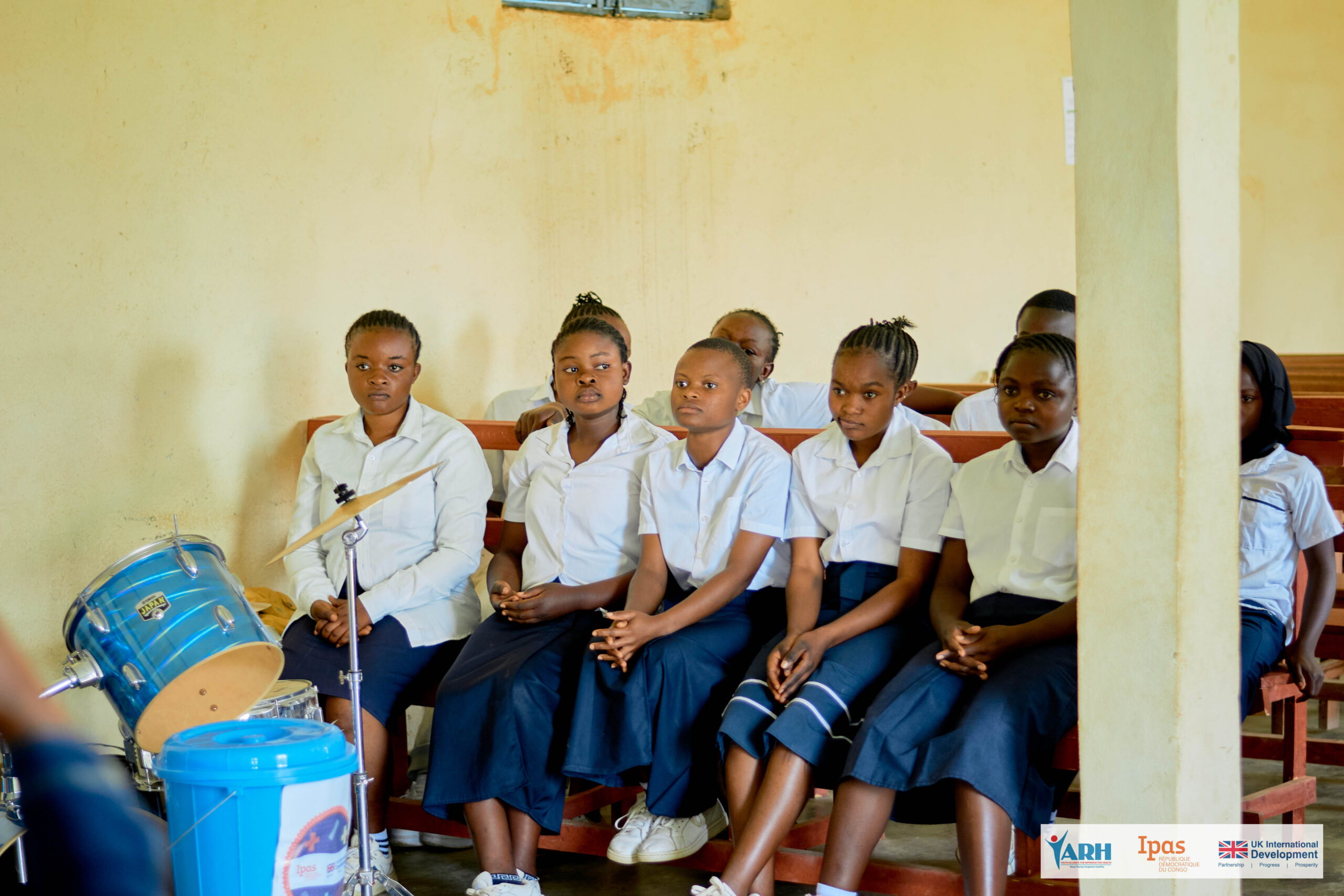
Agnes’ story shows that inclusion often begins with something simple: making information accessible. Even during a public health emergency, adolescent girls’ sexual and reproductive health needs do not disappear. On the contrary, ensuring equitable access to information becomes even more important so that every girl can protect her health, stay in school and make informed decisions about her future.
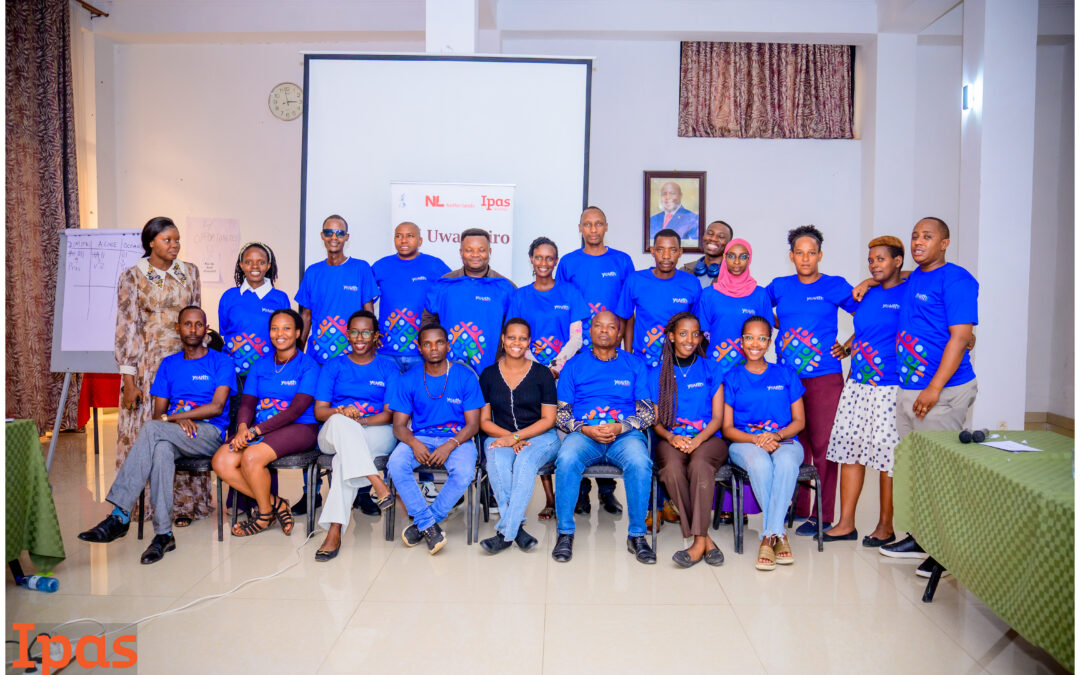
In Burundi, adolescents and young people are central to the country’s development ambitions. Yet they still face barriers to reliable information and responsive reproductive health services, including stigma, limited information, social and cultural norms, and gaps in services tailored to their needs. These barriers can be even greater for young people with disabilities.
In this context, meaningful youth participation is more than a matter of inclusion. It is essential to design responses that reflect young people’s realities, strengthening their ability to make informed decisions, and promoting respectful, accessible and nonjudgmental services. YouthSprint Burundi responds to this need by creating a collective platform where young people can raise their voices and help improve reproductive health in their communities.
With support from Ipas Burundi, participants adapted lessons from the experience in the Democratic Republic of Congo to the Burundian context. Rather than replicating a model, they set out to build a sustainable, representative and action-oriented platform where young people define their priorities, co-create solutions and bring a collective voice to spaces for dialogue, advocacy and accountability.
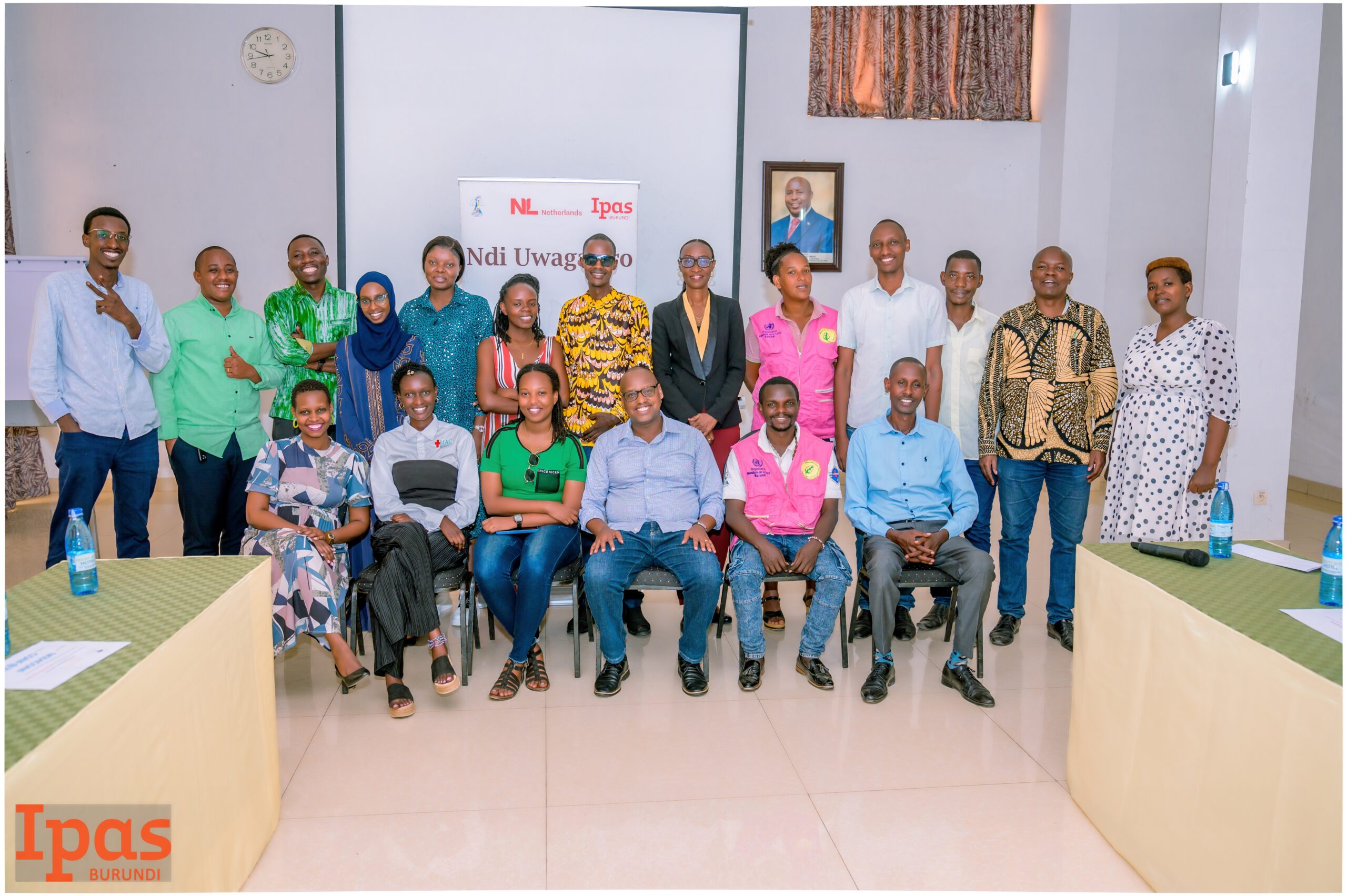
Discussions underscored the importance of bringing together diverse profiles and experiences, including young women, young people with disabilities, community-based organizations and young people from different provinces. Members also expressed their commitment to turning ideas into concrete action through a shared action plan and clearly defined governance mechanisms.
Participants also emphasized the urgency of innovation. “After 20 years of investment in reproductive health, what will we do differently to achieve different results?” one participant asked. This reflection challenges the coalition to prioritize approaches designed and led by young people while remaining aligned with national priorities.
At the end of the workshop, members unanimously adopted “NDUWAGACIRO” as the coalition’s motto. It reflects their commitment to dignity, integrity, responsibility and youth engagement. Participants also stressed that YouthSprint Burundi’s success will depend on cohesion among its members: “Unity is strength. If one person lets go, the connection will be broken.”
The presentation of YouthSprint DRC placed the launch of the Burundi chapter within a broader regional movement. Established in 2021 with support from Ipas DRC, the Congolese coalition grew from 8 to 31 member organizations across 16 provinces. Burundi is the first country to extend the movement beyond DRC, opening the way for South-South learning among young leaders through shared experience and the adaptation of promising practices to local realities.
The priorities of the new Burundi chapter are clear: expand young people’s access to reliable information, strengthen referral pathways to responsive services, promote responsible and safe communication, and build a strong youth network that can help shift community perceptions of reproductive health.
For Ipas Burundi, this support is part of a broader commitment to youth leadership, capacity strengthening, intergenerational dialogue, collective learning and advocacy for reproductive health, gender equality and young people’s access to quality information.
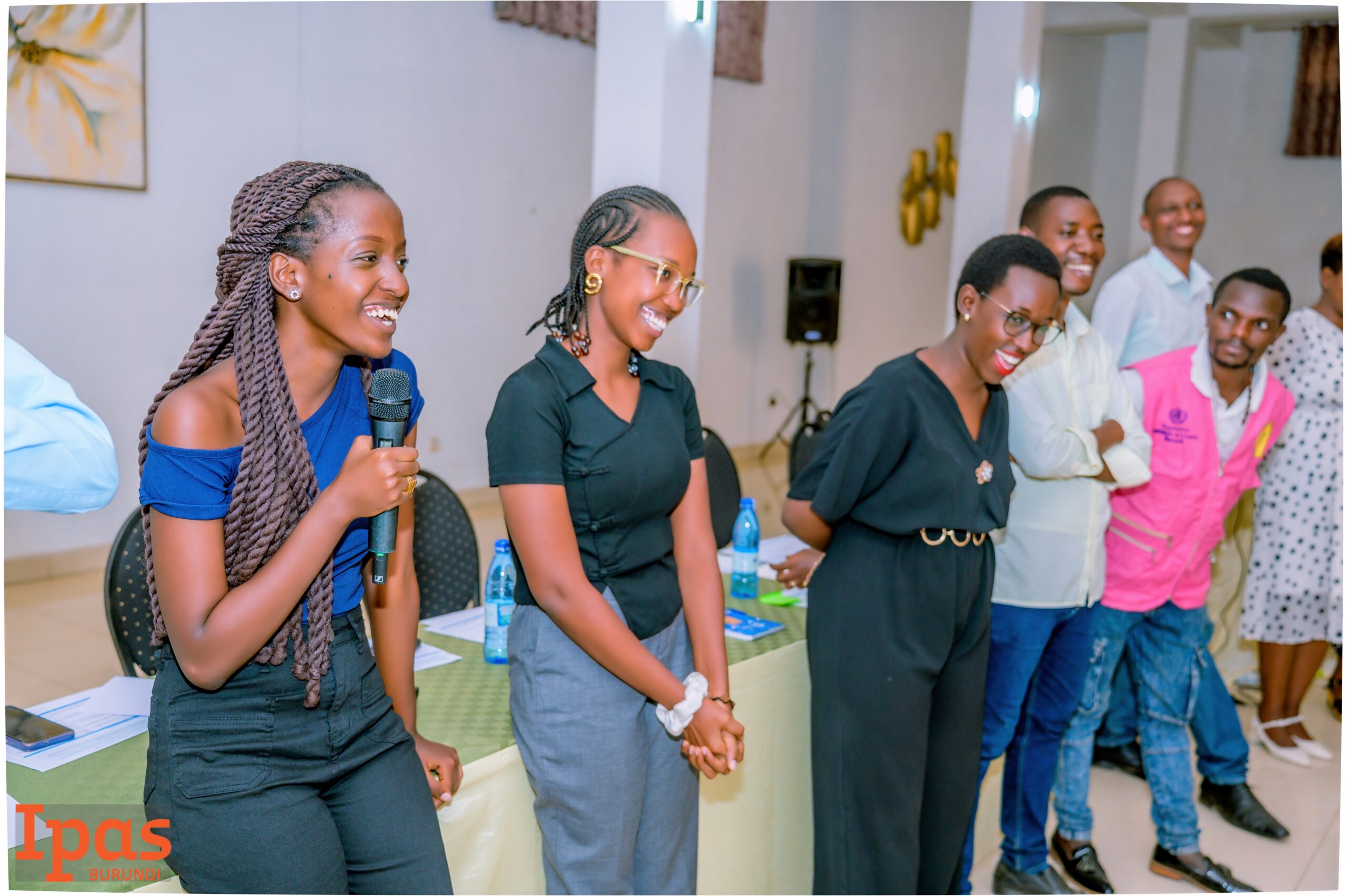
“Beyond bringing young people together, this initiative aims to build a sustainable, representative and action-oriented platform that strengthens their contribution to national reproductive health priorities,”
said Jean-Claude Ndikumana, Program Director at Ipas Burundi, in his opening remarks.
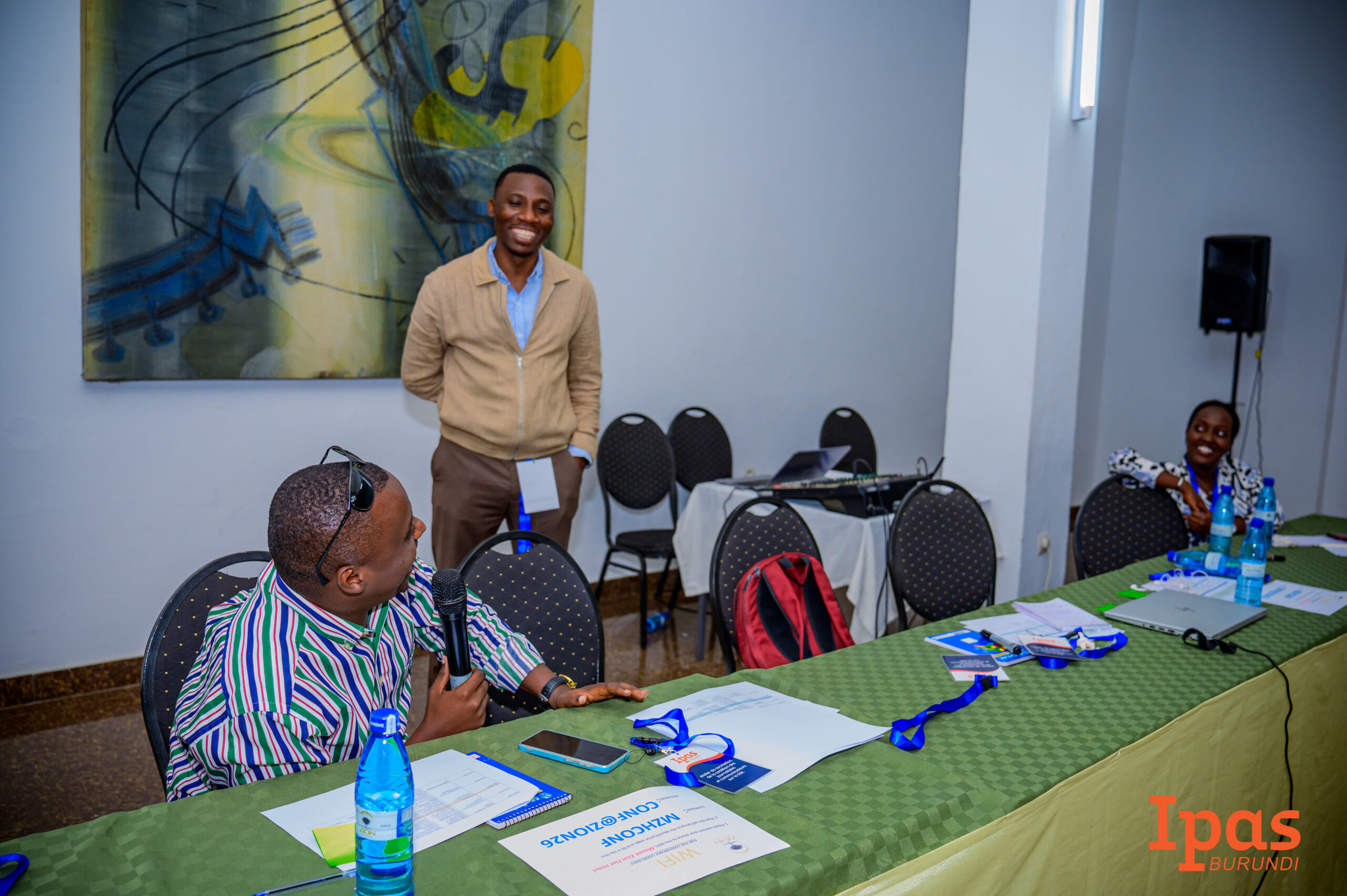
By the close of the workshop, member organizations had endorsed the coalition’s foundations, including its guiding documents, action plan and governance bodies. Elected national coordinator of YouthSprint Burundi, Sarah Sayubu welcomed the trust placed in her and called on members to remain united around a shared vision.
“This responsibility is, above all, a collective commitment. Together, we must make YouthSprint Burundi a space where every young person feels represented, heard and able to contribute to the changes our communities need.”
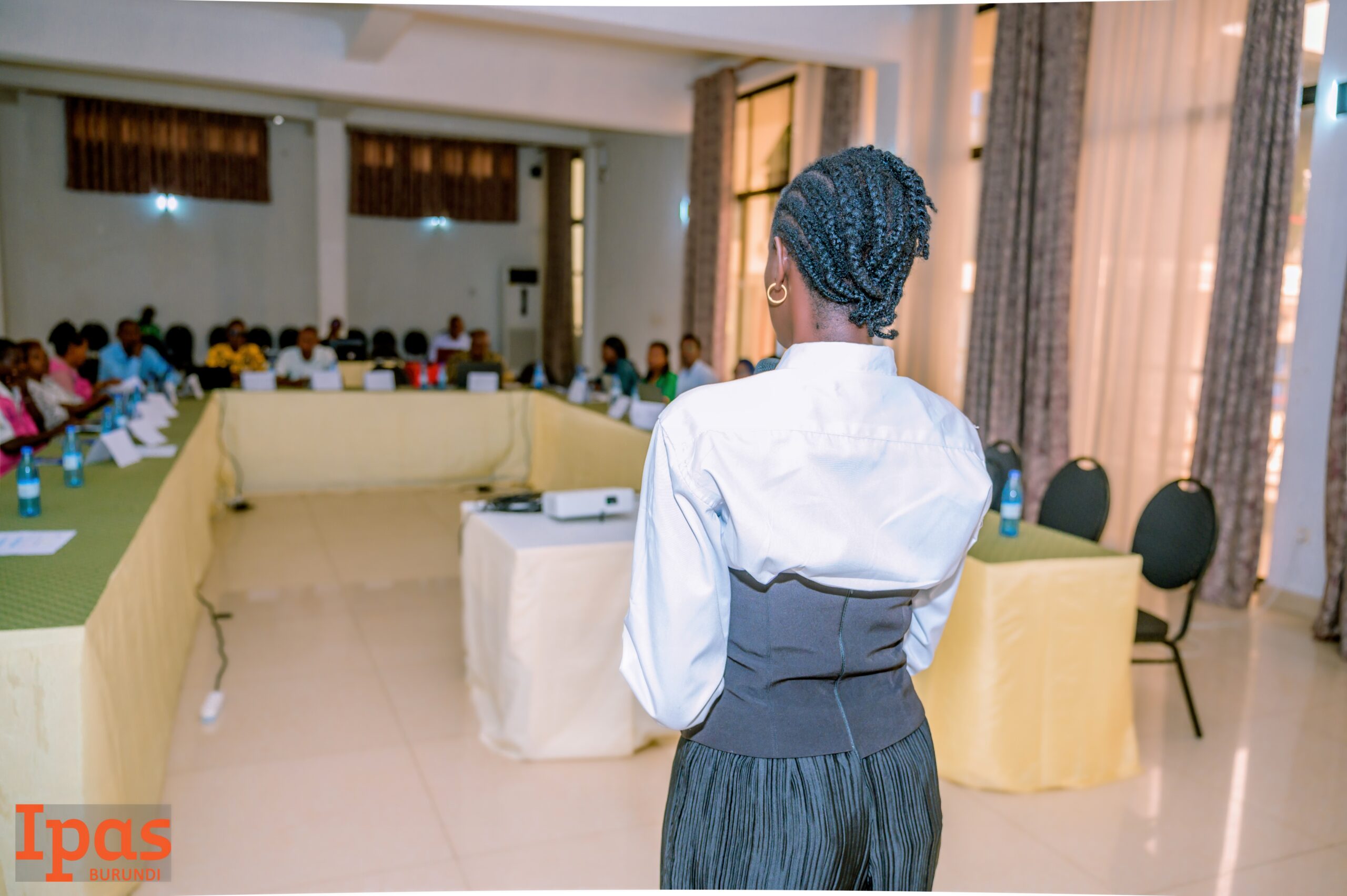
Speaker viewed from behind adressing seated audience …
As the first national YouthSprint chapter outside DRC, YouthSprint Burundi now carries a strategic responsibility: to demonstrate how a youth mobilization model can be adapted to a local context and translated into concrete, sustainable and measurable action.
With “NDUWAGACIRO” as its motto, YouthSprint Burundi sends a simple and powerful message: every young person has value, every voice matters, and collective action can help shape a new generation of regional leadership in reproductive health.
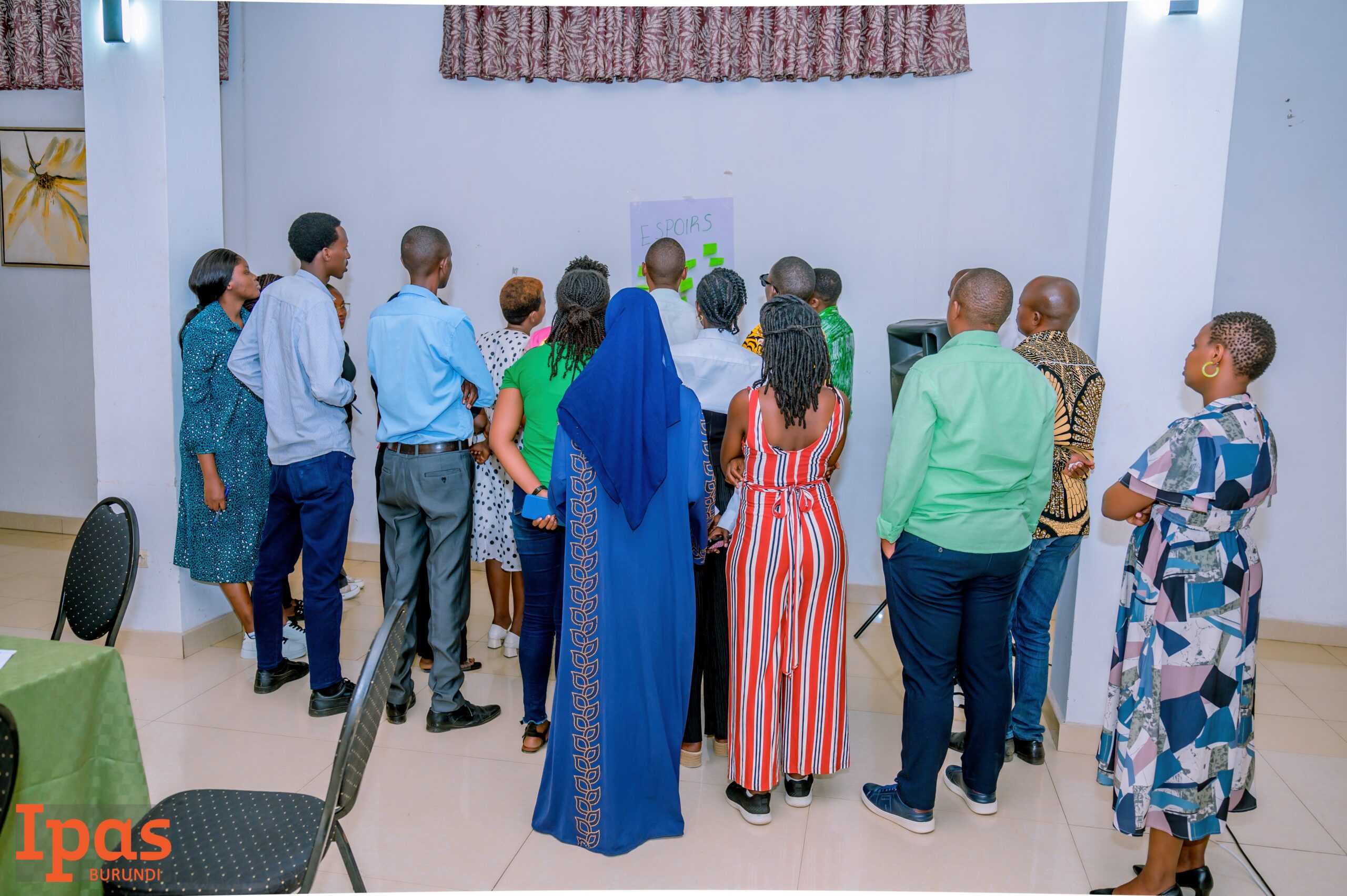
Writen by Linda Darlene Muhoze, Policy and Advocacy Officer / Ipas Burundi