Ipas DRC
Non-profit organization
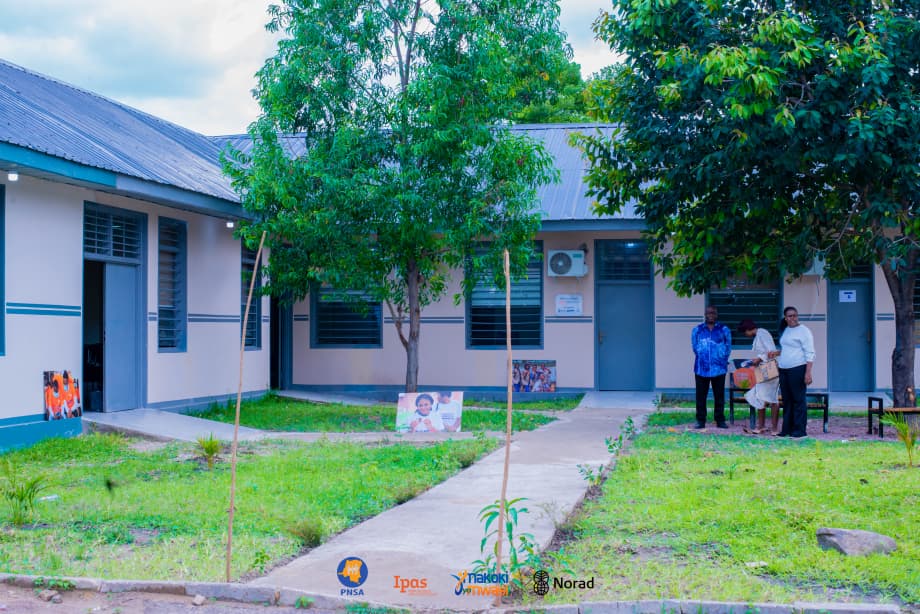
The Kasa-Vubu Youth Center has officially opened its doors in Kinshasa. Designed as a space where young people can access accurate information, engage in open dialogue, receive support and take action on sexual and reproductive health and rights, the center is now entering its most important phase: becoming a space that young people can truly make their own.
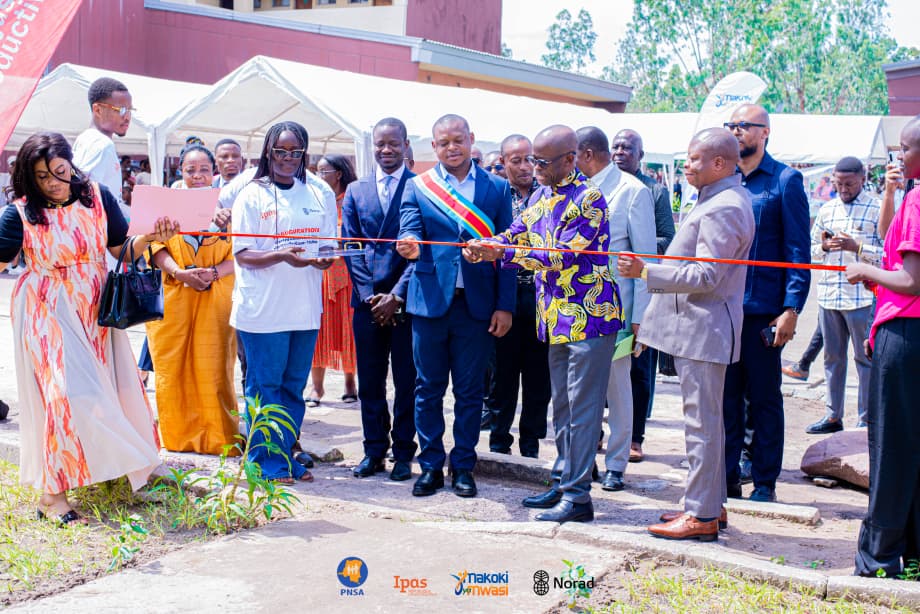
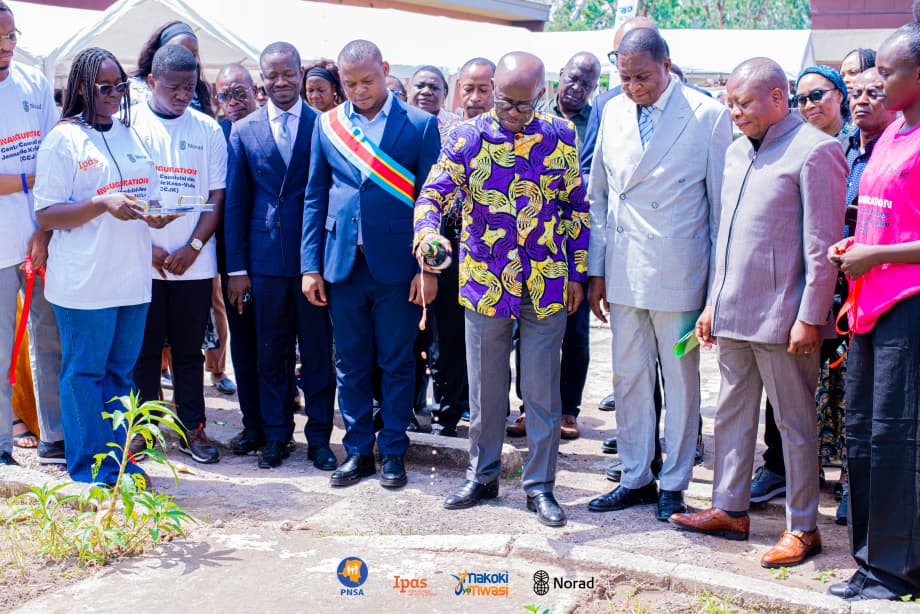
On October 29, 2026, the Kasa-Vubu Youth Center was officially inaugurated in Kinshasa. Built and equipped by Ipas DRC with support from the Norwegian Agency for Development Cooperation (Norad), in collaboration with the National Adolescent Health Program (PNSA), the center brings to life a vision that began long before its doors opened: creating a dedicated space where adolescents and young people can access information, engage in dialogue, receive support and become active agents of change.
The inauguration marks not the end of a project, but the beginning of a new chapter.
Across the Democratic Republic of Congo, adolescents and young people continue to face barriers to accessing accurate and trusted information about their sexual and reproductive health. Stigma and taboos around sexuality, limited opportunities for open dialogue, fear of judgment and a lack of awareness about available services can leave young people without the information and support they need to make informed decisions about their bodies, health and futures.
The Kasa-Vubu Youth Center is designed to help bridge these gaps by providing a welcoming space where young people can ask questions, exchange experiences, learn about their sexual and reproductive health and rights, and better understand where and how to access the services they need.
But the center’s ambition extends beyond providing information. It is intended to become a place where young people connect, learn from one another, develop their own initiatives and take an active role in advancing sexual and reproductive health and rights in their communities.
As Ipas DRC’s Board Chair, Faida Mwangilwa, emphasized during the inauguration, the ambition is for the center to become a “headquarters” for an engaged generation of young people, supporting action on sexual and reproductive health and rights, comprehensive sexuality education, sexual and gender-based violence, adolescent pregnancy, child marriage, and preventable school dropout linked to sexual and reproductive health challenges.
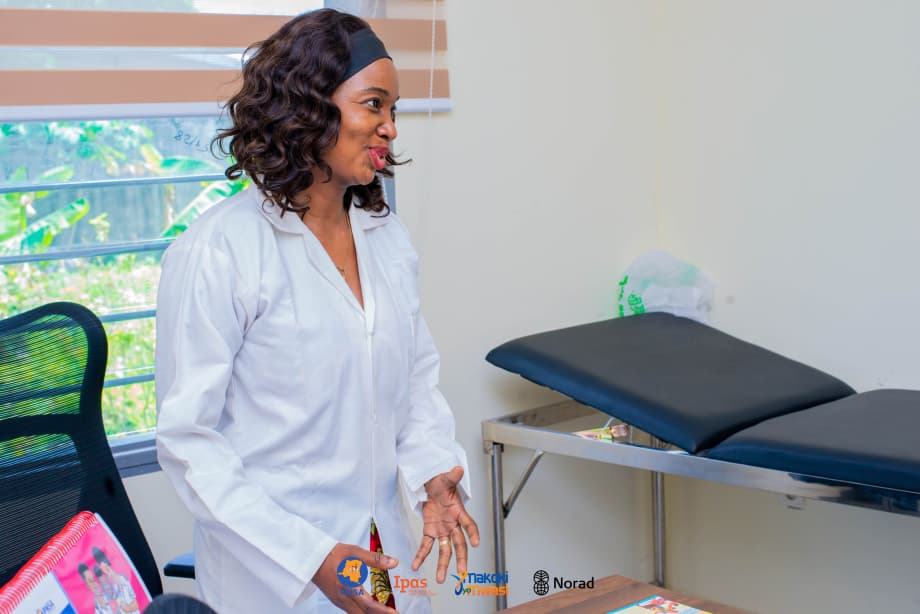
With its doors now open, the center will host a range of activities designed to turn the physical space into a vibrant hub for learning, dialogue and youth engagement.
Educational sessions will provide young people with opportunities to strengthen their knowledge of sexual and reproductive health and rights, including bodily autonomy, unintended pregnancy prevention and gender-based violence. Peer-to-peer learning and dialogue will create opportunities for young people to ask questions openly, exchange experiences and learn from one another.
The center will also provide confidential spaces for listening and individualized support, with referrals to appropriate health services when needed. Rather than replacing existing health facilities, the center will help young people better understand and navigate the services available to them.
Social and behavioral activities will complement these efforts by addressing the beliefs, social norms and community dynamics that shape young people’s sexual and reproductive health choices and experiences.
At the heart of this approach is a simple principle: prevention must begin before young people face a crisis. This means ensuring that they have access to accurate information, trusted spaces for dialogue and clear pathways to services so they can make informed decisions about their bodies, health and futures.
The Kasa-Vubu Youth Center will not only be a place where young people receive information. It is also designed as a space where they can create it, shape it and share it with others.
A podcast studio has been integrated into the center, giving young champions the opportunity to develop and record their own content on sexual and reproductive health and rights and share it through digital platforms and social media. By providing access to production tools within the center, young people will be able to develop their own messages and reach their peers without production costs becoming a barrier to their engagement.
This gives the center another important role: becoming a space where youth-led ideas, content and initiatives can grow.
Members of Youth Sprint will have an important role to play in bringing this vision to life. Through a peer-to-peer approach, young people will help shape activities and conversations that reflect the realities, questions and priorities of their peers.

The center also responds to the need for stronger coordination by providing the Youth Sprint coalition with a dedicated space where youth-led initiatives can come together, collaborate and grow. The center will serve multiple purposes: a source of trusted information, a space for listening and referral, a hub for peer-to-peer learning, and a meeting place for young people working to advance sexual and reproductive health and rights.
This multisectoral approach was also central to the vision shared at the inauguration. The center will support stronger coordination among youth-led movements, access to accurate information, and referrals to appropriate sexual and reproductive health services.
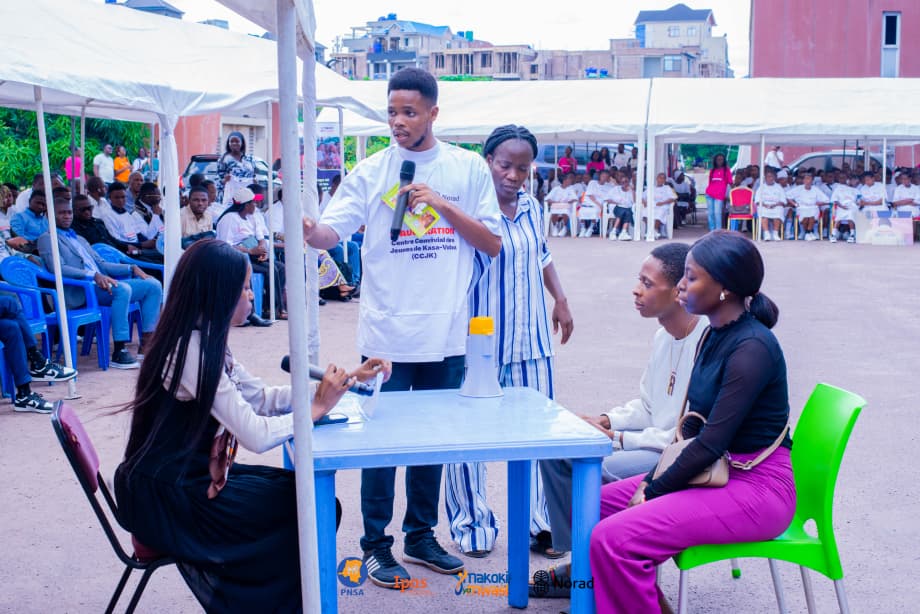
The ribbon has been cut, but the inauguration is only one milestone. The true success of the Kasa-Vubu Youth Center will be measured in the months and years ahead: by the young people who walk through its doors and find trusted information, by those who feel safe enough to ask questions, by the ideas and initiatives developed within its walls, and by the messages created there that reach young people far beyond Kasa-Vubu.
Beyond the building itself, the ambition is also to invest in infrastructure that can serve communities over the long term. During the inauguration, Ipas DRC’s Country Director emphasized that strengthening health systems goes beyond training alone. It also means putting in place equipped structures that can sustainably bring services closer to communities.
The next chapter is therefore about bringing the center fully to life through young people’s leadership and the continued engagement of the PNSA alongside Ipas DRC, so that it can serve young people today and for generations to come.
Ultimately, the success of the center will not be defined by the infrastructure alone, but by what young people do with it: the conversations they start, the content they create, the solutions they develop and the actions they lead for their peers and communities.

Opinion piece by Faida Mwangilwa, Chair of the Ipas DRC Board of Directors, adapted from remarks delivered on the occasion of the inauguration of the Kasa-Vubu Youth-Friendly Center.
The Kasa-Vubu Youth-Friendly Center reflects a clear ambition: to ensure that adolescents and young people can access information about their health and rights, while having a space where they can speak up, exercise leadership and take action for their peers and communities. On the occasion of its inauguration, the Chair of the Board of Ipas DRC shares her vision for what this center can become: a space truly shaped by and for young people.
It is with immense joy and great pride that I write on the occasion of the inauguration of the Kasa-Vubu Youth-Friendly Center.
I would first like to express our deep gratitude to the Ministry of Public Health, Hygiene and Social Welfare, through the National Adolescent Health Program (PNSA), for its partnership and commitment to the health and well-being of adolescents and young people.
Our thanks also go to the Mayor of Kasa-Vubu municipality for his valuable support in making this initiative a reality.
Above all, I want to thank young people themselves. This center belongs to you.
Your involvement in its establishment demonstrates your determination not to remain spectators to the challenges that affect your lives, but to become agents of change.
Ipas DRC’s ambition is simple but powerful: to contribute to a generation of young people who are healthy, informed, responsible and empowered to act.
A generation that is better protected from sexually transmitted infections and HIV, as well as unintended pregnancies and unsafe abortion. A generation with the knowledge needed to make informed decisions about their health and their future.
But our vision goes further.
We want young people who do not stand by in the face of challenges, but take their future into their own hands. Young people who understand the root causes of the sexual and reproductive health challenges they face, including lack of information, limited knowledge of available services and referral mechanisms.
This is precisely the ambition this center is intended to serve.
We want this center to truly become a hub for young people committed to advancing sexual and reproductive health and rights, comprehensive sexuality education, addressing sexual and gender-based violence, preventing and responding to adolescent pregnancy, ending child marriage, and preventing young people from dropping out of school for avoidable reasons related to sexual and reproductive health.
Through these objectives, the center also contributes to a broader ambition: achieving the Sustainable Development Goals : promoting the health and well-being of adolescents and young people contributes to SDG 3 on good health and well-being. Helping girls remain in school contributes to SDG 4 on quality education. Preventing gender-based violence and child marriage, while strengthening girls’ agency, advances SDG 5 on gender equality. Ensuring that the most vulnerable young people can access information and services also contributes to reducing inequalities, in line with SDG 10.
Our work also reflects the spirit of the Women, Peace and Security agenda, including United Nations Security Council Resolution 1325.
We want girls and young women to be seen not only as people who need protection from violence, but as individuals who have the knowledge, spaces and opportunities they need to participate, speak up, exercise leadership and become agents of change within their communities.
This center must therefore be a place where young people come to gain knowledge, but, above all, a place from which their ideas, initiatives and actions for their peers can emerge.
It is in this same spirit that we have integrated a podcast studio into the center.
At a time when digital platforms and social media play an increasingly important role in young people’s lives, we must also know how to use these tools to inform, raise awareness and mobilize.
Young champions will now be able to develop and record their own awareness-raising messages here, share them through digital platforms and social media, and reach other young people without production costs becoming a barrier to their engagement.
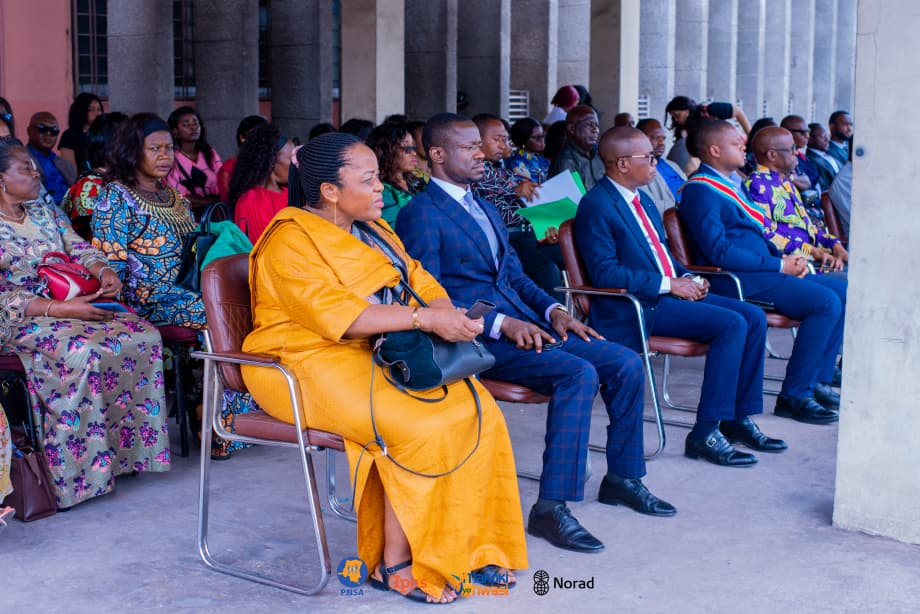
Our greatest satisfaction will therefore not simply be having inaugurated a beautiful center. It will be seeing it thrive tomorrow.
We will also be proud to see the Ministry of Health take ownership of, use and sustain this center, in close collaboration with Ipas DRC, so that it can continue to serve young people today and generations to come.
I would also like to express our sincere appreciation to the Norwegian Agency for Development Cooperation, NORAD, whose support helped make this initiative possible.
We would have been honored to welcome the Norwegian Ambassador to the Democratic Republic of the Congo. Unfortunately, a last-minute commitment prevented him from joining us. We hope he will soon have the opportunity to visit the center and see what the generosity of the Norwegian people has helped make possible, through Ipas DRC, to advance young people’s access to information, engagement and empowerment.
Dear young people,
This center belongs to you. Bring it to life. Make it your hub.
Let it become a space where you find information, but also where you develop solutions.
A space where you find your voice and learn how to make it heard.
A space from which you take action, not only for yourselves, but for your peers and your communities.
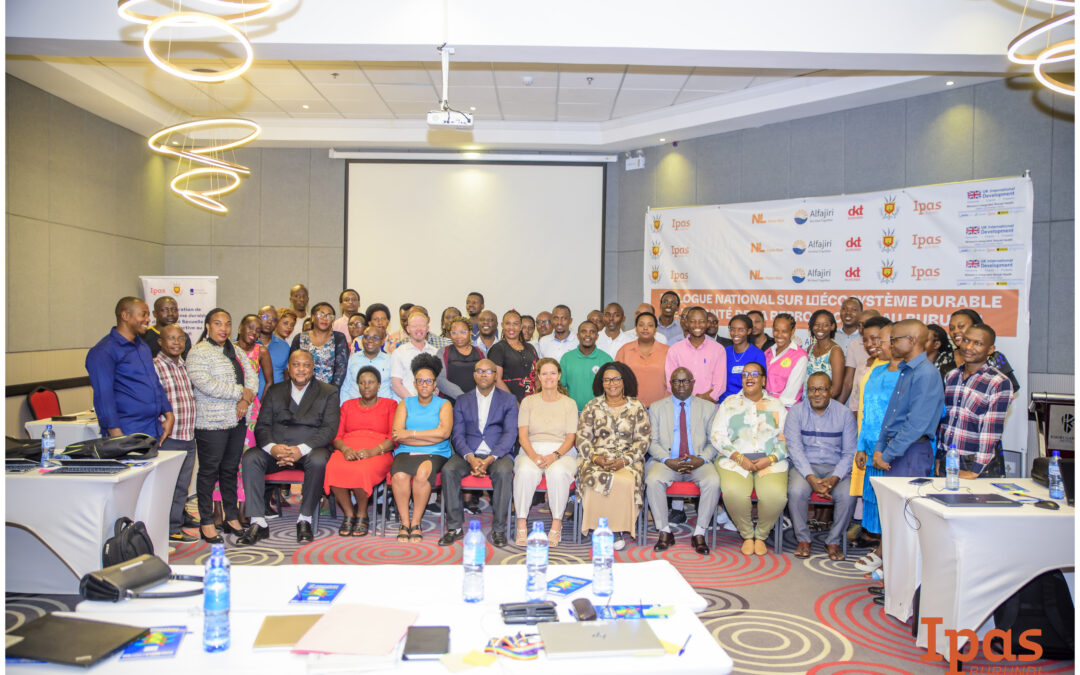
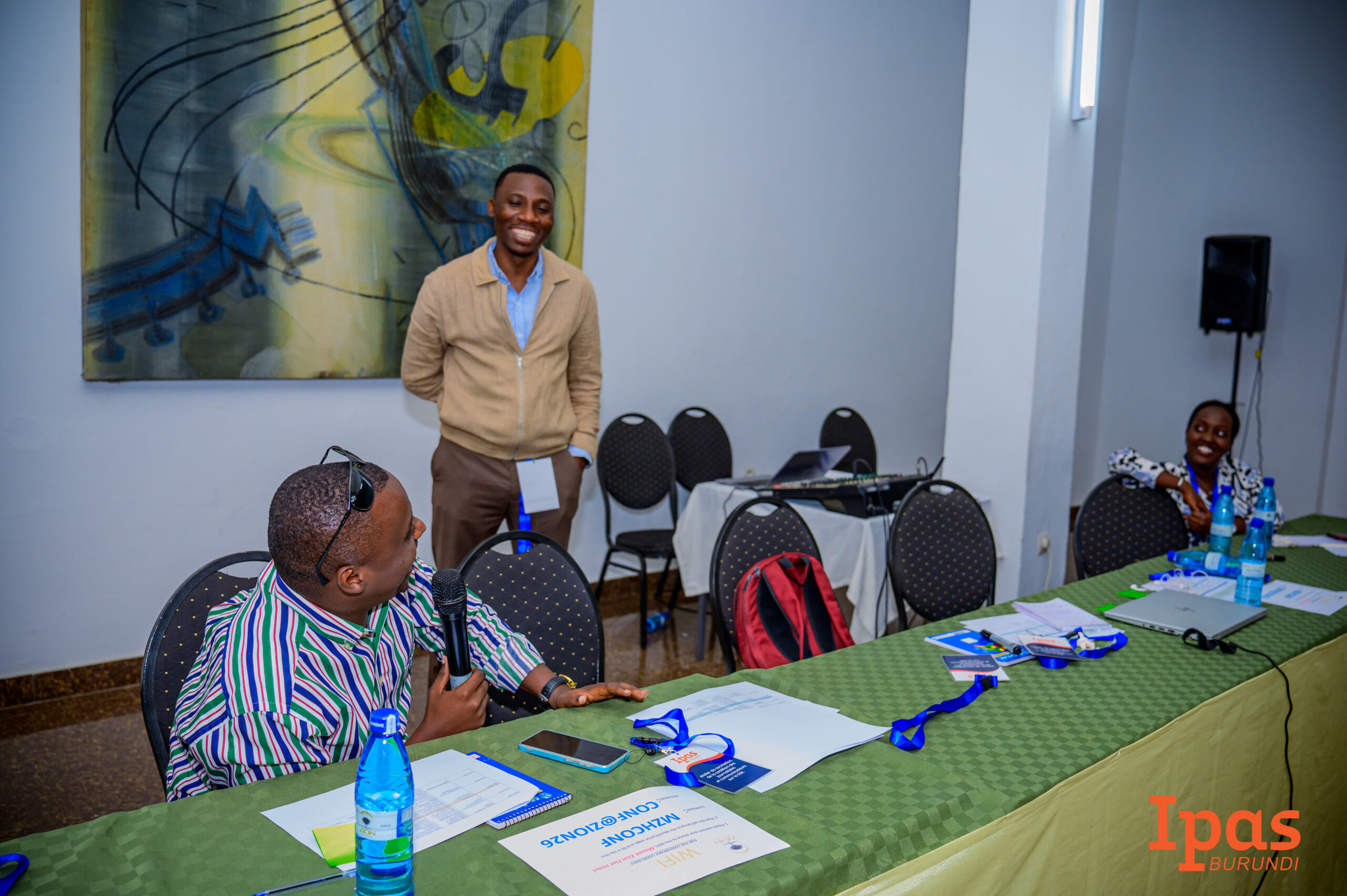
In Burundi, social norms, stigma, and limited awareness of the legal framework continue to restrict women’s and girls’ access to sexual and reproductive health information and services. To help address these barriers, Ipas Burundi supported 27 stakeholders, primarily from civil society organizations, to strengthen their capacity to advocate for reproductive rights.
The initiative began with VCAT sessions. These participatory workshops created space for participants to reflect on their beliefs about abortion and reproductive rights, recognize personal biases, and gain a deeper understanding of the realities faced by women and girls.
As one participant shared :
“Before taking part in the workshops, I also had doubts and preconceived notions about abortion. […] Today, we feel better equipped to advocate from a human rights perspective, including for reproductive rights, even in an environment that can sometimes be hostile.”
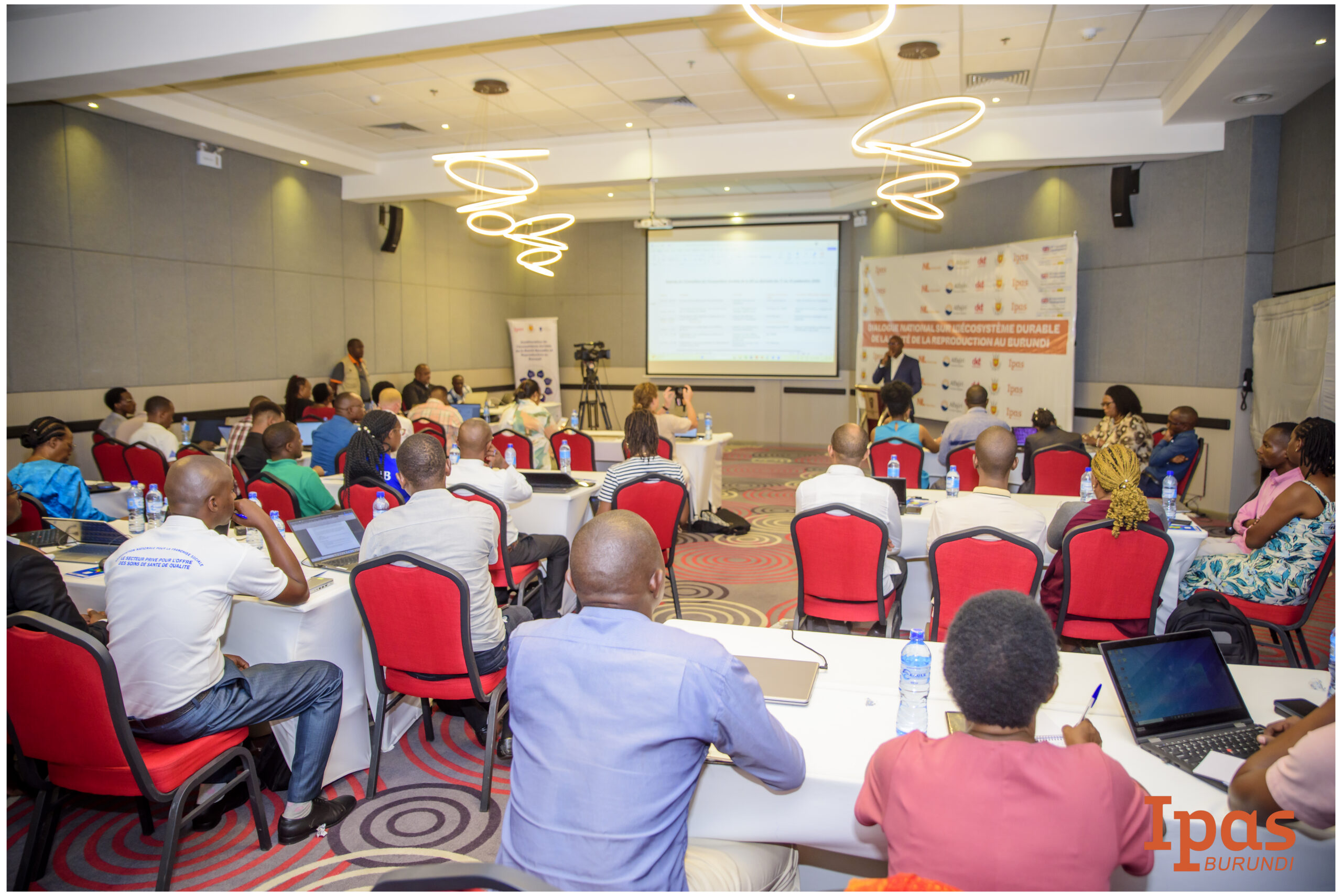
This shift in attitudes was reinforced through a participatory review of Burundi’s legal framework on therapeutic abortion. By examining existing laws and the challenges associated with their implementation, participants strengthened their understanding of the legal landscape and improved their ability to build evidence-based, rights-centered advocacy arguments.
Early results demonstrate the value of this approach. Fifteen participants increased their understanding of legal indications for abortion, twelve reported less stigmatizing attitudes, and eight became actively involved in advocacy initiatives.
These individual transformations helped inform a national dialogue that brought together representatives from civil society, the health and justice sectors, human rights and gender institutions, national and international non-governmental organizations, and international agencies. Better informed and more confident in their roles, participants are now equipped with the knowledge and leadership needed to contribute to the development of a roadmap aimed at strengthening the long-term sustainability of sexual and reproductive health and rights in Burundi.
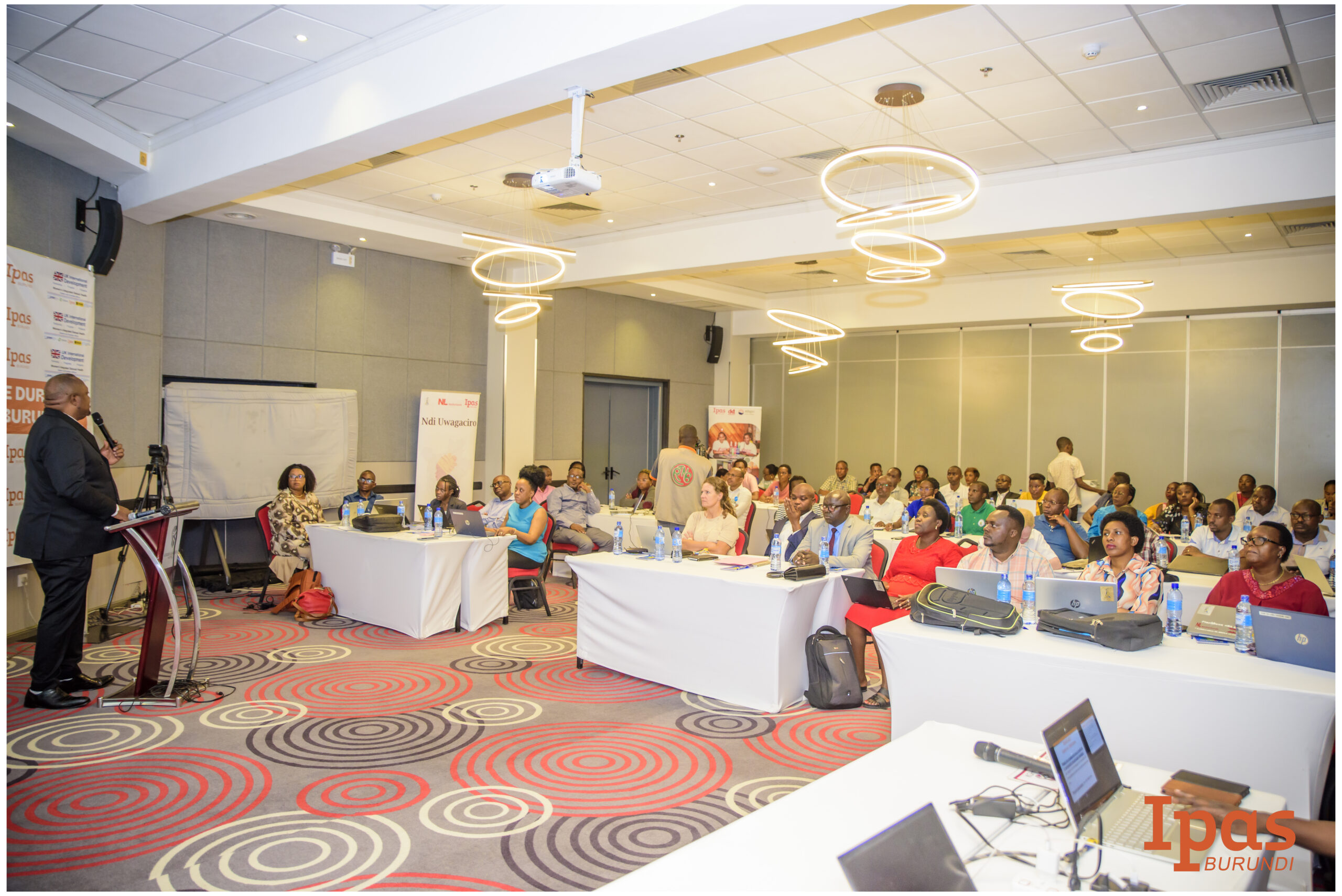
The success of this gradual, capacity-strengthening approach is reflected not only in the number of people reached, but also in participants’ increased ability to challenge stigmatizing narratives, engage in decision-making spaces, and apply their knowledge to advance change. In doing so, they help transform individual awareness into collective action in support of reproductive rights.
By investing in the knowledge, attitudes, and leadership of civil society actors, Ipas Burundi is helping create a more enabling environment for the health and rights of women and girls. The 27 participants supported through this initiative are now better positioned to serve as champions of change within their organizations, sectors, and communities. The results underscore the importance of expanding similar approaches in a context where social and institutional barriers continue to limit progress on sexual and reproductive health and rights.
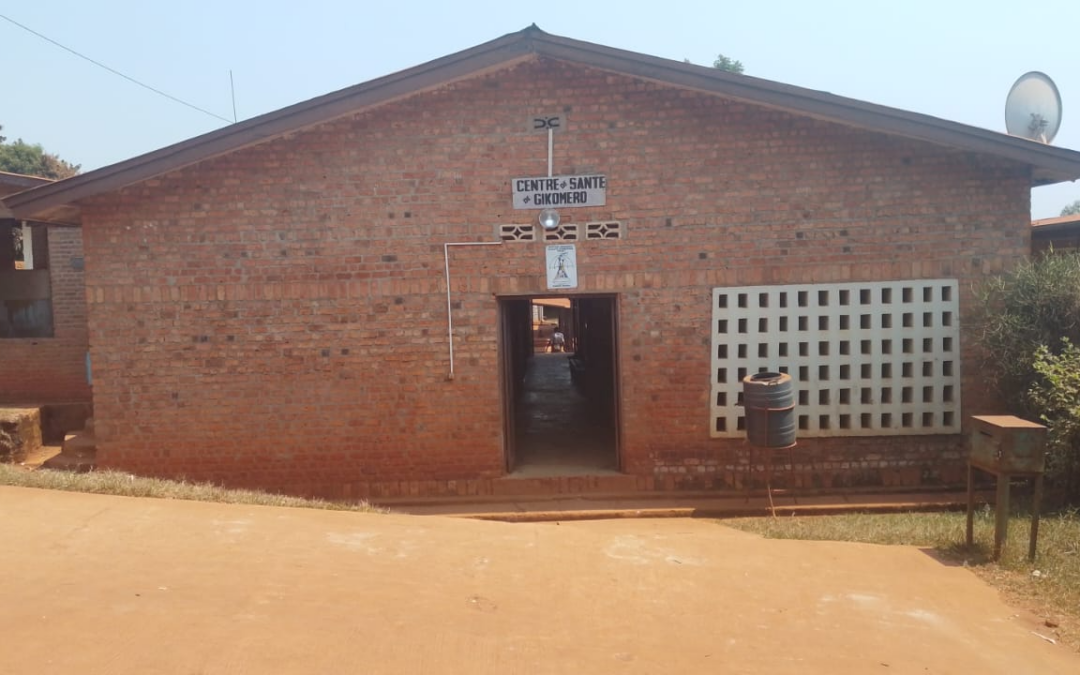
At just 16 years old, Buzima’s life changed dramatically after experiencing sexual violence that resulted in an early pregnancy. Overnight, she was forced to leave school and faced stigma, rejection and significant social and economic challenges. Without support, she raised her child on her own while carrying the burden of the hardships she endured during adolescence. For years, one question stayed with her : What if my daughter faced the same fate?
As her daughter grew older, memories of her own adolescence never felt far away. Buzima often found herself wondering whether her daughter might face the same challenges that had altered the course of her own life. Determined to help her build a different future, she decided to share her story and the lessons she had learned.
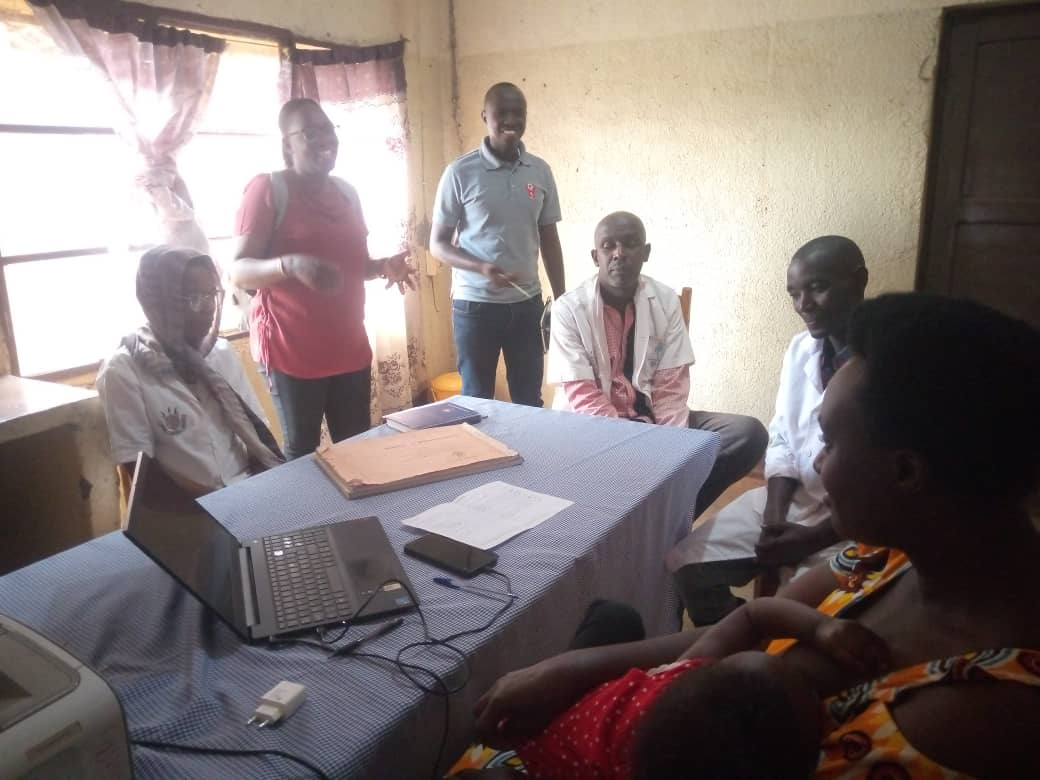
For Buzima, the visit meant far more than access to a health service. It was reassurance that her daughter would have opportunities she never had—the chance to stay in school and build the future she chooses.
Buzima’s story is deeply personal, but the challenges she faced are shared by many girls across Burundi.
Like Buzima, thousands of adolescent girls face barriers that can limit their health, education and future opportunities. Early pregnancy remains a significant challenge, particularly for girls who lack access to accurate information and youth-friendly health services.
National data highlight the scale of the issue. According to the Demographic and Health Survey (DHS), Burundian women have their first sexual experience at an average age of 19.6 years—more than three years earlier than men. Nearly one in four women marry before the age of 18, a rate eight times higher than that of men. Among women aged 15–49 who are not in union, 34 percent use a modern contraceptive method, while 6 percent are already mothers and 2 percent are pregnant at the time of the survey.
Behind these numbers are stories of girls whose education, aspirations and opportunities are often interrupted too soon.
The impact on education is particularly significant. According to the 2023 Final Report on Pregnancy in School Settings, more than 2,000 girls leave school each year because of pregnancy. During the 2022–2023 academic year alone, 879 students dropped out for this reason. For many girls, pregnancy can mean not only leaving school, but also facing long-term social and economic consequences.
When adolescent girls have access to accurate information, supportive adults and quality sexual and reproductive health services, they are better equipped to make informed decisions about their health and future.
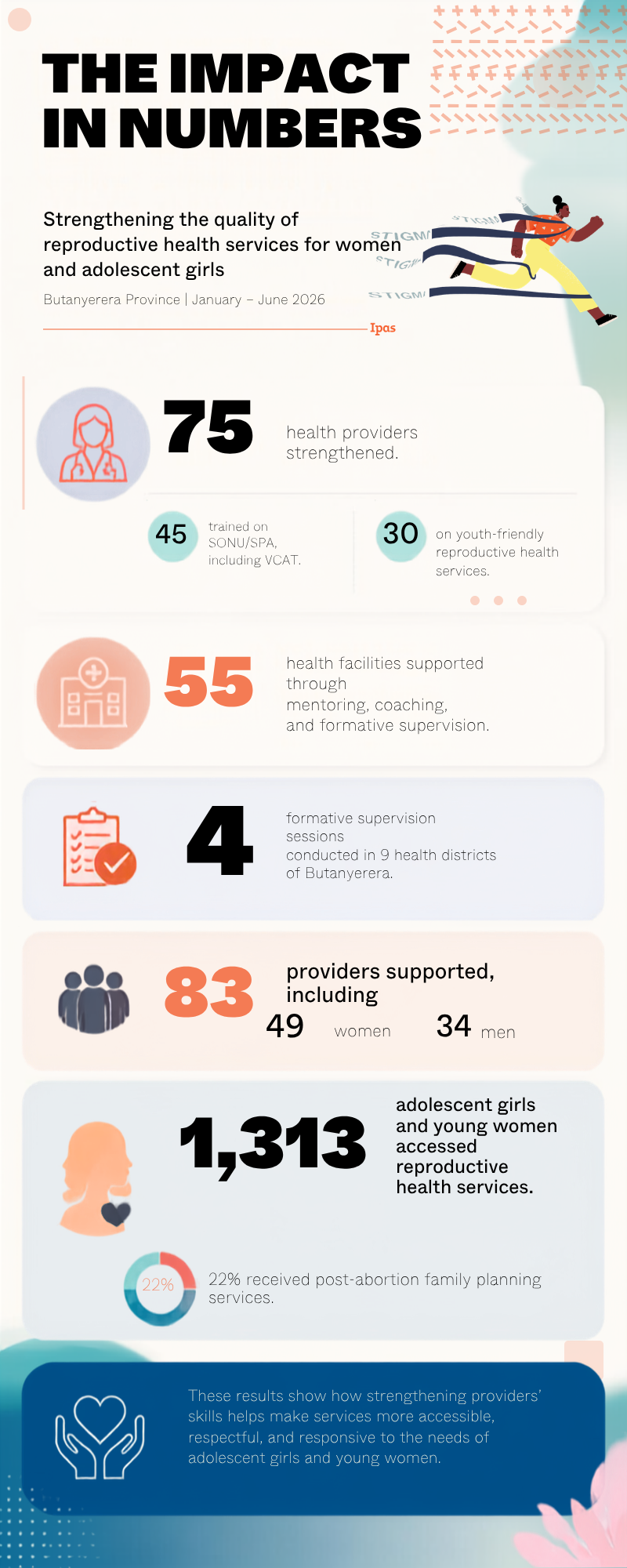
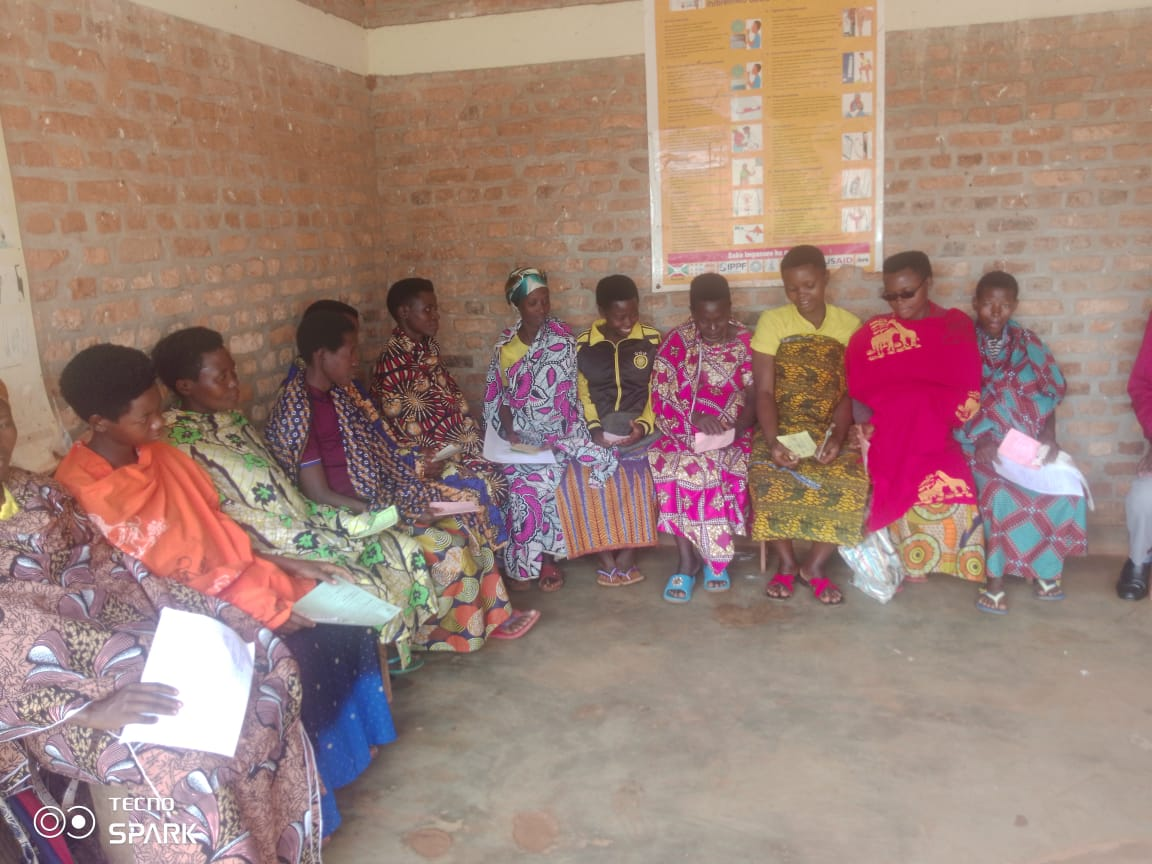
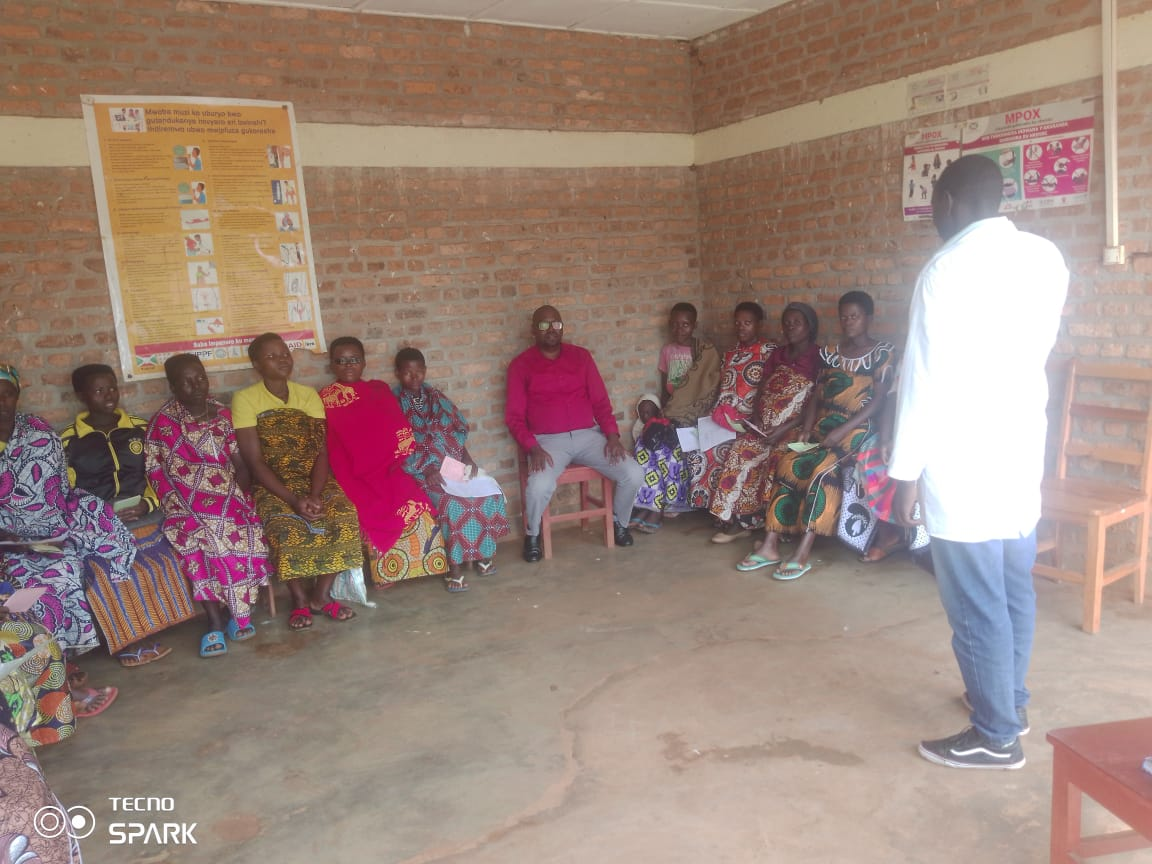
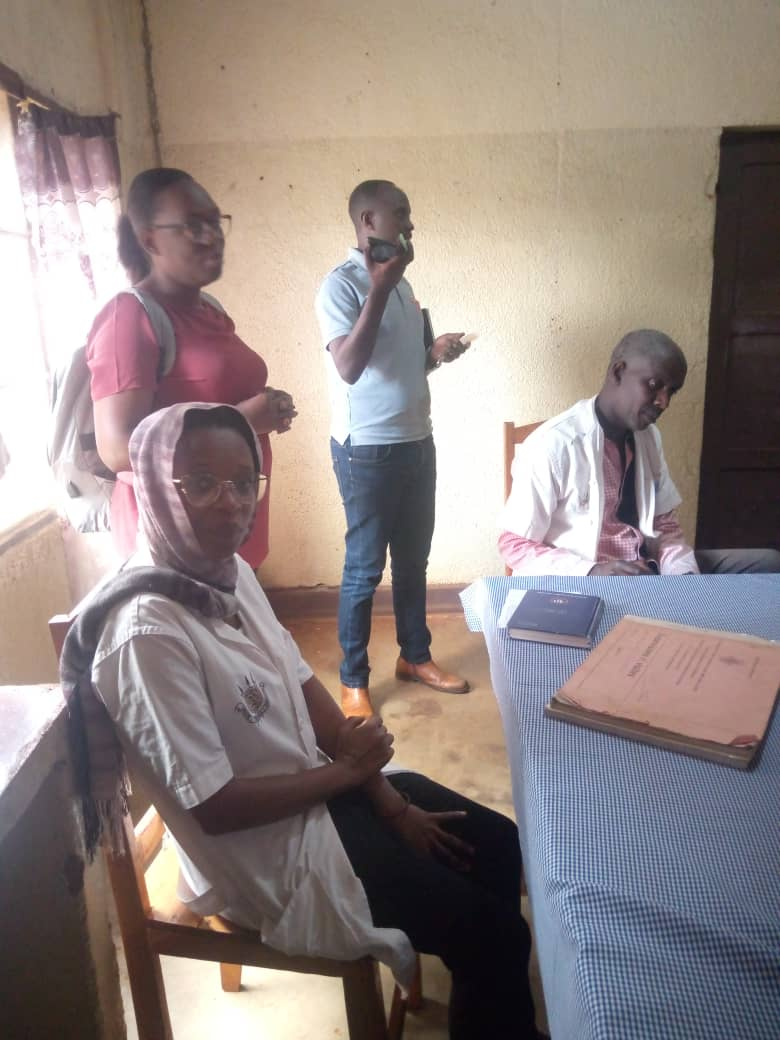
To help make this possible, Burundi’s National Reproductive Health Program (PNSR), with support from Ipas Burundi, is strengthening the capacity of health facilities and providers to deliver respectful, rights-based and youth-friendly care. Through supportive supervision, mentoring and ongoing technical assistance, providers are better prepared to meet the needs of women and adolescent girls.
At Gikomero Health Center, that investment made all the difference for Buzima and her daughter. After being turned away during an earlier visit, her daughter found a very different experience—one built on respect, information and support.
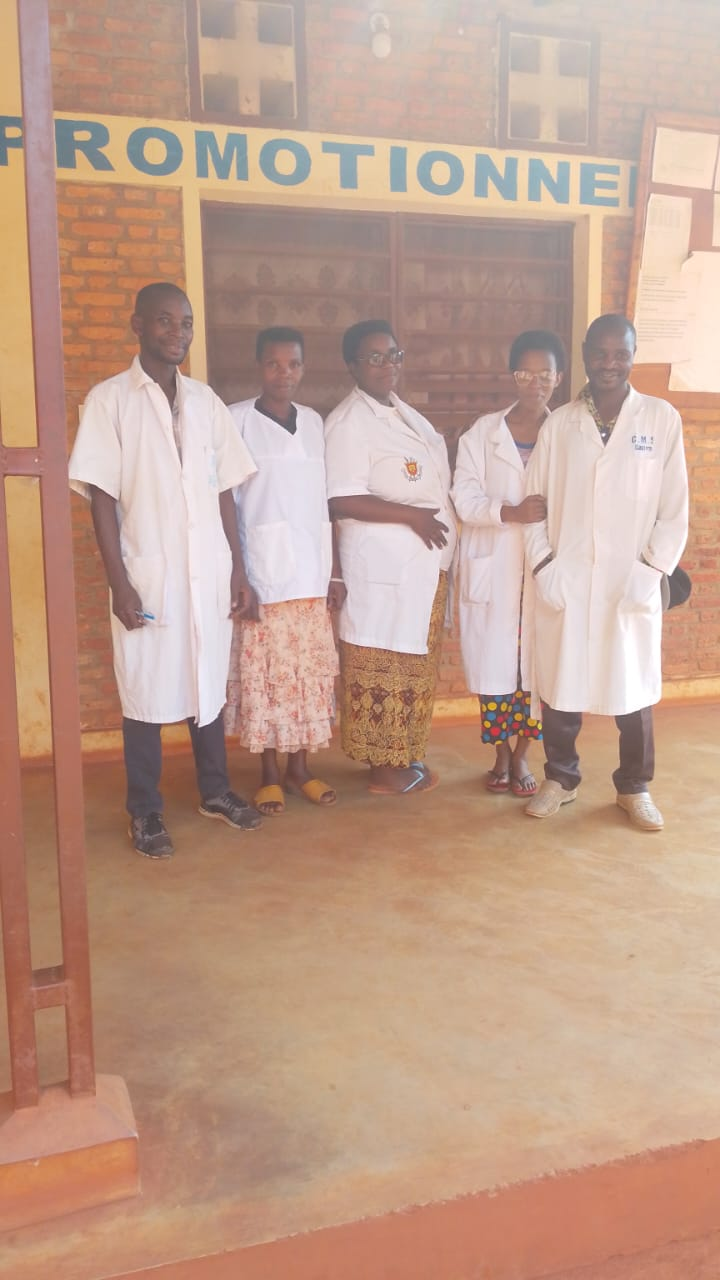
Today, Buzima shares her experience with other parents in her community. Drawing on her own journey, she encourages them to talk openly with their children, listen without judgment and help them access the information and services they need.
For her, protecting adolescent girls often begins at home—with honest conversations, trust and support. But those conversations must be backed by health services that are accessible, respectful and responsive to young people’s needs.
For Buzima, that change is already visible. What began as a mother’s determination to protect her daughter has become a source of hope for other families in her community—and a reminder of what is possible when girls can access accurate information, supportive adults and quality sexual and reproductive health services.
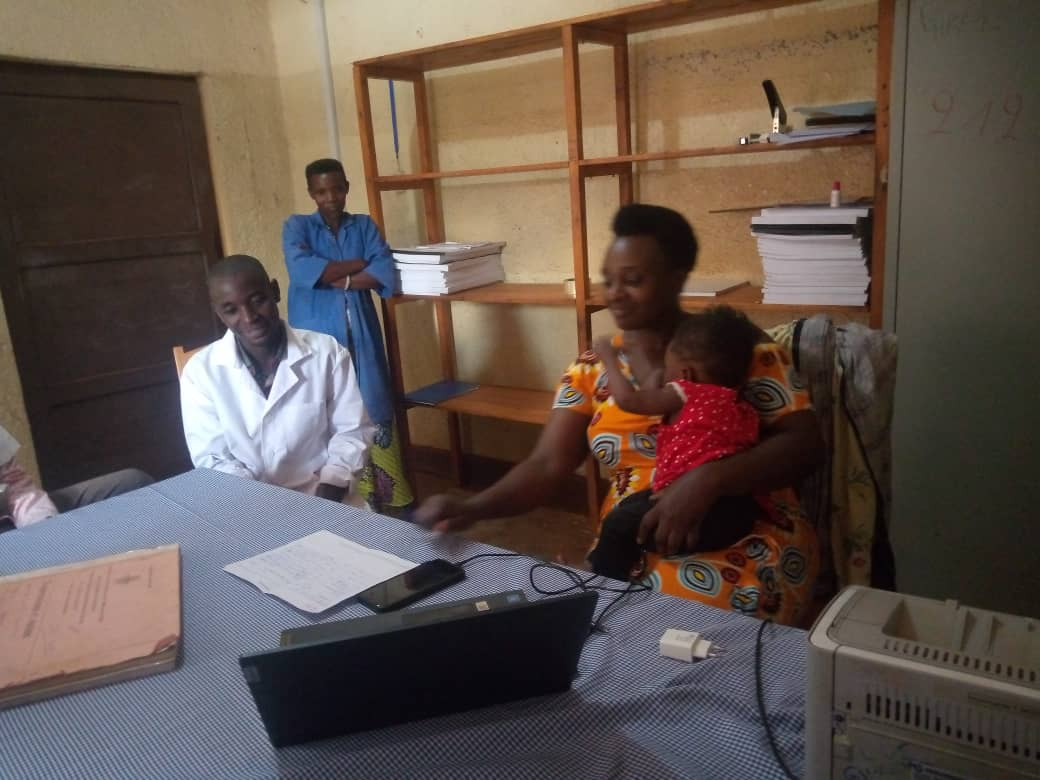
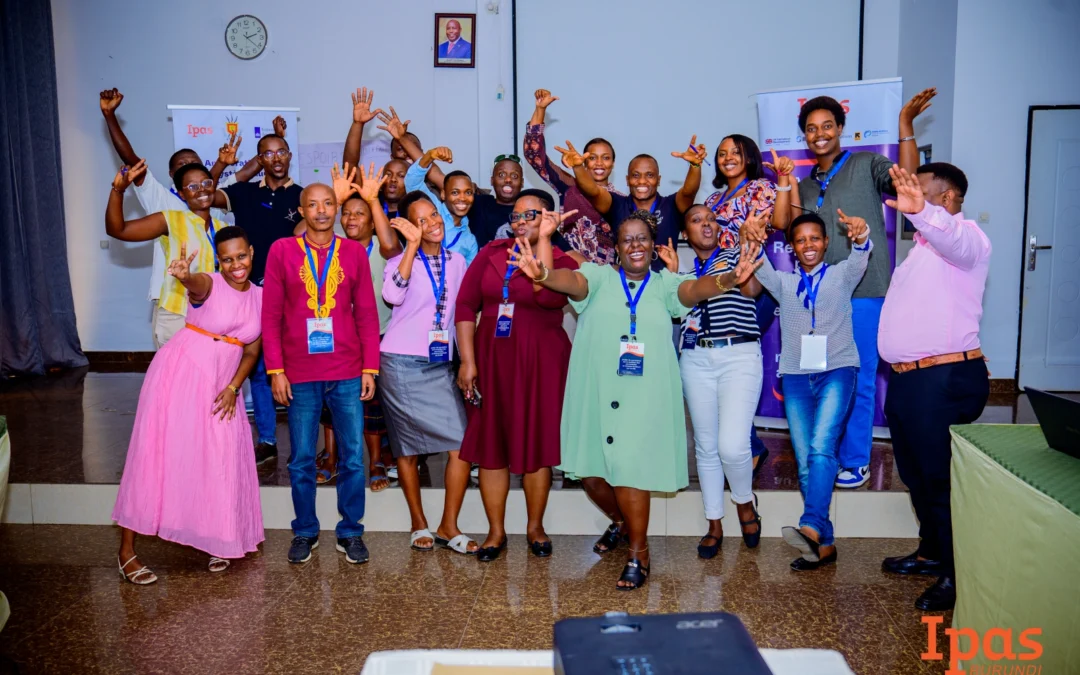
The initiative is rooted in a clear understanding: access to accurate, verified, balanced and evidence-based information is essential for people to make informed decisions about their health and lives. Yet reproductive health issues remain underreported and are sometimes presented through stereotypes or unverified information.
Through this alliance, media professionals and influencers are bringing their skills and platforms together to improve public access to trusted reproductive health information.
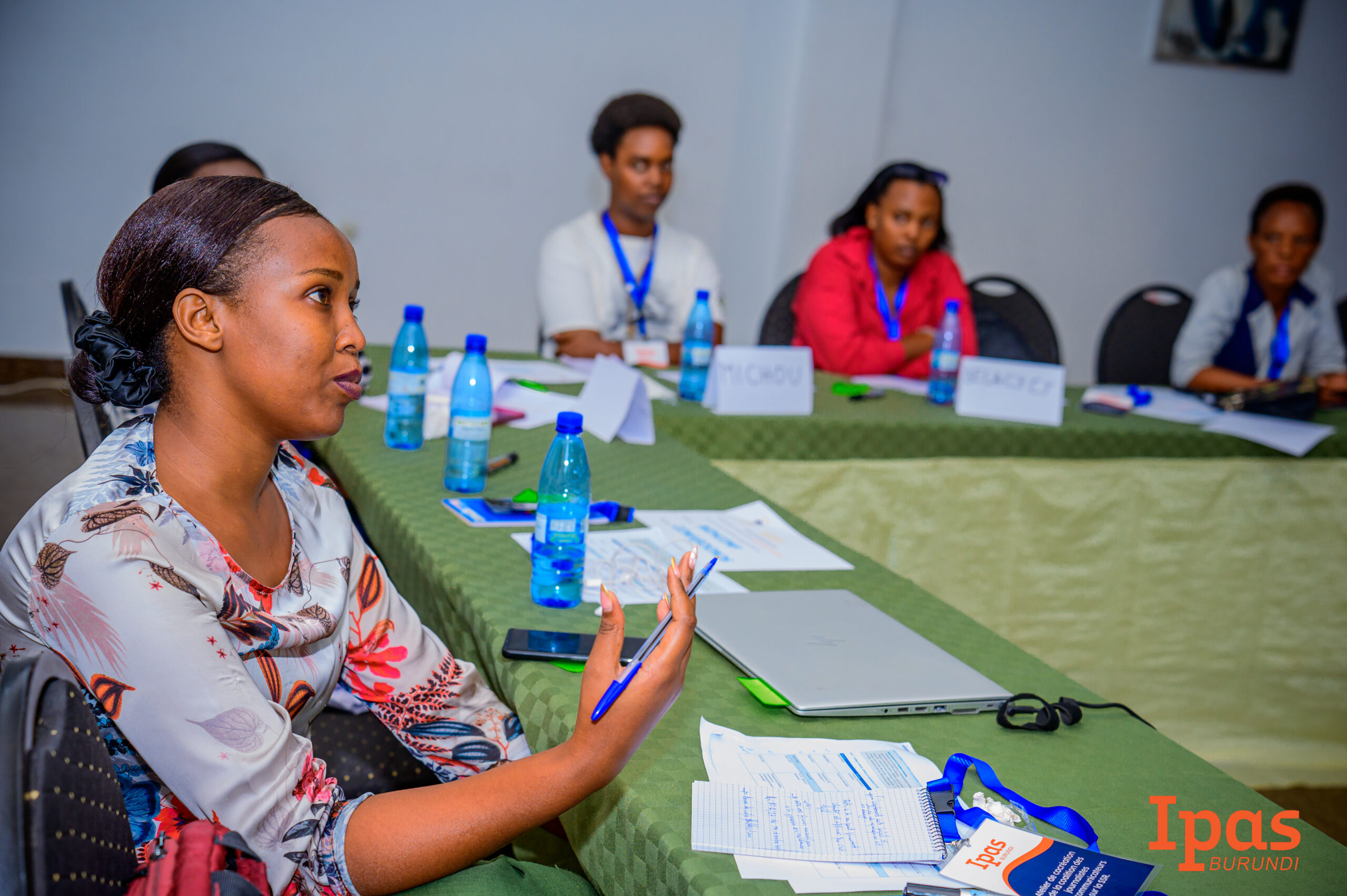
Journalists have a central role to play. Through reporting, interviews, investigations, radio and television programs, and digital content, they can explain reproductive health issues, amplify the voices and experiences of those most affected, and connect audiences with safe and credible sources of information.
Influencers can help make this information easier to understand and more accessible to diverse audiences by using formats and messages tailored to their needs.
By combining their respective strengths, journalists, communicators and influencers can also help address rumors, misinformation and false narratives related to reproductive health.
Women, girls and young people are at the heart of AJC-SR’s vision.
For young people, access to accurate and age-appropriate information is particularly important as they navigate questions about their bodies, puberty and reproductive health. Without trusted sources of information, myths and misinformation can easily fill the gap.
For women and girls, improved access to information can strengthen their understanding of reproductive health issues and support informed decisions about their health.
AJC-SR therefore seeks not only to improve access to information, but also to ensure that the realities, experiences and concerns of women, girls and young people are better represented in public conversations.
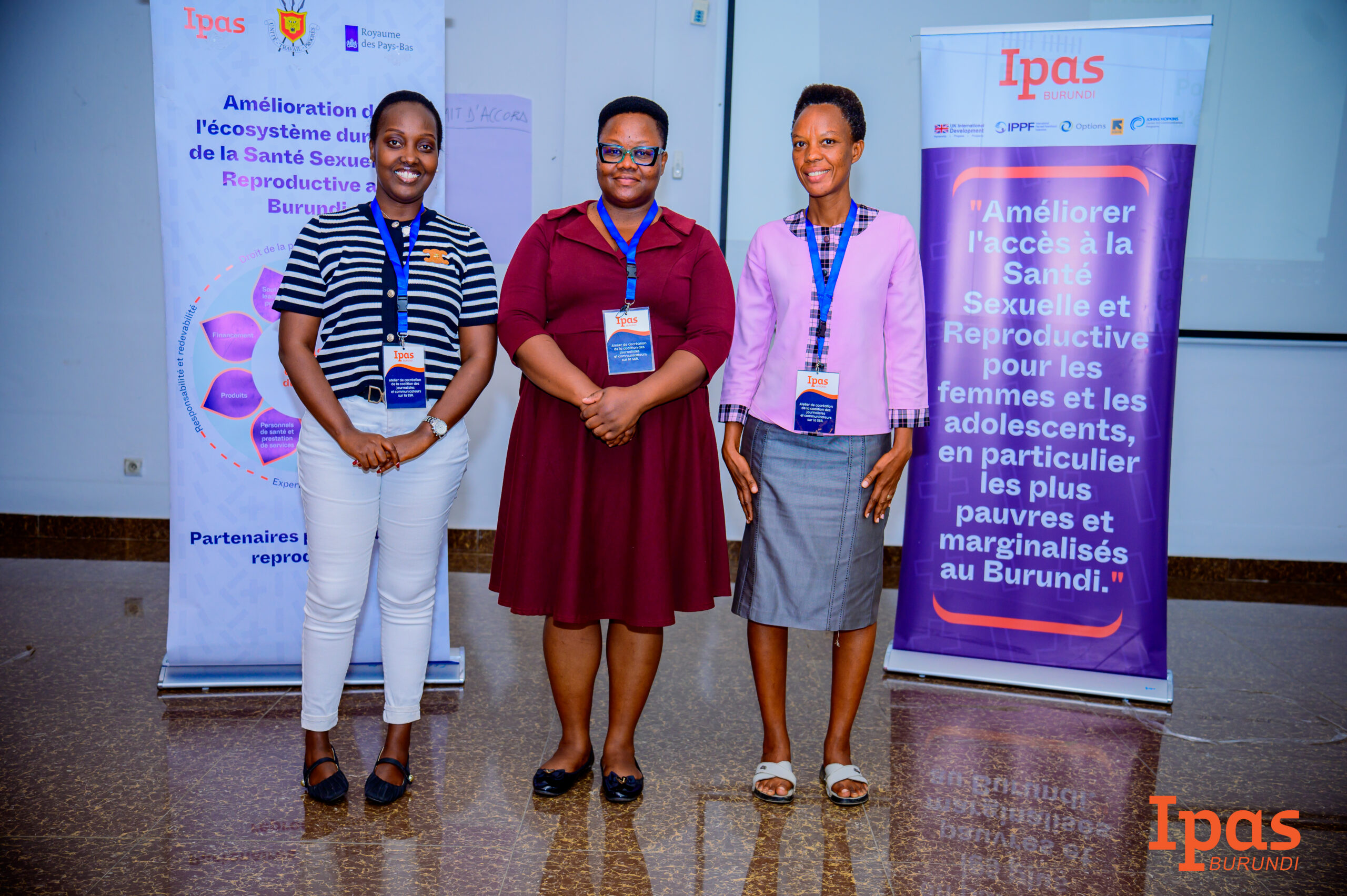
The Alliance also aims to help address the taboos surrounding reproductive health.
Topics such as menstruation, contraception, fertility, sexually transmitted infections, unintended pregnancy and sexual violence can still be difficult to discuss openly. Yet silence can create more space for rumors and misinformation.
Addressing these taboos does not mean treating these issues casually. It means creating a media environment in which reproductive health can be discussed accurately, respectfully and ethically, based on verified information.
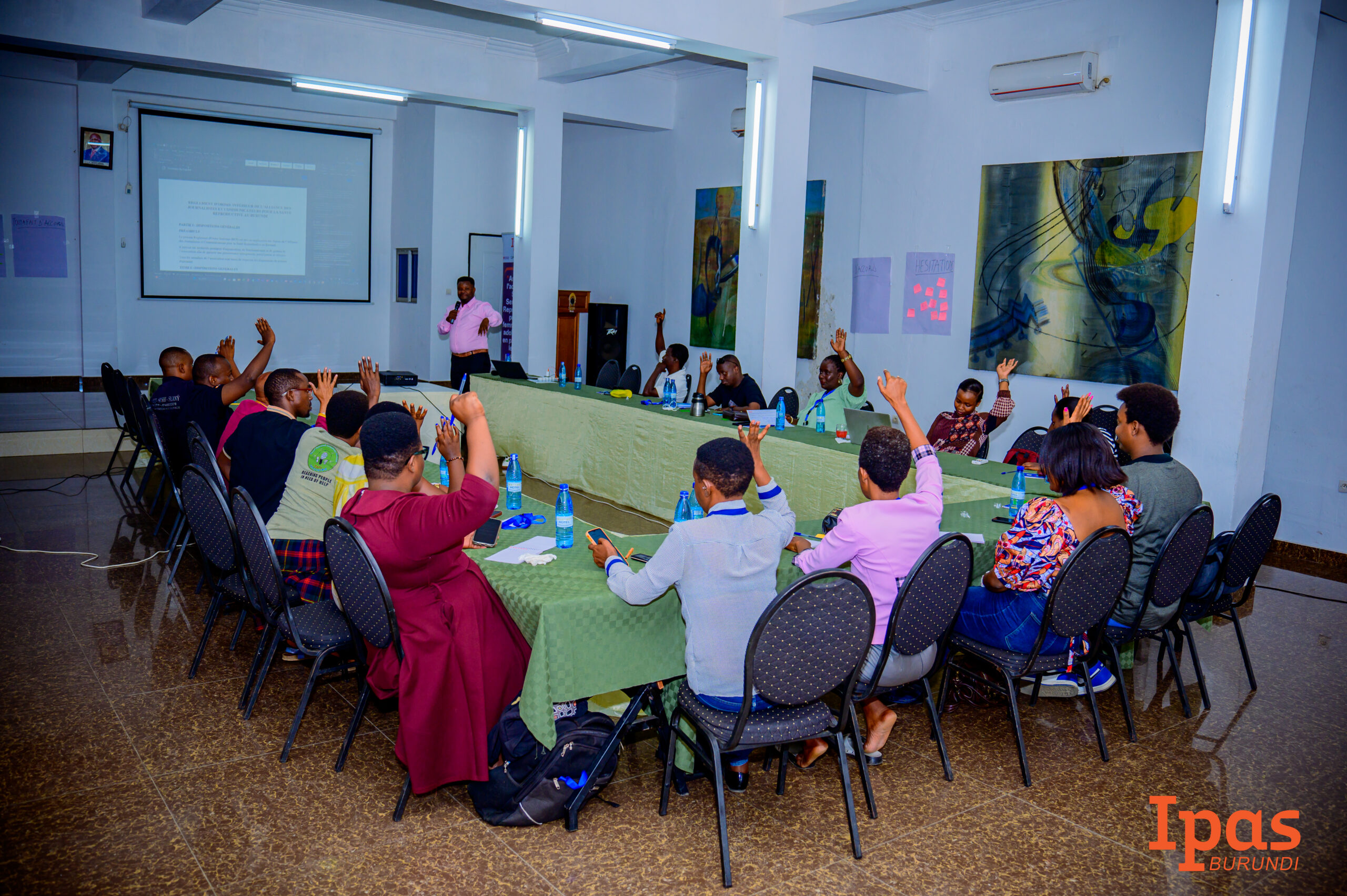
AJC-SR plans to strengthen the capacity of journalists and communicators, improve access to trusted sources, encourage the production of innovative content, and promote responsible media advocacy on reproductive health.
The Alliance also seeks to foster experience-sharing among its members and establish partnerships with public institutions, civil society organizations, universities, technical and financial partners, and media organizations.
Through this initiative, AJC-SR aims to make accurate information a meaningful tool for prevention and greater understanding.
Its ambition is to contribute to a media environment in Burundi where reproductive health issues are addressed professionally, respectfully and without stigma. Through the work of AJC-SR, more people will be able to access credible information and make informed decisions about their health and lives.
By Linda BUSHASHA ,Coordinator of the Alliance of Journalists and Communicators for Reproductive Health (AJC-RH)