
Ipas DRC
Non-profit organization
In the Democratic Republic of the Congo, abortion is part of the lived reality of many women and girls. Yet for a significant number of them, access to safe, quality services remains out of reach, forcing them to turn to care outside the formal health system—often at great risk to their health and well-being.
Complications related to unsafe abortion remain a major contributor to maternal morbidity and mortality. These outcomes reflect persistent inequalities in access to sexual and reproductive health (SRH) information, quality services, and financial protection. Adolescents, women living in poverty, and those in humanitarian or conflict-affected settings face the greatest barriers.
For too long, comprehensive abortion care (CAC) has been treated as peripheral to health system priorities. This marginalization has not only delayed access to timely care but has also increased financial burdens on families and placed additional strain on already stretched health systems.

Universal Health Coverage (UHC) aims to ensure that the entire population of the Democratic Republic of the Congo can access essential, quality health services without the risk of financial hardship linked to out-of-pocket payments. In the DRC, the National Health Development Plan (NHDP) 2016–2020—revised as the 2019–2022 NHDP under the vision of “toward universal health coverage”—laid the foundation for the development and adoption of the National Strategic Plan for Universal Health Coverage (NSP-UHC) 2020–2030. This plan now serves as the primary framework guiding health system reforms.
But beyond its technical ambition, UHC represents a powerful political commitment: placing equity, social justice, and human rights at the center of health policies. It provides a unique opportunity to address structural inequalities that continue to exclude many women from essential sexual and reproductive health (SRH) services.
In this context, integrating comprehensive abortion care (CAC) is not simply a programmatic consideration—it is essential for UHC to fulfill its promise of universality.
However, CAC remains only partially integrated into national UHC implementation mechanisms. This gap continues to limit the inclusiveness of health policies for women and girls. This shared reality has gradually led to a growing consensus : UHC cannot achieve its objectives without fully including comprehensive abortion care within its essential health service package.
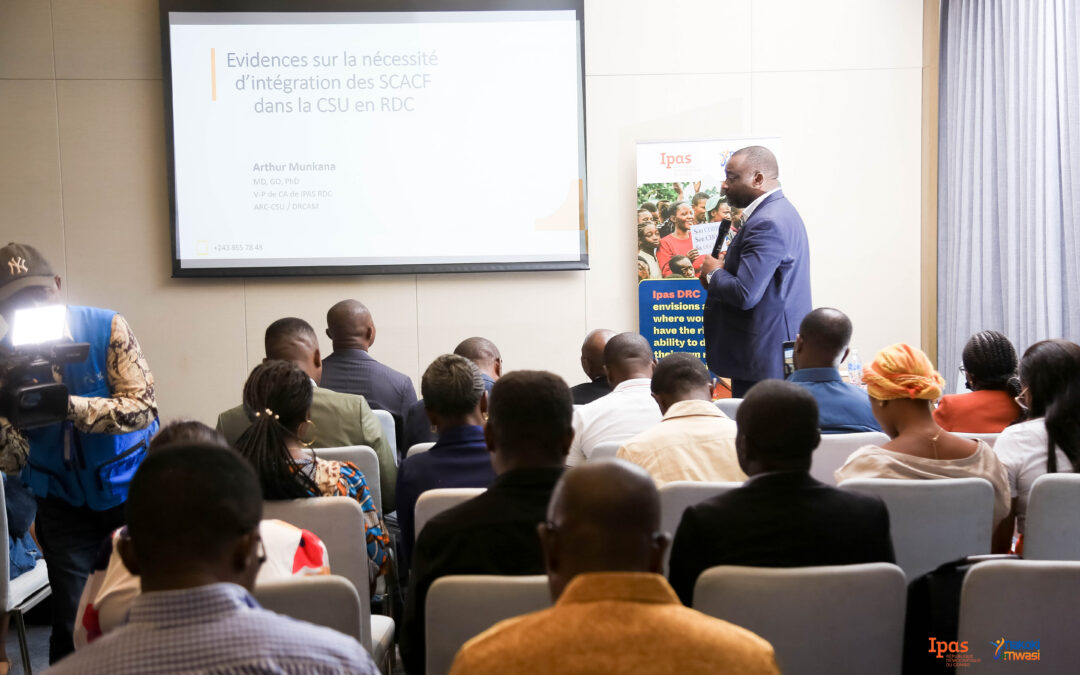
It is within this context that advocacy efforts were launched in October 2024, under the leadership of the National Reproductive Health Program (PNSR), with technical support from Ipas DRC. The process began with an initial engagement with UHC authorities, including the Director of the Agency for Regulation and Oversight of Universal Health Coverage (ARC-UHC), focusing on how UHC operates and how to integrate comprehensive abortion care into its framework.
This collective effort has helped reposition comprehensive abortion care as an essential public health service, grounded in evidence and in the realities experienced by communities.
Several key milestones have already been achieved :
These advances mark a turning point: the question is no longer whether comprehensive abortion care should be included, but how to ensure its progressive, coherent, and sustainable integration in a way that upholds the health and dignity of women and girls.

The favorable position toward integrating comprehensive abortion care into UHC represents a critical milestone—but it is not the end of the process. The priority now is clear: to move from political commitment to effective implementation, in a way that is progressive, measurable, and equitable.
This includes :
Beyond technical considerations, this integration represents a broader structural shift. It recognizes that abortion-related care is part of public health realities and must be included in health systems that are equitable, inclusive, and responsive to people’s needs.
For Ipas DRC, integrating comprehensive abortion care into UHC is part of a broader goal: ensuring that every woman and girl can fully exercise her right to bodily autonomy and access safe, respectful, and accessible sexual and reproductive health services.
It represents a strategic opportunity to transform normative commitments into real access to care—and to bring health systems closer to the lived realities of women.
In the DRC, the question is no longer whether these needs exist, but whether public policies will respond in ways that are equitable, sustainable, and grounded in rights.
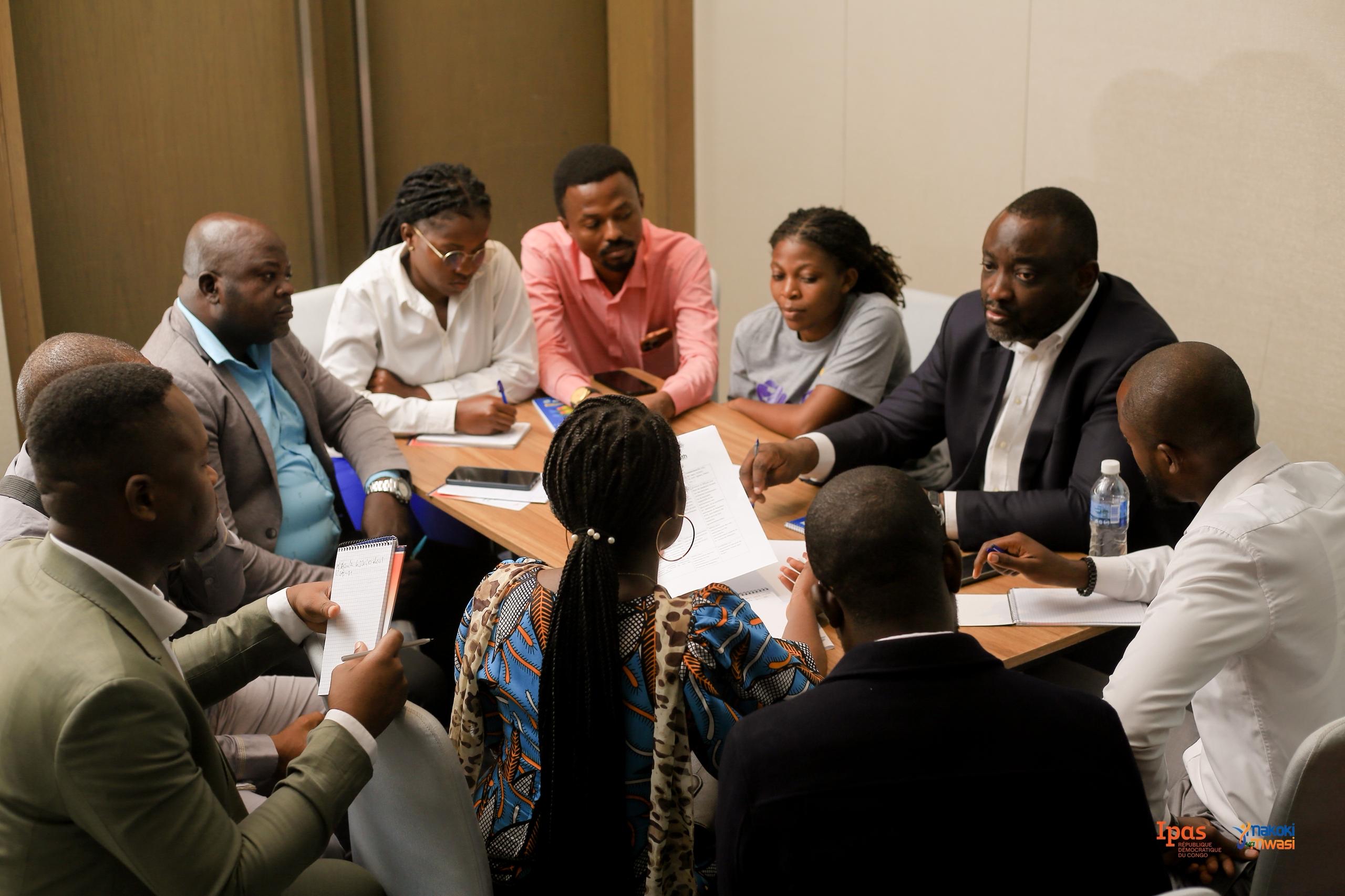

Organized in Kinshasa in October 2025 by the Ministry of Health, in partnership with Ipas RDC and made possible by funding from the FCDO as part of the WISH2 project, the second national dialogue on the sustainability of the sexual and reproductive health rights ecosystem brought together institutional players, technical partners and civil society, strengthening collaboration between international partners and national institutions.
Four years after the first edition in 2021, this meeting marked a decisive step in the evolution of policies and practices related to safe abortion in the Democratic Republic of the Congo, enabling an assessment of the progress made, highlighting persistent challenges and consolidating a common vision centered on women’s bodily autonomy and dignity.
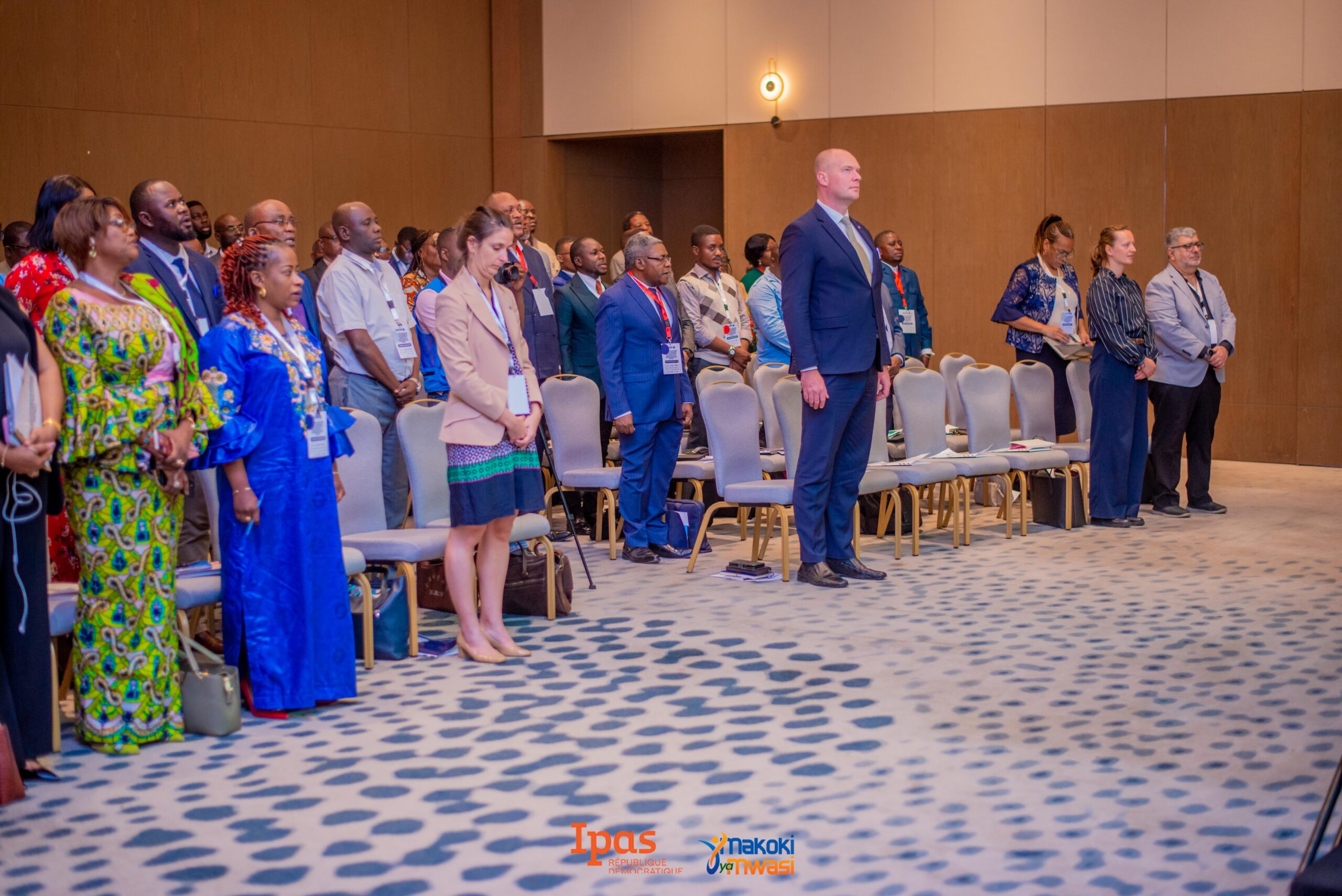
In a context marked by persistent stigma surrounding abortion, restrictive legal interpretations, and uneven political commitment, conducting a second assessment was far more than a routine monitoring exercise—it was a strategic imperative. Since 2021, the abortion and contraception ecosystem in the DRC has evolved within an unstable environment, shaped by shifting national priorities alongside a broader regional and global rise in conservative and anti‑rights discourse.
Against this backdrop, updated and objective evidence was needed to assess not only progress achieved, but also the resilience of the ecosystem itself. This second assessment was designed to inform public action and advocacy, strengthen institutional ownership of SRHR commitments, and consolidate a shared vision grounded in rights, health, and the dignity of women and girls.
The first national dialogue, held in 2021, marked a foundational milestone. For the first time in the DRC, stakeholders came together around a shared diagnosis of the abortion and contraception ecosystem. This assessment highlighted major bottlenecks, including limited awareness of reproductive rights, persistent stigma, fragmented interventions, and a still‑weak institutional framework despite the country’s adherence to the Maputo Protocol. Crucially, it also created an unprecedented space for dialogue among government institutions, technical partners, and civil society actors.
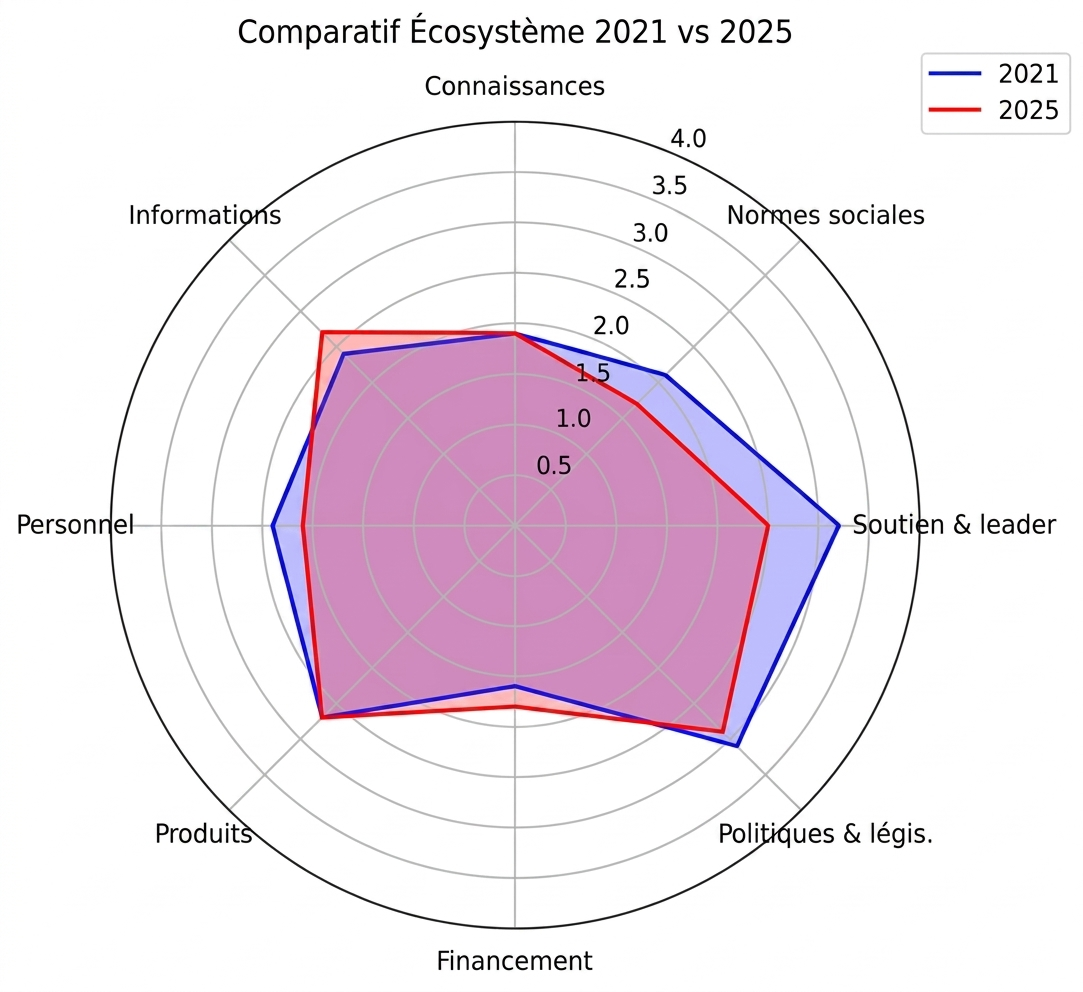
Four years later, the second assessment reflects a clear shift in ambition. Rather than simply documenting gaps, the objective was to measure change: to identify areas of progress, stagnation, or regression, and to better inform future strategic choices. Using the Sustainable Abortion and Contraception Ecosystem Assessment tool, stakeholders were able to move from an initial snapshot to a dynamic analysis of ecosystem evolution—supporting more targeted, coordinated, and accountable action.
Between 2021 and 2025, the ecosystem transitioned from an embryonic stage to one characterized by measurable—though still fragile—transformation. Comparative scoring points to notable advances across several components, particularly in access to information and resource mobilization. These gains signal growing momentum and a stronger structuring of actors across the ecosystem.
Progress, however, has been uneven. Several critical areas show stagnation or even decline. Social norms remain deeply shaped by taboo, while political support and leadership continue to suffer from inconsistent follow‑through on commitments and recommendations. Health workforce capacity and service delivery face persistent structural challenges, including insufficient training, provider resistance, and shortages of specialized personnel. This mixed picture underscores the vulnerability of recent gains in the absence of sustained political and societal engagement.
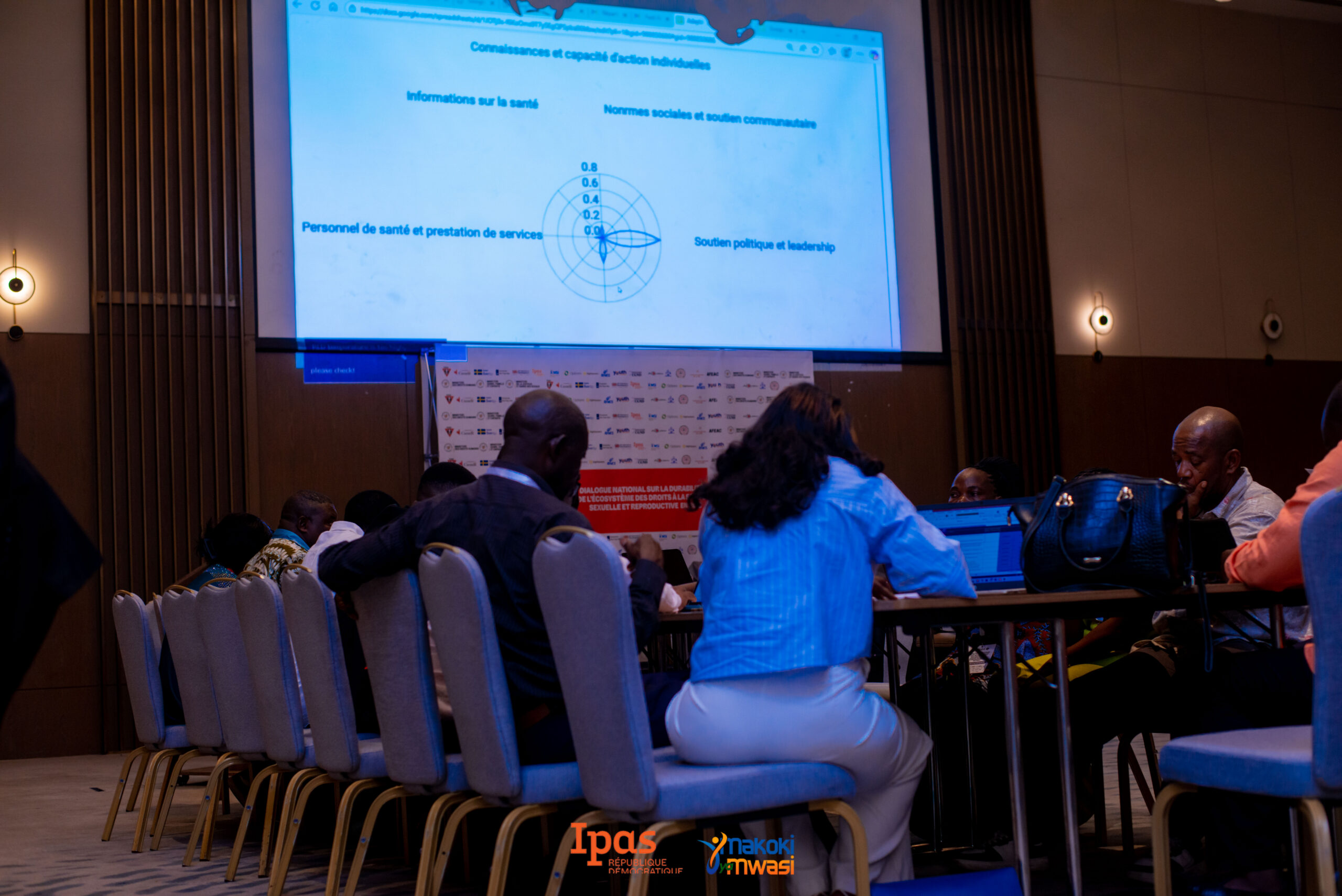
Beyond its findings, the second national dialogue stood out for the rigor of its process and the strength of institutional leadership. Held over three days, the dialogue enabled structured consultation and collective priority‑setting firmly anchored in national policies and frameworks. The Ministry of Health played a central role, with engagement from the Minister of Health, oversight by the Secretary‑General for Health, and the active involvement of the National Reproductive Health Program (PNSR).
Opening the dialogue, Dr. Anne‑Marie Ntumba, Director of the PNSR, underscored the significance of this collective effort:
“ This dialogue is part of a dynamic aimed at promoting the health and well-being of all women and girls in our country. In line with our institutional and interventional commitment to the Maputo Protocol, we know that unsafe abortion remains one of the main causes of maternal death in our country. It’s our duty to think about how we can offer safe, high-quality services that are accessible to all those who need them. “
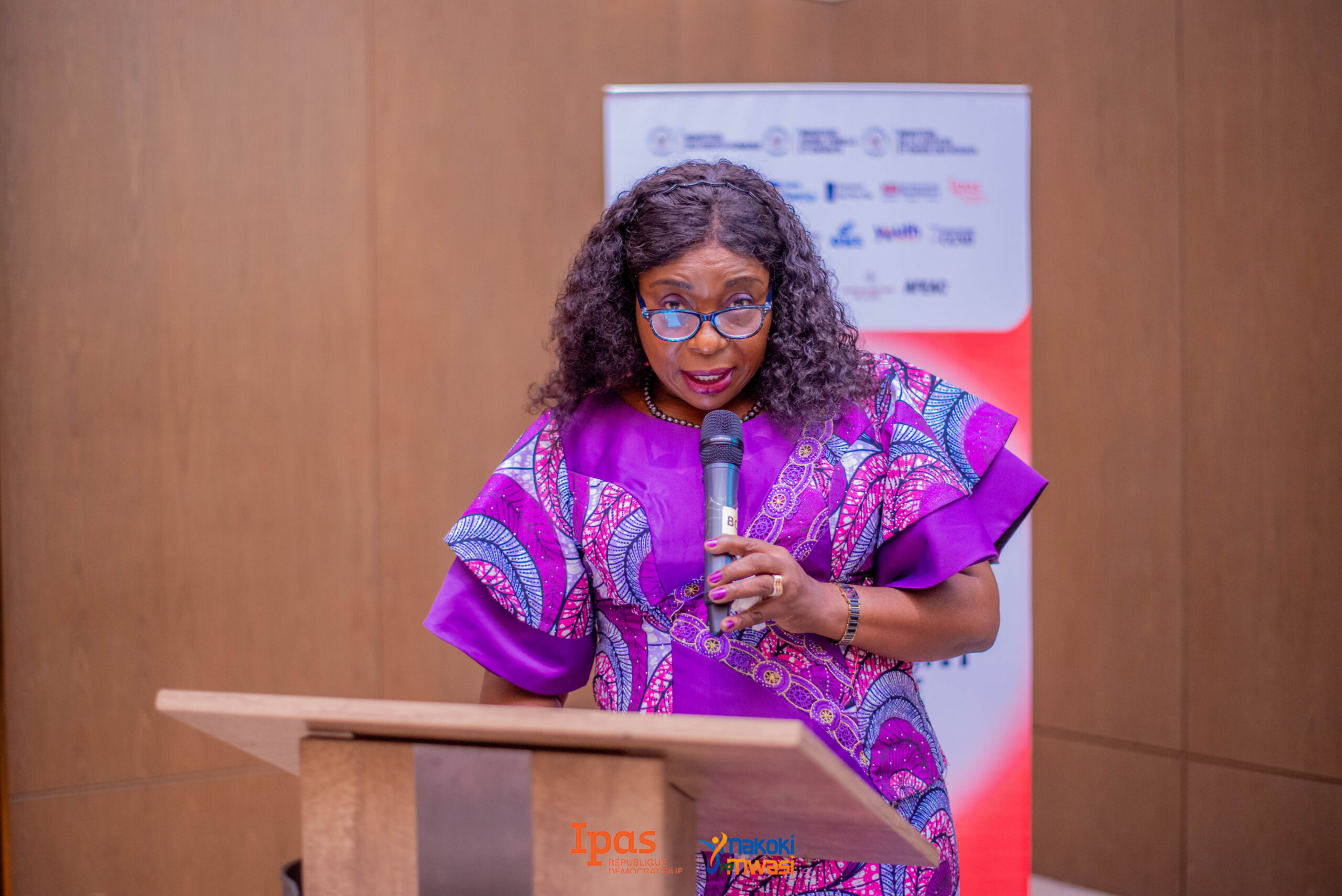
Discussions were further enriched by strong contributions from civil society representatives and healthcare professionals. Marie‑Chantal, a magistrate and member of the Association of Women Magistrates of the Congo (AFEMAC), stressed the urgent need to harmonize national legislation in order to fully domesticate the Maputo Protocol. Dr. Berry Kikenda, from the Congolese Society of Gynecologists and Obstetricians (SCOGO), called for strengthened community‑level awareness‑raising to help dismantle enduring taboos around abortion.
Ultimately, the second national dialogue reaffirmed the role of the State as a central actor in ensuring the sustainability of the SRHR ecosystem, while strengthening coordination and access to information across stakeholders. It helped move the conversation beyond a narrowly technical approach toward a rights‑based vision grounded in dignity and public accountability.
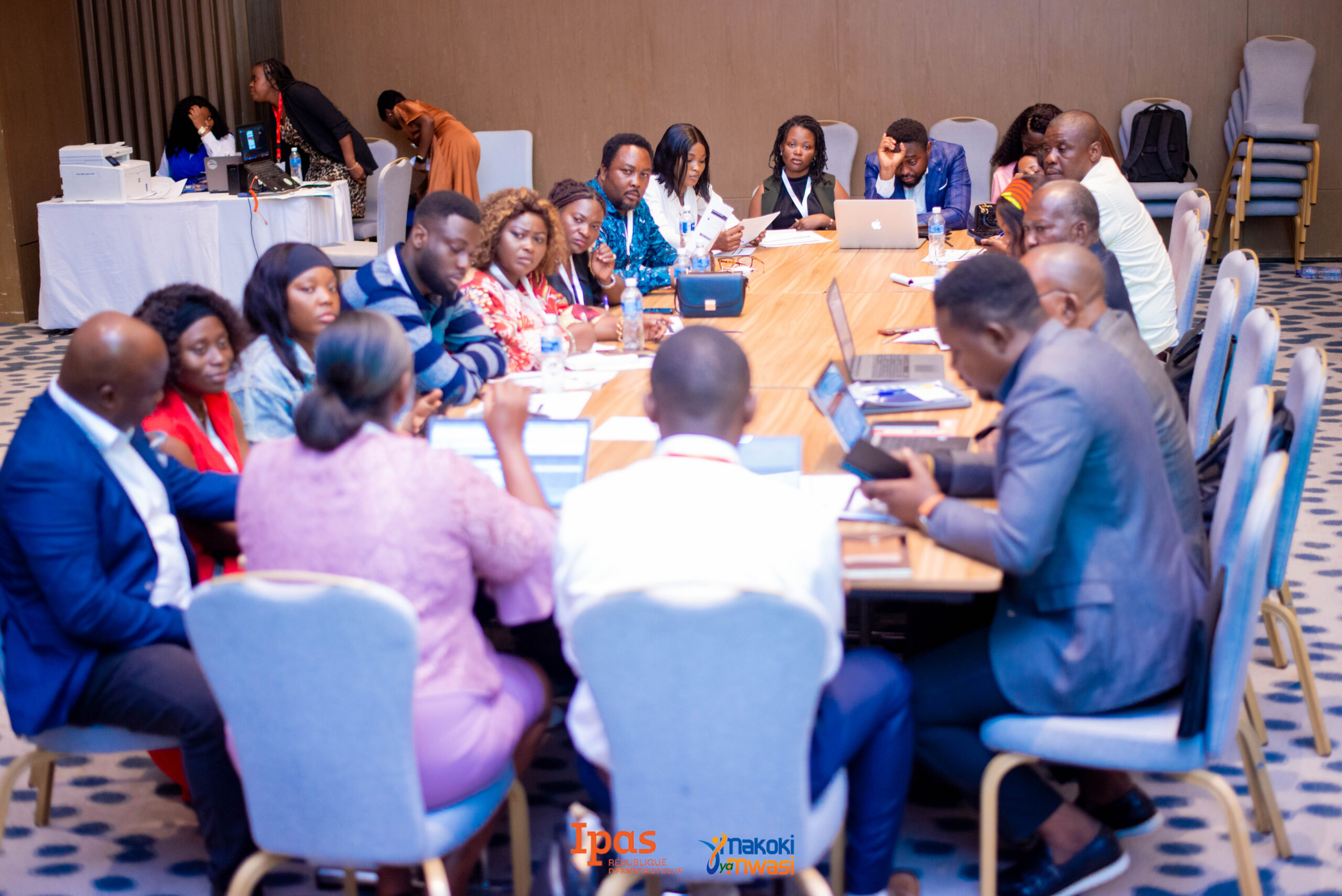
At the close of the dialogue, participants endorsed the development of a 2025–2028 roadmap, to be led by the Working Group on Comprehensive Abortion and Contraception Care centered on women, embedded within the Ministry of Health. This framework will guide follow‑up, advocacy, and coordination efforts, with continued support from Ipas DRC, to translate evidence and commitments into lasting progress for women’s health and bodily autonomy in the DRC
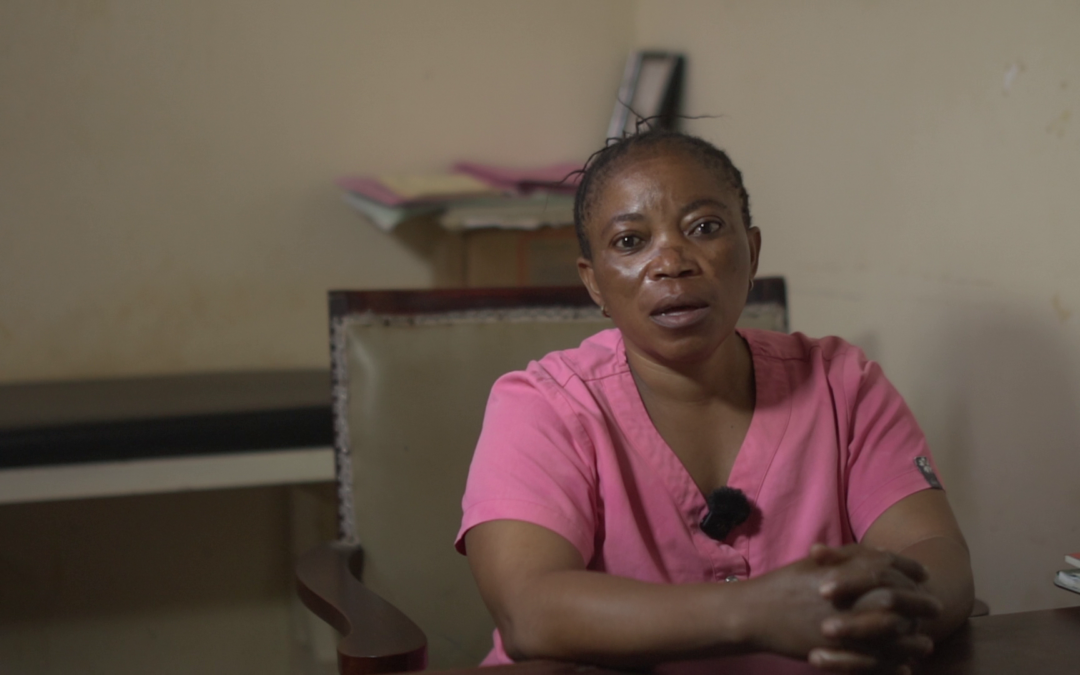
In conflict‑affected settings, where insecurity threatens lives every day, midwives are often the first—and sometimes the only—line of protection between women and the life‑threatening risks associated with pregnancy and reproductive health. In the Beni region of eastern Democratic Republic of Congo, Kavira Alphonsine, a 34‑year‑old midwife at the Kanzulinzuli Health Center, stands at the heart of this frontline response.
Each day, Kavira supports women and girls facing unintended pregnancies, the consequences of sexual violence, and persistent barriers to accessing sexual and reproductive health services. Her work takes place in an environment shaped by armed conflict, displacement, and chronic insecurity—where access to care can mean the difference between life and death.
Through her daily practice, Kavira embodies the critical role midwives play in delivering Comprehensive Abortion Care centered on the woman (CAC) and family planning services, in line with national standards derived from the domestication of the Maputo Protocol. This legal framework recognizes women’s and girls’ right to access safe abortion care under clearly defined conditions in the DRC.
Kavira’s skills have been strengthened through continuous training, supervision, and peer‑learning spaces supported by Ipas DRC under the Makoki ya Mwasi project, with funding from the Swedish International Development Cooperation Agency (Sida). These capacity‑strengthening efforts have deepened her understanding of safe abortion—not as a moral issue, but as a fundamental matter of public health and human rights, particularly in conflict‑affected settings where sexual violence is widespread.
During consultations, Kavira accompanies women and adolescents through pathways often marked by fear, misinformation, and stigma. Her role goes far beyond clinical care. She listens, informs, and explains—creating the conditions for each person to make a free and informed decision, whether related to contraception or access to safe abortion care, always with respect for confidentiality, dignity, and medical standards.
“Every woman who walks through the door of this health facility has the right to be heard and respected in her decision,” she explains. “Many come with fear or uncertainty. My role is to help them understand that they have legal and safe options, and that the health system is here to support them—without judgment.”
Thanks to this person‑centered approach, women who once feared contraceptive methods are now choosing options that align with their needs and life plans. Adolescents—often silenced by taboos surrounding sexuality—find in Kavira a safe space to ask questions and access age-appropriate services. Each decision made freely and with access to accurate information strengthens the bodily autonomy of women and adolescents, while facilitating access to quality sexual and reproductive health services—an essential foundation for reducing the risks associated with unintended pregnancies and unsafe care.
Through the commitment of providers like Kavira, Ipas DRC contributes to strengthening the national health system, in alignment with the priorities of the Ministry of Health and the National Reproductive Health Program (PNSR). By supporting continuous professional development for midwives, integrating comprehensive abortion care services, and promoting the dissemination of Maputo Protocol standards, Ipas works to ensure sexual and reproductive health services that are accessible, acceptable, high‑quality, and rights‑respecting.
For Kavira Alphonsine, being a midwife in this context is more than a profession—it is a daily commitment to saving lives, restoring dignity, and strengthening the decision‑making power of women and girls, even in the most fragile environments. Her journey illustrates how, with structured institutional support and a protective legal framework, health care providers become key agents of reproductive justice and sustainable change.
The support provided by Ipas DRC to strengthen midwives’ capacities has generated a lasting impact on the quality, accessibility, and humanization of sexual and reproductive health services. By sustainably consolidating providers’ competencies, this intervention has enabled health facilities to deliver woman-centered comprehensive abortion care (WCAC) and family planning services aligned with the national legal framework and the Maputo Protocol.
Through continuous training, supportive supervision, and close, on-the-job mentoring, midwives now adopt a human rights–based approach, characterized by reduced stigma and judgment, as well as a significant improvement in provider–client relationships. This dynamic strengthens women’s and adolescents’ trust in health services and ensures continuity of quality care, including in humanitarian settings.
Ultimately, this approach contributes to reducing the risks associated with unintended pregnancies and unsafe abortions, while strengthening the resilience of the local health system.
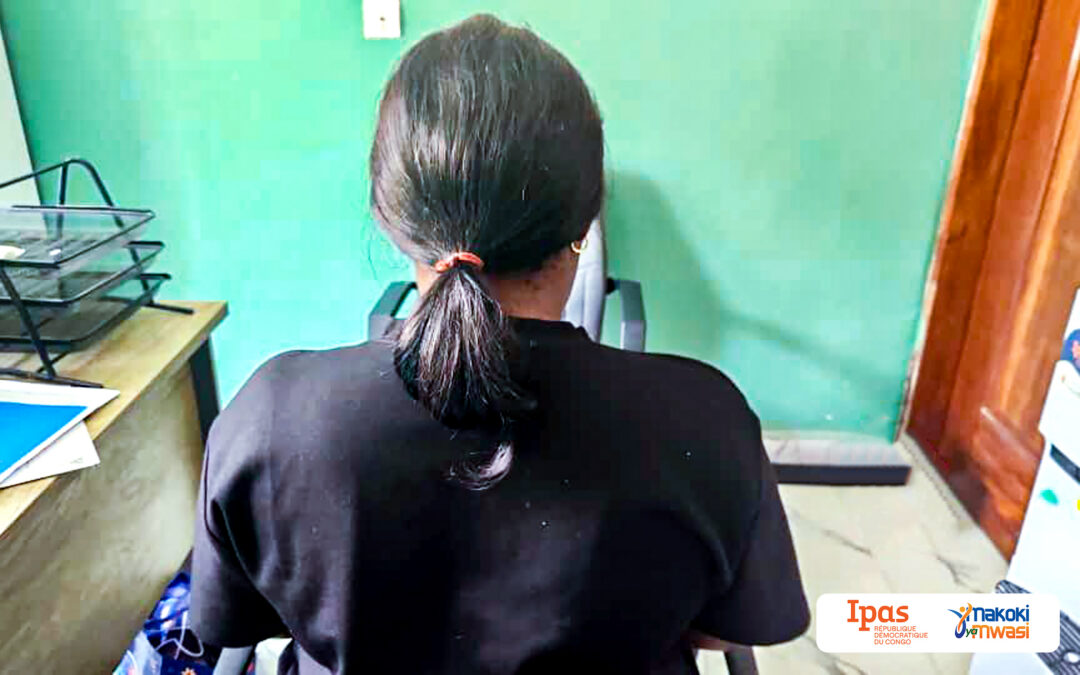
In the Democratic Republic of Congo, motherhood is often celebrated as a blessing. Yet for many women, an unintended pregnancy can quickly become a source of fear and isolation—especially when a partner withdraws responsibility and support. In these moments, women are left to navigate not only social pressure and economic uncertainty, but deeply personal decisions about their bodies and futures.
These challenges are compounded by persistent gaps in access to contraception and sexual and reproductive health care national data reflects this reality :
only 10.9% of women in union use modern contraceptive methods (DHS 2023–2024). Even more concerning, 32% of married or in‑union women who wish to space or limit births are unable to access their preferred family planning methods,. and in 2024, just 21% of family planning demand was met. For many women, this means facing unintended pregnancies without the information, services, or support needed to make informed choices.
At 26, Matondo (name changed) is already a mother to a young daughter. When she became pregnant again, she did not realize it immediately. With an irregular menstrual cycle, the signs were unclear.
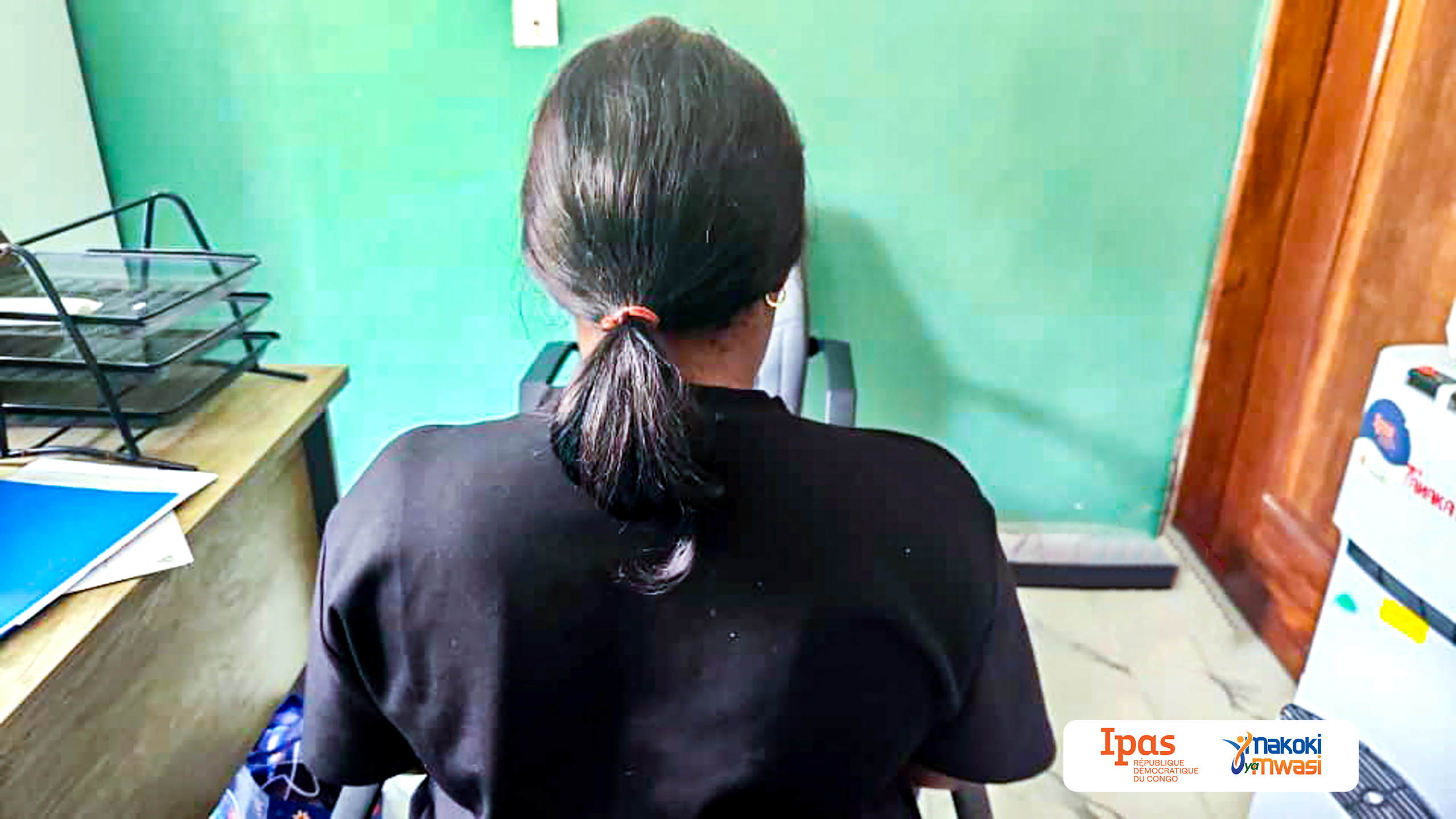
“My cycle is irregular, and if I said I know how to calculate it, I would be lying—I don’t,”
she explains.
When she eventually learned she was pregnant, the shock was compounded by her partner’s response: he refused to acknowledge the pregnancy and left her to face the situation alone. With no stable income, no independent housing, and no support from the child’s father, Matondo felt overwhelmed by the weight of expectations placed on her. Unsure of what to do, and struggling emotionally, she decided to seek help at the Center of Excellence within the Kintambo Maternity—one of the facilities supported by Ipas DRC.
“I had so many thoughts about this pregnancy,” she recalls. “I kept asking myself whether I would be able to care for another child, especially since I was living with my aunt. I felt lost. That’s when I decided to go to the Center of Excellence at the Kintambo Maternity.”
Until recently many women in the DRC had no access to safe, regulated abortion care. This forced countless women into unsafe and clandestine practices, with devastating consequences for their health and lives.
The country’s accession to the Maputo Protocol in 2018 marked a critical turning point. The protocol affirms women’s rights to sexual and reproductive health, including access to safe abortion under specific circumstances such as rape, incest, or risks to a woman’s physical or mental health. While legal reform alone is not enough, it provides an essential foundation for rights‑based care.
When Matondo arrived at the health facility, it was clear that her emotional state required as much attention as her physical health.
“She was deeply distressed,” explains Aimée Olenga, the midwife who accompanied her.. “She felt trapped, unable to cope with the situation she was facing. At one point, she told me she saw only two options—having an abortion or ending her own life.”
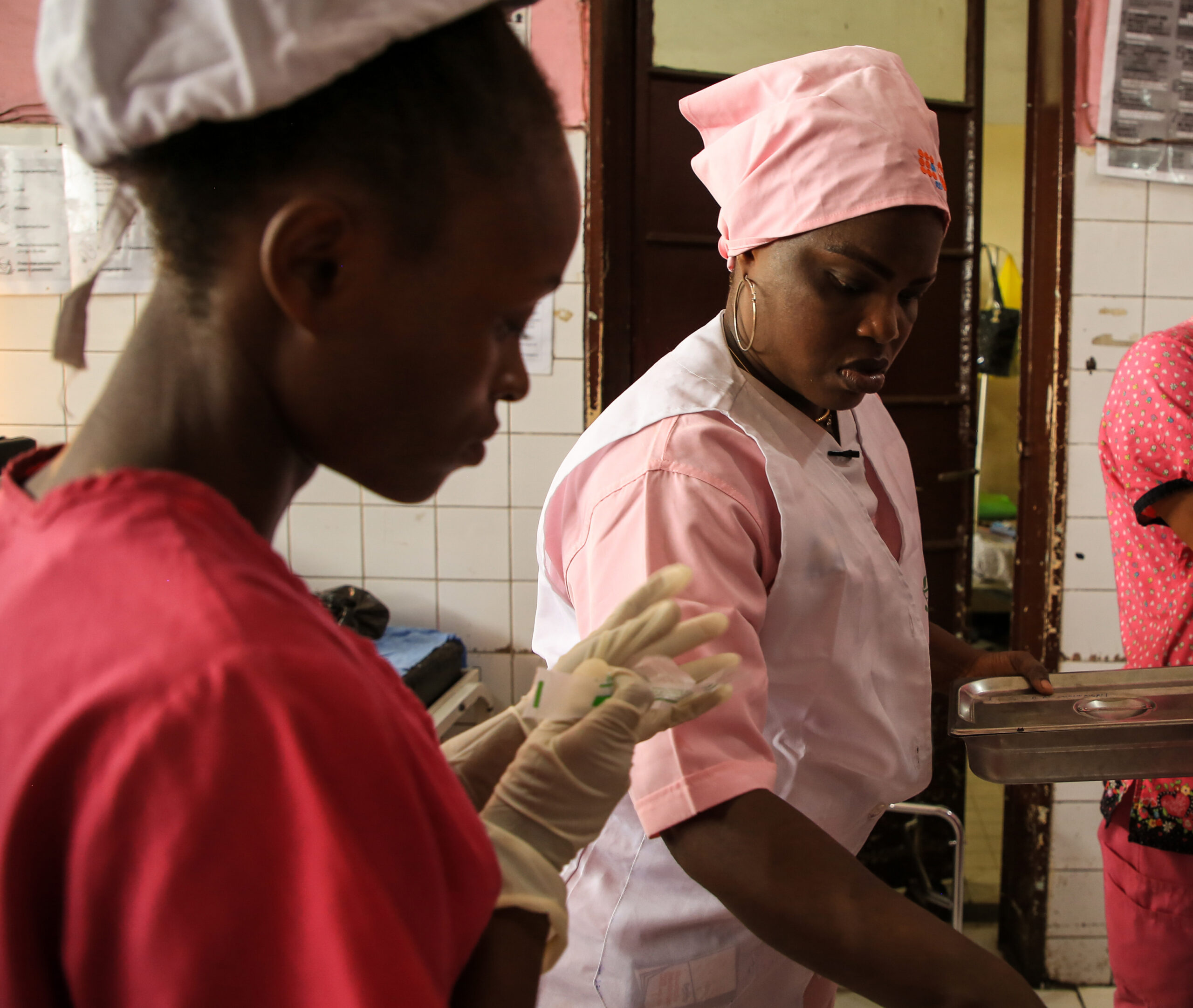
Through patient listening, counseling, and respectful care, Matondo was supported through a safe abortion process that prioritized her dignity, well‑being, and choices. Afterward, she described feeling calmer and relieved—for the first time able to think clearly about her future. Psychological support, Aimée emphasizes, is not optional. It is a core part of care—helping women rebuild confidence, reclaim agency, and move forward without fear or shame.
Matondo’s experience highlights how access to respectful, rights‑based care depends on a strong and well‑structured health system.
Ipas DRC works to build a sustainable abortion ecosystem that enables women to fully exercise their sexual and reproductive health and rights. To do so, the organization supports the delivery of comprehensive, woman‑centered abortion care (CAC) by strengthening the health system, particularly the capacity of health care providers.
Active listening, emotional support, and respectful counseling are part of the rights‑based and quality‑of‑care approach promoted by Ipas, which guides how services are delivered. Family planning remains a core component of the broader sexual and reproductive health and rights continuum.
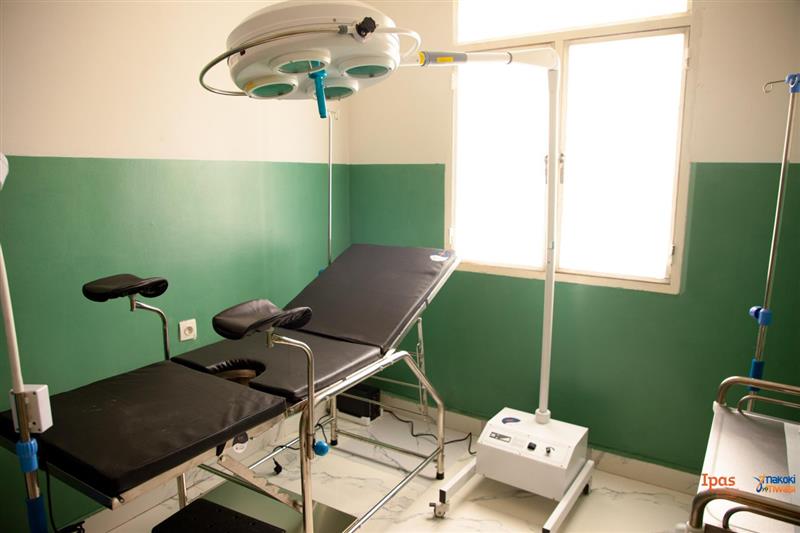
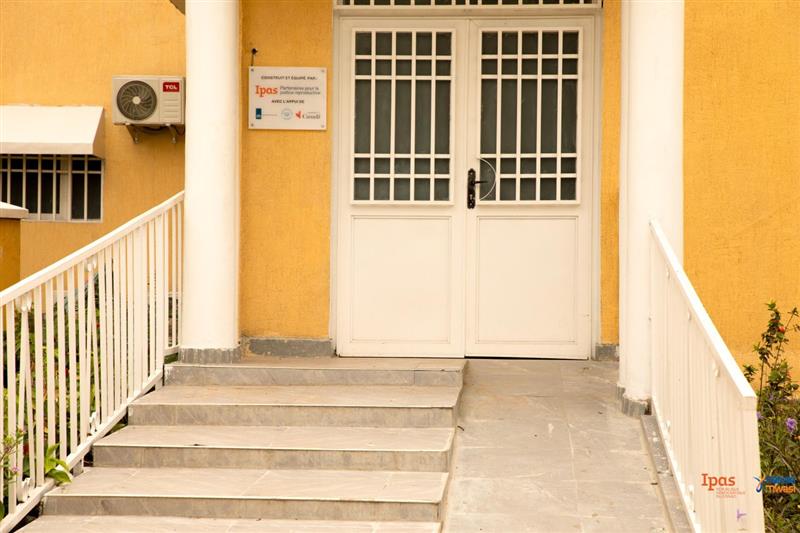
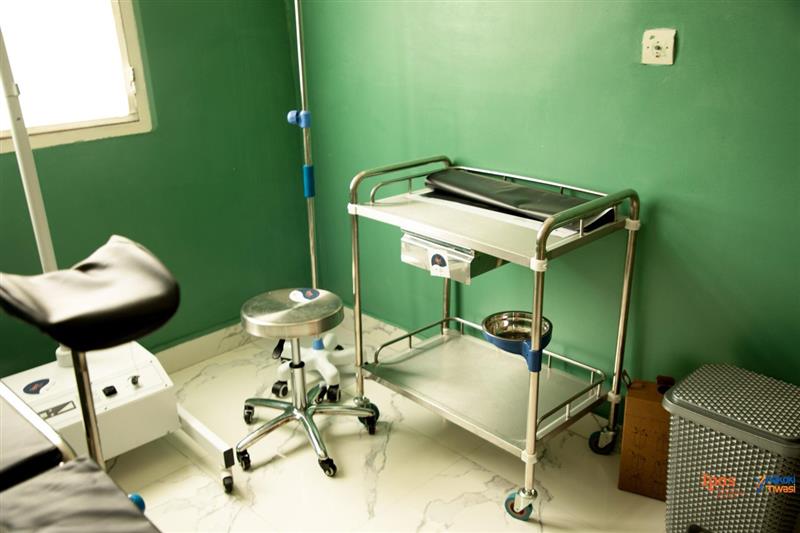
By strengthening health systems and centering women’s autonomy, Ipas DRC is contributing to lasting reductions in maternal morbidity and mortality—and ensuring that women and girls can make decisions about their bodies safely, freely, and with dignity.These centers provide safe abortion and family planning services, reducing the risks associated with unsafe practices and improving the overall quality of care for women and adolescents.

The Democratic Republic of the Congo’s accession to the Maputo Protocol on the Rights of Women in Africa raised great hopes for millions of Congolese women and girls. The government has taken steps to transform this historic achievement into tangible services, accessible without stigma or rejection. The standards and guidelines for comprehensive, woman-centered abortion care, developed by the Ministry of Health through the National Health Program of reproduction with the support of Ipas DRC and civil society, mark a crucial stage in the implementation of the Protocol.
Despite these advances, the real effectiveness of the services remained uncertain. Contradictions between the Protocol and national legislation, persistent stigmatization and clients’ fear of arrest were holding back access. Ensuring safe and sustainable pathways to information adapted to the local context remained a major challenge.

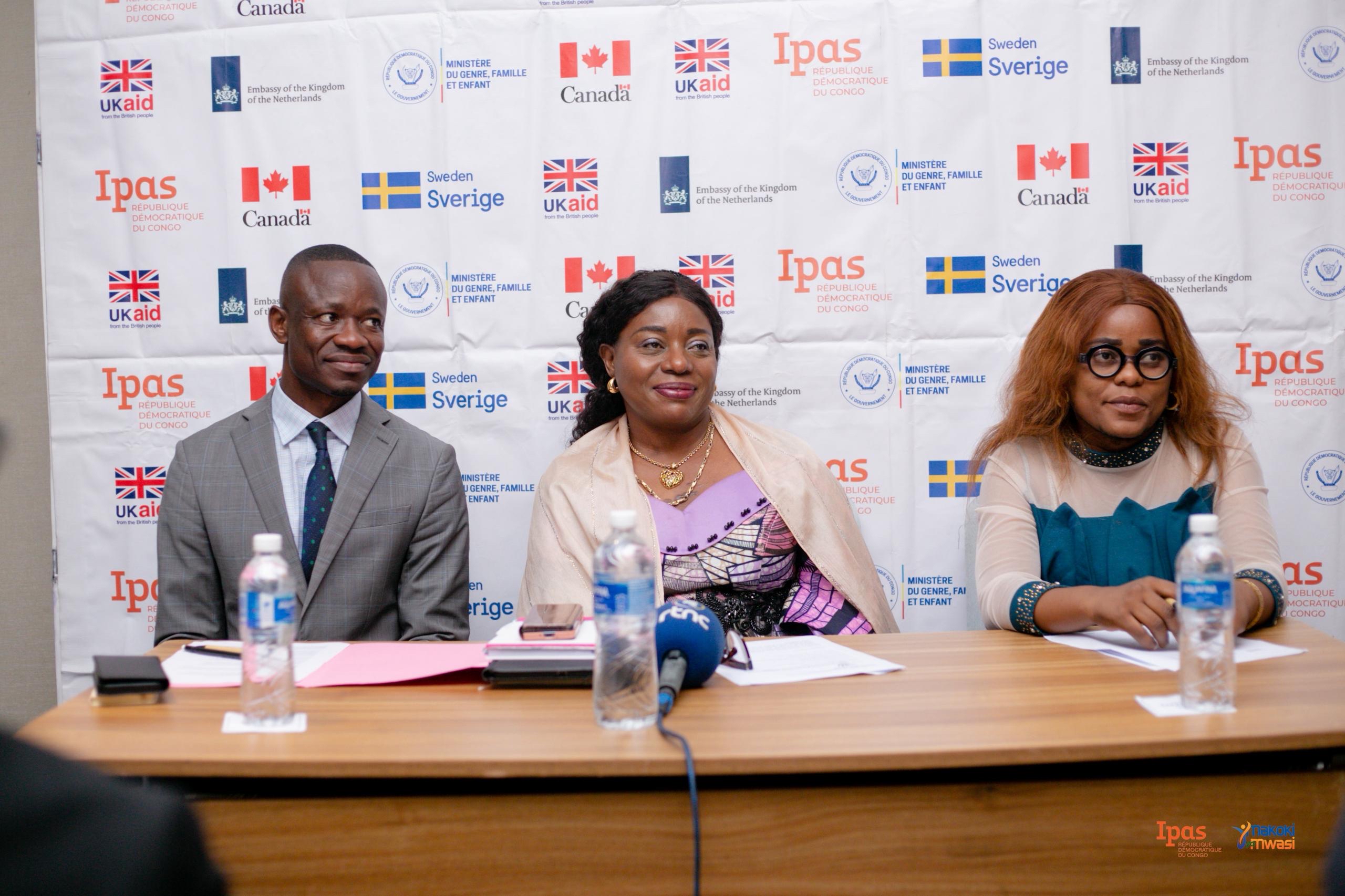
It is in this context that Ipas DRC, in collaboration with the Coordination in charge of youth and the fight against gender-based violence gender-based violence within the Office of the President of the Republic, has strengthened the national hotline. This enables survivors to report sexual and gender-based violence, seek emergency assistance and benefit from specialized medical care. The extension of line 122 to the Kintambo and Makala Centers of Excellence now offers the possibility of being directly connected to a midwife or doctor, translating progressive laws into concrete services.
In its mission to protect and promote sexual and reproductive rights, Ipas DRC trained twelve call center agents in Kinshasa. Over a period of four days, they learned how to listen actively to ensure respectful care, how to communicate about the Maputo Protocol and safe abortion, how to refer without discrimination to medical, psychosocial and legal services, and how to clarify values and attitudes towards abortion. At the end of the training, the agents committed themselves to respecting sexual and reproductive rights and referring clients to centers of excellence.

With the support of the Swedish fund, Ipas DRC is supporting the expansion of line 122 in order to strengthen the accessibility of services for survivors, increase its use by communities and respond more effectively to the urgent needs of survivors of gender-based violence.
In response to the upsurge in violence in the Democratic Republic of Congo, the Presidency and the Ministry of Gender, Family and Children have set up this free telephone hotline to report cases of sexual and domestic violence, exploitation and abuse in complete safety. Today, 122 is an essential mechanism for directing victims, witnesses or relatives to rapid and appropriate care. Its aim is to guarantee immediate and confidential access to survivors, facilitate their referral to the appropriate structures, and promote a coordinated and holistic response to victims’ needs.