
Ipas DRC
Non-profit organization
In the Democratic Republic of the Congo, abortion is part of the lived reality of many women and girls. Yet for a significant number of them, access to safe, quality services remains out of reach, forcing them to turn to care outside the formal health system—often at great risk to their health and well-being.
Complications related to unsafe abortion remain a major contributor to maternal morbidity and mortality. These outcomes reflect persistent inequalities in access to sexual and reproductive health (SRH) information, quality services, and financial protection. Adolescents, women living in poverty, and those in humanitarian or conflict-affected settings face the greatest barriers.
For too long, comprehensive abortion care (CAC) has been treated as peripheral to health system priorities. This marginalization has not only delayed access to timely care but has also increased financial burdens on families and placed additional strain on already stretched health systems.

Universal Health Coverage (UHC) aims to ensure that the entire population of the Democratic Republic of the Congo can access essential, quality health services without the risk of financial hardship linked to out-of-pocket payments. In the DRC, the National Health Development Plan (NHDP) 2016–2020—revised as the 2019–2022 NHDP under the vision of “toward universal health coverage”—laid the foundation for the development and adoption of the National Strategic Plan for Universal Health Coverage (NSP-UHC) 2020–2030. This plan now serves as the primary framework guiding health system reforms.
But beyond its technical ambition, UHC represents a powerful political commitment: placing equity, social justice, and human rights at the center of health policies. It provides a unique opportunity to address structural inequalities that continue to exclude many women from essential sexual and reproductive health (SRH) services.
In this context, integrating comprehensive abortion care (CAC) is not simply a programmatic consideration—it is essential for UHC to fulfill its promise of universality.
However, CAC remains only partially integrated into national UHC implementation mechanisms. This gap continues to limit the inclusiveness of health policies for women and girls. This shared reality has gradually led to a growing consensus : UHC cannot achieve its objectives without fully including comprehensive abortion care within its essential health service package.
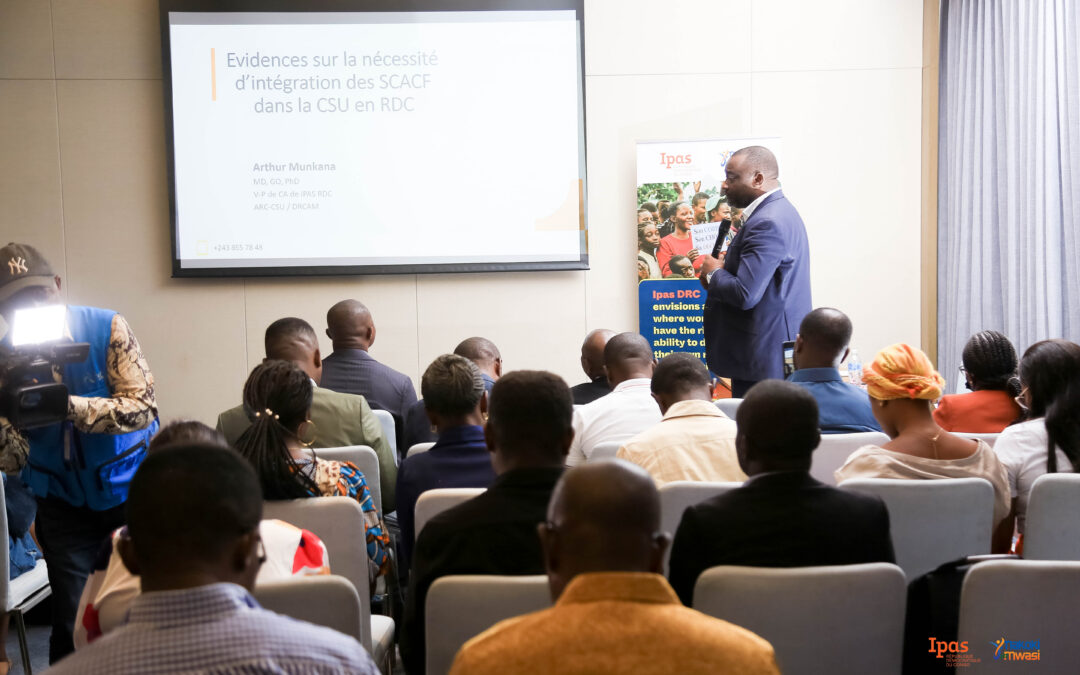
It is within this context that advocacy efforts were launched in October 2024, under the leadership of the National Reproductive Health Program (PNSR), with technical support from Ipas DRC. The process began with an initial engagement with UHC authorities, including the Director of the Agency for Regulation and Oversight of Universal Health Coverage (ARC-UHC), focusing on how UHC operates and how to integrate comprehensive abortion care into its framework.
This collective effort has helped reposition comprehensive abortion care as an essential public health service, grounded in evidence and in the realities experienced by communities.
Several key milestones have already been achieved :
These advances mark a turning point: the question is no longer whether comprehensive abortion care should be included, but how to ensure its progressive, coherent, and sustainable integration in a way that upholds the health and dignity of women and girls.
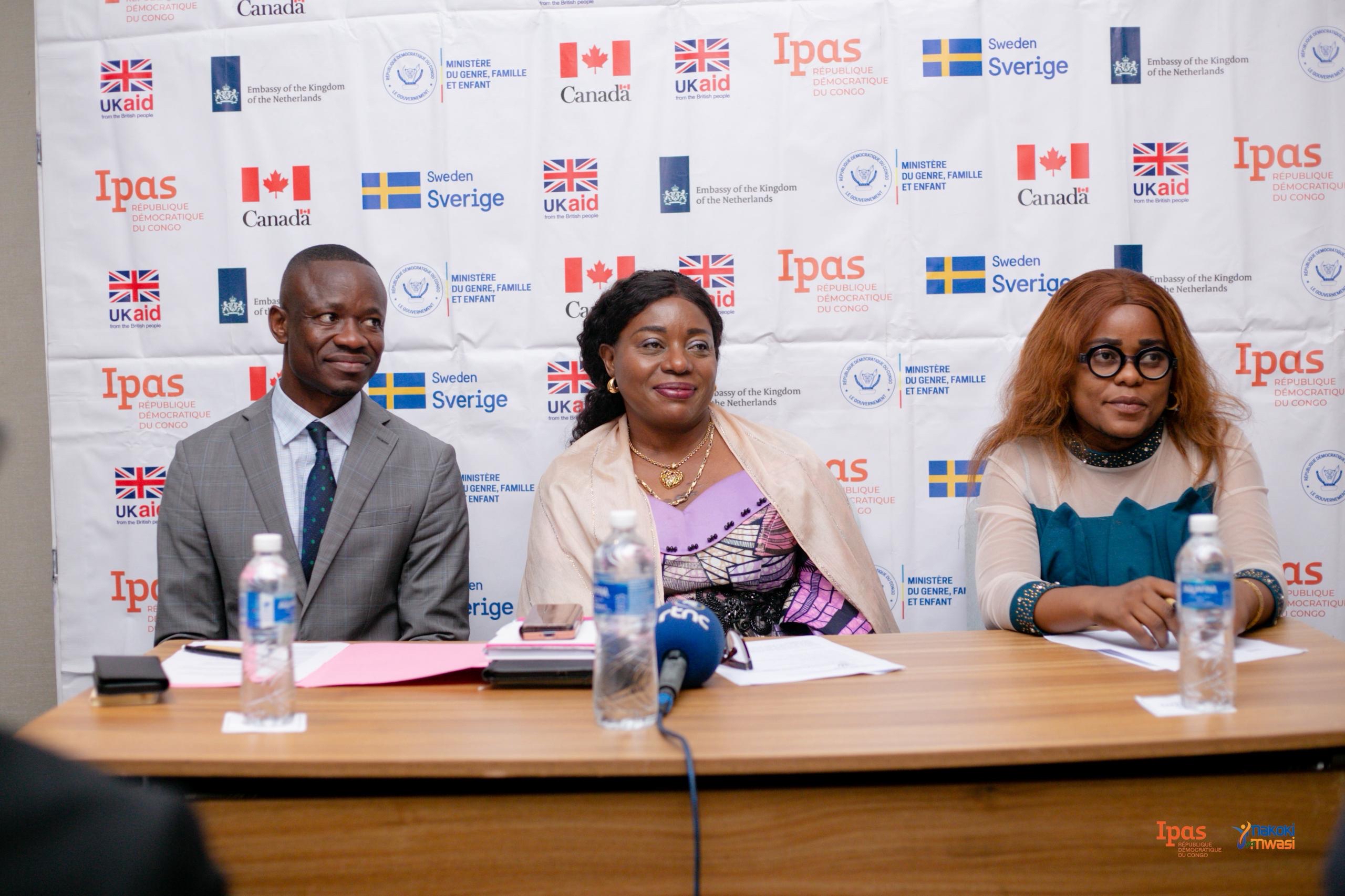

The favorable position toward integrating comprehensive abortion care into UHC represents a critical milestone—but it is not the end of the process. The priority now is clear: to move from political commitment to effective implementation, in a way that is progressive, measurable, and equitable.
This includes :
Beyond technical considerations, this integration represents a broader structural shift. It recognizes that abortion-related care is part of public health realities and must be included in health systems that are equitable, inclusive, and responsive to people’s needs.
For Ipas DRC, integrating comprehensive abortion care into UHC is part of a broader goal: ensuring that every woman and girl can fully exercise her right to bodily autonomy and access safe, respectful, and accessible sexual and reproductive health services.
It represents a strategic opportunity to transform normative commitments into real access to care—and to bring health systems closer to the lived realities of women.
In the DRC, the question is no longer whether these needs exist, but whether public policies will respond in ways that are equitable, sustainable, and grounded in rights.