Ipas DRC
Non-profit organization

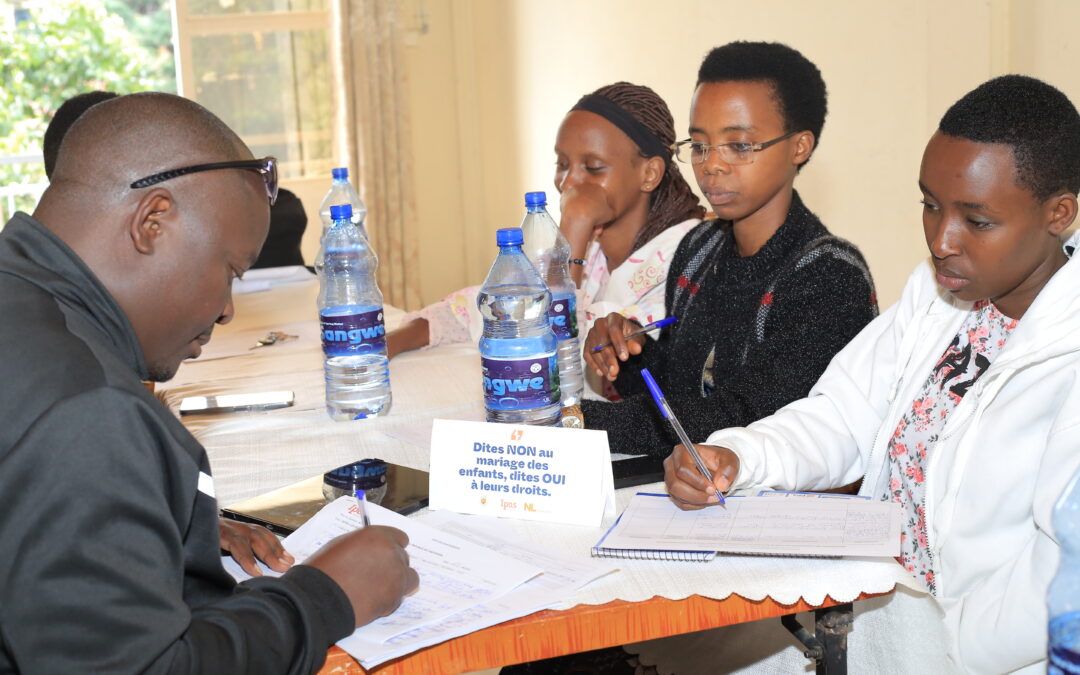
For many adolescent girls in Burundi, life-changing decisions and circumstances can emerge at a very early age, often before they have access to the information, support, and opportunities they need to make informed choices about their health, education, and future. Adolescent pregnancy, child marriage, and school dropout continue to affect the lives of many girls, interrupting educational pathways and limiting opportunities at a critical stage of their development.
These challenges do not occur in isolation. They reflect broader social, economic, and institutional dynamics, including poverty, persistent social norms, and unequal access to essential services. Together, these factors can restrict opportunities for adolescent girls and hinder their ability to reach their full potential.
Addressing these issues requires more than individual interventions. Sustainable progress depends on strengthening an enabling environment that supports adolescent girls over the long term—by fostering positive social norms, improving coordination among stakeholders, and reinforcing the systems that shape their everyday lives.
It is within this context that a more structured response to the continuum of adolescent pregnancy, child marriage, and school dropout (CTS) has gradually taken shape in Burundi.
The national dialogue held in Bujumbura represented an important milestone in this process. Bringing together government institutions, technical services, civil society organizations, development partners, and young people, the dialogue helped establish a shared understanding of the challenges affecting adolescents across the country.
Throughout the discussions, participants recognized that CTS is not the responsibility of a single sector. Rather, it reflects a complex set of interconnected factors ranging from economic conditions and social norms to institutional capacities and access to essential services.
The dialogue also contributed to the development of a common framework for action designed to strengthen collaboration, improve coordination among stakeholders, and promote a more coherent response at the national level.
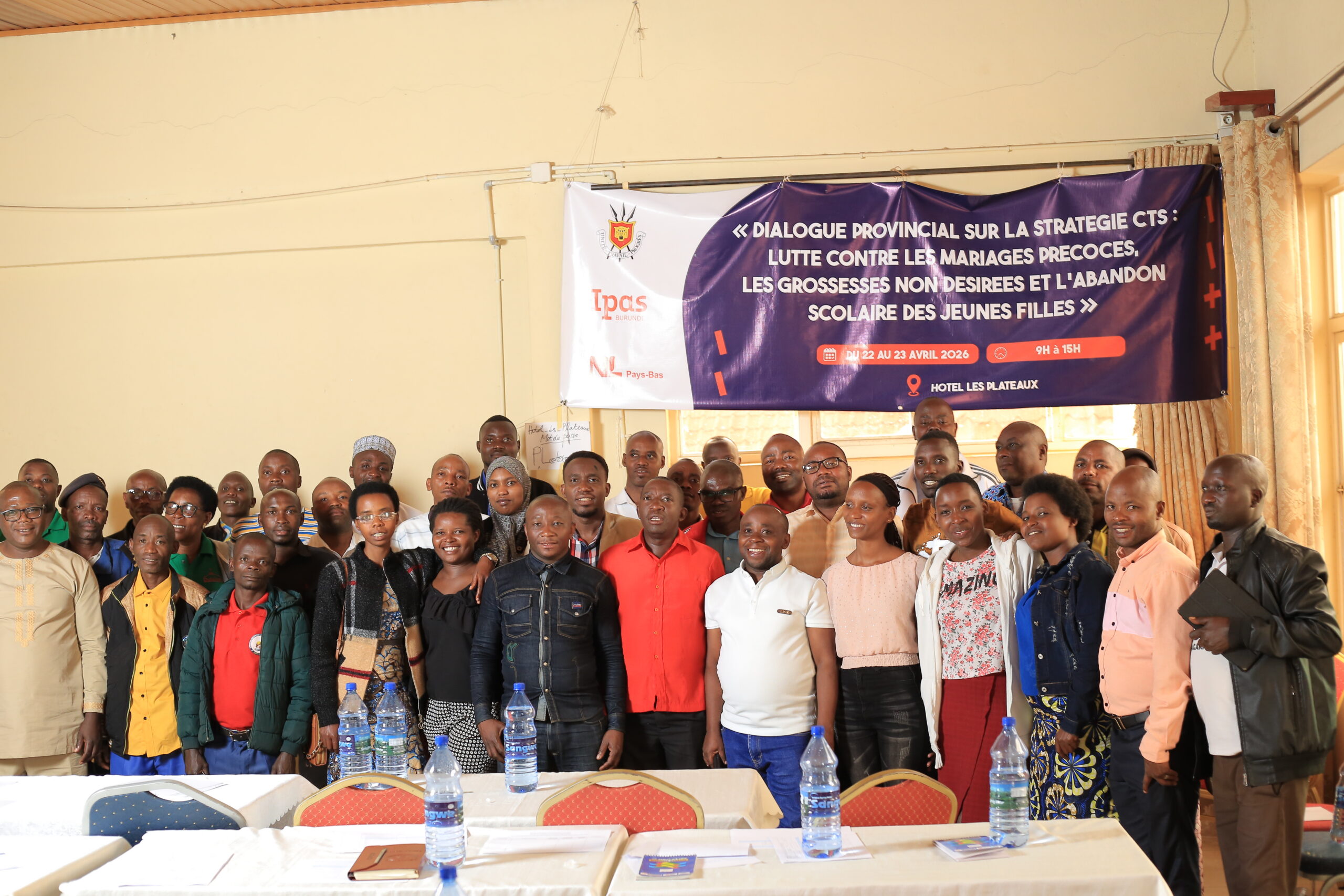
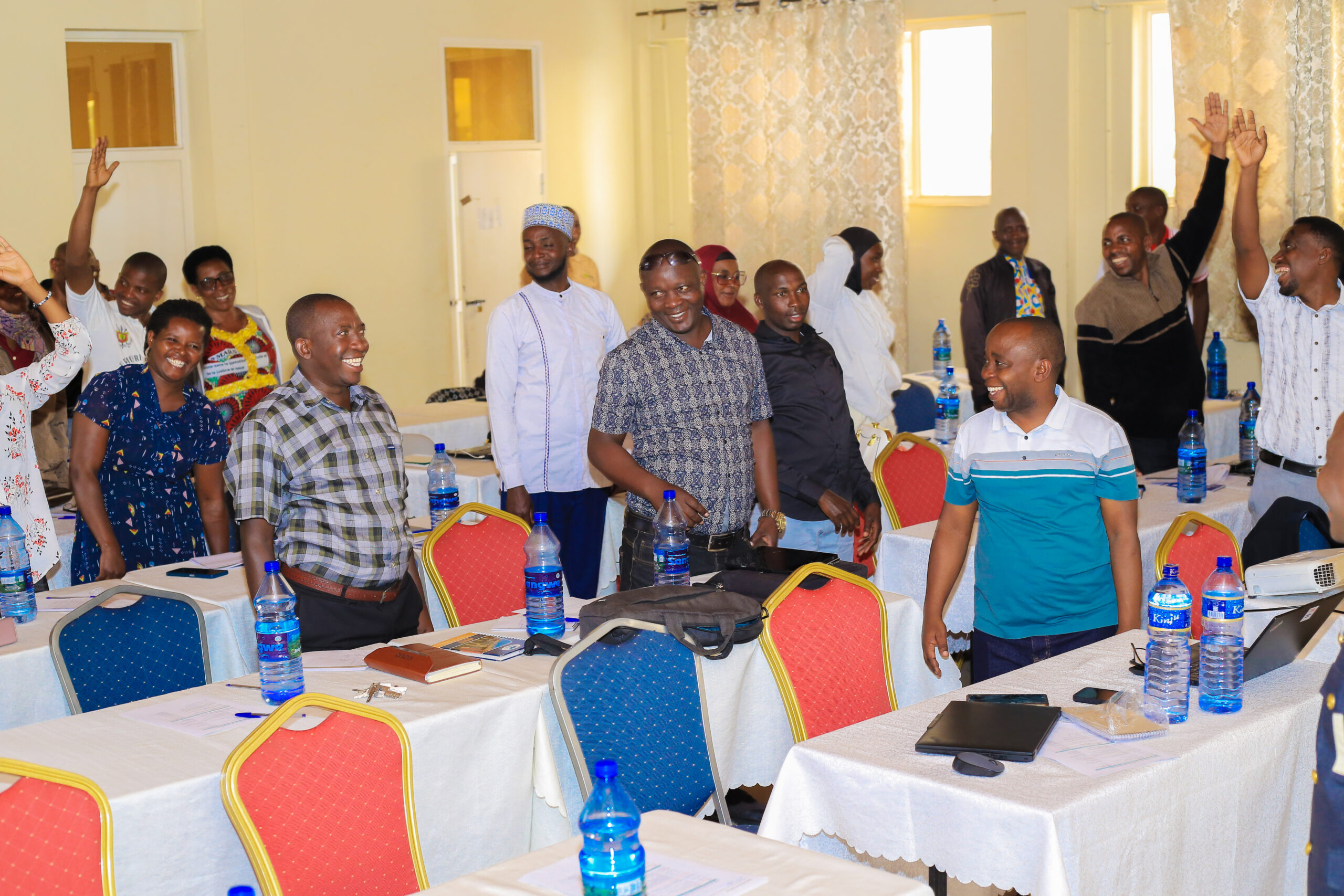
Building on this momentum, a provincial dialogue was organized in Butanyerera Province through the Ndi Uwagaciro project. Held in Ngozi from April 22–23, 2025, the workshop served as an important bridge between national priorities and local realities.
The dialogue brought together a diverse range of stakeholders, including provincial administrative authorities, technical representatives from the education, health, and social protection sectors, civil society organizations, community and religious leaders, implementing partners, and young people. By creating a space for collective reflection, the workshop enabled participants to examine the challenges facing adolescents through the lens of community experiences and local contexts.
Discussions highlighted the persistent and interconnected nature of adolescent pregnancy, child marriage, and school dropout, as well as their implications for adolescent wellbeing and socio-economic development. As part of the process, stakeholders conducted an assessment of the provincial CTS ecosystem, which received a score of 2.6, slightly above the national average of 2.3. The results demonstrated important progress while also highlighting areas where further efforts are needed to strengthen the overall response.
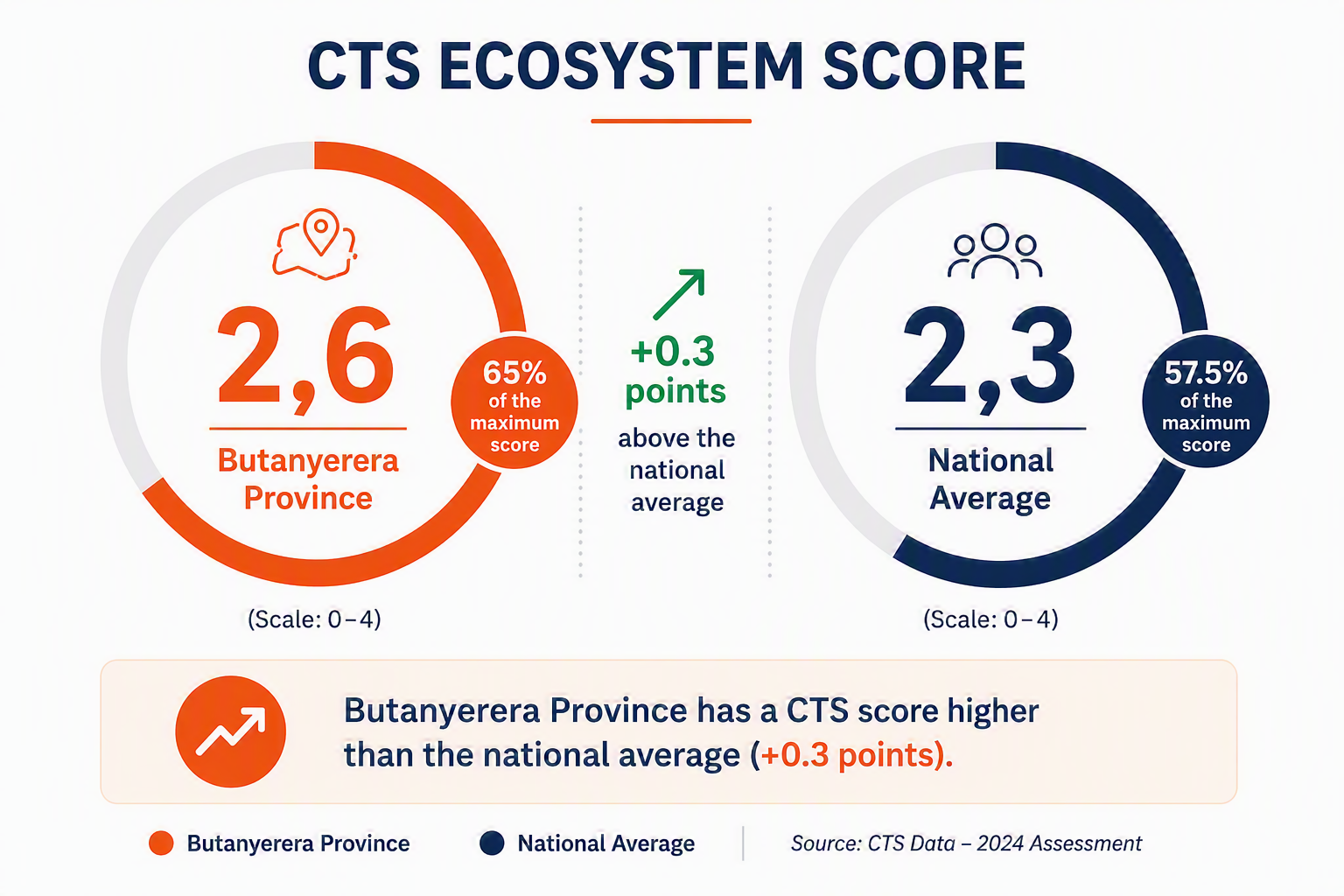
An encouraging performance that reflects the efforts already underway while highlighting opportunities to strengthen the response for greater effectiveness and sustainability.
Through a collaborative process, participants identified key priorities and developed a provincial action plan with clearly defined responsibilities and timelines. This operational roadmap marks an important step toward strengthening local ownership and promoting a more coordinated and effective implementation of interventions across sectors.
By linking national dialogue processes with local action, this approach is helping establish a more coordinated, inclusive, and community-centered response to the challenges associated with CTS.
A central feature of this approach is the promotion of local ownership. By actively engaging provincial and community stakeholders in identifying priorities and designing solutions, the process helps ensure that interventions are more responsive to local needs and more sustainable over time.
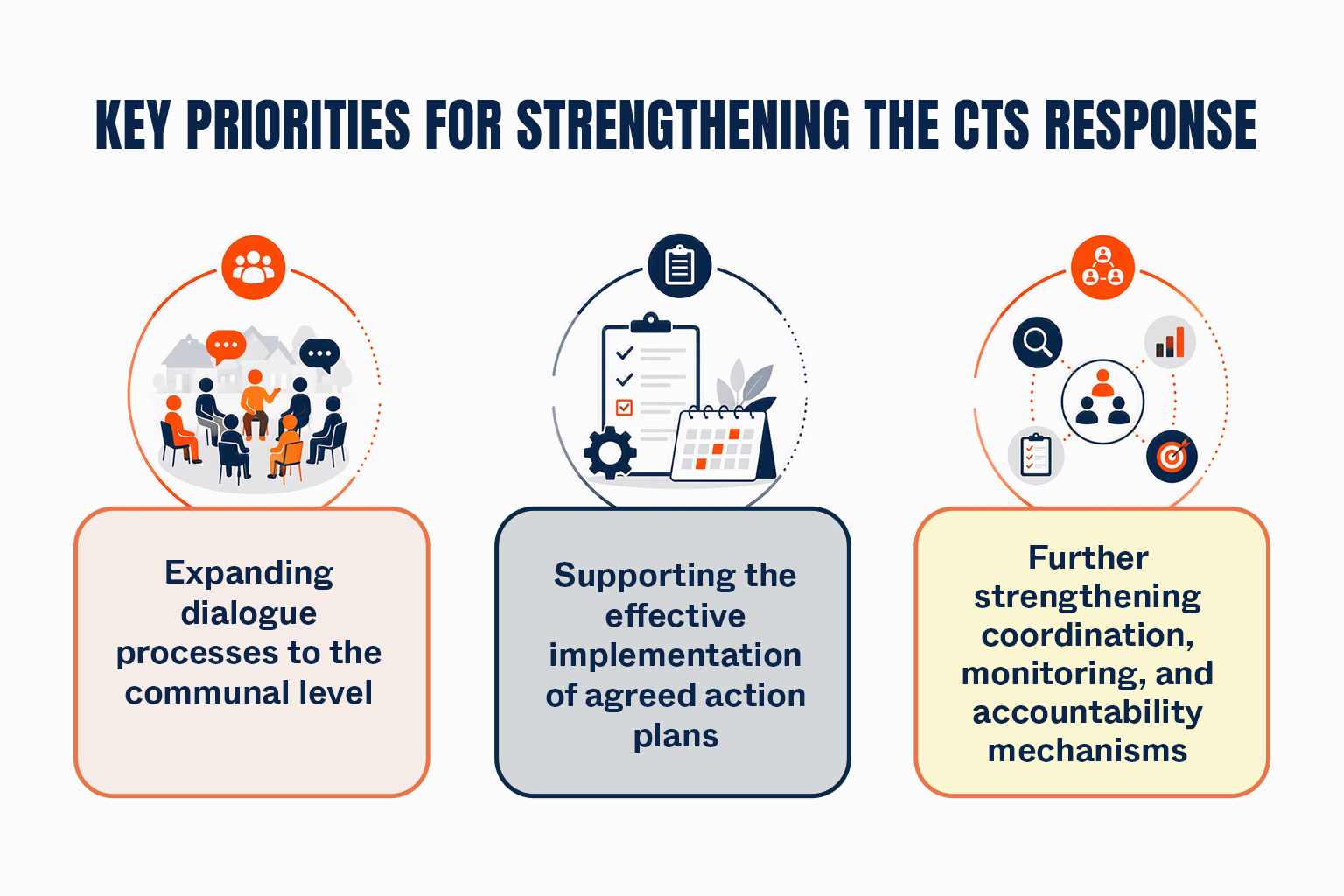
Burundi is progressively laying the foundations for a more coherent and coordinated response to adolescent pregnancy, child marriage, and school dropout.
By aligning stakeholders, grounding actions in local realities, and reinforcing collaboration across sectors, this approach is helping create a more supportive environment for adolescent girls. It is an environment that can enable them to continue their education, broaden their opportunities, and make informed decisions about their futures.
Maintaining and expanding this momentum will be essential to transforming early progress into lasting change. Through continued collaboration, local leadership, and sustained commitment, Burundi can further strengthen the conditions that allow adolescent girls to thrive, pursue their aspirations, and contribute fully to their communities and the country’s development.