
Ipas DRC
Non-profit organization


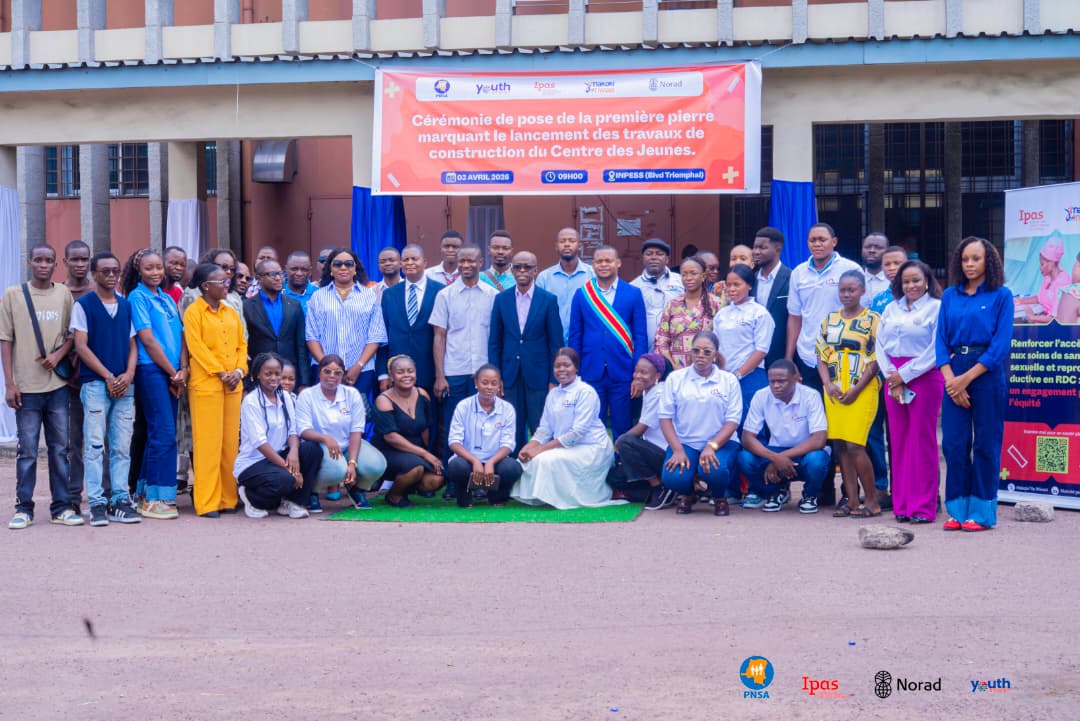
On April 3, the Democratic Republic of Congo took an important step forward in strengthening sexual and reproductive health (SRH) prevention with the launch of a new youth‑focused initiative at the National Institute for Health Education and Promotion (INPESS). Led by the National Adolescent Health Program (PNSA), with support from Ipas DRC and funding from the Norwegian Agency for Development Cooperation (NORAD), the initiative seeks to establish a safe, inclusive space for learning, dialogue, and peer‑to‑peer exchange—designed with young people, for young people.
Rather than intervening at the point of crisis, the Youth Center is grounded in a social and behavior change approach, addressing the root causes of vulnerability by strengthening access to reliable information, encouraging critical reflection, and supporting informed decision‑making among adolescents and young people.
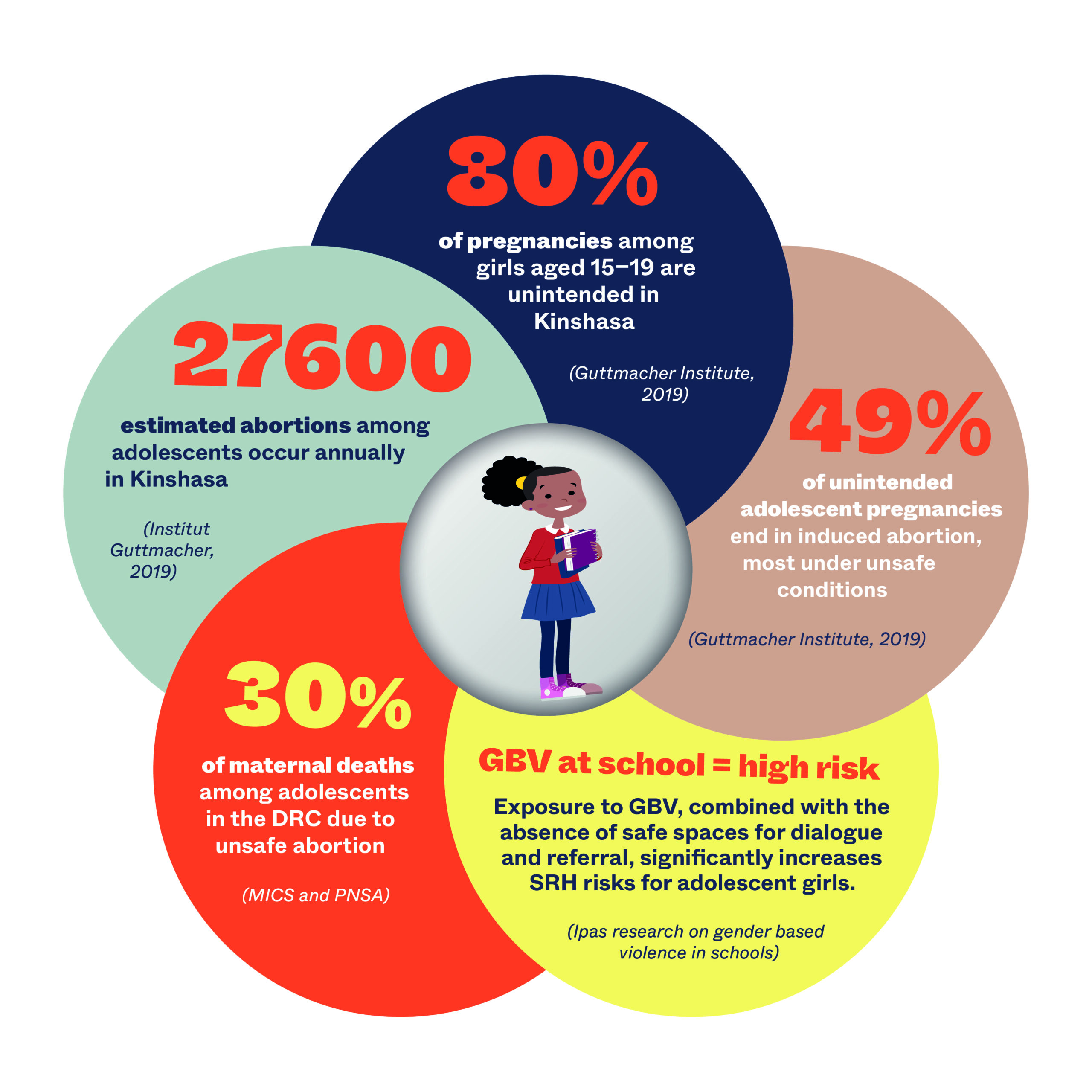
In the DRC, many adolescents and young people still struggle to access accurate, age‑appropriate SRH information. Deep‑rooted social taboos, limited communication within families and communities, and fear of judgment leave young people—especially girls—without the tools they need to navigate decisions about their bodies and their futures. Too often, these decisions are made alone, under pressure, or when risks have already escalated.
The Youth Center is built on a model of shared responsibility. The National Adolescent Health Program (PNSA) provides strategic leadership, ensuring coherence with national health and education priorities, as well as with broader SBC frameworks.
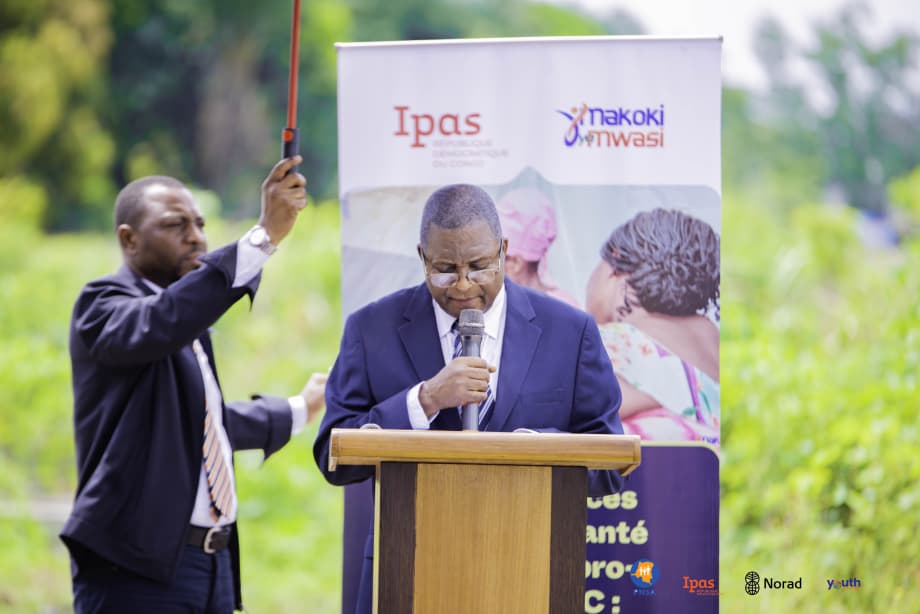
At the groundbreaking ceremony, the PNSA Director emphasized the center’s role as a space for information, listening, and youth‑friendly referral, reinforcing the State’s commitment to adolescent health and to the long‑term sustainability of the initiative.
Equally central to the model is youth leadership. The center will be managed and animated by members of Youth Sprint, creating a strong peer‑to‑peer dynamic. This approach ensures relevance, cultural resonance, and credibility, while allowing young people to act not only as participants, but as facilitators and agents of social change.
By combining institutional leadership with meaningful youth engagement, the initiative reflects a core SBC principle: lasting behavior change grows out of trusted, locally anchored spaces shaped by the people they serve.
The Youth Center has been intentionally designed to operate upstream—before clinical care is sought and before risks escalate. It moves away from service‑delivery models and instead positions information, dialogue, and reflection as the first steps toward prevention.
Crucially, the center is non‑medicalized. Young people come not to receive treatment, but to talk, listen, question, and learn in an environment free from judgment or stigma. This makes it possible to openly address issues that are often silenced: sexual and reproductive health, gender norms, bodily rights, gender‑based violence, and decision‑making.
Grounded in social and behavior change, the center focuses on the norms, beliefs, and power dynamics that shape young people’s choices—particularly those affecting adolescent girls. The aim is not simply to share information, but to foster agency, critical thinking, and confidence.
Another defining feature is that the space will be run by young people, for young people, through Youth Sprint. Peer‑to‑peer engagement strengthens trust, makes conversations more accessible, and transforms young people from information recipients into leaders and advocates.
In practice, the Youth Center will offer:
The center will also play a key referral role, helping young people identify appropriate services and navigate safer care‑seeking pathways, without duplicating existing health services.
By placing information, dialogue, and referral at the center of its approach, the Youth Center addresses vulnerability at its source. It creates conditions for young people to understand their options, reflect on their choices, and take informed decisions about their bodies and their lives.
Over time, this approach contributes to reducing unintended pregnancies, unsafe practices, and gender‑based violence. More broadly, the center stands as a strategic investment in social and behavior change, supporting bodily autonomy and well‑being for adolescents and young people across the Democratic Republic of Congo.