Ipas DRC
Non-profit organization
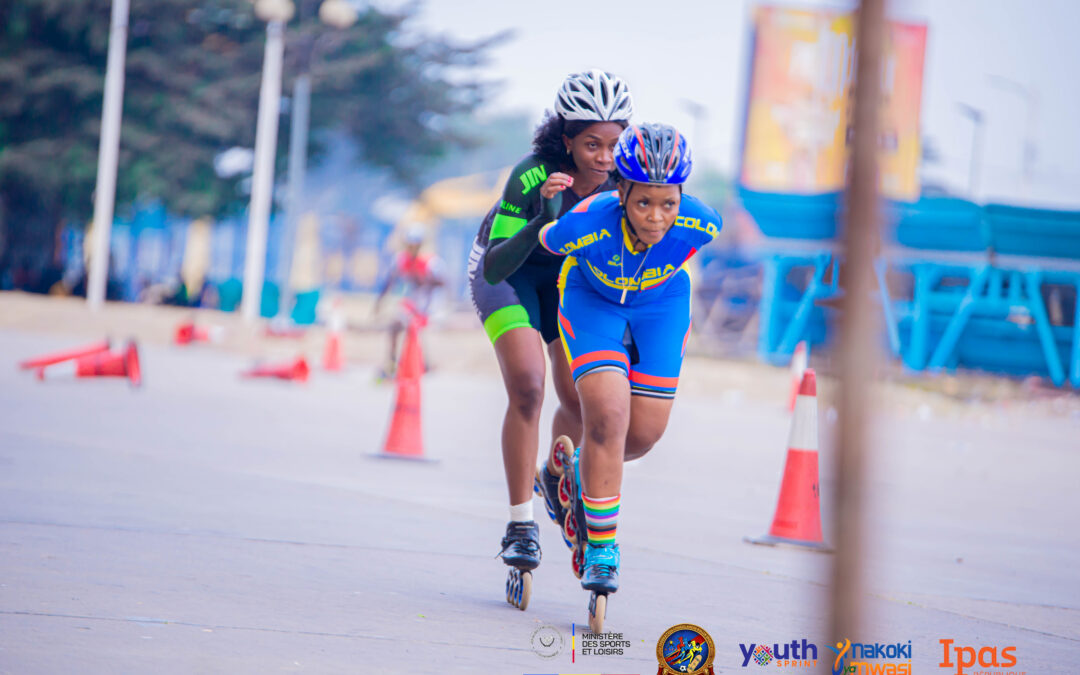
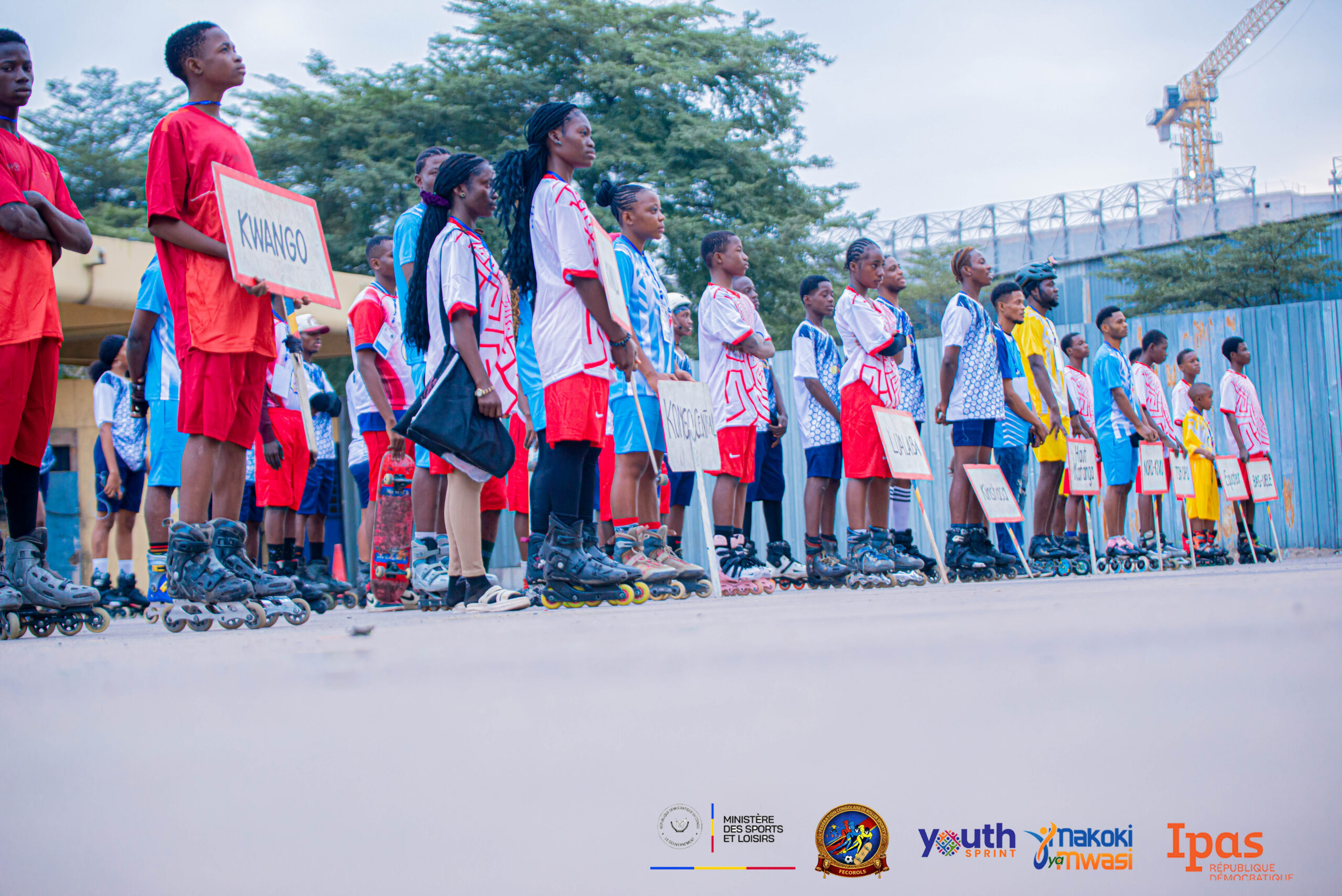
From August 28 to 30, 2026, the Stade des Martyrs hosted the fifth Congo Roller Sports Cup. For the third time, Ipas DRC supported the competition, which was organized with the backing of the Ministry of Sports through the Congolese Roller Sports Federation, FECOROLS.
During the competition, Youth Sprint, a youth-led organization, conducted awareness-raising activities on gender-based violence and contraception with support from Ipas DRC. By engaging directly with athletes, young people, and spectators, its members created a space for information, listening, and open conversation about sexual and reproductive health and rights.
The initiative was grounded in a simple conviction: spaces where young people come together, express themselves, and pursue their ambitions can also become spaces for prevention and social change. It also demonstrated the important role young people can play in informing their peers and leading change in their communities.
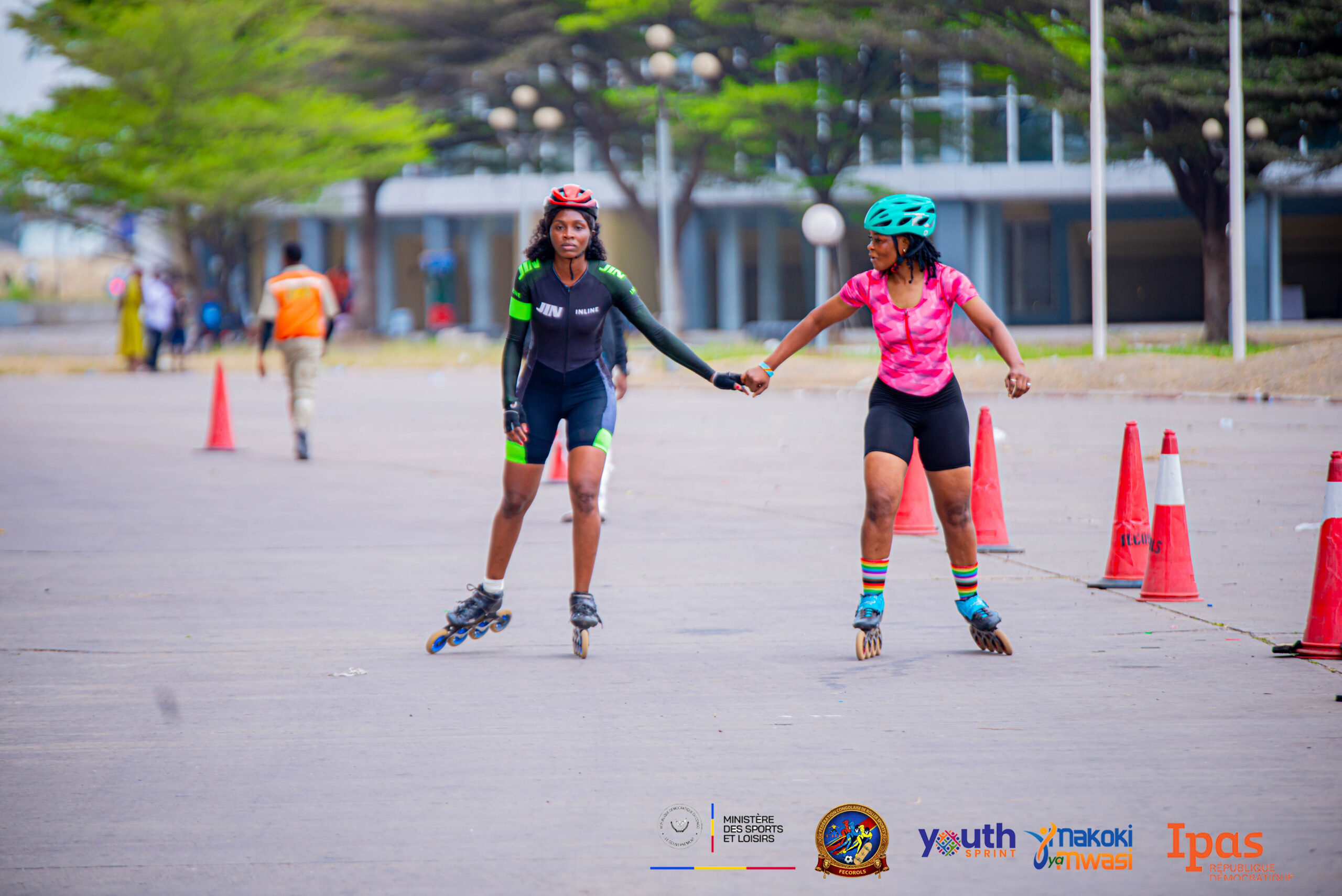
For many girls, participating in sport involves more than training or competing. It can also mean confronting prejudice, sexist comments, and social expectations that still seek to define what girls can do, which spaces they can occupy, and how far their ambitions should take them.
Not all girls experience these barriers in the same way. Gender can combine with age, disability, economic hardship, or location, making it even more difficult to participate in sport or access information and health services. Some girls must therefore overcome several barriers before they even reach the starting line.
Sport can reflect these inequalities, but it can also help challenge them. By taking their place on the track, girls affirm their ability to develop their talents, pursue their ambitions, and determine the direction of their own lives.
Athlete Linda Kanku’s experience illustrates this reality. During long-distance races, she heard people tell her to “stay at home” or “go and cook.” These remarks show how gender stereotypes can undermine girls’ confidence and restrict their aspirations. They also reinforce the need to engage families, coaches, communities, and spectators in creating safer, more respectful, and inclusive sporting environments.
“When a girl chooses sport, she is not challenging society. She is developing her talent, her health, her confidence, and her future.”
said Linda Kanku.
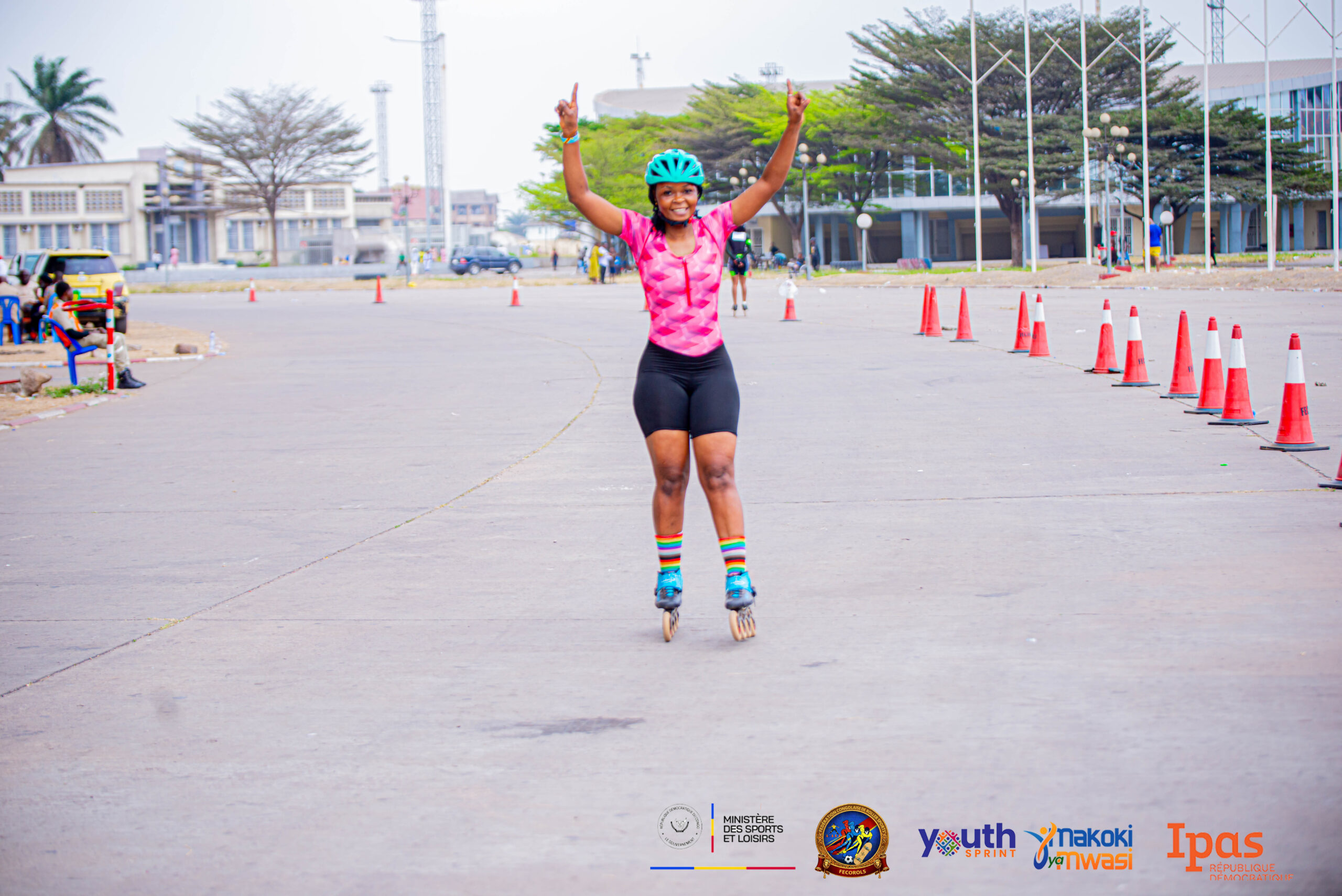
On the track, girls learn to recognize their abilities, push their limits, and believe in their potential. This confidence can also help them raise their voices, stand by their choices, and resist the pressures that seek to make decisions on their behalf.
However, confidence alone is not enough if girls lack reliable information and services that respond to their needs. Supporting them to make decisions about their health and future also requires preventing violence, challenging discrimination, and improving access to clear sexual and reproductive health information.
Through the awareness-raising sessions held during the competition, the young people mobilized by the organization spoke with participants about the different forms of gender-based violence. Violence can be physical, but it can also be verbal, psychological, or social, including through humiliation, intimidation, and prejudice that push some girls away from sporting spaces.
The team also facilitated discussions on contraception. Access to reliable information about contraceptive methods and appropriate services can help young people protect their health, prevent unintended pregnancies, and continue their education, training, and plans for the future. Through these conversations, the organization’s members connected young people with useful resources while helping to break the silence surrounding sexual and reproductive health.
By leading these discussions, the young people of Youth Sprint were not simply delivering messages to their peers. They were helping to create a space where young people could ask questions, learn about their rights, and reflect on the choices that shape their health and futures.
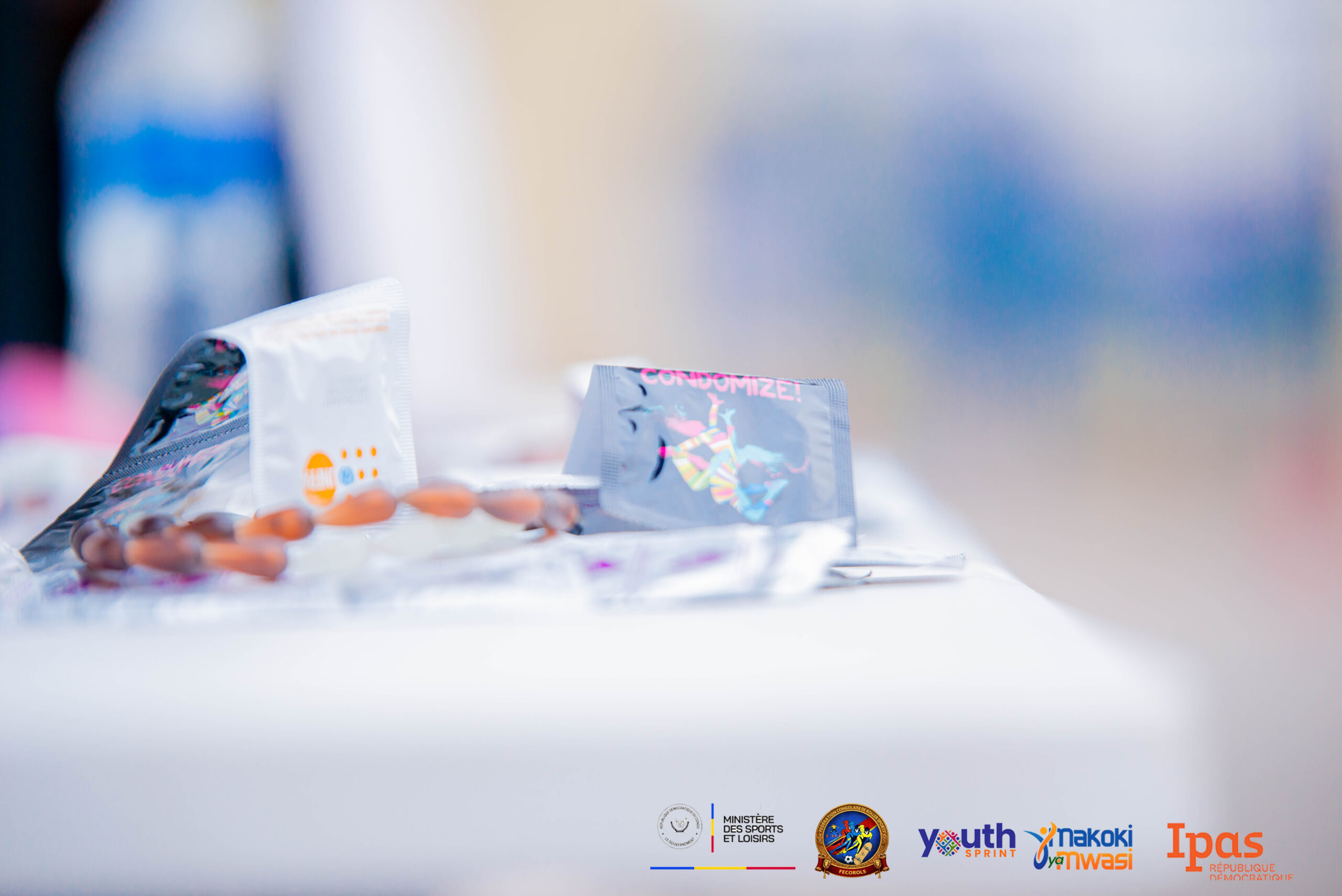
Bringing together gender-based violence prevention and contraception makes it possible to address young people’s safety, health, and ability to make their own choices. A young athlete who is informed, supported, and protected is better positioned to pursue her goals and realize her full potential.
Girls should not, however, carry the responsibility for change alone. Families, coaches, sporting federations, communities, and institutions all have a role to play in making sport an environment where no young person is excluded, humiliated, or exposed to violence.
At the fifth Congo Roller Sports Cup, the awareness-raising activities led by young people from Youth Sprint, with support from Ipas DRC and in collaboration with the Ministry of Sports and FECOROLS, showed that sport can be much more than competition. It can become a space where girls build confidence, learn about their rights, and connect with the resources they need to protect their health and pursue their ambitions.
On the track and beyond, every girl should be able to claim her space, make her own choices, and shape her future free from violence, discrimination, and barriers.
Writen by Lusangi Mankesi Bernetelle, intern at Ipas DRC and member of the Youth Sprint Coalition

For several years, Ipas DRC has engaged in regional and global advocacy spaces to help shape the legal, policy, and institutional environments that determine women’s and girls’ access to sexual and reproductive health and rights in the Democratic Republic of Congo. The United Nations Commission on the Status of Women (CSW) remains a critical global forum for advancing gender equality, social justice, and human rights.
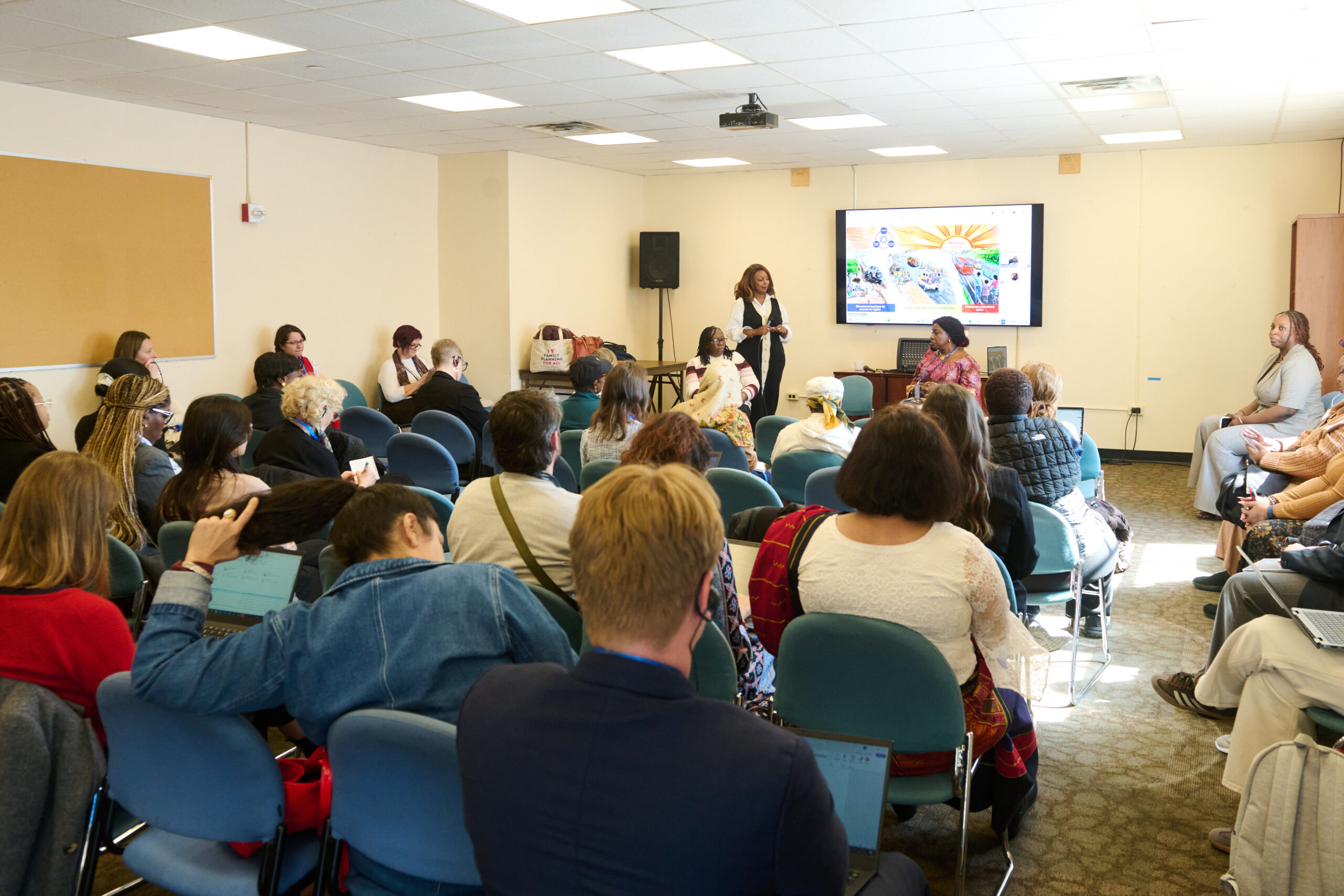
For Ipas DRC, participation in these international spaces is a strategic opportunity to influence global norms, support the effective implementation of the Maputo Protocol in the DRC, and reinforce the legitimacy of national reforms on sexual and reproductive rights.
As part of this broader advocacy effort, Ipas DRC took part in the 70th session of the CSW, held in New York from March 9 to 19, 2026, alongside a high‑level national delegation bringing together leaders from the justice sector, the health system, and civil society, under the patronage of the Minister of Gender, Family, and Children. The discussions reaffirmed the Congolese government’s commitment to advancing and protecting the sexual and reproductive rights of women and girls.
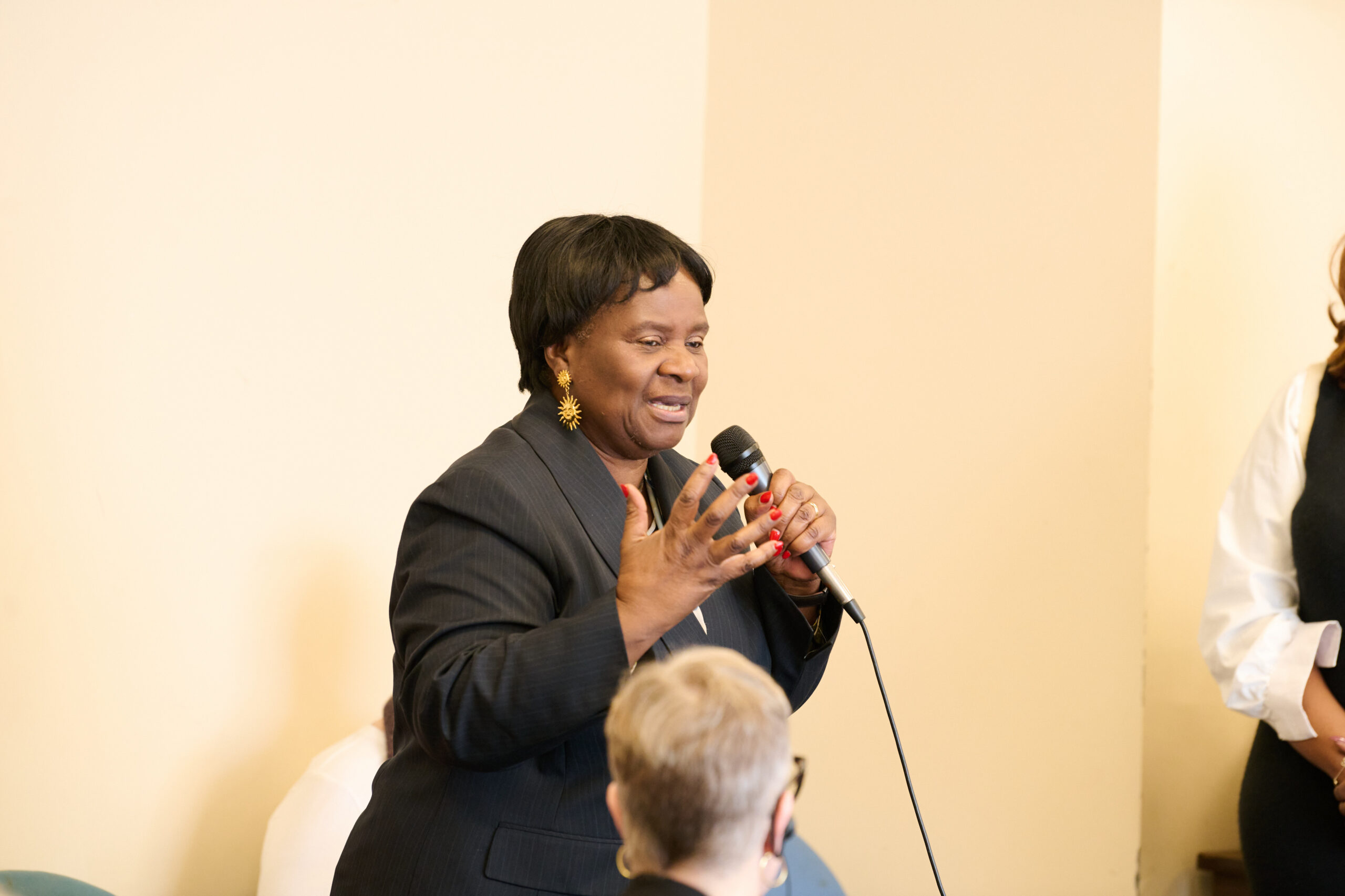
Conversations at CSW70 highlighted tangible progress in legal reform and institutional accountability, including the training of more than 5,000 magistrates, the establishment of judicial focal points, and the issuance of a directive by the High Council of the Judiciary. These measures are helping to improve how abortion‑related cases are addressed within the justice system and to strengthen protections for women’s rights, including in fragile and humanitarian contexts.
At the same time, participants emphasized that legal progress alone is not enough. Limited community awareness, persistent stigma, and uneven enforcement of the law continue to disrupt women’s access to care. In response, Ipas DRC shared its approach to building a sustainable abortion ecosystem—one that strengthens the capacity of health and justice actors, expands access to accurate information, and improves service quality and institutional accountability.
Strong advocacy also called for the integration of comprehensive abortion care into Universal Health Coverage as a critical pathway to sustainably reducing maternal mortality. While data presented point to a decline in deaths linked to unsafe abortion, adolescent girls and young women aged 15–19 remain disproportionately affected. The importance of holistic care for survivors of sexual violence—including medical, legal, and psychosocial support—was also underscored, alongside the need for continued vigilance in the face of persistent global opposition to sexual and reproductive rights.
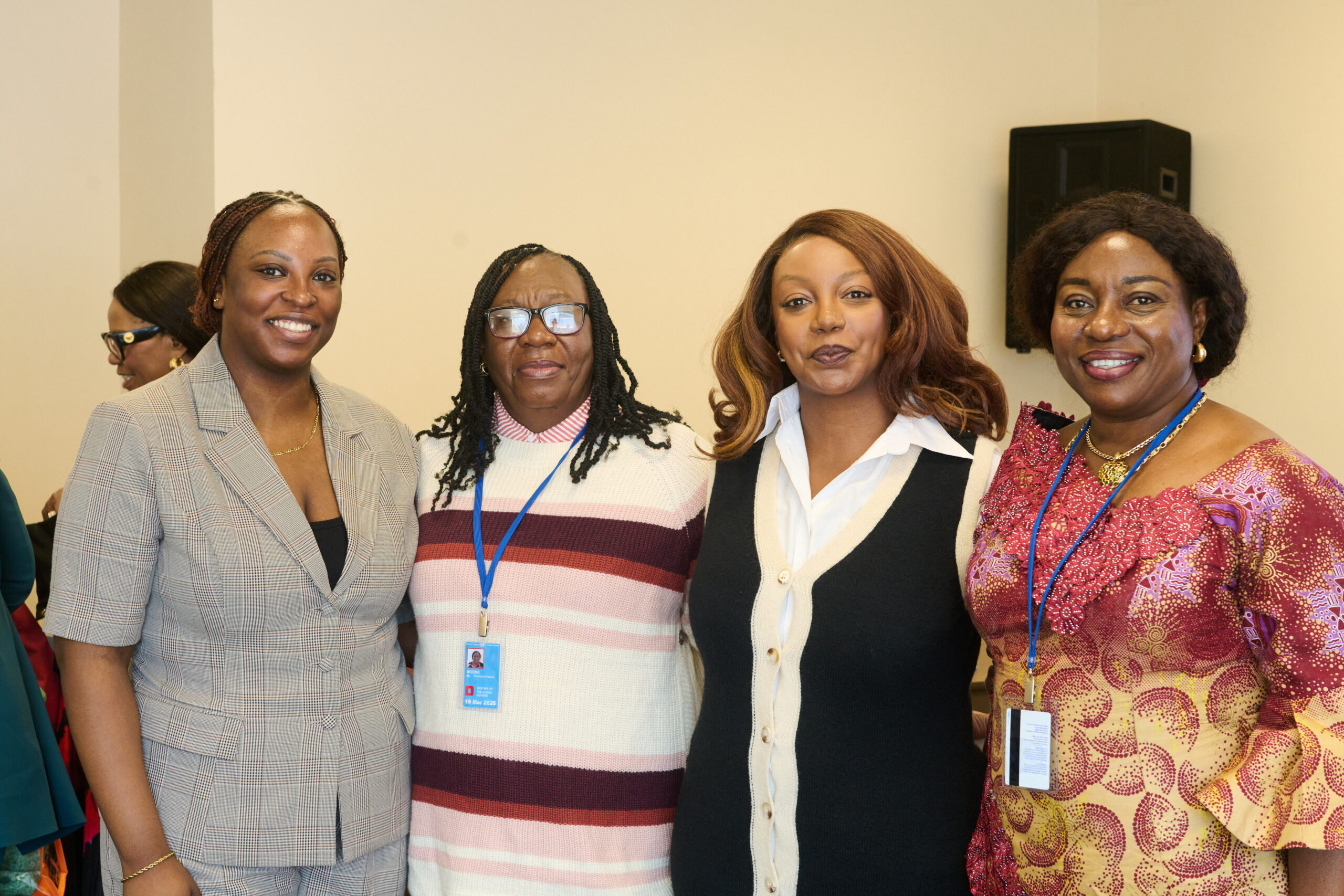
Through its participation in CSW70, Ipas DRC reaffirms its conviction that realizing women’s sexual and reproductive rights requires coordinated action across the justice and health systems, anchored in strong institutional accountability, to ensure rights‑based, accessible, and sustainable care pathways for all women and girls.
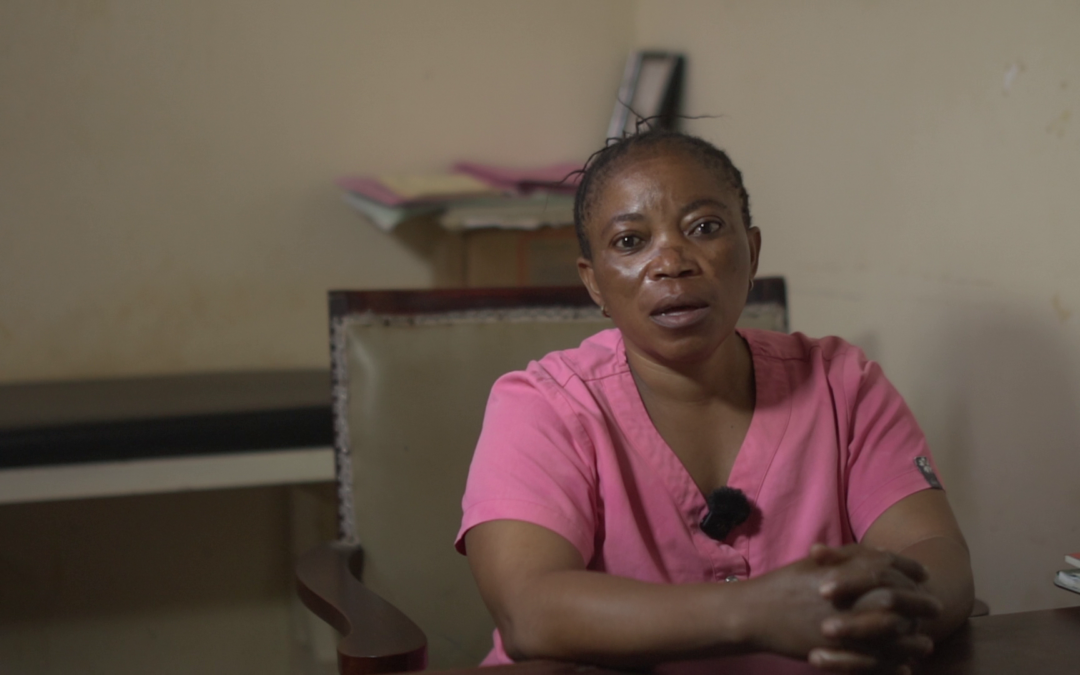
In conflict‑affected settings, where insecurity threatens lives every day, midwives are often the first—and sometimes the only—line of protection between women and the life‑threatening risks associated with pregnancy and reproductive health. In the Beni region of eastern Democratic Republic of Congo, Kavira Alphonsine, a 34‑year‑old midwife at the Kanzulinzuli Health Center, stands at the heart of this frontline response.
Each day, Kavira supports women and girls facing unintended pregnancies, the consequences of sexual violence, and persistent barriers to accessing sexual and reproductive health services. Her work takes place in an environment shaped by armed conflict, displacement, and chronic insecurity—where access to care can mean the difference between life and death.
Through her daily practice, Kavira embodies the critical role midwives play in delivering Comprehensive Abortion Care centered on the woman (CAC) and family planning services, in line with national standards derived from the domestication of the Maputo Protocol. This legal framework recognizes women’s and girls’ right to access safe abortion care under clearly defined conditions in the DRC.
Kavira’s skills have been strengthened through continuous training, supervision, and peer‑learning spaces supported by Ipas DRC under the Makoki ya Mwasi project, with funding from the Swedish International Development Cooperation Agency (Sida). These capacity‑strengthening efforts have deepened her understanding of safe abortion—not as a moral issue, but as a fundamental matter of public health and human rights, particularly in conflict‑affected settings where sexual violence is widespread.
During consultations, Kavira accompanies women and adolescents through pathways often marked by fear, misinformation, and stigma. Her role goes far beyond clinical care. She listens, informs, and explains—creating the conditions for each person to make a free and informed decision, whether related to contraception or access to safe abortion care, always with respect for confidentiality, dignity, and medical standards.
“Every woman who walks through the door of this health facility has the right to be heard and respected in her decision,” she explains. “Many come with fear or uncertainty. My role is to help them understand that they have legal and safe options, and that the health system is here to support them—without judgment.”
Thanks to this person‑centered approach, women who once feared contraceptive methods are now choosing options that align with their needs and life plans. Adolescents—often silenced by taboos surrounding sexuality—find in Kavira a safe space to ask questions and access age-appropriate services. Each decision made freely and with access to accurate information strengthens the bodily autonomy of women and adolescents, while facilitating access to quality sexual and reproductive health services—an essential foundation for reducing the risks associated with unintended pregnancies and unsafe care.
Through the commitment of providers like Kavira, Ipas DRC contributes to strengthening the national health system, in alignment with the priorities of the Ministry of Health and the National Reproductive Health Program (PNSR). By supporting continuous professional development for midwives, integrating comprehensive abortion care services, and promoting the dissemination of Maputo Protocol standards, Ipas works to ensure sexual and reproductive health services that are accessible, acceptable, high‑quality, and rights‑respecting.
For Kavira Alphonsine, being a midwife in this context is more than a profession—it is a daily commitment to saving lives, restoring dignity, and strengthening the decision‑making power of women and girls, even in the most fragile environments. Her journey illustrates how, with structured institutional support and a protective legal framework, health care providers become key agents of reproductive justice and sustainable change.
The support provided by Ipas DRC to strengthen midwives’ capacities has generated a lasting impact on the quality, accessibility, and humanization of sexual and reproductive health services. By sustainably consolidating providers’ competencies, this intervention has enabled health facilities to deliver woman-centered comprehensive abortion care (WCAC) and family planning services aligned with the national legal framework and the Maputo Protocol.
Through continuous training, supportive supervision, and close, on-the-job mentoring, midwives now adopt a human rights–based approach, characterized by reduced stigma and judgment, as well as a significant improvement in provider–client relationships. This dynamic strengthens women’s and adolescents’ trust in health services and ensures continuity of quality care, including in humanitarian settings.
Ultimately, this approach contributes to reducing the risks associated with unintended pregnancies and unsafe abortions, while strengthening the resilience of the local health system.

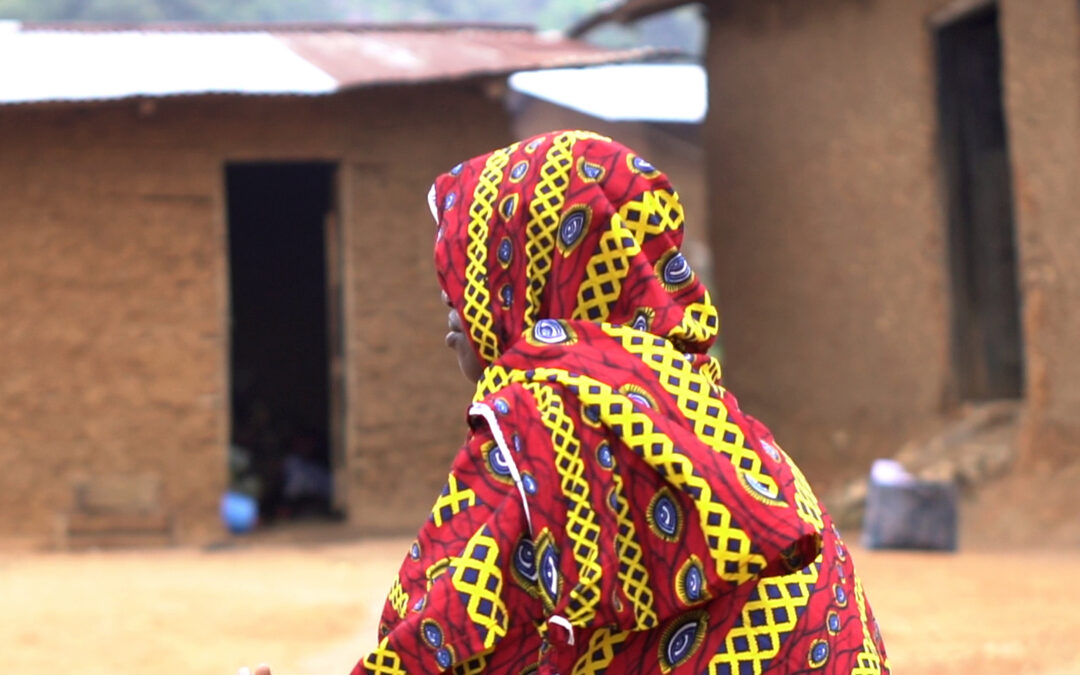
How the Makoki ya Mwasi project advances women’s sexual and reproductive rights in humanitarian settings.
At 32, Amani (name changed) is a mother of five living in the Alpha displacement camp in Beni, North Kivu. Like thousands of families forced to flee violence in eastern Democratic Republic of Congo, her life is shaped by uncertainty, limited resources, and the daily challenge of keeping her children safe and healthy.
“Life in the camp is extremely hard. Some days, I don’t know what my children will eat tomorrow. Every day is about survival,”
she explains.
In a context where access to basic services is fragile and daily survival takes priority, the prospect of another pregnancy became a source of deep concern. With food scarce and health services difficult to access, Amani questioned how she could protect her own health while continuing to care for her children. In displacement, decisions about one’s body are too often shaped by circumstance rather than by choice.
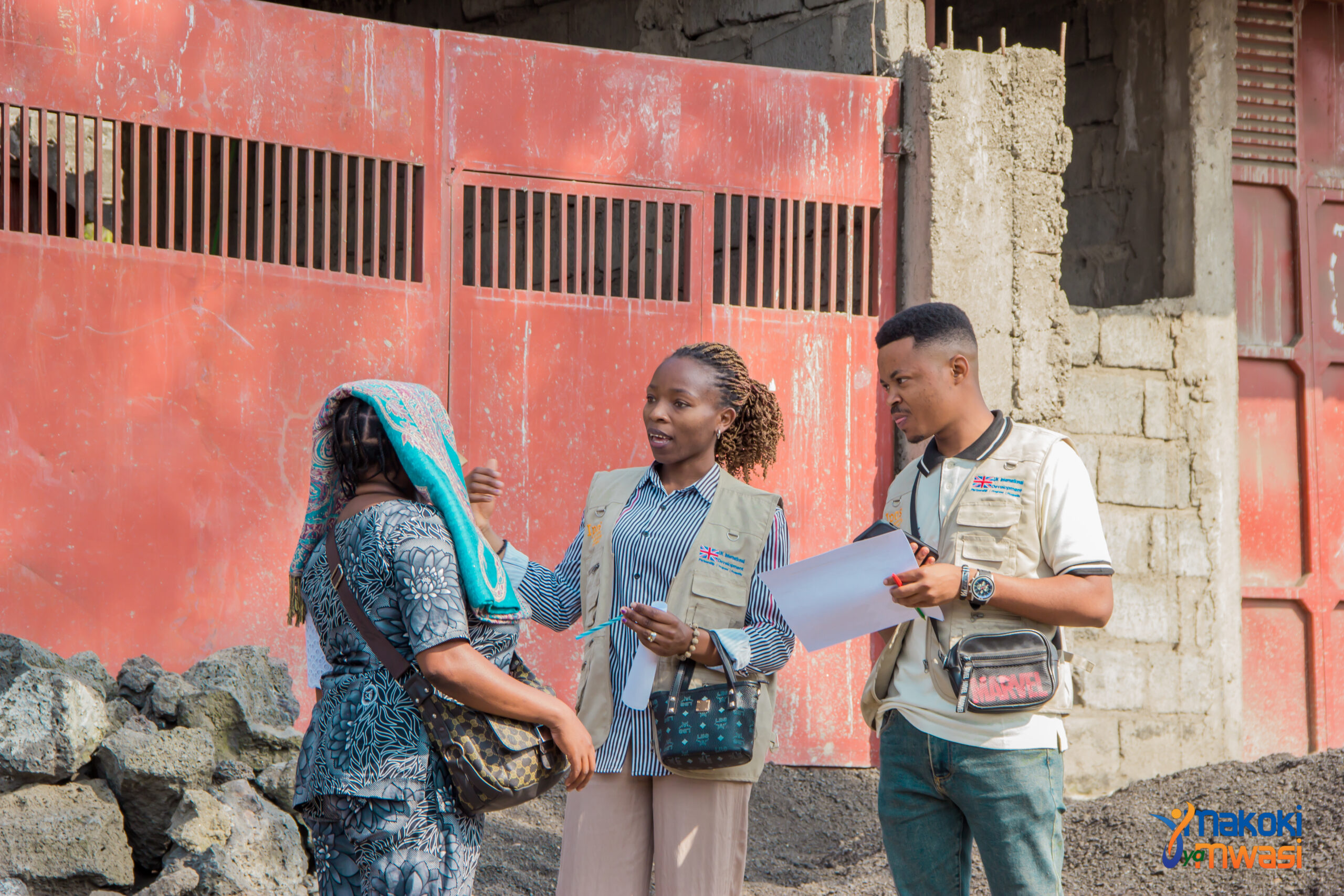
A turning point came when Amani connected with the Mashujaa — a community‑based network supporting women and girls with information, accompaniment, and referrals on sexual and reproductive health and rights.
Through open, respectful dialogue, she learned that access to family planning is a right — not a privilege limited to stable settings. She began to see it as essential to her health, her autonomy, and her family’s well‑being, especially in situations of displacement and crisis.
With accurate information and supportive guidance, Amani felt empowered to seek care.
Amani visited the Butsili Health Center, where health providers had received capacity‑strengthening support from the Ministry of Health, in collaboration with Ipas DRC. She received care grounded in respect, confidentiality, and informed choice. Together with the provider, she discussed options and selected a family planning method aligned with her needs and decisions.
“I feel relieved,” she says. “I can care for my children without constantly fearing another pregnancy while we are already struggling.”
For Amani, this access went far beyond clinical service. It represented a step toward reclaiming control over her body and her future in a context where so much felt uncertain. With her health needs addressed, she can now focus on what matters most: caring for her children and moving forward with greater peace of mind.
Amani’s experience reflects the broader impact sought by Ipas DRC, whose work focuses on addressing inequities in access to sexual and reproductive health care across the Democratic Republic of Congo — particularly for women and girls living in crisis‑affected and highly vulnerable settings.
This work is part of the Makoki ya Mwasi project, implemented by Ipas DRC with support from the Swedish International Development Cooperation Agency (Sida). The project aims to ensure that women and girls — including those living in the most fragile and humanitarian contexts — can access reliable information and high‑quality sexual and reproductive health services. It also contributes to reducing gender‑based violence and unintended pregnancies by placing women’s rights, choices, and dignity at the center of all interventions.
Implemented in North and South Kivu, Kasaï, and Kinshasa, the project takes a comprehensive approach by:
Through this integrated approach, thousands of women and girls have been supported to make informed decisions about their sexual and reproductive health, with meaningful changes observed at both individual and community levels.
In the Alpha displacement camp — as in many crisis‑affected communities across eastern DRC — Ipas DRC demonstrates that rights‑based sexual and reproductive health care is both possible and essential, even in contexts of instability and emergency.
For Amani, this support has meant one clear and powerful outcome: the ability to decide about her own body, despite displacement and hardship. A decision that allows her to look ahead with renewed confidence — for herself and her children.