Ipas DRC
Non-profit organization
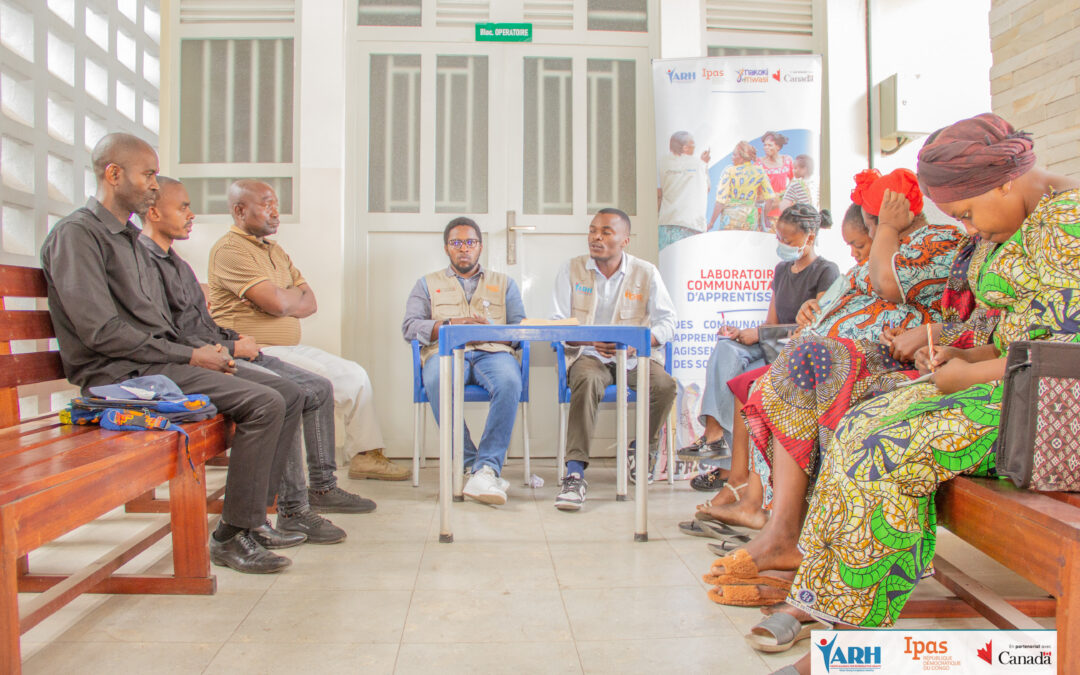
Married for several years and raising several children, Sifa and Amisi face many of the same challenges experienced by families throughout their community. Like many couples, they wanted to better plan their family’s future and avoid closely spaced pregnancies, but they did not always have access to reliable information that would allow them to make informed decisions.
“Before, I did not space my pregnancies. Some of my friends told me about medicines that could be used for family planning. Because these methods were not available free of charge at the health facility, I went to a pharmacy to buy a method that I took every day. I wanted to avoid closely spaced pregnancies, but I did not know enough about the different contraceptive methods.”
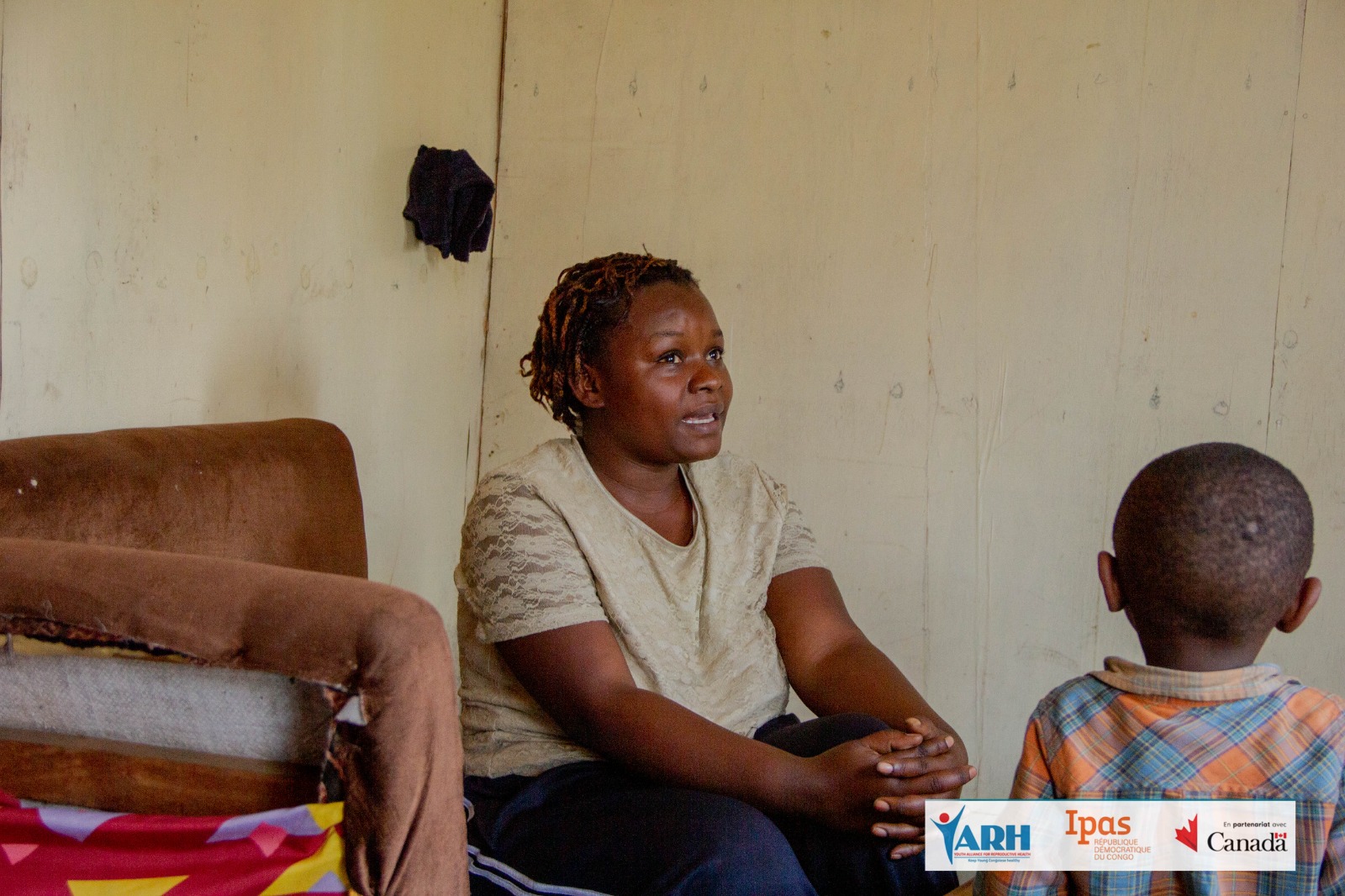
Like many others in their community, the couple was exposed to rumors and conflicting information about family planning. Conversations about birth spacing were rarely held openly, even though closely spaced pregnancies can affect women’s health, children’s well-being, and a household’s ability to meet essential needs.
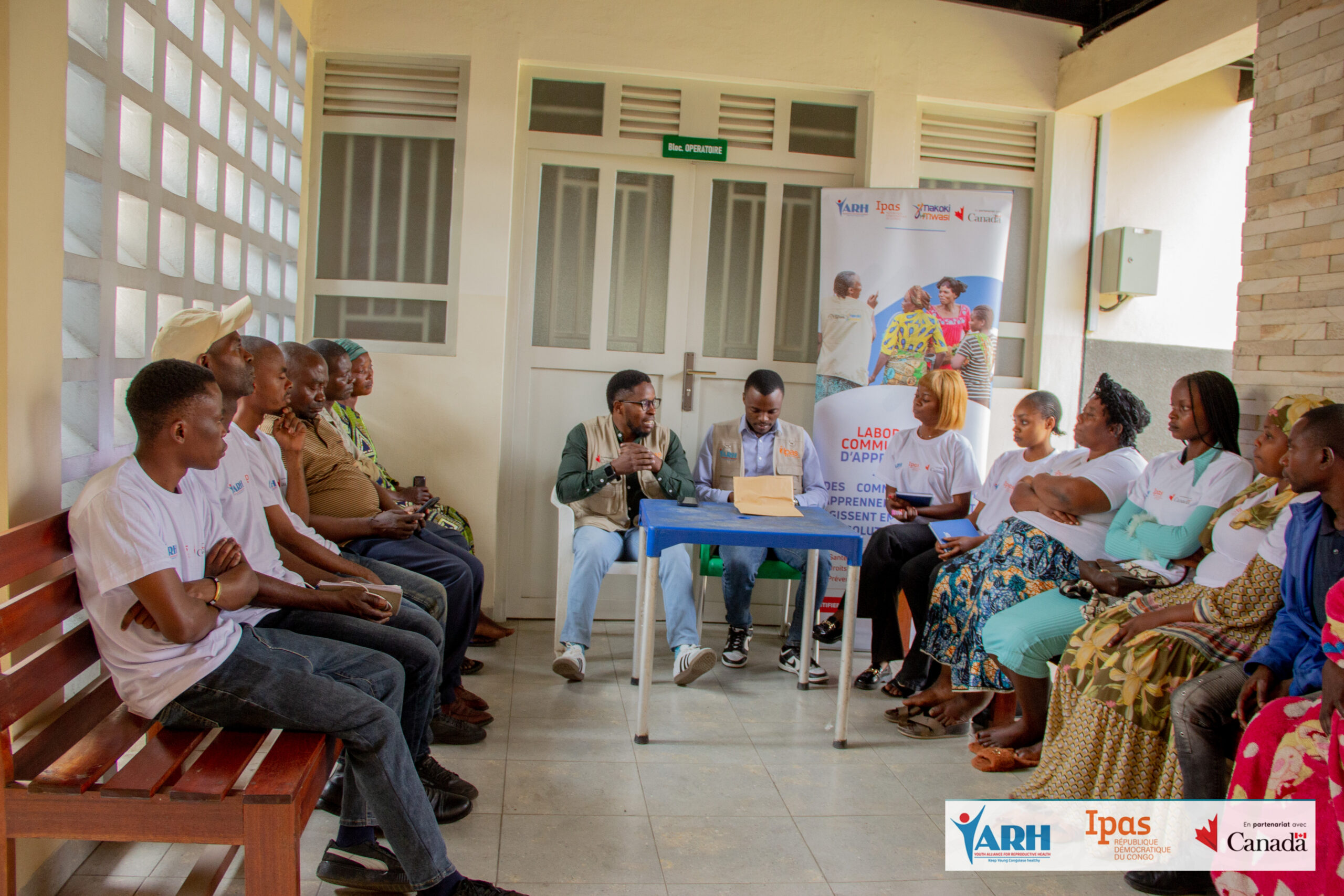
Everything began to change when they heard about a community learning laboratory organized in their neighborhood by YARH-DRC (Youth Alliance for Reproductive Health), a youth-led organization and member of the YouthSprint Coalition that works to advance sexual and reproductive health and rights. Implemented with technical and financial support from Ipas DRC as part of a project funded by Global Affairs Canada, the laboratory offered community members a space to identify challenges affecting their daily lives, share experiences, and work together to develop solutions grounded in their realities.
Unlike a traditional awareness-raising session, the laboratory placed participants at the center of the process. Together, community members identified challenges facing families, analyzed their root causes, and explored practical solutions that could be tested within their own communities. In Kiziba, discussions highlighted concerns about closely spaced pregnancies, limited access to reliable contraceptive information, and persistent myths about family planning methods.
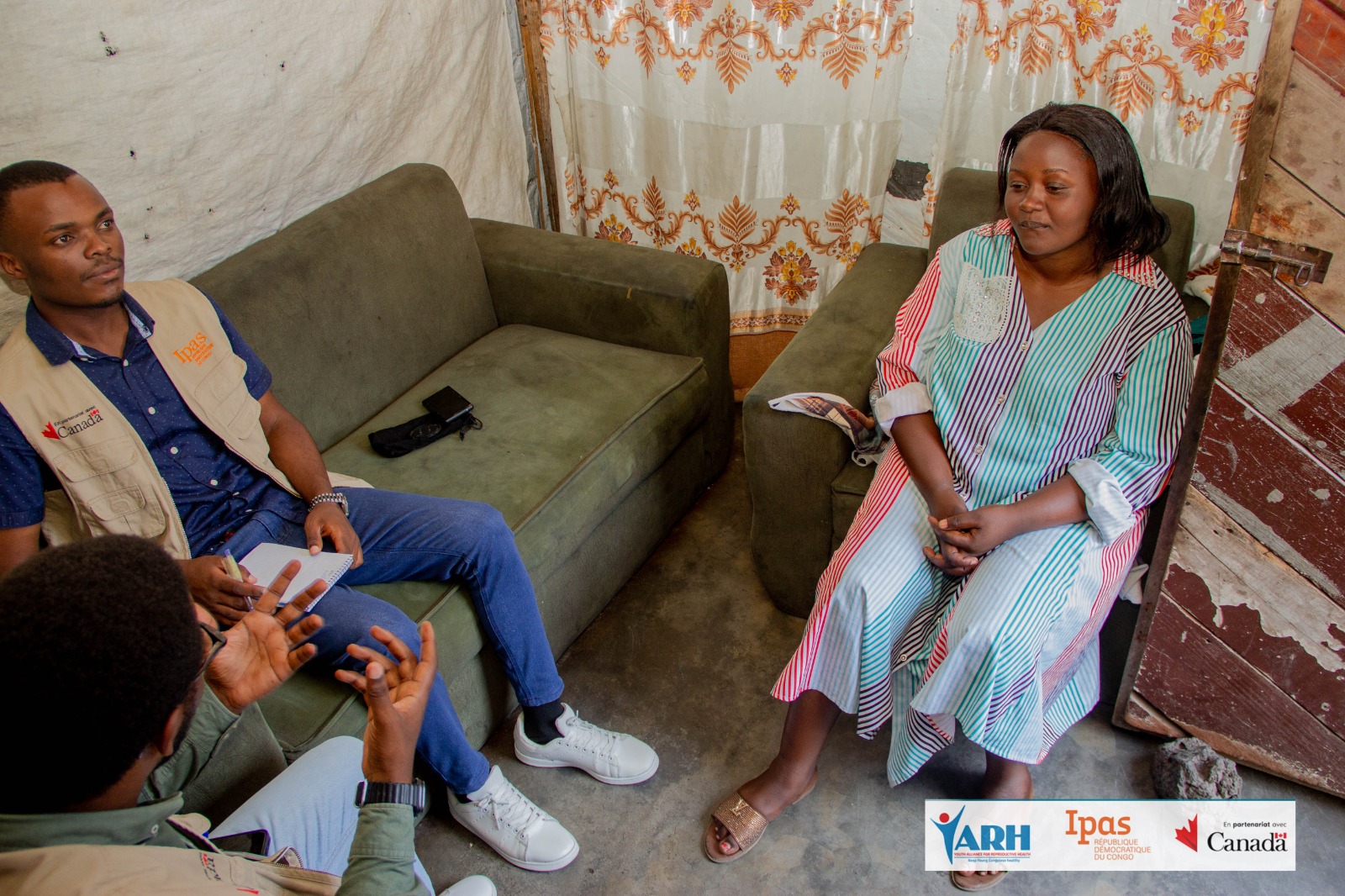
“When I learned that there was a space where people could openly discuss sexual and reproductive health issues, I became interested and joined the discussions. What I learned helped me better understand the different contraceptive methods, why they matter, and how they are used.”
Throughout the sessions, couples had the opportunity to ask questions, explore available options, and reflect together on what would work best for their families. The decisions remained entirely voluntary: some couples chose a fertility awareness method using a cycle bead necklace, while others opted for a modern contraceptive method.
More importantly, the discussions helped open dialogue within households.
Couples began talking more openly about their needs, family goals, and decisions related to birth spacing. Home visits and individualized support provided by YARH-DRC reinforced these conversations, allowing partners to continue reflecting together long after the community sessions had ended.
“Today, I better understand the different methods. I also realized that I can share this information with other people around me. Recently, I have been sharing what I learned.”
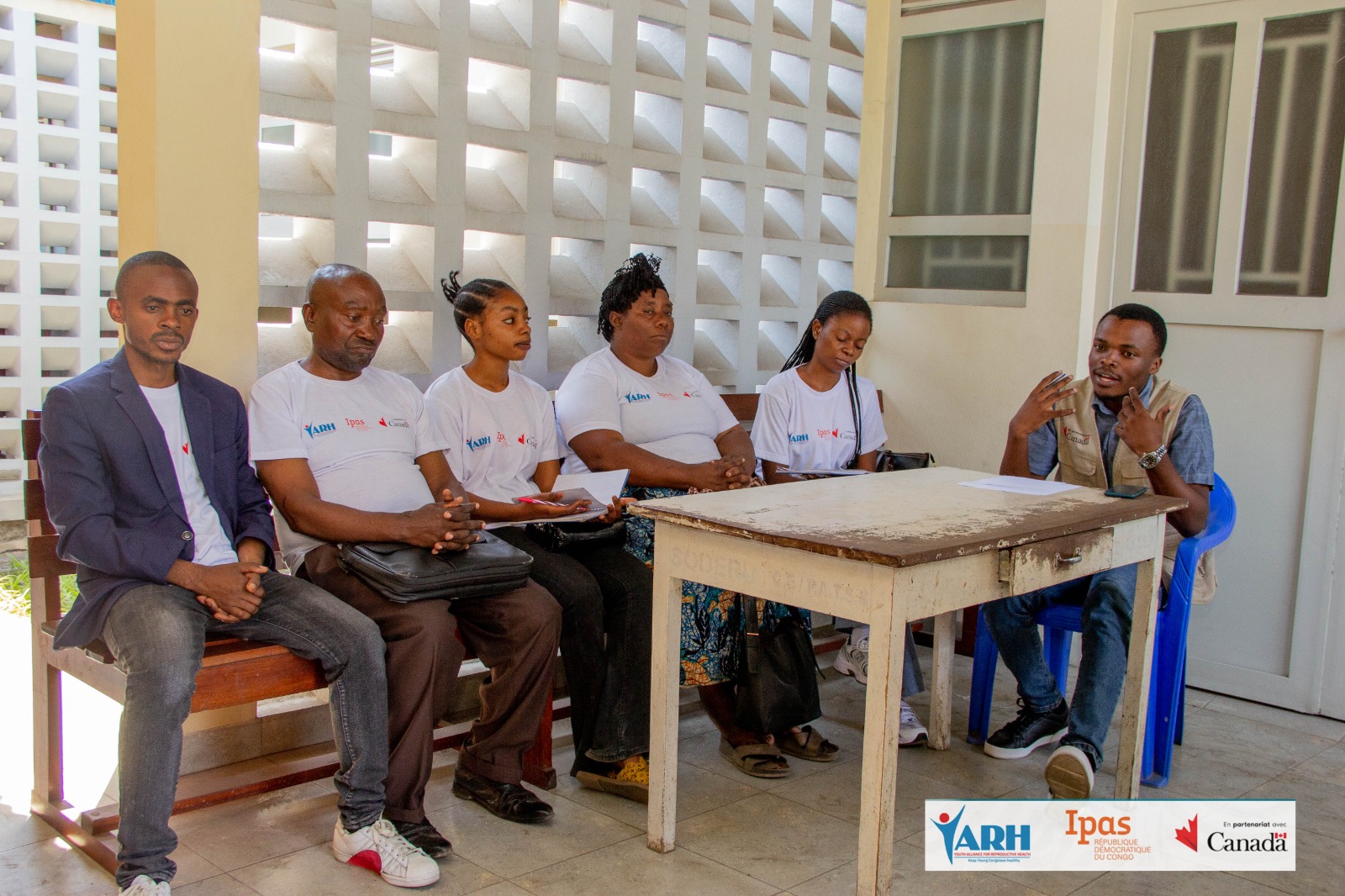
Sifa and Amisi’s story is not unique. Two community learning laboratories supported four couples facing challenges related to closely spaced pregnancies and economic violence within households. While the issues differed, a common lesson emerged: when families have safe spaces to discuss their concerns, they are better equipped to identify solutions, make informed choices, and act together.
The experience also demonstrated the power of community-led change. By creating spaces for dialogue, learning, and collective problem-solving, the laboratories enabled participants to challenge misconceptions and develop solutions that reflected their own priorities and realities.
“The community learning laboratories created a space where community members could speak freely, share experiences, and work together to find solutions to the challenges affecting them.”
How the Makoki ya Mwasi project advances women’s sexual and reproductive rights in humanitarian settings.
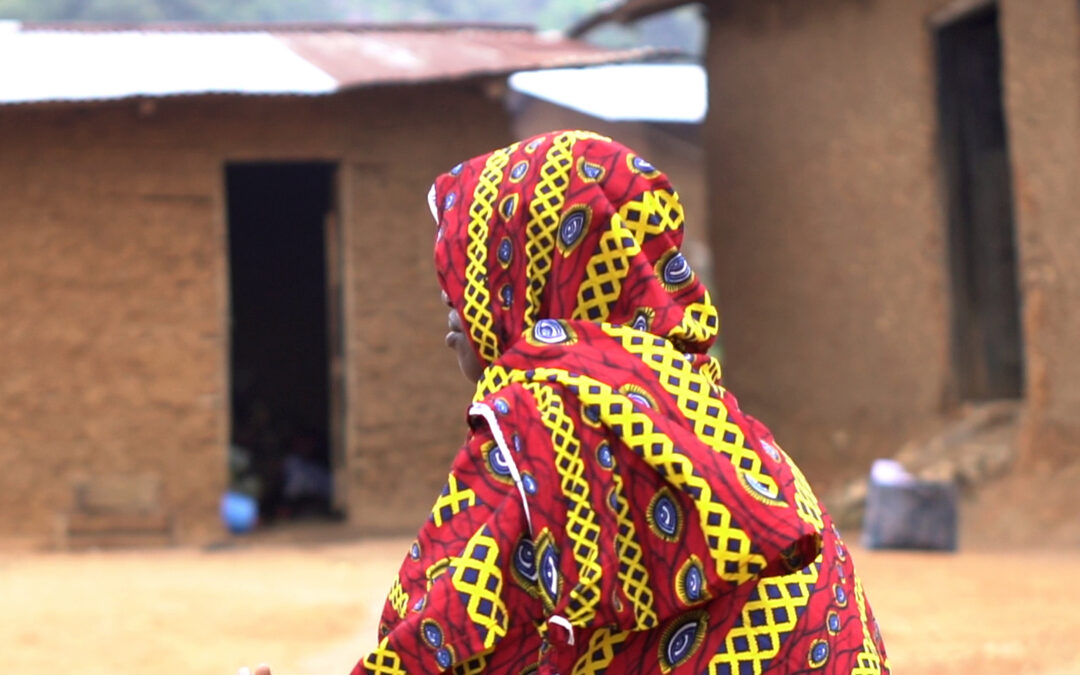
At 32, Amani (name changed) is a mother of five living in the Alpha displacement camp in Beni, North Kivu. Like thousands of families forced to flee violence in eastern Democratic Republic of Congo, her life is shaped by uncertainty, limited resources, and the daily challenge of keeping her children safe and healthy.
“Life in the camp is extremely hard. Some days, I don’t know what my children will eat tomorrow. Every day is about survival,”
she explains.
In a context where access to basic services is fragile and daily survival takes priority, the prospect of another pregnancy became a source of deep concern. With food scarce and health services difficult to access, Amani questioned how she could protect her own health while continuing to care for her children. In displacement, decisions about one’s body are too often shaped by circumstance rather than by choice.
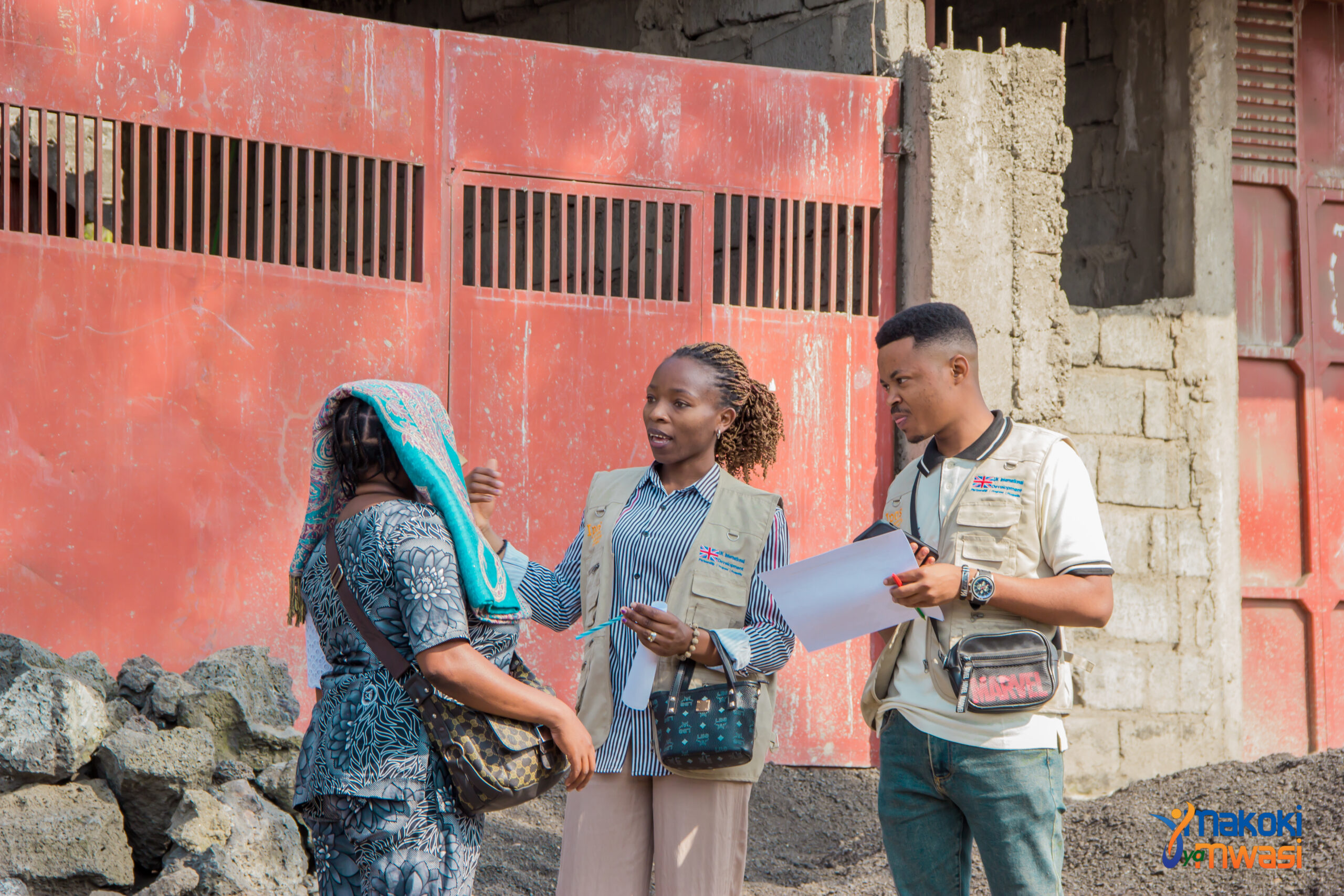
A turning point came when Amani connected with the Mashujaa — a community‑based network supporting women and girls with information, accompaniment, and referrals on sexual and reproductive health and rights.
Through open, respectful dialogue, she learned that access to family planning is a right — not a privilege limited to stable settings. She began to see it as essential to her health, her autonomy, and her family’s well‑being, especially in situations of displacement and crisis.
With accurate information and supportive guidance, Amani felt empowered to seek care.
Amani visited the Butsili Health Center, where health providers had received capacity‑strengthening support from the Ministry of Health, in collaboration with Ipas DRC. She received care grounded in respect, confidentiality, and informed choice. Together with the provider, she discussed options and selected a family planning method aligned with her needs and decisions.
“I feel relieved,” she says. “I can care for my children without constantly fearing another pregnancy while we are already struggling.”
For Amani, this access went far beyond clinical service. It represented a step toward reclaiming control over her body and her future in a context where so much felt uncertain. With her health needs addressed, she can now focus on what matters most: caring for her children and moving forward with greater peace of mind.
Amani’s experience reflects the broader impact sought by Ipas DRC, whose work focuses on addressing inequities in access to sexual and reproductive health care across the Democratic Republic of Congo — particularly for women and girls living in crisis‑affected and highly vulnerable settings.
This work is part of the Makoki ya Mwasi project, implemented by Ipas DRC with support from the Swedish International Development Cooperation Agency (Sida). The project aims to ensure that women and girls — including those living in the most fragile and humanitarian contexts — can access reliable information and high‑quality sexual and reproductive health services. It also contributes to reducing gender‑based violence and unintended pregnancies by placing women’s rights, choices, and dignity at the center of all interventions.
Implemented in North and South Kivu, Kasaï, and Kinshasa, the project takes a comprehensive approach by:
Through this integrated approach, thousands of women and girls have been supported to make informed decisions about their sexual and reproductive health, with meaningful changes observed at both individual and community levels.
In the Alpha displacement camp — as in many crisis‑affected communities across eastern DRC — Ipas DRC demonstrates that rights‑based sexual and reproductive health care is both possible and essential, even in contexts of instability and emergency.
For Amani, this support has meant one clear and powerful outcome: the ability to decide about her own body, despite displacement and hardship. A decision that allows her to look ahead with renewed confidence — for herself and her children.

Diagnosed with a disability at a very young age, Paul Kwami grew up as the only one among seven children living with this condition. Now 25 years old, Paul serves as the president of the Association of Young People with Disabilities United for the Development of Kisenso (AJHUKAD) and works as a community health worker (RECO) in the Kisenso health zone. Each week, He conducts awareness activities across eight of the twenty‑two avenues within the REGIDESO health area—ensuring that critical information on sexual and reproductive health (SRH) reaches those who need it most.
His journey has been shaped by persistence and courage. In the beginning, he struggled with self‑stigma and doubted whether he would be accepted as a RECO, fearing how others would perceive him. Still, he chose to attend Ipas DRC’s trainings.
he shares.
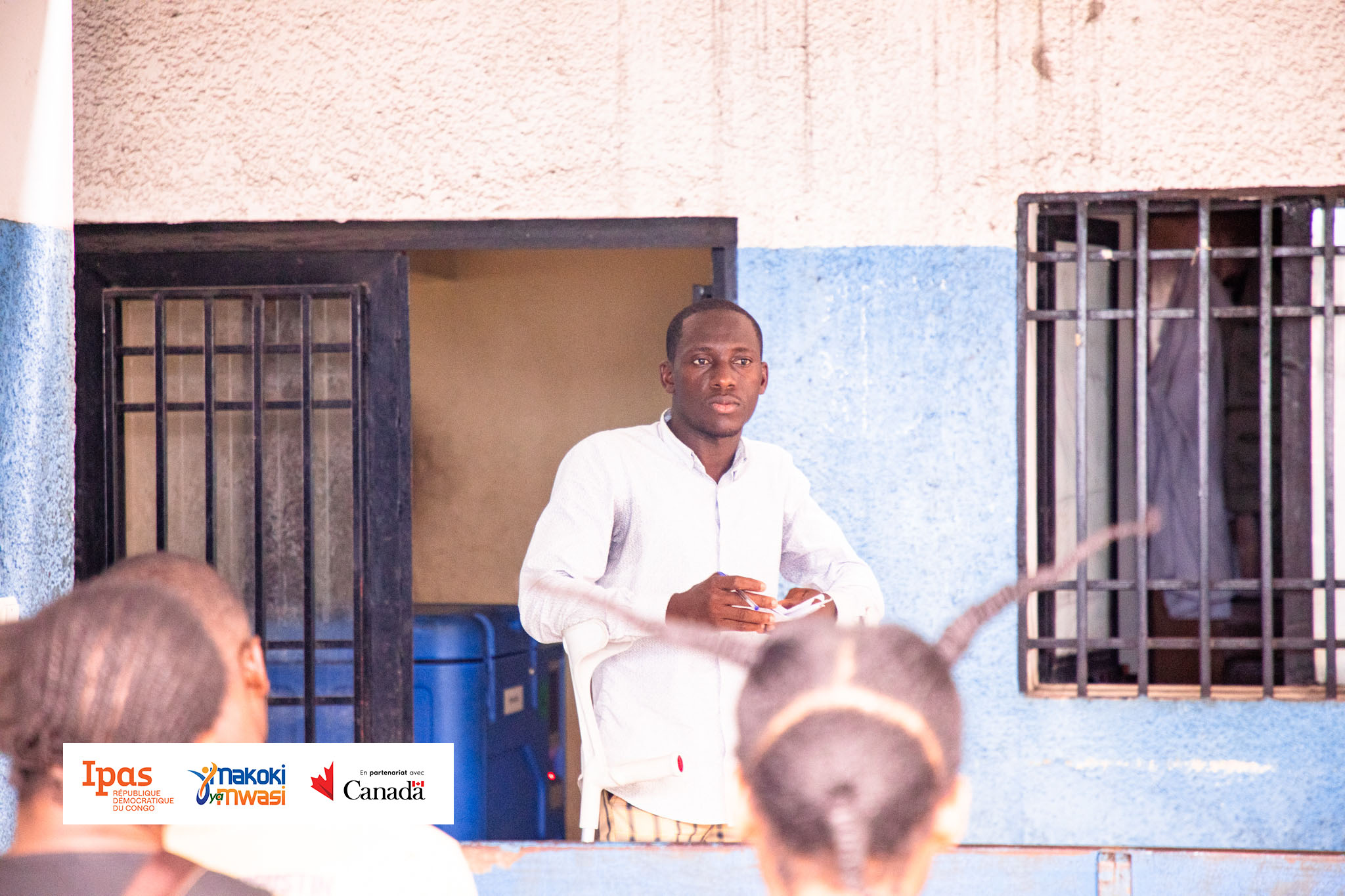
Paul Kwami raising community awareness
Across the DRC, people with disabilities continue to experience significant barriers in accessing SRH services—driven by misconceptions, inaccessible information, and community stigma. Yet their leadership is essential to help women and girls understand and claim their reproductive rights, particularly in community engagement and awareness-raising.
In Kinshasa, many people with disabilities experience discrimination, especially women and girls seeking SRH services. These attitudes often stem from misinformation and harmful social norms.
Research conducted by the School of Public Health in 2024 revealed that knowledge about contraception remains low, with 50.1% of respondents believing that using a contraceptive method of her choice exposes a woman to health risks, and 70.7% think women should not access contraception without someone else’s authorization. These misconceptions highlight the urgency of community outreach and accurate SRH information for women and girls.
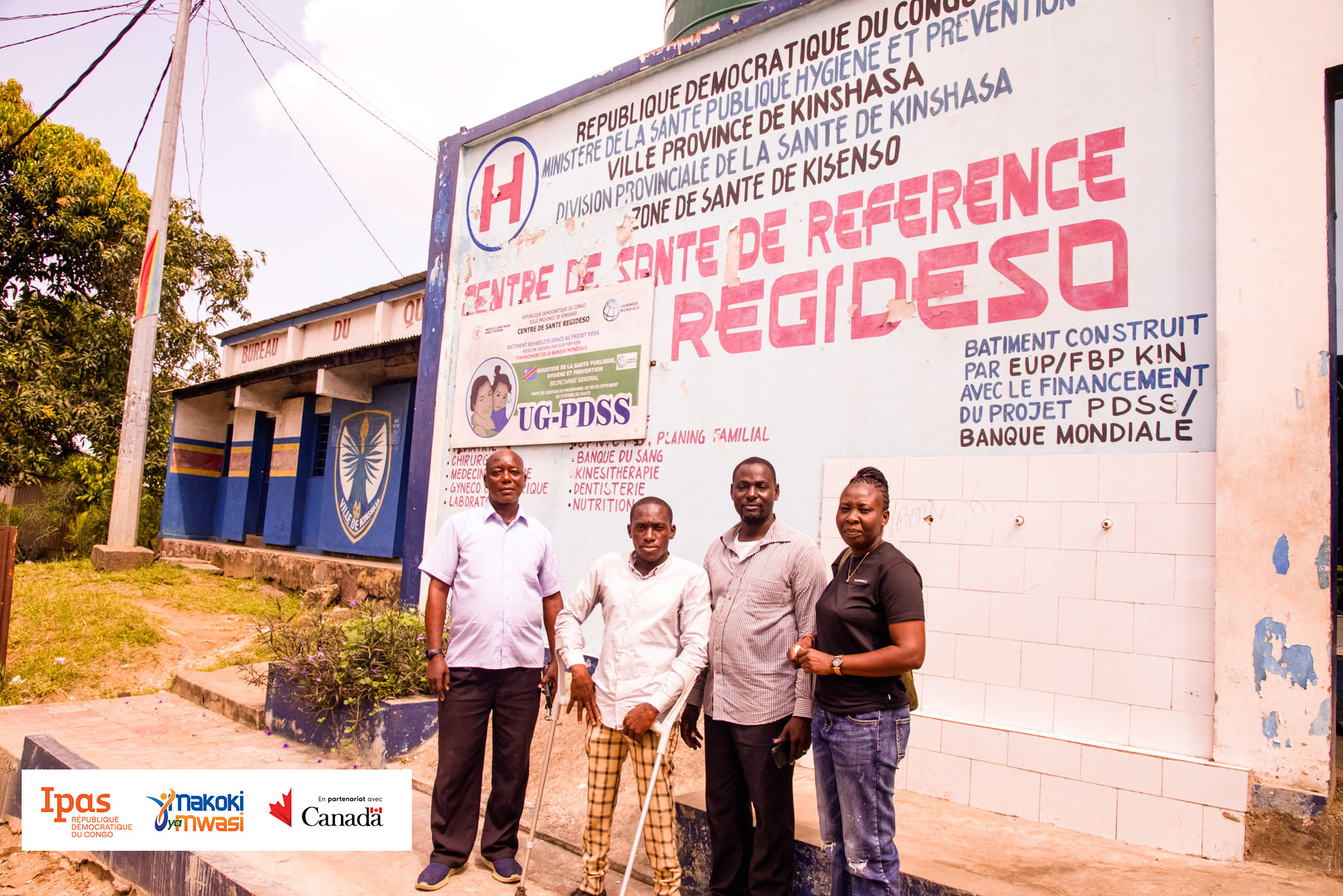
From left to right: the Head nurse, Paul, the Kisenso Area Coordinator, and the Ipas Community Engagement Officer in front of the REGIDESO Reference Health Center
The DRC’s 2003 ratification of the Maputo Protocol was a significant milestone. Article 14 recognizes women’s right to health—including SRH—and requires states to allow access to safe abortion in specific circumstances such as rape, incest, threats to a woman’s physical or mental health, or severe fetal anomaly.
These commitments reflect the core pillars of Ipas DRC’s work :
Expanding access to family planning and SRH services through community‑led sensitization and strong, confidential referral systems guided by RECOs ; Improving quality of care by training providers and ensuring consistent availability of essential supplies ; Centering women and girls by delivering safe, respectful, rights‑based services that uphold their autonomy and dignity.
In Kisenso—a dense and underserved municipality of Kinshasa—Ipas DRC has worked alongside local structures to strengthen the health system. This includes training RECOs, equipping health centers, supporting essential medicines, and building provider capacity. Training sessions on values clarification and attitude transformation (VCAT) have helped both providers and community actors better understand SRH rights, improve responses to gender‑based violence (GBV), and promote access to comprehensive, woman‑centered safe abortion care (SCACF).
Paul has seen this impact firsthand :
With financial support from the Swedish International Development Cooperation Agency (Sida), the REGIDESO maternity now offers a comprehensive package of SRH services—including family planning, antenatal care, GBV management, and access to safe, stigma‑free abortion. Ipas DRC has also established a secure referral circuit to ensure timely and confidential care. Two trained medical providers now offer comprehensive, woman‑centered safe abortion care.
A study by the School of Public Health shows that 68.4% of Kinshasa residents believe abortion is not authorized in the DRC, and 56.1% think women should not access safe abortion services—evidence of persistent misinformation and negative attitudes toward reproductive rights.
Despite these barriers, RECOs continue to to play a decisive role in shifting norms, informing women about family planning, and reducing risks linked to unsafe abortion. Between June and December 2025, community outreach and CAC services helped 98 women—aged 15 and above—avoid life‑threatening complications and maternal death.
This progress shows that even in contexts where stigma and misinformation remain entrenched, community‑driven change and strengthened health systems pave the way for safe, accessible, and rights‑based care.
Today, eight Ipas‑supported health facilities in Kisenso offer SRH services—ensuring that every woman and girl has equitable access, free from exclusion and stigma.