Ipas DRC
Non-profit organization

Married for several years and raising several children, Sifa and Amisi face many of the same challenges experienced by families throughout their community. Like many couples, they wanted to better plan their family’s future and avoid closely spaced pregnancies, but they did not always have access to reliable information that would allow them to make informed decisions.
“Before, I did not space my pregnancies. Some of my friends told me about medicines that could be used for family planning. Because these methods were not available free of charge at the health facility, I went to a pharmacy to buy a method that I took every day. I wanted to avoid closely spaced pregnancies, but I did not know enough about the different contraceptive methods.”
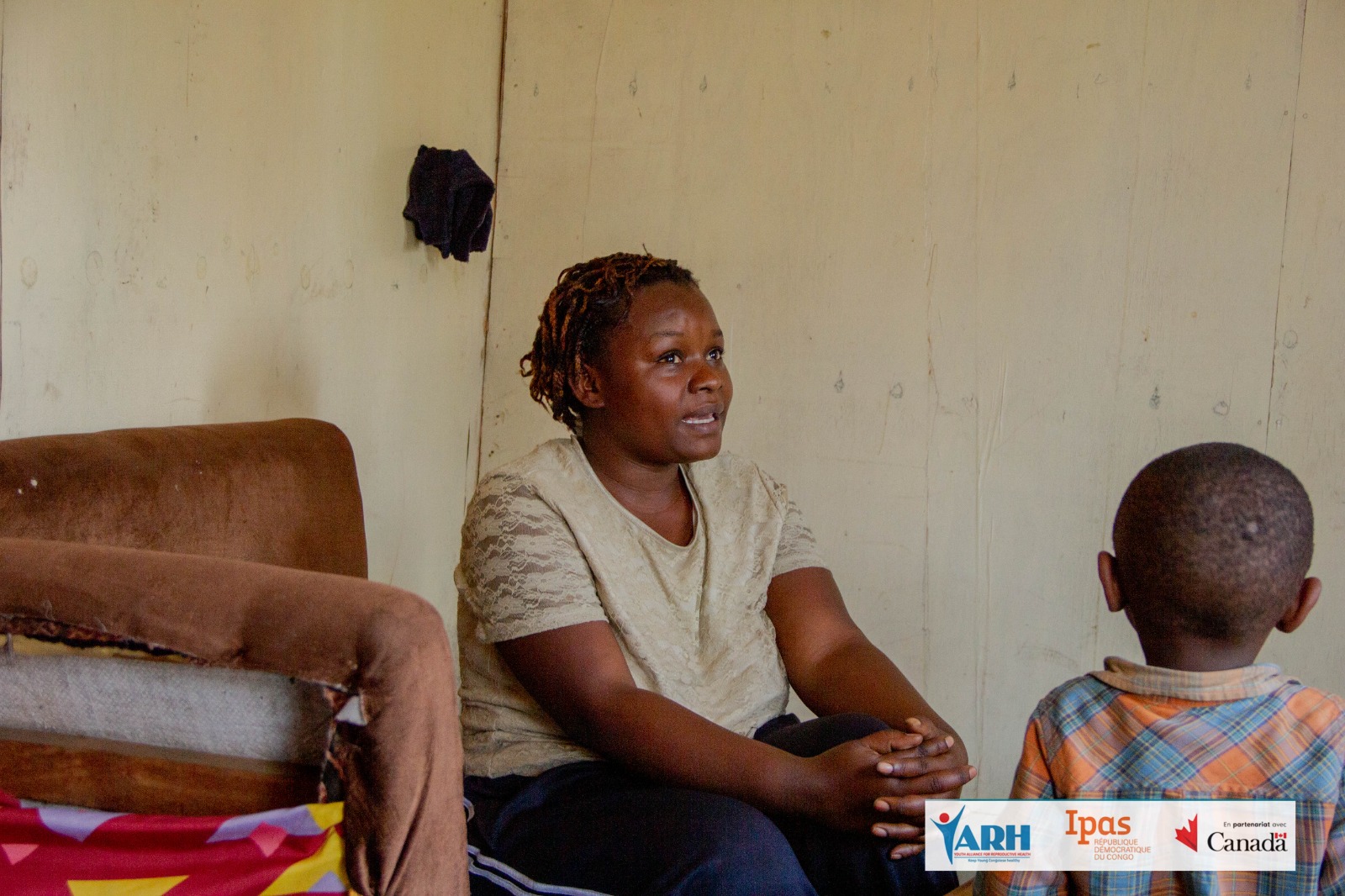
Like many others in their community, the couple was exposed to rumors and conflicting information about family planning. Conversations about birth spacing were rarely held openly, even though closely spaced pregnancies can affect women’s health, children’s well-being, and a household’s ability to meet essential needs.
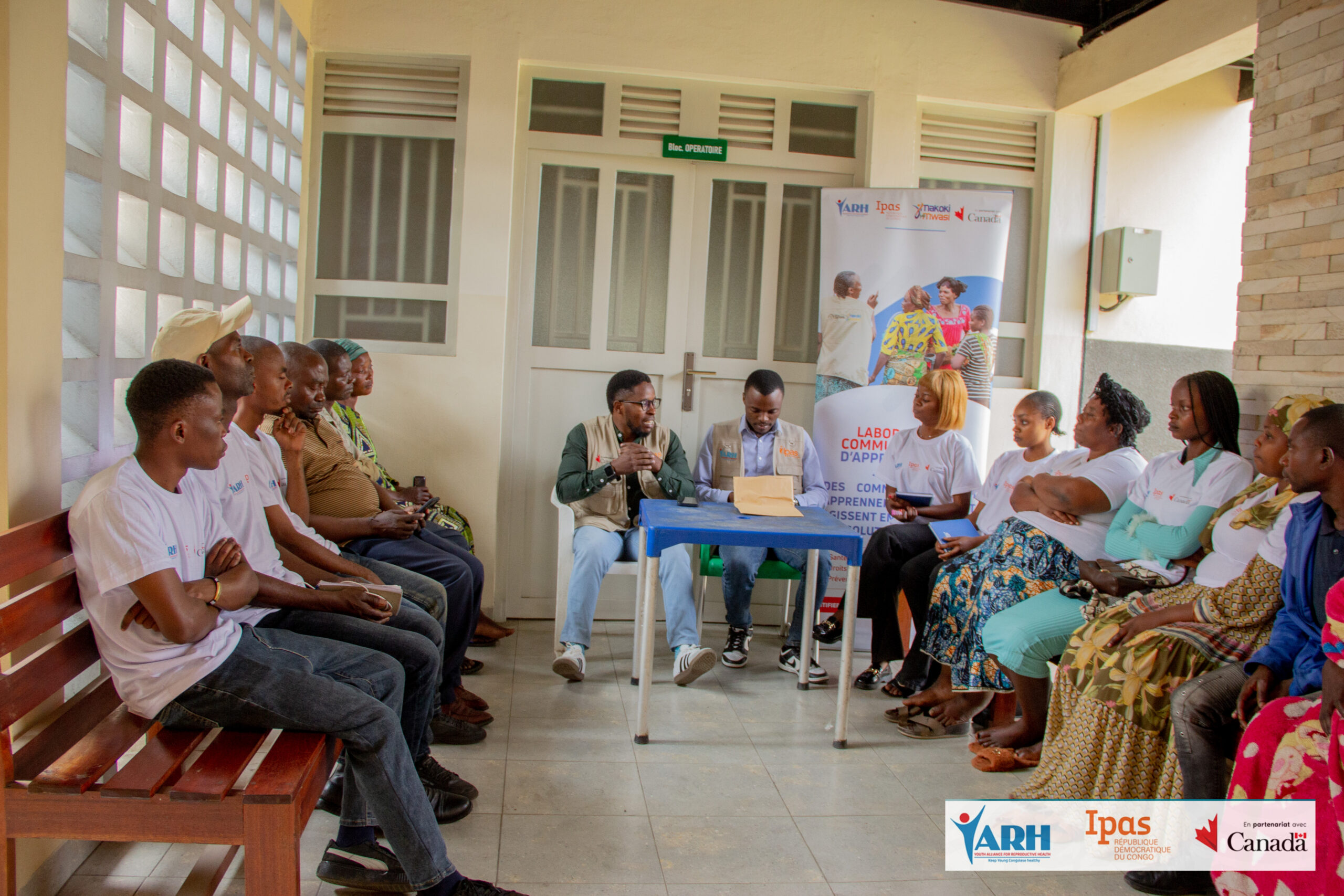
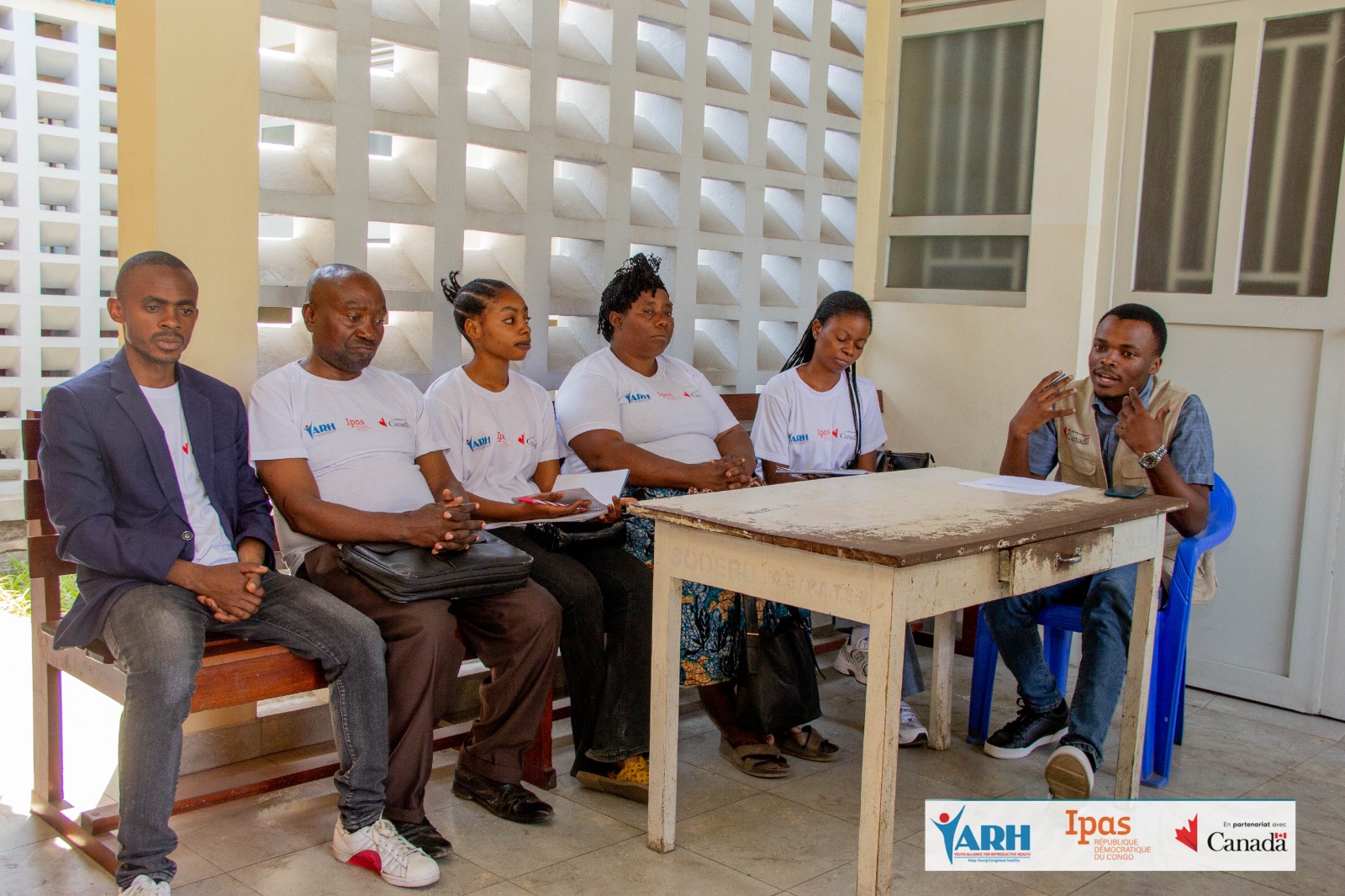
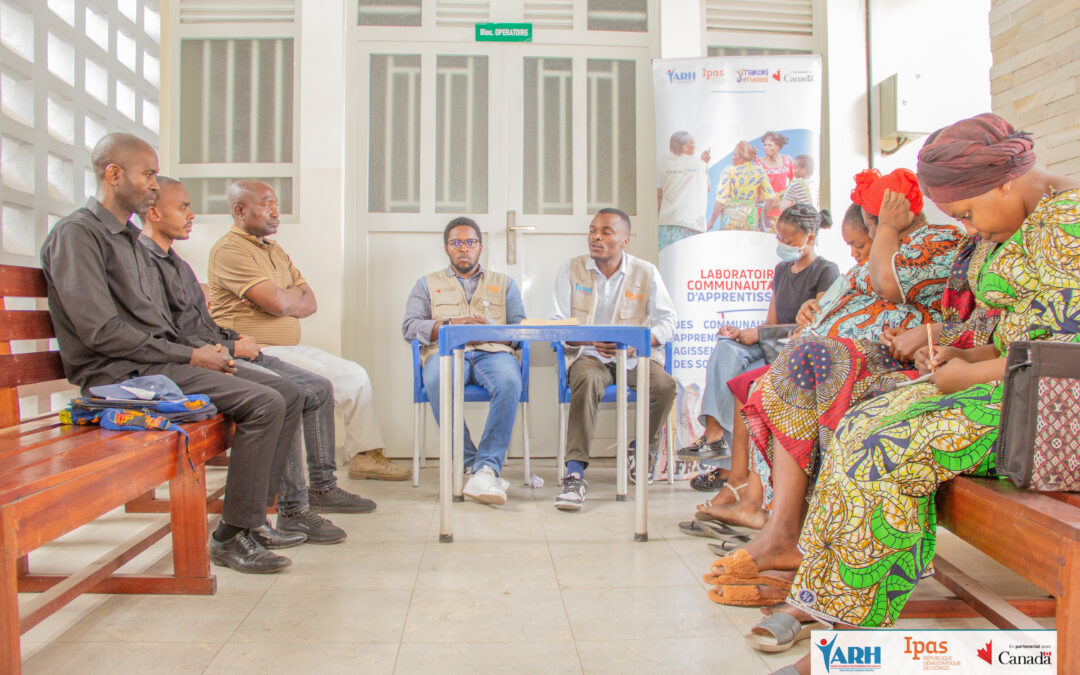
Everything began to change when they heard about a community learning laboratory organized in their neighborhood by YARH-DRC (Youth Alliance for Reproductive Health), a youth-led organization and member of the YouthSprint Coalition that works to advance sexual and reproductive health and rights. Implemented with technical and financial support from Ipas DRC as part of a project funded by Global Affairs Canada, the laboratory offered community members a space to identify challenges affecting their daily lives, share experiences, and work together to develop solutions grounded in their realities.
Unlike a traditional awareness-raising session, the laboratory placed participants at the center of the process. Together, community members identified challenges facing families, analyzed their root causes, and explored practical solutions that could be tested within their own communities. In Kiziba, discussions highlighted concerns about closely spaced pregnancies, limited access to reliable contraceptive information, and persistent myths about family planning methods.
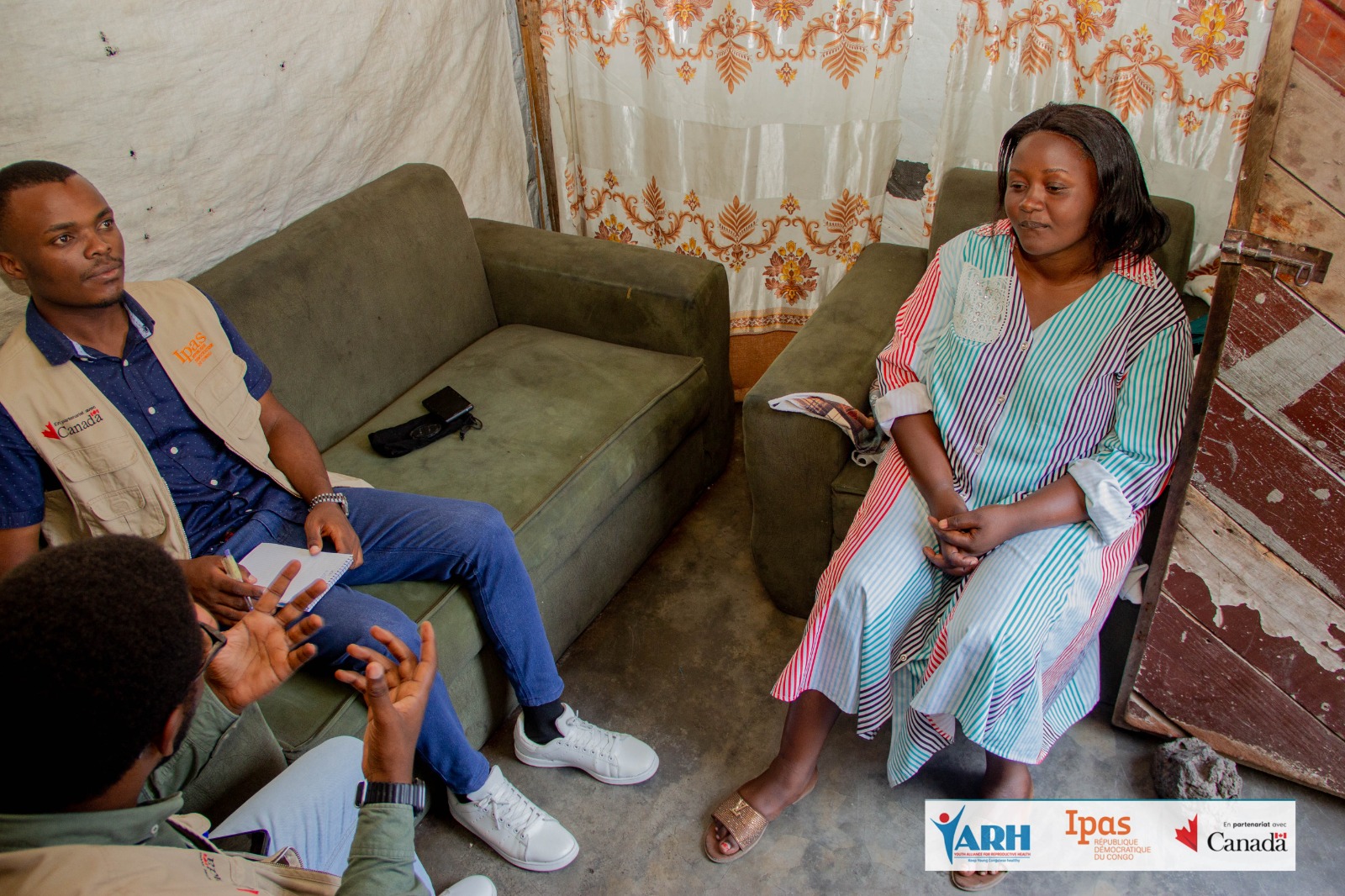
“When I learned that there was a space where people could openly discuss sexual and reproductive health issues, I became interested and joined the discussions. What I learned helped me better understand the different contraceptive methods, why they matter, and how they are used.”
Throughout the sessions, couples had the opportunity to ask questions, explore available options, and reflect together on what would work best for their families. The decisions remained entirely voluntary: some couples chose a fertility awareness method using a cycle bead necklace, while others opted for a modern contraceptive method.
More importantly, the discussions helped open dialogue within households.
Couples began talking more openly about their needs, family goals, and decisions related to birth spacing. Home visits and individualized support provided by YARH-DRC reinforced these conversations, allowing partners to continue reflecting together long after the community sessions had ended.
“Today, I better understand the different methods. I also realized that I can share this information with other people around me. Recently, I have been sharing what I learned.”
Sifa and Amisi’s story is not unique. Two community learning laboratories supported four couples facing challenges related to closely spaced pregnancies and economic violence within households. While the issues differed, a common lesson emerged: when families have safe spaces to discuss their concerns, they are better equipped to identify solutions, make informed choices, and act together.
The experience also demonstrated the power of community-led change. By creating spaces for dialogue, learning, and collective problem-solving, the laboratories enabled participants to challenge misconceptions and develop solutions that reflected their own priorities and realities.
“The community learning laboratories created a space where community members could speak freely, share experiences, and work together to find solutions to the challenges affecting them.”