Ipas DRC
Non-profit organization
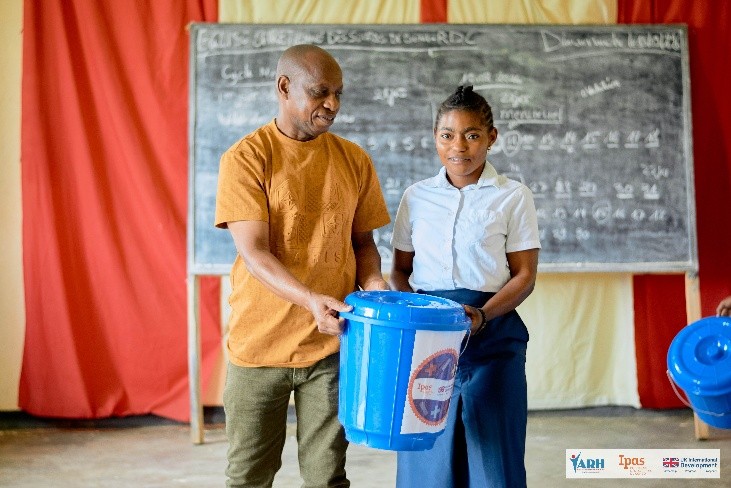
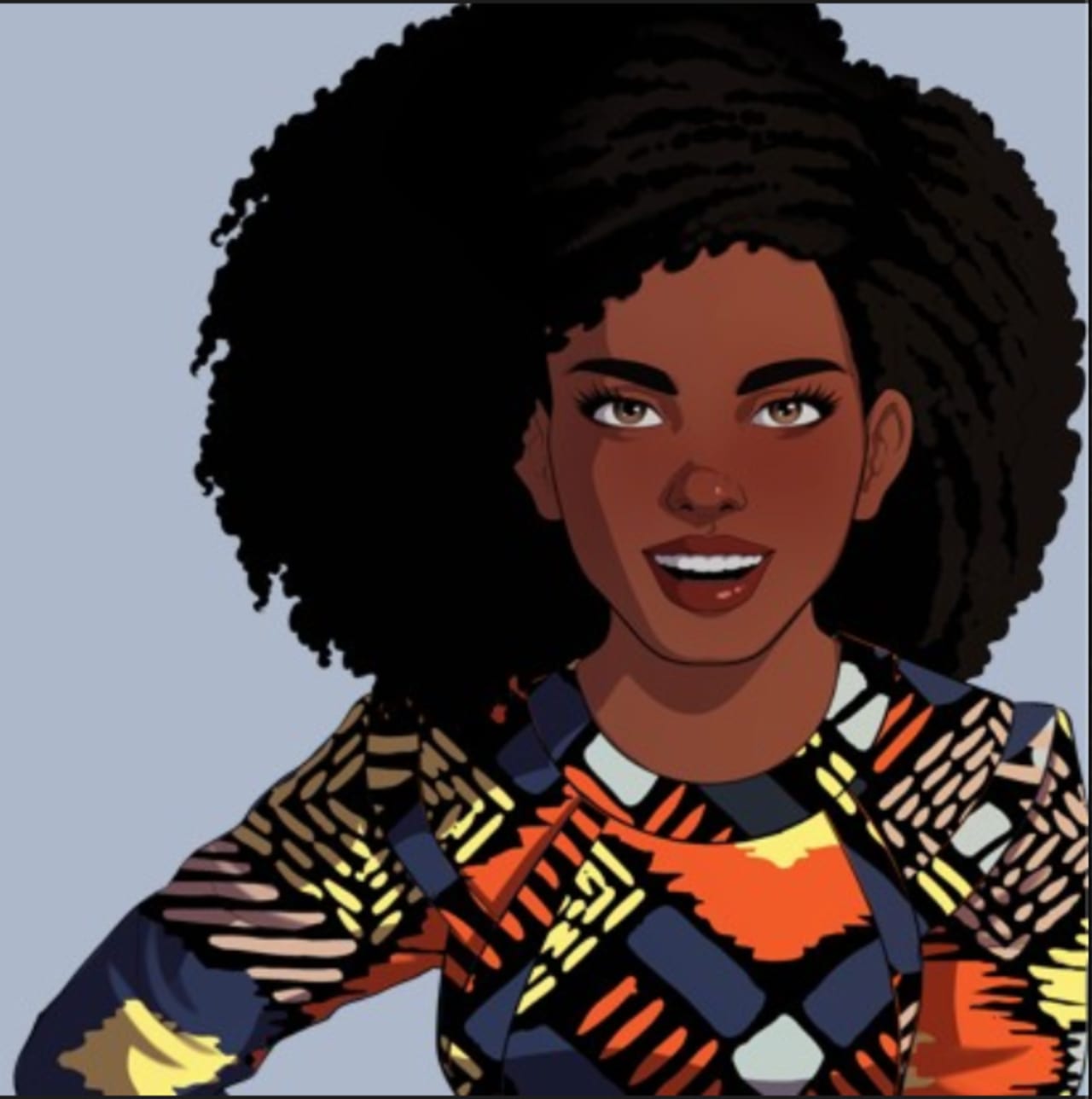
For many adolescent girls, understanding their bodies, knowing their rights and accessing reliable sexual and reproductive health information is already a challenge. During the Ebola outbreak in Beni, that challenge became even greater for girls living with disabilities, who often faced additional barriers to accessing the information they needed to protect their health and well-being.
In eastern Democratic Republic of the Congo, Agnes is part of a generation of young people growing up amid overlapping public health and humanitarian crises. Like many girls with hearing impairments, she often felt left out. While much of the public attention was focused on the Ebola response, adolescent girls’ sexual and reproductive health needs did not disappear.
Information about menstrual health, personal hygiene, protection from violence and sexual and reproductive health services was not always available in formats that were accessible to her. Agnes knew that this information existed, but accessing and understanding it was not always easy.
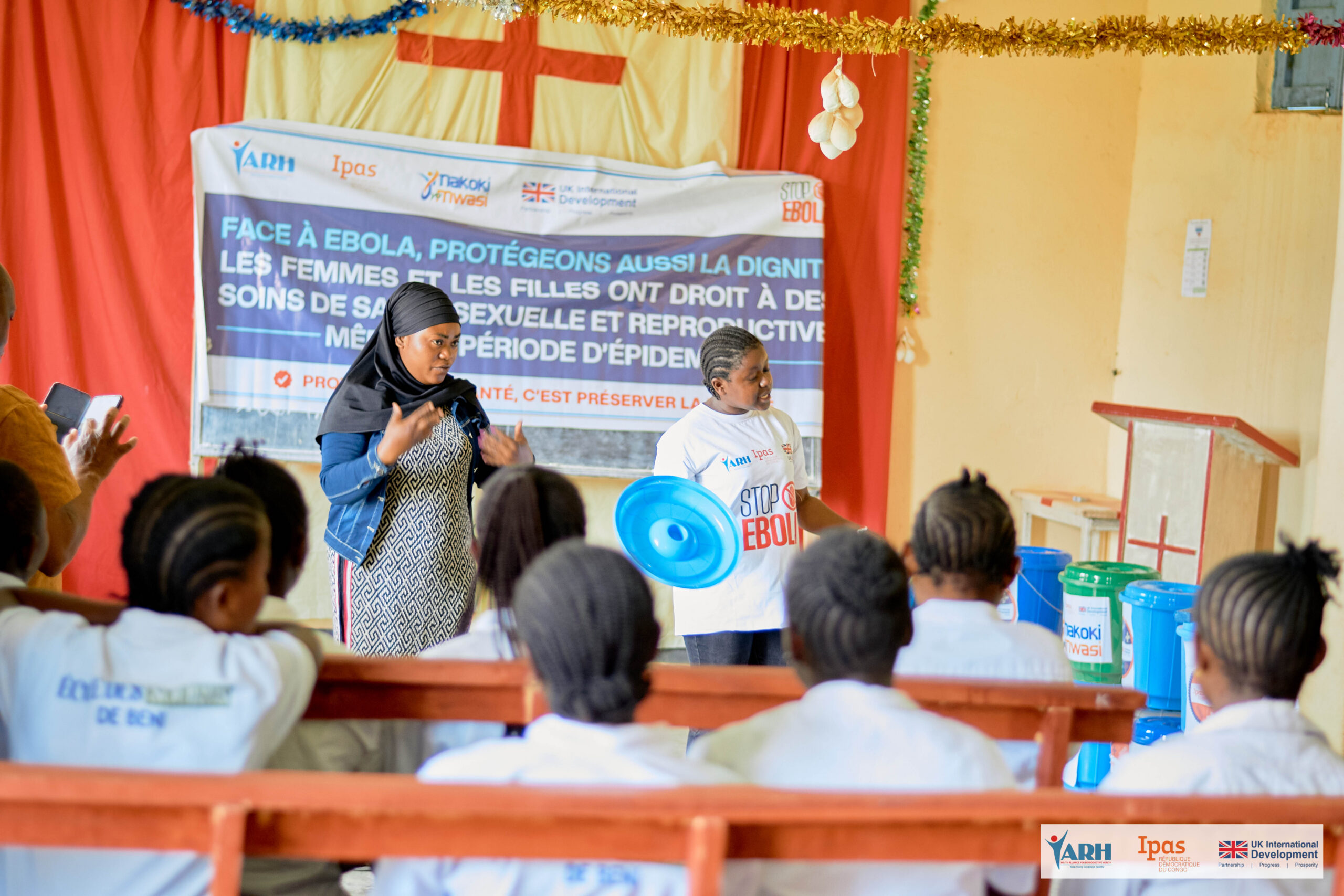
That began to change when she participated in an activity organized by Youth Alliance for Reproductive Health with support from Ipas DRC through WISH2, a programme funded by the UK government through the Foreign, Commonwealth and Development Office (FCDO). At a time when the Ebola outbreak was disrupting access to information and essential services across communities, the initiative aimed to ensure that adolescent girls living with disabilities were not left behind.
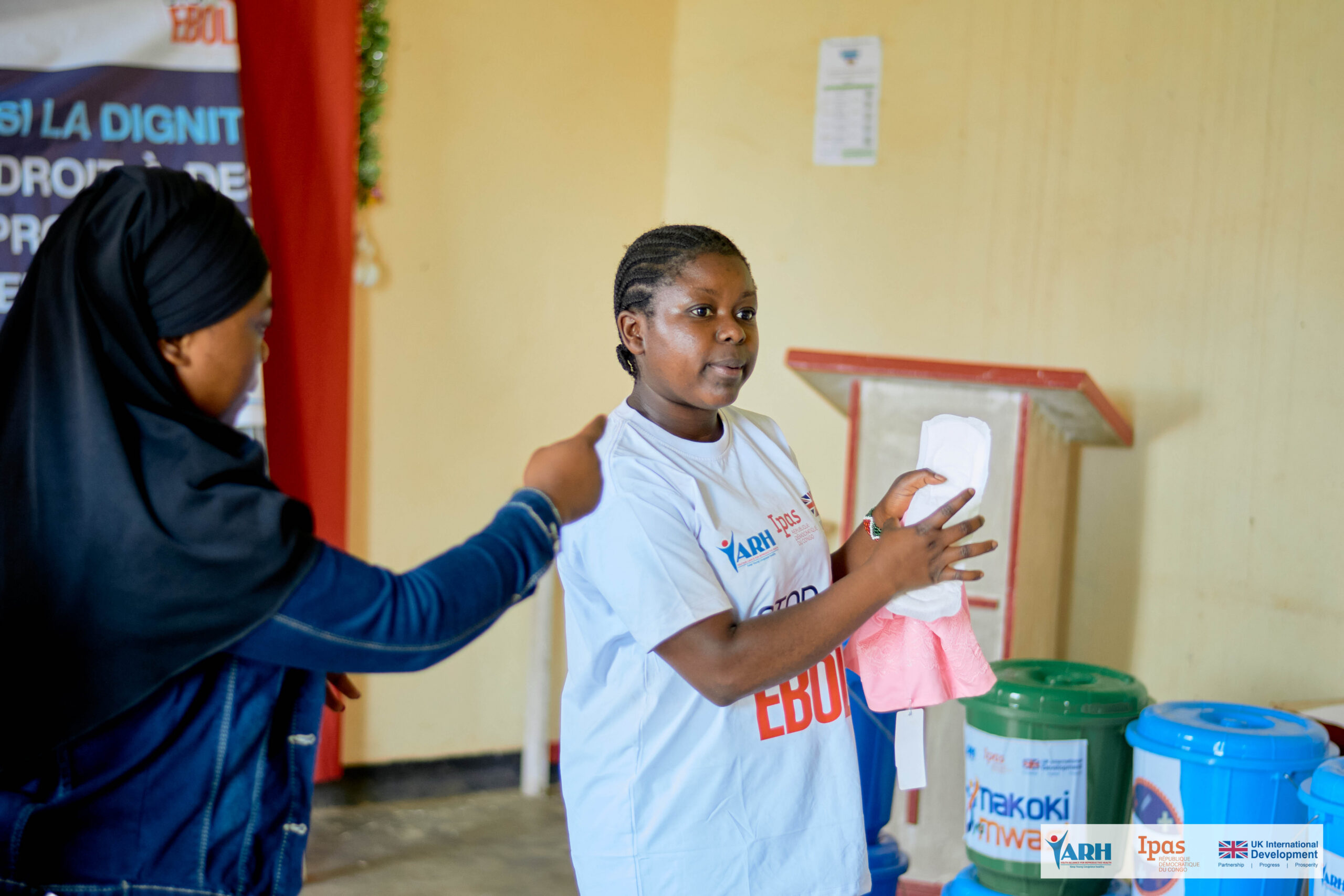
During the session, participants discussed menstrual health, personal hygiene and protection from violence. Through practical demonstrations and approaches tailored to their needs, Agnes was able to actively engage, ask questions and better understand topics that are often surrounded by silence and stigma.
For Agnes, the most significant outcome was not simply the information she received. It was the feeling of finally being seen.
“Today, I feel heard, valued and included. I know that I, too, have the right to information, care and protection. To me, that is what inclusion means: ensuring that no one is left behind, especially when it comes to our health and dignity.”
Her story highlights an often-overlooked reality: access to information is a prerequisite for the power to choose. When adolescent girls cannot access information that is adapted to their age, circumstances or abilities, they face greater risks of unintended pregnancy, violence and exclusion from essential health services.
According to Christelle Ambiti, focal point for YARH-DRC in Beni, girls with hearing impairments continue to face significant challenges in accessing sexual and reproductive health information and services. In a context marked by the Ebola outbreak, unequal access to information and heightened vulnerability to violence, information itself becomes a critical form of protection.
She notes that five girls left school because of early and unintended pregnancies in the previous year alone. Behind those numbers are interrupted dreams, lost opportunities and young lives shaped by barriers to information and services.
For frontline teams, the solution goes beyond making services available. Information must also be accessible, understandable and responsive to the realities of every girl so that she can make informed decisions about her health and future.
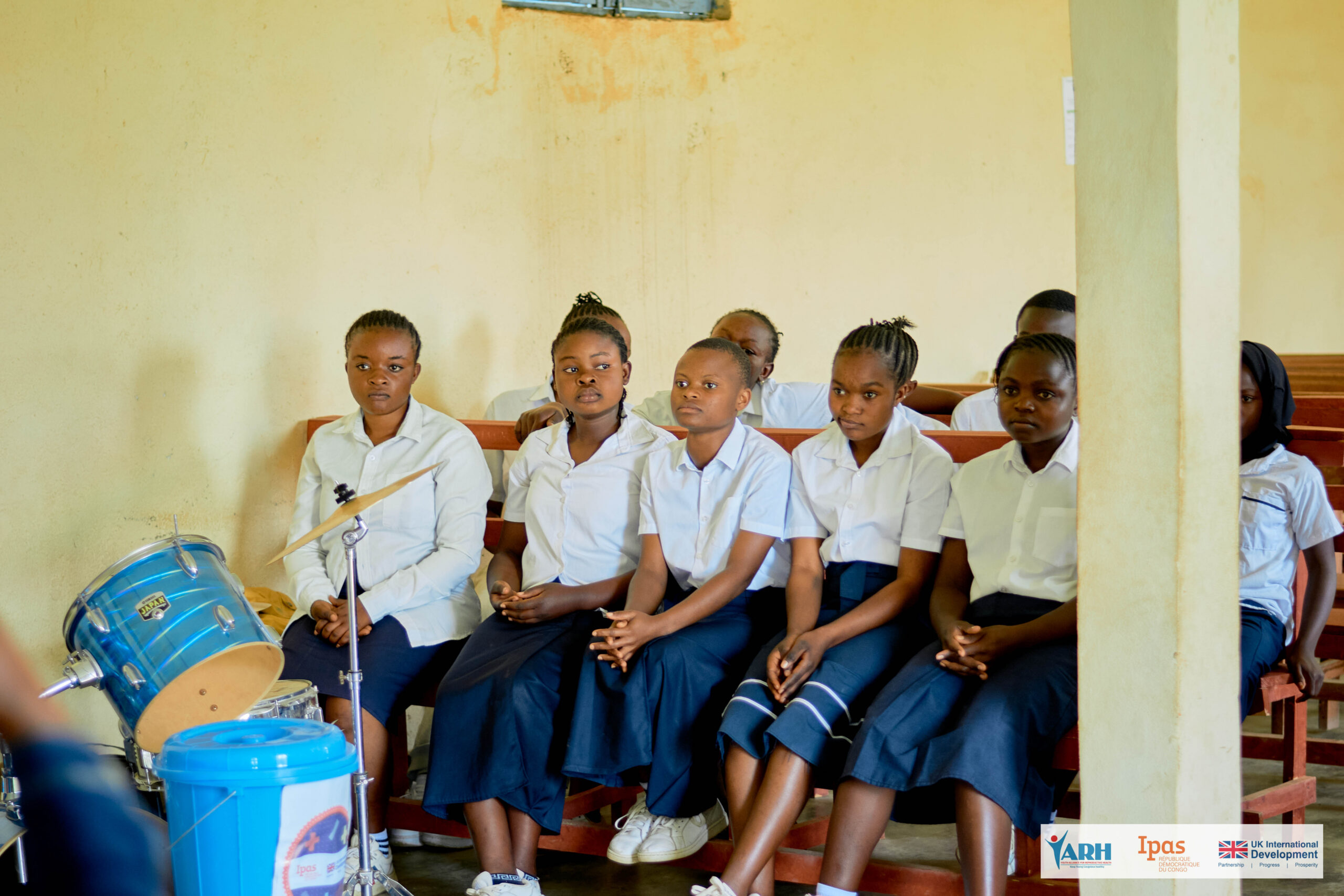
Agnes’ story shows that inclusion often begins with something simple: making information accessible. Even during a public health emergency, adolescent girls’ sexual and reproductive health needs do not disappear. On the contrary, ensuring equitable access to information becomes even more important so that every girl can protect her health, stay in school and make informed decisions about her future.