Ipas DRC
Non-profit organization
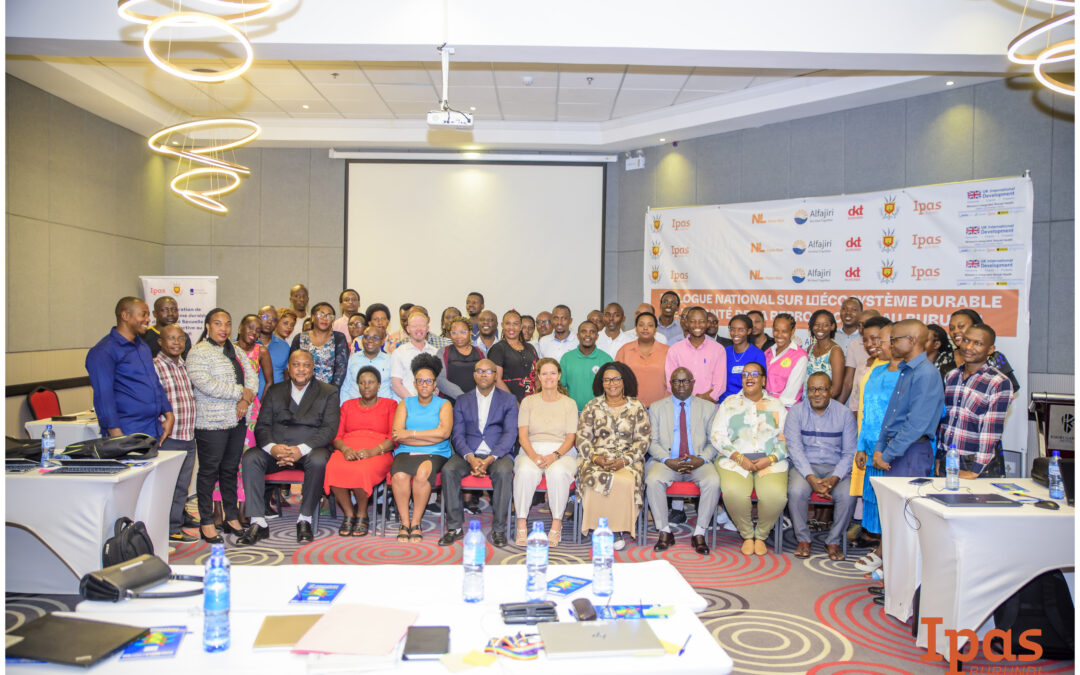
In Burundi, social norms, stigma, and limited awareness of the legal framework continue to restrict women’s and girls’ access to sexual and reproductive health information and services. To help address these barriers, Ipas Burundi supported 27 stakeholders, primarily from civil society organizations, to strengthen their capacity to advocate for reproductive rights.
The initiative began with VCAT sessions. These participatory workshops created space for participants to reflect on their beliefs about abortion and reproductive rights, recognize personal biases, and gain a deeper understanding of the realities faced by women and girls.
As one participant shared :
“Before taking part in the workshops, I also had doubts and preconceived notions about abortion. […] Today, we feel better equipped to advocate from a human rights perspective, including for reproductive rights, even in an environment that can sometimes be hostile.”
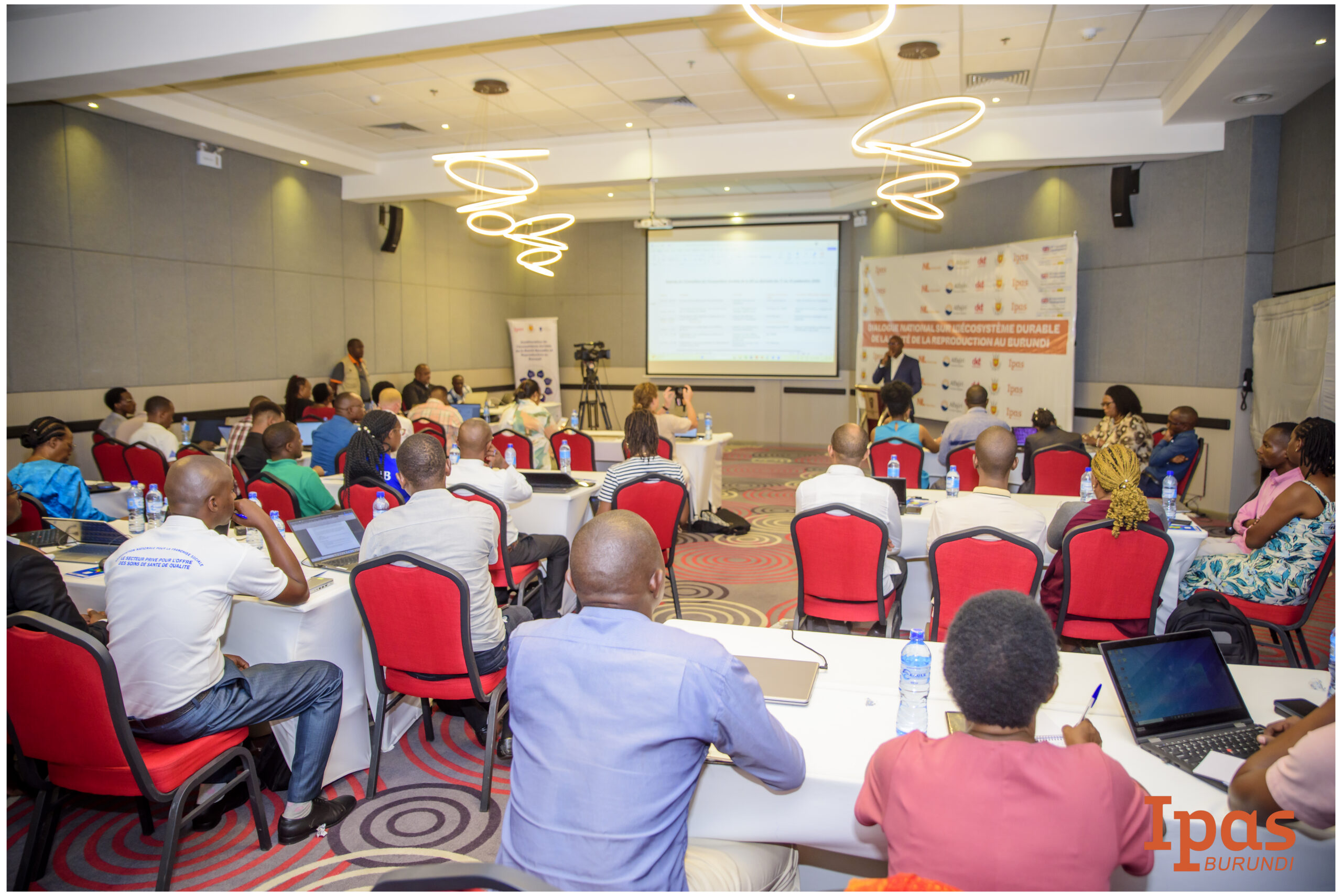
This shift in attitudes was reinforced through a participatory review of Burundi’s legal framework on therapeutic abortion. By examining existing laws and the challenges associated with their implementation, participants strengthened their understanding of the legal landscape and improved their ability to build evidence-based, rights-centered advocacy arguments.
Early results demonstrate the value of this approach. Fifteen participants increased their understanding of legal indications for abortion, twelve reported less stigmatizing attitudes, and eight became actively involved in advocacy initiatives.
These individual transformations helped inform a national dialogue that brought together representatives from civil society, the health and justice sectors, human rights and gender institutions, national and international non-governmental organizations, and international agencies. Better informed and more confident in their roles, participants are now equipped with the knowledge and leadership needed to contribute to the development of a roadmap aimed at strengthening the long-term sustainability of sexual and reproductive health and rights in Burundi.
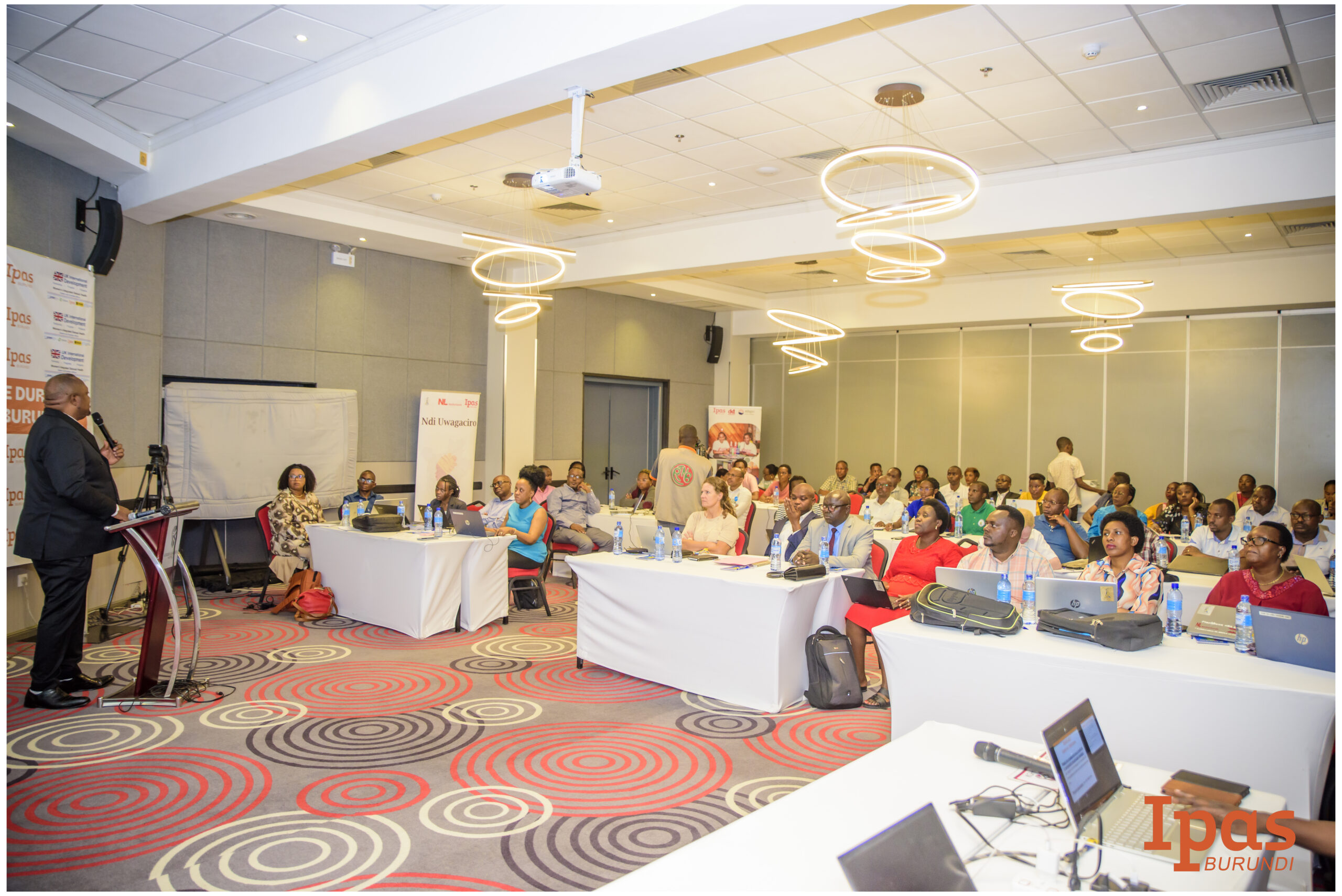
The success of this gradual, capacity-strengthening approach is reflected not only in the number of people reached, but also in participants’ increased ability to challenge stigmatizing narratives, engage in decision-making spaces, and apply their knowledge to advance change. In doing so, they help transform individual awareness into collective action in support of reproductive rights.
By investing in the knowledge, attitudes, and leadership of civil society actors, Ipas Burundi is helping create a more enabling environment for the health and rights of women and girls. The 27 participants supported through this initiative are now better positioned to serve as champions of change within their organizations, sectors, and communities. The results underscore the importance of expanding similar approaches in a context where social and institutional barriers continue to limit progress on sexual and reproductive health and rights.
At just 16 years old, Buzima’s life changed dramatically after experiencing sexual violence that resulted in an early pregnancy. Overnight, she was forced to leave school and faced stigma, rejection and significant social and economic challenges. Without support, she raised her child on her own while carrying the burden of the hardships she endured during adolescence. For years, one question stayed with her : What if my daughter faced the same fate?
As her daughter grew older, memories of her own adolescence never felt far away. Buzima often found herself wondering whether her daughter might face the same challenges that had altered the course of her own life. Determined to help her build a different future, she decided to share her story and the lessons she had learned.
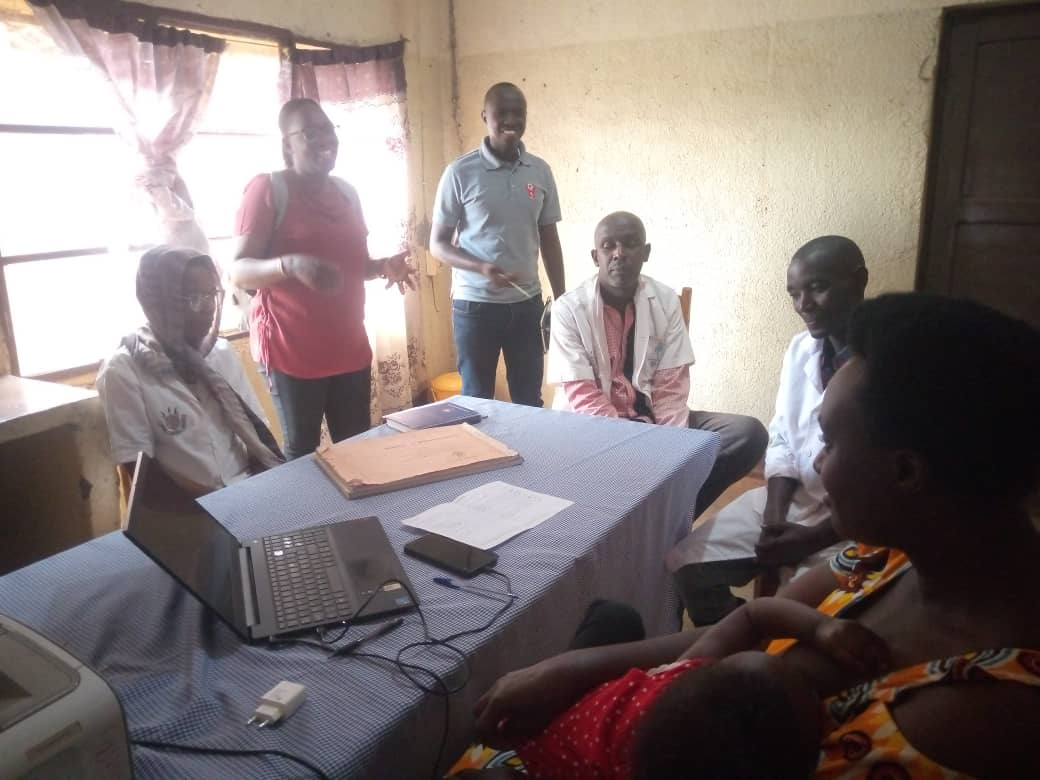
For Buzima, the visit meant far more than access to a health service. It was reassurance that her daughter would have opportunities she never had—the chance to stay in school and build the future she chooses.
Buzima’s story is deeply personal, but the challenges she faced are shared by many girls across Burundi.
Like Buzima, thousands of adolescent girls face barriers that can limit their health, education and future opportunities. Early pregnancy remains a significant challenge, particularly for girls who lack access to accurate information and youth-friendly health services.
National data highlight the scale of the issue. According to the Demographic and Health Survey (DHS), Burundian women have their first sexual experience at an average age of 19.6 years—more than three years earlier than men. Nearly one in four women marry before the age of 18, a rate eight times higher than that of men. Among women aged 15–49 who are not in union, 34 percent use a modern contraceptive method, while 6 percent are already mothers and 2 percent are pregnant at the time of the survey.
Behind these numbers are stories of girls whose education, aspirations and opportunities are often interrupted too soon.
The impact on education is particularly significant. According to the 2023 Final Report on Pregnancy in School Settings, more than 2,000 girls leave school each year because of pregnancy. During the 2022–2023 academic year alone, 879 students dropped out for this reason. For many girls, pregnancy can mean not only leaving school, but also facing long-term social and economic consequences.
When adolescent girls have access to accurate information, supportive adults and quality sexual and reproductive health services, they are better equipped to make informed decisions about their health and future.
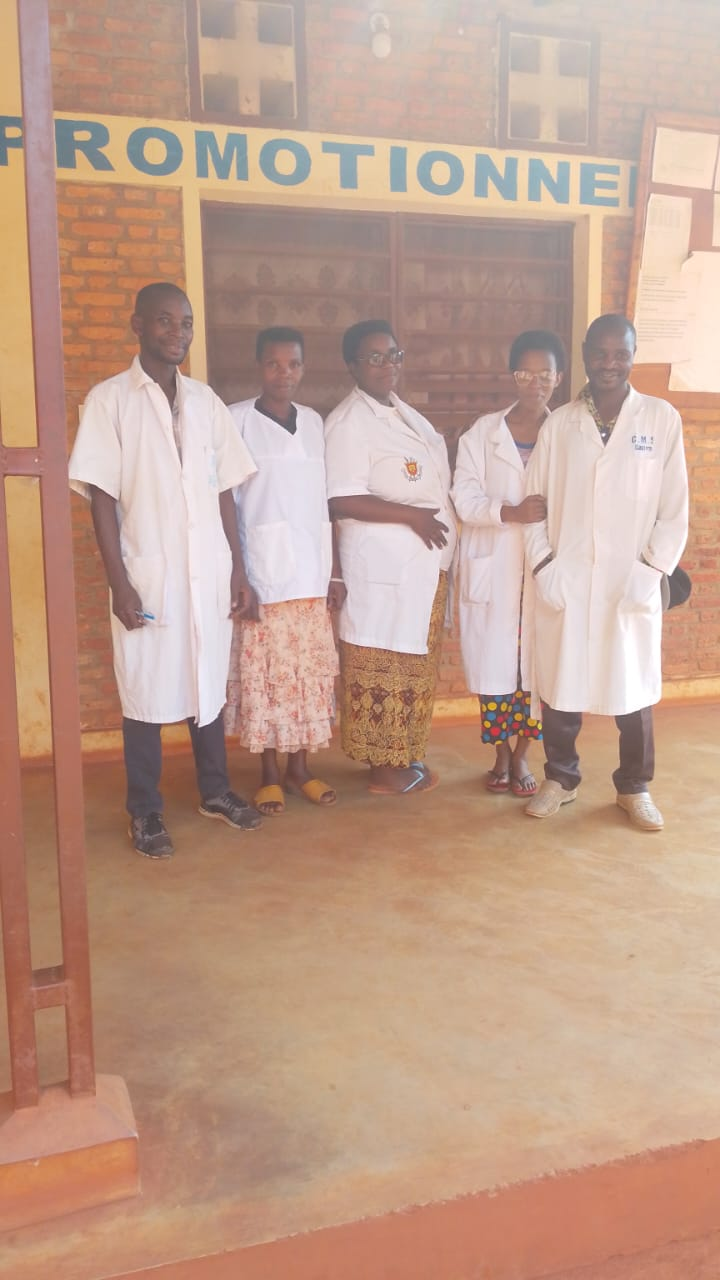
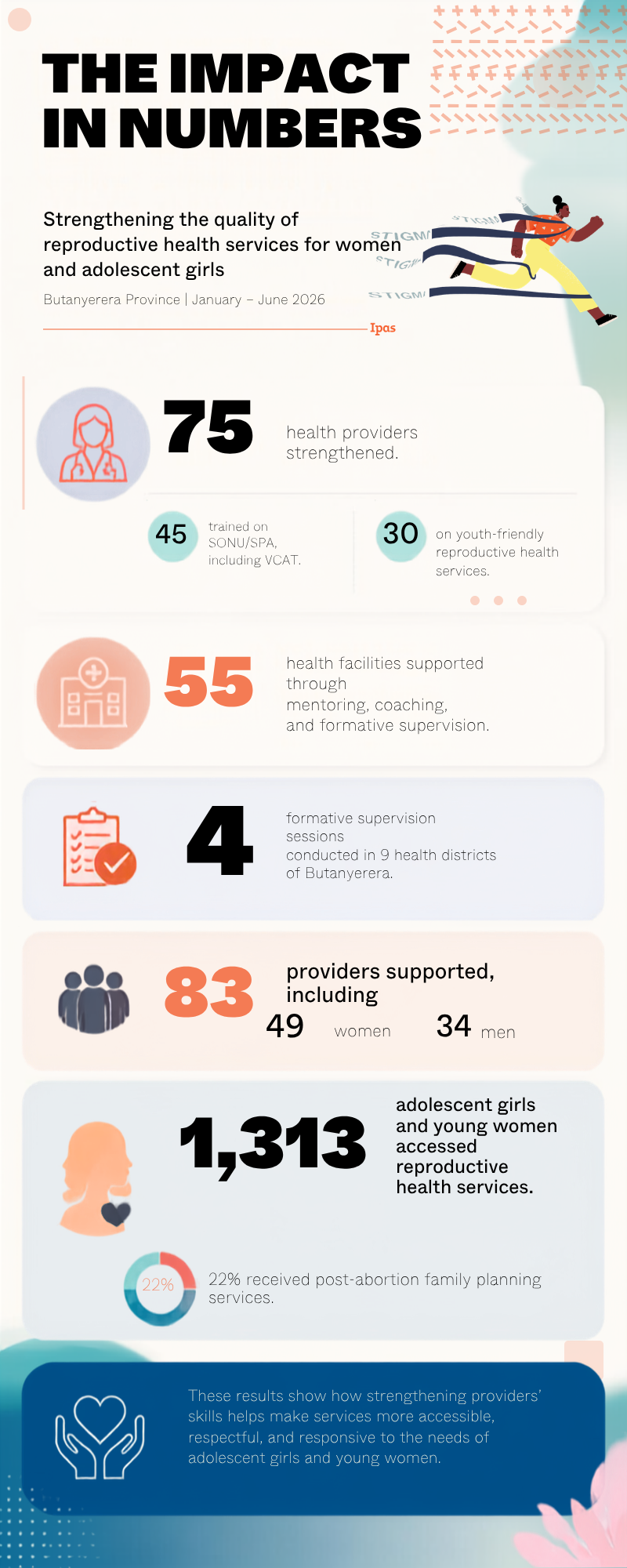
To help make this possible, Burundi’s National Reproductive Health Program (PNSR), with support from Ipas Burundi, is strengthening the capacity of health facilities and providers to deliver respectful, rights-based and youth-friendly care. Through supportive supervision, mentoring and ongoing technical assistance, providers are better prepared to meet the needs of women and adolescent girls.
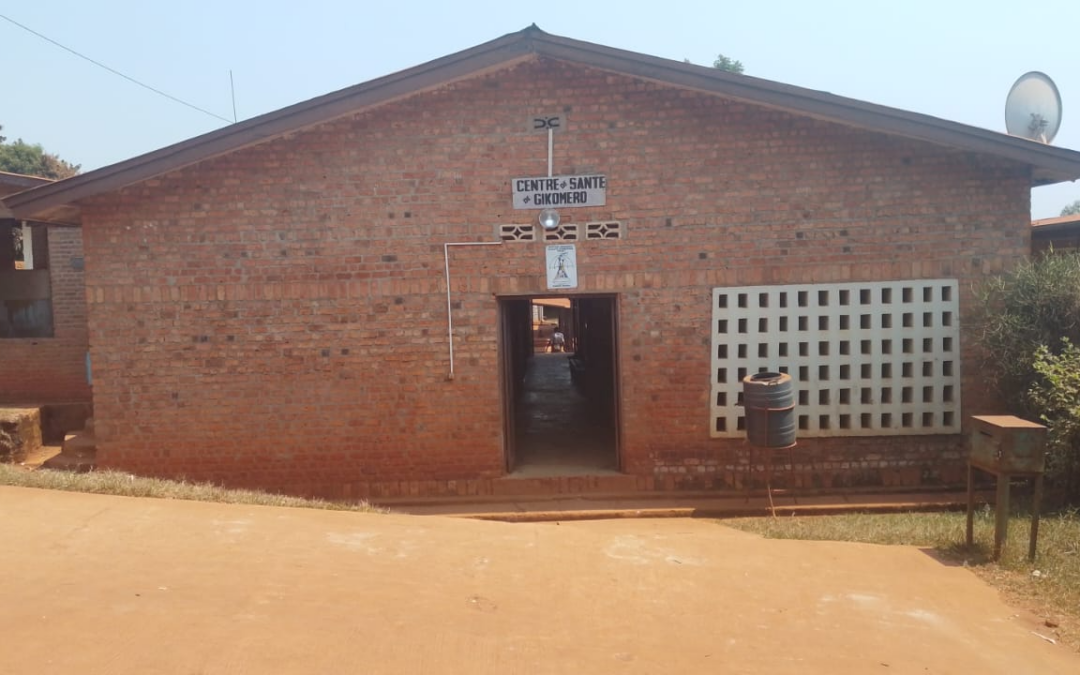
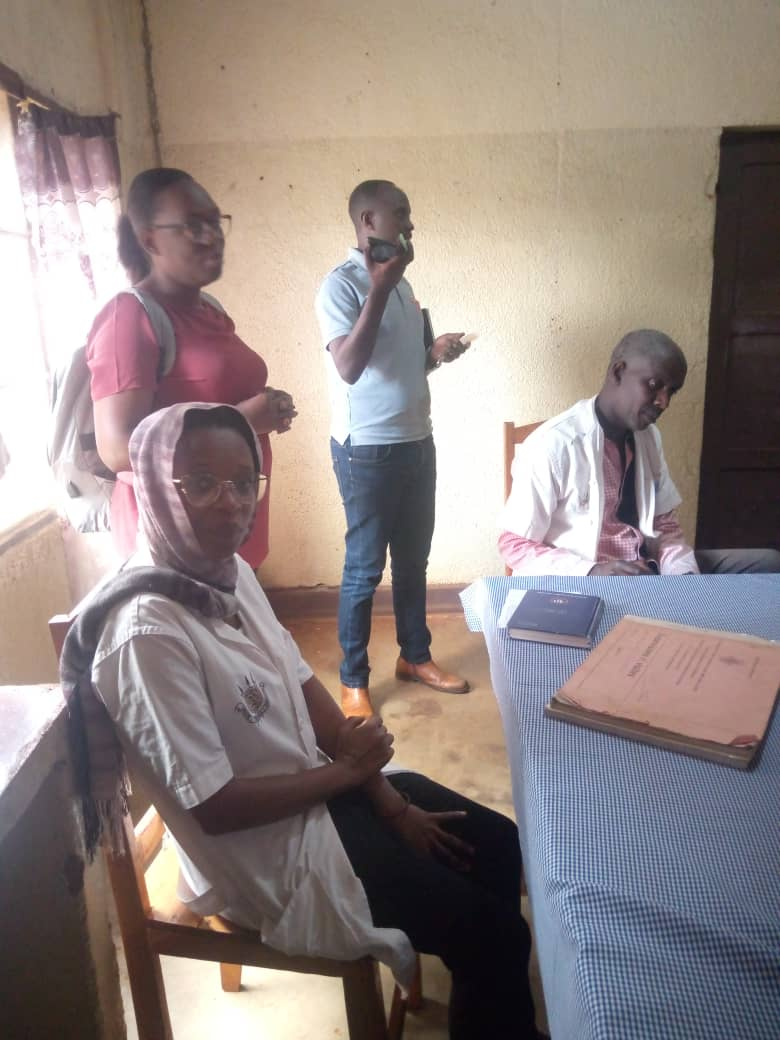
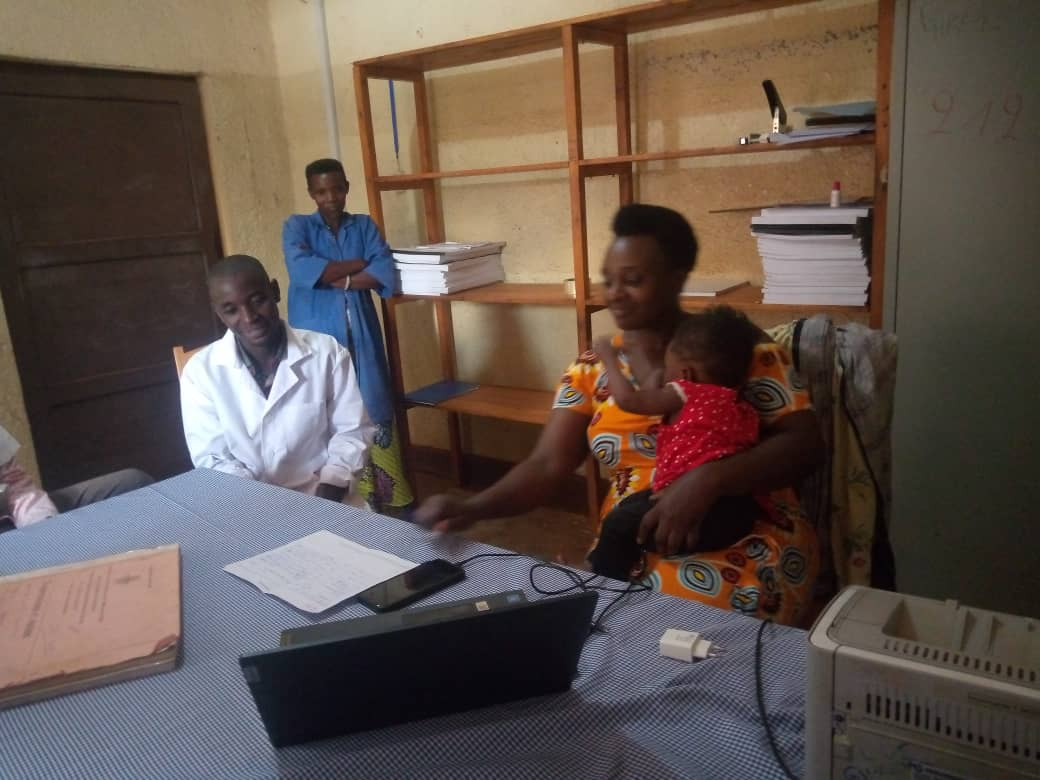
At Gikomero Health Center, that investment made all the difference for Buzima and her daughter. After being turned away during an earlier visit, her daughter found a very different experience—one built on respect, information and support.
Today, Buzima shares her experience with other parents in her community. Drawing on her own journey, she encourages them to talk openly with their children, listen without judgment and help them access the information and services they need.
For her, protecting adolescent girls often begins at home—with honest conversations, trust and support. But those conversations must be backed by health services that are accessible, respectful and responsive to young people’s needs.
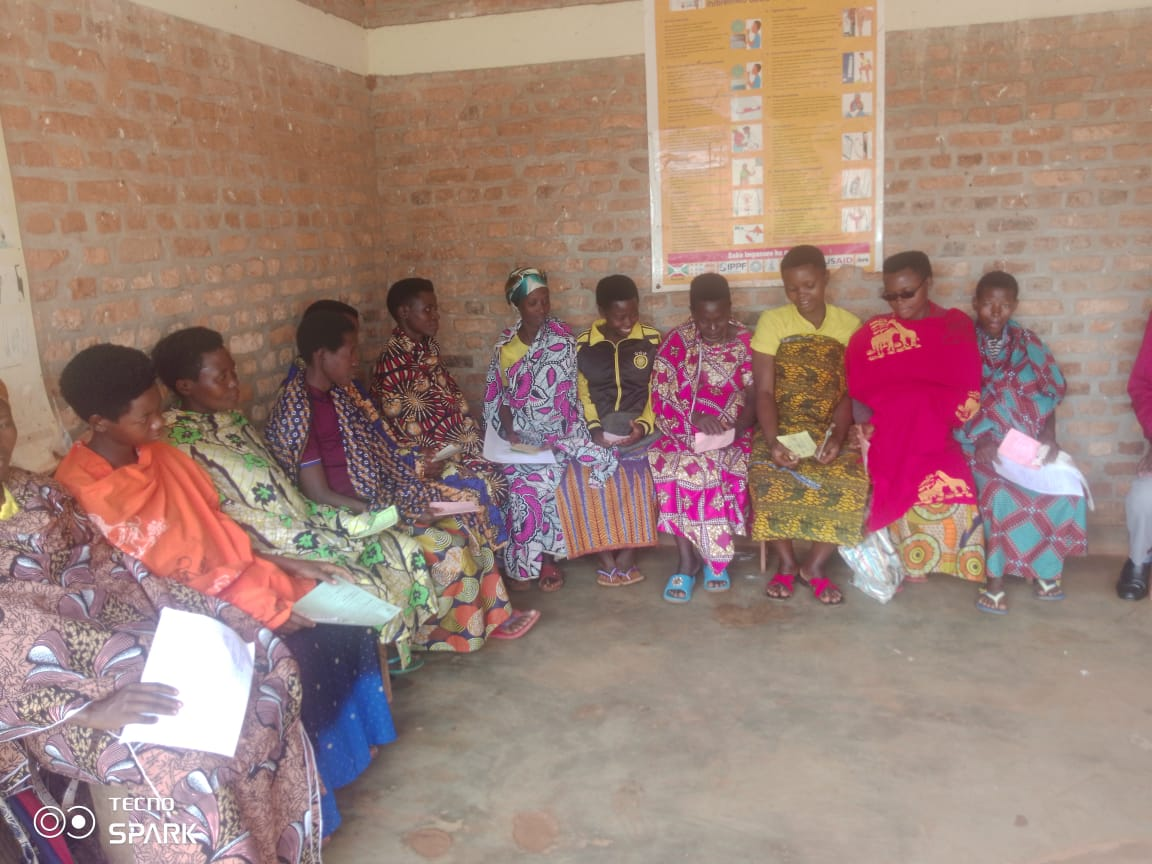
For Buzima, that change is already visible. What began as a mother’s determination to protect her daughter has become a source of hope for other families in her community—and a reminder of what is possible when girls can access accurate information, supportive adults and quality sexual and reproductive health services.
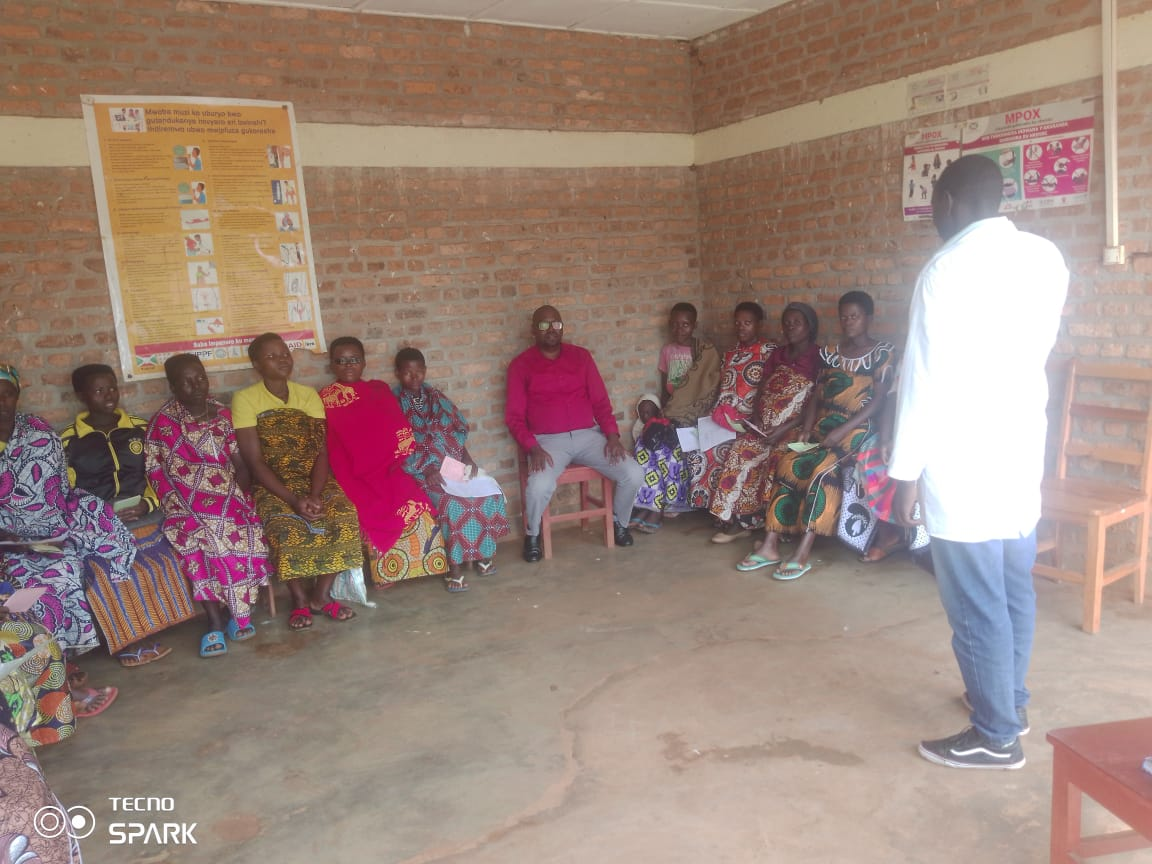
For many adolescent girls, understanding their bodies, knowing their rights and accessing reliable sexual and reproductive health information is already a challenge. During the Ebola outbreak in Beni, that challenge became even greater for girls living with disabilities, who often faced additional barriers to accessing the information they needed to protect their health and well-being.
In eastern Democratic Republic of the Congo, Agnes is part of a generation of young people growing up amid overlapping public health and humanitarian crises. Like many girls with hearing impairments, she often felt left out. While much of the public attention was focused on the Ebola response, adolescent girls’ sexual and reproductive health needs did not disappear.
Information about menstrual health, personal hygiene, protection from violence and sexual and reproductive health services was not always available in formats that were accessible to her. Agnes knew that this information existed, but accessing and understanding it was not always easy.
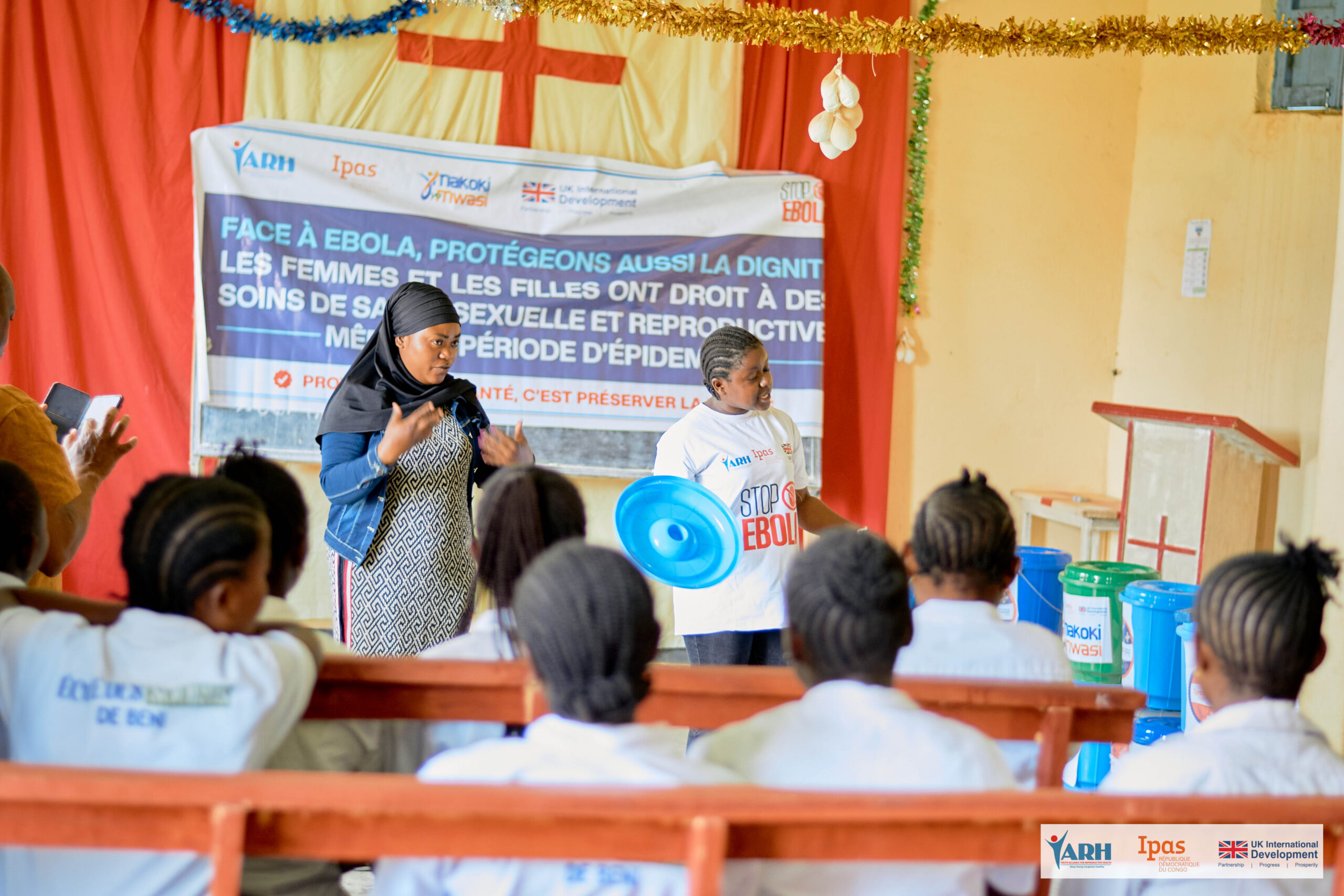
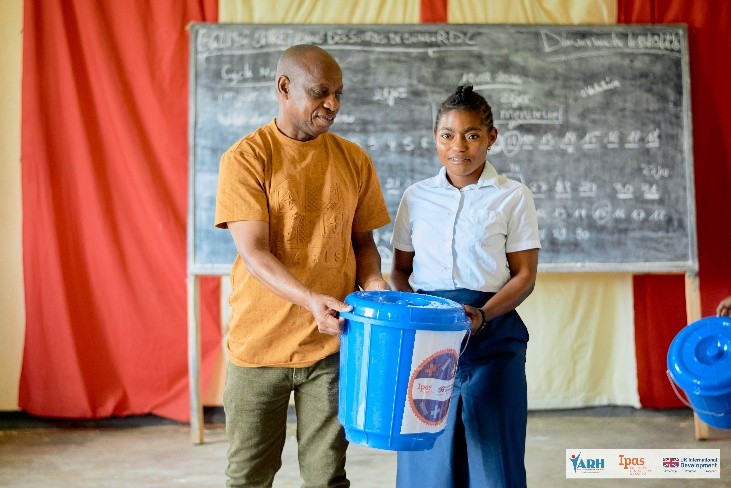
That began to change when she participated in an activity organized by Youth Alliance for Reproductive Health with support from Ipas DRC through WISH2, a programme funded by the UK government through the Foreign, Commonwealth and Development Office (FCDO). At a time when the Ebola outbreak was disrupting access to information and essential services across communities, the initiative aimed to ensure that adolescent girls living with disabilities were not left behind.
During the session, participants discussed menstrual health, personal hygiene and protection from violence. Through practical demonstrations and approaches tailored to their needs, Agnes was able to actively engage, ask questions and better understand topics that are often surrounded by silence and stigma.
For Agnes, the most significant outcome was not simply the information she received. It was the feeling of finally being seen.
“Today, I feel heard, valued and included. I know that I, too, have the right to information, care and protection. To me, that is what inclusion means: ensuring that no one is left behind, especially when it comes to our health and dignity.”
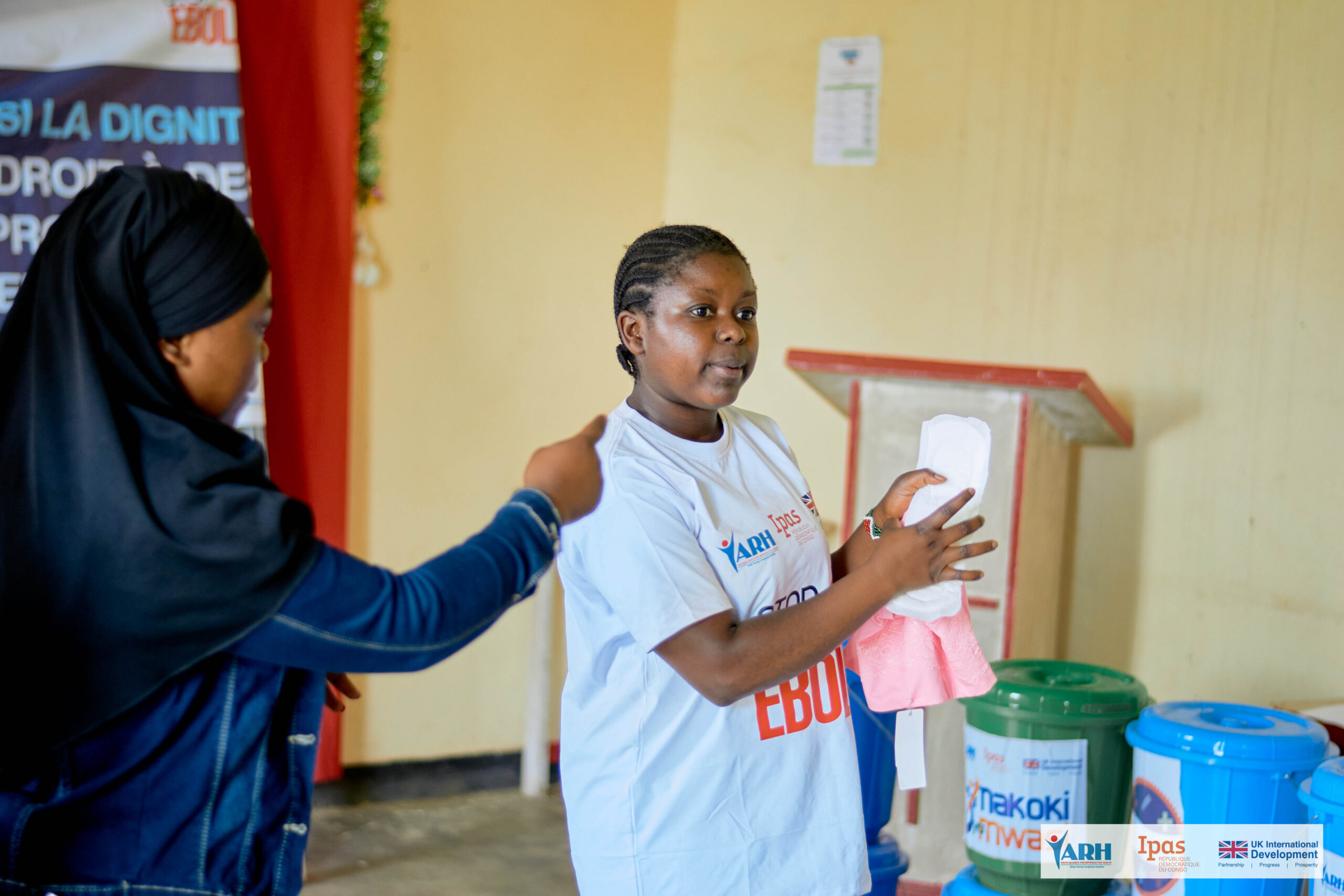
Her story highlights an often-overlooked reality: access to information is a prerequisite for the power to choose. When adolescent girls cannot access information that is adapted to their age, circumstances or abilities, they face greater risks of unintended pregnancy, violence and exclusion from essential health services.
According to Christelle Ambiti, focal point for YARH-DRC in Beni, girls with hearing impairments continue to face significant challenges in accessing sexual and reproductive health information and services. In a context marked by the Ebola outbreak, unequal access to information and heightened vulnerability to violence, information itself becomes a critical form of protection.
She notes that five girls left school because of early and unintended pregnancies in the previous year alone. Behind those numbers are interrupted dreams, lost opportunities and young lives shaped by barriers to information and services.
For frontline teams, the solution goes beyond making services available. Information must also be accessible, understandable and responsive to the realities of every girl so that she can make informed decisions about her health and future.
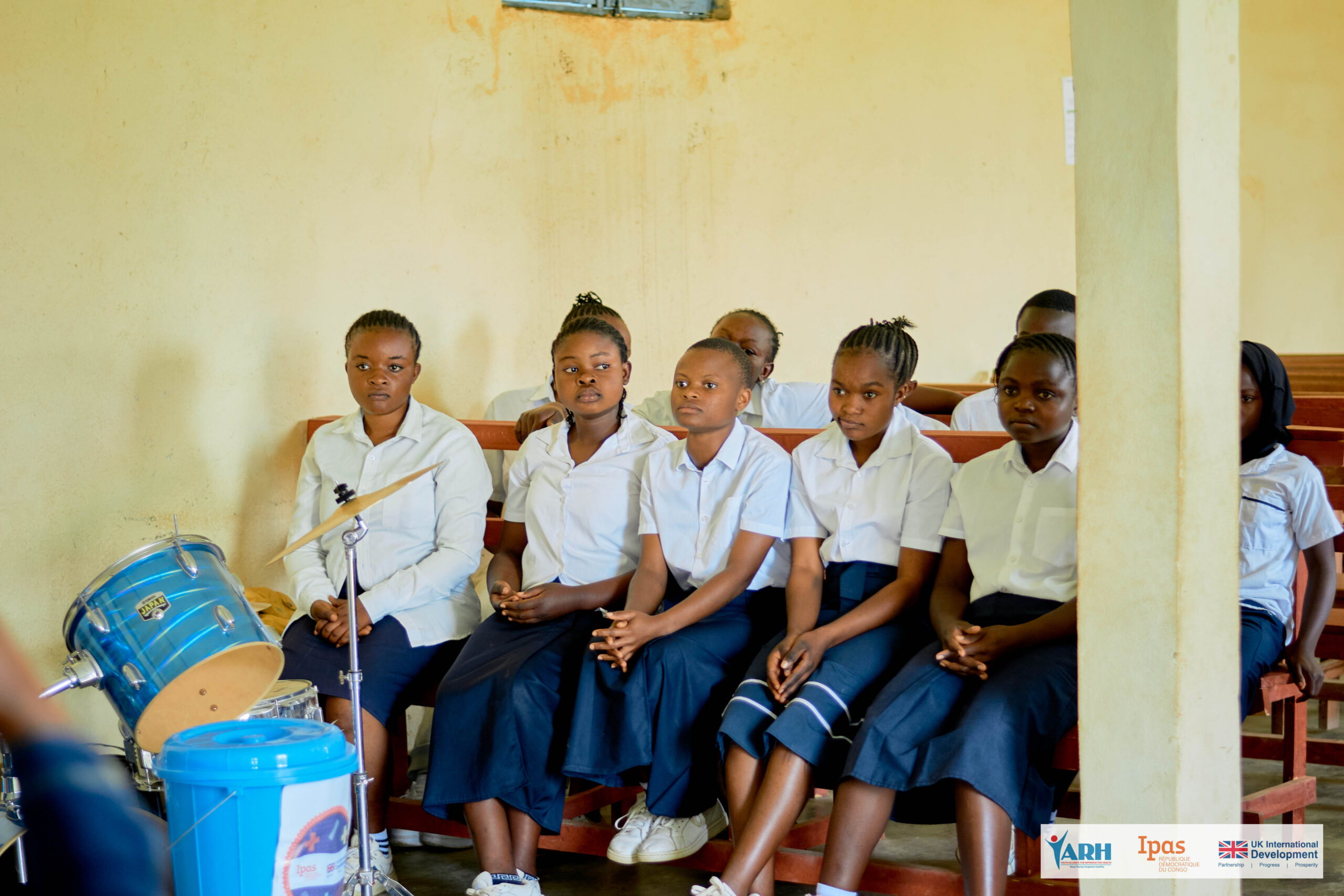
Agnes’ story shows that inclusion often begins with something simple: making information accessible. Even during a public health emergency, adolescent girls’ sexual and reproductive health needs do not disappear. On the contrary, ensuring equitable access to information becomes even more important so that every girl can protect her health, stay in school and make informed decisions about her future.
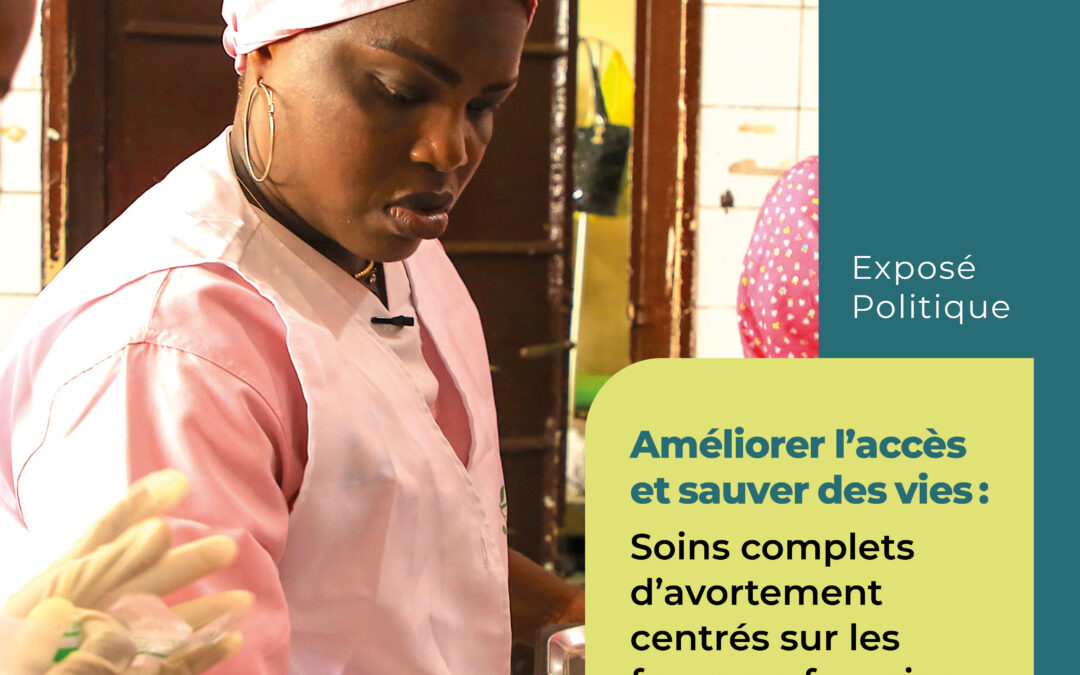
In the Democratic Republic of the Congo, abortion is part of the lived reality of many women and girls. Yet for a significant number of them, access to safe, quality services remains out of reach, forcing them to turn to care outside the formal health system—often at great risk to their health and well-being.
Complications related to unsafe abortion remain a major contributor to maternal morbidity and mortality. These outcomes reflect persistent inequalities in access to sexual and reproductive health (SRH) information, quality services, and financial protection. Adolescents, women living in poverty, and those in humanitarian or conflict-affected settings face the greatest barriers.
For too long, comprehensive abortion care (CAC) has been treated as peripheral to health system priorities. This marginalization has not only delayed access to timely care but has also increased financial burdens on families and placed additional strain on already stretched health systems.
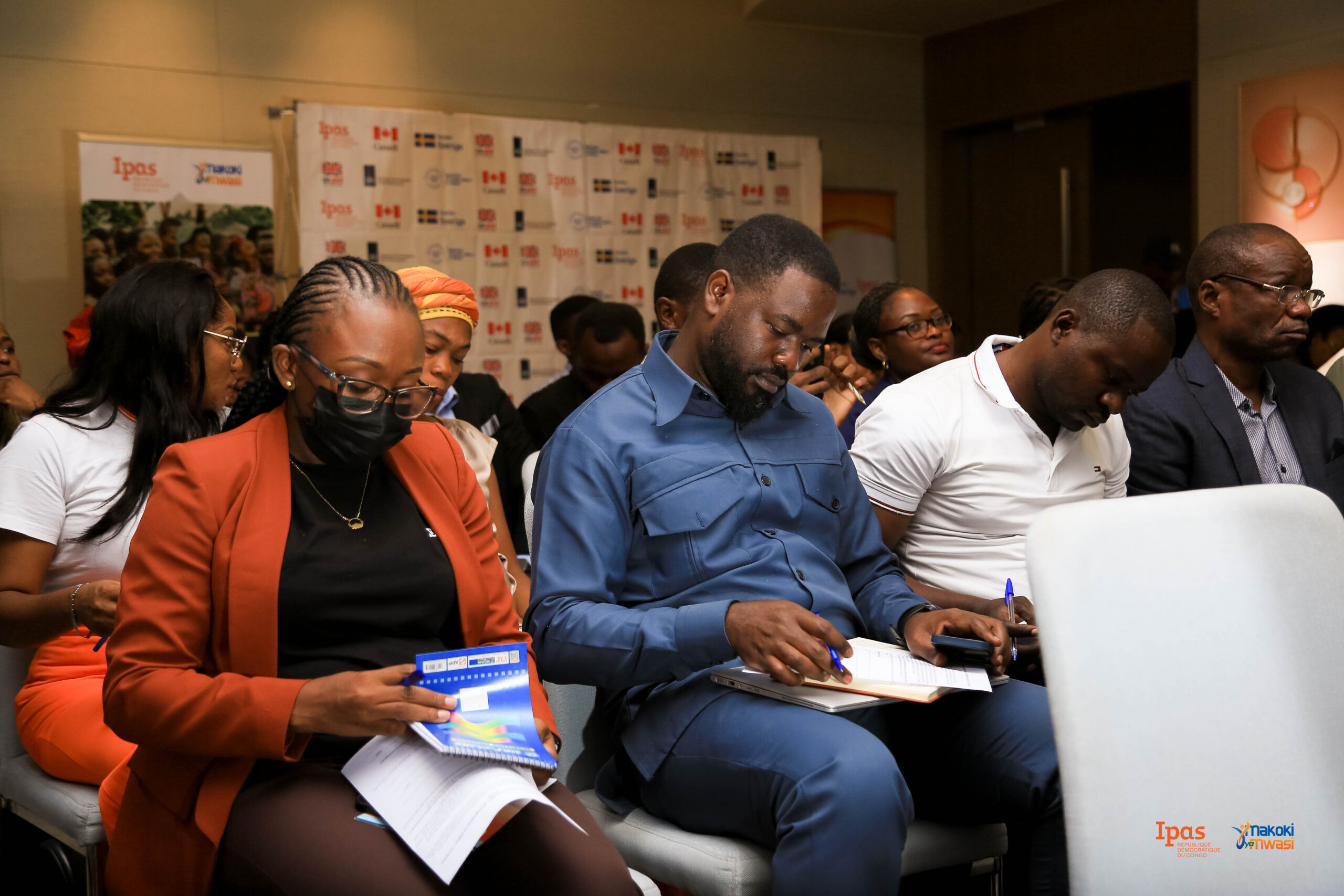
Universal Health Coverage (UHC) aims to ensure that the entire population of the Democratic Republic of the Congo can access essential, quality health services without the risk of financial hardship linked to out-of-pocket payments. In the DRC, the National Health Development Plan (NHDP) 2016–2020—revised as the 2019–2022 NHDP under the vision of “toward universal health coverage”—laid the foundation for the development and adoption of the National Strategic Plan for Universal Health Coverage (NSP-UHC) 2020–2030. This plan now serves as the primary framework guiding health system reforms.
But beyond its technical ambition, UHC represents a powerful political commitment: placing equity, social justice, and human rights at the center of health policies. It provides a unique opportunity to address structural inequalities that continue to exclude many women from essential sexual and reproductive health (SRH) services.
In this context, integrating comprehensive abortion care (CAC) is not simply a programmatic consideration—it is essential for UHC to fulfill its promise of universality.
However, CAC remains only partially integrated into national UHC implementation mechanisms. This gap continues to limit the inclusiveness of health policies for women and girls. This shared reality has gradually led to a growing consensus : UHC cannot achieve its objectives without fully including comprehensive abortion care within its essential health service package.
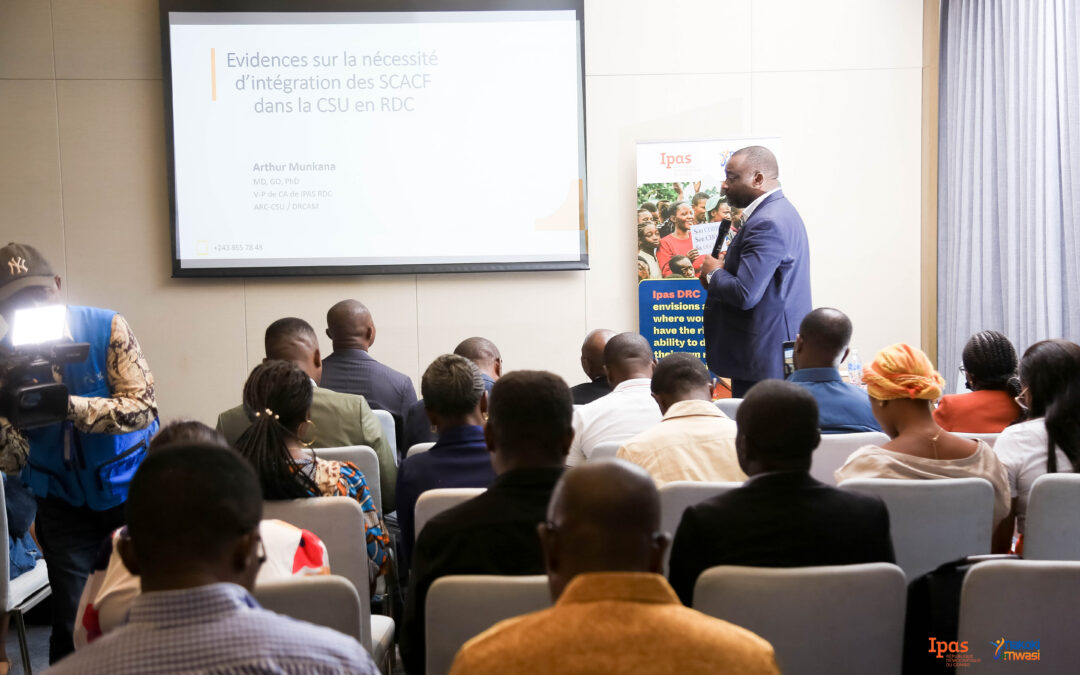
It is within this context that advocacy efforts were launched in October 2024, under the leadership of the National Reproductive Health Program (PNSR), with technical support from Ipas DRC. The process began with an initial engagement with UHC authorities, including the Director of the Agency for Regulation and Oversight of Universal Health Coverage (ARC-UHC), focusing on how UHC operates and how to integrate comprehensive abortion care into its framework.
This collective effort has helped reposition comprehensive abortion care as an essential public health service, grounded in evidence and in the realities experienced by communities.
Several key milestones have already been achieved :
These advances mark a turning point: the question is no longer whether comprehensive abortion care should be included, but how to ensure its progressive, coherent, and sustainable integration in a way that upholds the health and dignity of women and girls.
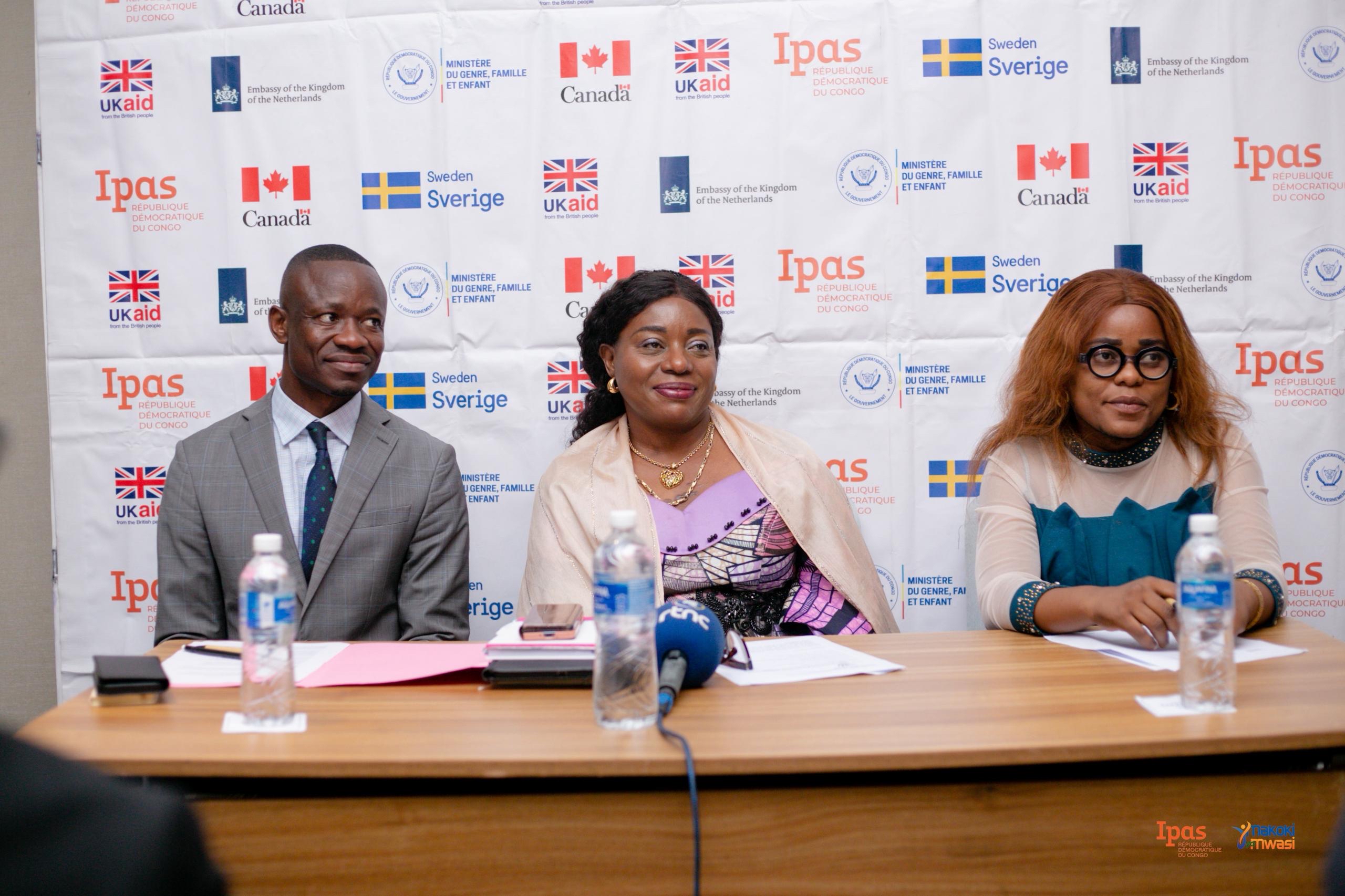
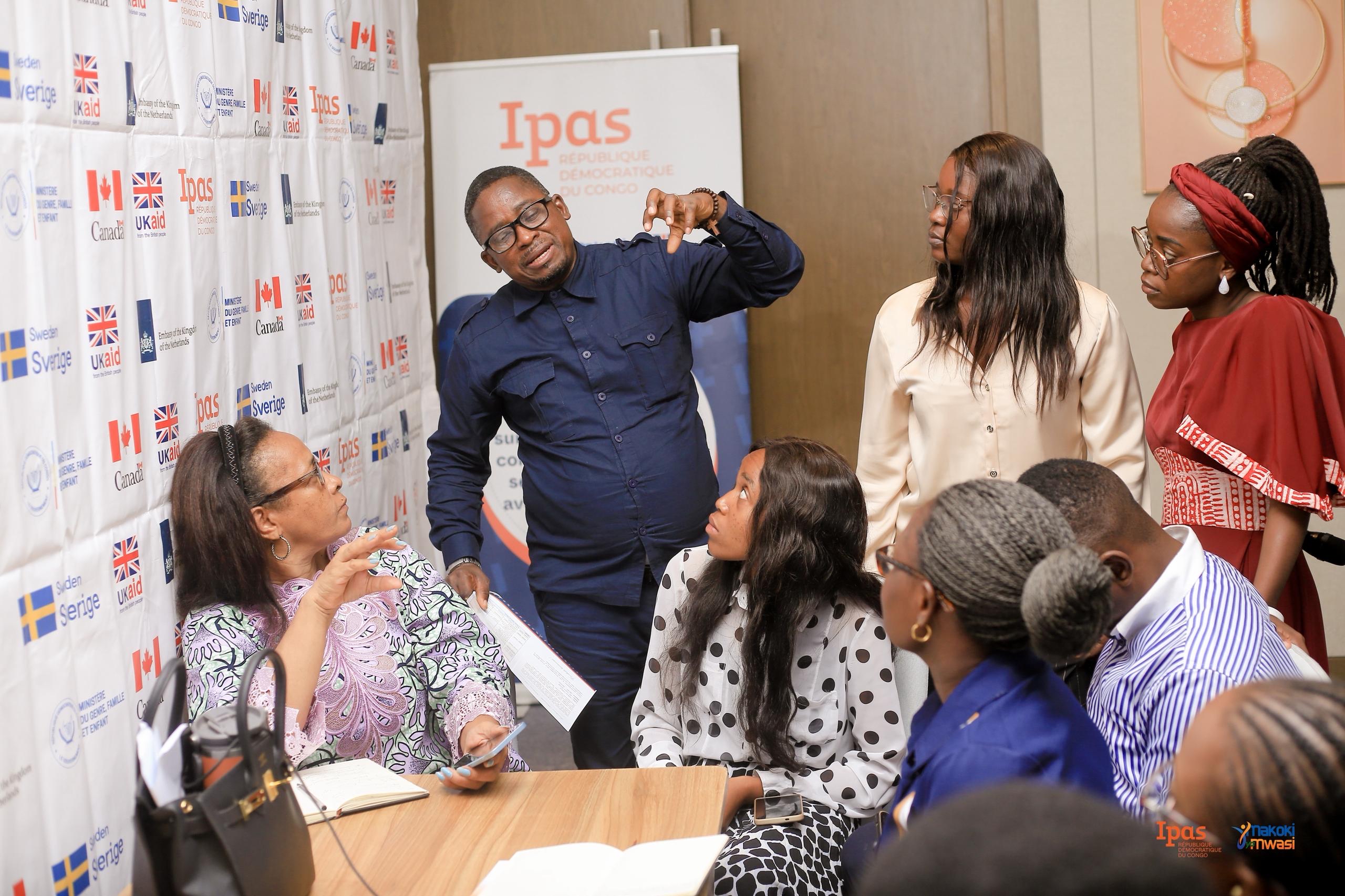
The favorable position toward integrating comprehensive abortion care into UHC represents a critical milestone—but it is not the end of the process. The priority now is clear: to move from political commitment to effective implementation, in a way that is progressive, measurable, and equitable.
This includes :
Beyond technical considerations, this integration represents a broader structural shift. It recognizes that abortion-related care is part of public health realities and must be included in health systems that are equitable, inclusive, and responsive to people’s needs.
For Ipas DRC, integrating comprehensive abortion care into UHC is part of a broader goal: ensuring that every woman and girl can fully exercise her right to bodily autonomy and access safe, respectful, and accessible sexual and reproductive health services.
It represents a strategic opportunity to transform normative commitments into real access to care—and to bring health systems closer to the lived realities of women.
In the DRC, the question is no longer whether these needs exist, but whether public policies will respond in ways that are equitable, sustainable, and grounded in rights.