
Ipas DRC
Non-profit organization
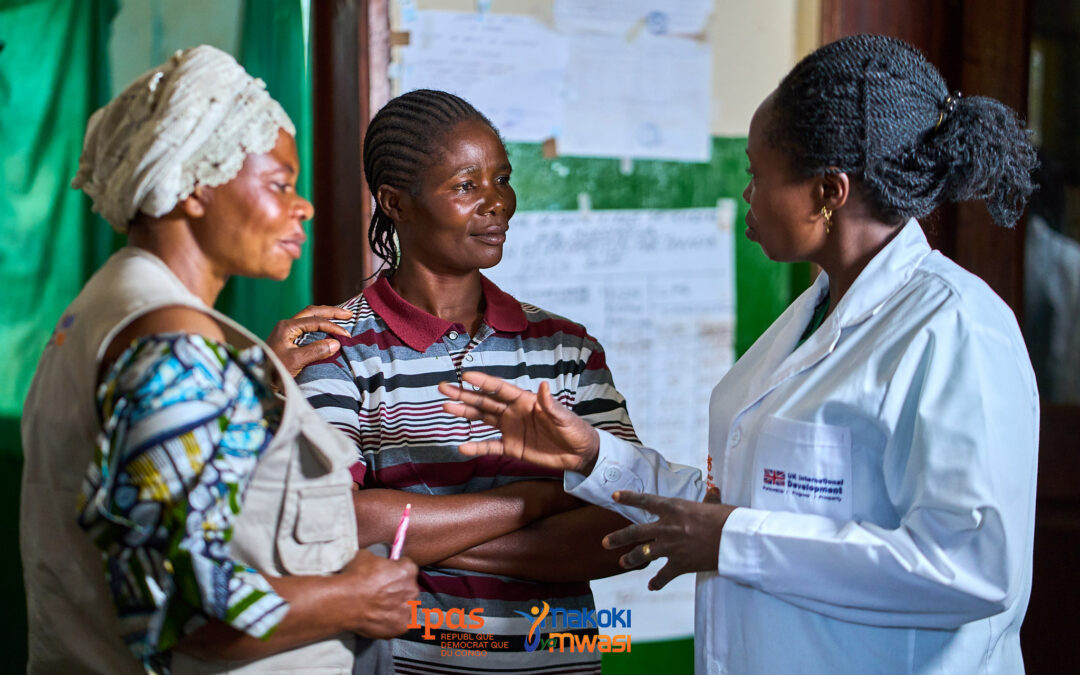
In eastern Democratic Republic of Congo (DRC), decades of humanitarian crisis have led to repeated waves of displacement. The recent closure of several internally displaced persons (IDP) camps has further intensified this situation, with families moving into host communities and informal settlements, particularly in Nyiragongo, Karisimbi, and the city of Goma.
This shifting humanitarian landscape is unfolding amid ongoing insecurity and armed violence, placing sustained pressure on social services and an already fragile health system. As population movements become more dispersed, the way sexual and reproductive health (SRH) services are organized must also evolve.
Service delivery models that were once centered in displacement camps are no longer sufficient to meet the needs of women and adolescents living within host communities. This reality has called for a strategic shift—one that brings essential services closer to where people live and strengthens local health systems in the process.
With support from the Government of Canada through the WISH initiative, Ipas DRC works alongside health authorities and local partners to support continuity and access to essential SRH services for women and adolescents, even in acute humanitarian contexts.
As displaced populations have become more dispersed, health authorities—supported by Ipas DRC and other humanitarian partners—have moved toward integrating sexual and reproductive health services into existing public health facilities and outreach sites.
This approach prioritizes proximity, sustainability, and system resilience. It supports the delivery of comprehensive abortion care, family planning services, care for survivors of gender-based violence, and prevention and treatment of sexually transmitted infections.
Across North and South Kivu, this collaboration has strengthened service delivery in approximately thirty health facilities, primarily in areas hosting large numbers of displaced and vulnerable households. Support has focused on building provider capacity, ensuring the availability of essential commodities, providing supportive supervision, and reinforcing community-based referral mechanisms. Together, these efforts help reduce geographic, social, and economic barriers to care.
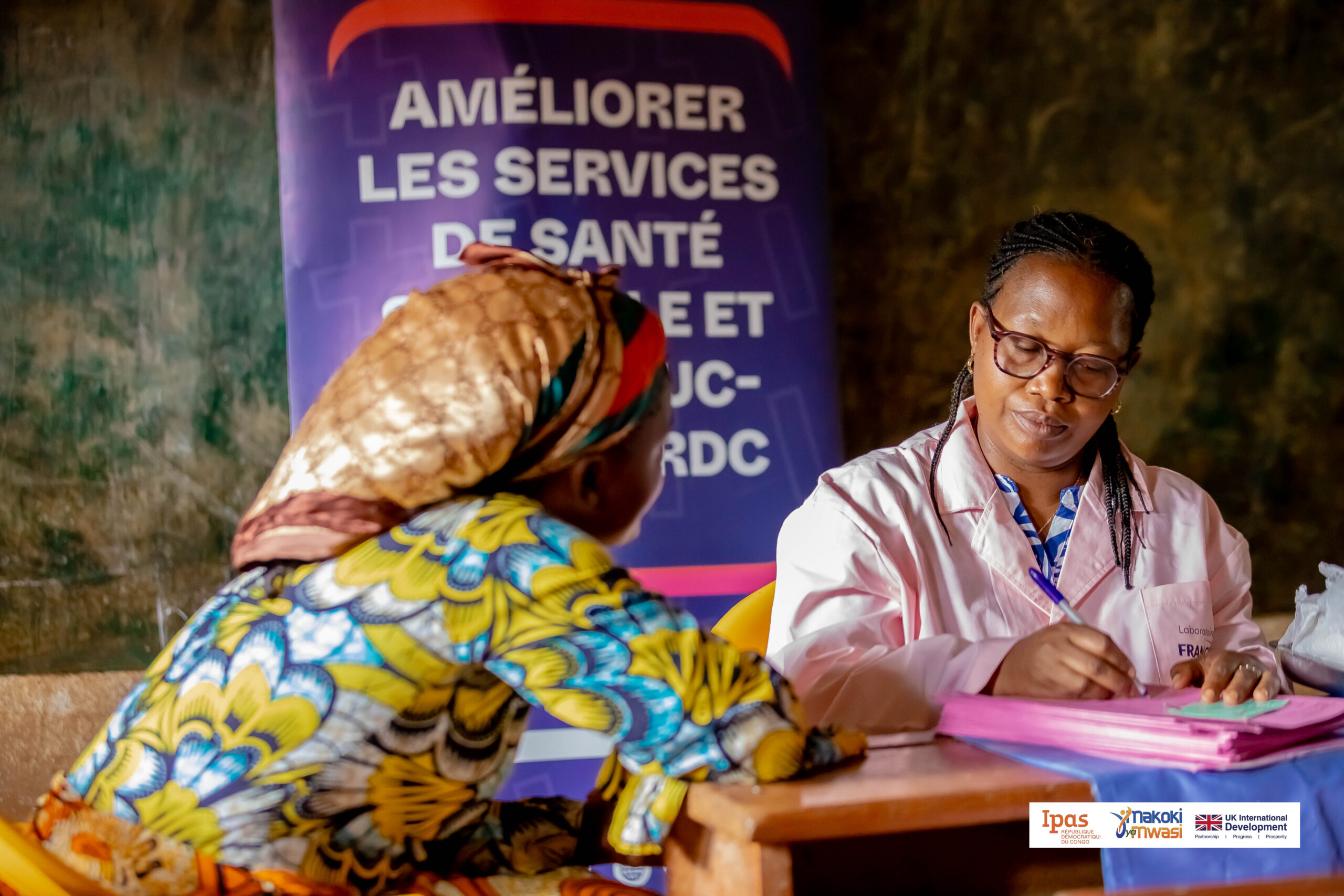
Elikya (name changed), a 29-year-old mother of three, reflects the real-life impact of this integrated approach. After discovering a closely spaced pregnancy that posed serious risks to her health, she was referred by a community health worker to a nearby health facility.
There, she received free, respectful care, including comprehensive abortion services, and was able to choose a contraceptive method suited to her needs.
“Today, I am alive and relieved to be able to space my pregnancies.
I am grateful to those who make these services possible in our community,” she shares.
Her experience underscores the importance of accessible, rights-based sexual and reproductive health services—even in humanitarian settings.
This intervention is grounded in a human rights framework and aligns with national and regional commitments, including the Maputo Protocol. By strengthening health facilities and community referral systems, services are made available, accessible, acceptable, and of quality.
In contexts where access to contraception remains limited and the risks associated with unintended pregnancies are high—often leading to unsafe abortion—integrating comprehensive abortion care and family planning is essential to reducing maternal mortality and supporting women’s bodily autonomy.
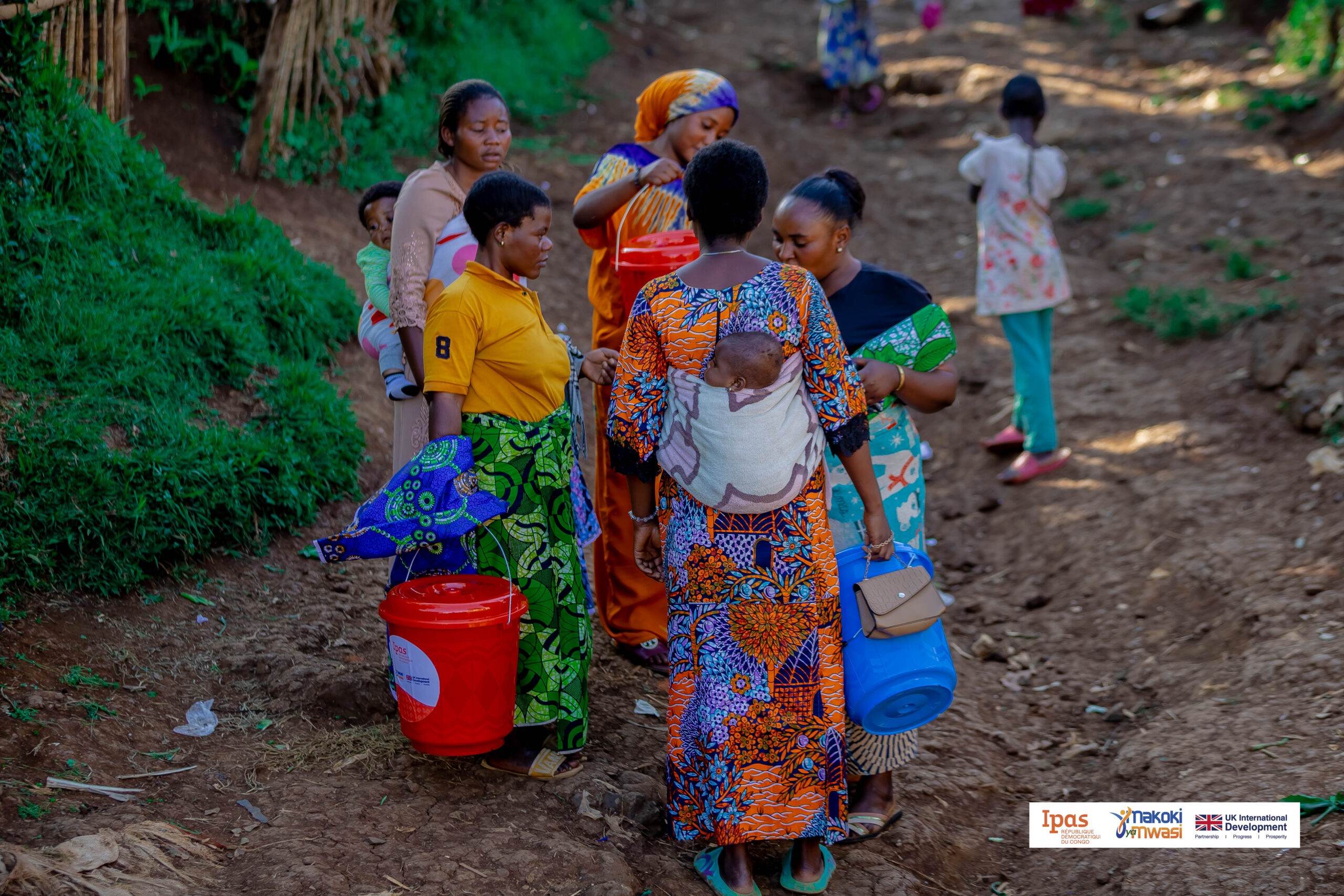
Despite significant operational constraints—including supply chain disruptions, insecurity, and sustained pressure on health workers coordination among health authorities, humanitarian partners, and community actors has made it possible to maintain essential services at the last mile.
Through this collective effort, thousands of women have accessed family planning, comprehensive abortion care, and services for survivors of sexual violence. By sustainably bringing care closer to communities affected by crisis, this approach helps save lives, protect the dignity of women and girls, and strengthen health system resilience in humanitarian settings.

In the Democratic Republic of Congo, motherhood is often celebrated as a blessing. Yet for many women, an unintended pregnancy can quickly become a source of fear and isolation—especially when a partner withdraws responsibility and support. In these moments, women are left to navigate not only social pressure and economic uncertainty, but deeply personal decisions about their bodies and futures.
These challenges are compounded by persistent gaps in access to contraception and sexual and reproductive health care national data reflects this reality :
only 10.9% of women in union use modern contraceptive methods (DHS 2023–2024). Even more concerning, 32% of married or in‑union women who wish to space or limit births are unable to access their preferred family planning methods,. and in 2024, just 21% of family planning demand was met. For many women, this means facing unintended pregnancies without the information, services, or support needed to make informed choices.
At 26, Matondo (name changed) is already a mother to a young daughter. When she became pregnant again, she did not realize it immediately. With an irregular menstrual cycle, the signs were unclear.
“My cycle is irregular, and if I said I know how to calculate it, I would be lying—I don’t,”
she explains.
When she eventually learned she was pregnant, the shock was compounded by her partner’s response: he refused to acknowledge the pregnancy and left her to face the situation alone. With no stable income, no independent housing, and no support from the child’s father, Matondo felt overwhelmed by the weight of expectations placed on her. Unsure of what to do, and struggling emotionally, she decided to seek help at the Center of Excellence within the Kintambo Maternity—one of the facilities supported by Ipas DRC.
“I had so many thoughts about this pregnancy,” she recalls. “I kept asking myself whether I would be able to care for another child, especially since I was living with my aunt. I felt lost. That’s when I decided to go to the Center of Excellence at the Kintambo Maternity.”
Until recently many women in the DRC had no access to safe, regulated abortion care. This forced countless women into unsafe and clandestine practices, with devastating consequences for their health and lives.
The country’s accession to the Maputo Protocol in 2018 marked a critical turning point. The protocol affirms women’s rights to sexual and reproductive health, including access to safe abortion under specific circumstances such as rape, incest, or risks to a woman’s physical or mental health. While legal reform alone is not enough, it provides an essential foundation for rights‑based care.
When Matondo arrived at the health facility, it was clear that her emotional state required as much attention as her physical health.
“She was deeply distressed,” explains Aimée Olenga, the midwife who accompanied her.. “She felt trapped, unable to cope with the situation she was facing. At one point, she told me she saw only two options—having an abortion or ending her own life.”
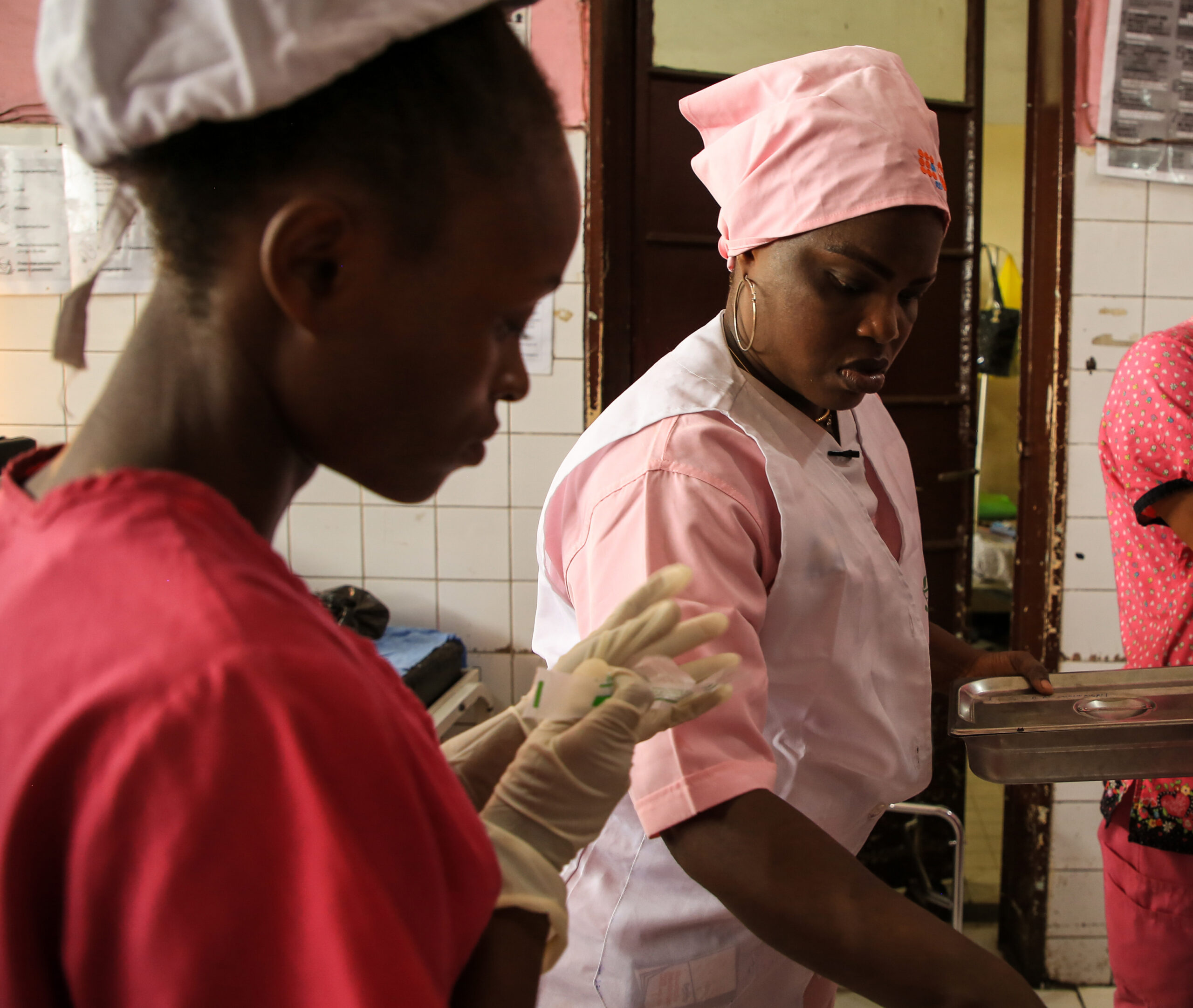
Through patient listening, counseling, and respectful care, Matondo was supported through a safe abortion process that prioritized her dignity, well‑being, and choices. Afterward, she described feeling calmer and relieved—for the first time able to think clearly about her future. Psychological support, Aimée emphasizes, is not optional. It is a core part of care—helping women rebuild confidence, reclaim agency, and move forward without fear or shame.
Matondo’s experience highlights how access to respectful, rights‑based care depends on a strong and well‑structured health system.
Ipas DRC works to build a sustainable abortion ecosystem that enables women to fully exercise their sexual and reproductive health and rights. To do so, the organization supports the delivery of comprehensive, woman‑centered abortion care (CAC) by strengthening the health system, particularly the capacity of health care providers.
Active listening, emotional support, and respectful counseling are part of the rights‑based and quality‑of‑care approach promoted by Ipas, which guides how services are delivered. Family planning remains a core component of the broader sexual and reproductive health and rights continuum.
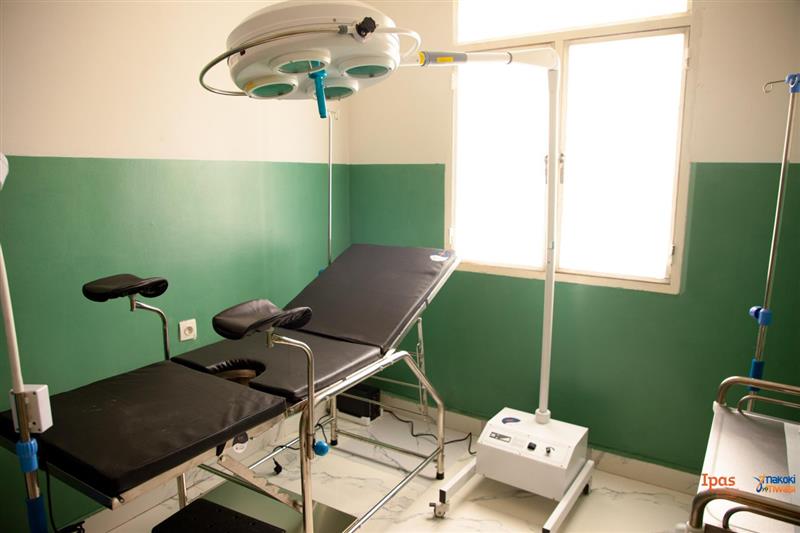
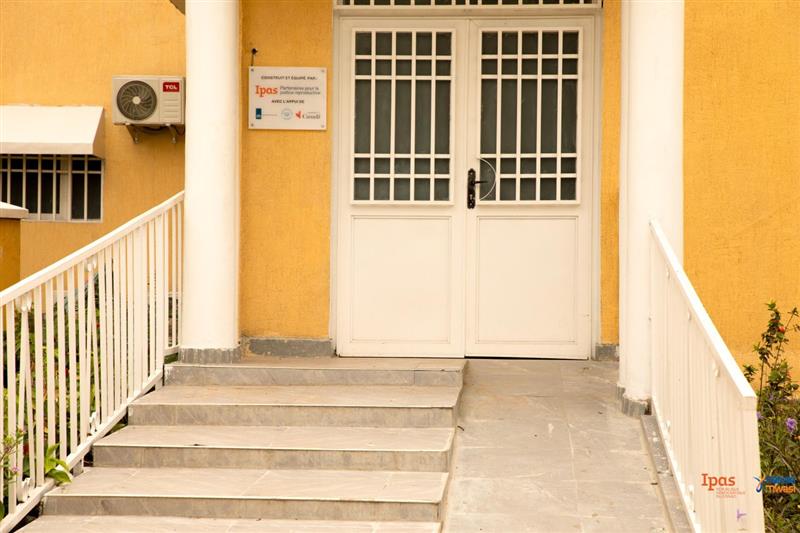
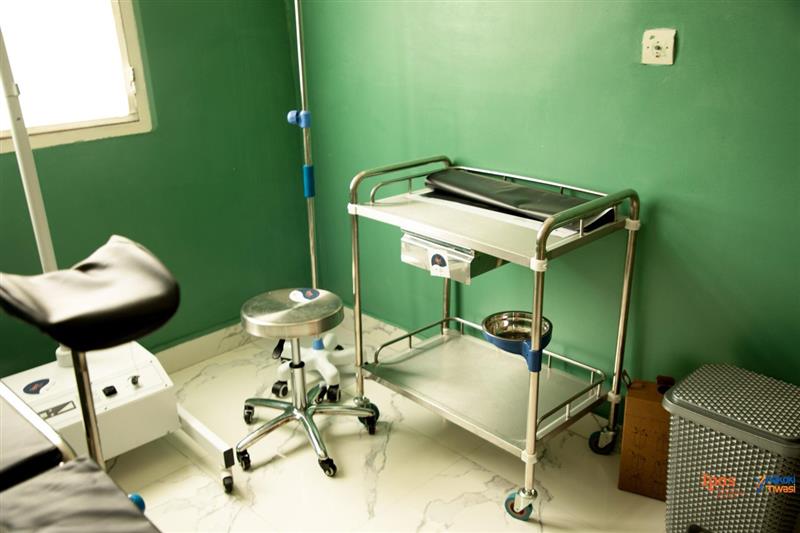
By strengthening health systems and centering women’s autonomy, Ipas DRC is contributing to lasting reductions in maternal morbidity and mortality—and ensuring that women and girls can make decisions about their bodies safely, freely, and with dignity.These centers provide safe abortion and family planning services, reducing the risks associated with unsafe practices and improving the overall quality of care for women and adolescents.

The Democratic Republic of the Congo’s accession to the Maputo Protocol on the Rights of Women in Africa raised great hopes for millions of Congolese women and girls. The government has taken steps to transform this historic achievement into tangible services, accessible without stigma or rejection. The standards and guidelines for comprehensive, woman-centered abortion care, developed by the Ministry of Health through the National Health Program of reproduction with the support of Ipas DRC and civil society, mark a crucial stage in the implementation of the Protocol.
Despite these advances, the real effectiveness of the services remained uncertain. Contradictions between the Protocol and national legislation, persistent stigmatization and clients’ fear of arrest were holding back access. Ensuring safe and sustainable pathways to information adapted to the local context remained a major challenge.

It is in this context that Ipas DRC, in collaboration with the Coordination in charge of youth and the fight against gender-based violence gender-based violence within the Office of the President of the Republic, has strengthened the national hotline. This enables survivors to report sexual and gender-based violence, seek emergency assistance and benefit from specialized medical care. The extension of line 122 to the Kintambo and Makala Centers of Excellence now offers the possibility of being directly connected to a midwife or doctor, translating progressive laws into concrete services.
In its mission to protect and promote sexual and reproductive rights, Ipas DRC trained twelve call center agents in Kinshasa. Over a period of four days, they learned how to listen actively to ensure respectful care, how to communicate about the Maputo Protocol and safe abortion, how to refer without discrimination to medical, psychosocial and legal services, and how to clarify values and attitudes towards abortion. At the end of the training, the agents committed themselves to respecting sexual and reproductive rights and referring clients to centers of excellence.

With the support of the Swedish fund, Ipas DRC is supporting the expansion of line 122 in order to strengthen the accessibility of services for survivors, increase its use by communities and respond more effectively to the urgent needs of survivors of gender-based violence.
In response to the upsurge in violence in the Democratic Republic of Congo, the Presidency and the Ministry of Gender, Family and Children have set up this free telephone hotline to report cases of sexual and domestic violence, exploitation and abuse in complete safety. Today, 122 is an essential mechanism for directing victims, witnesses or relatives to rapid and appropriate care. Its aim is to guarantee immediate and confidential access to survivors, facilitate their referral to the appropriate structures, and promote a coordinated and holistic response to victims’ needs.

Ipas DRC works with local partners to educate all relevant stakeholders, including women and communities, about women’s newly expanded right to access safe abortion.
In collaboration with the Ministry of Health and key partners, we have helped develop new standards and guidelines for comprehensive abortion care that align with the Maputo Protocol, and we are now working to ensure their full implementation. We also train health care providers to offer abortion and contraception services, and we partner with community organizations and community health workers to ensure that women and girls have access to these services.