Ipas DRC
Non-profit organization
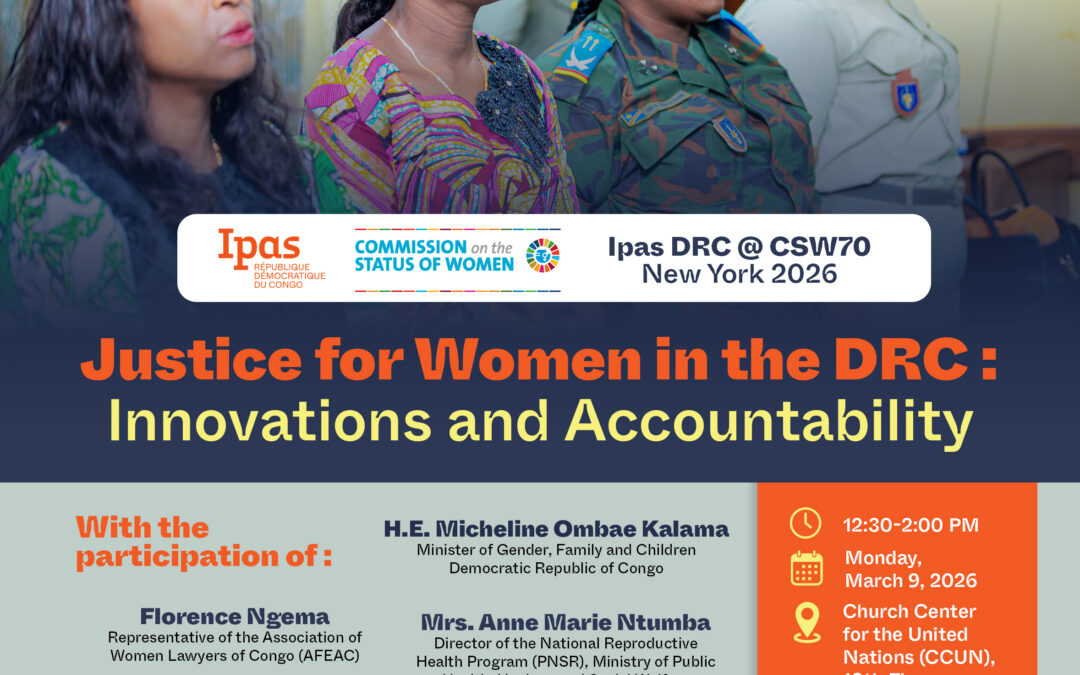
For several years, Ipas DRC has engaged in regional and global advocacy spaces to help shape the legal, policy, and institutional environments that determine women’s and girls’ access to sexual and reproductive health and rights in the Democratic Republic of Congo. The United Nations Commission on the Status of Women (CSW) remains a critical global forum for advancing gender equality, social justice, and human rights.
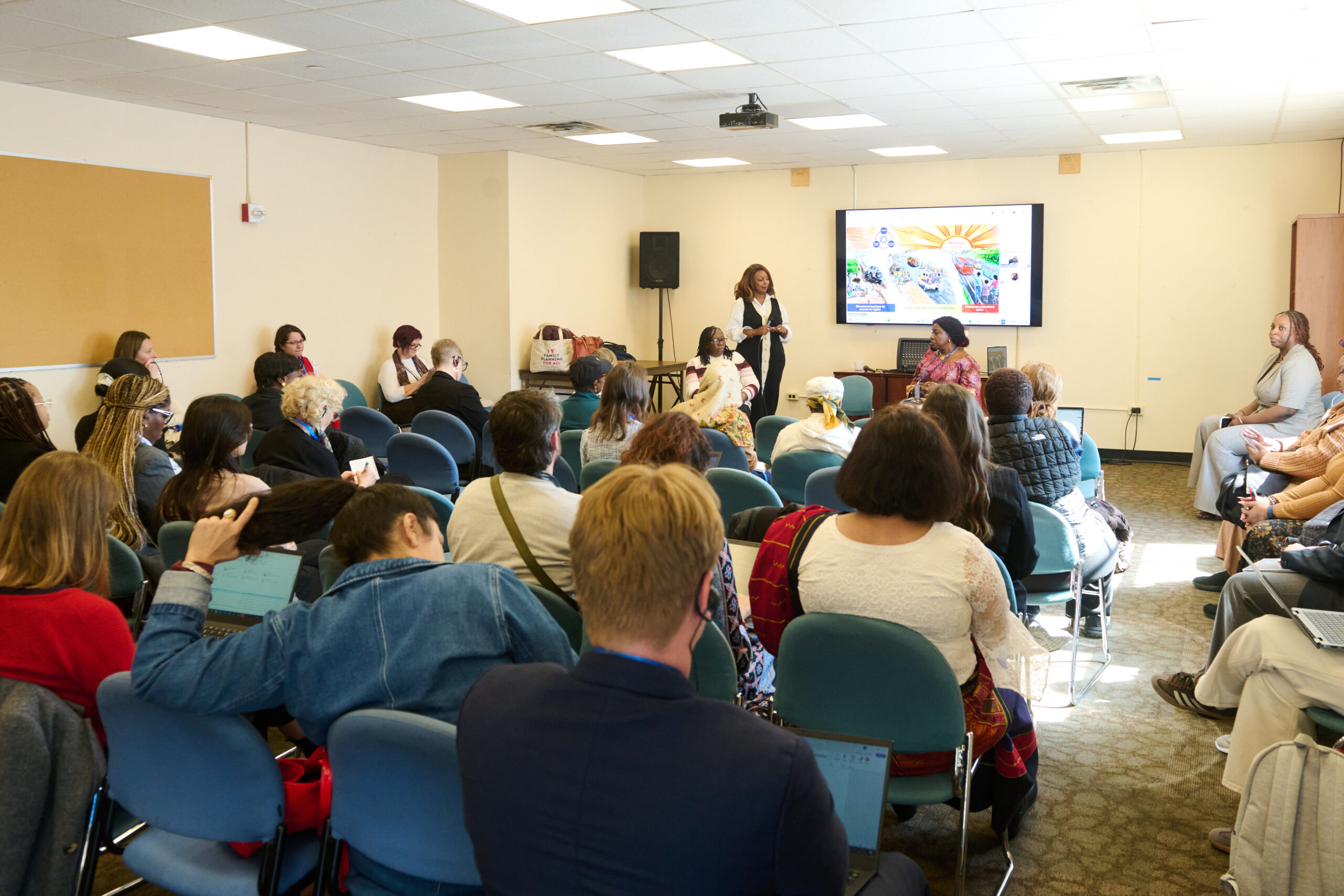
For Ipas DRC, participation in these international spaces is a strategic opportunity to influence global norms, support the effective implementation of the Maputo Protocol in the DRC, and reinforce the legitimacy of national reforms on sexual and reproductive rights.
As part of this broader advocacy effort, Ipas DRC took part in the 70th session of the CSW, held in New York from March 9 to 19, 2026, alongside a high‑level national delegation bringing together leaders from the justice sector, the health system, and civil society, under the patronage of the Minister of Gender, Family, and Children. The discussions reaffirmed the Congolese government’s commitment to advancing and protecting the sexual and reproductive rights of women and girls.
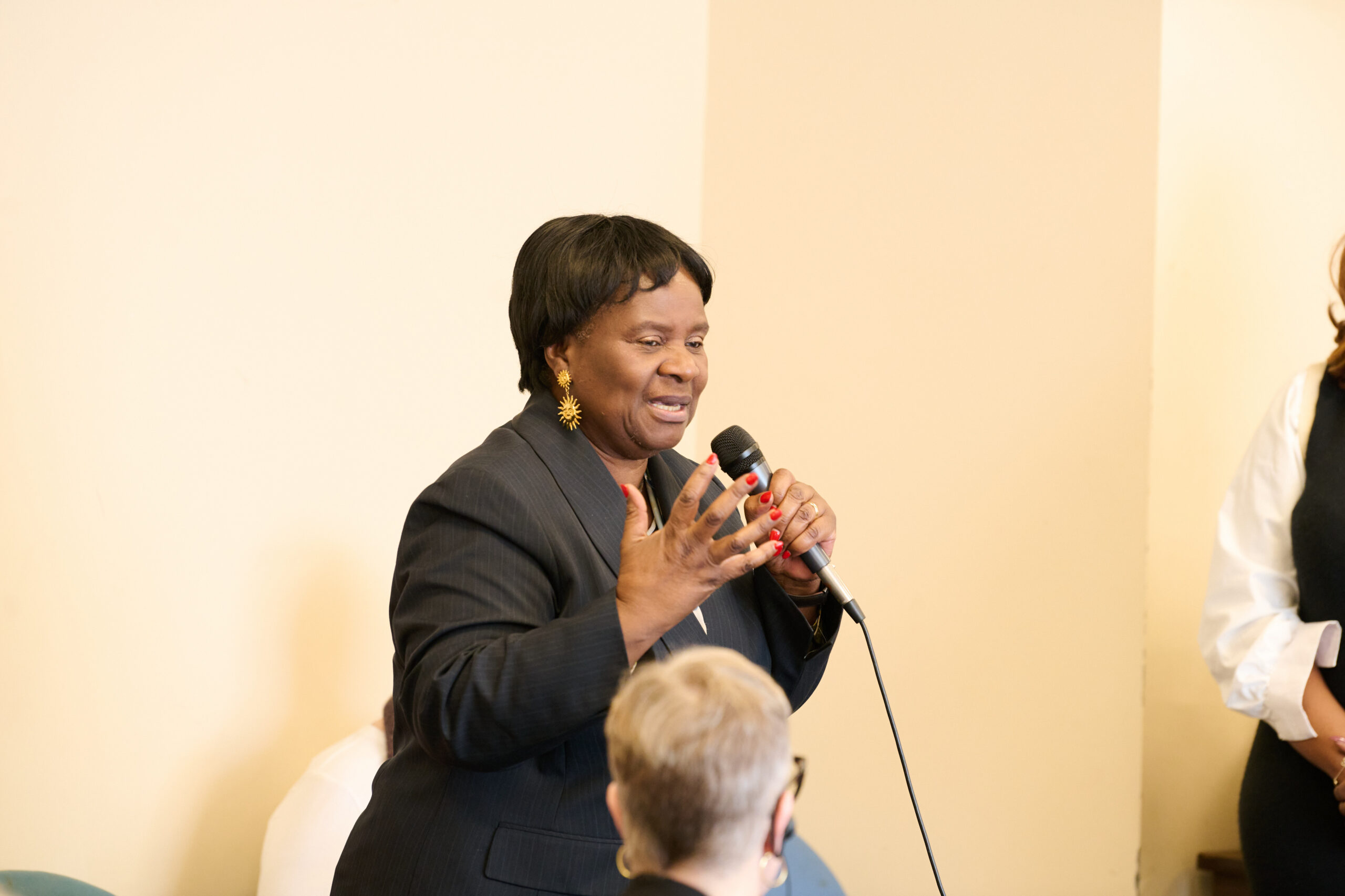
Conversations at CSW70 highlighted tangible progress in legal reform and institutional accountability, including the training of more than 5,000 magistrates, the establishment of judicial focal points, and the issuance of a directive by the High Council of the Judiciary. These measures are helping to improve how abortion‑related cases are addressed within the justice system and to strengthen protections for women’s rights, including in fragile and humanitarian contexts.
At the same time, participants emphasized that legal progress alone is not enough. Limited community awareness, persistent stigma, and uneven enforcement of the law continue to disrupt women’s access to care. In response, Ipas DRC shared its approach to building a sustainable abortion ecosystem—one that strengthens the capacity of health and justice actors, expands access to accurate information, and improves service quality and institutional accountability.
Strong advocacy also called for the integration of comprehensive abortion care into Universal Health Coverage as a critical pathway to sustainably reducing maternal mortality. While data presented point to a decline in deaths linked to unsafe abortion, adolescent girls and young women aged 15–19 remain disproportionately affected. The importance of holistic care for survivors of sexual violence—including medical, legal, and psychosocial support—was also underscored, alongside the need for continued vigilance in the face of persistent global opposition to sexual and reproductive rights.
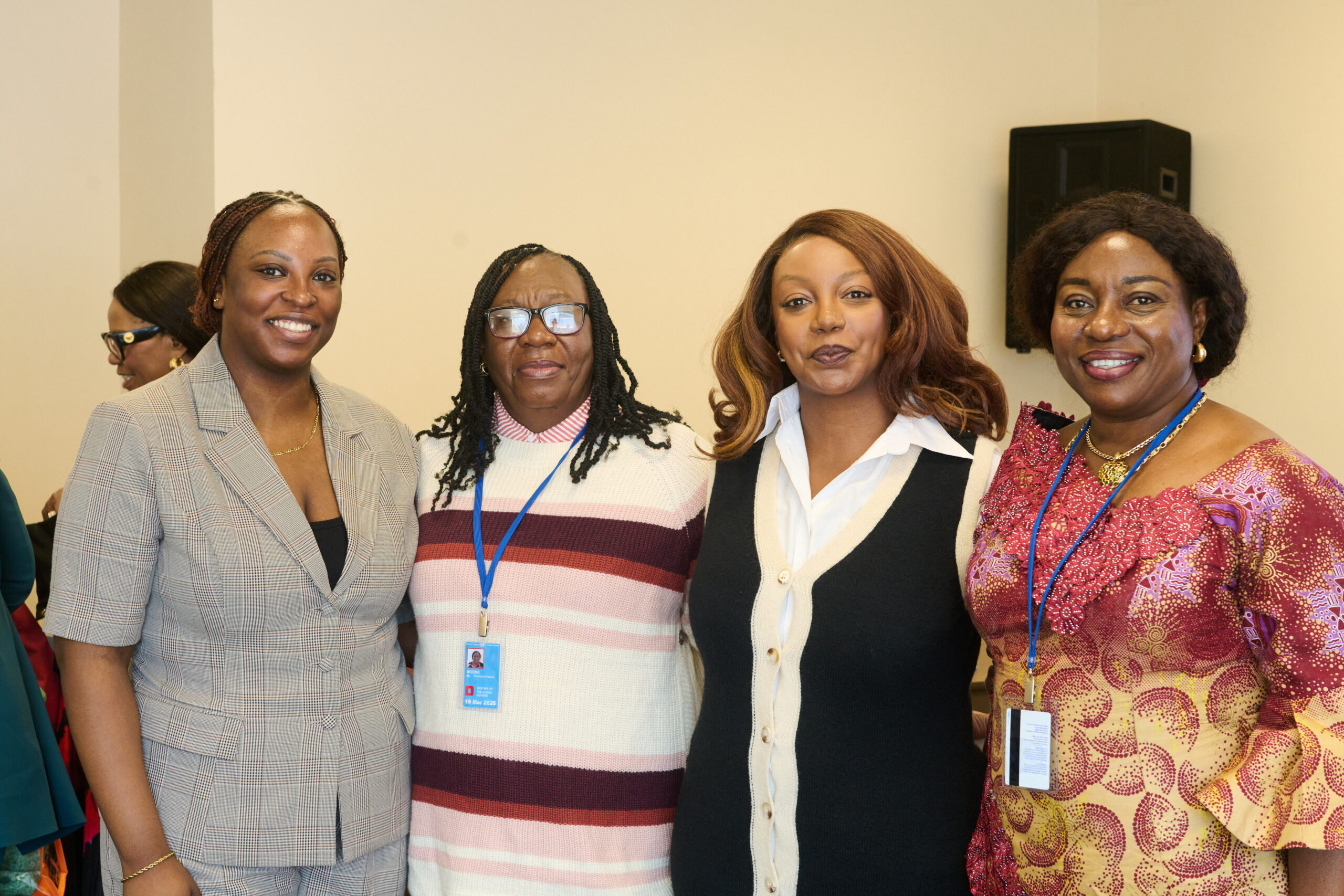
Through its participation in CSW70, Ipas DRC reaffirms its conviction that realizing women’s sexual and reproductive rights requires coordinated action across the justice and health systems, anchored in strong institutional accountability, to ensure rights‑based, accessible, and sustainable care pathways for all women and girls.
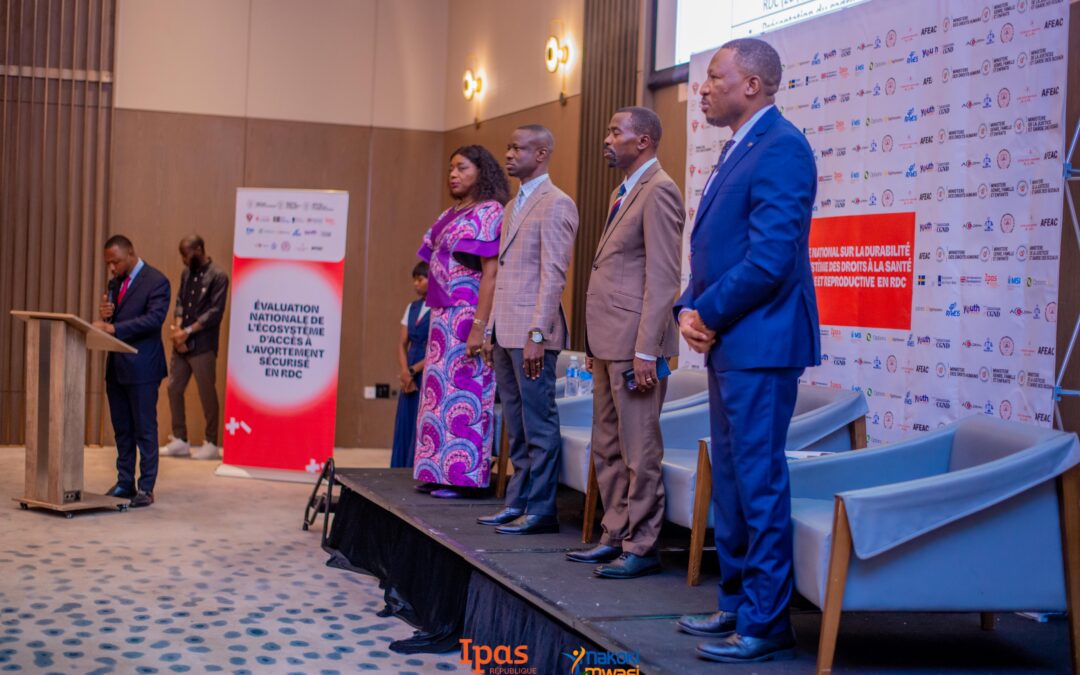
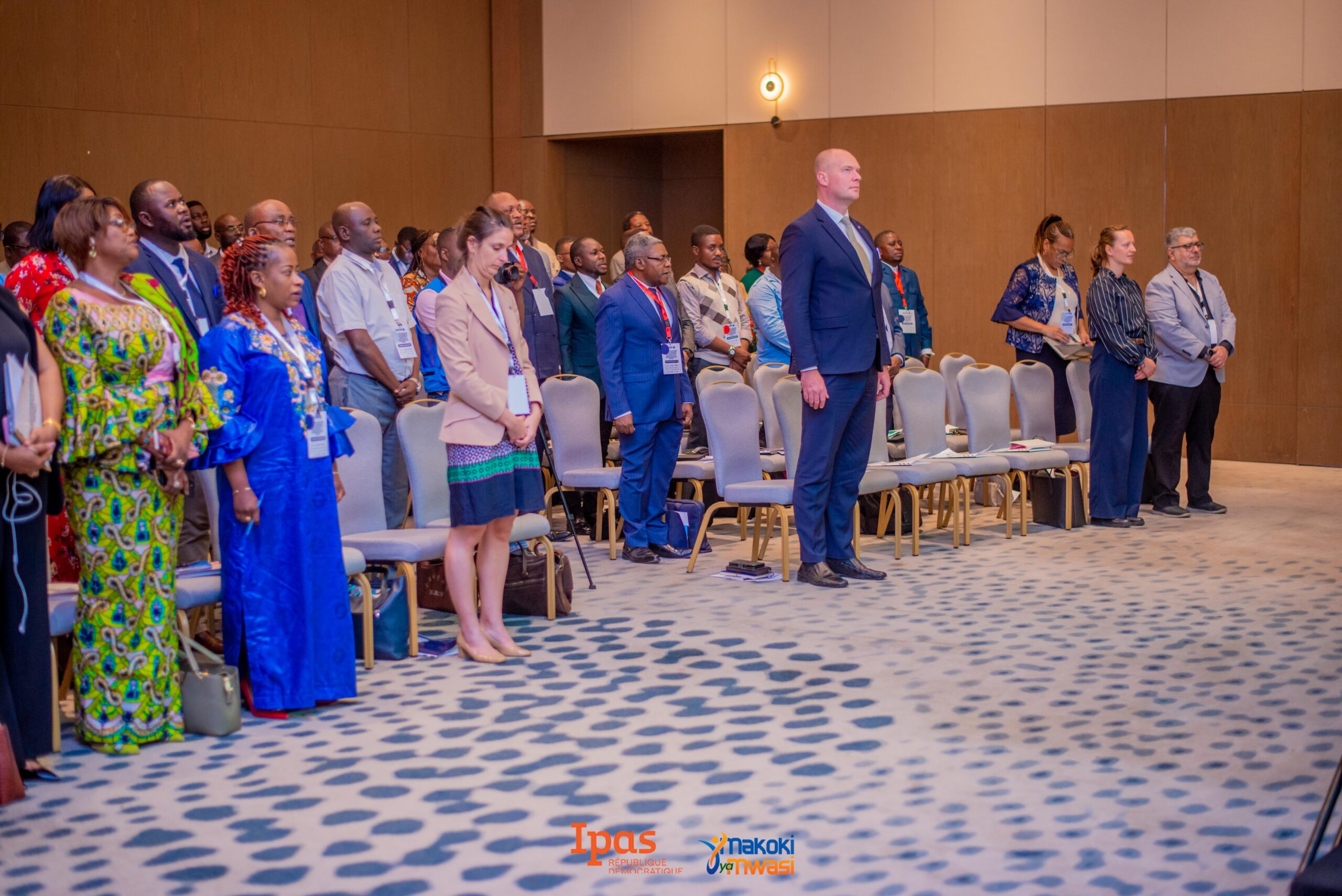
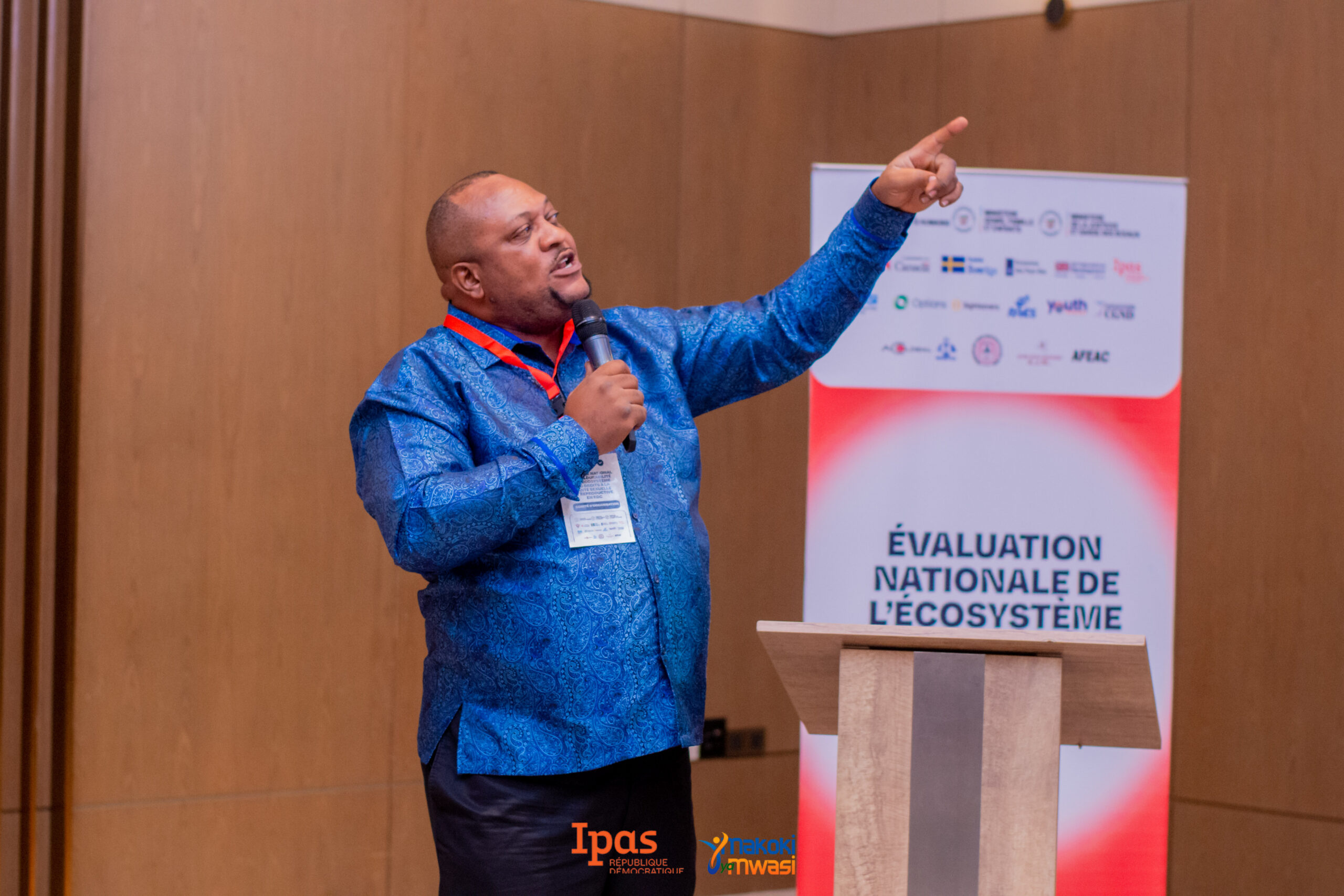
Organized in Kinshasa in October 2025 by the Ministry of Health, in partnership with Ipas RDC and made possible by funding from the FCDO as part of the WISH2 project, the second national dialogue on the sustainability of the sexual and reproductive health rights ecosystem brought together institutional players, technical partners and civil society, strengthening collaboration between international partners and national institutions.
Four years after the first edition in 2021, this meeting marked a decisive step in the evolution of policies and practices related to safe abortion in the Democratic Republic of the Congo, enabling an assessment of the progress made, highlighting persistent challenges and consolidating a common vision centered on women’s bodily autonomy and dignity.
In a context marked by persistent stigma surrounding abortion, restrictive legal interpretations, and uneven political commitment, conducting a second assessment was far more than a routine monitoring exercise—it was a strategic imperative. Since 2021, the abortion and contraception ecosystem in the DRC has evolved within an unstable environment, shaped by shifting national priorities alongside a broader regional and global rise in conservative and anti‑rights discourse.
Against this backdrop, updated and objective evidence was needed to assess not only progress achieved, but also the resilience of the ecosystem itself. This second assessment was designed to inform public action and advocacy, strengthen institutional ownership of SRHR commitments, and consolidate a shared vision grounded in rights, health, and the dignity of women and girls.
The first national dialogue, held in 2021, marked a foundational milestone. For the first time in the DRC, stakeholders came together around a shared diagnosis of the abortion and contraception ecosystem. This assessment highlighted major bottlenecks, including limited awareness of reproductive rights, persistent stigma, fragmented interventions, and a still‑weak institutional framework despite the country’s adherence to the Maputo Protocol. Crucially, it also created an unprecedented space for dialogue among government institutions, technical partners, and civil society actors.
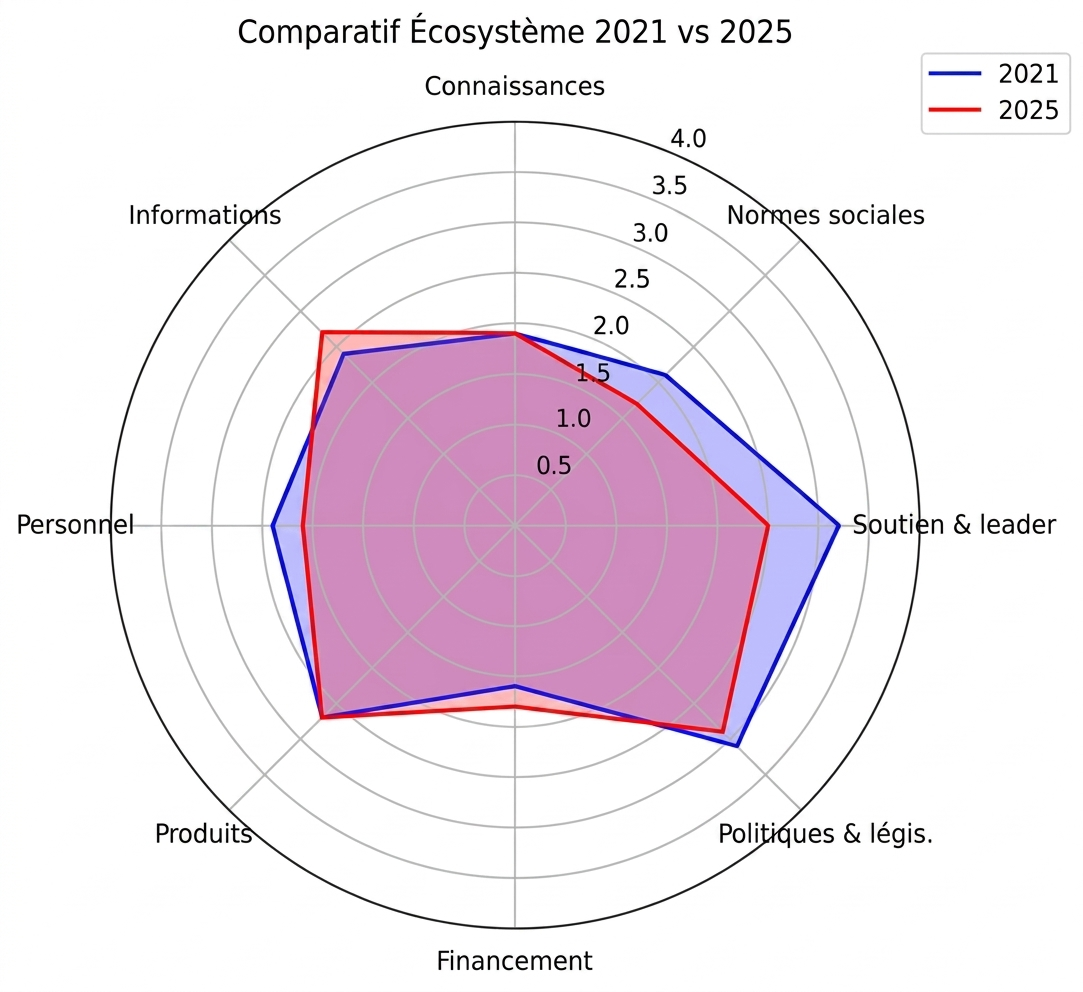
Four years later, the second assessment reflects a clear shift in ambition. Rather than simply documenting gaps, the objective was to measure change: to identify areas of progress, stagnation, or regression, and to better inform future strategic choices. Using the Sustainable Abortion and Contraception Ecosystem Assessment tool, stakeholders were able to move from an initial snapshot to a dynamic analysis of ecosystem evolution—supporting more targeted, coordinated, and accountable action.
Between 2021 and 2025, the ecosystem transitioned from an embryonic stage to one characterized by measurable—though still fragile—transformation. Comparative scoring points to notable advances across several components, particularly in access to information and resource mobilization. These gains signal growing momentum and a stronger structuring of actors across the ecosystem.
Progress, however, has been uneven. Several critical areas show stagnation or even decline. Social norms remain deeply shaped by taboo, while political support and leadership continue to suffer from inconsistent follow‑through on commitments and recommendations. Health workforce capacity and service delivery face persistent structural challenges, including insufficient training, provider resistance, and shortages of specialized personnel. This mixed picture underscores the vulnerability of recent gains in the absence of sustained political and societal engagement.
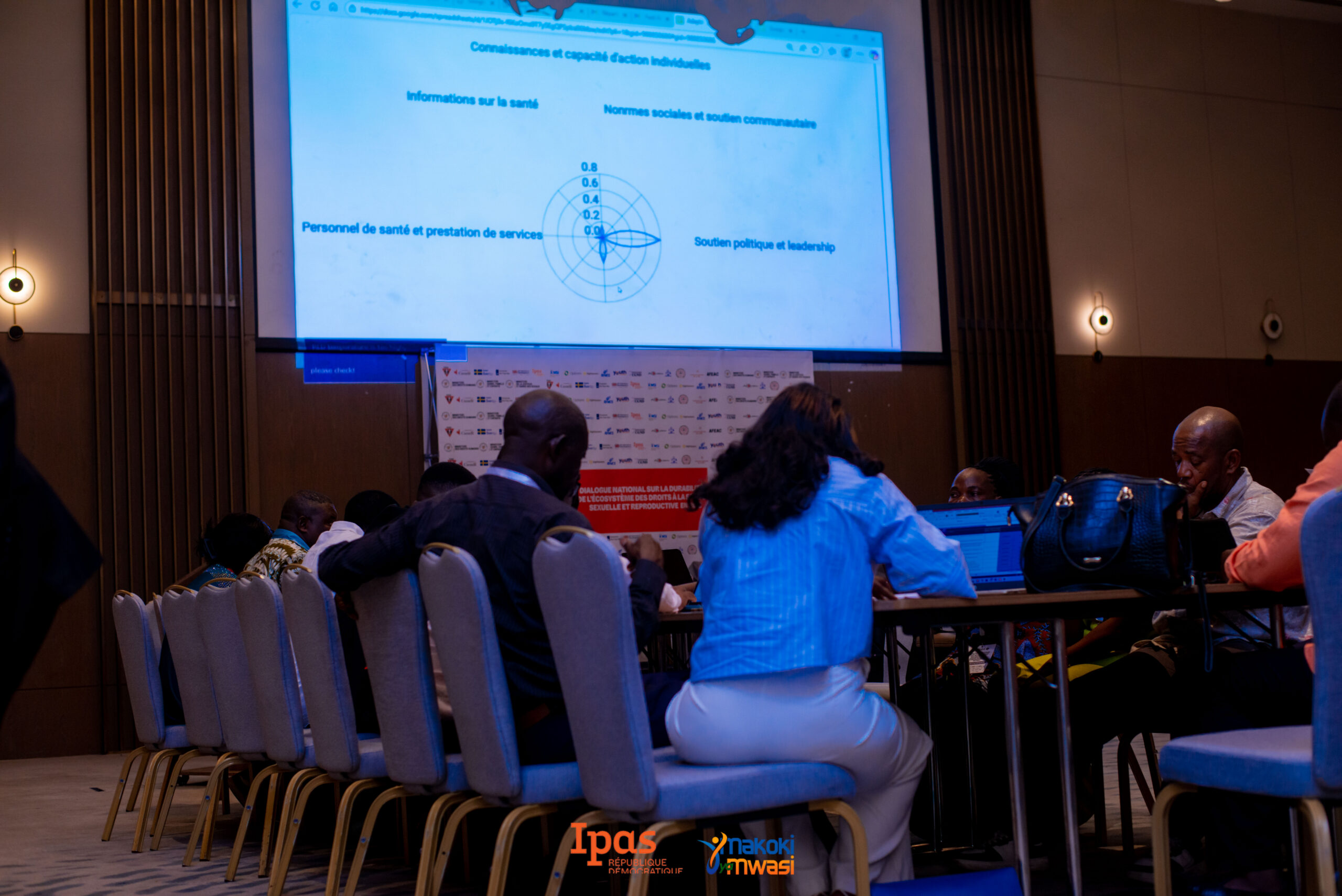
Beyond its findings, the second national dialogue stood out for the rigor of its process and the strength of institutional leadership. Held over three days, the dialogue enabled structured consultation and collective priority‑setting firmly anchored in national policies and frameworks. The Ministry of Health played a central role, with engagement from the Minister of Health, oversight by the Secretary‑General for Health, and the active involvement of the National Reproductive Health Program (PNSR).
Opening the dialogue, Dr. Anne‑Marie Ntumba, Director of the PNSR, underscored the significance of this collective effort:
“ This dialogue is part of a dynamic aimed at promoting the health and well-being of all women and girls in our country. In line with our institutional and interventional commitment to the Maputo Protocol, we know that unsafe abortion remains one of the main causes of maternal death in our country. It’s our duty to think about how we can offer safe, high-quality services that are accessible to all those who need them. “
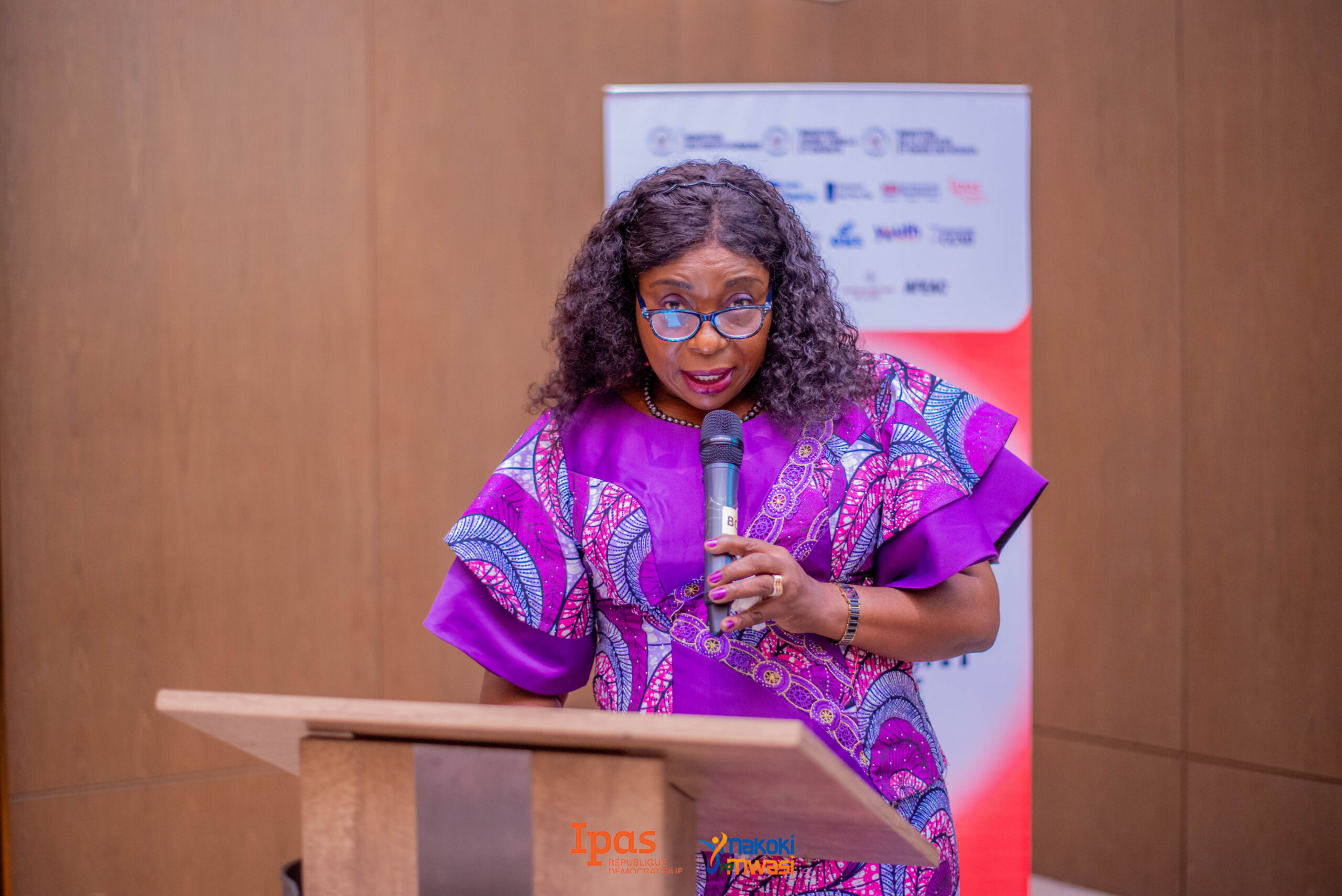
Discussions were further enriched by strong contributions from civil society representatives and healthcare professionals. Marie‑Chantal, a magistrate and member of the Association of Women Magistrates of the Congo (AFEMAC), stressed the urgent need to harmonize national legislation in order to fully domesticate the Maputo Protocol. Dr. Berry Kikenda, from the Congolese Society of Gynecologists and Obstetricians (SCOGO), called for strengthened community‑level awareness‑raising to help dismantle enduring taboos around abortion.
Ultimately, the second national dialogue reaffirmed the role of the State as a central actor in ensuring the sustainability of the SRHR ecosystem, while strengthening coordination and access to information across stakeholders. It helped move the conversation beyond a narrowly technical approach toward a rights‑based vision grounded in dignity and public accountability.
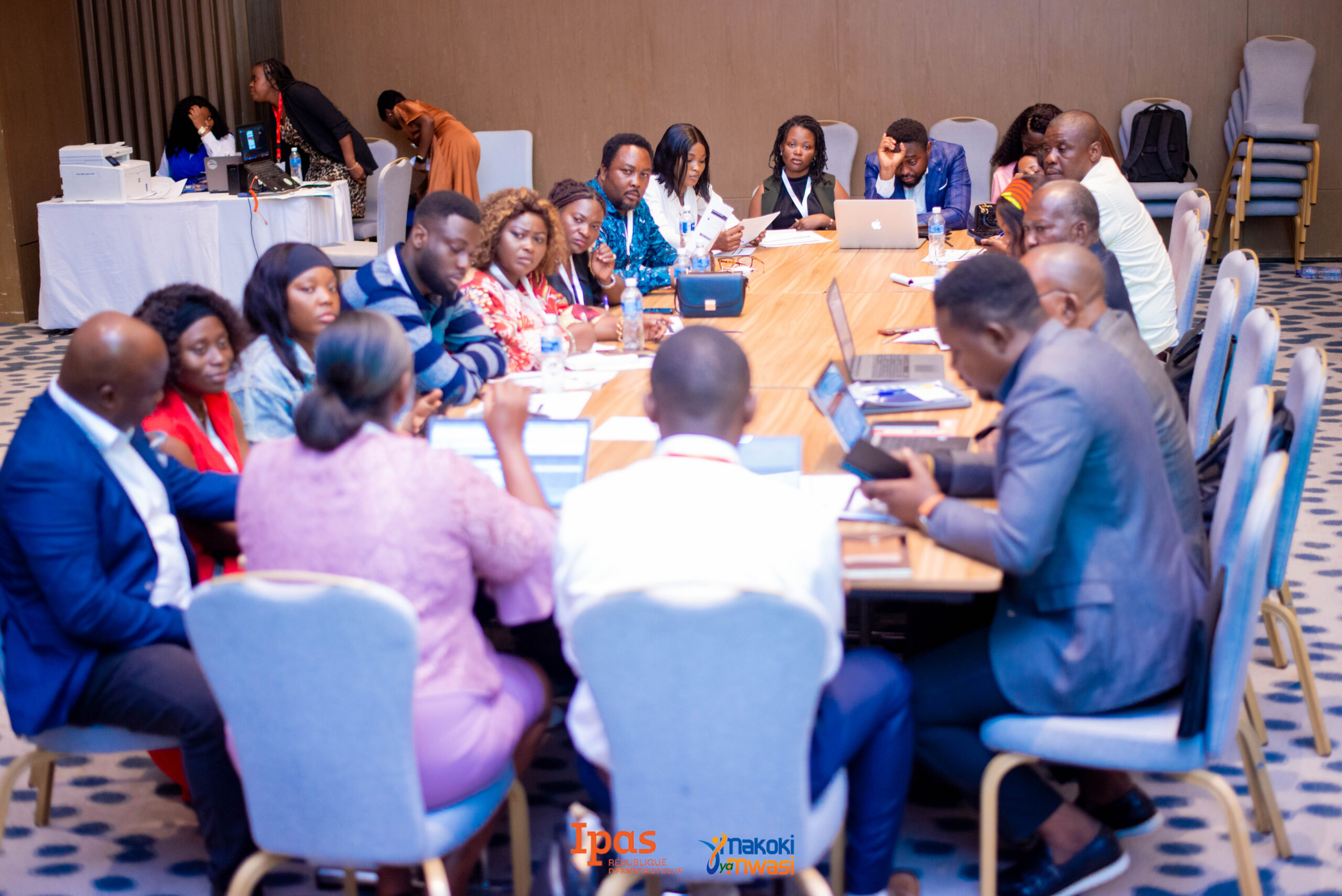
At the close of the dialogue, participants endorsed the development of a 2025–2028 roadmap, to be led by the Working Group on Comprehensive Abortion and Contraception Care centered on women, embedded within the Ministry of Health. This framework will guide follow‑up, advocacy, and coordination efforts, with continued support from Ipas DRC, to translate evidence and commitments into lasting progress for women’s health and bodily autonomy in the DRC
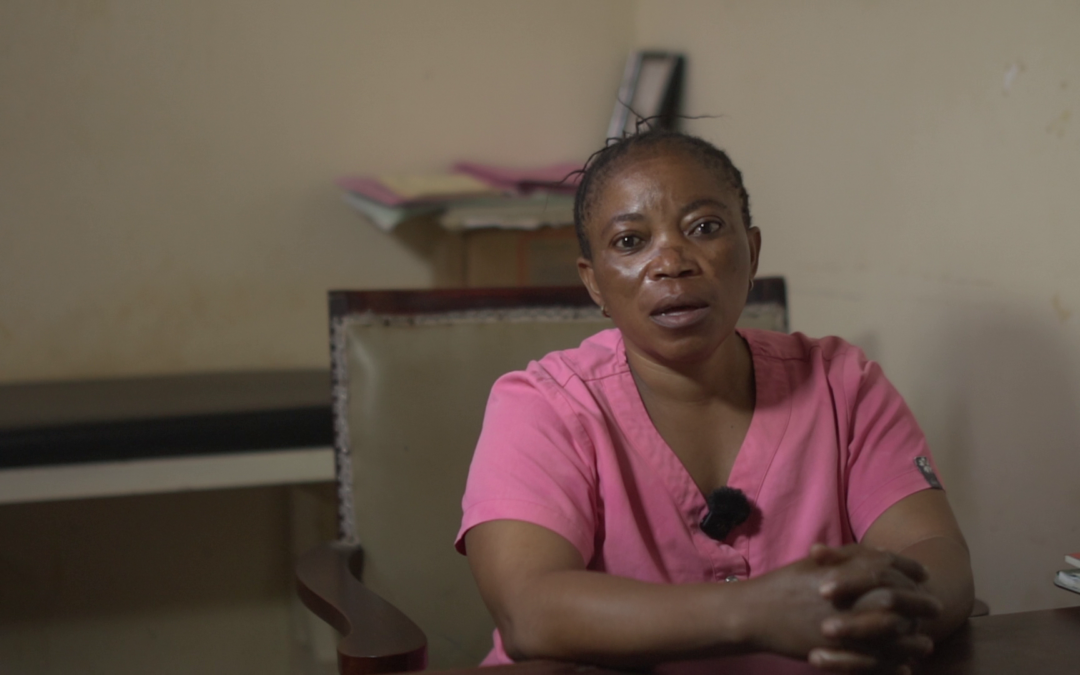
In conflict‑affected settings, where insecurity threatens lives every day, midwives are often the first—and sometimes the only—line of protection between women and the life‑threatening risks associated with pregnancy and reproductive health. In the Beni region of eastern Democratic Republic of Congo, Kavira Alphonsine, a 34‑year‑old midwife at the Kanzulinzuli Health Center, stands at the heart of this frontline response.
Each day, Kavira supports women and girls facing unintended pregnancies, the consequences of sexual violence, and persistent barriers to accessing sexual and reproductive health services. Her work takes place in an environment shaped by armed conflict, displacement, and chronic insecurity—where access to care can mean the difference between life and death.
Through her daily practice, Kavira embodies the critical role midwives play in delivering Comprehensive Abortion Care centered on the woman (CAC) and family planning services, in line with national standards derived from the domestication of the Maputo Protocol. This legal framework recognizes women’s and girls’ right to access safe abortion care under clearly defined conditions in the DRC.
Kavira’s skills have been strengthened through continuous training, supervision, and peer‑learning spaces supported by Ipas DRC under the Makoki ya Mwasi project, with funding from the Swedish International Development Cooperation Agency (Sida). These capacity‑strengthening efforts have deepened her understanding of safe abortion—not as a moral issue, but as a fundamental matter of public health and human rights, particularly in conflict‑affected settings where sexual violence is widespread.
During consultations, Kavira accompanies women and adolescents through pathways often marked by fear, misinformation, and stigma. Her role goes far beyond clinical care. She listens, informs, and explains—creating the conditions for each person to make a free and informed decision, whether related to contraception or access to safe abortion care, always with respect for confidentiality, dignity, and medical standards.
“Every woman who walks through the door of this health facility has the right to be heard and respected in her decision,” she explains. “Many come with fear or uncertainty. My role is to help them understand that they have legal and safe options, and that the health system is here to support them—without judgment.”
Thanks to this person‑centered approach, women who once feared contraceptive methods are now choosing options that align with their needs and life plans. Adolescents—often silenced by taboos surrounding sexuality—find in Kavira a safe space to ask questions and access age-appropriate services. Each decision made freely and with access to accurate information strengthens the bodily autonomy of women and adolescents, while facilitating access to quality sexual and reproductive health services—an essential foundation for reducing the risks associated with unintended pregnancies and unsafe care.
Through the commitment of providers like Kavira, Ipas DRC contributes to strengthening the national health system, in alignment with the priorities of the Ministry of Health and the National Reproductive Health Program (PNSR). By supporting continuous professional development for midwives, integrating comprehensive abortion care services, and promoting the dissemination of Maputo Protocol standards, Ipas works to ensure sexual and reproductive health services that are accessible, acceptable, high‑quality, and rights‑respecting.
For Kavira Alphonsine, being a midwife in this context is more than a profession—it is a daily commitment to saving lives, restoring dignity, and strengthening the decision‑making power of women and girls, even in the most fragile environments. Her journey illustrates how, with structured institutional support and a protective legal framework, health care providers become key agents of reproductive justice and sustainable change.
The support provided by Ipas DRC to strengthen midwives’ capacities has generated a lasting impact on the quality, accessibility, and humanization of sexual and reproductive health services. By sustainably consolidating providers’ competencies, this intervention has enabled health facilities to deliver woman-centered comprehensive abortion care (WCAC) and family planning services aligned with the national legal framework and the Maputo Protocol.
Through continuous training, supportive supervision, and close, on-the-job mentoring, midwives now adopt a human rights–based approach, characterized by reduced stigma and judgment, as well as a significant improvement in provider–client relationships. This dynamic strengthens women’s and adolescents’ trust in health services and ensures continuity of quality care, including in humanitarian settings.
Ultimately, this approach contributes to reducing the risks associated with unintended pregnancies and unsafe abortions, while strengthening the resilience of the local health system.
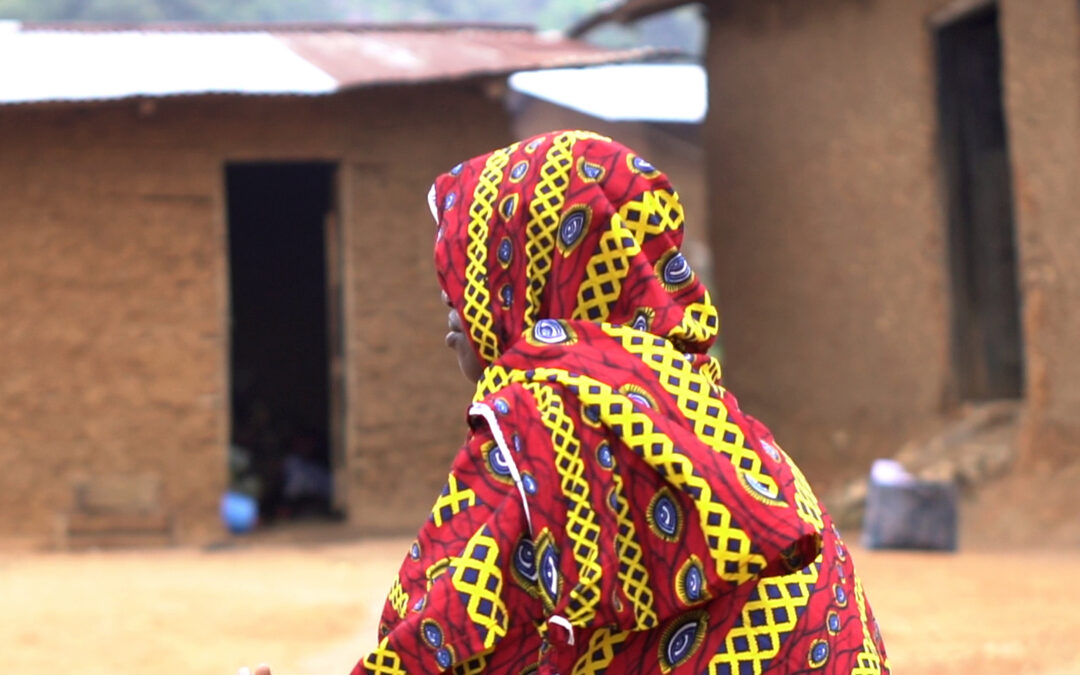
How the Makoki ya Mwasi project advances women’s sexual and reproductive rights in humanitarian settings.
At 32, Amani (name changed) is a mother of five living in the Alpha displacement camp in Beni, North Kivu. Like thousands of families forced to flee violence in eastern Democratic Republic of Congo, her life is shaped by uncertainty, limited resources, and the daily challenge of keeping her children safe and healthy.
“Life in the camp is extremely hard. Some days, I don’t know what my children will eat tomorrow. Every day is about survival,”
she explains.
In a context where access to basic services is fragile and daily survival takes priority, the prospect of another pregnancy became a source of deep concern. With food scarce and health services difficult to access, Amani questioned how she could protect her own health while continuing to care for her children. In displacement, decisions about one’s body are too often shaped by circumstance rather than by choice.
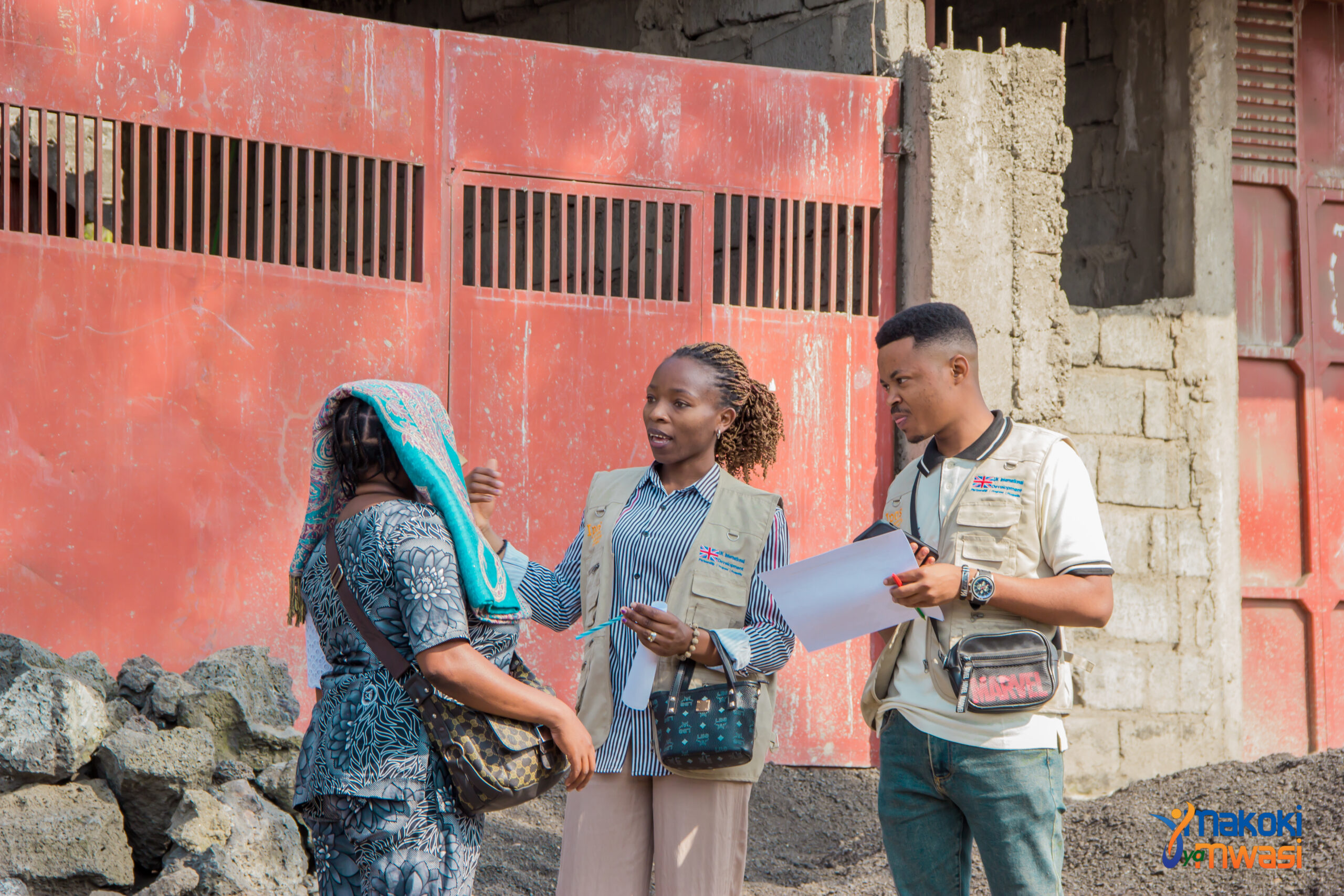
A turning point came when Amani connected with the Mashujaa — a community‑based network supporting women and girls with information, accompaniment, and referrals on sexual and reproductive health and rights.
Through open, respectful dialogue, she learned that access to family planning is a right — not a privilege limited to stable settings. She began to see it as essential to her health, her autonomy, and her family’s well‑being, especially in situations of displacement and crisis.
With accurate information and supportive guidance, Amani felt empowered to seek care.
Amani visited the Butsili Health Center, where health providers had received capacity‑strengthening support from the Ministry of Health, in collaboration with Ipas DRC. She received care grounded in respect, confidentiality, and informed choice. Together with the provider, she discussed options and selected a family planning method aligned with her needs and decisions.
“I feel relieved,” she says. “I can care for my children without constantly fearing another pregnancy while we are already struggling.”
For Amani, this access went far beyond clinical service. It represented a step toward reclaiming control over her body and her future in a context where so much felt uncertain. With her health needs addressed, she can now focus on what matters most: caring for her children and moving forward with greater peace of mind.
Amani’s experience reflects the broader impact sought by Ipas DRC, whose work focuses on addressing inequities in access to sexual and reproductive health care across the Democratic Republic of Congo — particularly for women and girls living in crisis‑affected and highly vulnerable settings.
This work is part of the Makoki ya Mwasi project, implemented by Ipas DRC with support from the Swedish International Development Cooperation Agency (Sida). The project aims to ensure that women and girls — including those living in the most fragile and humanitarian contexts — can access reliable information and high‑quality sexual and reproductive health services. It also contributes to reducing gender‑based violence and unintended pregnancies by placing women’s rights, choices, and dignity at the center of all interventions.
Implemented in North and South Kivu, Kasaï, and Kinshasa, the project takes a comprehensive approach by:
Through this integrated approach, thousands of women and girls have been supported to make informed decisions about their sexual and reproductive health, with meaningful changes observed at both individual and community levels.
In the Alpha displacement camp — as in many crisis‑affected communities across eastern DRC — Ipas DRC demonstrates that rights‑based sexual and reproductive health care is both possible and essential, even in contexts of instability and emergency.
For Amani, this support has meant one clear and powerful outcome: the ability to decide about her own body, despite displacement and hardship. A decision that allows her to look ahead with renewed confidence — for herself and her children.
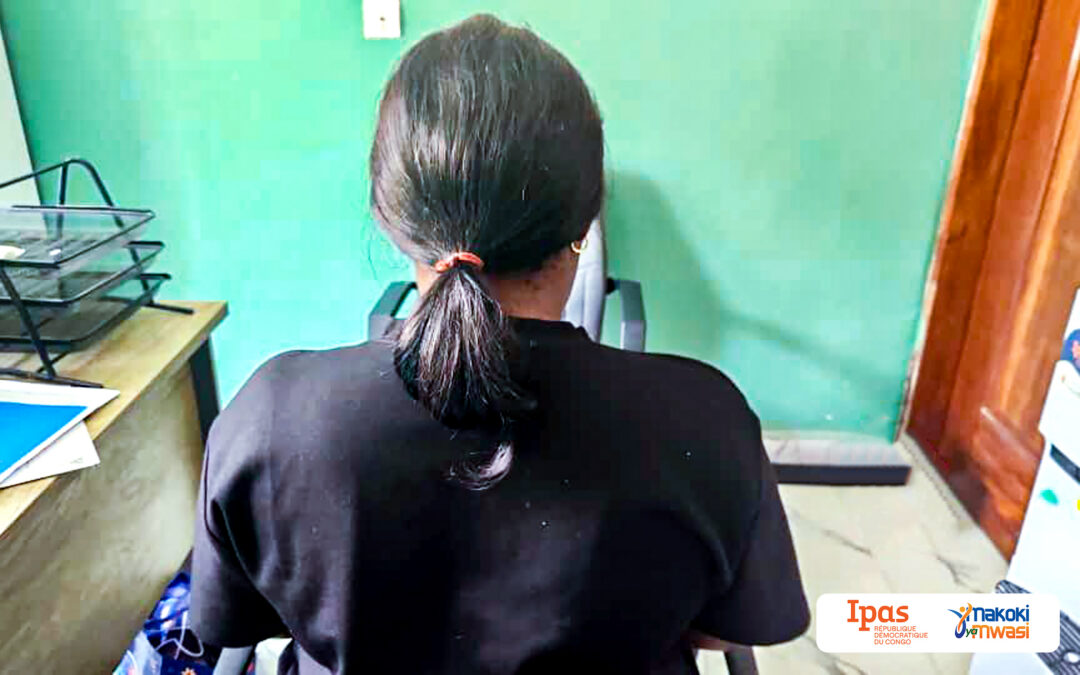
In the Democratic Republic of Congo, motherhood is often celebrated as a blessing. Yet for many women, an unintended pregnancy can quickly become a source of fear and isolation—especially when a partner withdraws responsibility and support. In these moments, women are left to navigate not only social pressure and economic uncertainty, but deeply personal decisions about their bodies and futures.
These challenges are compounded by persistent gaps in access to contraception and sexual and reproductive health care national data reflects this reality :
only 10.9% of women in union use modern contraceptive methods (DHS 2023–2024). Even more concerning, 32% of married or in‑union women who wish to space or limit births are unable to access their preferred family planning methods,. and in 2024, just 21% of family planning demand was met. For many women, this means facing unintended pregnancies without the information, services, or support needed to make informed choices.
At 26, Matondo (name changed) is already a mother to a young daughter. When she became pregnant again, she did not realize it immediately. With an irregular menstrual cycle, the signs were unclear.
“My cycle is irregular, and if I said I know how to calculate it, I would be lying—I don’t,”
she explains.
When she eventually learned she was pregnant, the shock was compounded by her partner’s response: he refused to acknowledge the pregnancy and left her to face the situation alone. With no stable income, no independent housing, and no support from the child’s father, Matondo felt overwhelmed by the weight of expectations placed on her. Unsure of what to do, and struggling emotionally, she decided to seek help at the Center of Excellence within the Kintambo Maternity—one of the facilities supported by Ipas DRC.
“I had so many thoughts about this pregnancy,” she recalls. “I kept asking myself whether I would be able to care for another child, especially since I was living with my aunt. I felt lost. That’s when I decided to go to the Center of Excellence at the Kintambo Maternity.”
Until recently many women in the DRC had no access to safe, regulated abortion care. This forced countless women into unsafe and clandestine practices, with devastating consequences for their health and lives.
The country’s accession to the Maputo Protocol in 2018 marked a critical turning point. The protocol affirms women’s rights to sexual and reproductive health, including access to safe abortion under specific circumstances such as rape, incest, or risks to a woman’s physical or mental health. While legal reform alone is not enough, it provides an essential foundation for rights‑based care.
When Matondo arrived at the health facility, it was clear that her emotional state required as much attention as her physical health.
“She was deeply distressed,” explains Aimée Olenga, the midwife who accompanied her.. “She felt trapped, unable to cope with the situation she was facing. At one point, she told me she saw only two options—having an abortion or ending her own life.”
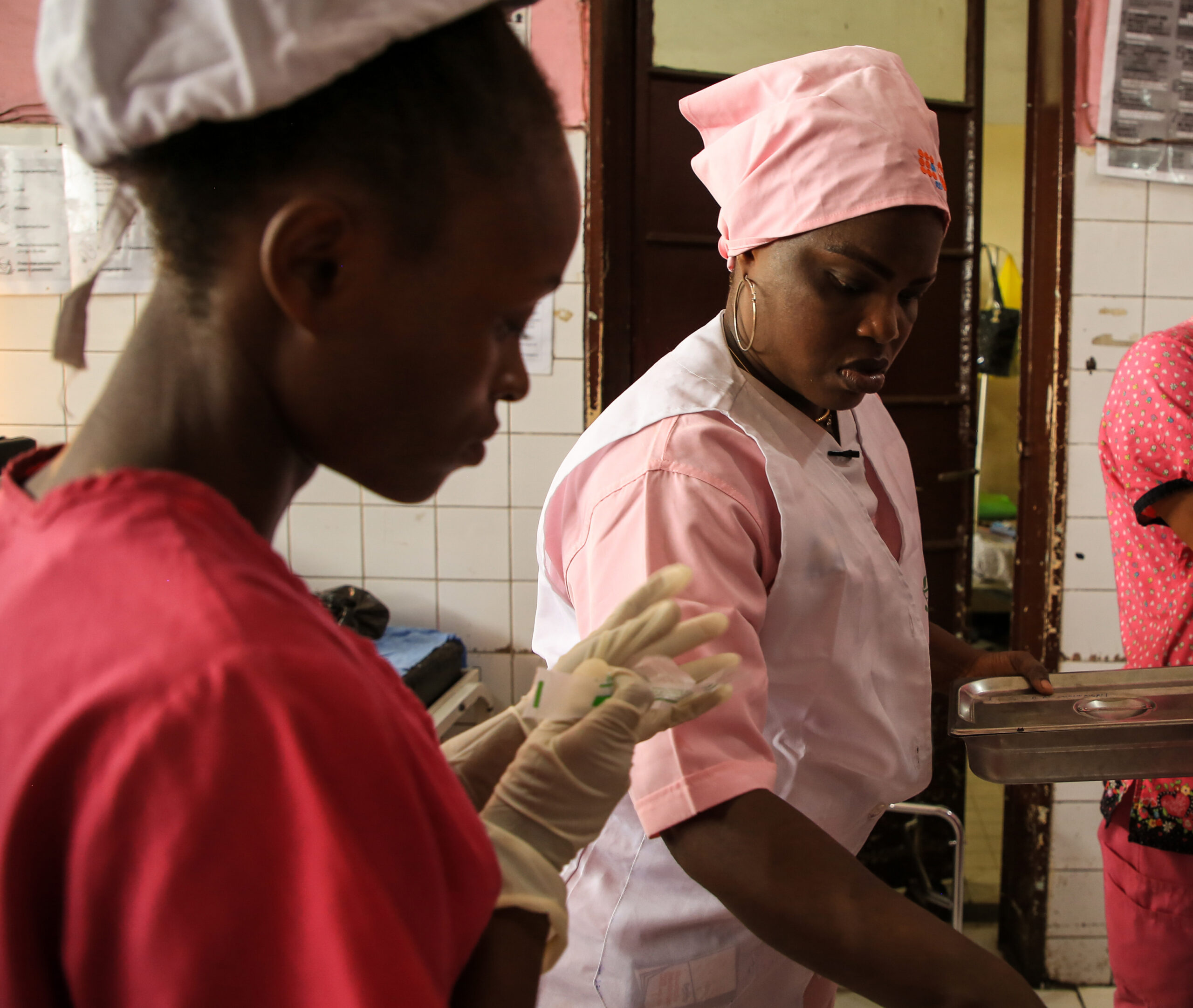
Through patient listening, counseling, and respectful care, Matondo was supported through a safe abortion process that prioritized her dignity, well‑being, and choices. Afterward, she described feeling calmer and relieved—for the first time able to think clearly about her future. Psychological support, Aimée emphasizes, is not optional. It is a core part of care—helping women rebuild confidence, reclaim agency, and move forward without fear or shame.
Matondo’s experience highlights how access to respectful, rights‑based care depends on a strong and well‑structured health system.
Ipas DRC works to build a sustainable abortion ecosystem that enables women to fully exercise their sexual and reproductive health and rights. To do so, the organization supports the delivery of comprehensive, woman‑centered abortion care (CAC) by strengthening the health system, particularly the capacity of health care providers.
Active listening, emotional support, and respectful counseling are part of the rights‑based and quality‑of‑care approach promoted by Ipas, which guides how services are delivered. Family planning remains a core component of the broader sexual and reproductive health and rights continuum.
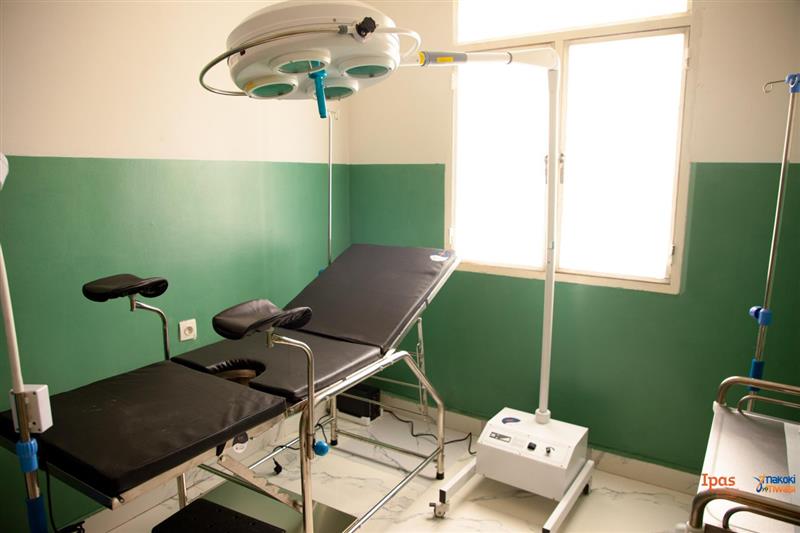
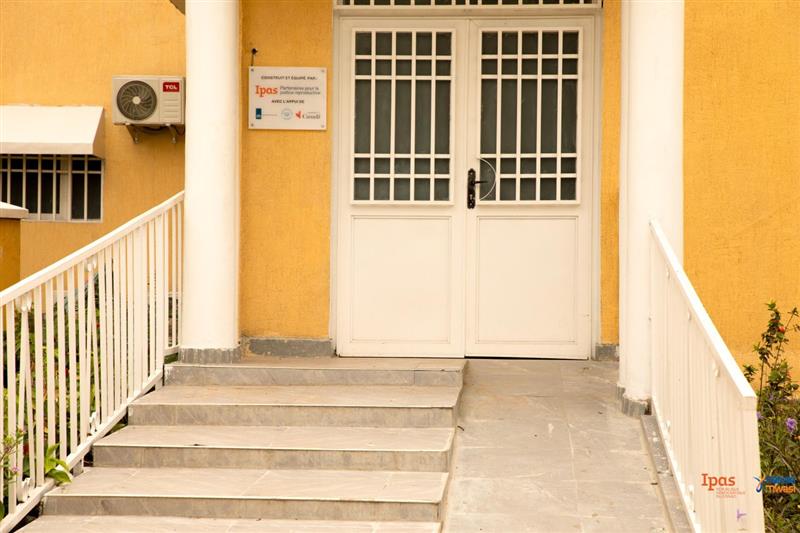
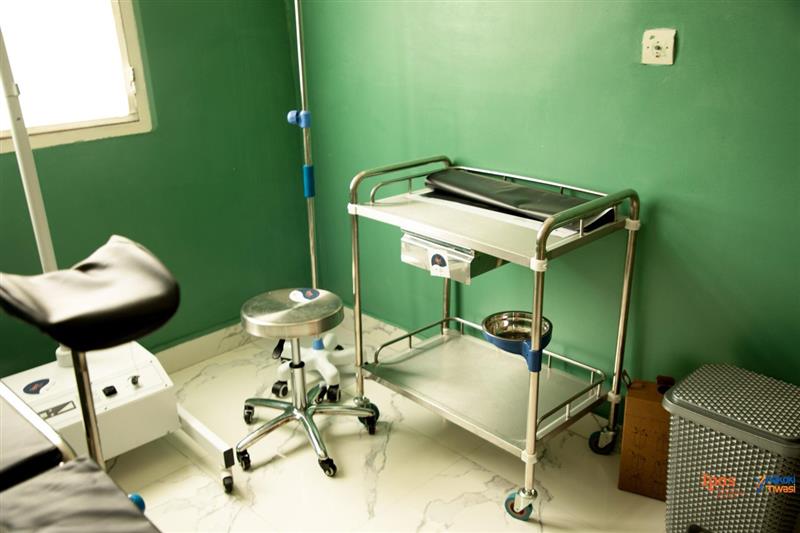
By strengthening health systems and centering women’s autonomy, Ipas DRC is contributing to lasting reductions in maternal morbidity and mortality—and ensuring that women and girls can make decisions about their bodies safely, freely, and with dignity.These centers provide safe abortion and family planning services, reducing the risks associated with unsafe practices and improving the overall quality of care for women and adolescents.