Ipas DRC
Non-profit organization
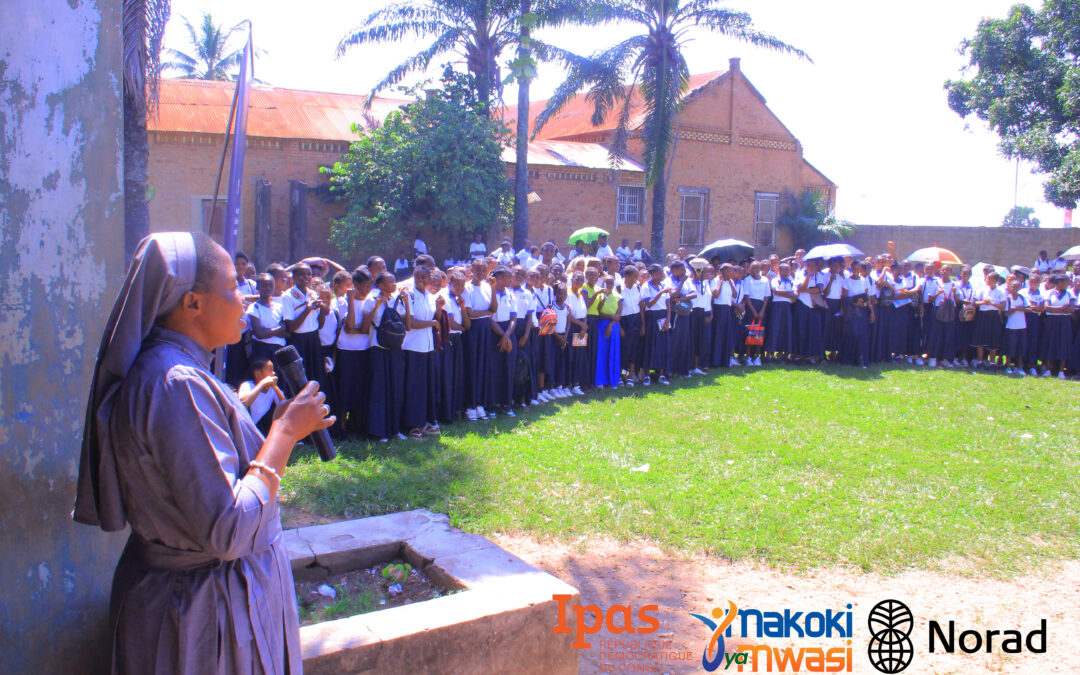
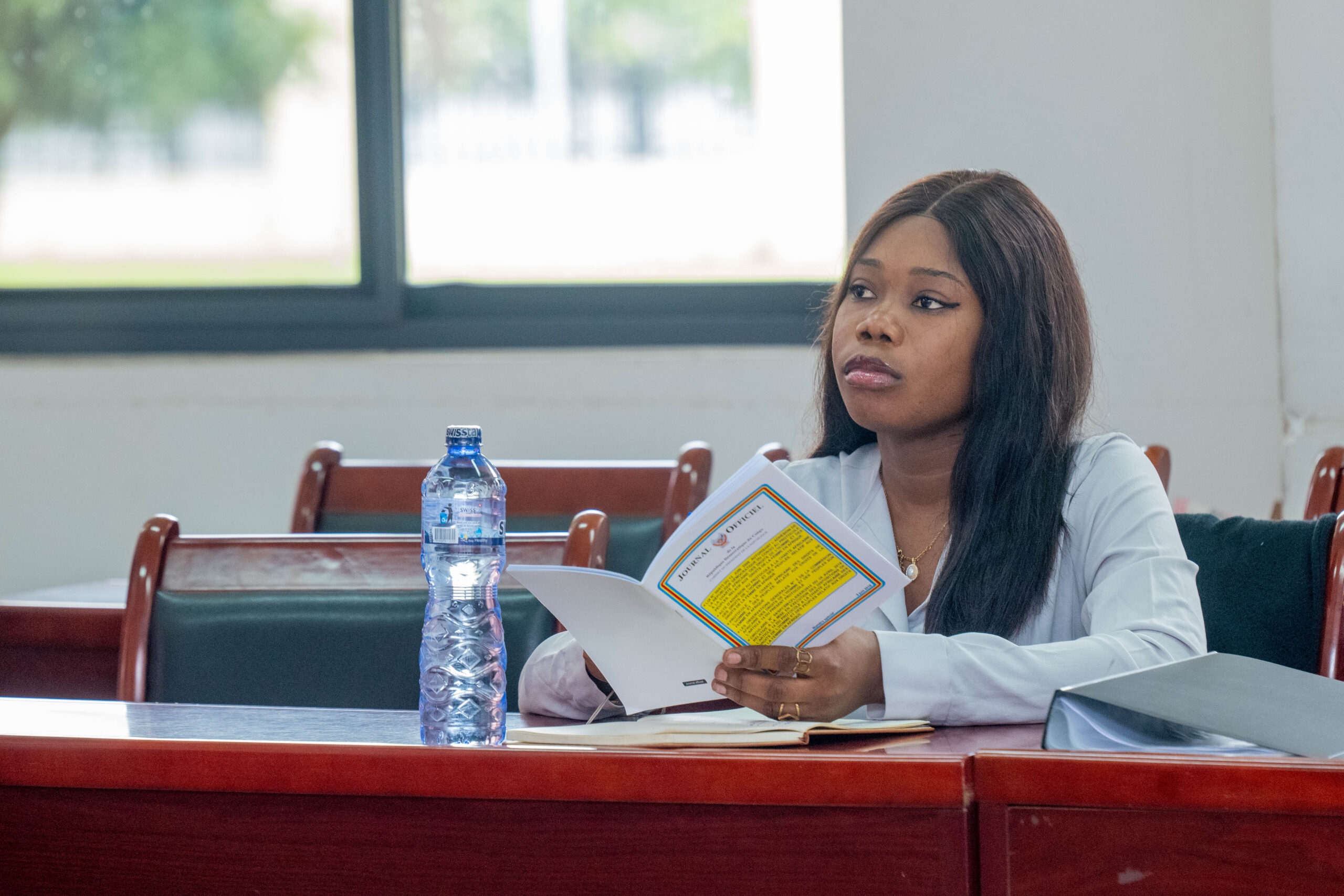
In Kasaï Province, an assessment of the CTS ecosystem—child marriage, adolescent pregnancy, and school dropout— revealed deeply rooted challenges affecting adolescents, particularly girls. These interconnected issues continue to undermine girls’ education, health, and life opportunities. In response, school‑based Health Education Clubs were established in six secondary schools: Institut of Tshikapa, Institut Maker Mwangu, Institut Tshikunga, Institut Diketemene, Institut Kene, and Disanka Secondary School.
The assessment highlighted a worrying context marked by persistently high rates of child marriage and adolescent pregnancy, both of which contribute directly to school dropout among girls. These dynamics reinforce cycles of vulnerability and exclusion, limiting girls’ ability to remain in school and exercise their rights.
According to MICS 2017–2018, 54 percent of women aged 20 to 24 in Kasaï were married before the age of 18—nearly twice the national average of 29 percent. Between 2021 and 2024, 425 cases of child marriage were officially recorded in the province, most involving girls aged 15 to 17. These figures illustrate the scale of the challenge and underscore the urgent need for targeted, school‑ and community‑based interventions that address root causes and strengthen protective environments for adolescents.
The Health Education clubs have become safe, empowering, and transformative spaces for adolescents, strengthening students’ knowledge through structured learning, building teachers’ capacity to deliver comprehensive sexuality education, and encouraging young people to engage in peer‑to‑peer awareness‑raising.
Each club brings together 20 students (12 girls and 8 boys) and is supported by Ipas DRC over a three‑month period. Participants engage in eight structured learning modules covering key themes such as HIV and STI prevention, adolescent pregnancy and child marriage, healthy relationships, consent, gender, and community engagement—equipping them with knowledge and skills to make informed decisions and support their peers.
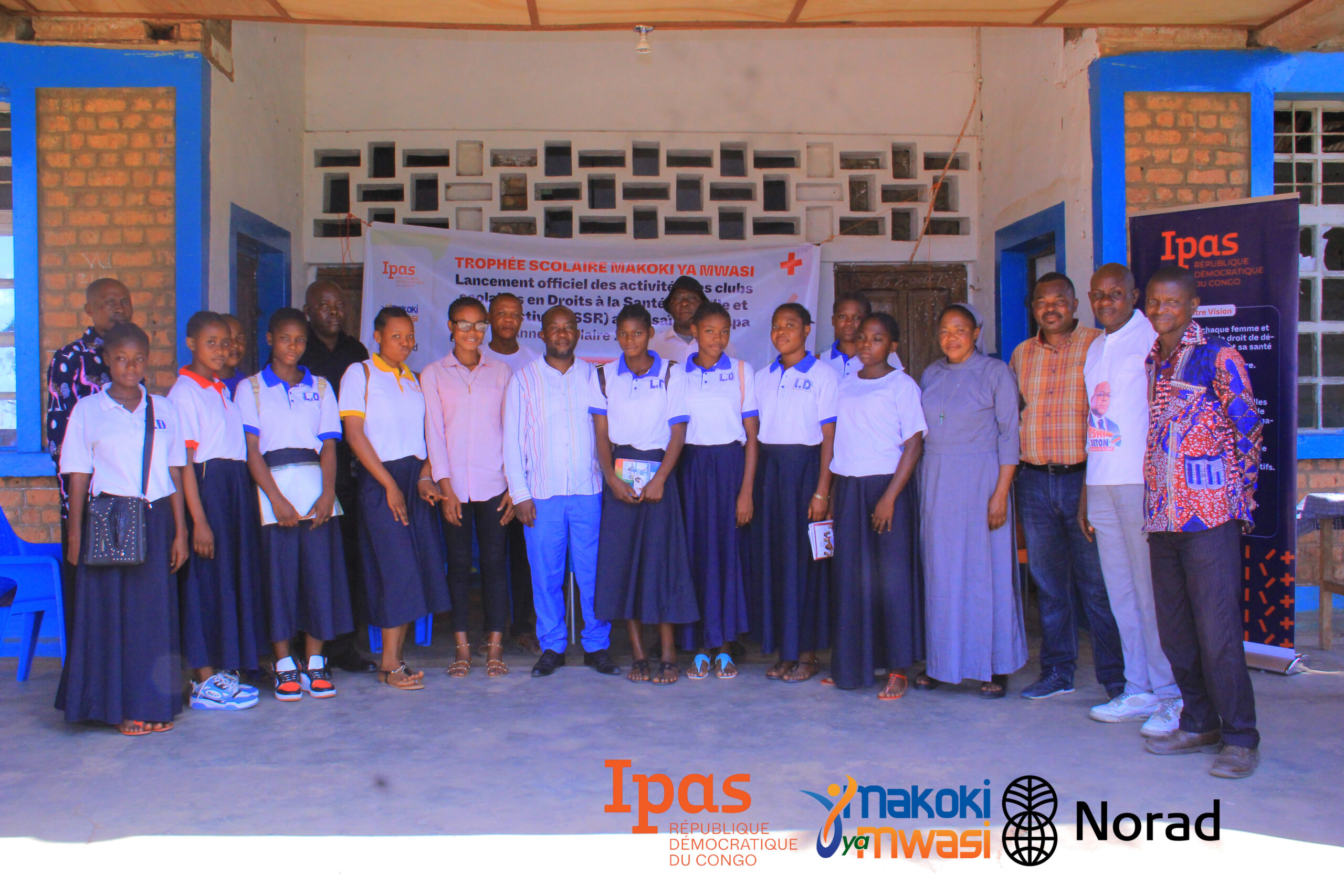
The results of this approach have been tangible. One hundred and twenty students were directly trained and subsequently shared their knowledge with more than 1,400 fellow students. The initiative also culminated in an inter‑school competition that mobilized nearly 6,000 participants, with Institut Tshikunga awarded the Makoki ya Mwasi Trophy 2025—a strong indicator of the programme’s reach, relevance, and impact.
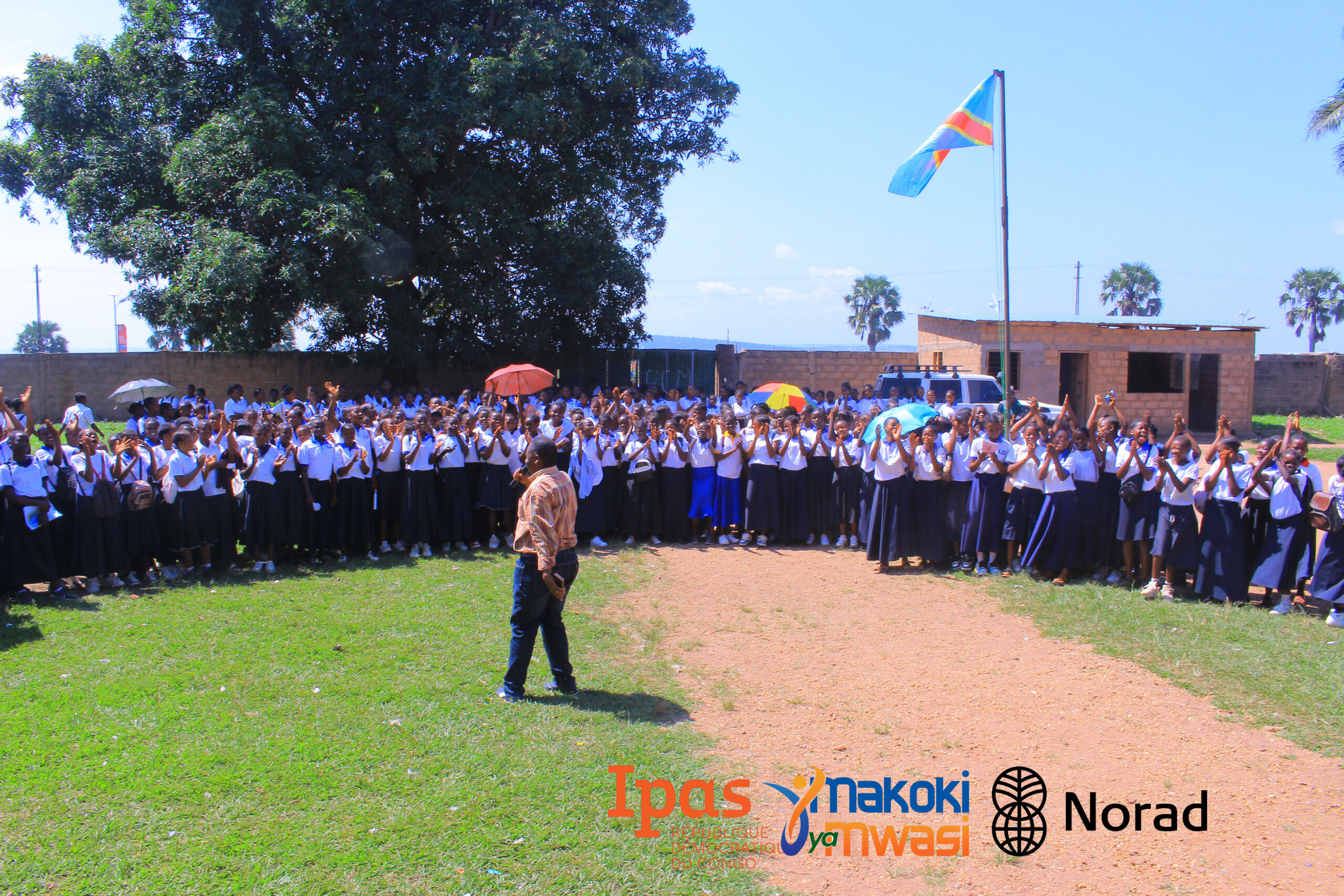
Building on this momentum, the second edition of the initiative (2025–2026) was officially launched at Disanka Secondary School, in the presence of provincial education authorities, teachers, parents, and more than 800 students. This launch marked a new phase of collective engagement to advance adolescents’ sexual and reproductive health and rights within school communities.
The Health Education clubs respond to a broader national challenge. In the Democratic Republic of Congo, 66.3 percent of students who dropped out of school in 2017–2018 were girls, with pregnancy cited as one of the leading reasons. A study conducted in Kinshasa by the National Service for Women and Development under the Ministry of Gender, Family and Children revealed that, despite legal provisions allowing pregnant girls to remain in school, significant barriers persist in practice.
School dropout rates were already alarmingly high as early as 2013, exceeding 22 percent in both the first and final years of primary education. Out of nearly three million children enrolled in first grade, approximately 700,000 left school during or at the end of the academic year. These figures highlight the urgent need for coordinated, preventive interventions that address both structural and social determinants.
Despite these challenges, the clubs have contributed to meaningful change at the school level. As noted by Joseph Muyaya, Principal of Institut Maker Mwangu:
“ By the end of the school year, the results were remarkable. We recorded zero cases of pregnancy among girls. It was a year that brought us great satisfaction. . “
Beyond this outcome, he also observed a shift in behaviour: girls reported fewer cases of harassment and demonstrated greater confidence in protecting themselves, asserting their rights, and making informed decisions.
Implemented by Ipas DRC with support from the Norad project, the Health Education clubs demonstrate that community engagement goes beyond awareness‑raising. It equips adolescents—girls and boys alike—with the knowledge, skills, and confidence to understand their rights, defend them, and put them into practice.
The programme will conclude in May with the second edition of the “Makoki Ya Mwasi” inter‑school competition, celebrating students’ intelligence, creativity, courage, and civic engagement—hallmarks of a generation better prepared to shape its future.
In the Democratic Republic of Congo, harmful practices such as child marriage, unintended adolescent pregnancies, and gender‑based violence continue to undermine the rights and well‑being of adolescent girls in Kasaï. These challenges—rooted in social norms, economic vulnerability, and limited access to accurate information—have long‑term consequences on girls’ health, safety, and life opportunities.
Adolescent girls frequently lack access to comprehensive sexual and reproductive health (SRH) information and to confidential, high‑quality contraceptive services. This gap fuels teen pregnancy, interrupts schooling, increases health risks, and restricts girls’ ability to make informed decisions about their bodies and their futures.
Data from the 2017–2018 MICS survey highlight the magnitude of the challenge: 54% of women aged 20–24 in Kasaï were married before age 18, compared to 29% nationally. Between 2021 and 2024, the province documented 425 cases of child marriage, predominantly among girls aged 15–17. These numbers signal an urgent need for coordinated, multisectoral action to protect girls’ rights and expand their pathways to autonomy.
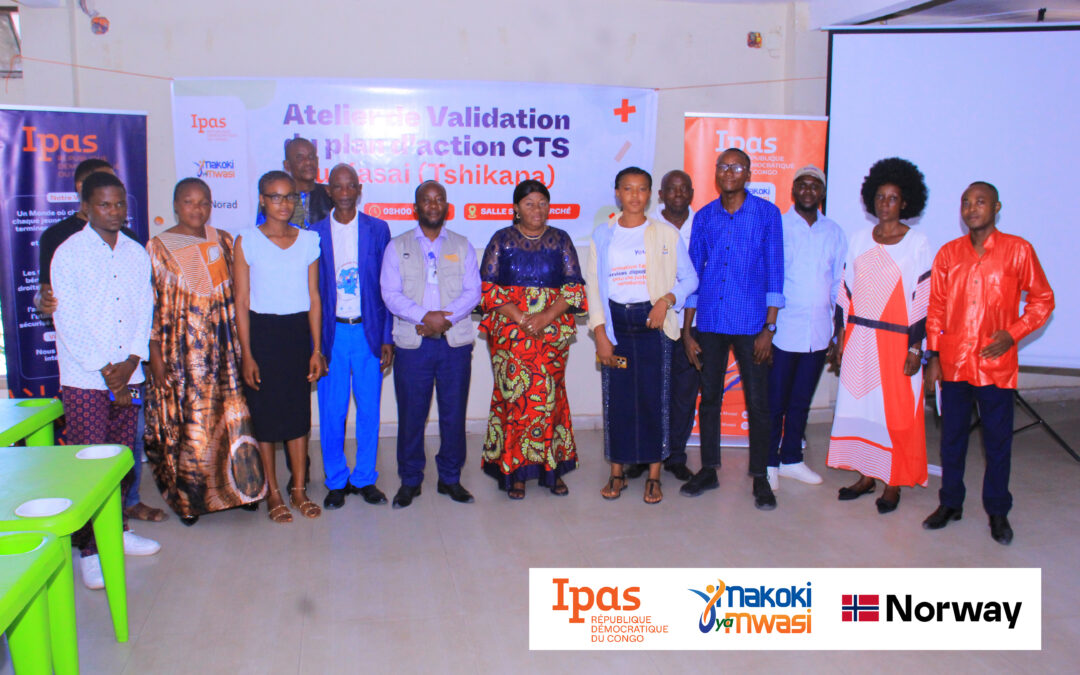
In response, the provincial authorities of Kasaï have developed and endorsed the CTS Action Plan (Child Marriage, Teen Pregnancy, School Dropout)—a roadmap designed to guide integrated interventions. The plan was developed in collaboration with Ipas DRC, with financial support from the Norwegian Agency for Development Cooperation (NORAD), and aims to strengthen sustainable, community‑owned solutions that safeguard adolescent girls’ health, rights, and futures.
A Participatory and Inclusive Development Process
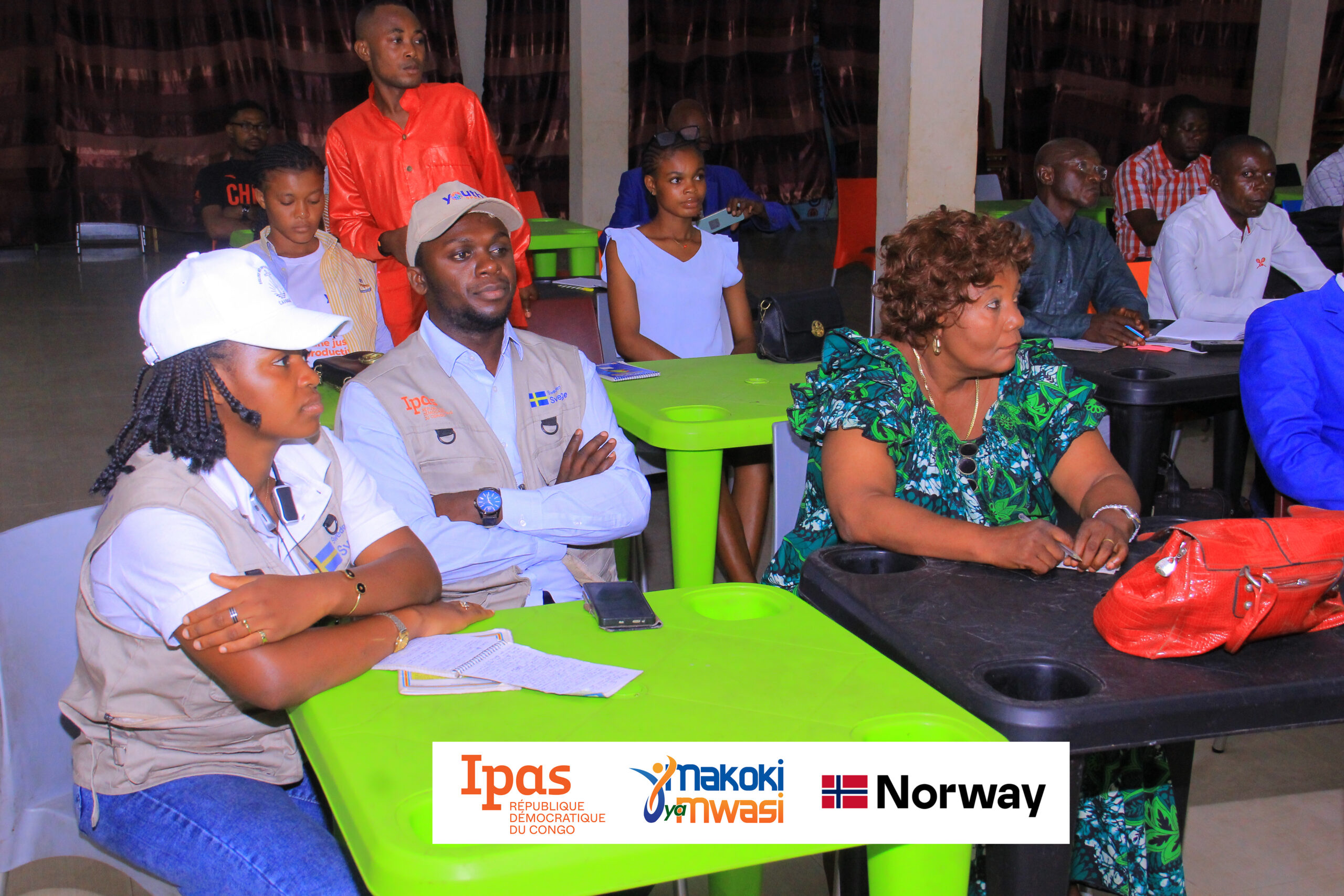
To ensure the plan reflects local priorities and lived realities, provincial leaders initiated a participatory process bringing together experts from the Health, Education, and Gender ministries. Working groups aligned with the six strategic axes strengthened the plan with evidence‑informed recommendations, which were later consolidated in plenary.
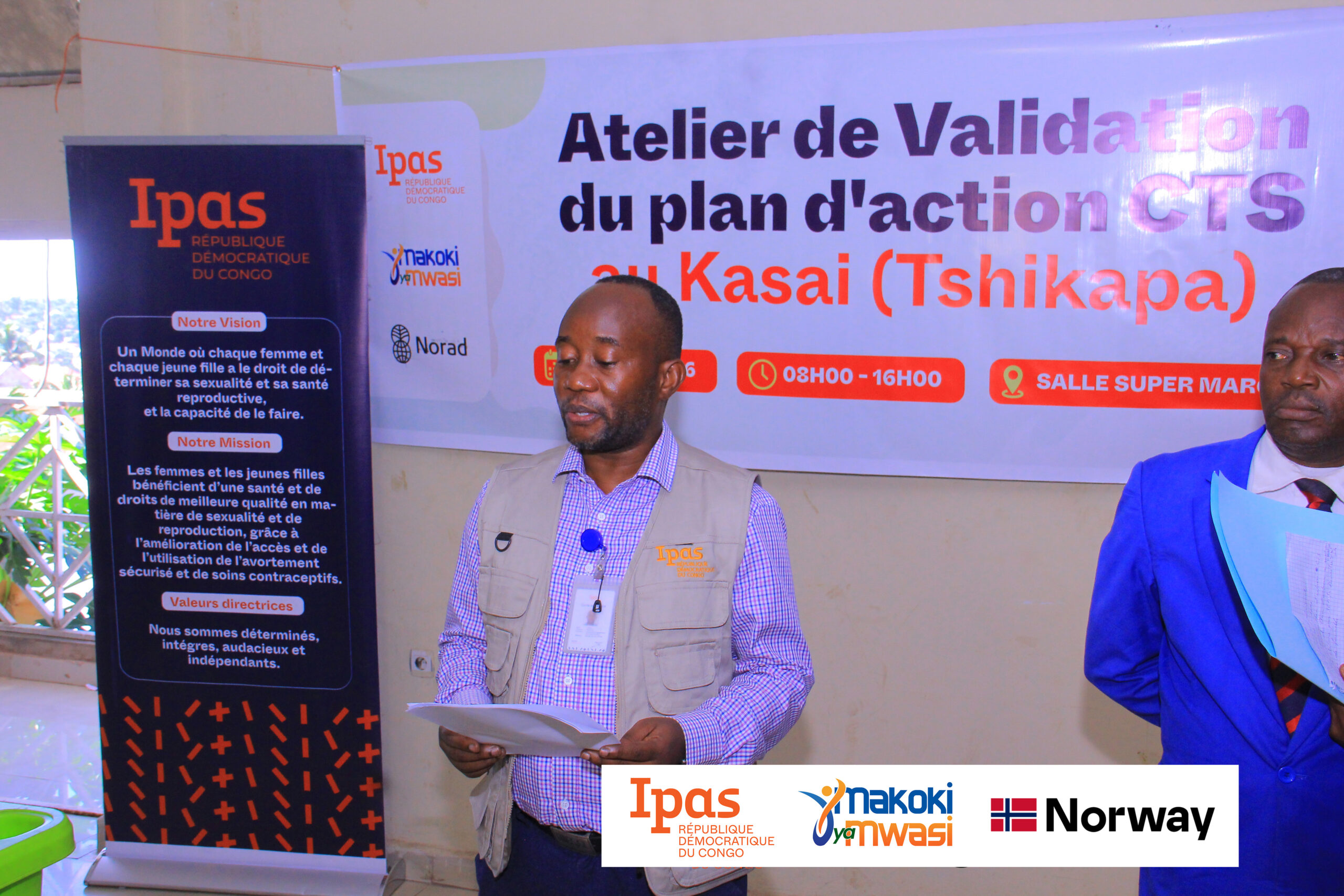
A broader validation workshop convened civil society organizations, school authorities, security services, youth representatives, and community leaders. This inclusive process affirmed strong local ownership and reinforced collective commitment to ending child marriage, reducing teen pregnancy, and supporting girls to remain in school.
Official Validation by Provincial Leadership
The CTS Action Plan was formally validated by Her Excellency Alphonsine BUNDU LUZANGA, Provincial Minister of Gender, Family, and Children. In her remarks, she underscored the urgent need to act decisively:
“Each day without action exposes hundreds of girls to futures constrained by early marriage, unintended pregnancy, and interrupted education.”
Her leadership sends a strong signal of political will to advance gender equality and uphold girls’ rights across the province.
Six Strategic Axes Designed to Advance Girls’ Rights and Well‑being
The plan is anchored in six strategic pillars that collectively address the root causes and consequences of child marriage and adolescent pregnancy:
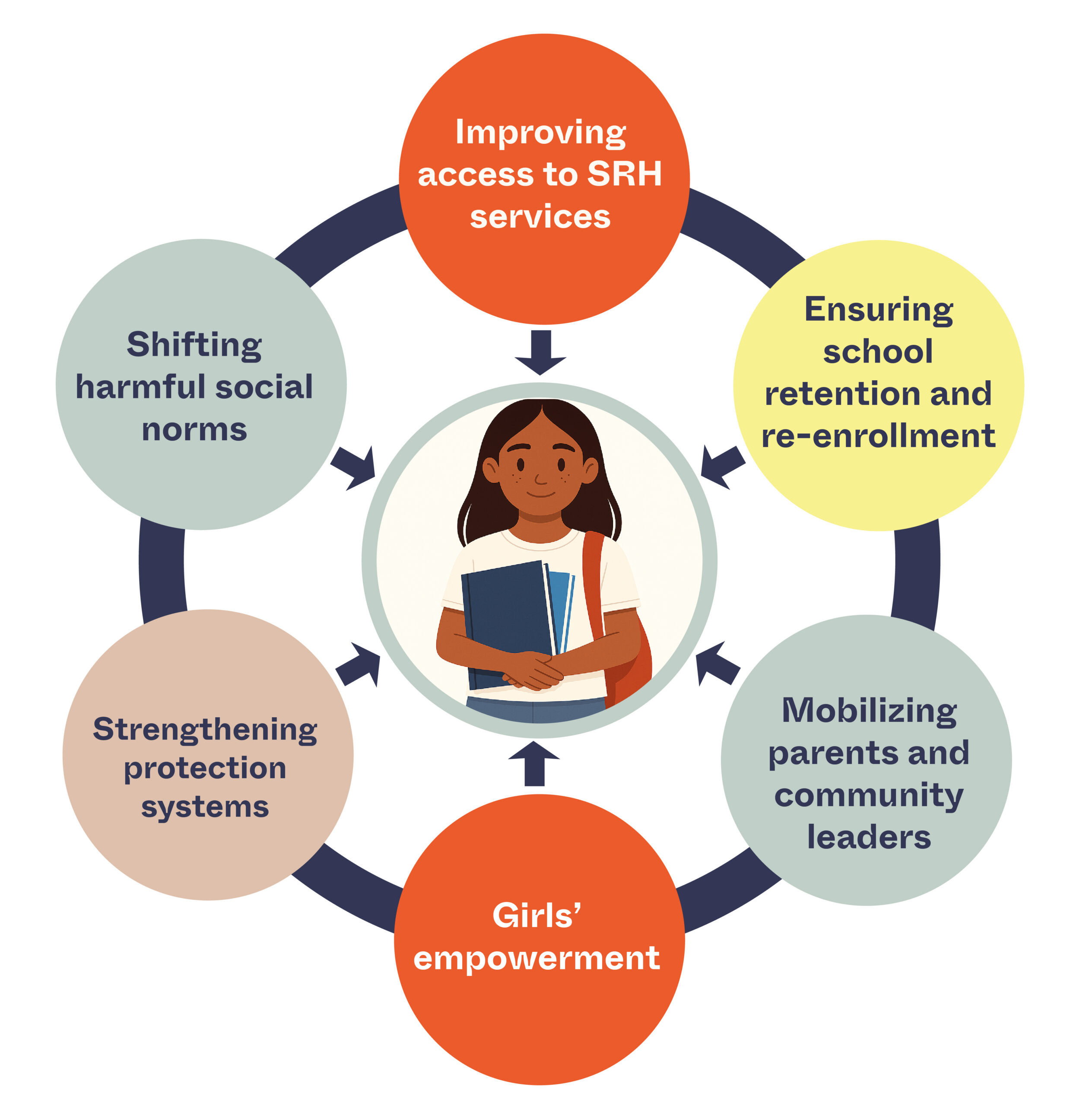
These axes reflect a holistic approach—one that centers girls’ voices, builds community support, and strengthens provincial systems
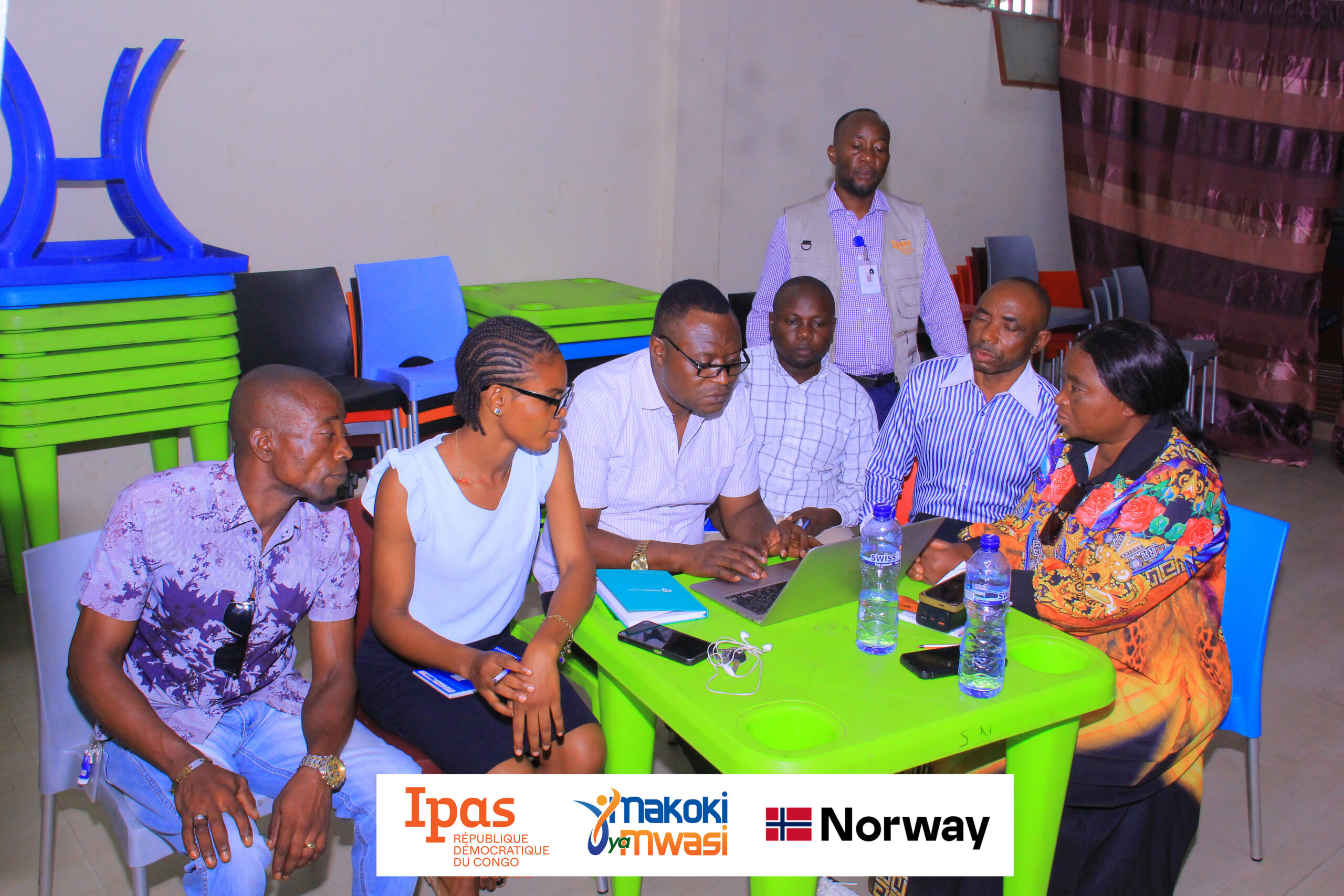
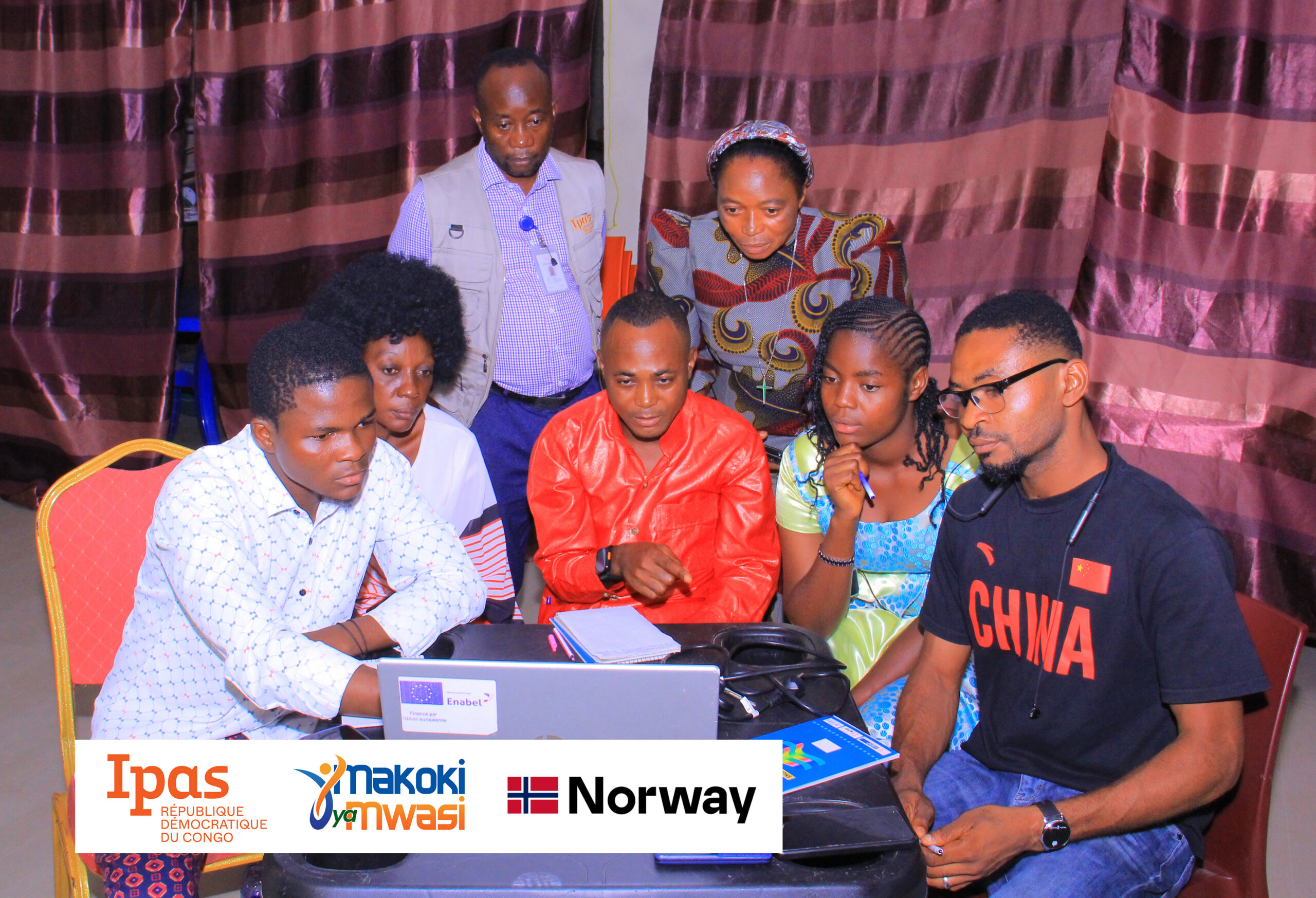
As part of the implementation of the action plan, Ipas will carry out a range of activities aimed at supporting students’ retention in school. The action plan includes awareness‑raising campaigns in schools, as well as the establishment and revitalization of school‑based clubs focused on sexual and reproductive health.
These spaces will provide young people with opportunities to express themselves freely, strengthen their knowledge of sexual and reproductive health, and build leadership skills. The goal is to support adolescents and youth to become agents of change, equipped to positively influence their communities and to promote inclusive, safe, and protective school environments.
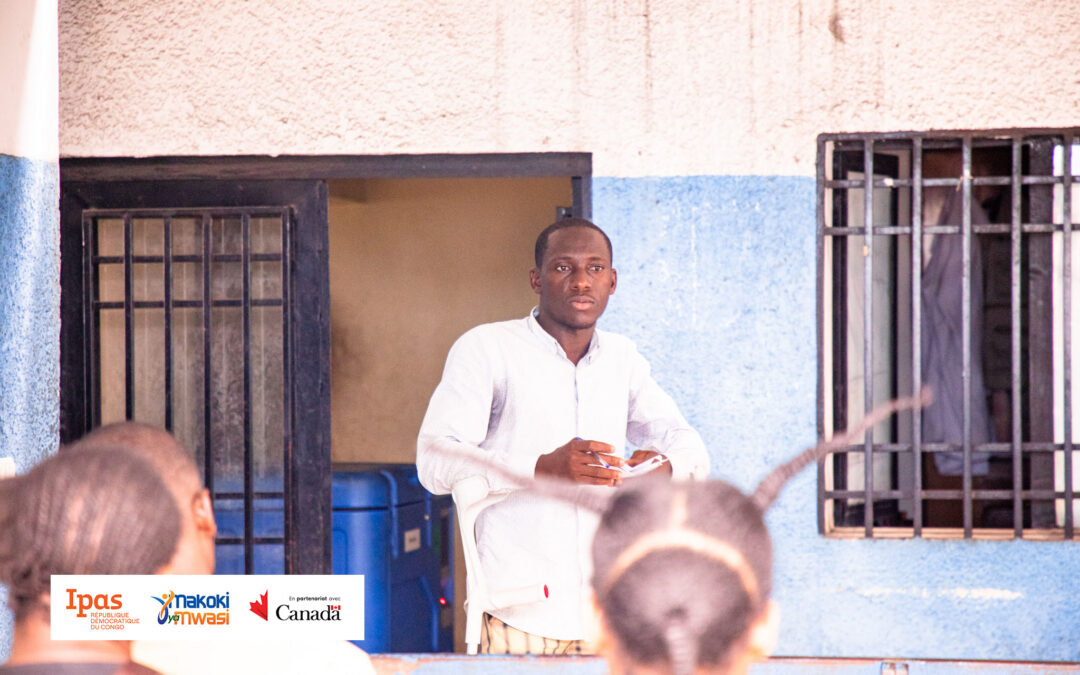
Diagnosed with a disability at a very young age, Paul Kwami grew up as the only one among seven children living with this condition. Now 25 years old, Paul serves as the president of the Association of Young People with Disabilities United for the Development of Kisenso (AJHUKAD) and works as a community health worker (RECO) in the Kisenso health zone. Each week, He conducts awareness activities across eight of the twenty‑two avenues within the REGIDESO health area—ensuring that critical information on sexual and reproductive health (SRH) reaches those who need it most.
His journey has been shaped by persistence and courage. In the beginning, he struggled with self‑stigma and doubted whether he would be accepted as a RECO, fearing how others would perceive him. Still, he chose to attend Ipas DRC’s trainings.
he shares.
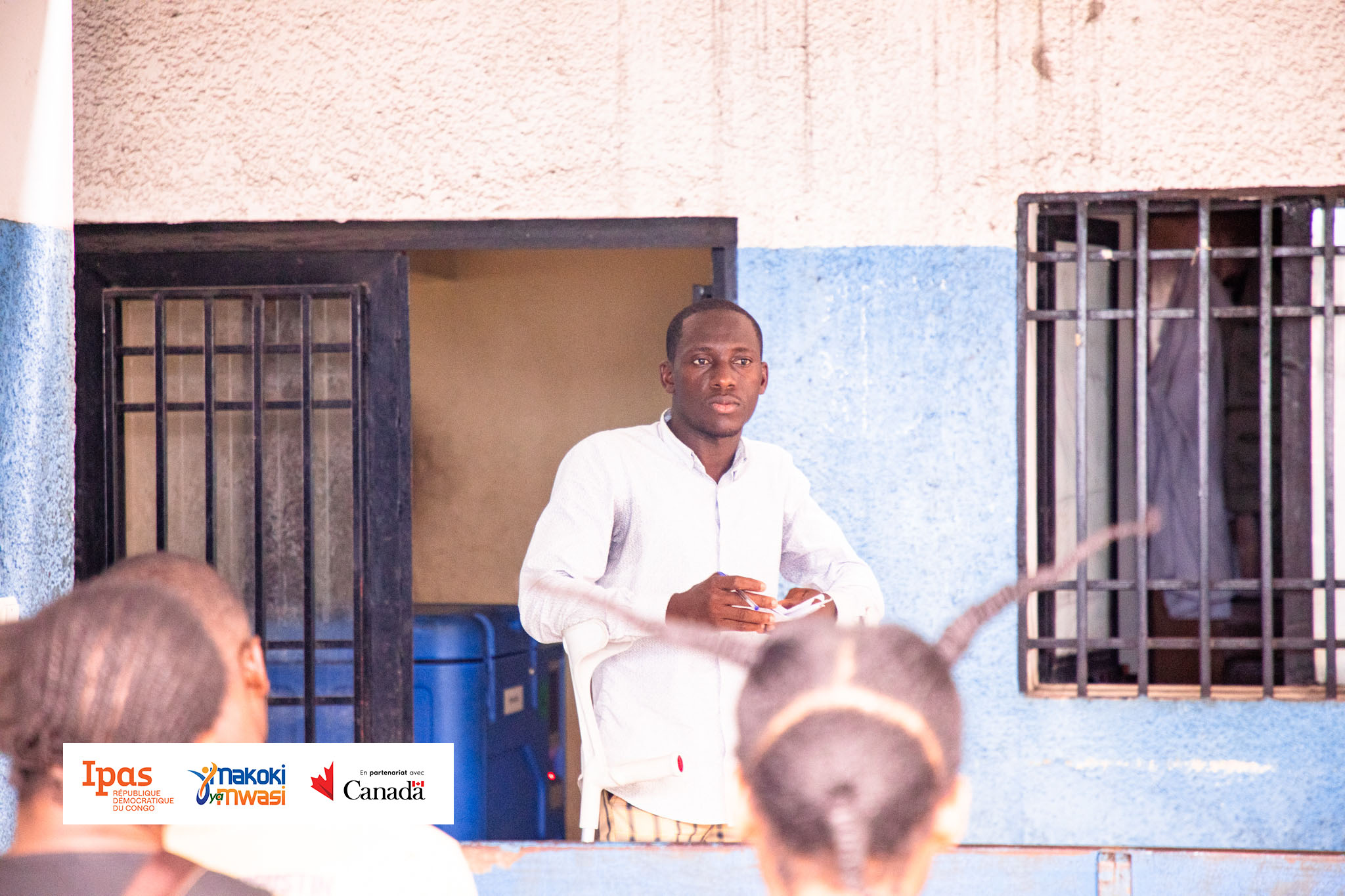
Paul Kwami raising community awareness
Across the DRC, people with disabilities continue to experience significant barriers in accessing SRH services—driven by misconceptions, inaccessible information, and community stigma. Yet their leadership is essential to help women and girls understand and claim their reproductive rights, particularly in community engagement and awareness-raising.
In Kinshasa, many people with disabilities experience discrimination, especially women and girls seeking SRH services. These attitudes often stem from misinformation and harmful social norms.
Research conducted by the School of Public Health in 2024 revealed that knowledge about contraception remains low, with 50.1% of respondents believing that using a contraceptive method of her choice exposes a woman to health risks, and 70.7% think women should not access contraception without someone else’s authorization. These misconceptions highlight the urgency of community outreach and accurate SRH information for women and girls.
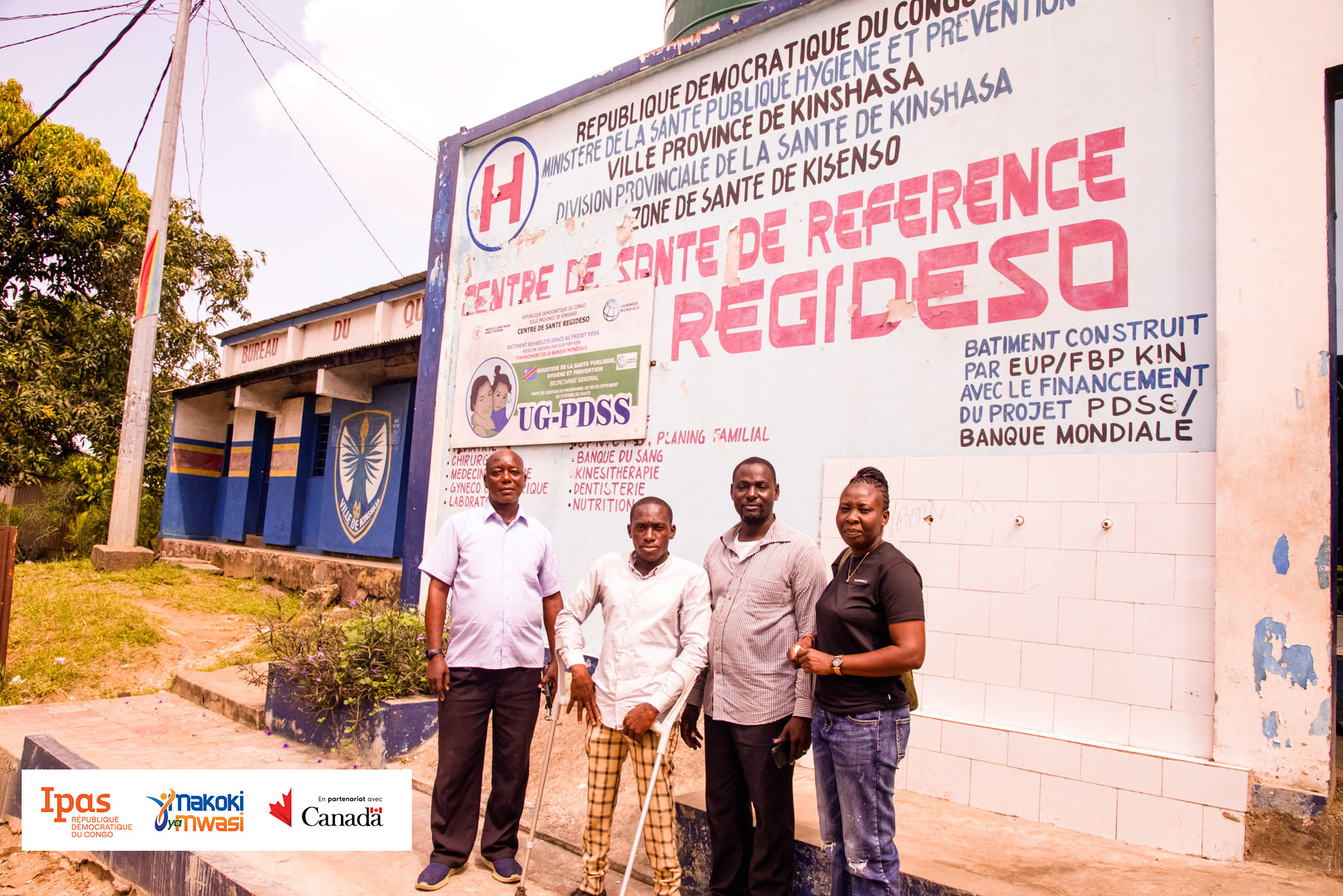
From left to right: the Head nurse, Paul, the Kisenso Area Coordinator, and the Ipas Community Engagement Officer in front of the REGIDESO Reference Health Center
The DRC’s 2003 ratification of the Maputo Protocol was a significant milestone. Article 14 recognizes women’s right to health—including SRH—and requires states to allow access to safe abortion in specific circumstances such as rape, incest, threats to a woman’s physical or mental health, or severe fetal anomaly.
These commitments reflect the core pillars of Ipas DRC’s work :
Expanding access to family planning and SRH services through community‑led sensitization and strong, confidential referral systems guided by RECOs ; Improving quality of care by training providers and ensuring consistent availability of essential supplies ; Centering women and girls by delivering safe, respectful, rights‑based services that uphold their autonomy and dignity.
In Kisenso—a dense and underserved municipality of Kinshasa—Ipas DRC has worked alongside local structures to strengthen the health system. This includes training RECOs, equipping health centers, supporting essential medicines, and building provider capacity. Training sessions on values clarification and attitude transformation (VCAT) have helped both providers and community actors better understand SRH rights, improve responses to gender‑based violence (GBV), and promote access to comprehensive, woman‑centered safe abortion care (SCACF).
Paul has seen this impact firsthand :
With financial support from the Swedish International Development Cooperation Agency (Sida), the REGIDESO maternity now offers a comprehensive package of SRH services—including family planning, antenatal care, GBV management, and access to safe, stigma‑free abortion. Ipas DRC has also established a secure referral circuit to ensure timely and confidential care. Two trained medical providers now offer comprehensive, woman‑centered safe abortion care.
A study by the School of Public Health shows that 68.4% of Kinshasa residents believe abortion is not authorized in the DRC, and 56.1% think women should not access safe abortion services—evidence of persistent misinformation and negative attitudes toward reproductive rights.
Despite these barriers, RECOs continue to to play a decisive role in shifting norms, informing women about family planning, and reducing risks linked to unsafe abortion. Between June and December 2025, community outreach and CAC services helped 98 women—aged 15 and above—avoid life‑threatening complications and maternal death.
This progress shows that even in contexts where stigma and misinformation remain entrenched, community‑driven change and strengthened health systems pave the way for safe, accessible, and rights‑based care.
Today, eight Ipas‑supported health facilities in Kisenso offer SRH services—ensuring that every woman and girl has equitable access, free from exclusion and stigma.
The Democratic Republic of the Congo’s accession to the Maputo Protocol on the Rights of Women in Africa raised great hopes for millions of Congolese women and girls. The government has taken steps to transform this historic achievement into tangible services, accessible without stigma or rejection. The standards and guidelines for comprehensive, woman-centered abortion care, developed by the Ministry of Health through the National Health Program of reproduction with the support of Ipas DRC and civil society, mark a crucial stage in the implementation of the Protocol.
Despite these advances, the real effectiveness of the services remained uncertain. Contradictions between the Protocol and national legislation, persistent stigmatization and clients’ fear of arrest were holding back access. Ensuring safe and sustainable pathways to information adapted to the local context remained a major challenge.
It is in this context that Ipas DRC, in collaboration with the Coordination in charge of youth and the fight against gender-based violence gender-based violence within the Office of the President of the Republic, has strengthened the national hotline. This enables survivors to report sexual and gender-based violence, seek emergency assistance and benefit from specialized medical care. The extension of line 122 to the Kintambo and Makala Centers of Excellence now offers the possibility of being directly connected to a midwife or doctor, translating progressive laws into concrete services.
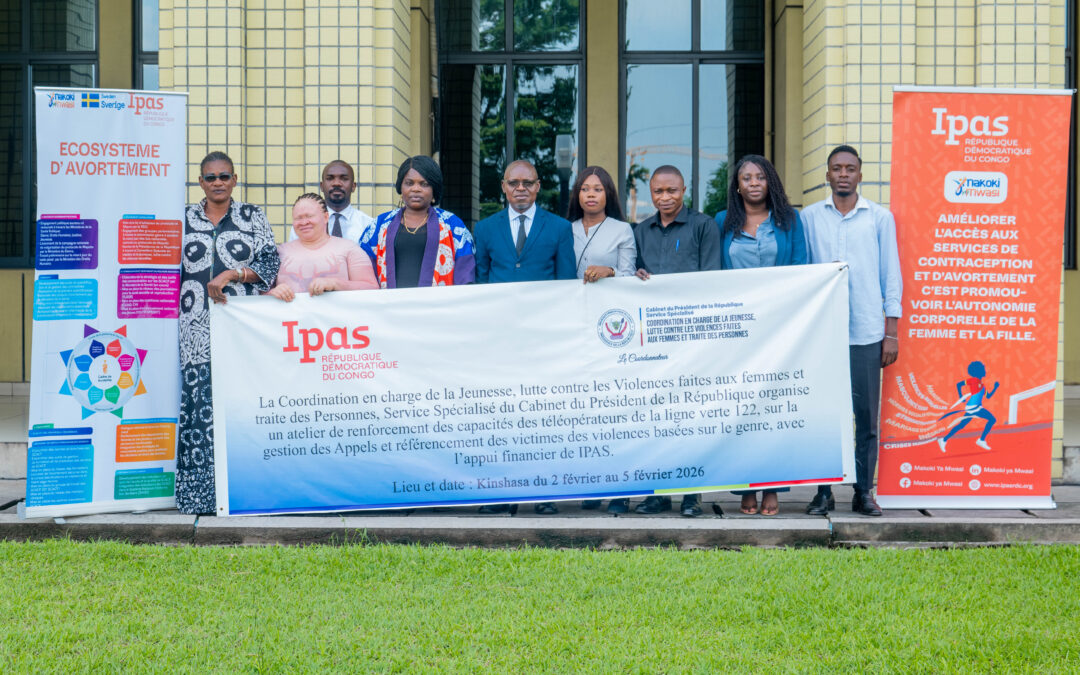
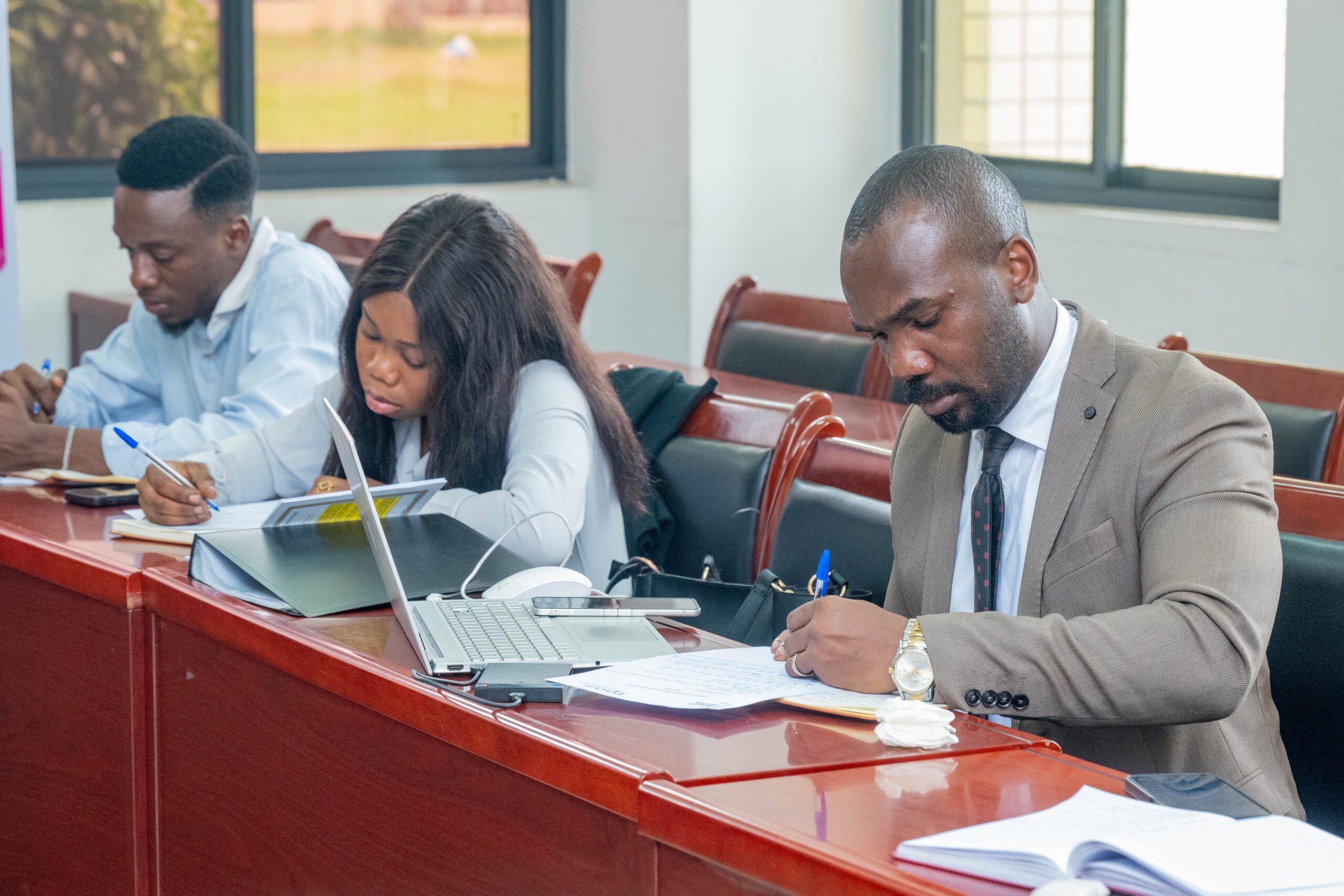
In its mission to protect and promote sexual and reproductive rights, Ipas DRC trained twelve call center agents in Kinshasa. Over a period of four days, they learned how to listen actively to ensure respectful care, how to communicate about the Maputo Protocol and safe abortion, how to refer without discrimination to medical, psychosocial and legal services, and how to clarify values and attitudes towards abortion. At the end of the training, the agents committed themselves to respecting sexual and reproductive rights and referring clients to centers of excellence.
With the support of the Swedish fund, Ipas DRC is supporting the expansion of line 122 in order to strengthen the accessibility of services for survivors, increase its use by communities and respond more effectively to the urgent needs of survivors of gender-based violence.
In response to the upsurge in violence in the Democratic Republic of Congo, the Presidency and the Ministry of Gender, Family and Children have set up this free telephone hotline to report cases of sexual and domestic violence, exploitation and abuse in complete safety. Today, 122 is an essential mechanism for directing victims, witnesses or relatives to rapid and appropriate care. Its aim is to guarantee immediate and confidential access to survivors, facilitate their referral to the appropriate structures, and promote a coordinated and holistic response to victims’ needs.