Ipas DRC
Non-profit organization
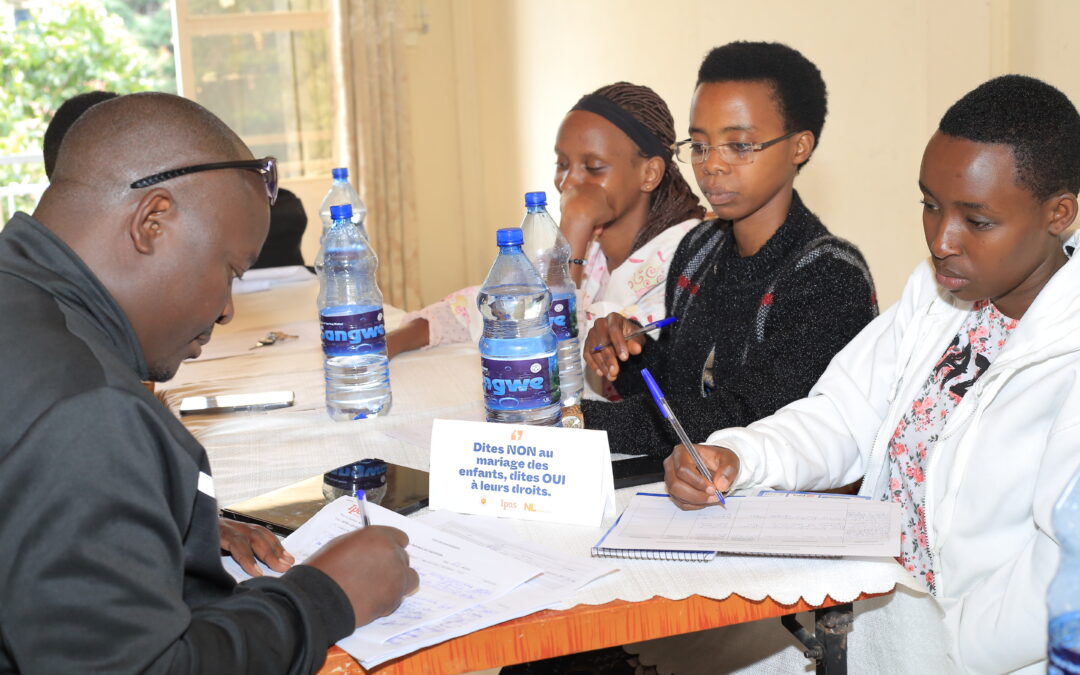
In Burundi, social norms, stigma, and limited awareness of the legal framework continue to restrict women’s and girls’ access to sexual and reproductive health information and services. To help address these barriers, Ipas Burundi supported 27 stakeholders, primarily from civil society organizations, to strengthen their capacity to advocate for reproductive rights.
The initiative began with VCAT sessions. These participatory workshops created space for participants to reflect on their beliefs about abortion and reproductive rights, recognize personal biases, and gain a deeper understanding of the realities faced by women and girls.
As one participant shared :
“Before taking part in the workshops, I also had doubts and preconceived notions about abortion. […] Today, we feel better equipped to advocate from a human rights perspective, including for reproductive rights, even in an environment that can sometimes be hostile.”
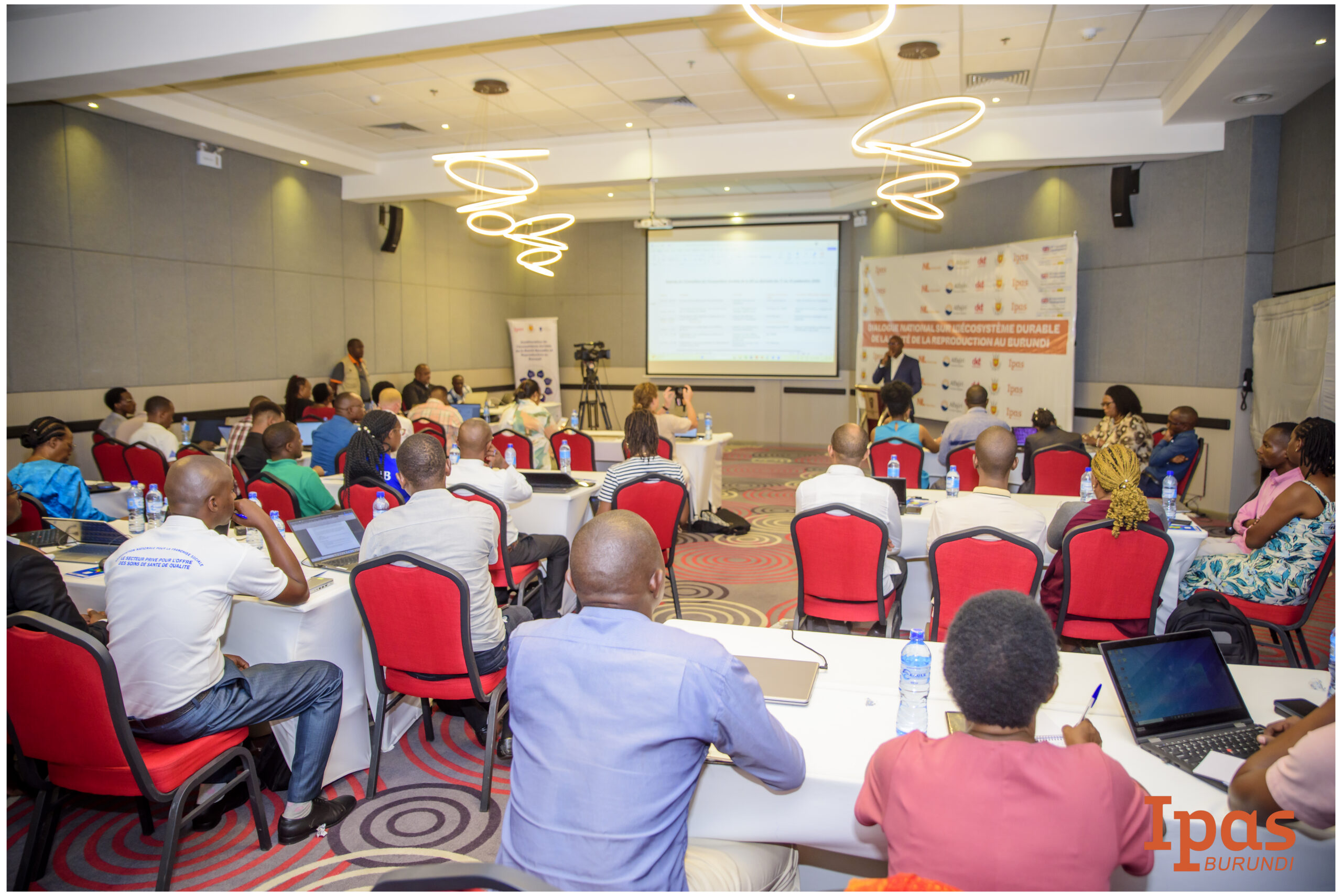
This shift in attitudes was reinforced through a participatory review of Burundi’s legal framework on therapeutic abortion. By examining existing laws and the challenges associated with their implementation, participants strengthened their understanding of the legal landscape and improved their ability to build evidence-based, rights-centered advocacy arguments.
Early results demonstrate the value of this approach. Fifteen participants increased their understanding of legal indications for abortion, twelve reported less stigmatizing attitudes, and eight became actively involved in advocacy initiatives.
These individual transformations helped inform a national dialogue that brought together representatives from civil society, the health and justice sectors, human rights and gender institutions, national and international non-governmental organizations, and international agencies. Better informed and more confident in their roles, participants are now equipped with the knowledge and leadership needed to contribute to the development of a roadmap aimed at strengthening the long-term sustainability of sexual and reproductive health and rights in Burundi.
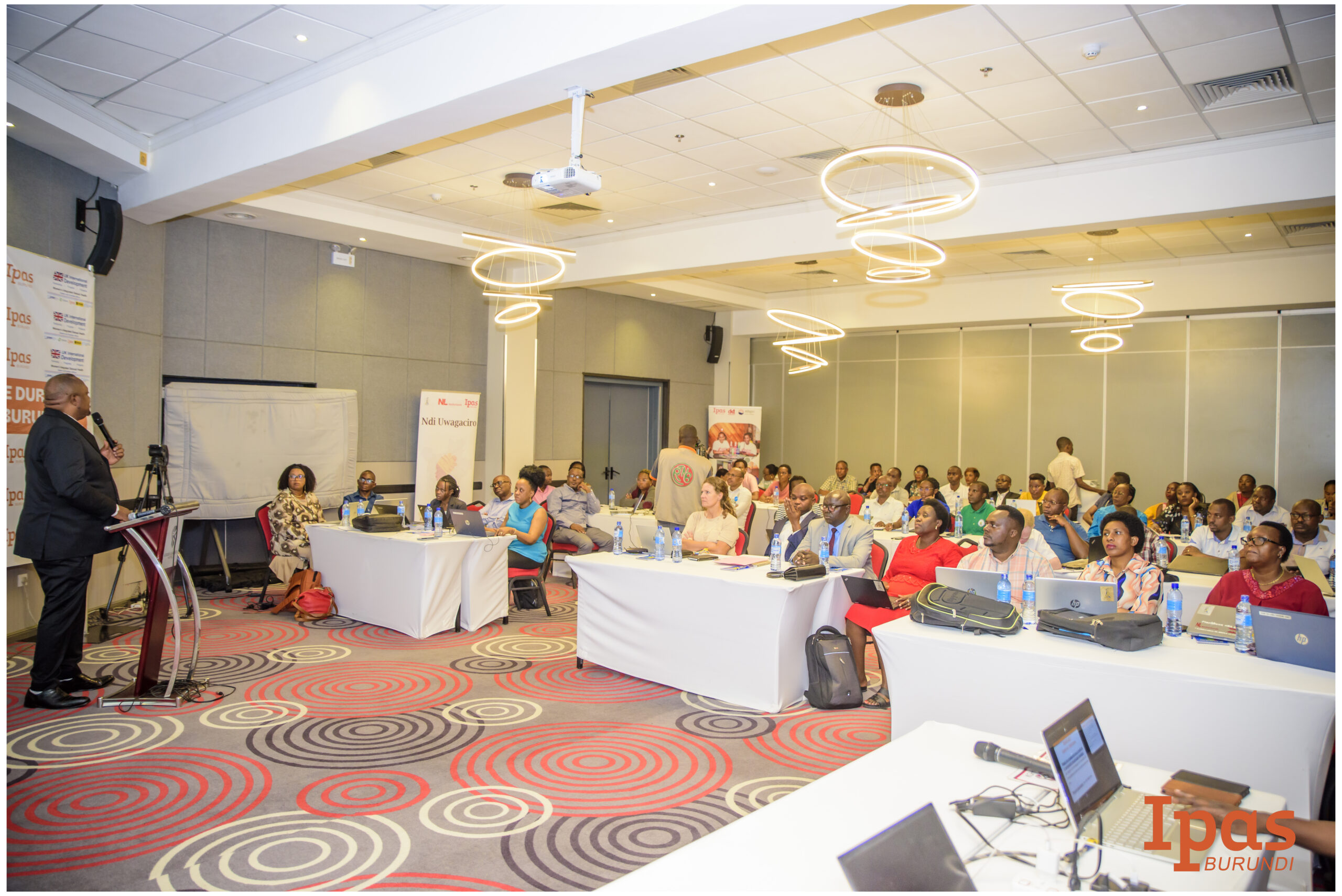
The success of this gradual, capacity-strengthening approach is reflected not only in the number of people reached, but also in participants’ increased ability to challenge stigmatizing narratives, engage in decision-making spaces, and apply their knowledge to advance change. In doing so, they help transform individual awareness into collective action in support of reproductive rights.
By investing in the knowledge, attitudes, and leadership of civil society actors, Ipas Burundi is helping create a more enabling environment for the health and rights of women and girls. The 27 participants supported through this initiative are now better positioned to serve as champions of change within their organizations, sectors, and communities. The results underscore the importance of expanding similar approaches in a context where social and institutional barriers continue to limit progress on sexual and reproductive health and rights.
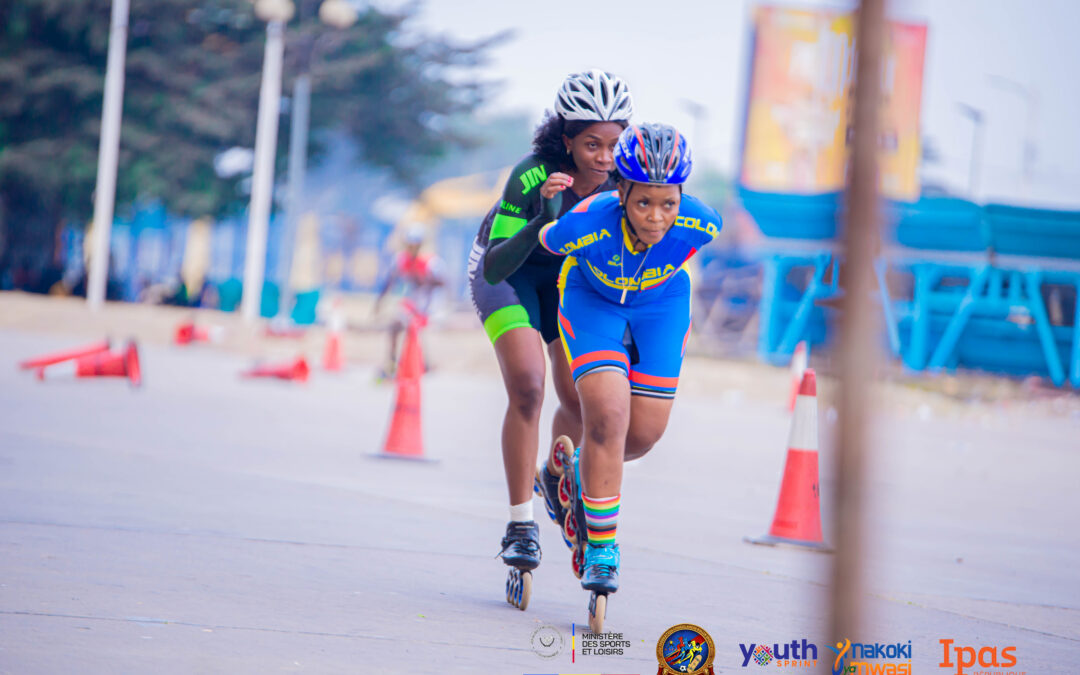
From August 28 to 30, 2026, the Stade des Martyrs hosted the fifth Congo Roller Sports Cup. For the third time, Ipas DRC supported the competition, which was organized with the backing of the Ministry of Sports through the Congolese Roller Sports Federation, FECOROLS.
During the competition, Youth Sprint, a youth-led organization, conducted awareness-raising activities on gender-based violence and contraception with support from Ipas DRC. By engaging directly with athletes, young people, and spectators, its members created a space for information, listening, and open conversation about sexual and reproductive health and rights.
The initiative was grounded in a simple conviction: spaces where young people come together, express themselves, and pursue their ambitions can also become spaces for prevention and social change. It also demonstrated the important role young people can play in informing their peers and leading change in their communities.
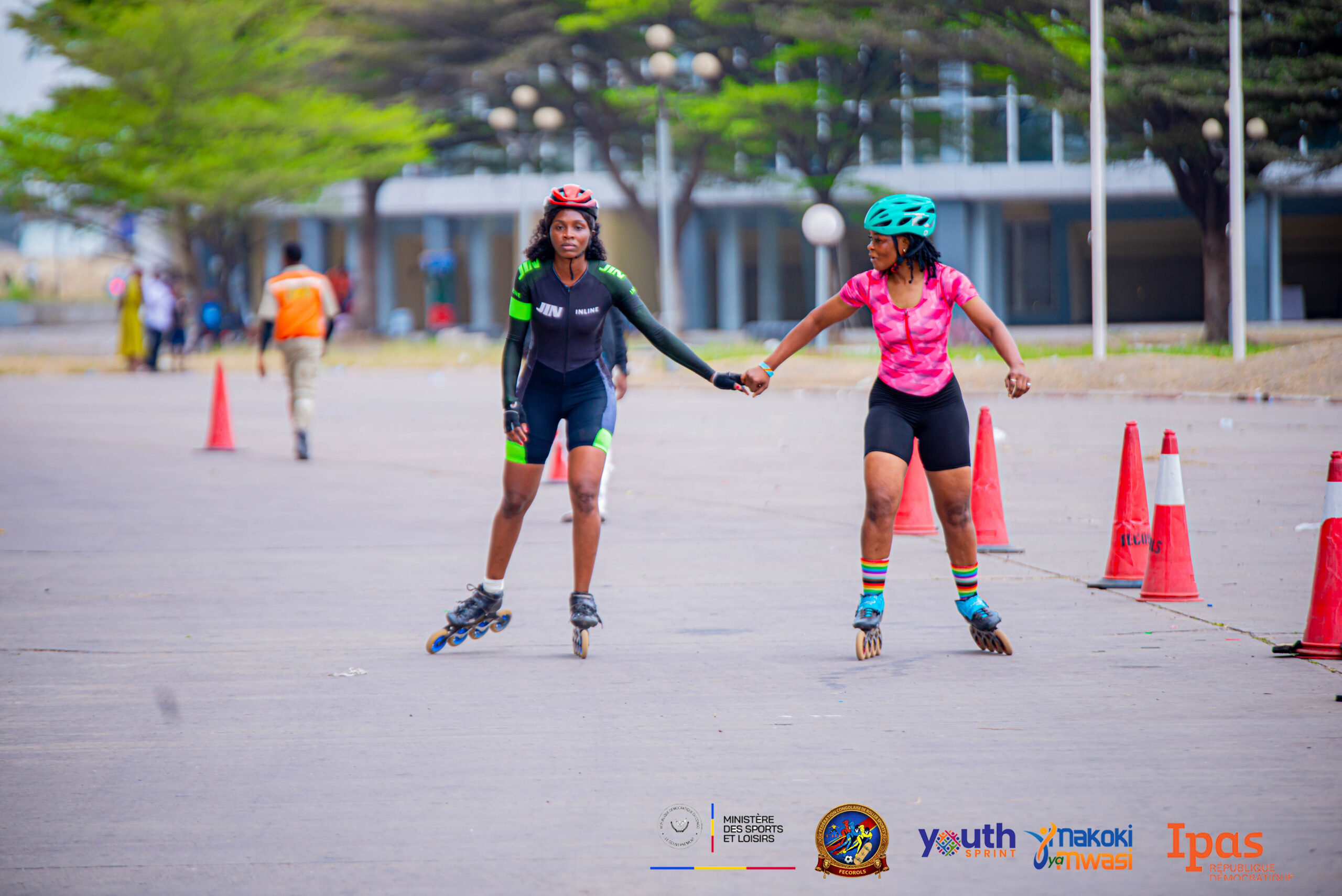
For many girls, participating in sport involves more than training or competing. It can also mean confronting prejudice, sexist comments, and social expectations that still seek to define what girls can do, which spaces they can occupy, and how far their ambitions should take them.
Not all girls experience these barriers in the same way. Gender can combine with age, disability, economic hardship, or location, making it even more difficult to participate in sport or access information and health services. Some girls must therefore overcome several barriers before they even reach the starting line.
Sport can reflect these inequalities, but it can also help challenge them. By taking their place on the track, girls affirm their ability to develop their talents, pursue their ambitions, and determine the direction of their own lives.
Athlete Linda Kanku’s experience illustrates this reality. During long-distance races, she heard people tell her to “stay at home” or “go and cook.” These remarks show how gender stereotypes can undermine girls’ confidence and restrict their aspirations. They also reinforce the need to engage families, coaches, communities, and spectators in creating safer, more respectful, and inclusive sporting environments.
“When a girl chooses sport, she is not challenging society. She is developing her talent, her health, her confidence, and her future.”
said Linda Kanku.
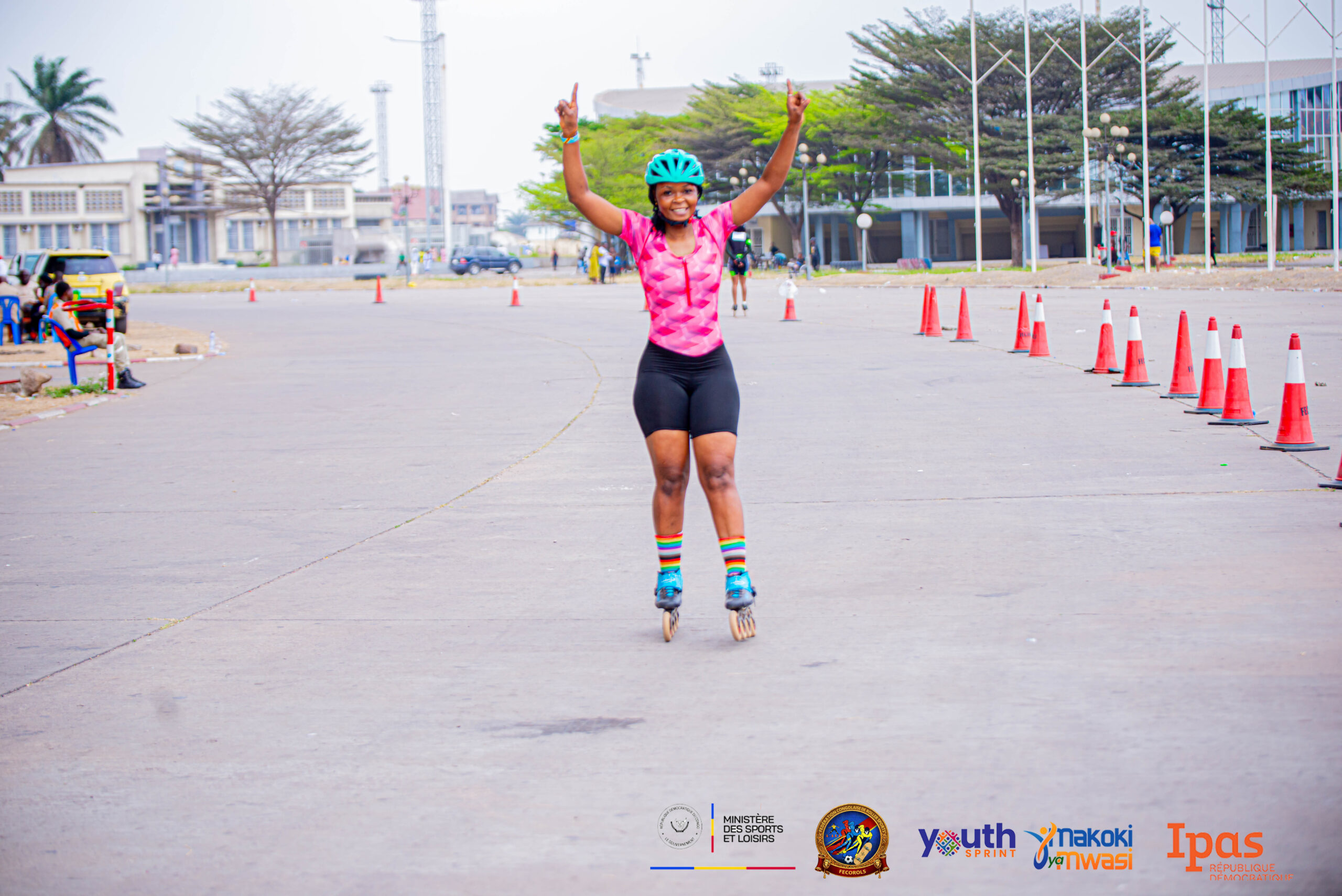
On the track, girls learn to recognize their abilities, push their limits, and believe in their potential. This confidence can also help them raise their voices, stand by their choices, and resist the pressures that seek to make decisions on their behalf.
However, confidence alone is not enough if girls lack reliable information and services that respond to their needs. Supporting them to make decisions about their health and future also requires preventing violence, challenging discrimination, and improving access to clear sexual and reproductive health information.
Through the awareness-raising sessions held during the competition, the young people mobilized by the organization spoke with participants about the different forms of gender-based violence. Violence can be physical, but it can also be verbal, psychological, or social, including through humiliation, intimidation, and prejudice that push some girls away from sporting spaces.
The team also facilitated discussions on contraception. Access to reliable information about contraceptive methods and appropriate services can help young people protect their health, prevent unintended pregnancies, and continue their education, training, and plans for the future. Through these conversations, the organization’s members connected young people with useful resources while helping to break the silence surrounding sexual and reproductive health.
By leading these discussions, the young people of Youth Sprint were not simply delivering messages to their peers. They were helping to create a space where young people could ask questions, learn about their rights, and reflect on the choices that shape their health and futures.
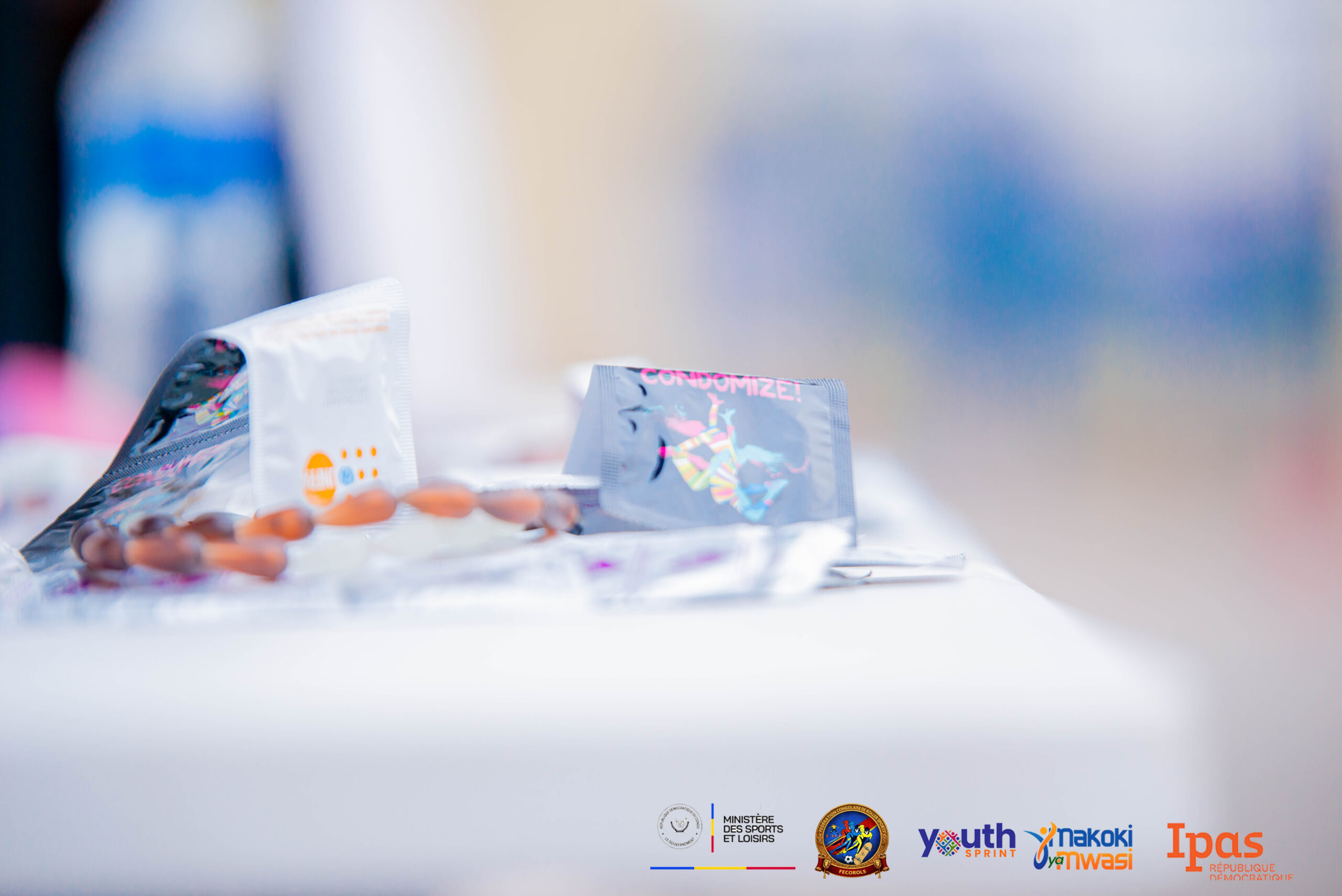
Bringing together gender-based violence prevention and contraception makes it possible to address young people’s safety, health, and ability to make their own choices. A young athlete who is informed, supported, and protected is better positioned to pursue her goals and realize her full potential.
Girls should not, however, carry the responsibility for change alone. Families, coaches, sporting federations, communities, and institutions all have a role to play in making sport an environment where no young person is excluded, humiliated, or exposed to violence.
At the fifth Congo Roller Sports Cup, the awareness-raising activities led by young people from Youth Sprint, with support from Ipas DRC and in collaboration with the Ministry of Sports and FECOROLS, showed that sport can be much more than competition. It can become a space where girls build confidence, learn about their rights, and connect with the resources they need to protect their health and pursue their ambitions.
On the track and beyond, every girl should be able to claim her space, make her own choices, and shape her future free from violence, discrimination, and barriers.
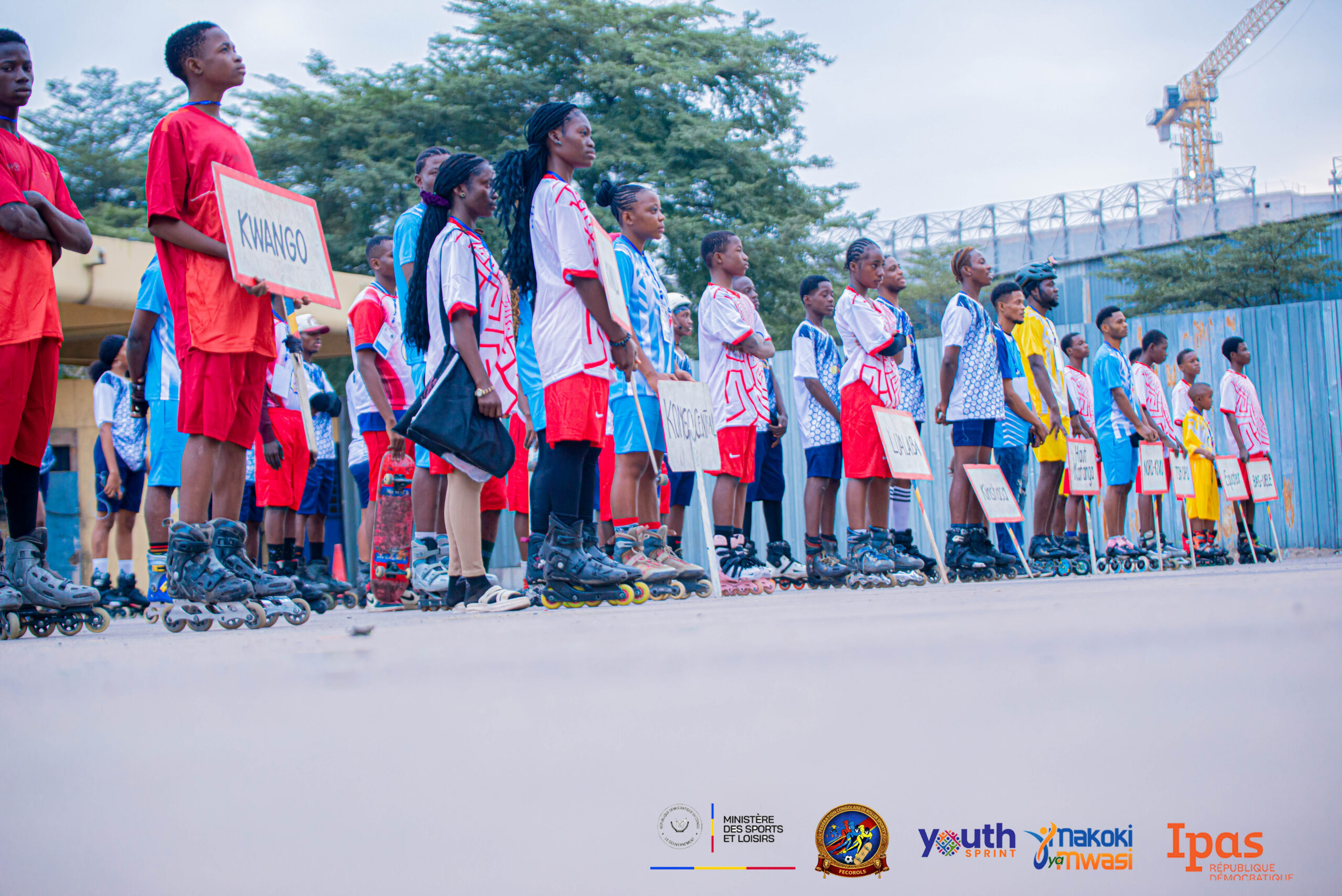
Writen by Lusangi Mankesi Bernetelle, intern at Ipas DRC and member of the Youth Sprint Coalition
For many adolescent girls in Burundi, life-changing decisions and circumstances can emerge at a very early age, often before they have access to the information, support, and opportunities they need to make informed choices about their health, education, and future. Adolescent pregnancy, child marriage, and school dropout continue to affect the lives of many girls, interrupting educational pathways and limiting opportunities at a critical stage of their development.
These challenges do not occur in isolation. They reflect broader social, economic, and institutional dynamics, including poverty, persistent social norms, and unequal access to essential services. Together, these factors can restrict opportunities for adolescent girls and hinder their ability to reach their full potential.
Addressing these issues requires more than individual interventions. Sustainable progress depends on strengthening an enabling environment that supports adolescent girls over the long term—by fostering positive social norms, improving coordination among stakeholders, and reinforcing the systems that shape their everyday lives.
It is within this context that a more structured response to the continuum of adolescent pregnancy, child marriage, and school dropout (CTS) has gradually taken shape in Burundi.
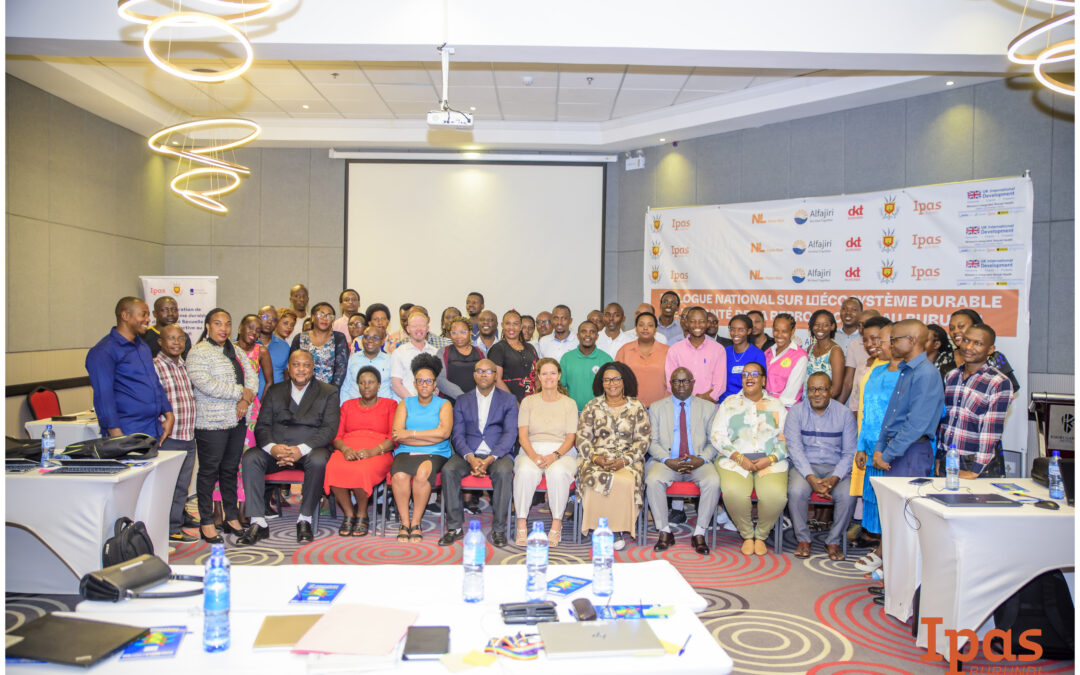
The national dialogue held in Bujumbura represented an important milestone in this process. Bringing together government institutions, technical services, civil society organizations, development partners, and young people, the dialogue helped establish a shared understanding of the challenges affecting adolescents across the country.
Throughout the discussions, participants recognized that CTS is not the responsibility of a single sector. Rather, it reflects a complex set of interconnected factors ranging from economic conditions and social norms to institutional capacities and access to essential services.
The dialogue also contributed to the development of a common framework for action designed to strengthen collaboration, improve coordination among stakeholders, and promote a more coherent response at the national level.
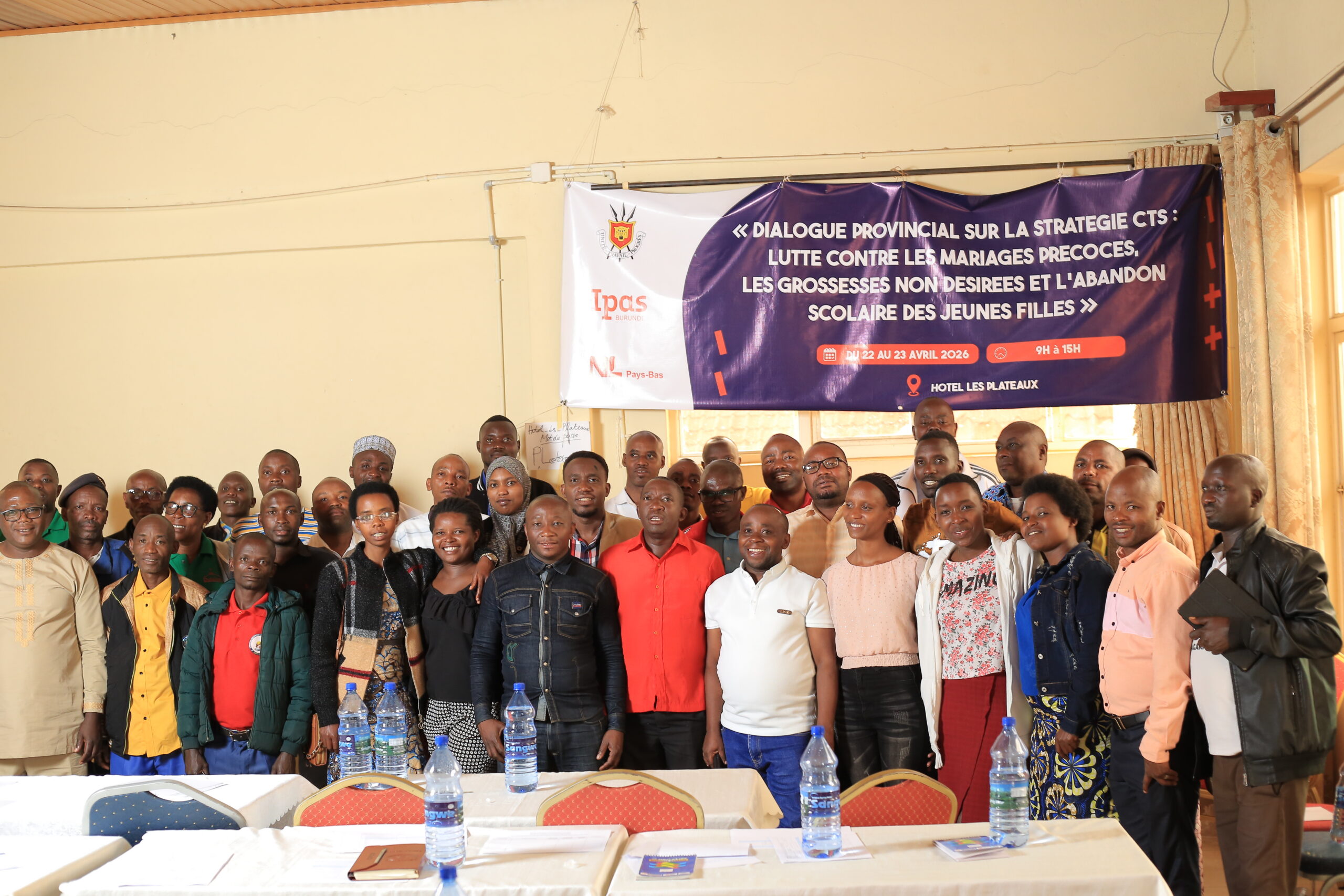
Building on this momentum, a provincial dialogue was organized in Butanyerera Province through the Ndi Uwagaciro project. Held in Ngozi from April 22–23, 2025, the workshop served as an important bridge between national priorities and local realities.
The dialogue brought together a diverse range of stakeholders, including provincial administrative authorities, technical representatives from the education, health, and social protection sectors, civil society organizations, community and religious leaders, implementing partners, and young people. By creating a space for collective reflection, the workshop enabled participants to examine the challenges facing adolescents through the lens of community experiences and local contexts.
Discussions highlighted the persistent and interconnected nature of adolescent pregnancy, child marriage, and school dropout, as well as their implications for adolescent wellbeing and socio-economic development. As part of the process, stakeholders conducted an assessment of the provincial CTS ecosystem, which received a score of 2.6, slightly above the national average of 2.3. The results demonstrated important progress while also highlighting areas where further efforts are needed to strengthen the overall response.
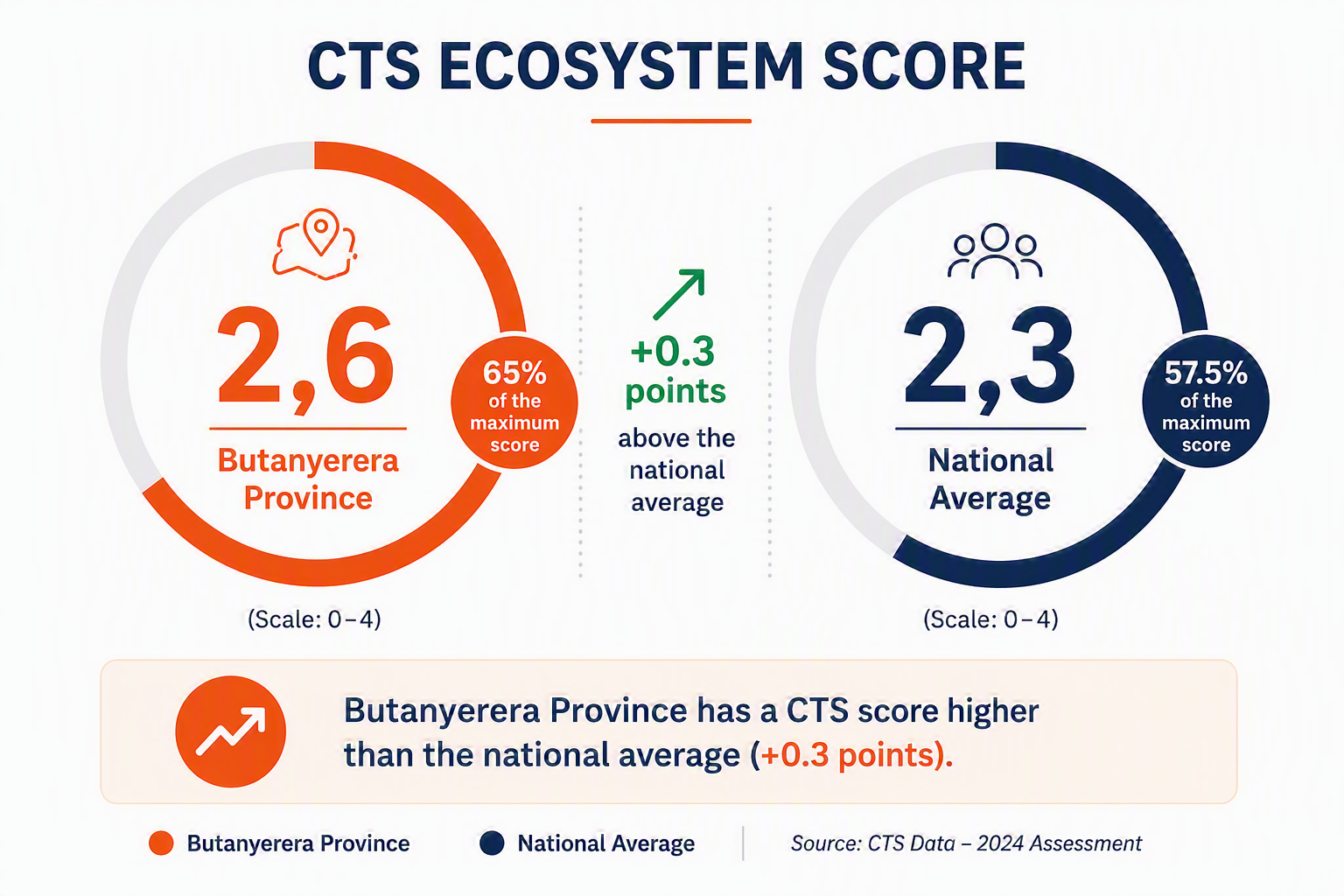
An encouraging performance that reflects the efforts already underway while highlighting opportunities to strengthen the response for greater effectiveness and sustainability.
Through a collaborative process, participants identified key priorities and developed a provincial action plan with clearly defined responsibilities and timelines. This operational roadmap marks an important step toward strengthening local ownership and promoting a more coordinated and effective implementation of interventions across sectors.
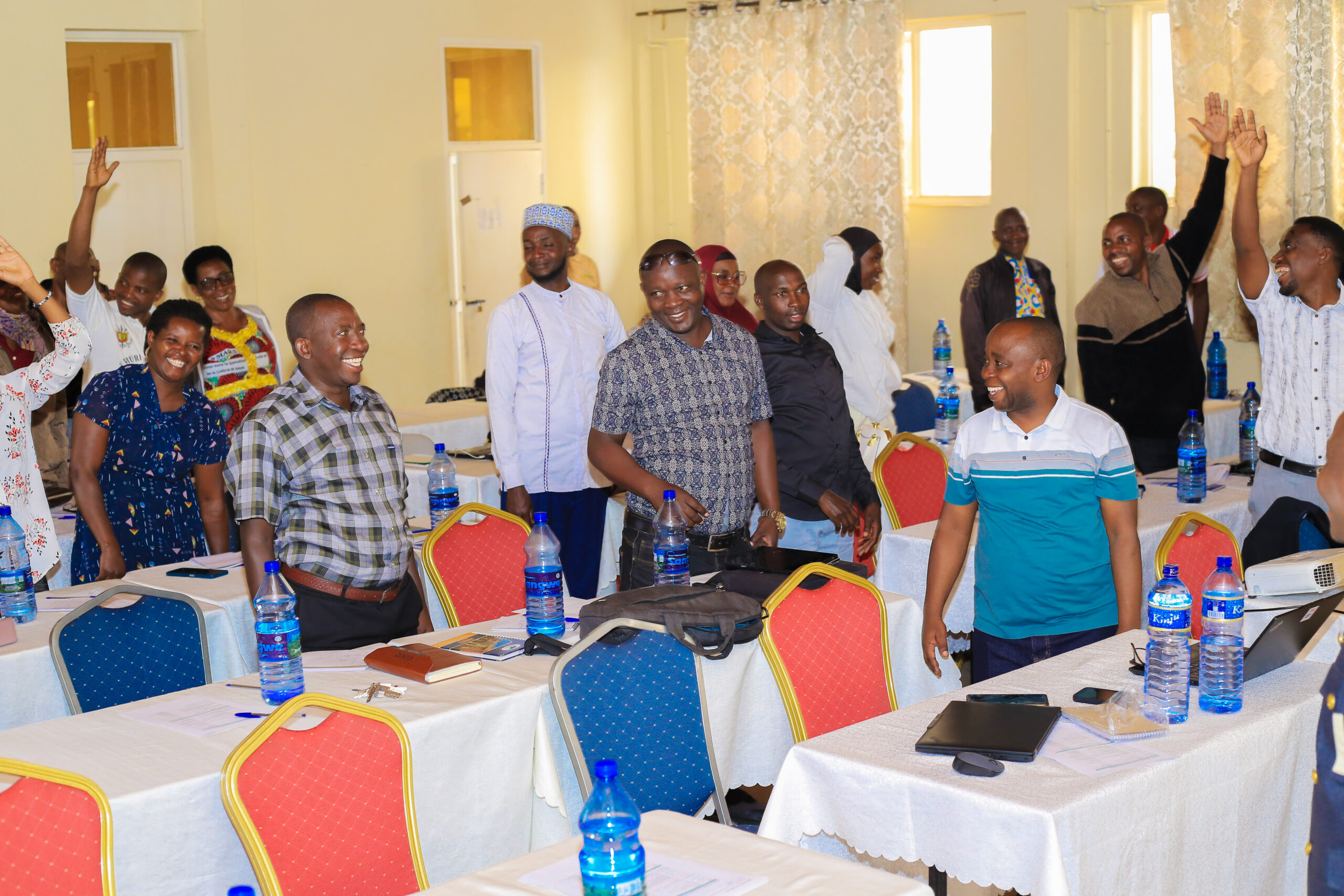
By linking national dialogue processes with local action, this approach is helping establish a more coordinated, inclusive, and community-centered response to the challenges associated with CTS.
A central feature of this approach is the promotion of local ownership. By actively engaging provincial and community stakeholders in identifying priorities and designing solutions, the process helps ensure that interventions are more responsive to local needs and more sustainable over time.
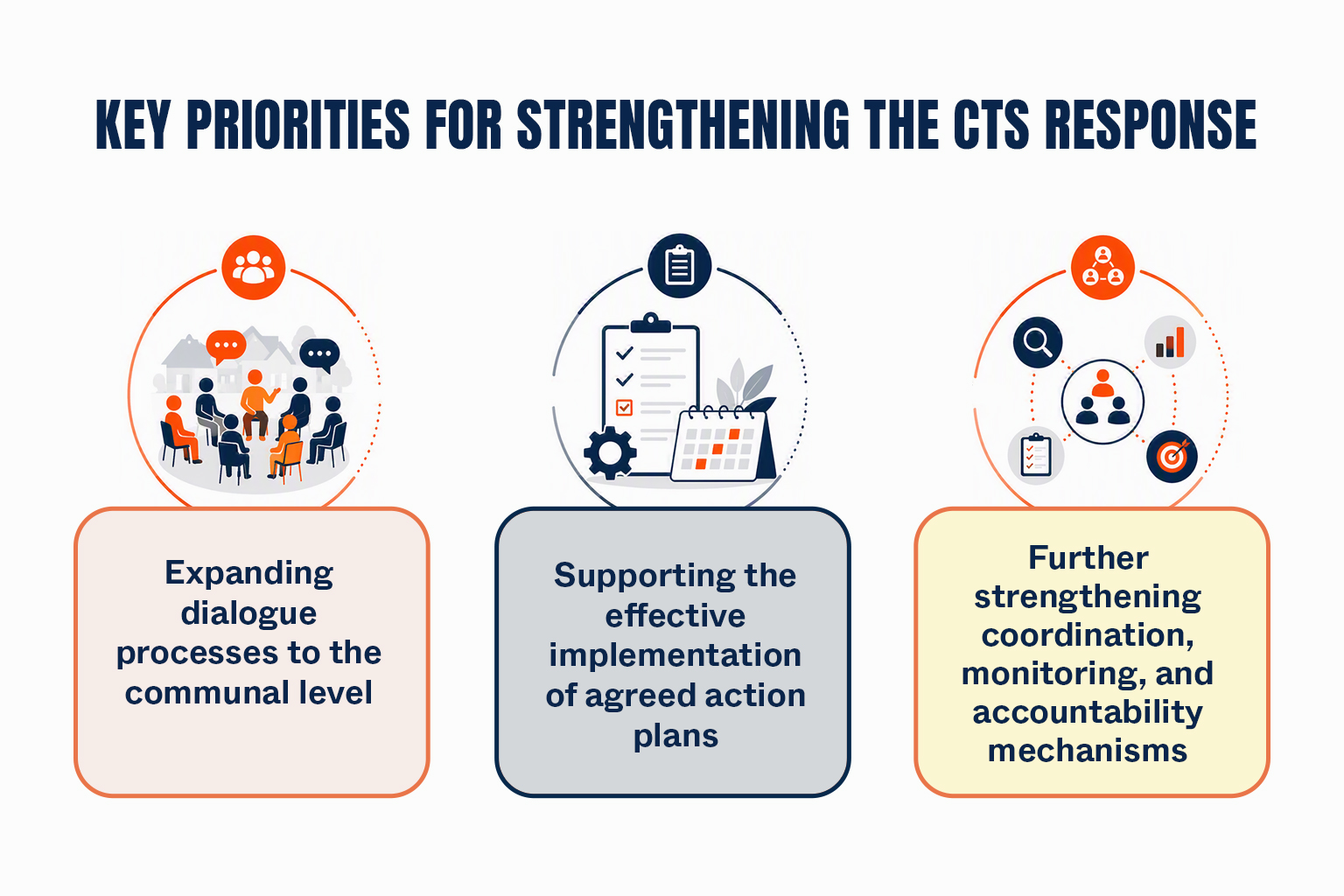
Burundi is progressively laying the foundations for a more coherent and coordinated response to adolescent pregnancy, child marriage, and school dropout.
By aligning stakeholders, grounding actions in local realities, and reinforcing collaboration across sectors, this approach is helping create a more supportive environment for adolescent girls. It is an environment that can enable them to continue their education, broaden their opportunities, and make informed decisions about their futures.
Maintaining and expanding this momentum will be essential to transforming early progress into lasting change. Through continued collaboration, local leadership, and sustained commitment, Burundi can further strengthen the conditions that allow adolescent girls to thrive, pursue their aspirations, and contribute fully to their communities and the country’s development.

This blog was written by Habygaelle Muzie Kimbal Lombo, Patience Lisasi Lisika, and Nadia Lobo Jive (Ipas DRC).
This blog documents the process of developing a Values Clarification and Attitude Transformation (VCAT) training toolkit, highlights key lessons learned, and reflects on its relevance for initiatives supported by GPE KIX and the International Development Research Centre (IDRC).
Inspired by Ipas’ Values Clarification and Attitude Transformation (VCAT) model—originally developed in 2000 to address stigma, attitudes, and beliefs related to abortion—this gender- and inclusion-responsive training toolkit is the result of a collaborative effort between Ipas DRC, Ipas Francophone Africa, and Ipas Global, in partnership with the Kinshasa School of Public Health and Université Félix Houphouët-Boigny.
Designed to support durable shifts in attitudes and practices among education system actors, the toolkit was developed as part of a research project funded by the Global Partnership for Education – Knowledge and Innovation Exchange (GPE KIX), in partnership with the International Development Research Centre (IDRC).. It seeks to address gender-based violence (GBV) and discrimination in schools , while also making it possible to assess uptake and early effects.
Implemented in the Democratic Republic of Congo (DRC), Côte d’Ivoire, and Mali, the project is embedded within a multi-country consortium that leverages youth-led solutions and digital technologies to promote safety and inclusion in schools. Particular attention is given to pregnant adolescents, adolescent mothers, and gender non-conforming students, informed by research evidence documenting the violence and discrimination they face.
In the Democratic Republic of Congo, gender-based violence (GBV) and discrimination in school settings remain widely normalized. Research conducted under the project—including surveys with 4,915 secondary school students—shows that the vast majority of students are exposed to multiple forms of violence. Specifically, 84% report experiencing bullying, 76% report being subjected to corporal punishment, and 67% indicate having been exposed to sexual violence in school settings. These practices disproportionately affect specific groups, including pregnant girls and adolescent mothers, students with disabilities, and gender non-conforming youth.
Beyond their immediate impact on students’ safety and wellbeing, such forms of violence undermine school retention and learning outcomes, while reinforcing pre-existing social and gender inequalities.
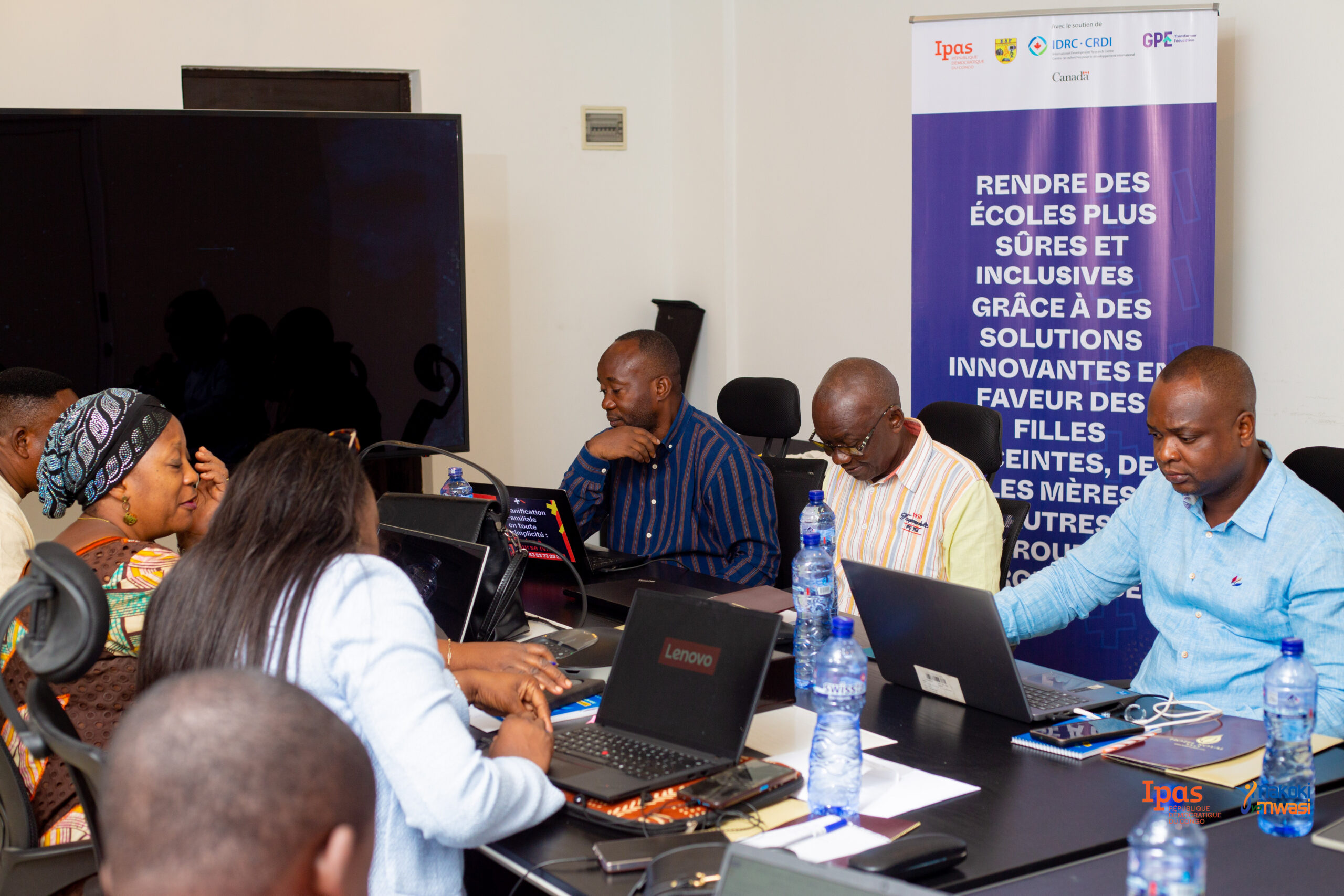
Institutional responses to school-related GBV continue to rely primarily on regulatory frameworks, policies, and disciplinary sanctions. While these measures are essential, they remain insufficient when they fail to address the social norms, beliefs, and attitudes that shape everyday behaviors among teachers, school administrators, parents, and education authorities.
Yet these less tangible dimensions play a central role in the reproduction—or, conversely, the prevention—of violence and discrimination in schools.
In response to this gap, identified through research, Ipas and its partners developed a training toolkit grounded in the VCAT approach. By intentionally linking evidence, attitude transformation, and concrete practices for promoting safer and more inclusive schools, the toolkit creates structured spaces for individual and collective reflection. It enables participants to critically examine the values underlying educational practices, make their impacts visible, and initiate sustainable changes in attitudes.
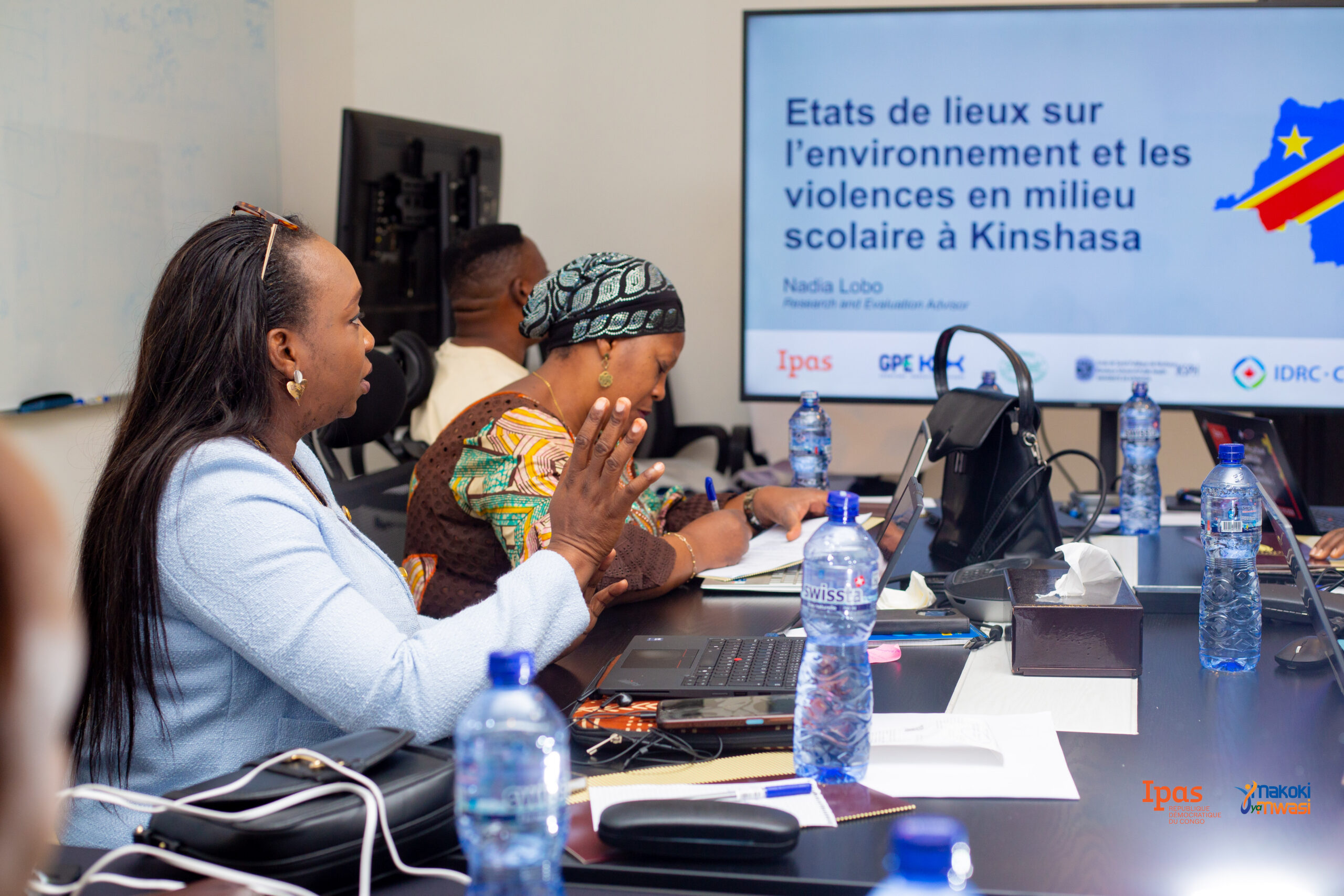
Building on research conducted in secondary schools, the project undertook a deep methodological adaptation process. Findings highlighted several persistent trends: the continued use of corporal punishment, the normalization of psychological violence, stigma toward pregnant girls, the invisibility of students with disabilities, and targeted violence against gender non-conforming youth.
Based on this evidence, Ipas DRC and its partners carried out a critical review of existing VCAT tools to identify exercises most relevant to school settings. Four exercises were selected and contextualized—Comfort Zone Continuum, Four Corners, Why Did They Leave School?, and Crossing the Line—with content reformulated to reflect lived realities in the Congolese context.
The development of the toolkit relied on a co-creation process involving Ipas DRC, Ipas Francophone Africa, and Ipas Global technical teams, alongside academic partners including the Kinshasa School of Public Health and Université Houphouët-Boigny.
The adaptation drew on Ipas methodological frameworks, national and international legal instruments on children’s rights, and resources produced by UNESCO and UNICEF. The process also underscored the limited availability of operational literature on school-related GBV, reinforcing the added value of the toolkit as a bridge between research and practice.
From the outset, the toolkit integrated an evaluation component through paired pre- and post-training tests designed to measure changes in knowledge, attitudes, and levels of engagement with issues related to gender, inclusion, and GBV.
This strengthens the toolkit’s credibility as a learning and knowledge capitalization tool, beyond its function as a training resource.
To foster long-term ownership and prepare for scale-up, the project adopted a training-of-trainers approach. Participants included representatives from the Ministries of Education and New Citizenship (life skills education division), Gender, Family and Children, and Health, Hygiene and Prevention (National Adolescent Health Program), as well as teachers, school leaders, and civil society actors, including organizations representing women, youth, and persons with disabilities.
For many participants, this was their first experience of a training approach centered on critically examining their own values, emotions, and professional practices.
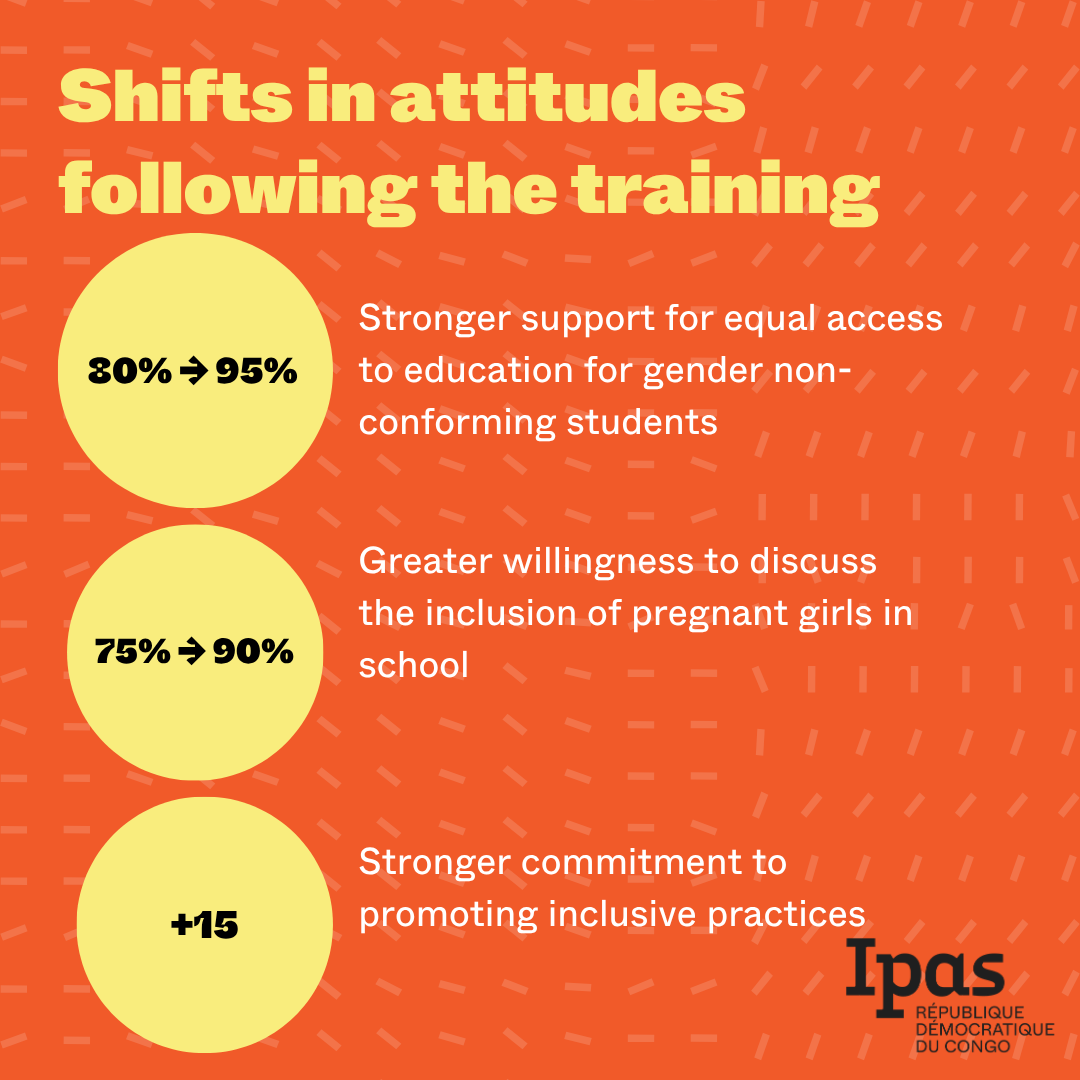
Initial implementation revealed notable shifts: increased awareness of the violent nature of practices long perceived as normal, greater clarity around the roles of teachers and parent committees in violence prevention, and the emergence of school-based prevention and reporting mechanisms.
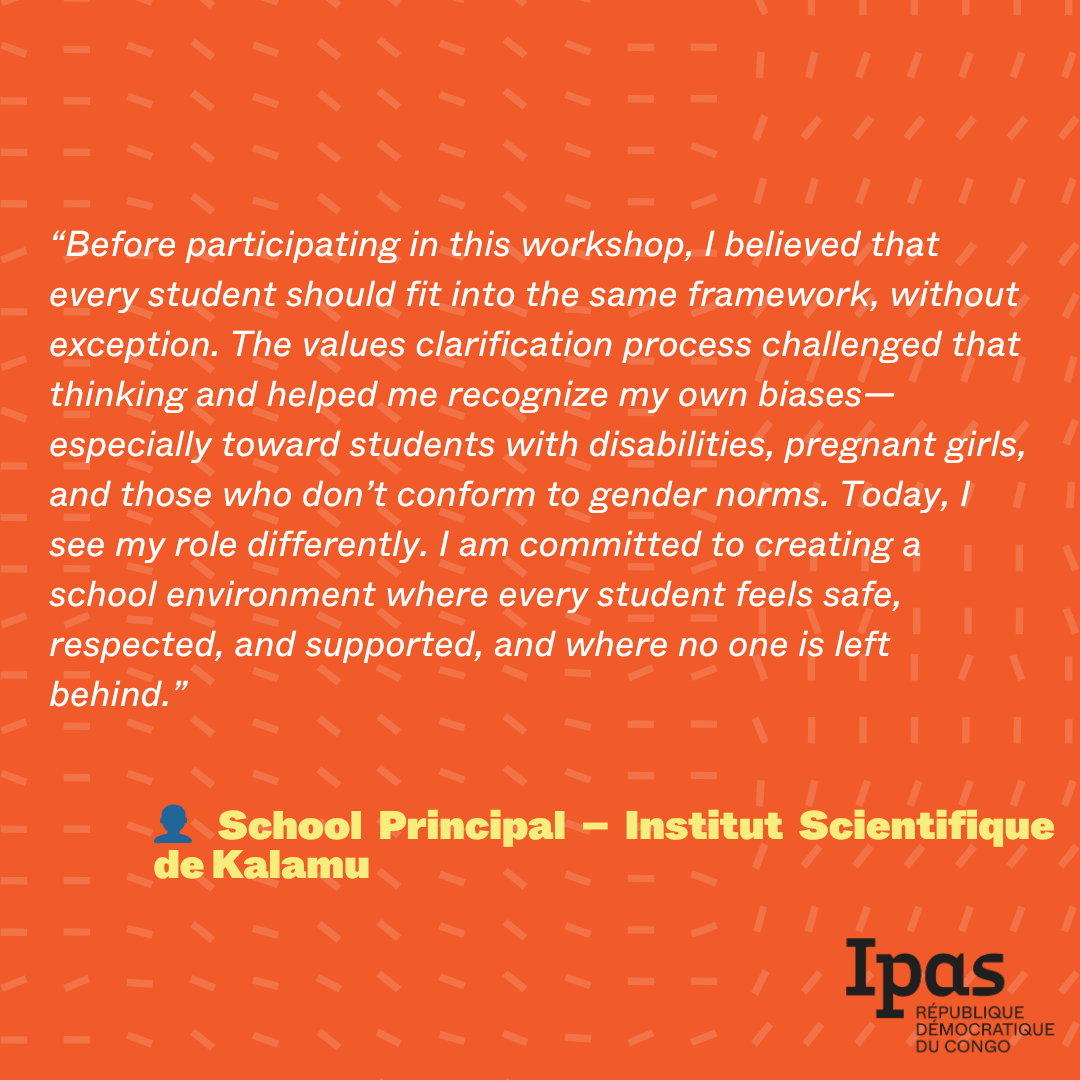
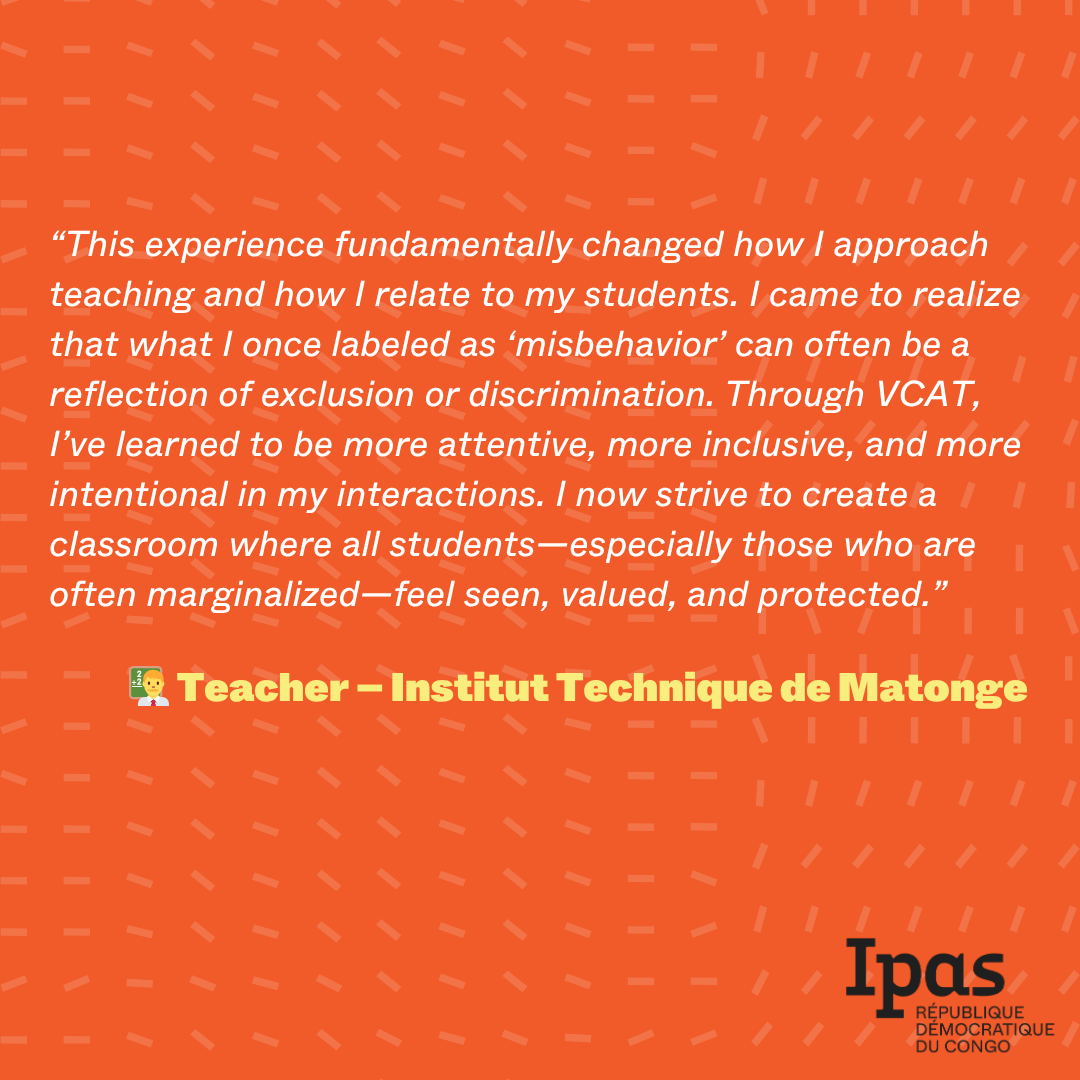
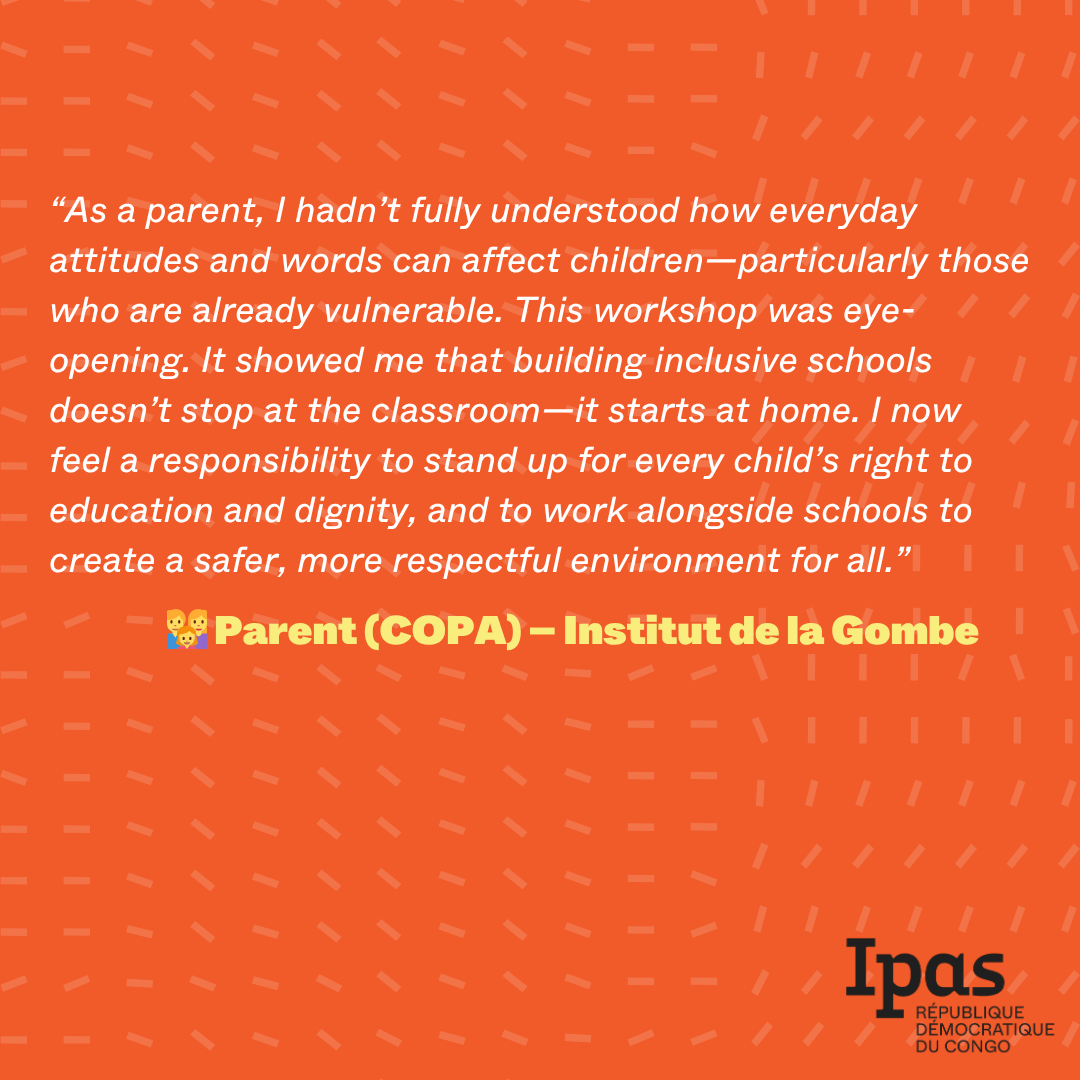
However, resistance persists—particularly regarding the abandonment of corporal punishment and the acceptance of gender non-conforming students—confirming that changing social norms is a gradual and non-linear process.
This experience highlights several transferable lessons for the GPE KIX community :
Next steps will focus on scaling up the toolkit, strengthening direct engagement with students, and anchoring safe and inclusive school approaches more sustainably within education policies.
For Ipas Global, Ipas Francophone Africa, Ipas DRC, and their academic partners, this toolkit represents a strategic lever for transforming education systems—placing dignity, inclusion, and the safety of every learner at the heart of action.
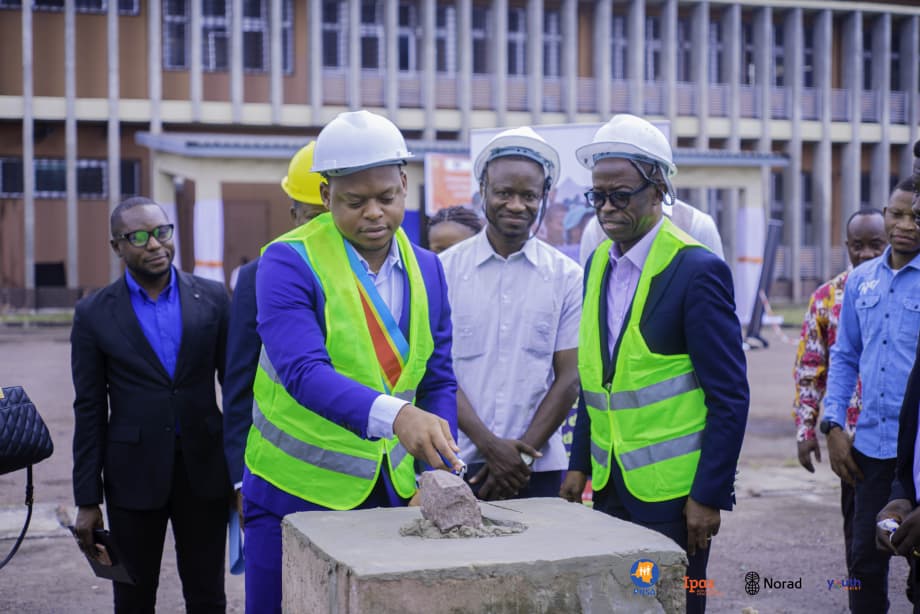
On April 3, the Democratic Republic of Congo took an important step forward in strengthening sexual and reproductive health (SRH) prevention with the launch of a new youth‑focused initiative at the National Institute for Health Education and Promotion (INPESS). Led by the National Adolescent Health Program (PNSA), with support from Ipas DRC and funding from the Norwegian Agency for Development Cooperation (NORAD), the initiative seeks to establish a safe, inclusive space for learning, dialogue, and peer‑to‑peer exchange—designed with young people, for young people.
Rather than intervening at the point of crisis, the Youth Center is grounded in a social and behavior change approach, addressing the root causes of vulnerability by strengthening access to reliable information, encouraging critical reflection, and supporting informed decision‑making among adolescents and young people.
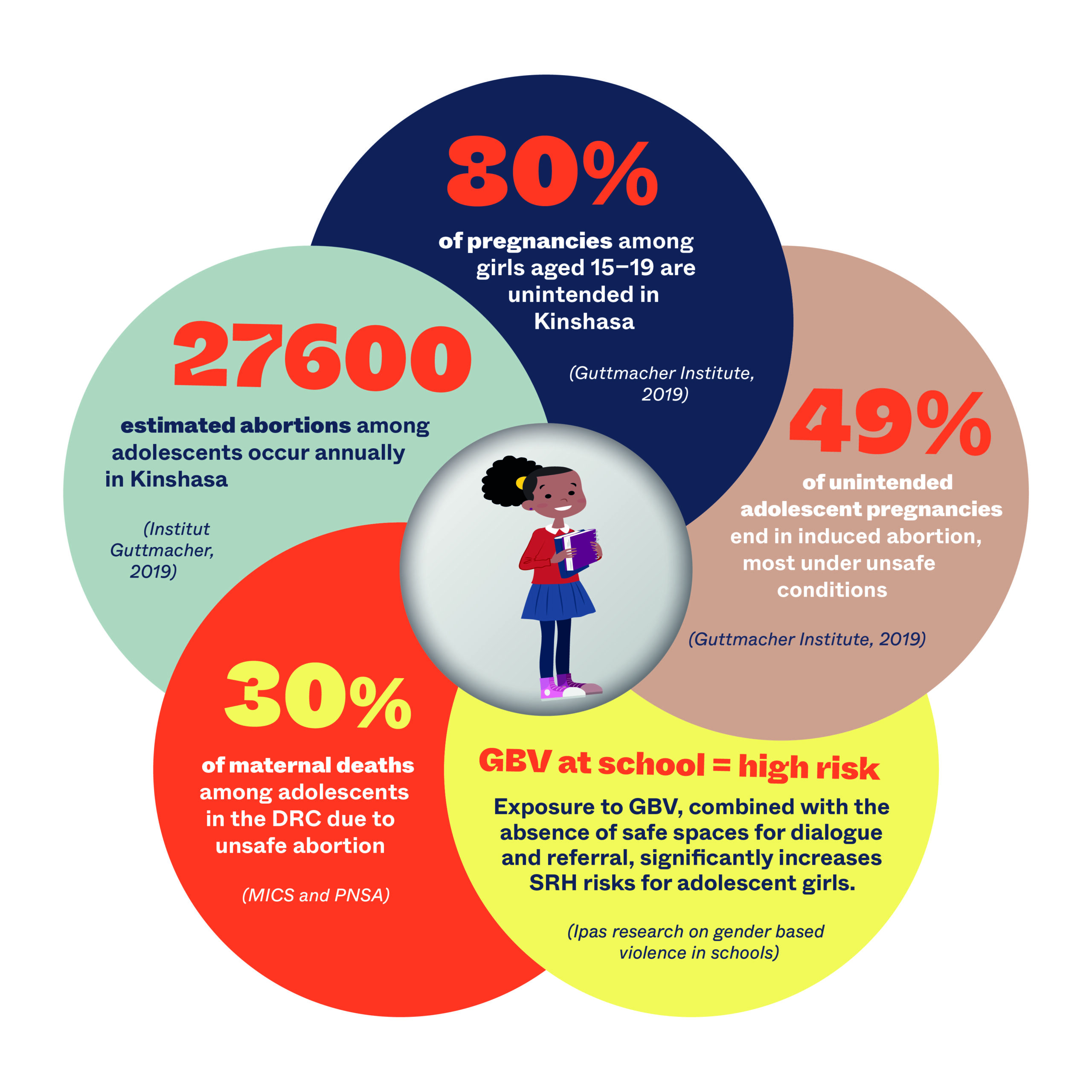
In the DRC, many adolescents and young people still struggle to access accurate, age‑appropriate SRH information. Deep‑rooted social taboos, limited communication within families and communities, and fear of judgment leave young people—especially girls—without the tools they need to navigate decisions about their bodies and their futures. Too often, these decisions are made alone, under pressure, or when risks have already escalated.
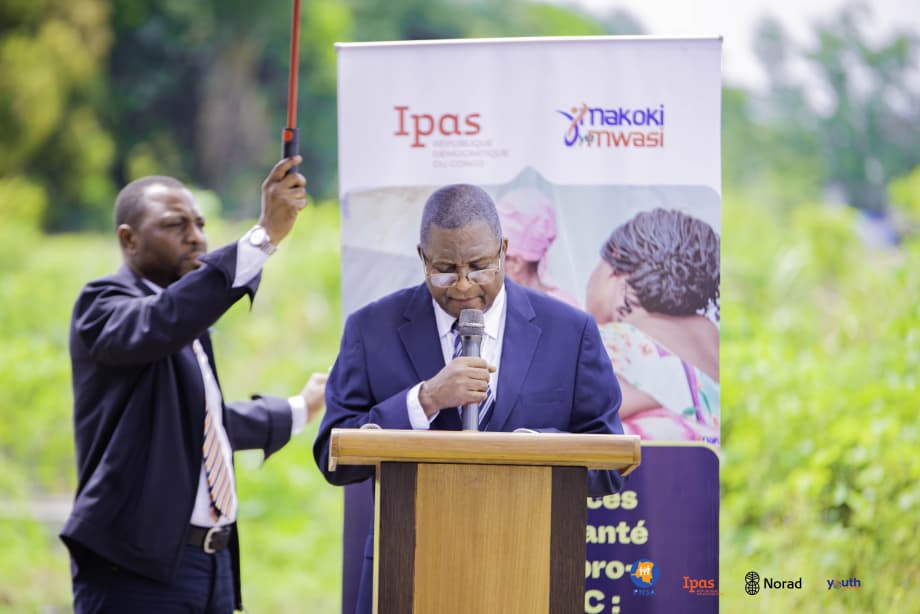
The Youth Center is built on a model of shared responsibility. The National Adolescent Health Program (PNSA) provides strategic leadership, ensuring coherence with national health and education priorities, as well as with broader SBC frameworks.
At the groundbreaking ceremony, the PNSA Director emphasized the center’s role as a space for information, listening, and youth‑friendly referral, reinforcing the State’s commitment to adolescent health and to the long‑term sustainability of the initiative.
Equally central to the model is youth leadership. The center will be managed and animated by members of Youth Sprint, creating a strong peer‑to‑peer dynamic. This approach ensures relevance, cultural resonance, and credibility, while allowing young people to act not only as participants, but as facilitators and agents of social change.
By combining institutional leadership with meaningful youth engagement, the initiative reflects a core SBC principle: lasting behavior change grows out of trusted, locally anchored spaces shaped by the people they serve.
The Youth Center has been intentionally designed to operate upstream—before clinical care is sought and before risks escalate. It moves away from service‑delivery models and instead positions information, dialogue, and reflection as the first steps toward prevention.
Crucially, the center is non‑medicalized. Young people come not to receive treatment, but to talk, listen, question, and learn in an environment free from judgment or stigma. This makes it possible to openly address issues that are often silenced: sexual and reproductive health, gender norms, bodily rights, gender‑based violence, and decision‑making.
Grounded in social and behavior change, the center focuses on the norms, beliefs, and power dynamics that shape young people’s choices—particularly those affecting adolescent girls. The aim is not simply to share information, but to foster agency, critical thinking, and confidence.
Another defining feature is that the space will be run by young people, for young people, through Youth Sprint. Peer‑to‑peer engagement strengthens trust, makes conversations more accessible, and transforms young people from information recipients into leaders and advocates.
In practice, the Youth Center will offer:
The center will also play a key referral role, helping young people identify appropriate services and navigate safer care‑seeking pathways, without duplicating existing health services.
By placing information, dialogue, and referral at the center of its approach, the Youth Center addresses vulnerability at its source. It creates conditions for young people to understand their options, reflect on their choices, and take informed decisions about their bodies and their lives.
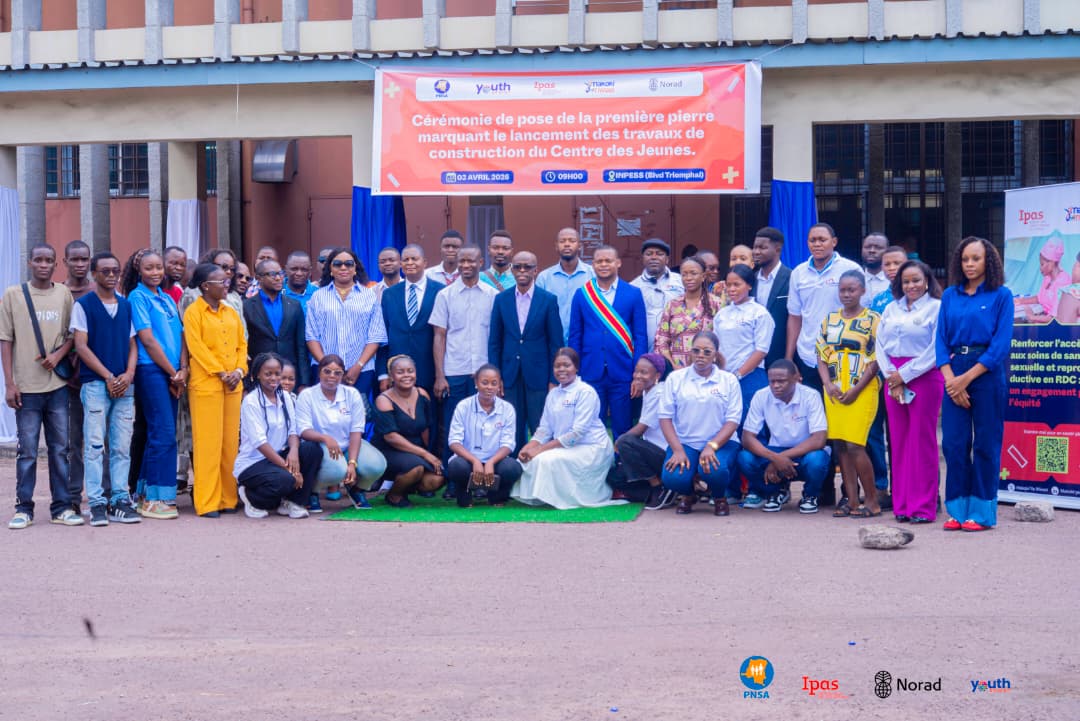
Over time, this approach contributes to reducing unintended pregnancies, unsafe practices, and gender‑based violence. More broadly, the center stands as a strategic investment in social and behavior change, supporting bodily autonomy and well‑being for adolescents and young people across the Democratic Republic of Congo.

For several years, Ipas DRC has engaged in regional and global advocacy spaces to help shape the legal, policy, and institutional environments that determine women’s and girls’ access to sexual and reproductive health and rights in the Democratic Republic of Congo. The United Nations Commission on the Status of Women (CSW) remains a critical global forum for advancing gender equality, social justice, and human rights.
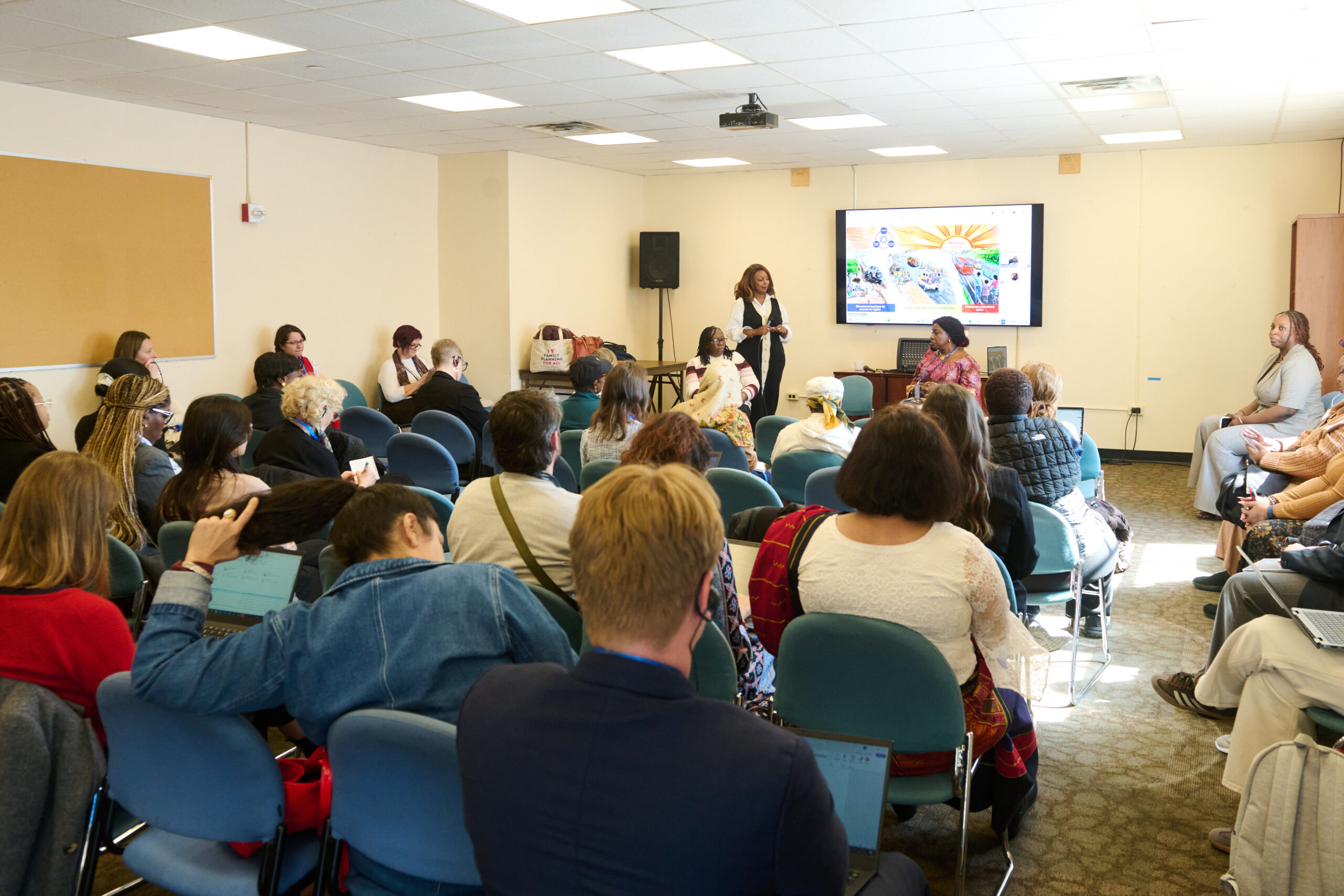
For Ipas DRC, participation in these international spaces is a strategic opportunity to influence global norms, support the effective implementation of the Maputo Protocol in the DRC, and reinforce the legitimacy of national reforms on sexual and reproductive rights.
As part of this broader advocacy effort, Ipas DRC took part in the 70th session of the CSW, held in New York from March 9 to 19, 2026, alongside a high‑level national delegation bringing together leaders from the justice sector, the health system, and civil society, under the patronage of the Minister of Gender, Family, and Children. The discussions reaffirmed the Congolese government’s commitment to advancing and protecting the sexual and reproductive rights of women and girls.
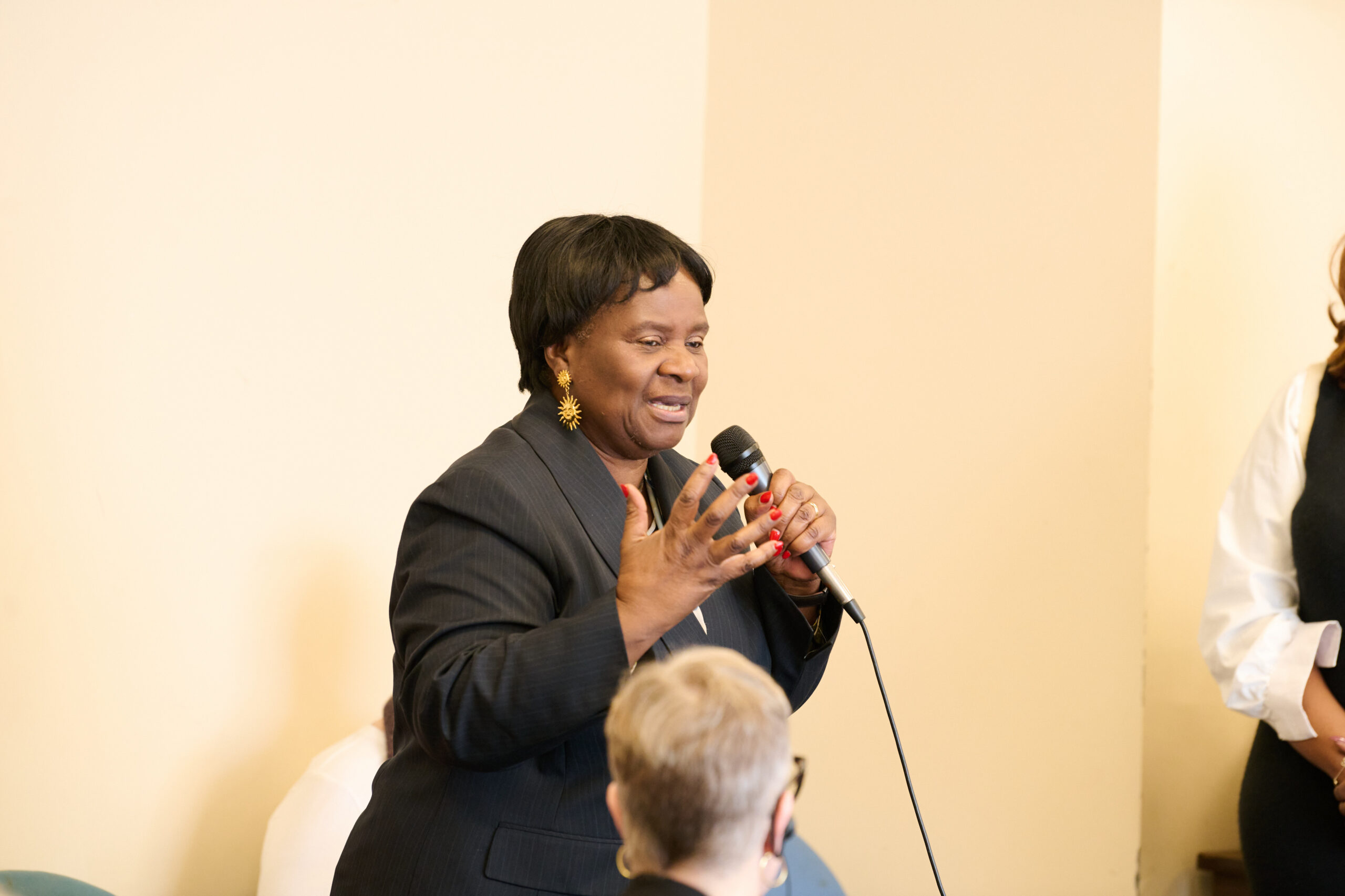
Conversations at CSW70 highlighted tangible progress in legal reform and institutional accountability, including the training of more than 5,000 magistrates, the establishment of judicial focal points, and the issuance of a directive by the High Council of the Judiciary. These measures are helping to improve how abortion‑related cases are addressed within the justice system and to strengthen protections for women’s rights, including in fragile and humanitarian contexts.
At the same time, participants emphasized that legal progress alone is not enough. Limited community awareness, persistent stigma, and uneven enforcement of the law continue to disrupt women’s access to care. In response, Ipas DRC shared its approach to building a sustainable abortion ecosystem—one that strengthens the capacity of health and justice actors, expands access to accurate information, and improves service quality and institutional accountability.
Strong advocacy also called for the integration of comprehensive abortion care into Universal Health Coverage as a critical pathway to sustainably reducing maternal mortality. While data presented point to a decline in deaths linked to unsafe abortion, adolescent girls and young women aged 15–19 remain disproportionately affected. The importance of holistic care for survivors of sexual violence—including medical, legal, and psychosocial support—was also underscored, alongside the need for continued vigilance in the face of persistent global opposition to sexual and reproductive rights.
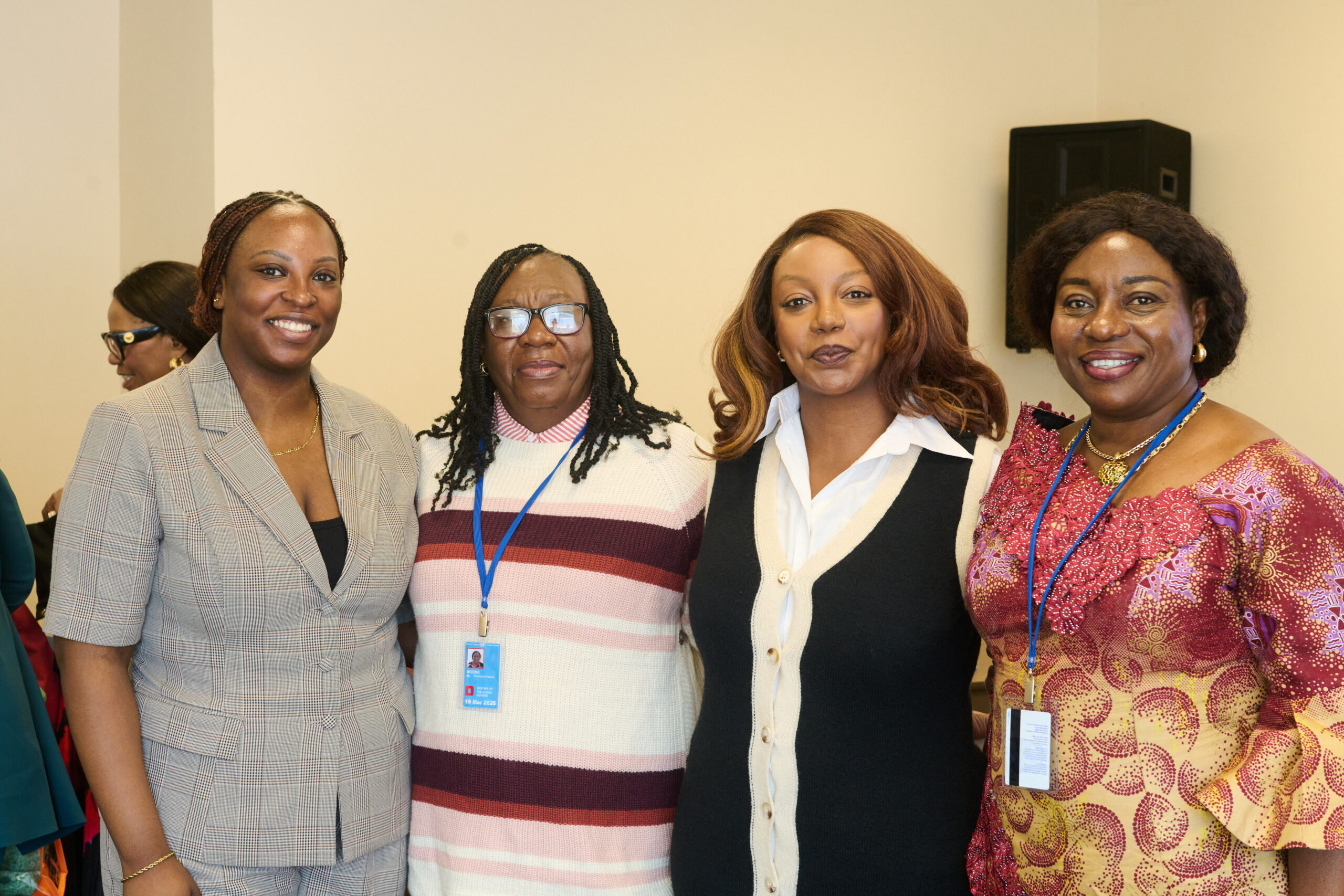
Through its participation in CSW70, Ipas DRC reaffirms its conviction that realizing women’s sexual and reproductive rights requires coordinated action across the justice and health systems, anchored in strong institutional accountability, to ensure rights‑based, accessible, and sustainable care pathways for all women and girls.