Ipas DRC
Non-profit organization
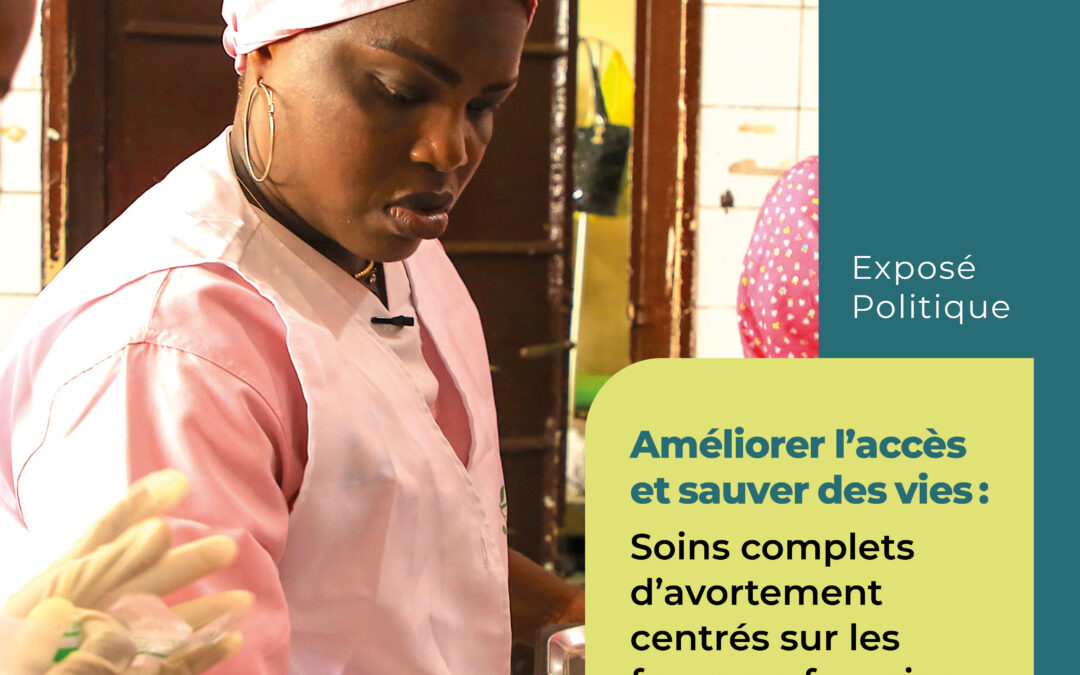
In the Democratic Republic of the Congo, abortion is part of the lived reality of many women and girls. Yet for a significant number of them, access to safe, quality services remains out of reach, forcing them to turn to care outside the formal health system—often at great risk to their health and well-being.
Complications related to unsafe abortion remain a major contributor to maternal morbidity and mortality. These outcomes reflect persistent inequalities in access to sexual and reproductive health (SRH) information, quality services, and financial protection. Adolescents, women living in poverty, and those in humanitarian or conflict-affected settings face the greatest barriers.
For too long, comprehensive abortion care (CAC) has been treated as peripheral to health system priorities. This marginalization has not only delayed access to timely care but has also increased financial burdens on families and placed additional strain on already stretched health systems.

Universal Health Coverage (UHC) aims to ensure that the entire population of the Democratic Republic of the Congo can access essential, quality health services without the risk of financial hardship linked to out-of-pocket payments. In the DRC, the National Health Development Plan (NHDP) 2016–2020—revised as the 2019–2022 NHDP under the vision of “toward universal health coverage”—laid the foundation for the development and adoption of the National Strategic Plan for Universal Health Coverage (NSP-UHC) 2020–2030. This plan now serves as the primary framework guiding health system reforms.
But beyond its technical ambition, UHC represents a powerful political commitment: placing equity, social justice, and human rights at the center of health policies. It provides a unique opportunity to address structural inequalities that continue to exclude many women from essential sexual and reproductive health (SRH) services.
In this context, integrating comprehensive abortion care (CAC) is not simply a programmatic consideration—it is essential for UHC to fulfill its promise of universality.
However, CAC remains only partially integrated into national UHC implementation mechanisms. This gap continues to limit the inclusiveness of health policies for women and girls. This shared reality has gradually led to a growing consensus : UHC cannot achieve its objectives without fully including comprehensive abortion care within its essential health service package.
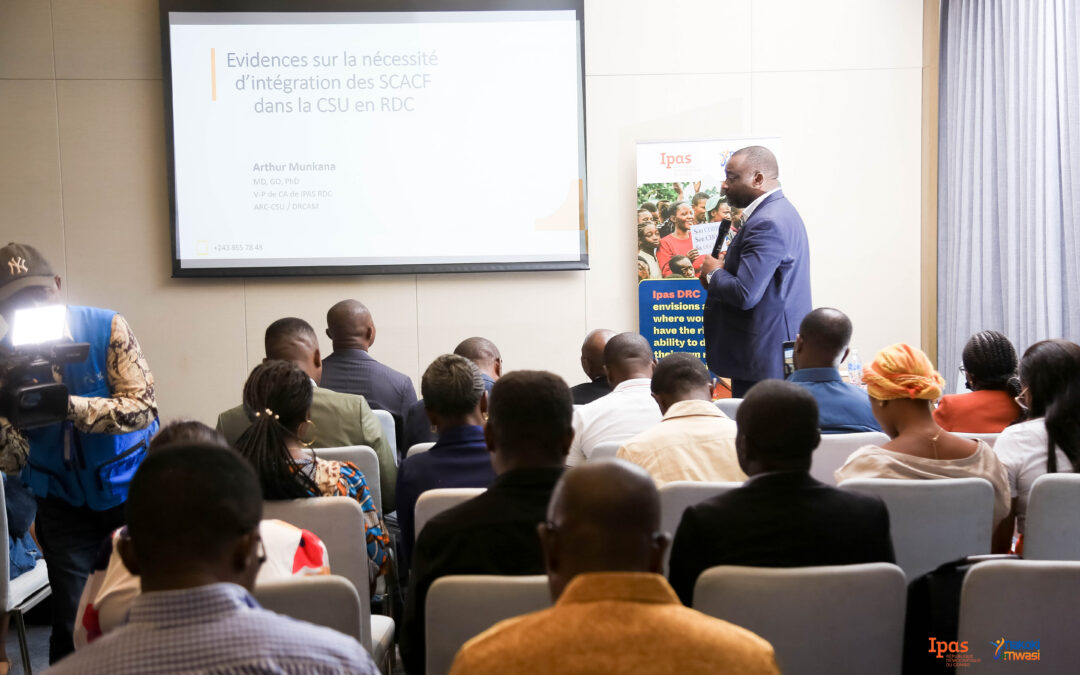
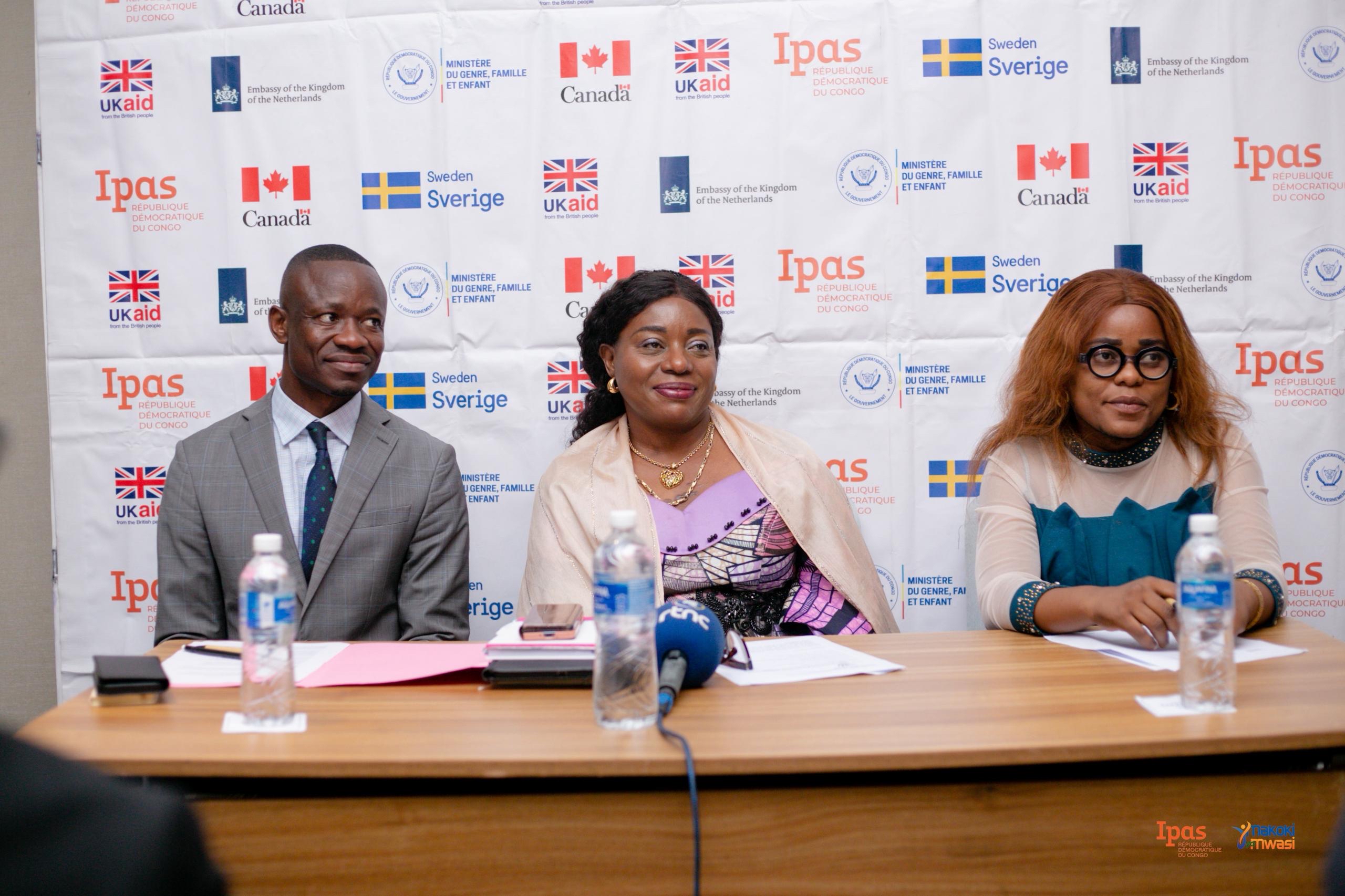
It is within this context that advocacy efforts were launched in October 2024, under the leadership of the National Reproductive Health Program (PNSR), with technical support from Ipas DRC. The process began with an initial engagement with UHC authorities, including the Director of the Agency for Regulation and Oversight of Universal Health Coverage (ARC-UHC), focusing on how UHC operates and how to integrate comprehensive abortion care into its framework.
This collective effort has helped reposition comprehensive abortion care as an essential public health service, grounded in evidence and in the realities experienced by communities.
Several key milestones have already been achieved :
These advances mark a turning point: the question is no longer whether comprehensive abortion care should be included, but how to ensure its progressive, coherent, and sustainable integration in a way that upholds the health and dignity of women and girls.

The favorable position toward integrating comprehensive abortion care into UHC represents a critical milestone—but it is not the end of the process. The priority now is clear: to move from political commitment to effective implementation, in a way that is progressive, measurable, and equitable.
This includes :
Beyond technical considerations, this integration represents a broader structural shift. It recognizes that abortion-related care is part of public health realities and must be included in health systems that are equitable, inclusive, and responsive to people’s needs.
For Ipas DRC, integrating comprehensive abortion care into UHC is part of a broader goal: ensuring that every woman and girl can fully exercise her right to bodily autonomy and access safe, respectful, and accessible sexual and reproductive health services.
It represents a strategic opportunity to transform normative commitments into real access to care—and to bring health systems closer to the lived realities of women.
In the DRC, the question is no longer whether these needs exist, but whether public policies will respond in ways that are equitable, sustainable, and grounded in rights.
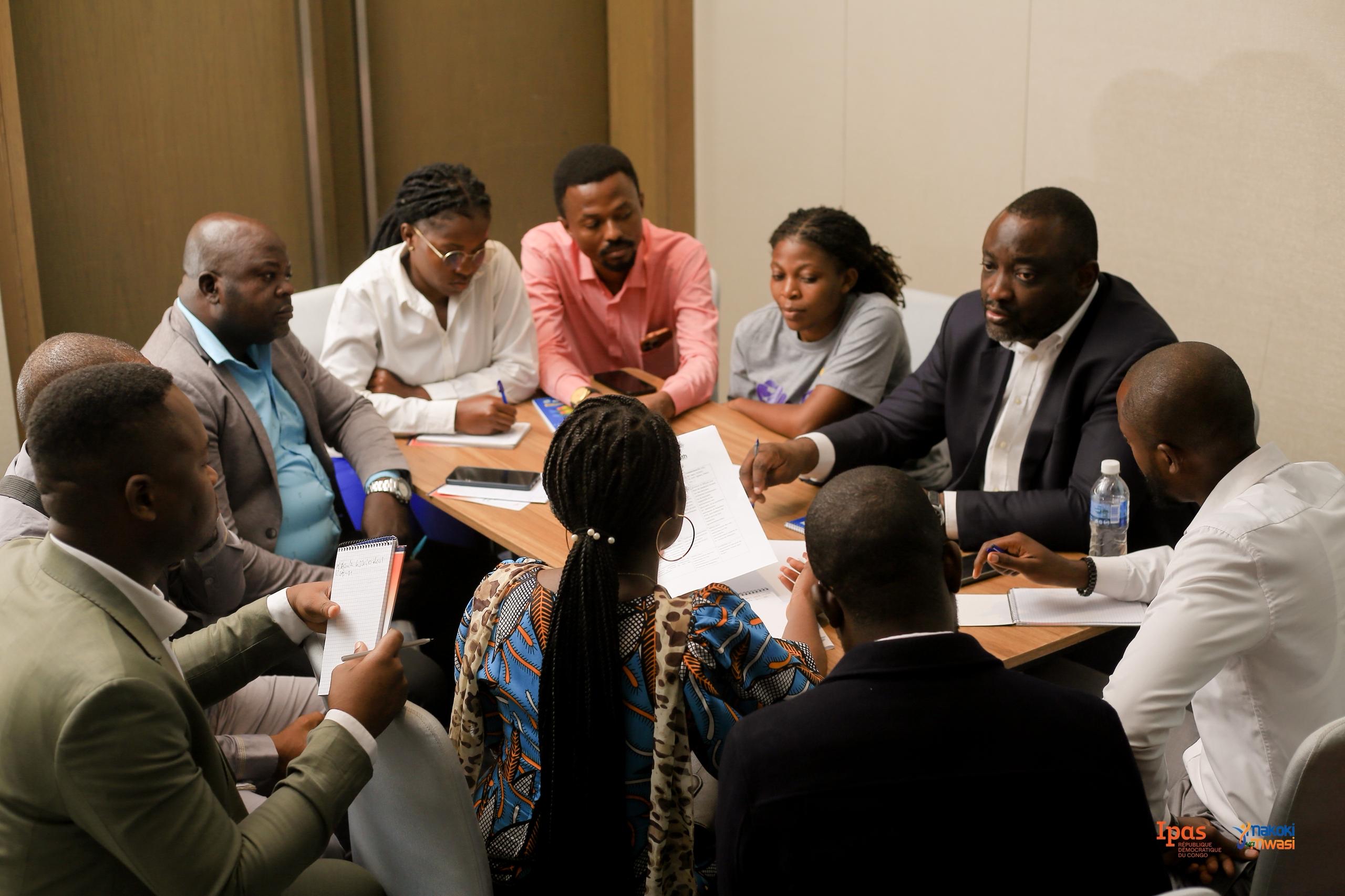
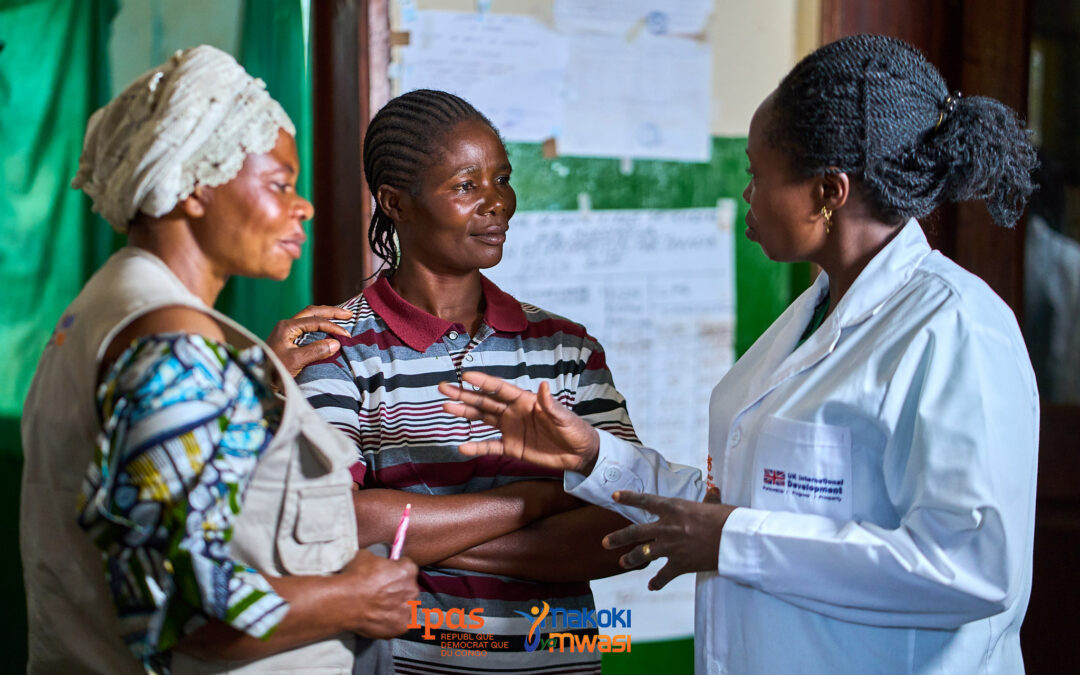
In eastern Democratic Republic of Congo (DRC), decades of humanitarian crisis have led to repeated waves of displacement. The recent closure of several internally displaced persons (IDP) camps has further intensified this situation, with families moving into host communities and informal settlements, particularly in Nyiragongo, Karisimbi, and the city of Goma.
This shifting humanitarian landscape is unfolding amid ongoing insecurity and armed violence, placing sustained pressure on social services and an already fragile health system. As population movements become more dispersed, the way sexual and reproductive health (SRH) services are organized must also evolve.
Service delivery models that were once centered in displacement camps are no longer sufficient to meet the needs of women and adolescents living within host communities. This reality has called for a strategic shift—one that brings essential services closer to where people live and strengthens local health systems in the process.
With support from the Government of Canada through the WISH initiative, Ipas DRC works alongside health authorities and local partners to support continuity and access to essential SRH services for women and adolescents, even in acute humanitarian contexts.
As displaced populations have become more dispersed, health authorities—supported by Ipas DRC and other humanitarian partners—have moved toward integrating sexual and reproductive health services into existing public health facilities and outreach sites.
This approach prioritizes proximity, sustainability, and system resilience. It supports the delivery of comprehensive abortion care, family planning services, care for survivors of gender-based violence, and prevention and treatment of sexually transmitted infections.
Across North and South Kivu, this collaboration has strengthened service delivery in approximately thirty health facilities, primarily in areas hosting large numbers of displaced and vulnerable households. Support has focused on building provider capacity, ensuring the availability of essential commodities, providing supportive supervision, and reinforcing community-based referral mechanisms. Together, these efforts help reduce geographic, social, and economic barriers to care.
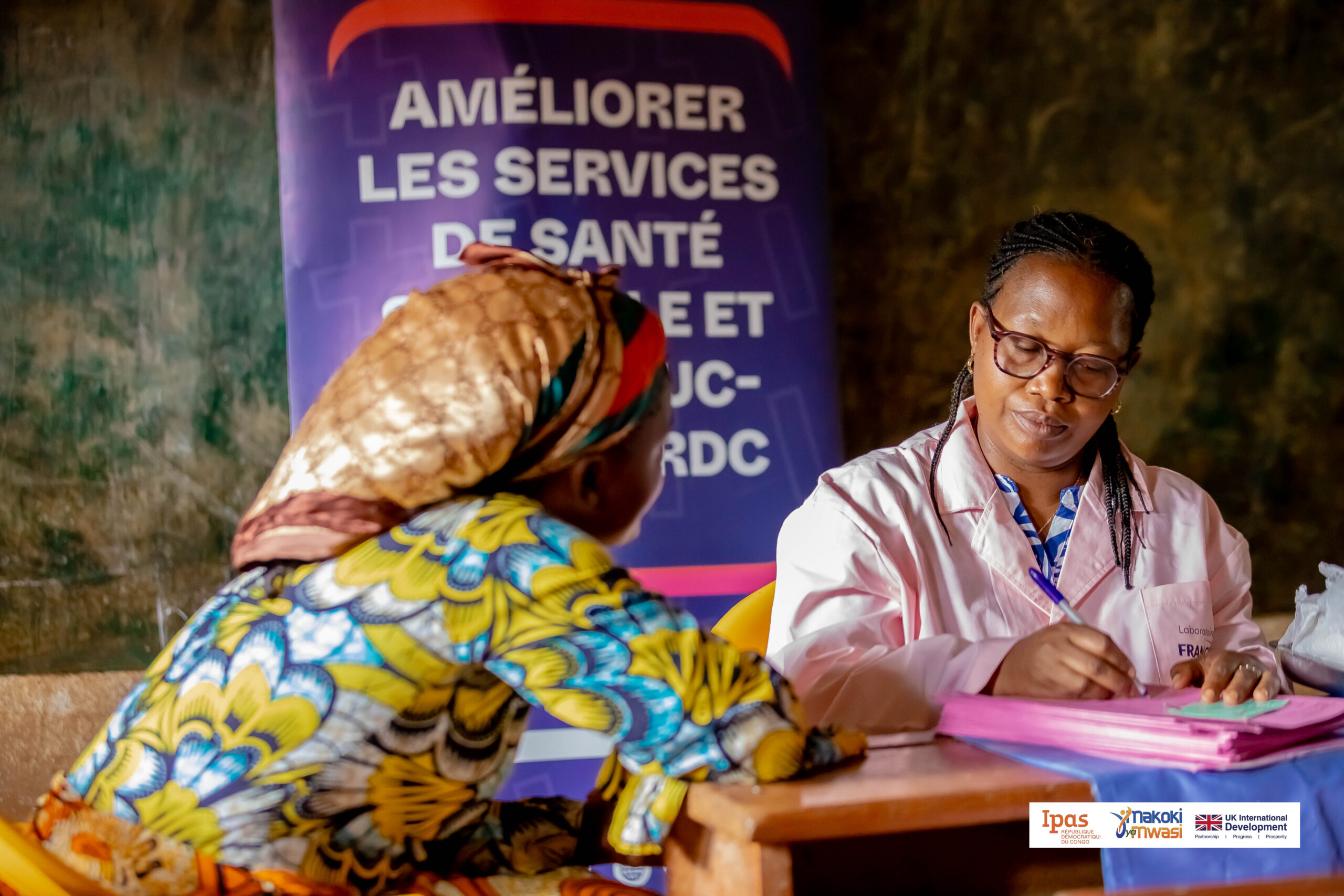
Elikya (name changed), a 29-year-old mother of three, reflects the real-life impact of this integrated approach. After discovering a closely spaced pregnancy that posed serious risks to her health, she was referred by a community health worker to a nearby health facility.
There, she received free, respectful care, including comprehensive abortion services, and was able to choose a contraceptive method suited to her needs.
“Today, I am alive and relieved to be able to space my pregnancies.
I am grateful to those who make these services possible in our community,” she shares.
Her experience underscores the importance of accessible, rights-based sexual and reproductive health services—even in humanitarian settings.
This intervention is grounded in a human rights framework and aligns with national and regional commitments, including the Maputo Protocol. By strengthening health facilities and community referral systems, services are made available, accessible, acceptable, and of quality.
In contexts where access to contraception remains limited and the risks associated with unintended pregnancies are high—often leading to unsafe abortion—integrating comprehensive abortion care and family planning is essential to reducing maternal mortality and supporting women’s bodily autonomy.
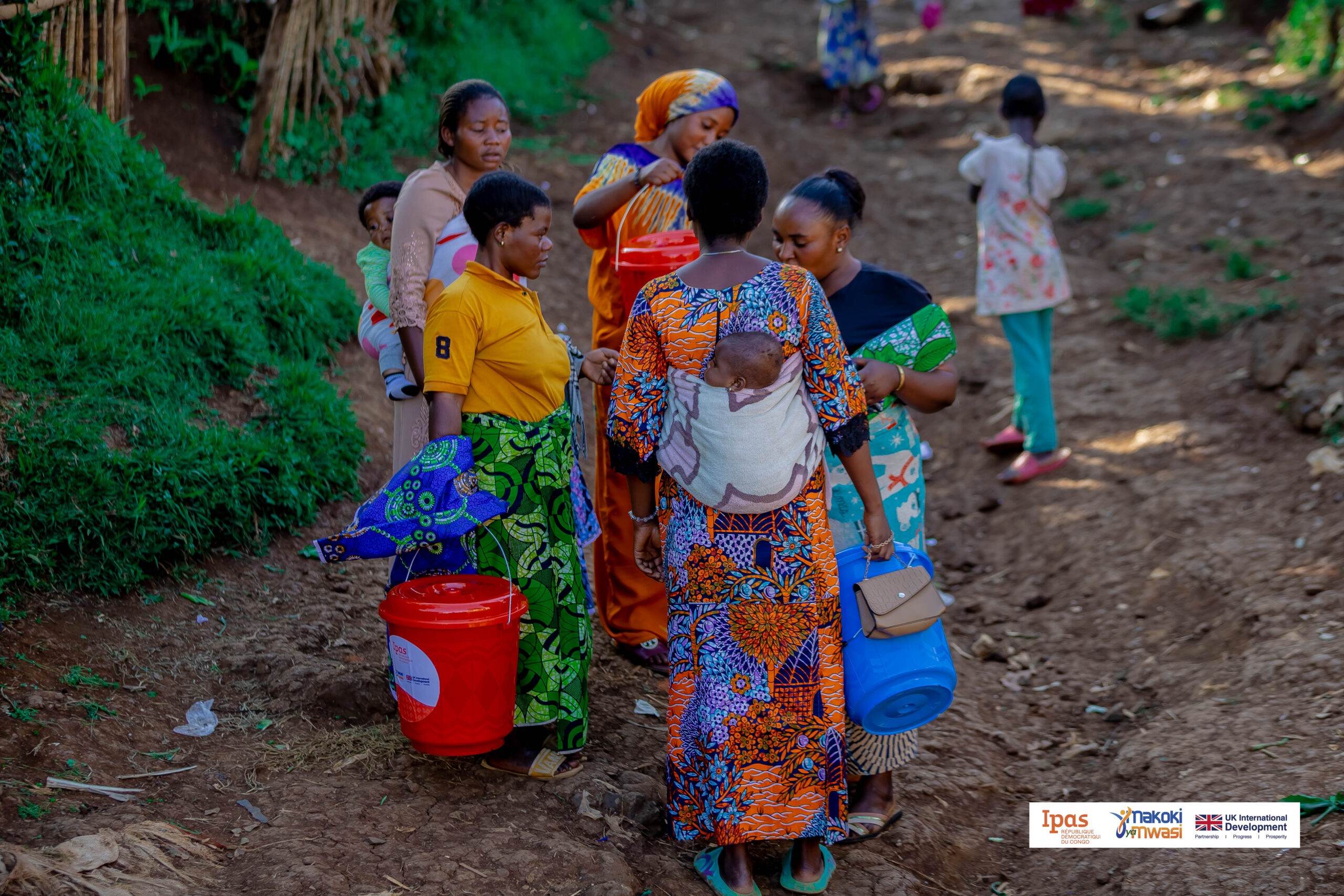
Despite significant operational constraints—including supply chain disruptions, insecurity, and sustained pressure on health workers coordination among health authorities, humanitarian partners, and community actors has made it possible to maintain essential services at the last mile.
Through this collective effort, thousands of women have accessed family planning, comprehensive abortion care, and services for survivors of sexual violence. By sustainably bringing care closer to communities affected by crisis, this approach helps save lives, protect the dignity of women and girls, and strengthen health system resilience in humanitarian settings.

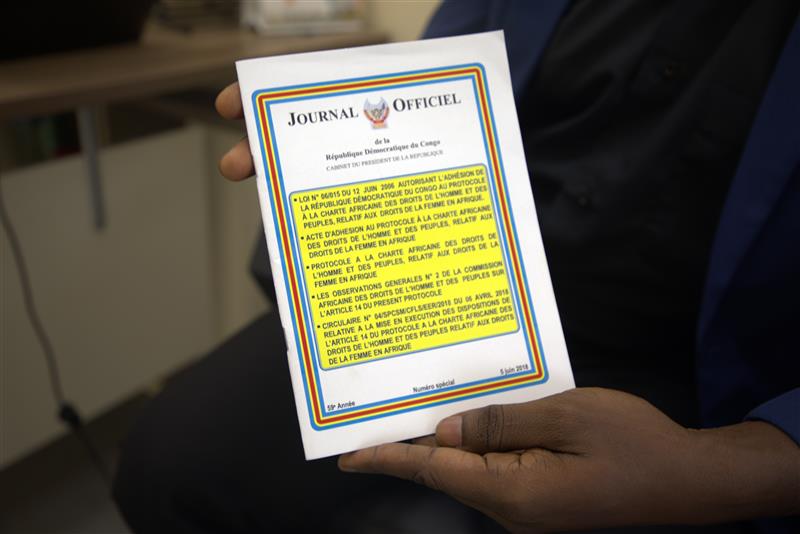
The Democratic Republic of the Congo’s accession to the Maputo Protocol on the Rights of Women in Africa raised great hopes for millions of Congolese women and girls. The government has taken steps to transform this historic achievement into tangible services, accessible without stigma or rejection. The standards and guidelines for comprehensive, woman-centered abortion care, developed by the Ministry of Health through the National Health Program of reproduction with the support of Ipas DRC and civil society, mark a crucial stage in the implementation of the Protocol.
Despite these advances, the real effectiveness of the services remained uncertain. Contradictions between the Protocol and national legislation, persistent stigmatization and clients’ fear of arrest were holding back access. Ensuring safe and sustainable pathways to information adapted to the local context remained a major challenge.

It is in this context that Ipas DRC, in collaboration with the Coordination in charge of youth and the fight against gender-based violence gender-based violence within the Office of the President of the Republic, has strengthened the national hotline. This enables survivors to report sexual and gender-based violence, seek emergency assistance and benefit from specialized medical care. The extension of line 122 to the Kintambo and Makala Centers of Excellence now offers the possibility of being directly connected to a midwife or doctor, translating progressive laws into concrete services.
In its mission to protect and promote sexual and reproductive rights, Ipas DRC trained twelve call center agents in Kinshasa. Over a period of four days, they learned how to listen actively to ensure respectful care, how to communicate about the Maputo Protocol and safe abortion, how to refer without discrimination to medical, psychosocial and legal services, and how to clarify values and attitudes towards abortion. At the end of the training, the agents committed themselves to respecting sexual and reproductive rights and referring clients to centers of excellence.

With the support of the Swedish fund, Ipas DRC is supporting the expansion of line 122 in order to strengthen the accessibility of services for survivors, increase its use by communities and respond more effectively to the urgent needs of survivors of gender-based violence.
In response to the upsurge in violence in the Democratic Republic of Congo, the Presidency and the Ministry of Gender, Family and Children have set up this free telephone hotline to report cases of sexual and domestic violence, exploitation and abuse in complete safety. Today, 122 is an essential mechanism for directing victims, witnesses or relatives to rapid and appropriate care. Its aim is to guarantee immediate and confidential access to survivors, facilitate their referral to the appropriate structures, and promote a coordinated and holistic response to victims’ needs.

Securing progressive legislation, such as the Maputo Protocol, is an important step towards the realization of sexual and reproductive rights. Transforming these progressive laws into tangible services, equitably accessible without stigmatization, overcharging or rejection, is a journey that requires local ownership and effective community accountability mechanisms.
Since the publication of the Maputo Protocol in the Democrate Republic of Congo’s Official Gazette, making it applicable law in the country, Ipas DRC has been working tirelessly with the Ministry of Health to make it possible to offer safe abortion services.
Beyond the progress made by the Ministry of Health in developing standards and guidelines, strategies and training modules for providers, and the availability of commodities including the Mifepack, real access to safe abortion services remains a real challenge for women, particularly adolescents and young girls.
Access routes remain strewn with barriers, and the healthcare system is not immune to client stigmatization, rejection and judgment, particularly for adolescents, young people and people living with disabilities.
Aware of these challenges, for the past 3 years Ipas RDC has been strengthening community accountability mechanisms, taking advantage of structures set up by the Ministry of Health at local level: the Comité de Développement des Aires de Santé, or “CODESA” for short.
Health Area Development Committees (CODESA) are community structures set up in health areas to strengthen community participation in the management and improvement of health services. They bring together community leaders, women and young people, as well as other key players, and play a central role in community mobilization, local advocacy and the monitoring of health services.
They act as a bridge between the community and health structures, facilitating dialogue, relaying people’s concerns and supporting initiatives to improve the quality and accessibility of care.
Ipas RDC supports CODESAs by, firstly, building the capacity of their members in sexual and reproductive health, safe abortion, family planning and care for survivors of gender-based violence (GBV), in order to improve their understanding and role in promoting these services. Secondly, to improve their functioning and coordination with the health zones; and finally, Ipas supports CODESA in community awareness-raising and advocacy activities, aimed at reducing stigma, breaking down socio-cultural barriers and promoting the integration and use of safe abortion, contraception and care services for survivors of GBV.
With this in mind, the official installation of the Comité de Développement des Aires de Santé (CODESA) office was held in the Kimbanseke Health Zone on January 22, 2026, with financial and technical support from Ipas, thanks to funding from Canadian Global Affairs (GAC). Mr. Patience Lisika, Community Mobilization Advisor at Ipas, emphasized that three key elements ensure the sustainability of healthcare interventions: community accountability, citizen participation and collaboration between the community and healthcare systems.
These elections for CODESA president are an important step in strengthening the community health system and citizen participation in the management of health services. The ceremony was held at the Kimbanseke town hall, in the presence of political, administrative and health authorities, including the town’s Bourgmestre (mayor), the Médecin Chef de Zone (MCZ), the Chef de Division (CD), and other stakeholders.
The Bourgmestre of Kimbanseke commune, Mr. Ngonga Kidumu Jeancy, praised the mobilization of communities and stressed the importance of CODESA as a framework for health management and promotion, serving as a bridge between health services and the community. He urged the president and his office to work closely with health authorities, head nurses and community leaders, and reiterated the commune’s commitment to supporting any initiative aimed at the well-being of women and girls.
This electoral process began on December 23 in the 11 health areas of the Kimbanseke Health Zone, with the election of CODESA (Présicodesa) presidents by community relays, representatives of local communities.
At the end of this first stage, the 11 elected Présicodesa elected the officers of the Union des CODESA (UCODESA), the community coordination and representation body for the health zone. At the end of the ballot, Mr David Makele was elected president of UCODESA and officially installed with his board, made up of 11 Présicodesa representing the different health areas of Kimbanseke, on Thursday January 22, 2026.
The UCODESA president-elect expressed his gratitude for the trust placed in him, and pledged to work closely with health authorities, community leaders and partners to strengthen links between the community and health systems, and facilitate access to care.
This support from Ipas is part of a significant step forward for the health system, marking the strengthening of a structured mechanism for community participation, essential for fostering trust between populations and health structures.

The development of a nation is inextricably linked to its investment in the rights, education, and health of young girls and women. On Friday, March 8, 2024, the world celebrated International Women’s Rights Day under the theme “’Invest in women: Accelerate progress.”, urging all nations to not only acknowledge its achievements, but ring the alarm on targeted actions needed to tackle violence against women, poverty, lack of access to education, inadequate healthcare, and gender inequities that impede women from attaining their full rights; dimming their future.
Over the last five years, the Democratic Republic of Congo (DRC) government has taken bold strides to catalyze the socio-economic empowerment of girls and young women. In 2019, the government launched its “Free Public Primary Education” initiative, showing its strong commitment to breaking down financial barriers that have kept young girls outside the school system, and out of sight for decades. Although this initiative has bolstered primary school enrollment for young girls, a major obstacle persists ahead: how do we ensure that young girls remain in school?
In the DRC, the number of girls enrolled in primary school takes a plunge as they transition into secondary school, compared to boys. The most frequent contributing factors to this decline are child marriage, unintended pregnancies among teenagers, Sexual and Gender-Based Violence (SGBV), and incest among many others. The root cause of these factors can be explained by persistent harmful social norms that reign within communities, taboos related to sexual and reproductive health (SRH), increased violence against women, lack of access to accurate SRH information and services, and the scarceness of youth-friendly health services adapted to youth needs. To reinforce the government’s investment in the future of girls and young women – often seized by these factors – Ipas DRC brings a unique contribution to this cause.

As we will reflect on Women’s rights all through March, Ipas pledges to invest in the sexual and reproductive health of young Congolese women and girls as a pathway to accelerate progress in gender equity, socio-economic development, and health.”