Ipas DRC
Non-profit organization

In the Democratic Republic of Congo, harmful practices such as child marriage, unintended adolescent pregnancies, and gender‑based violence continue to undermine the rights and well‑being of adolescent girls in Kasaï. These challenges—rooted in social norms, economic vulnerability, and limited access to accurate information—have long‑term consequences on girls’ health, safety, and life opportunities.
Adolescent girls frequently lack access to comprehensive sexual and reproductive health (SRH) information and to confidential, high‑quality contraceptive services. This gap fuels teen pregnancy, interrupts schooling, increases health risks, and restricts girls’ ability to make informed decisions about their bodies and their futures.
Data from the 2017–2018 MICS survey highlight the magnitude of the challenge: 54% of women aged 20–24 in Kasaï were married before age 18, compared to 29% nationally. Between 2021 and 2024, the province documented 425 cases of child marriage, predominantly among girls aged 15–17. These numbers signal an urgent need for coordinated, multisectoral action to protect girls’ rights and expand their pathways to autonomy.
In response, the provincial authorities of Kasaï have developed and endorsed the CTS Action Plan (Child Marriage, Teen Pregnancy, School Dropout)—a roadmap designed to guide integrated interventions. The plan was developed in collaboration with Ipas DRC, with financial support from the Norwegian Agency for Development Cooperation (NORAD), and aims to strengthen sustainable, community‑owned solutions that safeguard adolescent girls’ health, rights, and futures.
A Participatory and Inclusive Development Process
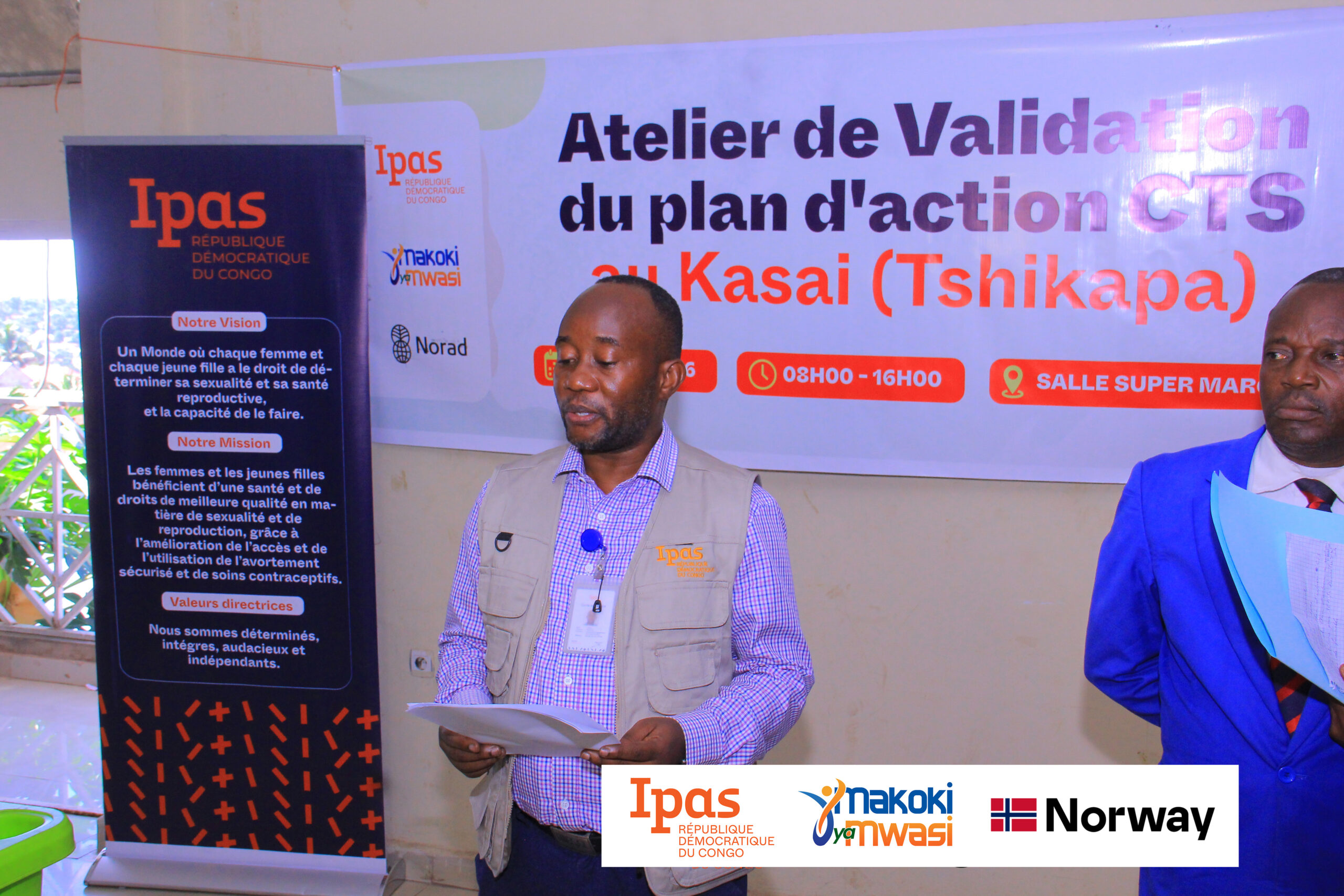
To ensure the plan reflects local priorities and lived realities, provincial leaders initiated a participatory process bringing together experts from the Health, Education, and Gender ministries. Working groups aligned with the six strategic axes strengthened the plan with evidence‑informed recommendations, which were later consolidated in plenary.
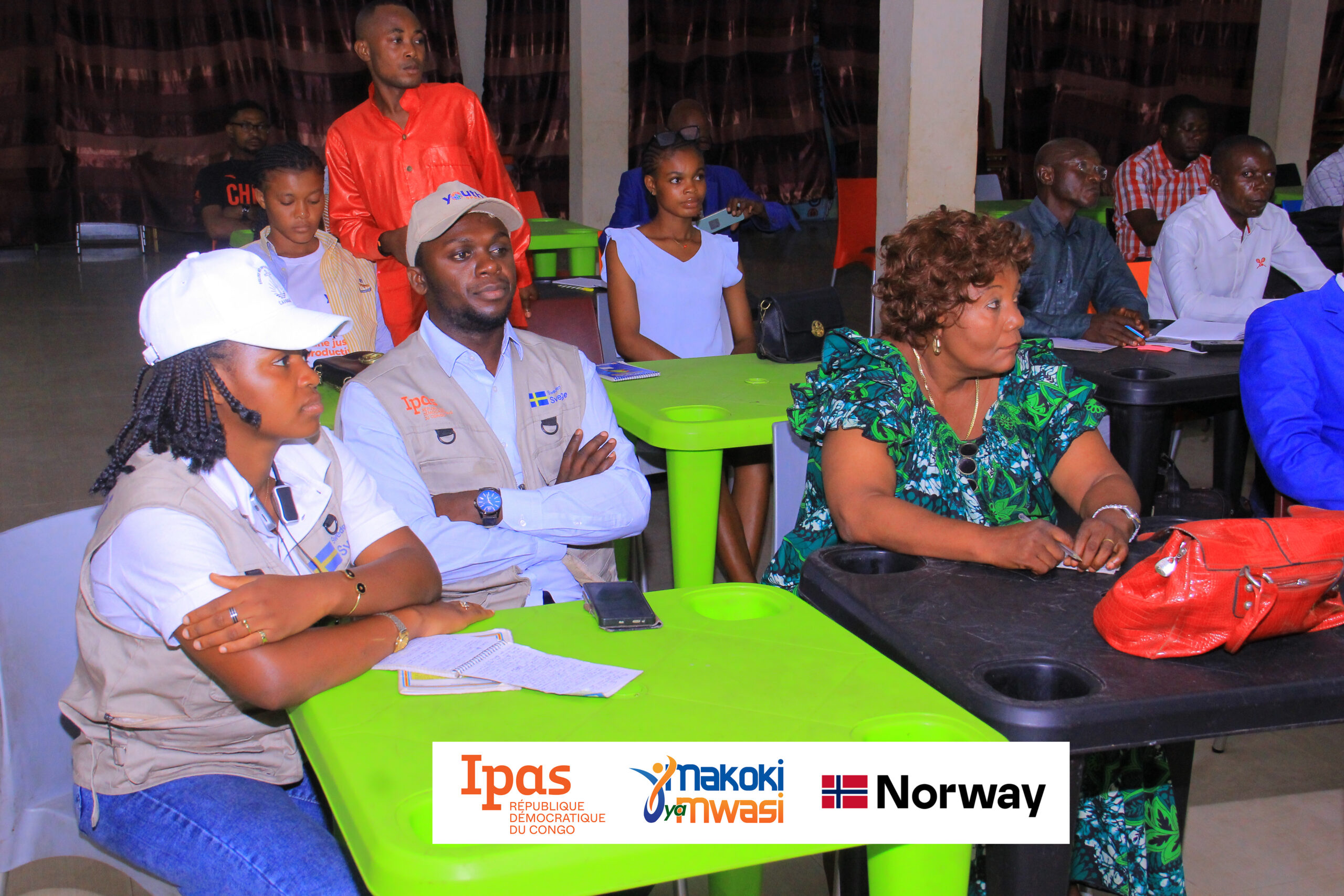
A broader validation workshop convened civil society organizations, school authorities, security services, youth representatives, and community leaders. This inclusive process affirmed strong local ownership and reinforced collective commitment to ending child marriage, reducing teen pregnancy, and supporting girls to remain in school.
Official Validation by Provincial Leadership
The CTS Action Plan was formally validated by Her Excellency Alphonsine BUNDU LUZANGA, Provincial Minister of Gender, Family, and Children. In her remarks, she underscored the urgent need to act decisively:
“Each day without action exposes hundreds of girls to futures constrained by early marriage, unintended pregnancy, and interrupted education.”
Her leadership sends a strong signal of political will to advance gender equality and uphold girls’ rights across the province.
Six Strategic Axes Designed to Advance Girls’ Rights and Well‑being
The plan is anchored in six strategic pillars that collectively address the root causes and consequences of child marriage and adolescent pregnancy:
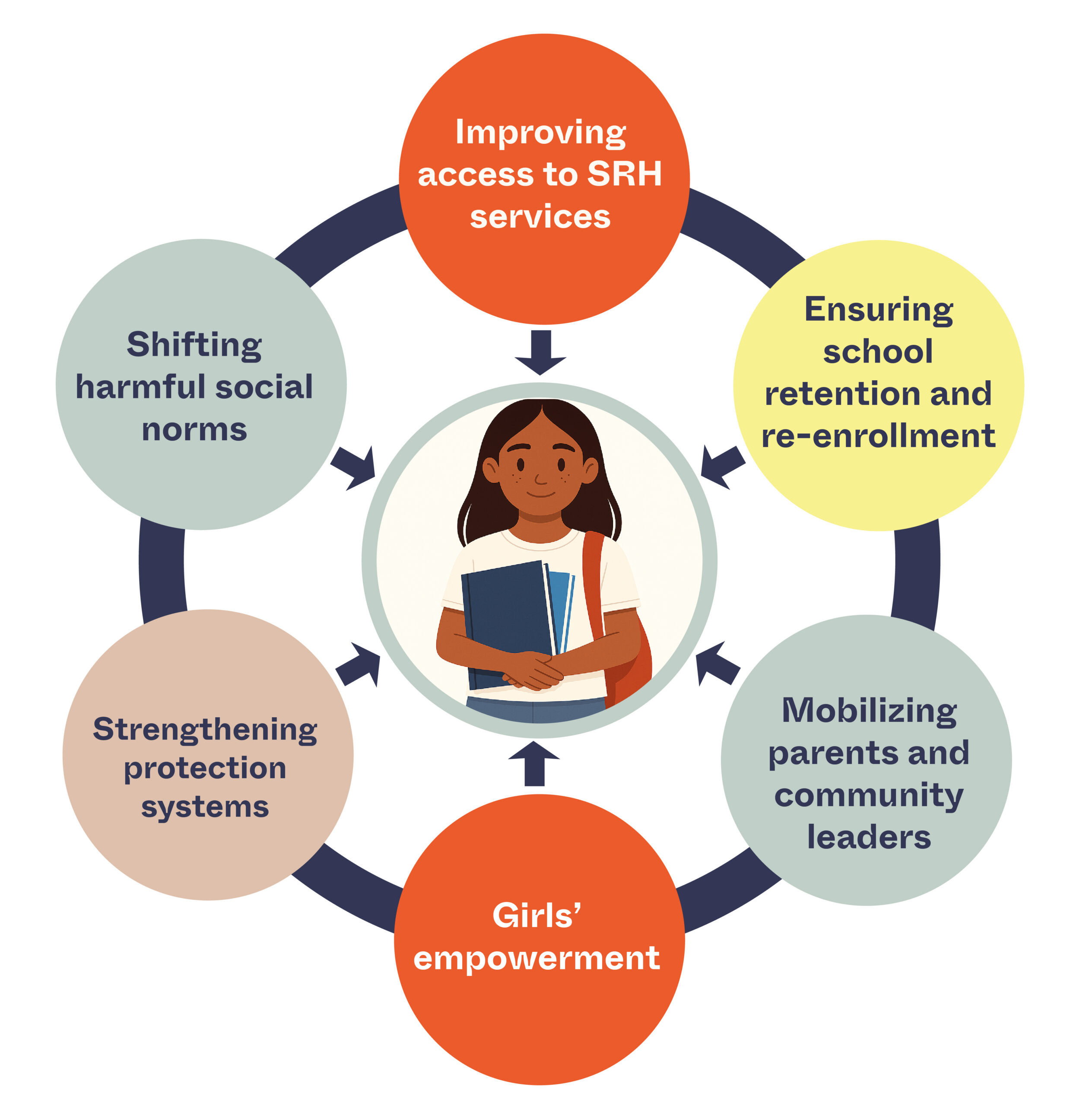
These axes reflect a holistic approach—one that centers girls’ voices, builds community support, and strengthens provincial systems
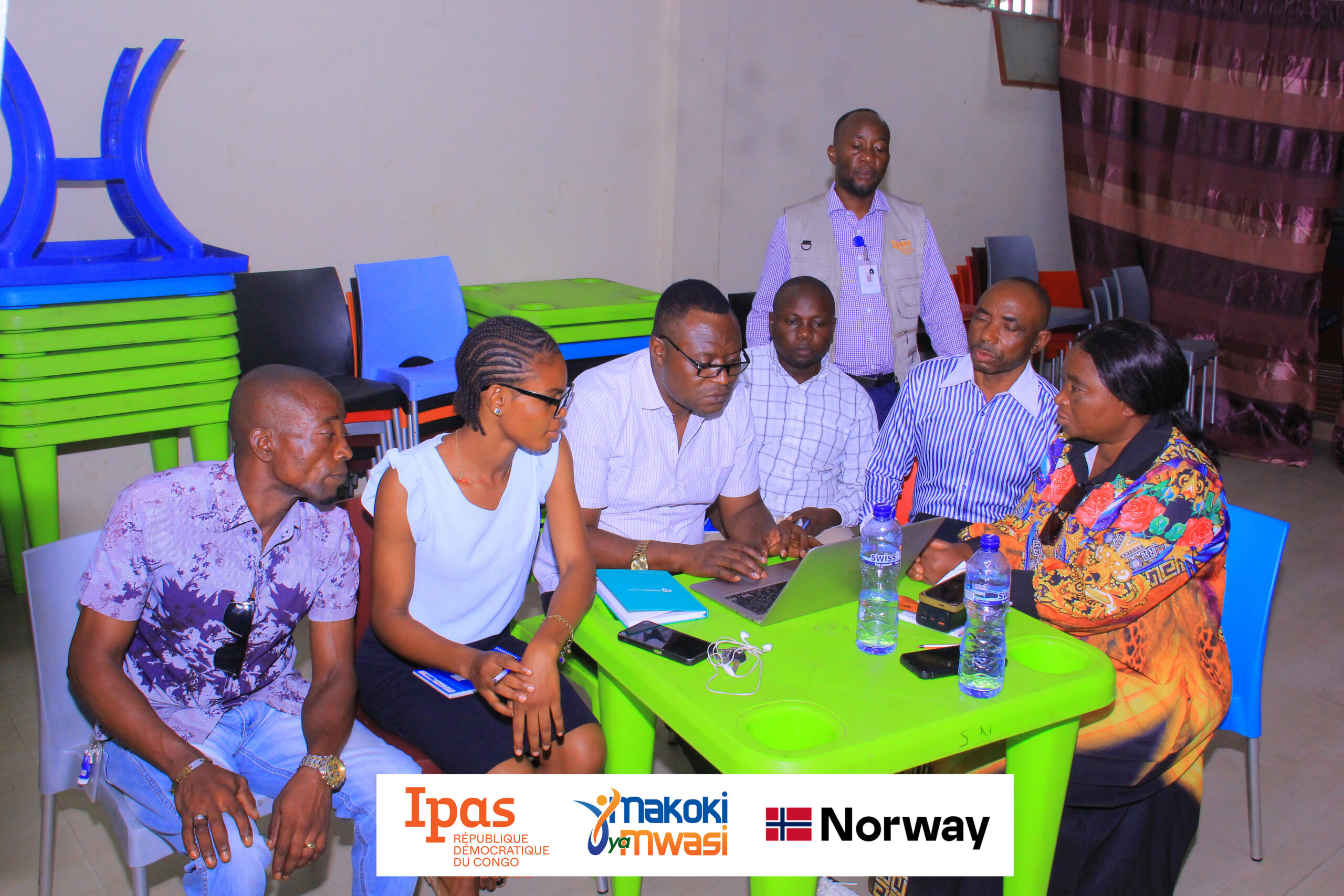
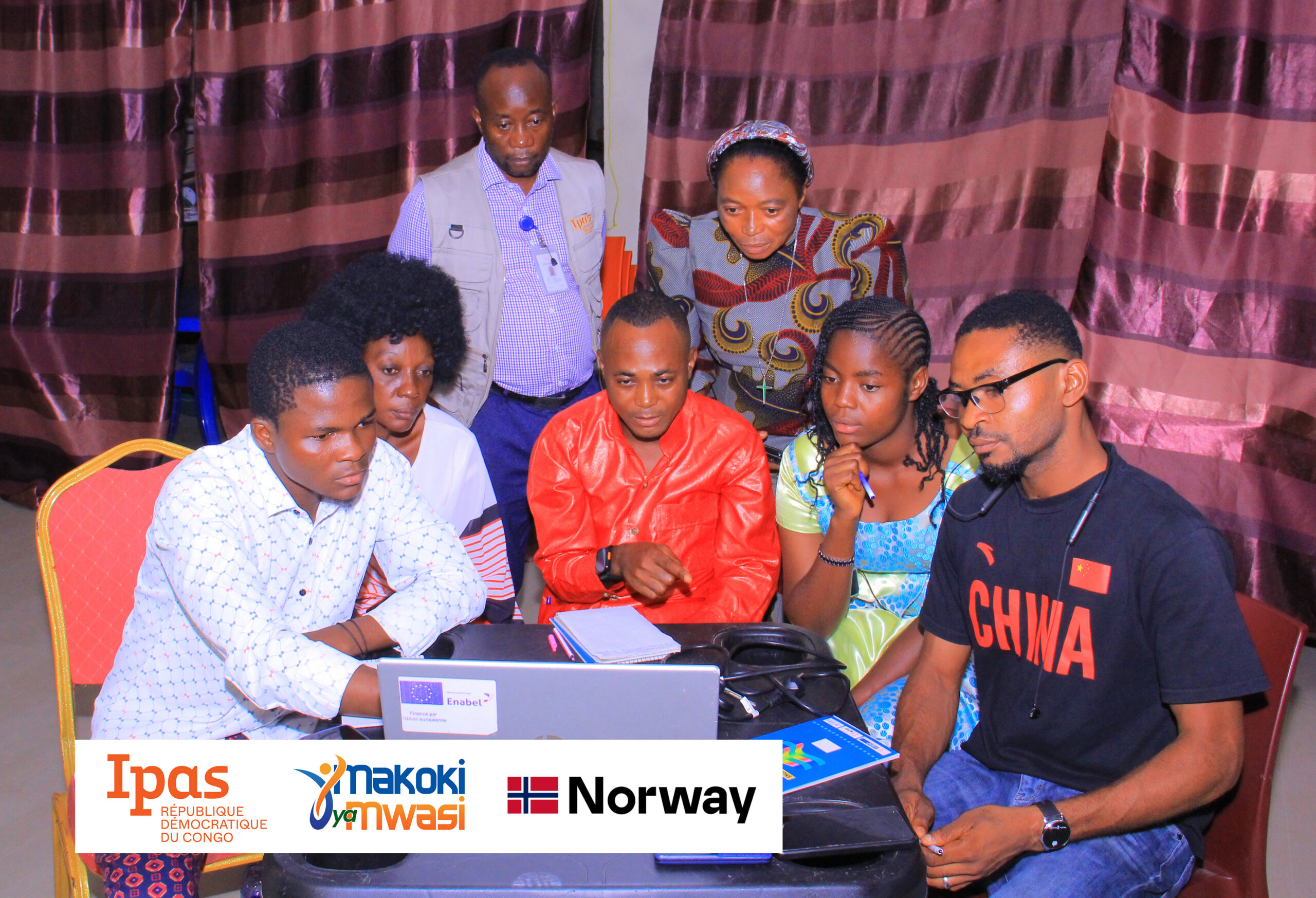
As part of the implementation of the action plan, Ipas will carry out a range of activities aimed at supporting students’ retention in school. The action plan includes awareness‑raising campaigns in schools, as well as the establishment and revitalization of school‑based clubs focused on sexual and reproductive health.
These spaces will provide young people with opportunities to express themselves freely, strengthen their knowledge of sexual and reproductive health, and build leadership skills. The goal is to support adolescents and youth to become agents of change, equipped to positively influence their communities and to promote inclusive, safe, and protective school environments.

Diagnosed with a disability at a very young age, Paul Kwami grew up as the only one among seven children living with this condition. Now 25 years old, Paul serves as the president of the Association of Young People with Disabilities United for the Development of Kisenso (AJHUKAD) and works as a community health worker (RECO) in the Kisenso health zone. Each week, He conducts awareness activities across eight of the twenty‑two avenues within the REGIDESO health area—ensuring that critical information on sexual and reproductive health (SRH) reaches those who need it most.
His journey has been shaped by persistence and courage. In the beginning, he struggled with self‑stigma and doubted whether he would be accepted as a RECO, fearing how others would perceive him. Still, he chose to attend Ipas DRC’s trainings.
he shares.
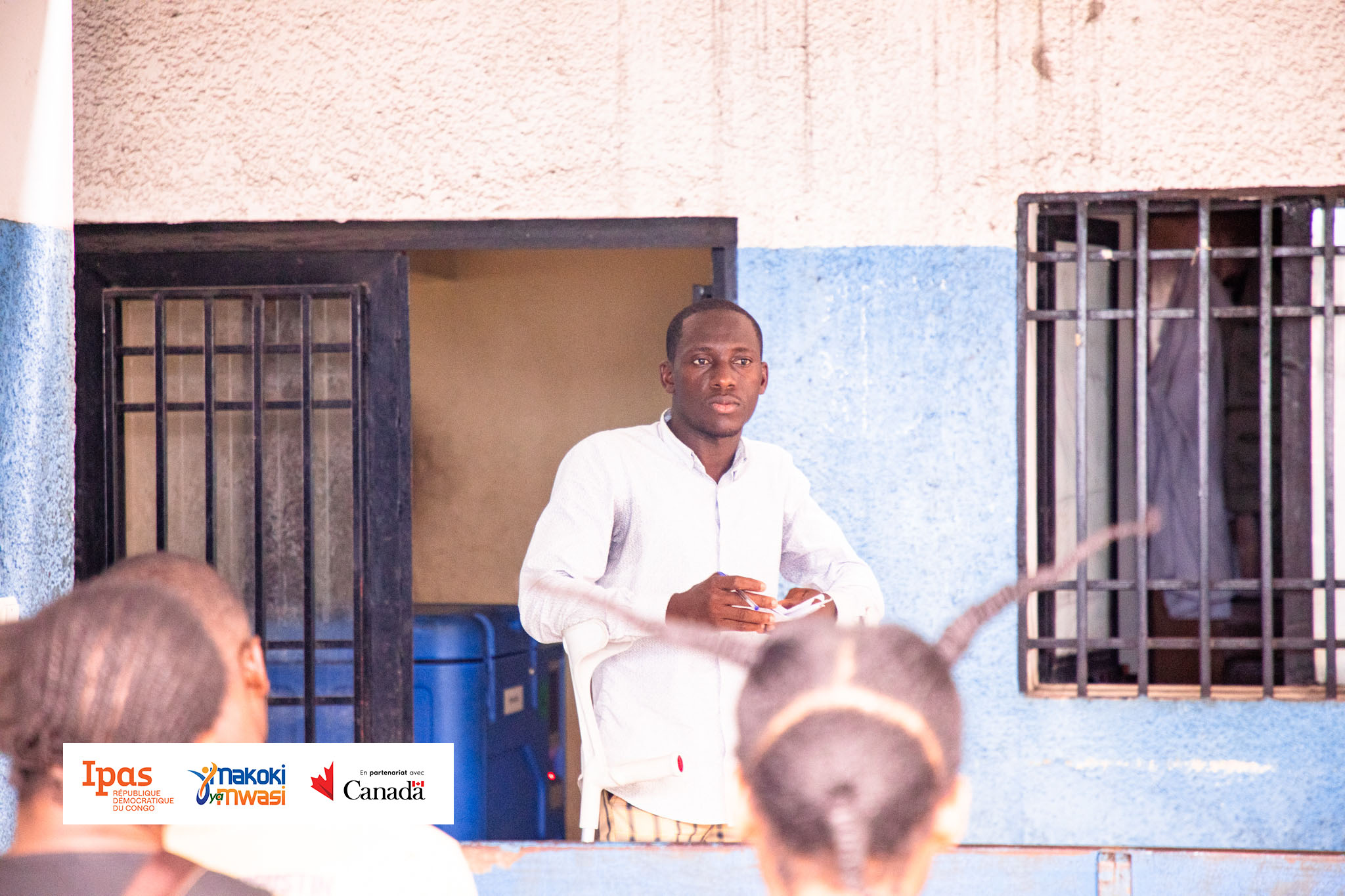
Paul Kwami raising community awareness
Across the DRC, people with disabilities continue to experience significant barriers in accessing SRH services—driven by misconceptions, inaccessible information, and community stigma. Yet their leadership is essential to help women and girls understand and claim their reproductive rights, particularly in community engagement and awareness-raising.
In Kinshasa, many people with disabilities experience discrimination, especially women and girls seeking SRH services. These attitudes often stem from misinformation and harmful social norms.
Research conducted by the School of Public Health in 2024 revealed that knowledge about contraception remains low, with 50.1% of respondents believing that using a contraceptive method of her choice exposes a woman to health risks, and 70.7% think women should not access contraception without someone else’s authorization. These misconceptions highlight the urgency of community outreach and accurate SRH information for women and girls.
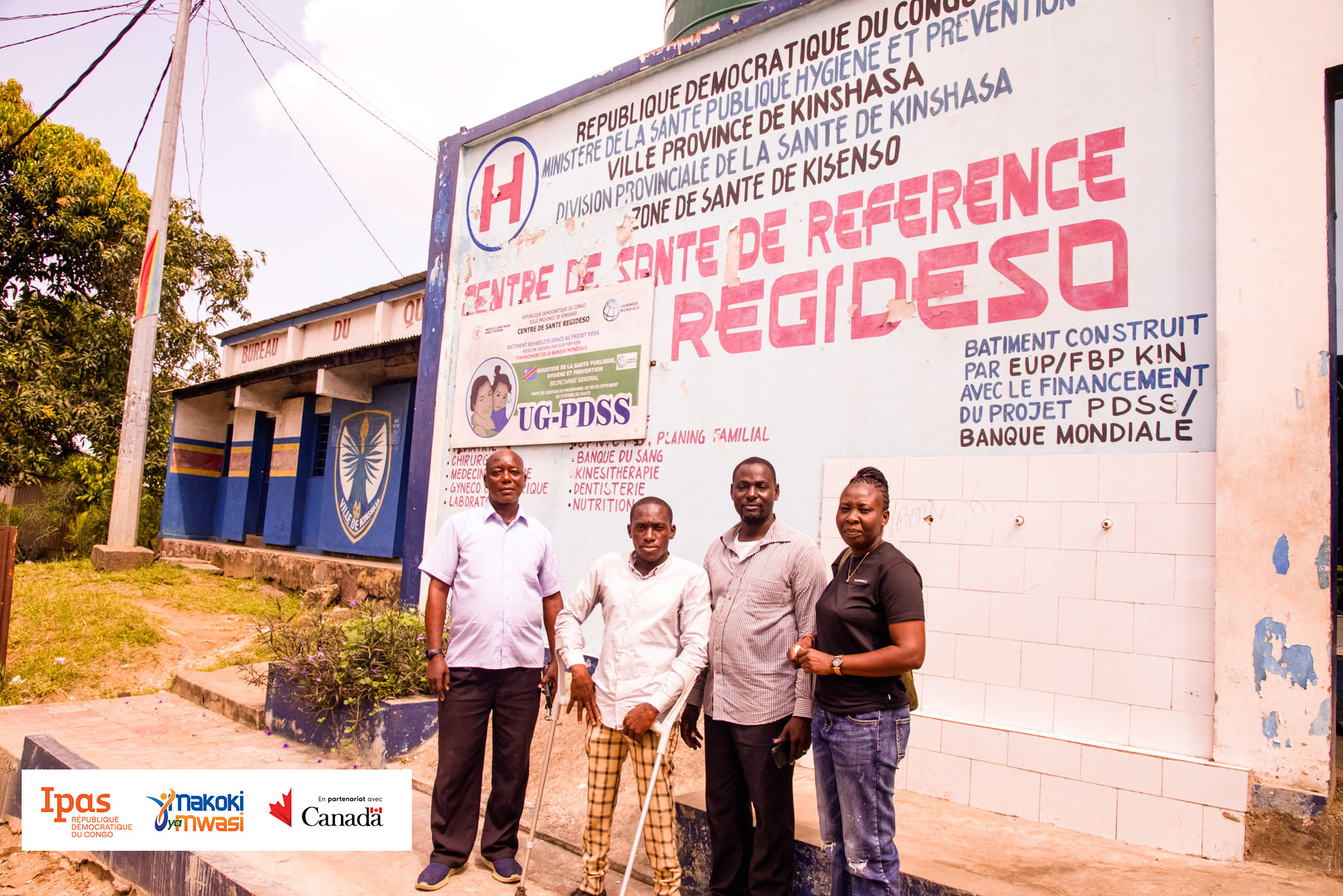
From left to right: the Head nurse, Paul, the Kisenso Area Coordinator, and the Ipas Community Engagement Officer in front of the REGIDESO Reference Health Center
The DRC’s 2003 ratification of the Maputo Protocol was a significant milestone. Article 14 recognizes women’s right to health—including SRH—and requires states to allow access to safe abortion in specific circumstances such as rape, incest, threats to a woman’s physical or mental health, or severe fetal anomaly.
These commitments reflect the core pillars of Ipas DRC’s work :
Expanding access to family planning and SRH services through community‑led sensitization and strong, confidential referral systems guided by RECOs ; Improving quality of care by training providers and ensuring consistent availability of essential supplies ; Centering women and girls by delivering safe, respectful, rights‑based services that uphold their autonomy and dignity.
In Kisenso—a dense and underserved municipality of Kinshasa—Ipas DRC has worked alongside local structures to strengthen the health system. This includes training RECOs, equipping health centers, supporting essential medicines, and building provider capacity. Training sessions on values clarification and attitude transformation (VCAT) have helped both providers and community actors better understand SRH rights, improve responses to gender‑based violence (GBV), and promote access to comprehensive, woman‑centered safe abortion care (SCACF).
Paul has seen this impact firsthand :
With financial support from the Swedish International Development Cooperation Agency (Sida), the REGIDESO maternity now offers a comprehensive package of SRH services—including family planning, antenatal care, GBV management, and access to safe, stigma‑free abortion. Ipas DRC has also established a secure referral circuit to ensure timely and confidential care. Two trained medical providers now offer comprehensive, woman‑centered safe abortion care.
A study by the School of Public Health shows that 68.4% of Kinshasa residents believe abortion is not authorized in the DRC, and 56.1% think women should not access safe abortion services—evidence of persistent misinformation and negative attitudes toward reproductive rights.
Despite these barriers, RECOs continue to to play a decisive role in shifting norms, informing women about family planning, and reducing risks linked to unsafe abortion. Between June and December 2025, community outreach and CAC services helped 98 women—aged 15 and above—avoid life‑threatening complications and maternal death.
This progress shows that even in contexts where stigma and misinformation remain entrenched, community‑driven change and strengthened health systems pave the way for safe, accessible, and rights‑based care.
Today, eight Ipas‑supported health facilities in Kisenso offer SRH services—ensuring that every woman and girl has equitable access, free from exclusion and stigma.

Ipas DRC works with local partners to educate all relevant stakeholders, including women and communities, about women’s newly expanded right to access safe abortion.
In collaboration with the Ministry of Health and key partners, we have helped develop new standards and guidelines for comprehensive abortion care that align with the Maputo Protocol, and we are now working to ensure their full implementation. We also train health care providers to offer abortion and contraception services, and we partner with community organizations and community health workers to ensure that women and girls have access to these services.

Youth organizations across the Democratic Republic of the Congo (DRC) recently led an online campaign—“Abortion: Let’s Talk About It!”—to promote sexual and reproductive health and rights during the coronavirus pandemic and beyond.
“Young people are seeking reliable information about their sexual and reproductive health and need access to services during COVID-19,” says Dr. Jean-Claude Mulunda, country representative of Ipas DRC and one of the campaign coordinators. “There is an increase in the number of unwanted pregnancies, sexual violence and maternal deaths due to clandestine abortions, while access to services is more difficult. Reproductive health services, including abortion, must be part of essential health care.”
Using images with educational messages, the campaign was conducted on social networks and provided information on myths and misconceptions about sexual and reproductive health—especially abortion—and on human rights and the Maputo Protocol, an international treaty requiring signatory states such as the DRC to protect women’s reproductive rights by authorizing legal access to abortion.

Youth organizations across the country took part in the campaign, which used Twitter hashtags such as #ParlonsAvortements, #StopFakeNews and #MaputoMonAffaire. Organizations joining in the campaign included the Youth Action Movement, Afia Mama, Habari RDC, and the African Youth and Adolescents Network (AfriYAN).
“Access to health care is a right and not a favor that we grant to young people,” says Benjamin Sabue of the Youth Action Movement. “Young people in good health are the future of the country.”