Ipas DRC
Non-profit organization
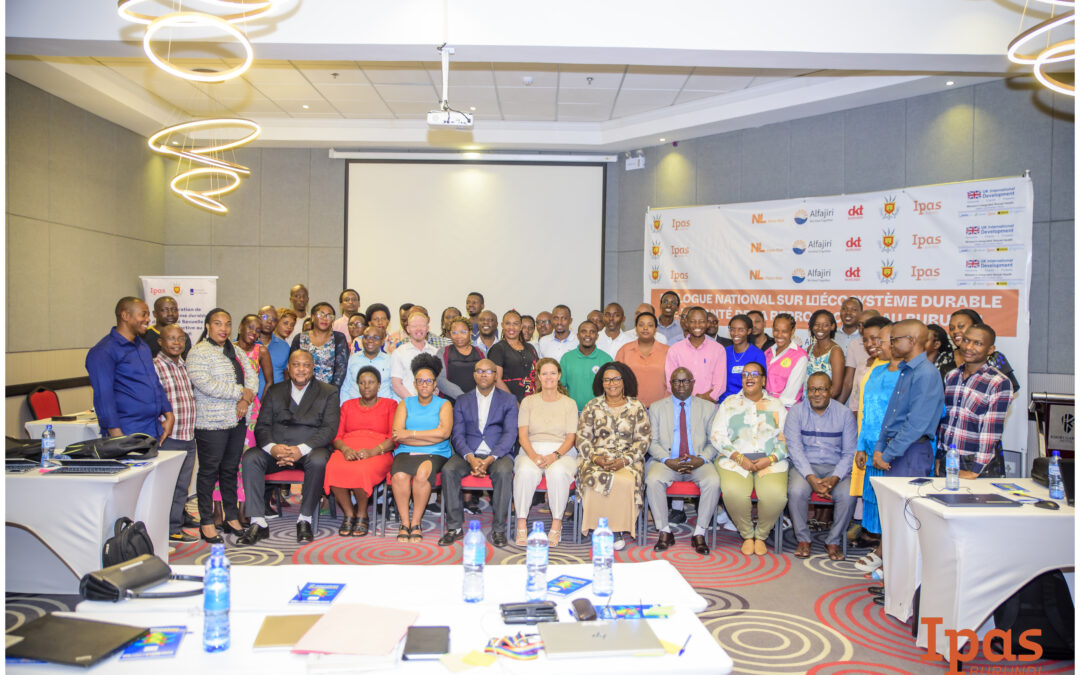
In Burundi, social norms, stigma, and limited awareness of the legal framework continue to restrict women’s and girls’ access to sexual and reproductive health information and services. To help address these barriers, Ipas Burundi supported 27 stakeholders, primarily from civil society organizations, to strengthen their capacity to advocate for reproductive rights.
The initiative began with VCAT sessions. These participatory workshops created space for participants to reflect on their beliefs about abortion and reproductive rights, recognize personal biases, and gain a deeper understanding of the realities faced by women and girls.
As one participant shared :
“Before taking part in the workshops, I also had doubts and preconceived notions about abortion. […] Today, we feel better equipped to advocate from a human rights perspective, including for reproductive rights, even in an environment that can sometimes be hostile.”
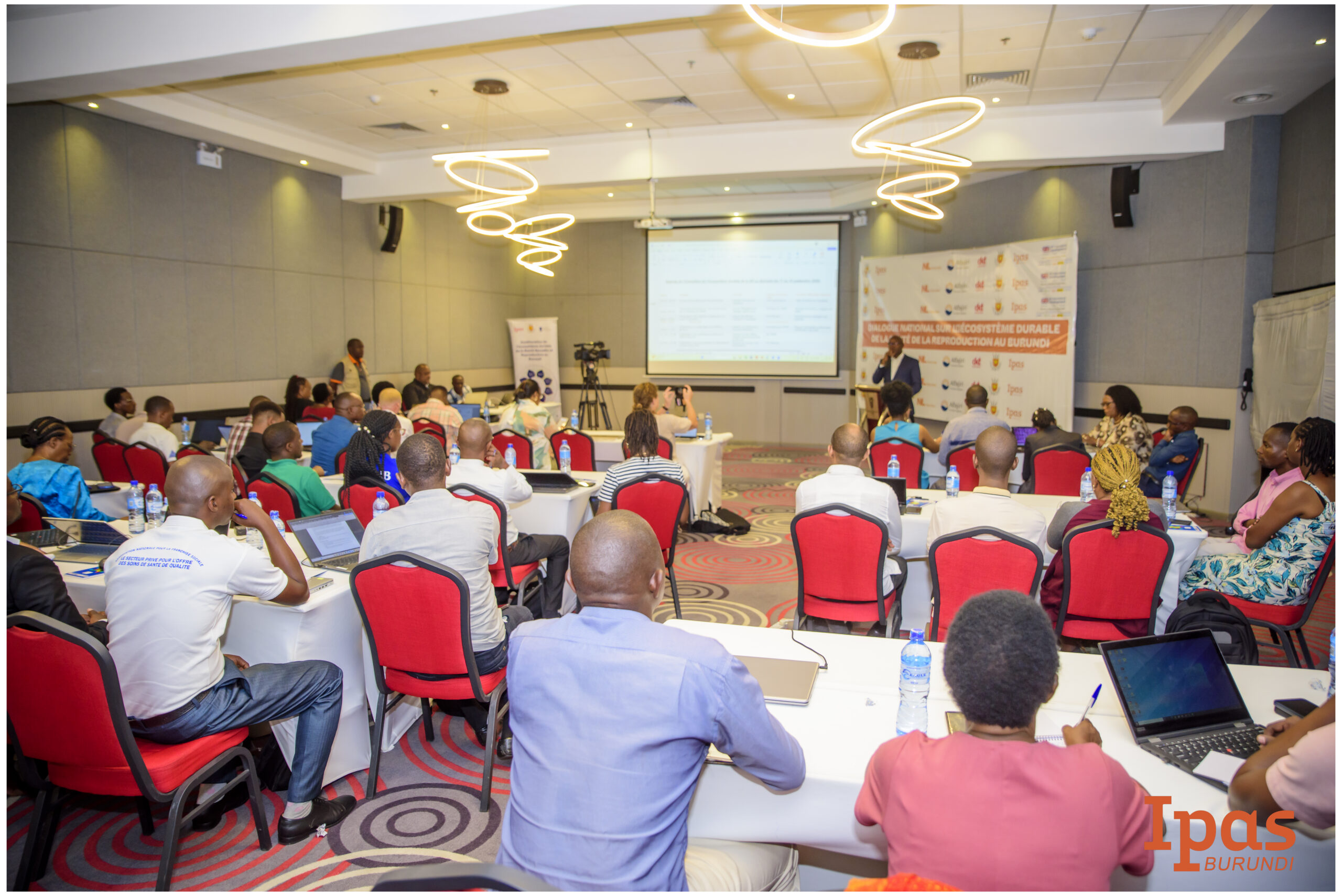
This shift in attitudes was reinforced through a participatory review of Burundi’s legal framework on therapeutic abortion. By examining existing laws and the challenges associated with their implementation, participants strengthened their understanding of the legal landscape and improved their ability to build evidence-based, rights-centered advocacy arguments.
Early results demonstrate the value of this approach. Fifteen participants increased their understanding of legal indications for abortion, twelve reported less stigmatizing attitudes, and eight became actively involved in advocacy initiatives.
These individual transformations helped inform a national dialogue that brought together representatives from civil society, the health and justice sectors, human rights and gender institutions, national and international non-governmental organizations, and international agencies. Better informed and more confident in their roles, participants are now equipped with the knowledge and leadership needed to contribute to the development of a roadmap aimed at strengthening the long-term sustainability of sexual and reproductive health and rights in Burundi.
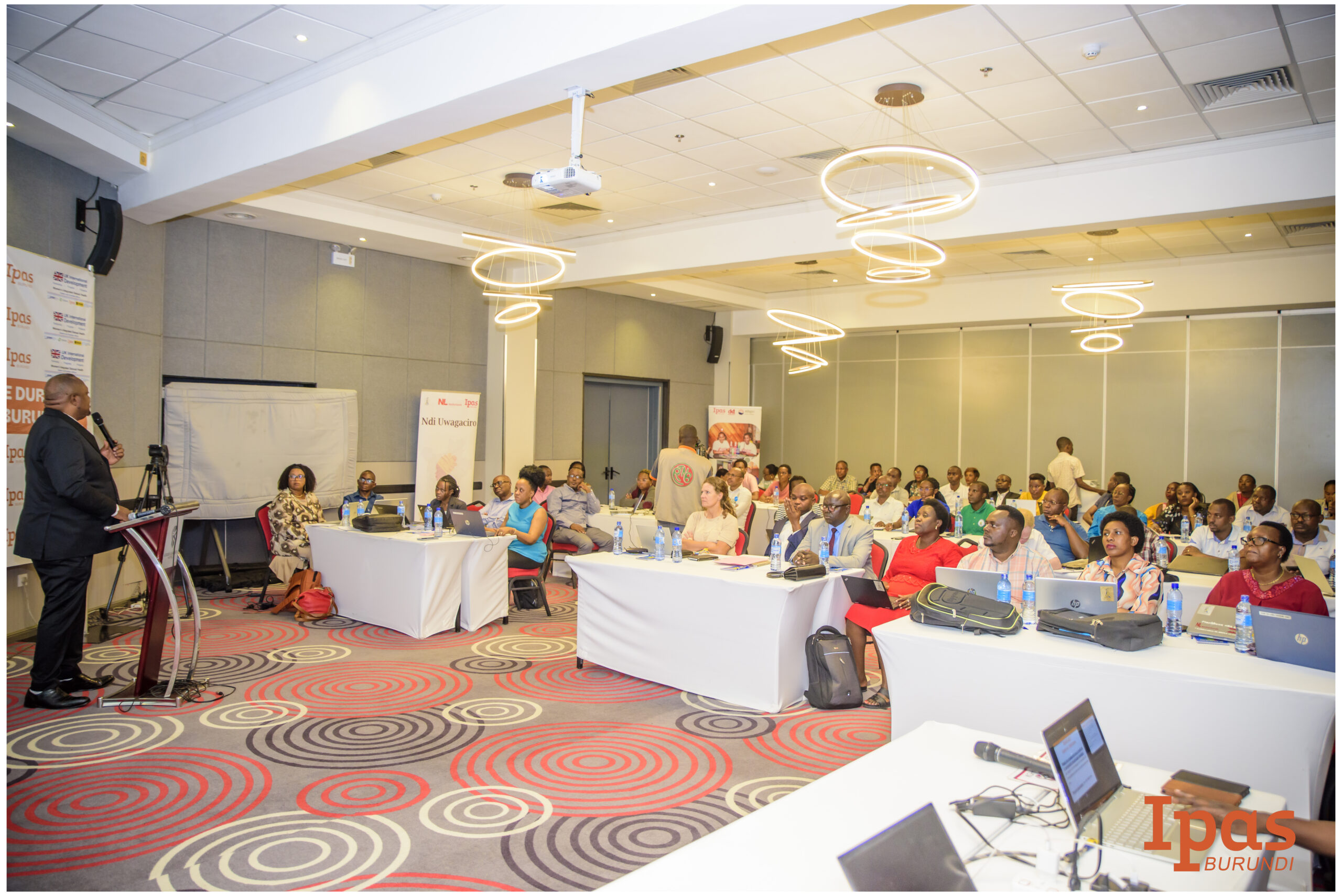
The success of this gradual, capacity-strengthening approach is reflected not only in the number of people reached, but also in participants’ increased ability to challenge stigmatizing narratives, engage in decision-making spaces, and apply their knowledge to advance change. In doing so, they help transform individual awareness into collective action in support of reproductive rights.
By investing in the knowledge, attitudes, and leadership of civil society actors, Ipas Burundi is helping create a more enabling environment for the health and rights of women and girls. The 27 participants supported through this initiative are now better positioned to serve as champions of change within their organizations, sectors, and communities. The results underscore the importance of expanding similar approaches in a context where social and institutional barriers continue to limit progress on sexual and reproductive health and rights.