Ipas DRC
Non-profit organization
At just 16 years old, Buzima’s life changed dramatically after experiencing sexual violence that resulted in an early pregnancy. Overnight, she was forced to leave school and faced stigma, rejection and significant social and economic challenges. Without support, she raised her child on her own while carrying the burden of the hardships she endured during adolescence. For years, one question stayed with her : What if my daughter faced the same fate?
As her daughter grew older, memories of her own adolescence never felt far away. Buzima often found herself wondering whether her daughter might face the same challenges that had altered the course of her own life. Determined to help her build a different future, she decided to share her story and the lessons she had learned.
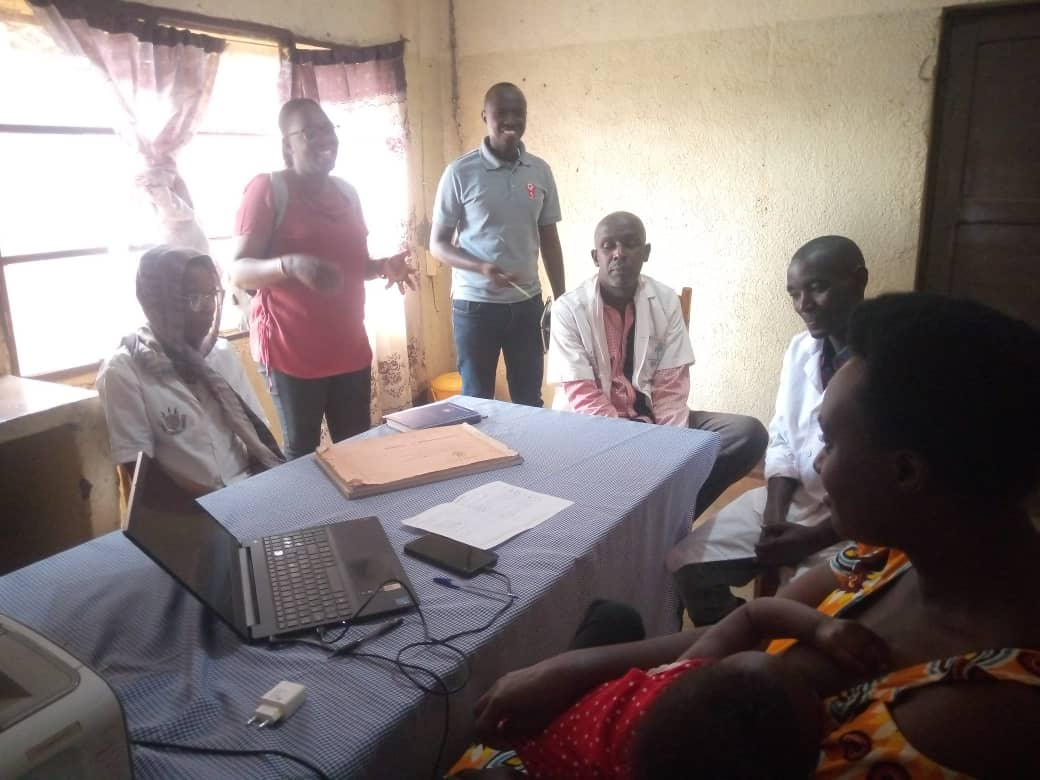
For Buzima, the visit meant far more than access to a health service. It was reassurance that her daughter would have opportunities she never had—the chance to stay in school and build the future she chooses.
Buzima’s story is deeply personal, but the challenges she faced are shared by many girls across Burundi.
Like Buzima, thousands of adolescent girls face barriers that can limit their health, education and future opportunities. Early pregnancy remains a significant challenge, particularly for girls who lack access to accurate information and youth-friendly health services.
National data highlight the scale of the issue. According to the Demographic and Health Survey (DHS), Burundian women have their first sexual experience at an average age of 19.6 years—more than three years earlier than men. Nearly one in four women marry before the age of 18, a rate eight times higher than that of men. Among women aged 15–49 who are not in union, 34 percent use a modern contraceptive method, while 6 percent are already mothers and 2 percent are pregnant at the time of the survey.
Behind these numbers are stories of girls whose education, aspirations and opportunities are often interrupted too soon.
The impact on education is particularly significant. According to the 2023 Final Report on Pregnancy in School Settings, more than 2,000 girls leave school each year because of pregnancy. During the 2022–2023 academic year alone, 879 students dropped out for this reason. For many girls, pregnancy can mean not only leaving school, but also facing long-term social and economic consequences.
When adolescent girls have access to accurate information, supportive adults and quality sexual and reproductive health services, they are better equipped to make informed decisions about their health and future.
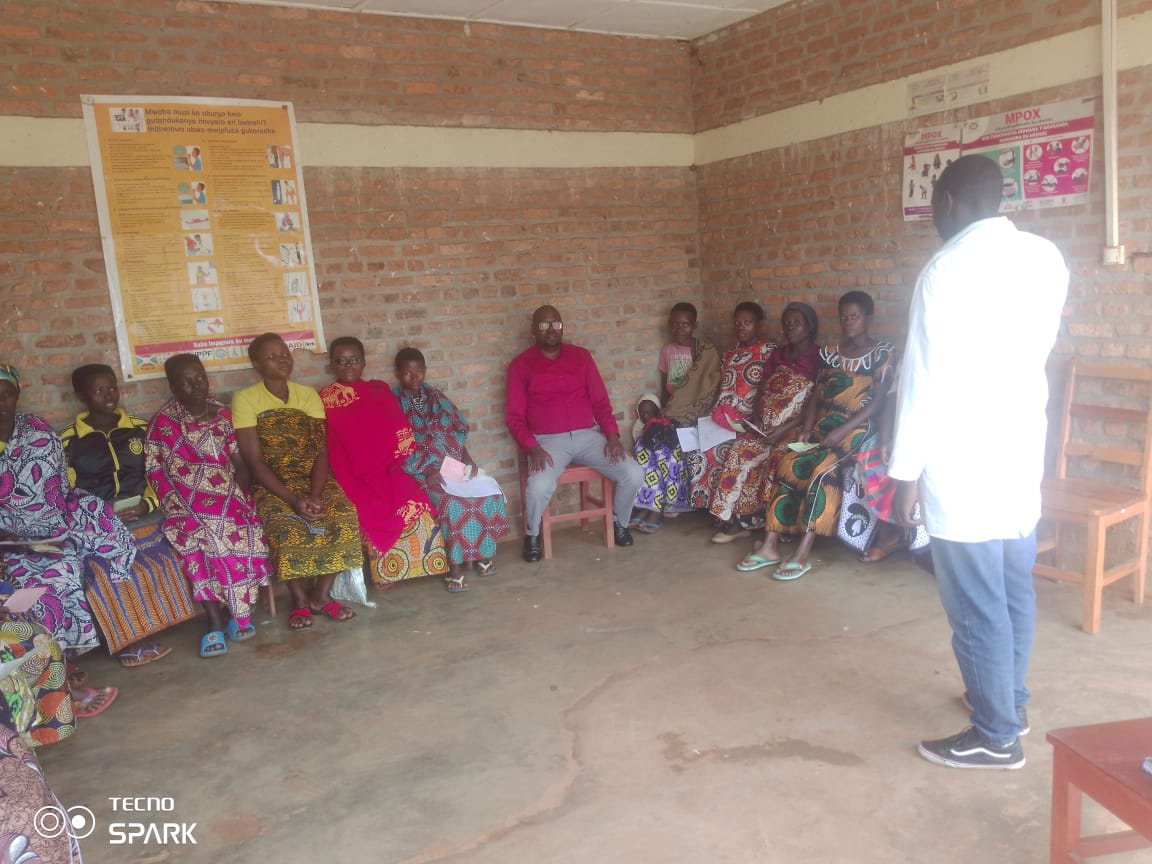
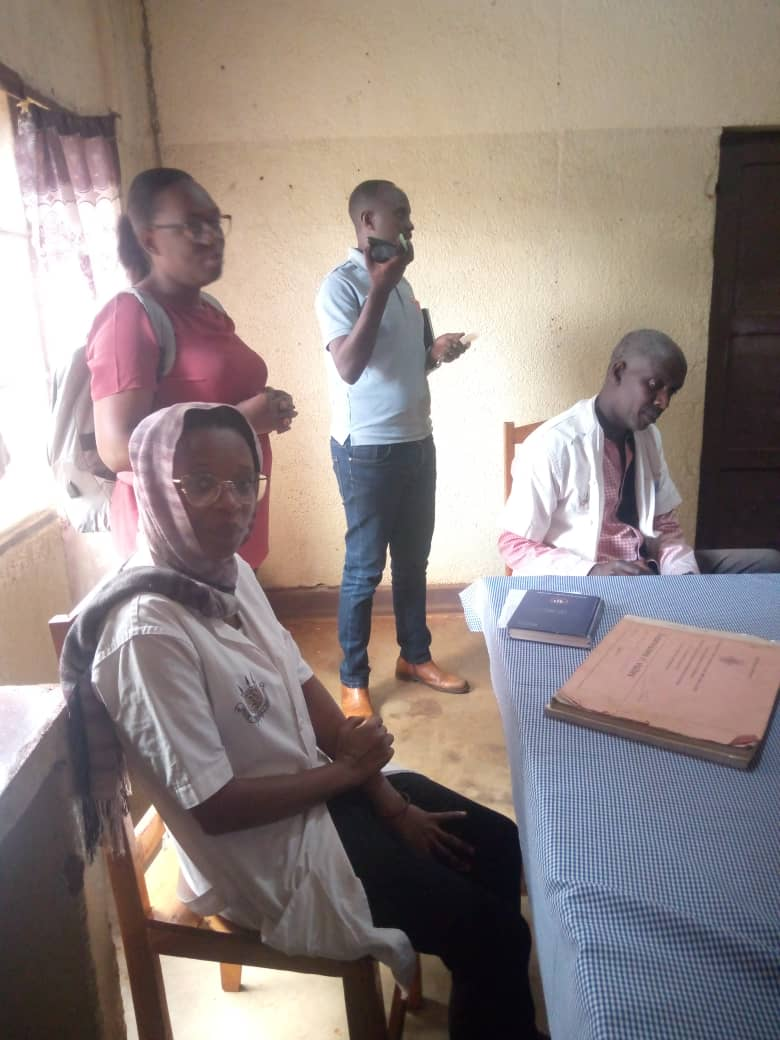
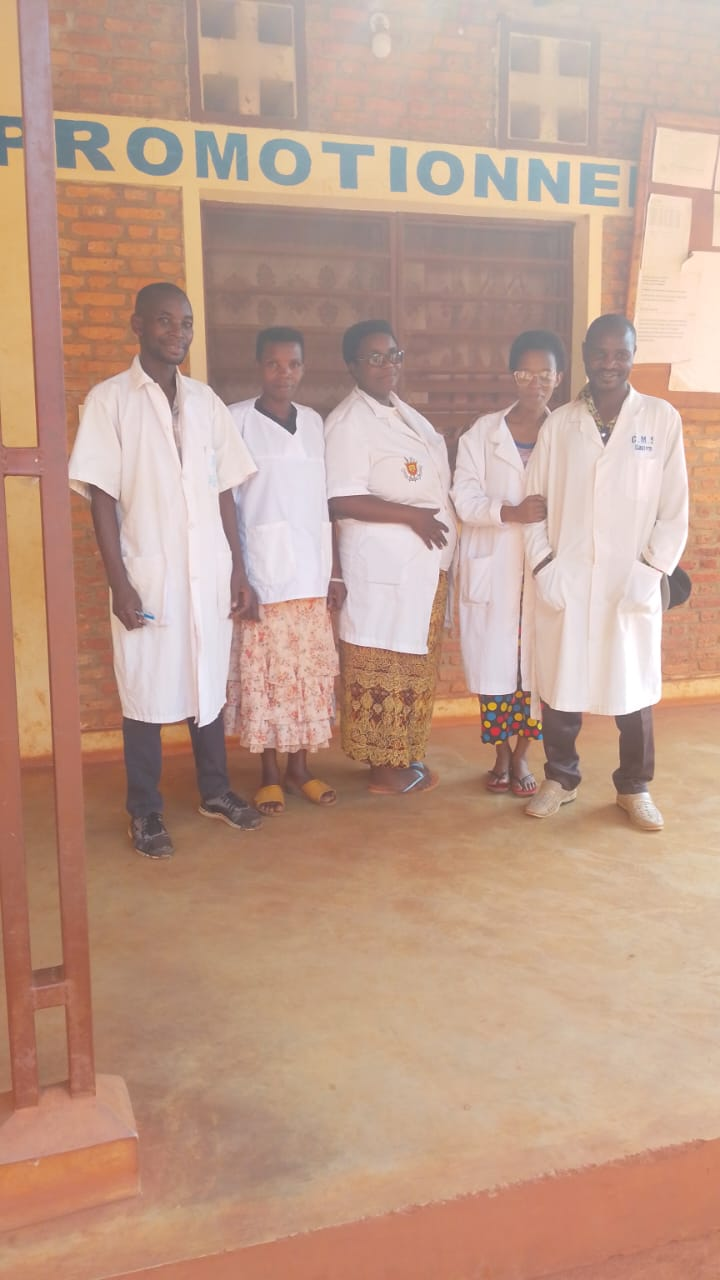
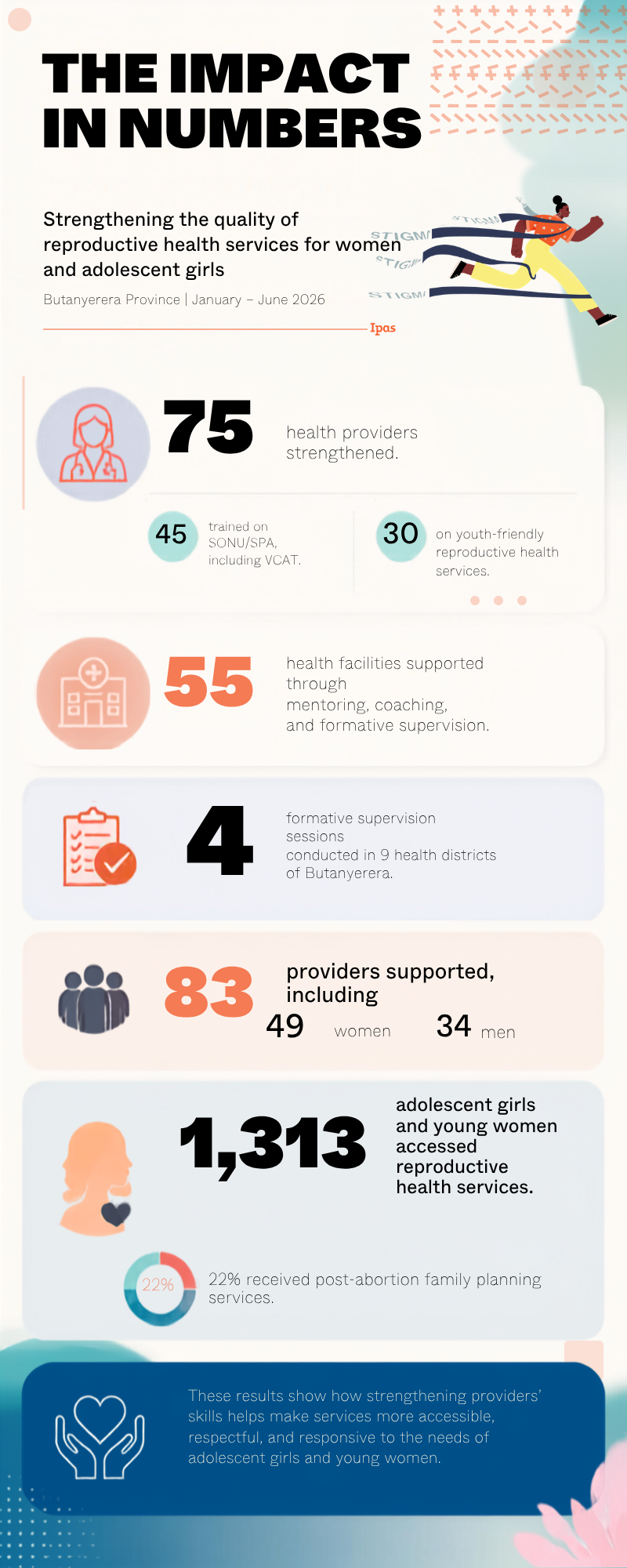
To help make this possible, Burundi’s National Reproductive Health Program (PNSR), with support from Ipas Burundi, is strengthening the capacity of health facilities and providers to deliver respectful, rights-based and youth-friendly care. Through supportive supervision, mentoring and ongoing technical assistance, providers are better prepared to meet the needs of women and adolescent girls.
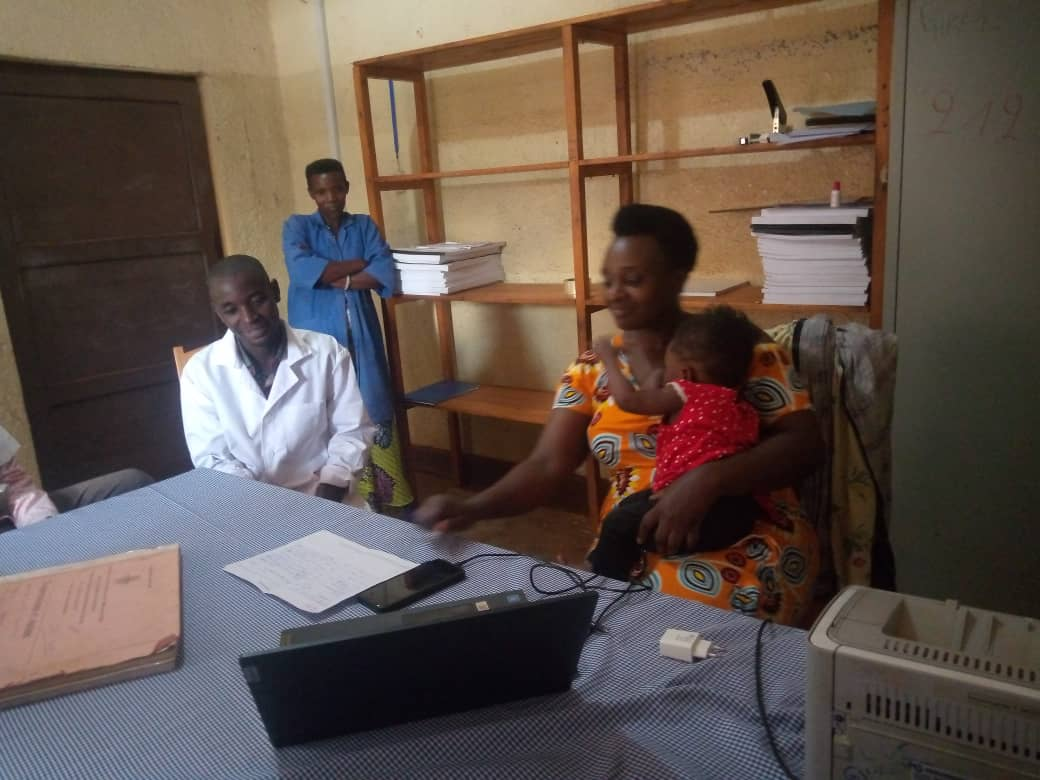
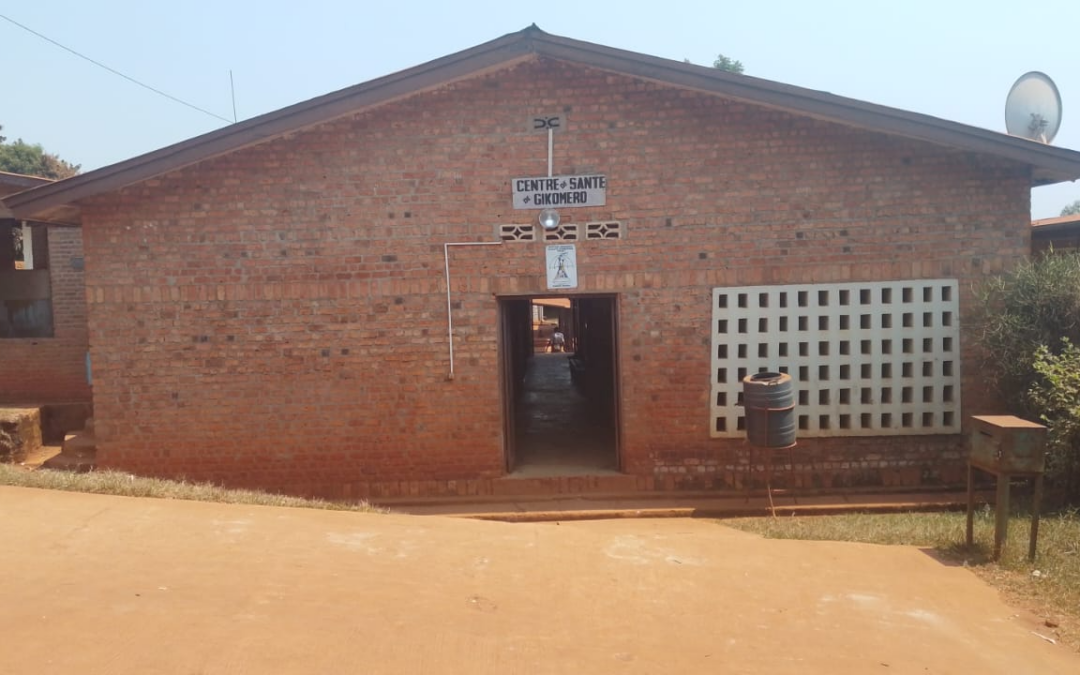
At Gikomero Health Center, that investment made all the difference for Buzima and her daughter. After being turned away during an earlier visit, her daughter found a very different experience—one built on respect, information and support.
Today, Buzima shares her experience with other parents in her community. Drawing on her own journey, she encourages them to talk openly with their children, listen without judgment and help them access the information and services they need.
For her, protecting adolescent girls often begins at home—with honest conversations, trust and support. But those conversations must be backed by health services that are accessible, respectful and responsive to young people’s needs.
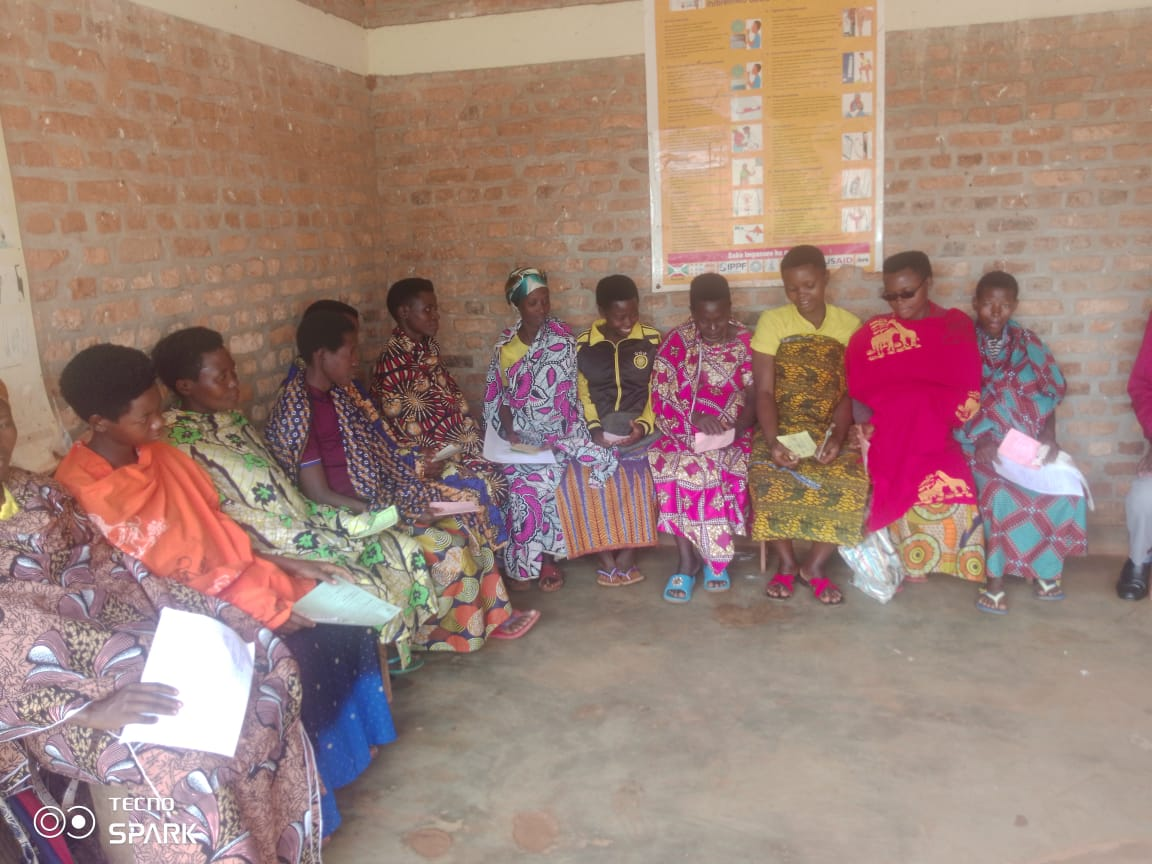
For Buzima, that change is already visible. What began as a mother’s determination to protect her daughter has become a source of hope for other families in her community—and a reminder of what is possible when girls can access accurate information, supportive adults and quality sexual and reproductive health services.