Ipas DRC
Non-profit organization
The initiative is rooted in a clear understanding: access to accurate, verified, balanced and evidence-based information is essential for people to make informed decisions about their health and lives. Yet reproductive health issues remain underreported and are sometimes presented through stereotypes or unverified information.
Through this alliance, media professionals and influencers are bringing their skills and platforms together to improve public access to trusted reproductive health information.
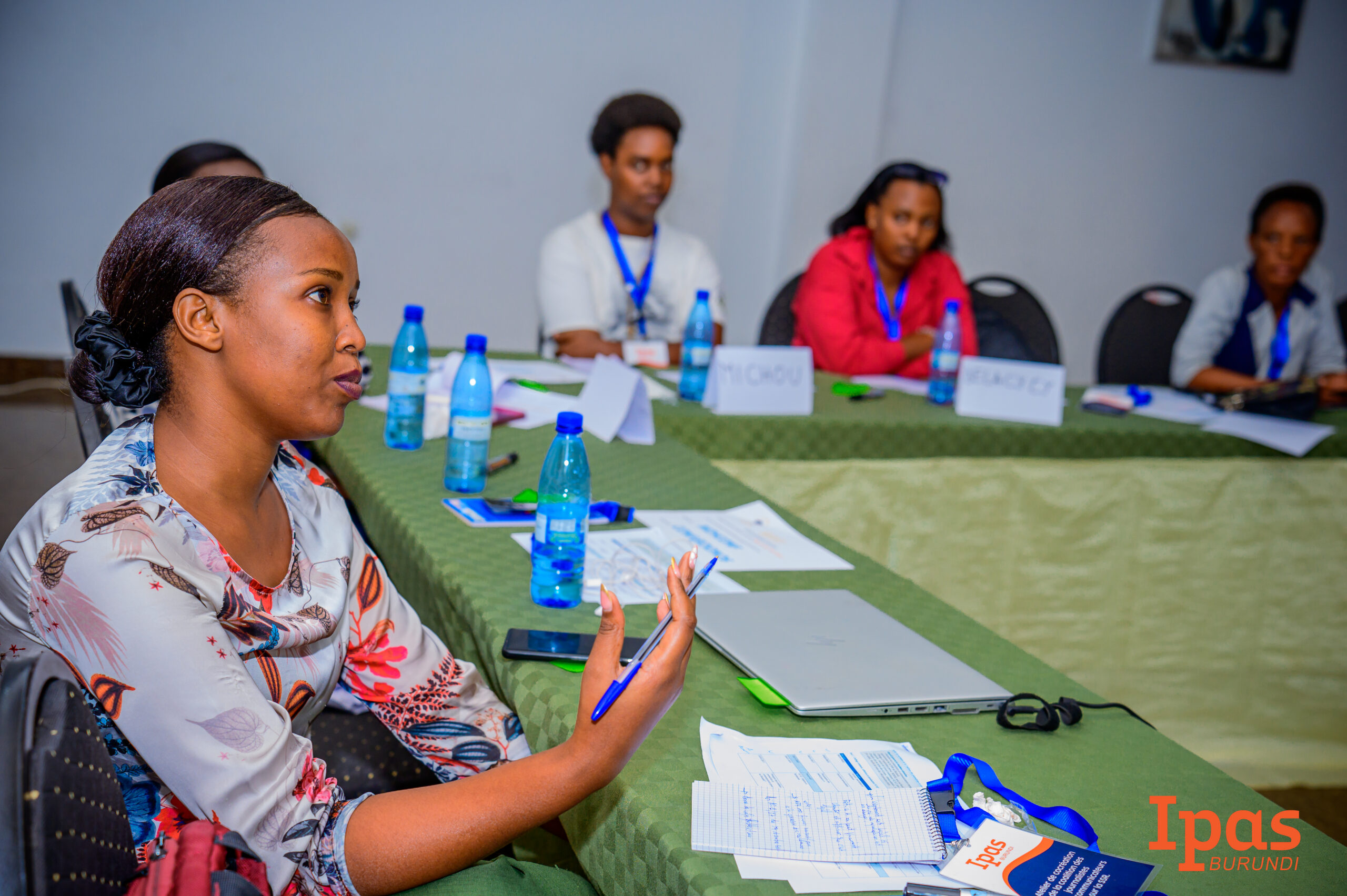
Journalists have a central role to play. Through reporting, interviews, investigations, radio and television programs, and digital content, they can explain reproductive health issues, amplify the voices and experiences of those most affected, and connect audiences with safe and credible sources of information.
Influencers can help make this information easier to understand and more accessible to diverse audiences by using formats and messages tailored to their needs.
By combining their respective strengths, journalists, communicators and influencers can also help address rumors, misinformation and false narratives related to reproductive health.
Women, girls and young people are at the heart of AJC-SR’s vision.
For young people, access to accurate and age-appropriate information is particularly important as they navigate questions about their bodies, puberty and reproductive health. Without trusted sources of information, myths and misinformation can easily fill the gap.
For women and girls, improved access to information can strengthen their understanding of reproductive health issues and support informed decisions about their health.
AJC-SR therefore seeks not only to improve access to information, but also to ensure that the realities, experiences and concerns of women, girls and young people are better represented in public conversations.
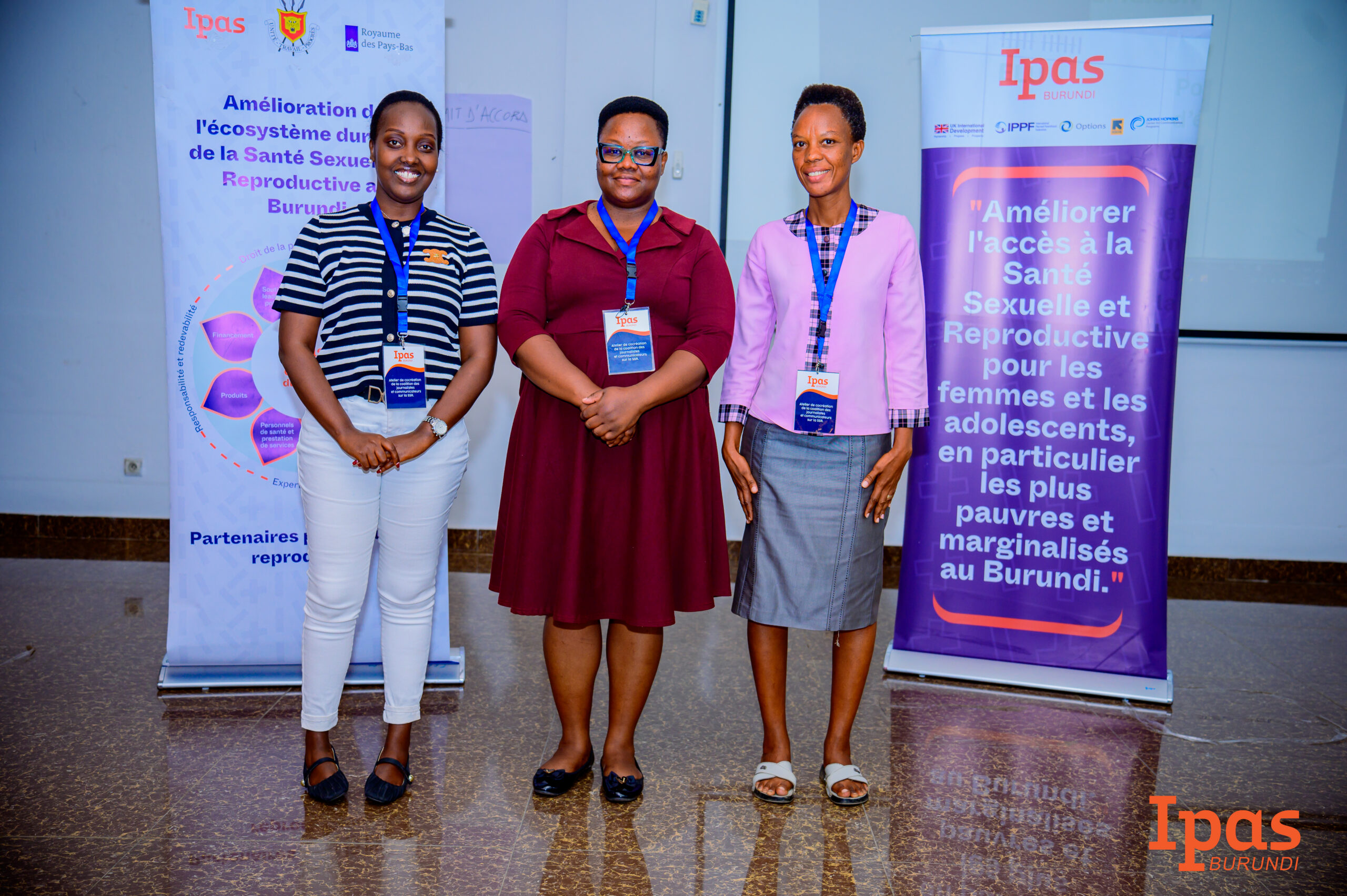
The Alliance also aims to help address the taboos surrounding reproductive health.
Topics such as menstruation, contraception, fertility, sexually transmitted infections, unintended pregnancy and sexual violence can still be difficult to discuss openly. Yet silence can create more space for rumors and misinformation.
Addressing these taboos does not mean treating these issues casually. It means creating a media environment in which reproductive health can be discussed accurately, respectfully and ethically, based on verified information.
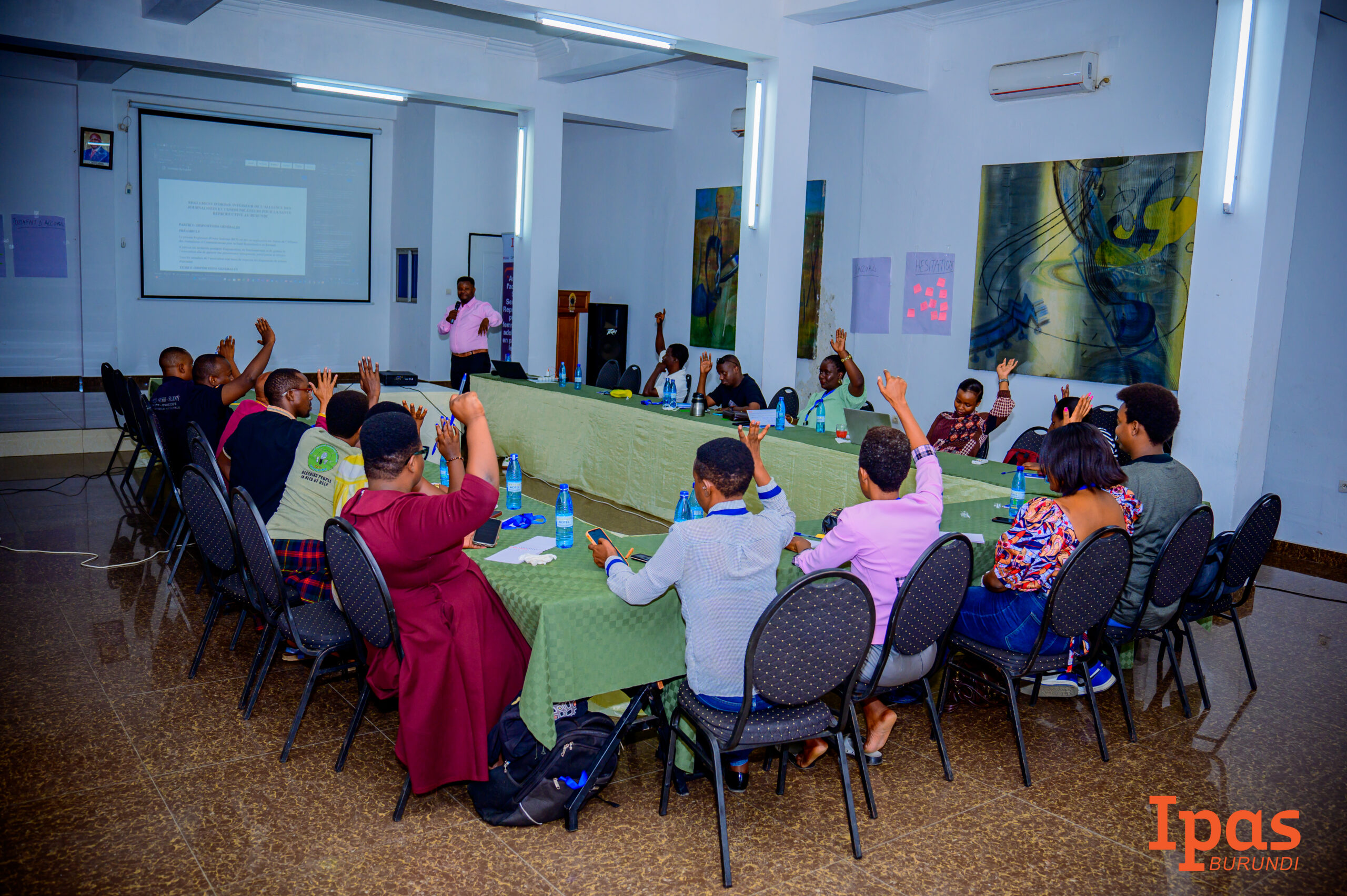
AJC-SR plans to strengthen the capacity of journalists and communicators, improve access to trusted sources, encourage the production of innovative content, and promote responsible media advocacy on reproductive health.
The Alliance also seeks to foster experience-sharing among its members and establish partnerships with public institutions, civil society organizations, universities, technical and financial partners, and media organizations.
Through this initiative, AJC-SR aims to make accurate information a meaningful tool for prevention and greater understanding.
Its ambition is to contribute to a media environment in Burundi where reproductive health issues are addressed professionally, respectfully and without stigma. Through the work of AJC-SR, more people will be able to access credible information and make informed decisions about their health and lives.
By Linda BUSHASHA ,Coordinator of the Alliance of Journalists and Communicators for Reproductive Health (AJC-RH)