Ipas DRC
Non-profit organization

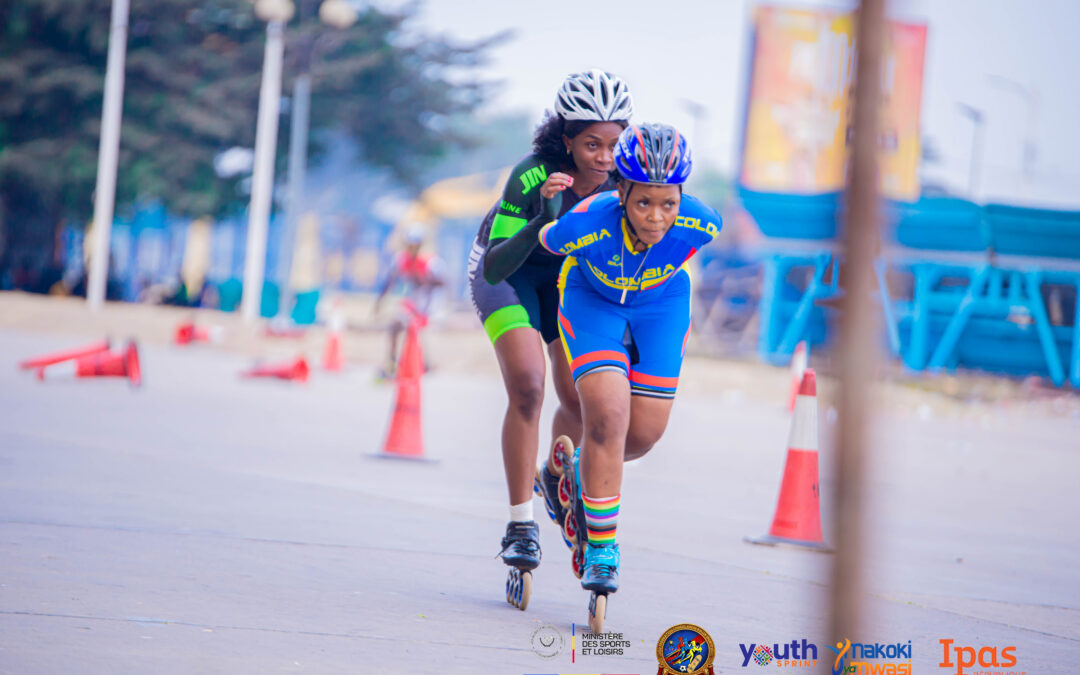
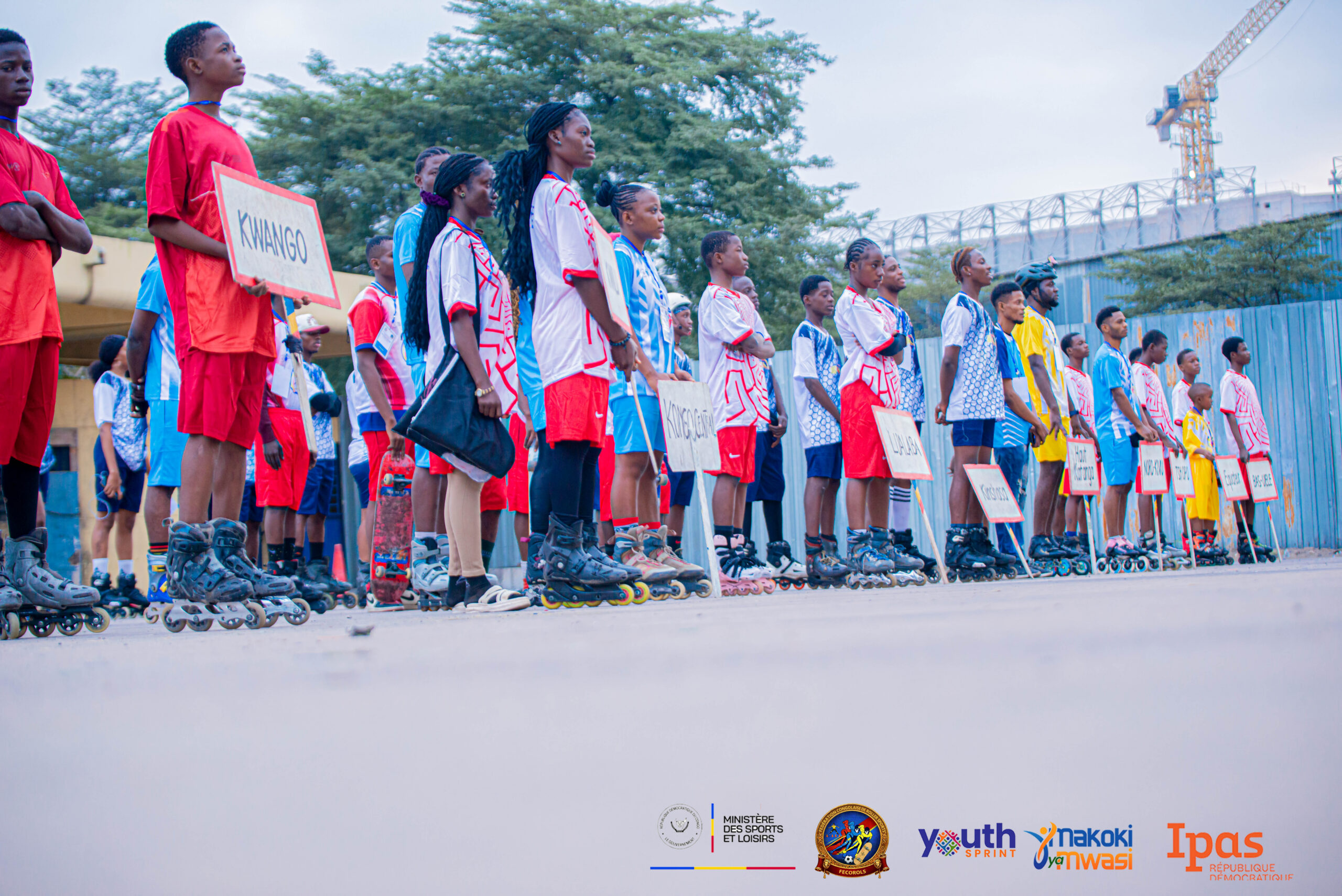
From August 28 to 30, 2026, the Stade des Martyrs hosted the fifth Congo Roller Sports Cup. For the third time, Ipas DRC supported the competition, which was organized with the backing of the Ministry of Sports through the Congolese Roller Sports Federation, FECOROLS.
During the competition, Youth Sprint, a youth-led organization, conducted awareness-raising activities on gender-based violence and contraception with support from Ipas DRC. By engaging directly with athletes, young people, and spectators, its members created a space for information, listening, and open conversation about sexual and reproductive health and rights.
The initiative was grounded in a simple conviction: spaces where young people come together, express themselves, and pursue their ambitions can also become spaces for prevention and social change. It also demonstrated the important role young people can play in informing their peers and leading change in their communities.
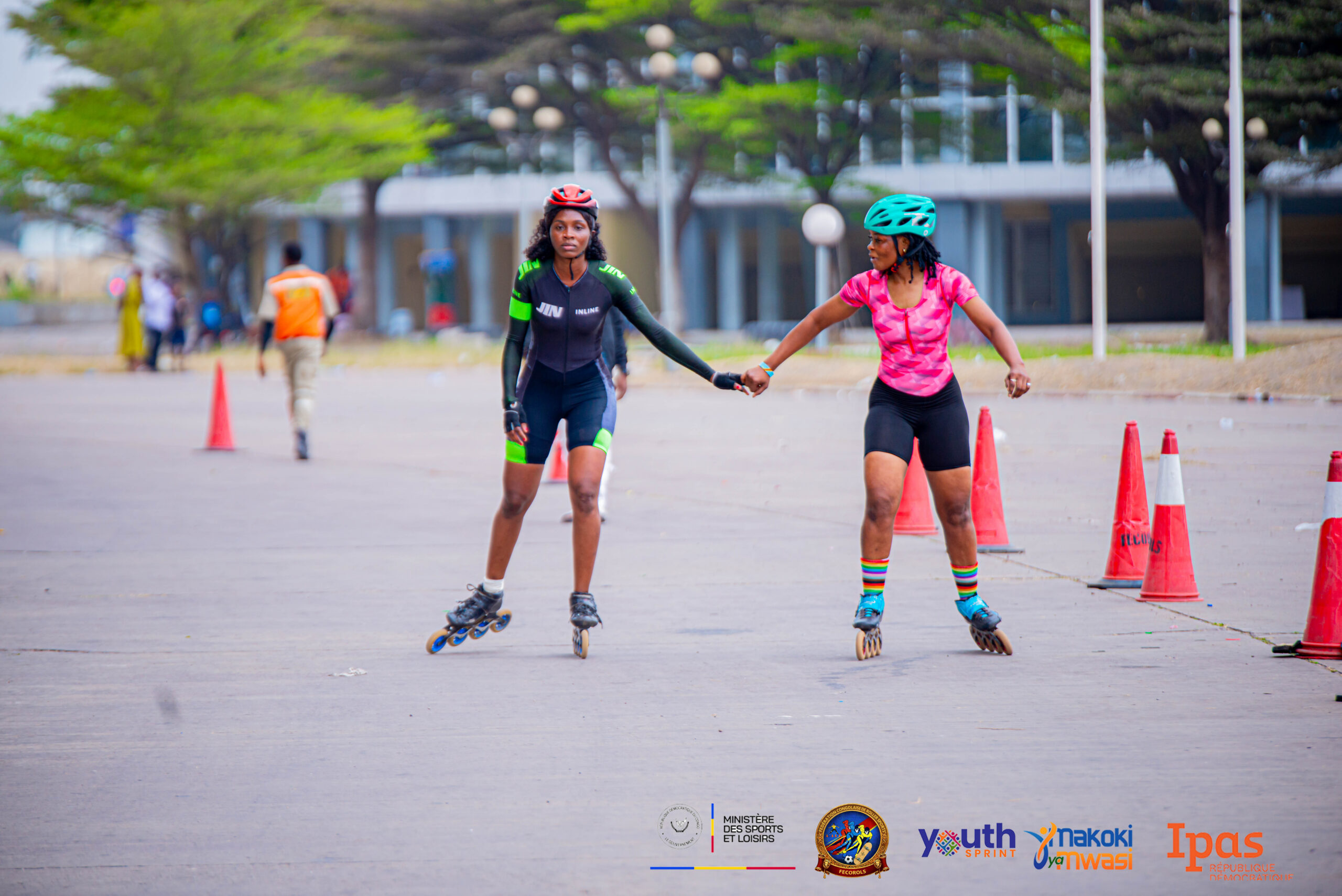
For many girls, participating in sport involves more than training or competing. It can also mean confronting prejudice, sexist comments, and social expectations that still seek to define what girls can do, which spaces they can occupy, and how far their ambitions should take them.
Not all girls experience these barriers in the same way. Gender can combine with age, disability, economic hardship, or location, making it even more difficult to participate in sport or access information and health services. Some girls must therefore overcome several barriers before they even reach the starting line.
Sport can reflect these inequalities, but it can also help challenge them. By taking their place on the track, girls affirm their ability to develop their talents, pursue their ambitions, and determine the direction of their own lives.
Athlete Linda Kanku’s experience illustrates this reality. During long-distance races, she heard people tell her to “stay at home” or “go and cook.” These remarks show how gender stereotypes can undermine girls’ confidence and restrict their aspirations. They also reinforce the need to engage families, coaches, communities, and spectators in creating safer, more respectful, and inclusive sporting environments.
“When a girl chooses sport, she is not challenging society. She is developing her talent, her health, her confidence, and her future.”
said Linda Kanku.
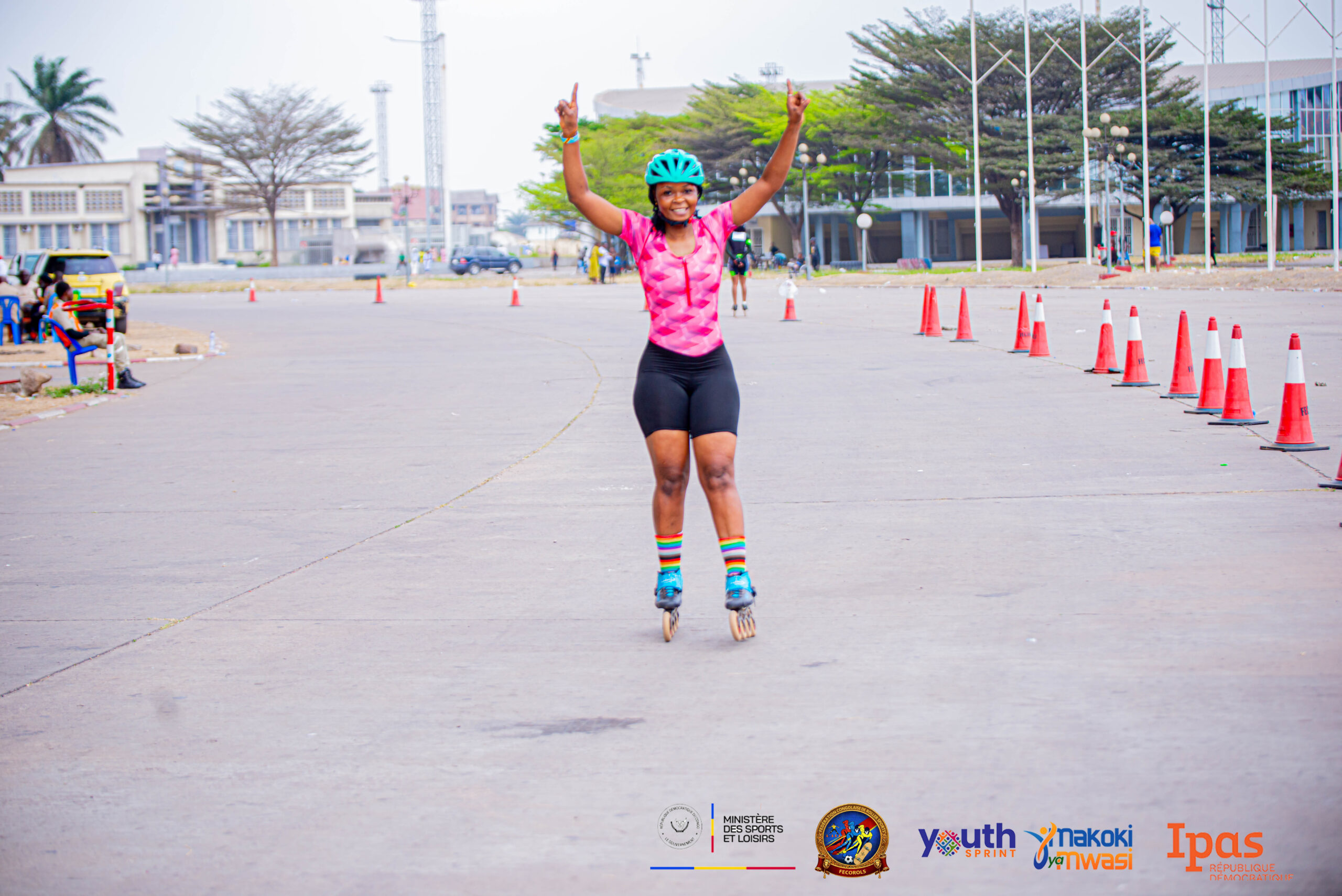
On the track, girls learn to recognize their abilities, push their limits, and believe in their potential. This confidence can also help them raise their voices, stand by their choices, and resist the pressures that seek to make decisions on their behalf.
However, confidence alone is not enough if girls lack reliable information and services that respond to their needs. Supporting them to make decisions about their health and future also requires preventing violence, challenging discrimination, and improving access to clear sexual and reproductive health information.
Through the awareness-raising sessions held during the competition, the young people mobilized by the organization spoke with participants about the different forms of gender-based violence. Violence can be physical, but it can also be verbal, psychological, or social, including through humiliation, intimidation, and prejudice that push some girls away from sporting spaces.
The team also facilitated discussions on contraception. Access to reliable information about contraceptive methods and appropriate services can help young people protect their health, prevent unintended pregnancies, and continue their education, training, and plans for the future. Through these conversations, the organization’s members connected young people with useful resources while helping to break the silence surrounding sexual and reproductive health.
By leading these discussions, the young people of Youth Sprint were not simply delivering messages to their peers. They were helping to create a space where young people could ask questions, learn about their rights, and reflect on the choices that shape their health and futures.
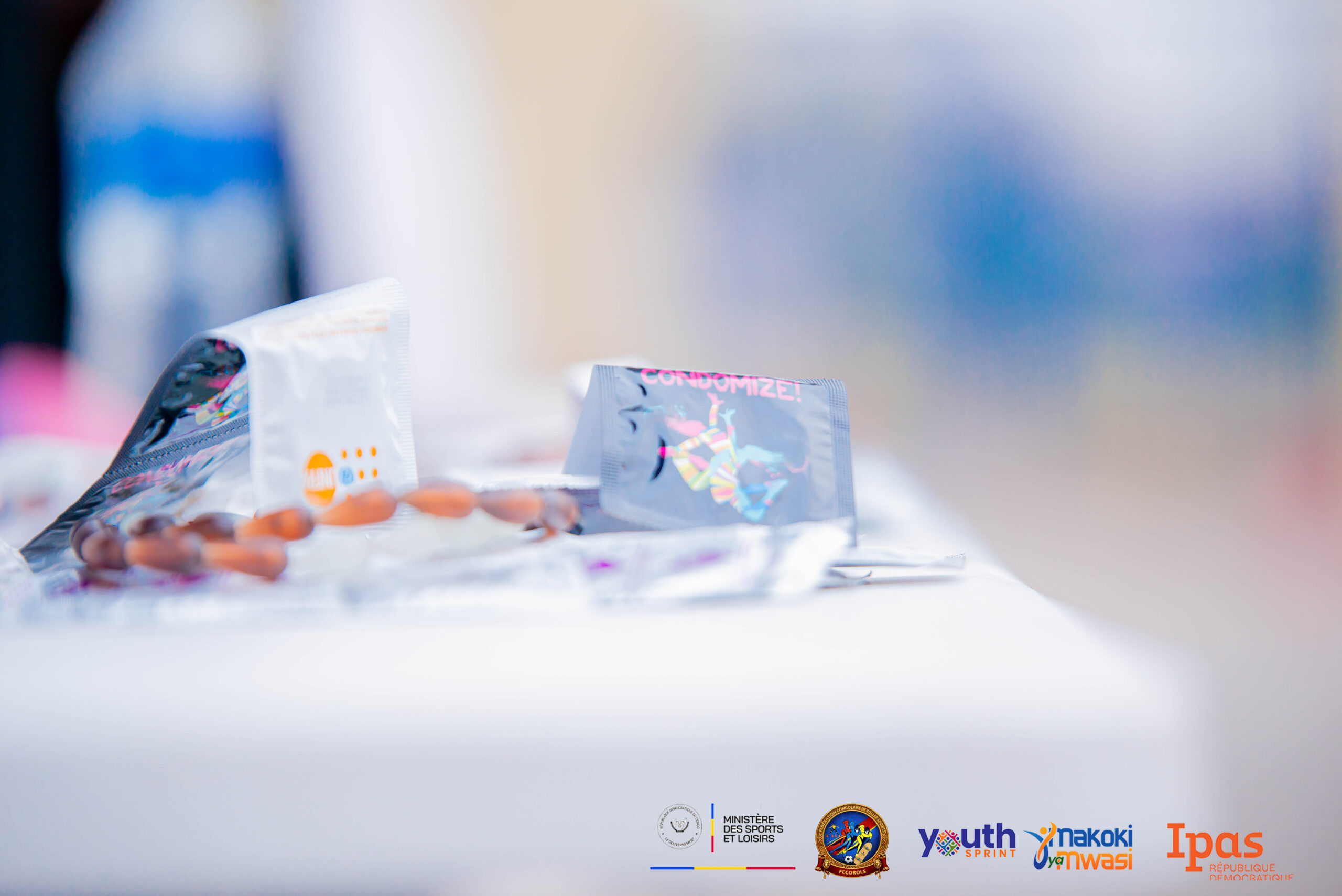
Bringing together gender-based violence prevention and contraception makes it possible to address young people’s safety, health, and ability to make their own choices. A young athlete who is informed, supported, and protected is better positioned to pursue her goals and realize her full potential.
Girls should not, however, carry the responsibility for change alone. Families, coaches, sporting federations, communities, and institutions all have a role to play in making sport an environment where no young person is excluded, humiliated, or exposed to violence.
At the fifth Congo Roller Sports Cup, the awareness-raising activities led by young people from Youth Sprint, with support from Ipas DRC and in collaboration with the Ministry of Sports and FECOROLS, showed that sport can be much more than competition. It can become a space where girls build confidence, learn about their rights, and connect with the resources they need to protect their health and pursue their ambitions.
On the track and beyond, every girl should be able to claim her space, make her own choices, and shape her future free from violence, discrimination, and barriers.
Writen by Lusangi Mankesi Bernetelle, intern at Ipas DRC and member of the Youth Sprint Coalition