
Ipas DRC
Non-profit organization
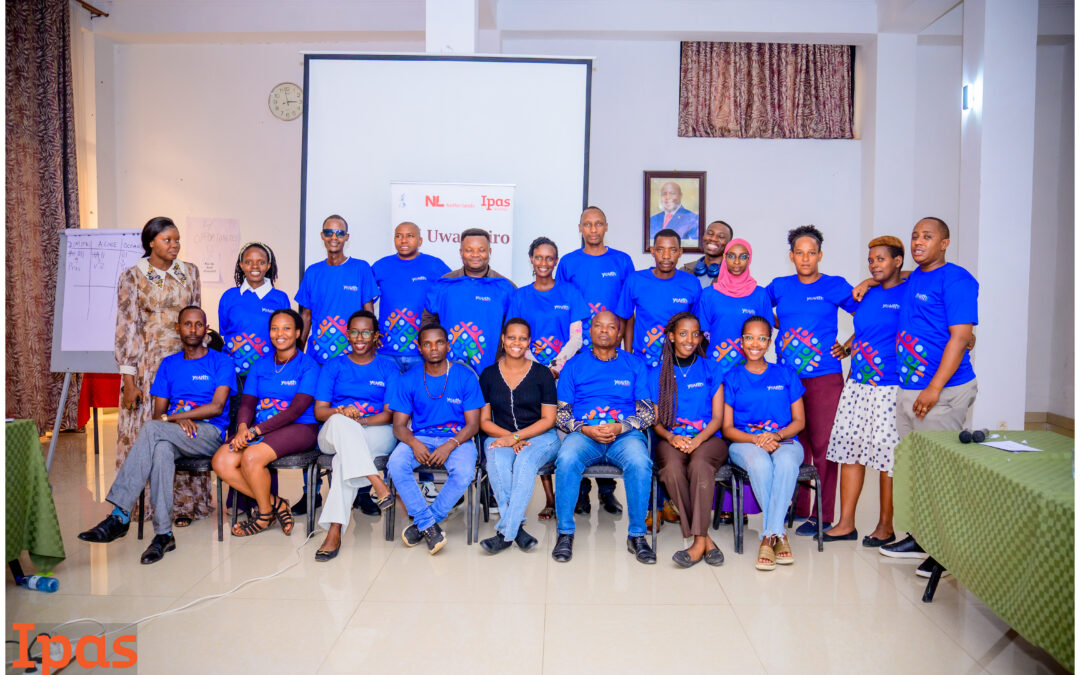
In Burundi, adolescents and young people are central to the country’s development ambitions. Yet they still face barriers to reliable information and responsive reproductive health services, including stigma, limited information, social and cultural norms, and gaps in services tailored to their needs. These barriers can be even greater for young people with disabilities.
In this context, meaningful youth participation is more than a matter of inclusion. It is essential to design responses that reflect young people’s realities, strengthening their ability to make informed decisions, and promoting respectful, accessible and nonjudgmental services. YouthSprint Burundi responds to this need by creating a collective platform where young people can raise their voices and help improve reproductive health in their communities.
With support from Ipas Burundi, participants adapted lessons from the experience in the Democratic Republic of Congo to the Burundian context. Rather than replicating a model, they set out to build a sustainable, representative and action-oriented platform where young people define their priorities, co-create solutions and bring a collective voice to spaces for dialogue, advocacy and accountability.
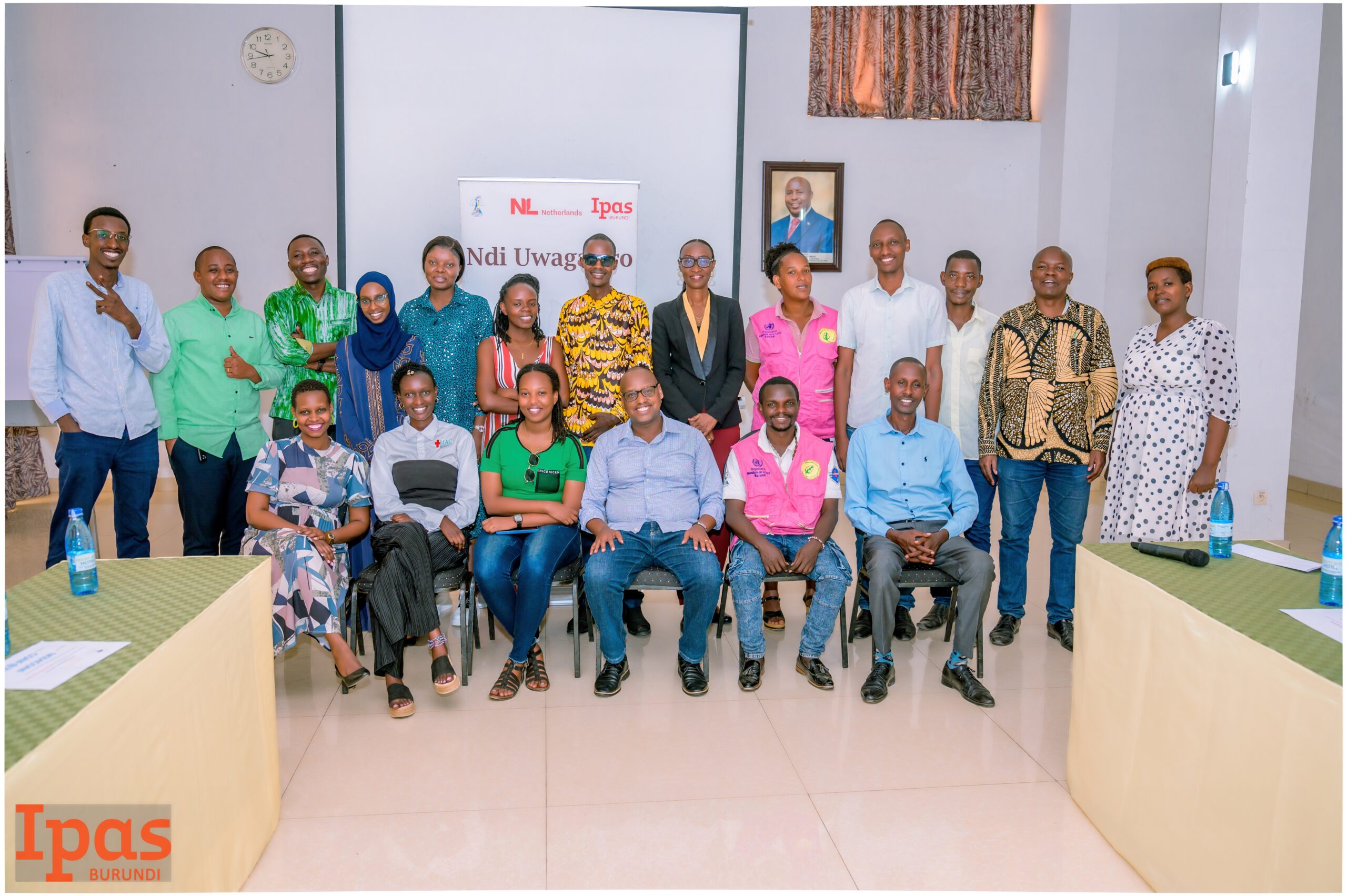
Discussions underscored the importance of bringing together diverse profiles and experiences, including young women, young people with disabilities, community-based organizations and young people from different provinces. Members also expressed their commitment to turning ideas into concrete action through a shared action plan and clearly defined governance mechanisms.
Participants also emphasized the urgency of innovation. “After 20 years of investment in reproductive health, what will we do differently to achieve different results?” one participant asked. This reflection challenges the coalition to prioritize approaches designed and led by young people while remaining aligned with national priorities.
At the end of the workshop, members unanimously adopted “NDUWAGACIRO” as the coalition’s motto. It reflects their commitment to dignity, integrity, responsibility and youth engagement. Participants also stressed that YouthSprint Burundi’s success will depend on cohesion among its members: “Unity is strength. If one person lets go, the connection will be broken.”
The presentation of YouthSprint DRC placed the launch of the Burundi chapter within a broader regional movement. Established in 2021 with support from Ipas DRC, the Congolese coalition grew from 8 to 31 member organizations across 16 provinces. Burundi is the first country to extend the movement beyond DRC, opening the way for South-South learning among young leaders through shared experience and the adaptation of promising practices to local realities.
The priorities of the new Burundi chapter are clear: expand young people’s access to reliable information, strengthen referral pathways to responsive services, promote responsible and safe communication, and build a strong youth network that can help shift community perceptions of reproductive health.
For Ipas Burundi, this support is part of a broader commitment to youth leadership, capacity strengthening, intergenerational dialogue, collective learning and advocacy for reproductive health, gender equality and young people’s access to quality information.

“Beyond bringing young people together, this initiative aims to build a sustainable, representative and action-oriented platform that strengthens their contribution to national reproductive health priorities,”
said Jean-Claude Ndikumana, Program Director at Ipas Burundi, in his opening remarks.
By the close of the workshop, member organizations had endorsed the coalition’s foundations, including its guiding documents, action plan and governance bodies. Elected national coordinator of YouthSprint Burundi, Sarah Sayubu welcomed the trust placed in her and called on members to remain united around a shared vision.
“This responsibility is, above all, a collective commitment. Together, we must make YouthSprint Burundi a space where every young person feels represented, heard and able to contribute to the changes our communities need.”
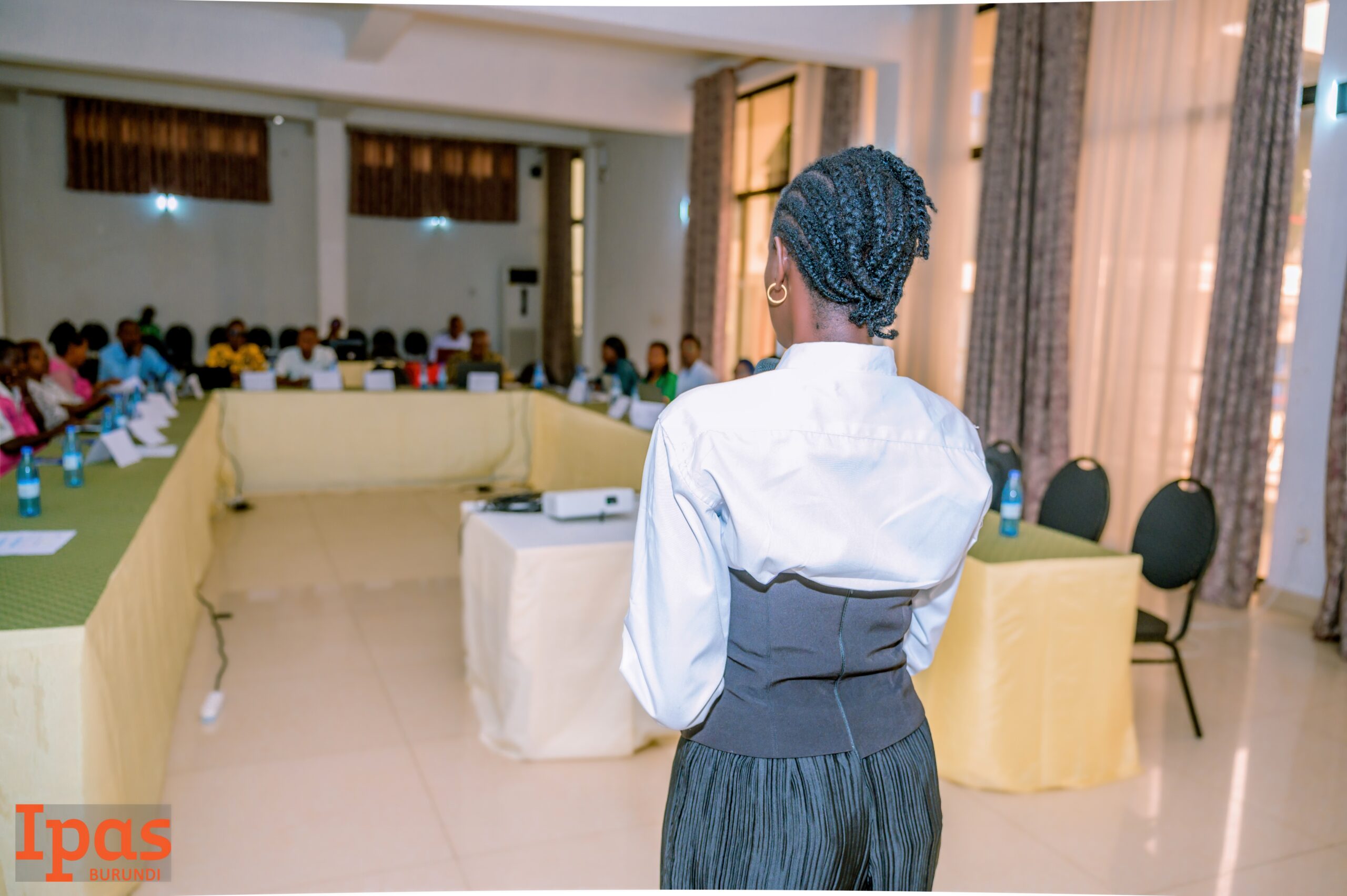
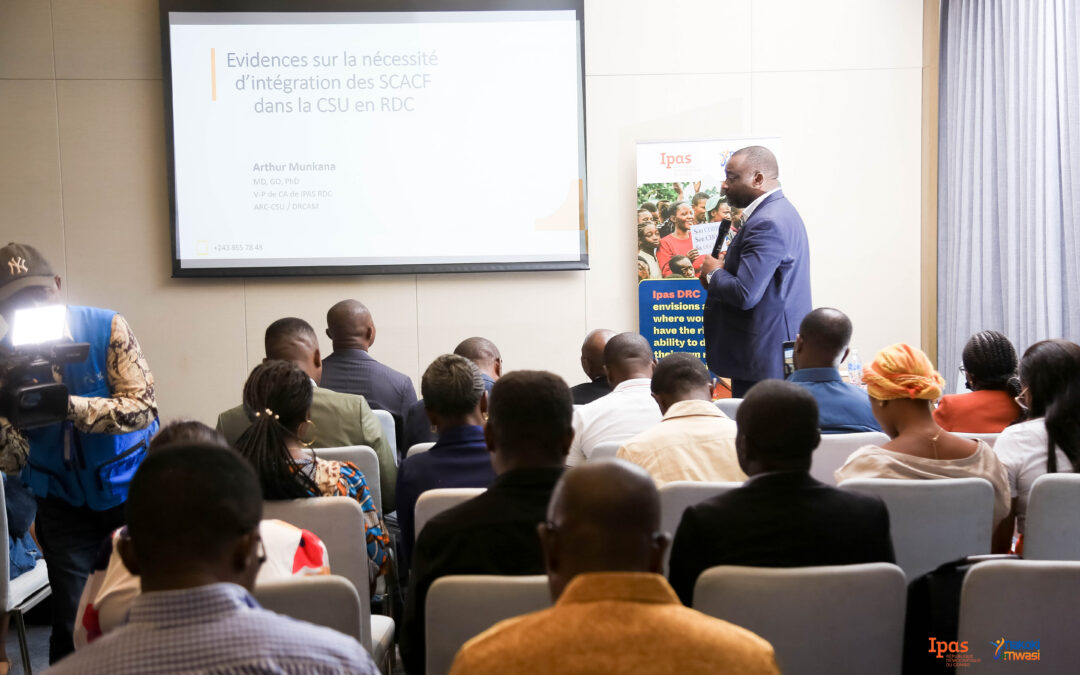
Speaker viewed from behind adressing seated audience …
As the first national YouthSprint chapter outside DRC, YouthSprint Burundi now carries a strategic responsibility: to demonstrate how a youth mobilization model can be adapted to a local context and translated into concrete, sustainable and measurable action.
With “NDUWAGACIRO” as its motto, YouthSprint Burundi sends a simple and powerful message: every young person has value, every voice matters, and collective action can help shape a new generation of regional leadership in reproductive health.
Writen by Linda Darlene Muhoze, Policy and Advocacy Officer / Ipas Burundi
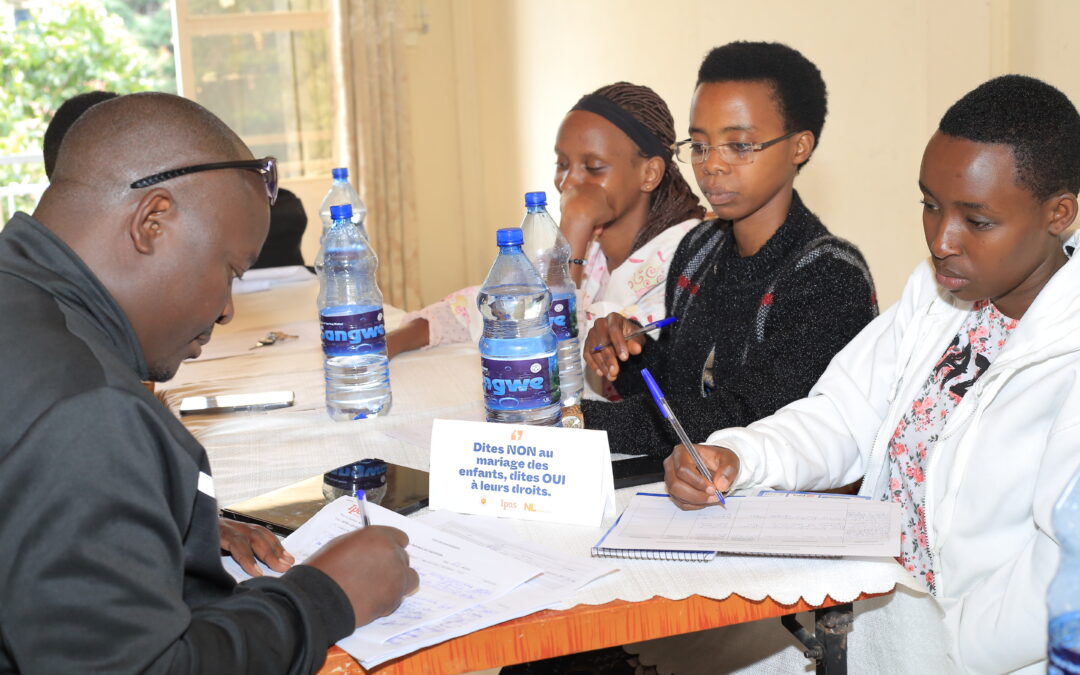
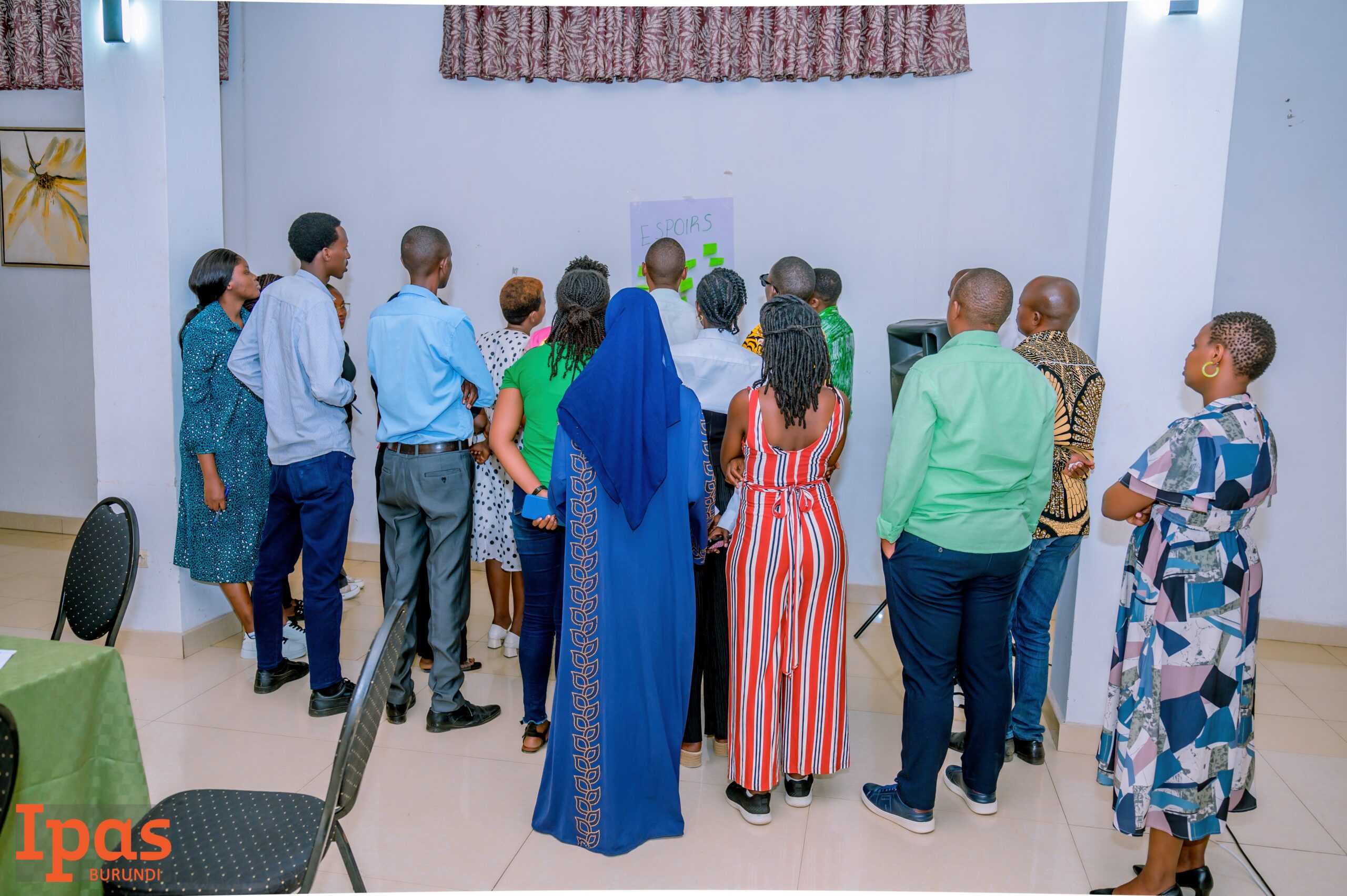
For many adolescent girls in Burundi, life-changing decisions and circumstances can emerge at a very early age, often before they have access to the information, support, and opportunities they need to make informed choices about their health, education, and future. Adolescent pregnancy, child marriage, and school dropout continue to affect the lives of many girls, interrupting educational pathways and limiting opportunities at a critical stage of their development.
These challenges do not occur in isolation. They reflect broader social, economic, and institutional dynamics, including poverty, persistent social norms, and unequal access to essential services. Together, these factors can restrict opportunities for adolescent girls and hinder their ability to reach their full potential.
Addressing these issues requires more than individual interventions. Sustainable progress depends on strengthening an enabling environment that supports adolescent girls over the long term—by fostering positive social norms, improving coordination among stakeholders, and reinforcing the systems that shape their everyday lives.
It is within this context that a more structured response to the continuum of adolescent pregnancy, child marriage, and school dropout (CTS) has gradually taken shape in Burundi.
The national dialogue held in Bujumbura represented an important milestone in this process. Bringing together government institutions, technical services, civil society organizations, development partners, and young people, the dialogue helped establish a shared understanding of the challenges affecting adolescents across the country.
Throughout the discussions, participants recognized that CTS is not the responsibility of a single sector. Rather, it reflects a complex set of interconnected factors ranging from economic conditions and social norms to institutional capacities and access to essential services.
The dialogue also contributed to the development of a common framework for action designed to strengthen collaboration, improve coordination among stakeholders, and promote a more coherent response at the national level.
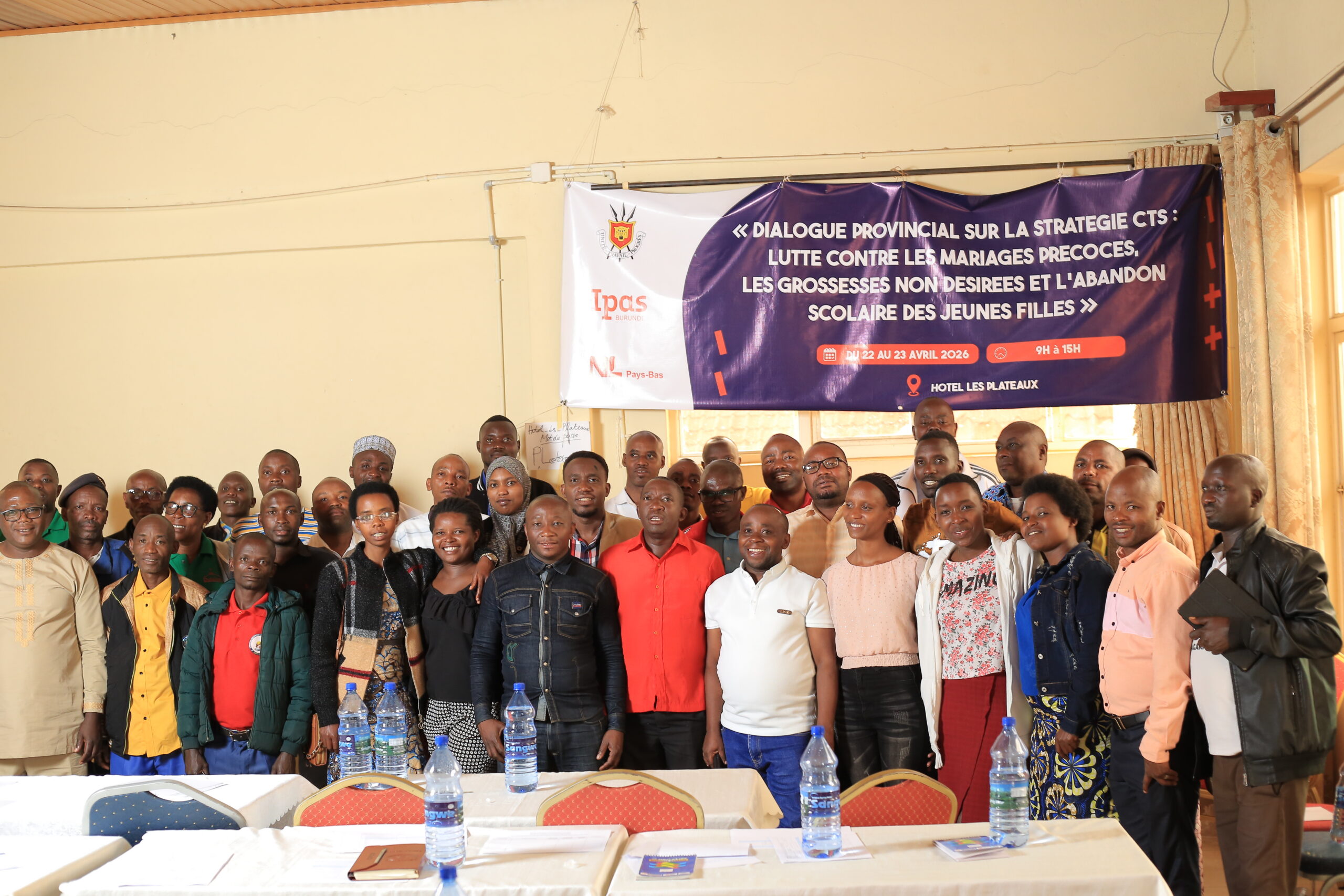
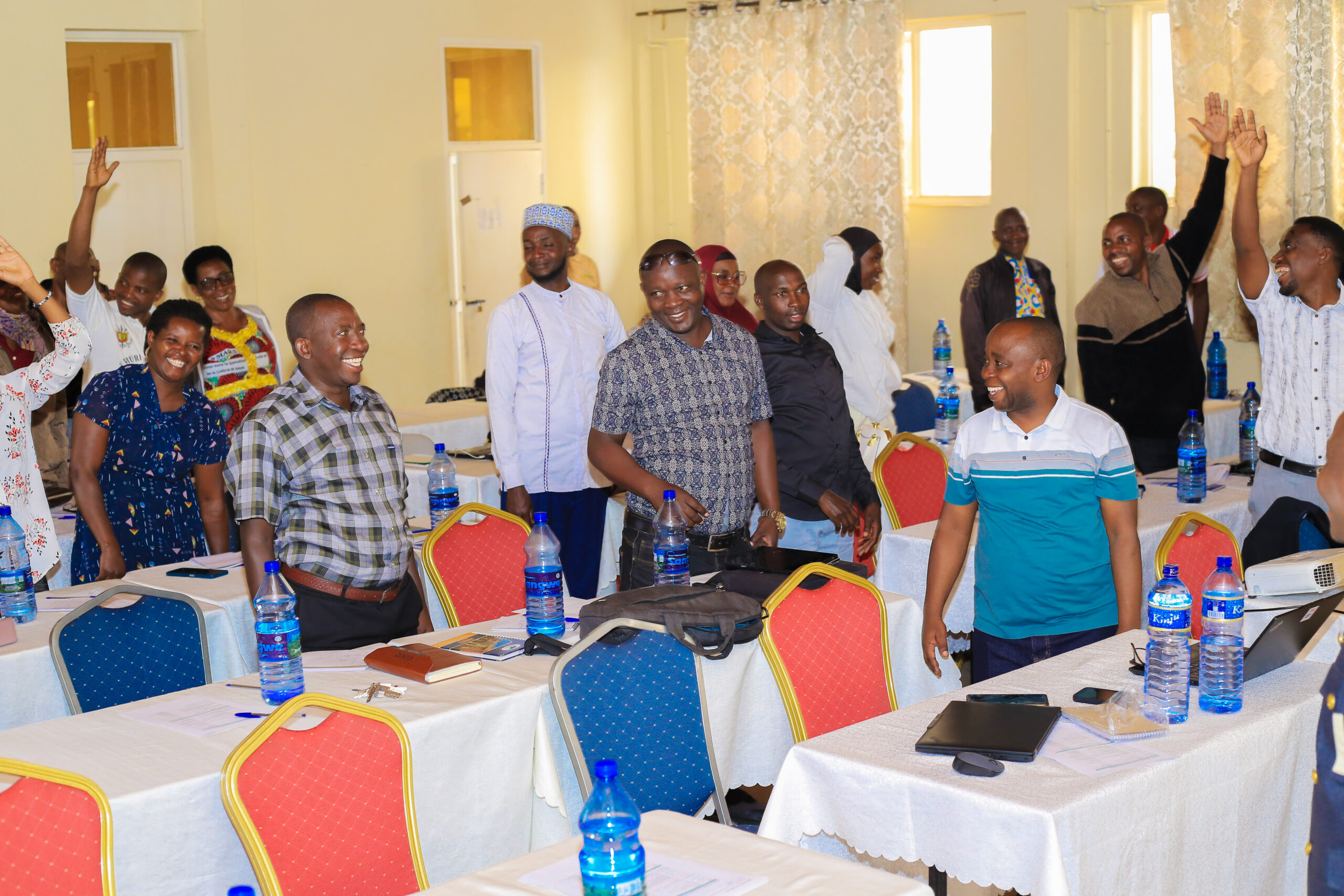
Building on this momentum, a provincial dialogue was organized in Butanyerera Province through the Ndi Uwagaciro project. Held in Ngozi from April 22–23, 2025, the workshop served as an important bridge between national priorities and local realities.
The dialogue brought together a diverse range of stakeholders, including provincial administrative authorities, technical representatives from the education, health, and social protection sectors, civil society organizations, community and religious leaders, implementing partners, and young people. By creating a space for collective reflection, the workshop enabled participants to examine the challenges facing adolescents through the lens of community experiences and local contexts.
Discussions highlighted the persistent and interconnected nature of adolescent pregnancy, child marriage, and school dropout, as well as their implications for adolescent wellbeing and socio-economic development. As part of the process, stakeholders conducted an assessment of the provincial CTS ecosystem, which received a score of 2.6, slightly above the national average of 2.3. The results demonstrated important progress while also highlighting areas where further efforts are needed to strengthen the overall response.
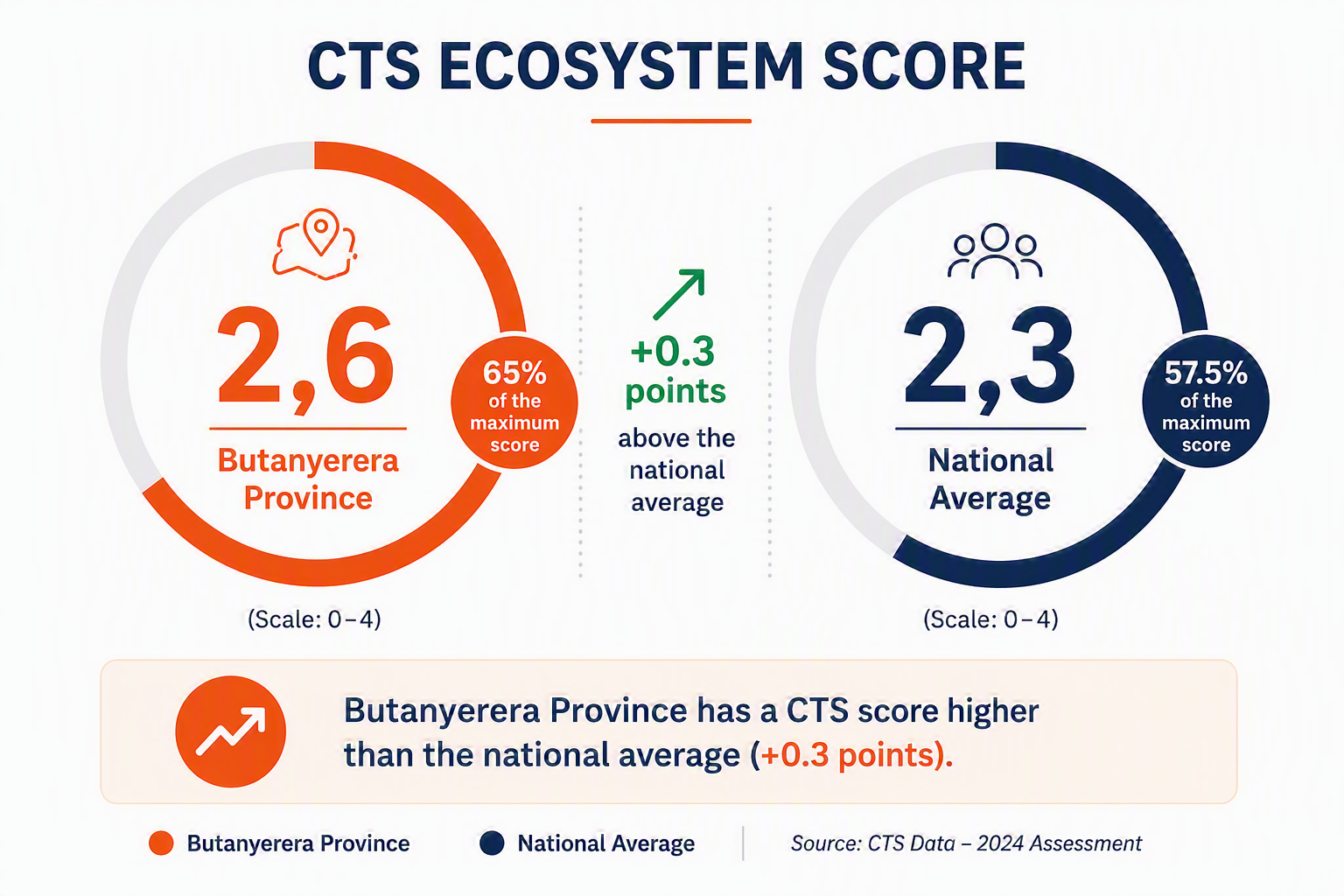
An encouraging performance that reflects the efforts already underway while highlighting opportunities to strengthen the response for greater effectiveness and sustainability.
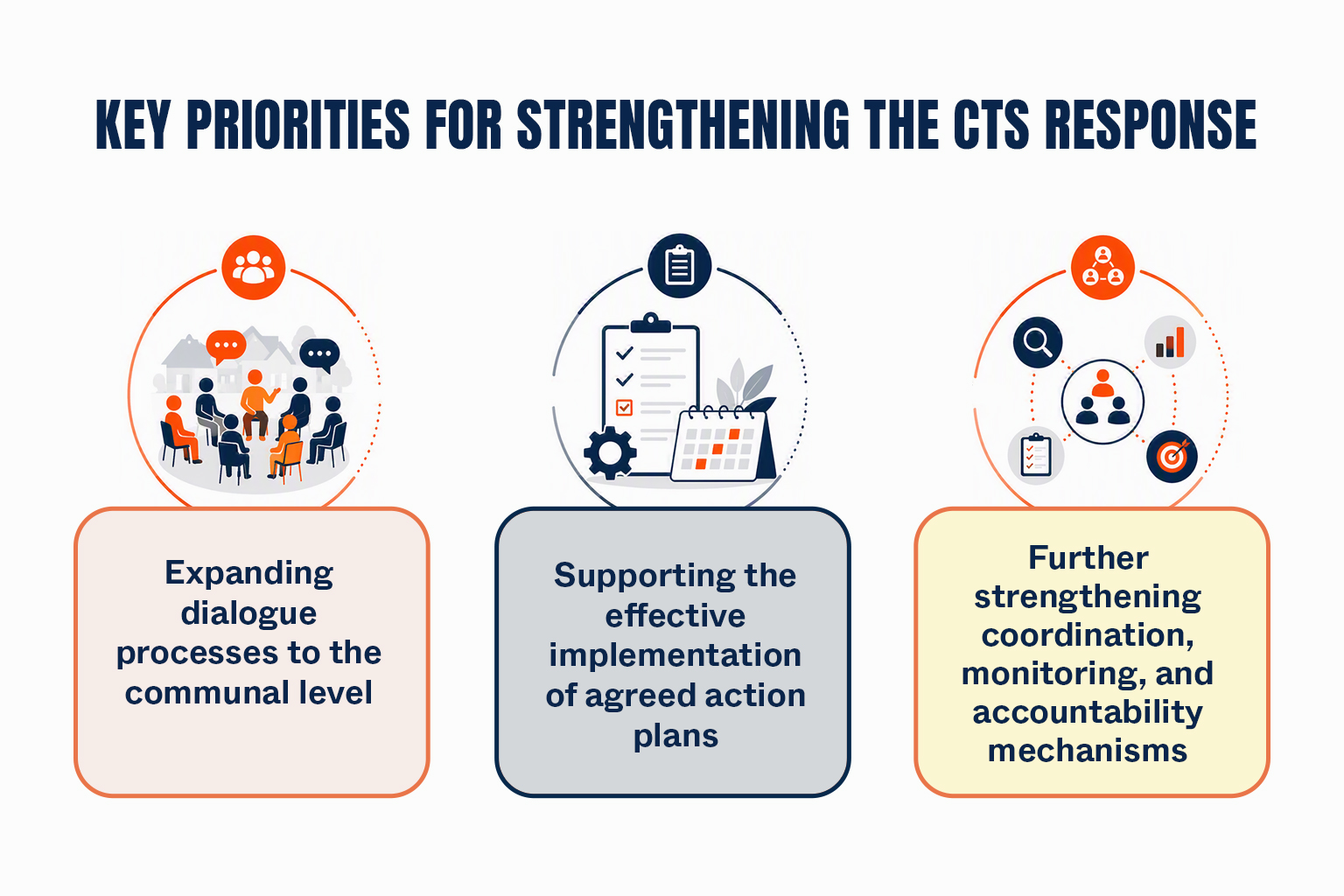
Through a collaborative process, participants identified key priorities and developed a provincial action plan with clearly defined responsibilities and timelines. This operational roadmap marks an important step toward strengthening local ownership and promoting a more coordinated and effective implementation of interventions across sectors.
By linking national dialogue processes with local action, this approach is helping establish a more coordinated, inclusive, and community-centered response to the challenges associated with CTS.
A central feature of this approach is the promotion of local ownership. By actively engaging provincial and community stakeholders in identifying priorities and designing solutions, the process helps ensure that interventions are more responsive to local needs and more sustainable over time.
Burundi is progressively laying the foundations for a more coherent and coordinated response to adolescent pregnancy, child marriage, and school dropout.
By aligning stakeholders, grounding actions in local realities, and reinforcing collaboration across sectors, this approach is helping create a more supportive environment for adolescent girls. It is an environment that can enable them to continue their education, broaden their opportunities, and make informed decisions about their futures.
Maintaining and expanding this momentum will be essential to transforming early progress into lasting change. Through continued collaboration, local leadership, and sustained commitment, Burundi can further strengthen the conditions that allow adolescent girls to thrive, pursue their aspirations, and contribute fully to their communities and the country’s development.
In the Democratic Republic of the Congo, abortion is part of the lived reality of many women and girls. Yet for a significant number of them, access to safe, quality services remains out of reach, forcing them to turn to care outside the formal health system—often at great risk to their health and well-being.
Complications related to unsafe abortion remain a major contributor to maternal morbidity and mortality. These outcomes reflect persistent inequalities in access to sexual and reproductive health (SRH) information, quality services, and financial protection. Adolescents, women living in poverty, and those in humanitarian or conflict-affected settings face the greatest barriers.
For too long, comprehensive abortion care (CAC) has been treated as peripheral to health system priorities. This marginalization has not only delayed access to timely care but has also increased financial burdens on families and placed additional strain on already stretched health systems.

Universal Health Coverage (UHC) aims to ensure that the entire population of the Democratic Republic of the Congo can access essential, quality health services without the risk of financial hardship linked to out-of-pocket payments. In the DRC, the National Health Development Plan (NHDP) 2016–2020—revised as the 2019–2022 NHDP under the vision of “toward universal health coverage”—laid the foundation for the development and adoption of the National Strategic Plan for Universal Health Coverage (NSP-UHC) 2020–2030. This plan now serves as the primary framework guiding health system reforms.
But beyond its technical ambition, UHC represents a powerful political commitment: placing equity, social justice, and human rights at the center of health policies. It provides a unique opportunity to address structural inequalities that continue to exclude many women from essential sexual and reproductive health (SRH) services.
In this context, integrating comprehensive abortion care (CAC) is not simply a programmatic consideration—it is essential for UHC to fulfill its promise of universality.
However, CAC remains only partially integrated into national UHC implementation mechanisms. This gap continues to limit the inclusiveness of health policies for women and girls. This shared reality has gradually led to a growing consensus : UHC cannot achieve its objectives without fully including comprehensive abortion care within its essential health service package.
It is within this context that advocacy efforts were launched in October 2024, under the leadership of the National Reproductive Health Program (PNSR), with technical support from Ipas DRC. The process began with an initial engagement with UHC authorities, including the Director of the Agency for Regulation and Oversight of Universal Health Coverage (ARC-UHC), focusing on how UHC operates and how to integrate comprehensive abortion care into its framework.
This collective effort has helped reposition comprehensive abortion care as an essential public health service, grounded in evidence and in the realities experienced by communities.
Several key milestones have already been achieved :
These advances mark a turning point: the question is no longer whether comprehensive abortion care should be included, but how to ensure its progressive, coherent, and sustainable integration in a way that upholds the health and dignity of women and girls.

The favorable position toward integrating comprehensive abortion care into UHC represents a critical milestone—but it is not the end of the process. The priority now is clear: to move from political commitment to effective implementation, in a way that is progressive, measurable, and equitable.
This includes :
Beyond technical considerations, this integration represents a broader structural shift. It recognizes that abortion-related care is part of public health realities and must be included in health systems that are equitable, inclusive, and responsive to people’s needs.
For Ipas DRC, integrating comprehensive abortion care into UHC is part of a broader goal: ensuring that every woman and girl can fully exercise her right to bodily autonomy and access safe, respectful, and accessible sexual and reproductive health services.
It represents a strategic opportunity to transform normative commitments into real access to care—and to bring health systems closer to the lived realities of women.
In the DRC, the question is no longer whether these needs exist, but whether public policies will respond in ways that are equitable, sustainable, and grounded in rights.
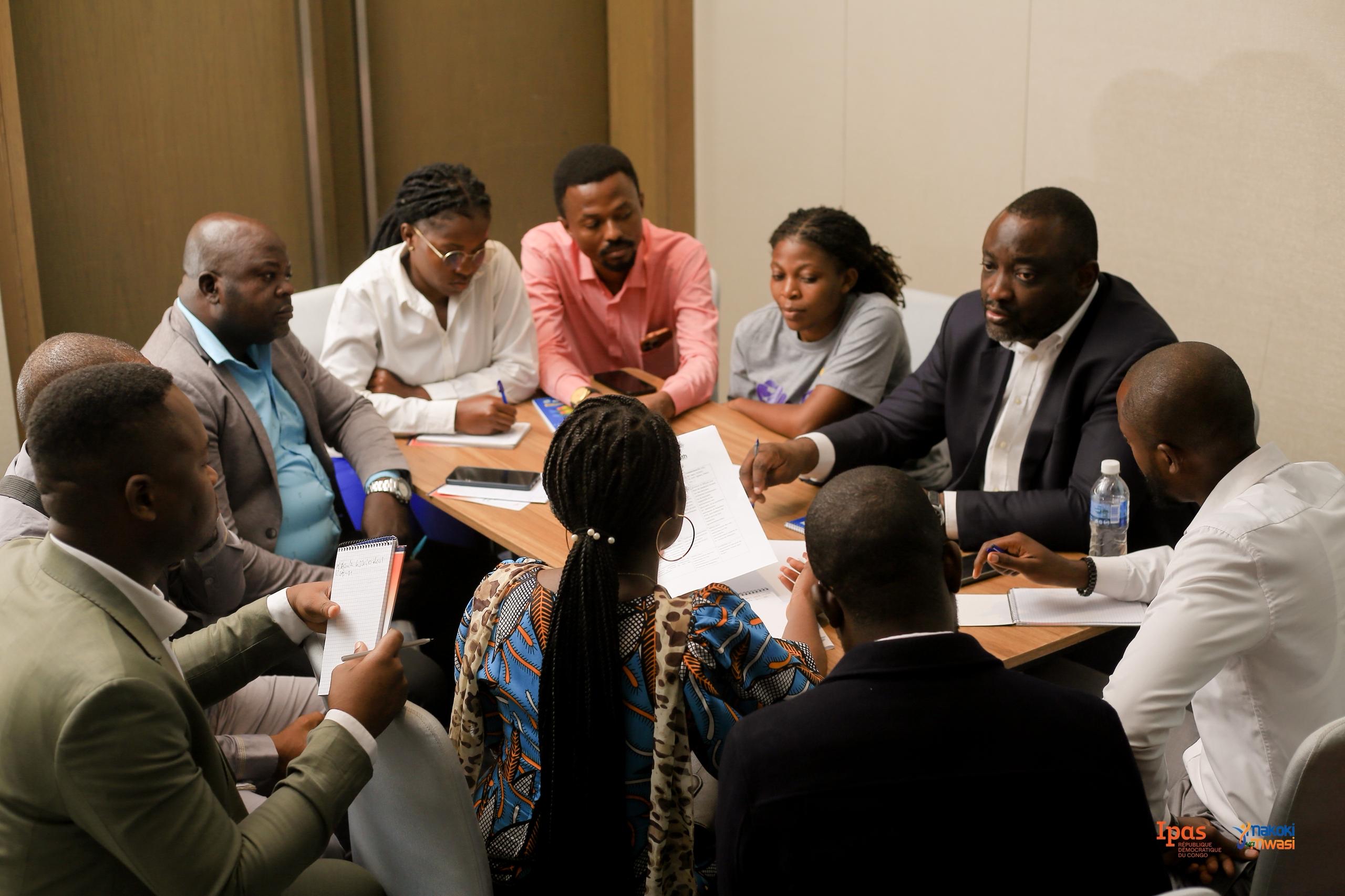

For several years, Ipas DRC has engaged in regional and global advocacy spaces to help shape the legal, policy, and institutional environments that determine women’s and girls’ access to sexual and reproductive health and rights in the Democratic Republic of Congo. The United Nations Commission on the Status of Women (CSW) remains a critical global forum for advancing gender equality, social justice, and human rights.
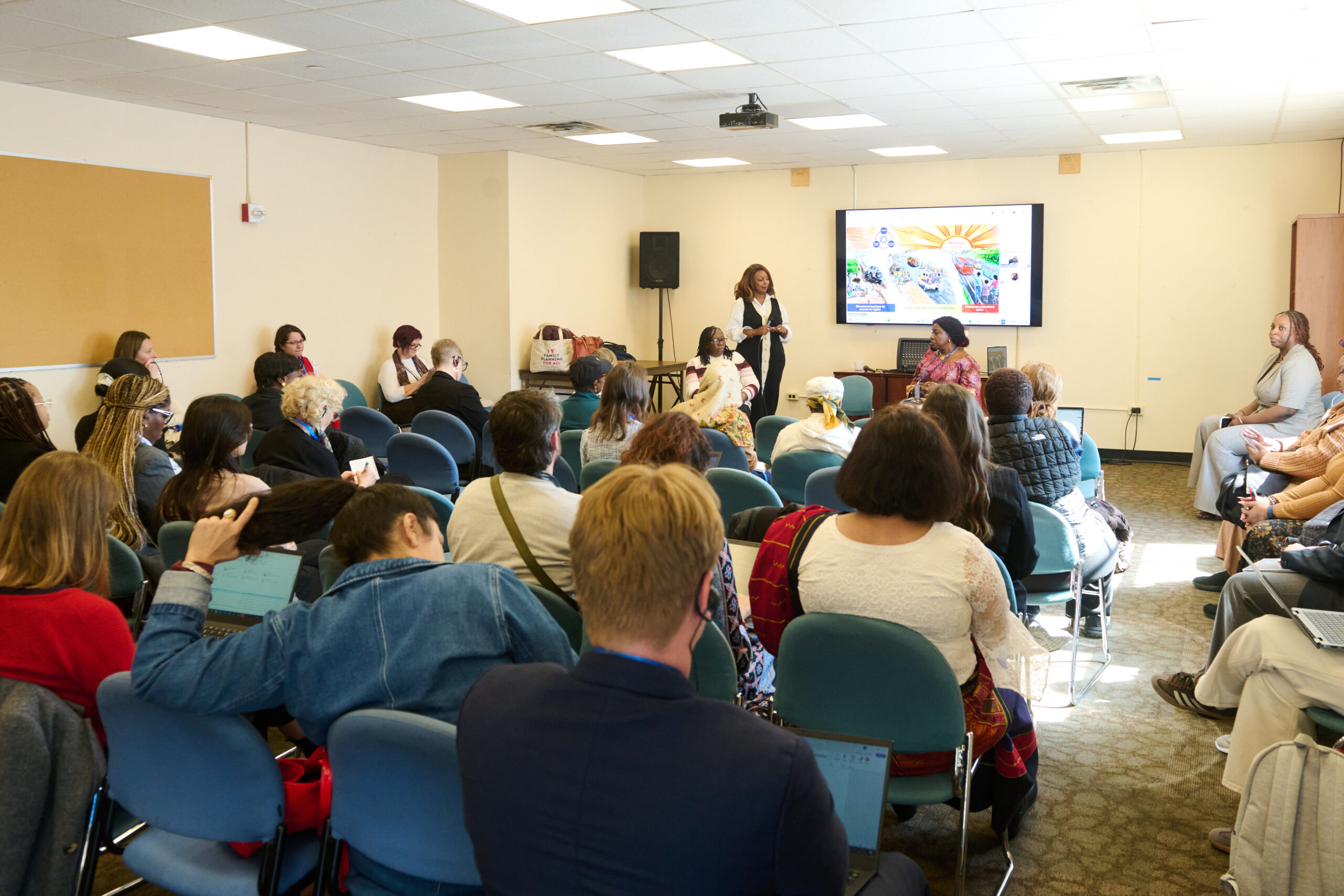
For Ipas DRC, participation in these international spaces is a strategic opportunity to influence global norms, support the effective implementation of the Maputo Protocol in the DRC, and reinforce the legitimacy of national reforms on sexual and reproductive rights.
As part of this broader advocacy effort, Ipas DRC took part in the 70th session of the CSW, held in New York from March 9 to 19, 2026, alongside a high‑level national delegation bringing together leaders from the justice sector, the health system, and civil society, under the patronage of the Minister of Gender, Family, and Children. The discussions reaffirmed the Congolese government’s commitment to advancing and protecting the sexual and reproductive rights of women and girls.
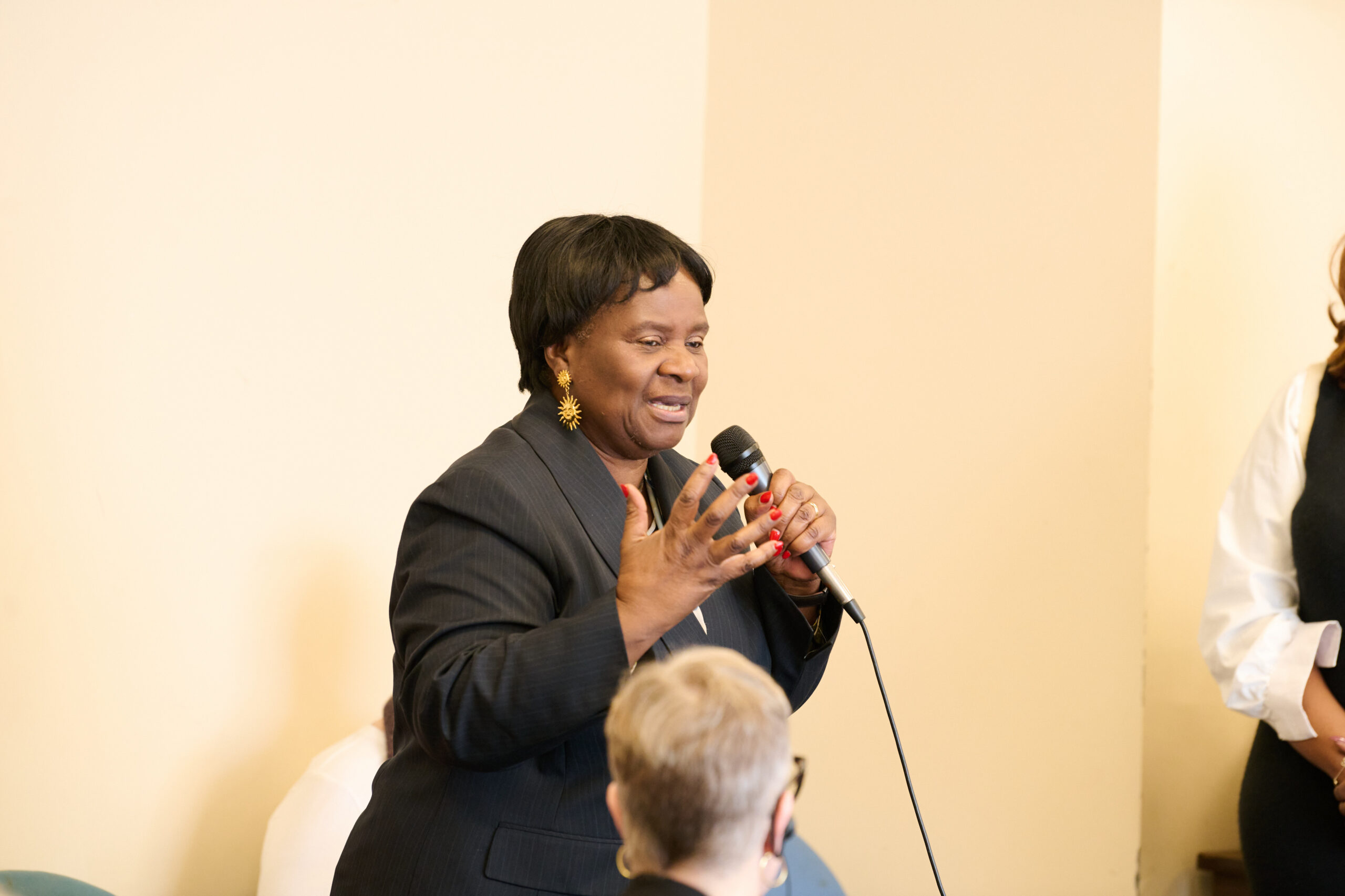
Conversations at CSW70 highlighted tangible progress in legal reform and institutional accountability, including the training of more than 5,000 magistrates, the establishment of judicial focal points, and the issuance of a directive by the High Council of the Judiciary. These measures are helping to improve how abortion‑related cases are addressed within the justice system and to strengthen protections for women’s rights, including in fragile and humanitarian contexts.
At the same time, participants emphasized that legal progress alone is not enough. Limited community awareness, persistent stigma, and uneven enforcement of the law continue to disrupt women’s access to care. In response, Ipas DRC shared its approach to building a sustainable abortion ecosystem—one that strengthens the capacity of health and justice actors, expands access to accurate information, and improves service quality and institutional accountability.
Strong advocacy also called for the integration of comprehensive abortion care into Universal Health Coverage as a critical pathway to sustainably reducing maternal mortality. While data presented point to a decline in deaths linked to unsafe abortion, adolescent girls and young women aged 15–19 remain disproportionately affected. The importance of holistic care for survivors of sexual violence—including medical, legal, and psychosocial support—was also underscored, alongside the need for continued vigilance in the face of persistent global opposition to sexual and reproductive rights.
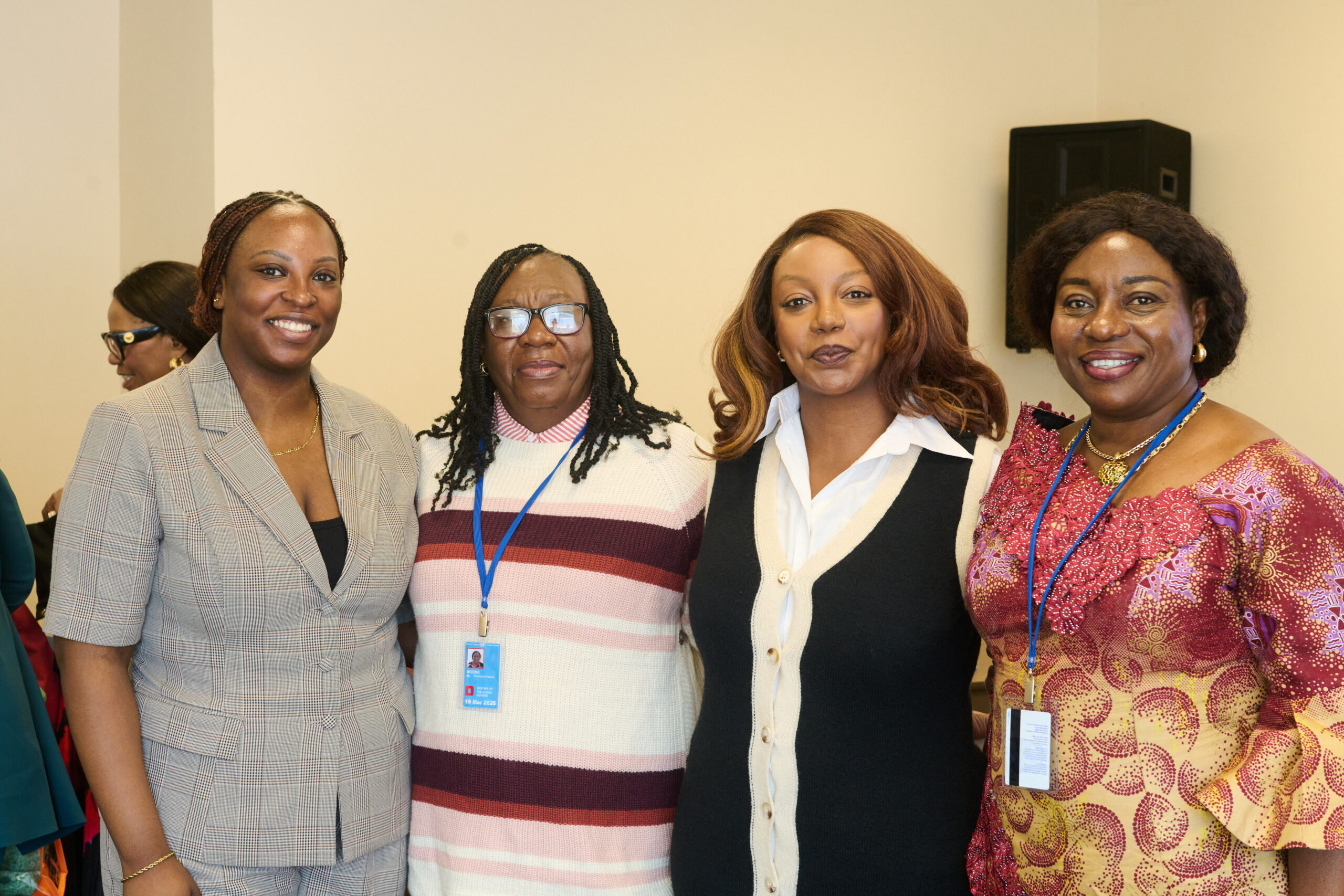
Through its participation in CSW70, Ipas DRC reaffirms its conviction that realizing women’s sexual and reproductive rights requires coordinated action across the justice and health systems, anchored in strong institutional accountability, to ensure rights‑based, accessible, and sustainable care pathways for all women and girls.

Organized in Kinshasa in October 2025 by the Ministry of Health, in partnership with Ipas RDC and made possible by funding from the FCDO as part of the WISH2 project, the second national dialogue on the sustainability of the sexual and reproductive health rights ecosystem brought together institutional players, technical partners and civil society, strengthening collaboration between international partners and national institutions.
Four years after the first edition in 2021, this meeting marked a decisive step in the evolution of policies and practices related to safe abortion in the Democratic Republic of the Congo, enabling an assessment of the progress made, highlighting persistent challenges and consolidating a common vision centered on women’s bodily autonomy and dignity.
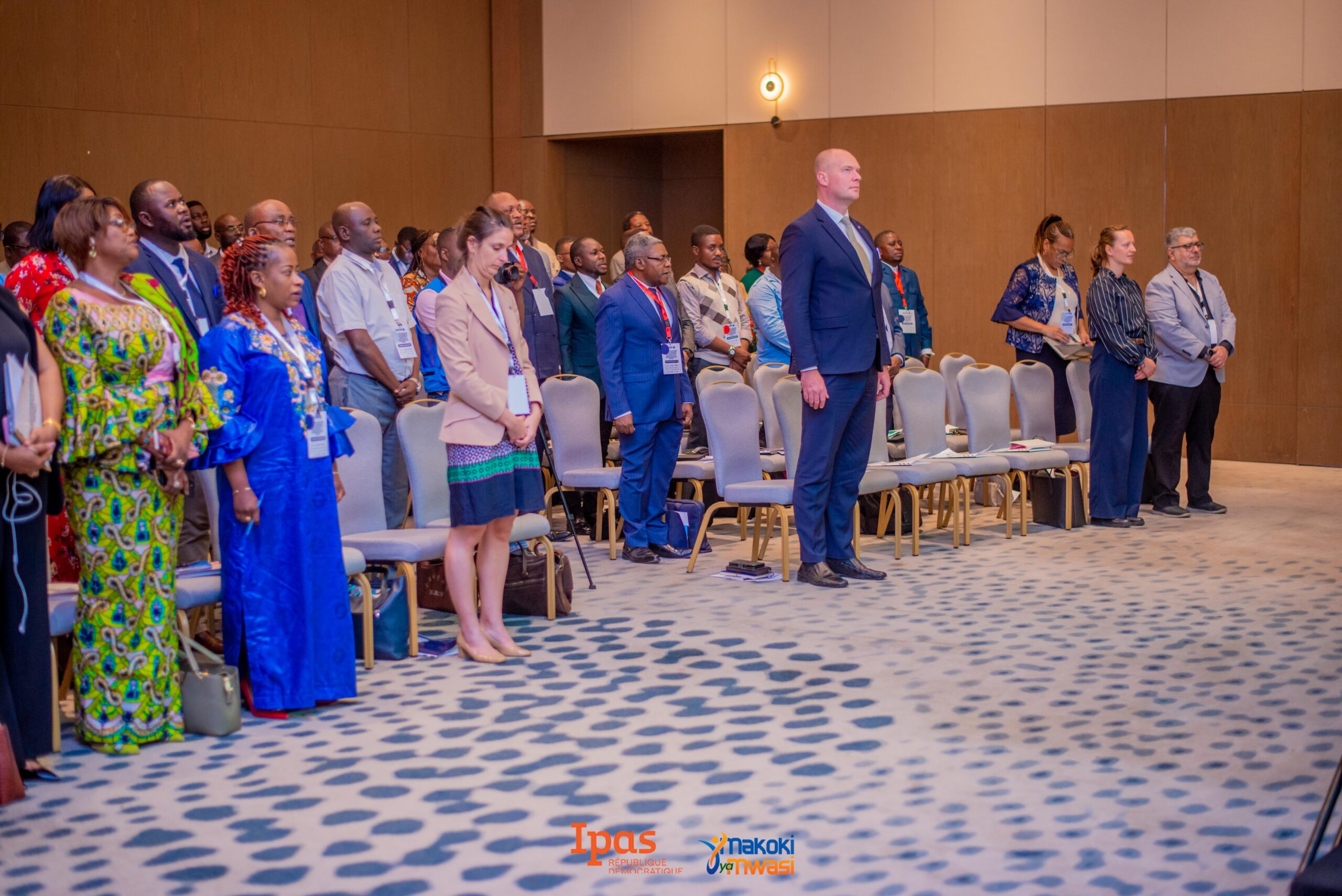
In a context marked by persistent stigma surrounding abortion, restrictive legal interpretations, and uneven political commitment, conducting a second assessment was far more than a routine monitoring exercise—it was a strategic imperative. Since 2021, the abortion and contraception ecosystem in the DRC has evolved within an unstable environment, shaped by shifting national priorities alongside a broader regional and global rise in conservative and anti‑rights discourse.
Against this backdrop, updated and objective evidence was needed to assess not only progress achieved, but also the resilience of the ecosystem itself. This second assessment was designed to inform public action and advocacy, strengthen institutional ownership of SRHR commitments, and consolidate a shared vision grounded in rights, health, and the dignity of women and girls.
The first national dialogue, held in 2021, marked a foundational milestone. For the first time in the DRC, stakeholders came together around a shared diagnosis of the abortion and contraception ecosystem. This assessment highlighted major bottlenecks, including limited awareness of reproductive rights, persistent stigma, fragmented interventions, and a still‑weak institutional framework despite the country’s adherence to the Maputo Protocol. Crucially, it also created an unprecedented space for dialogue among government institutions, technical partners, and civil society actors.
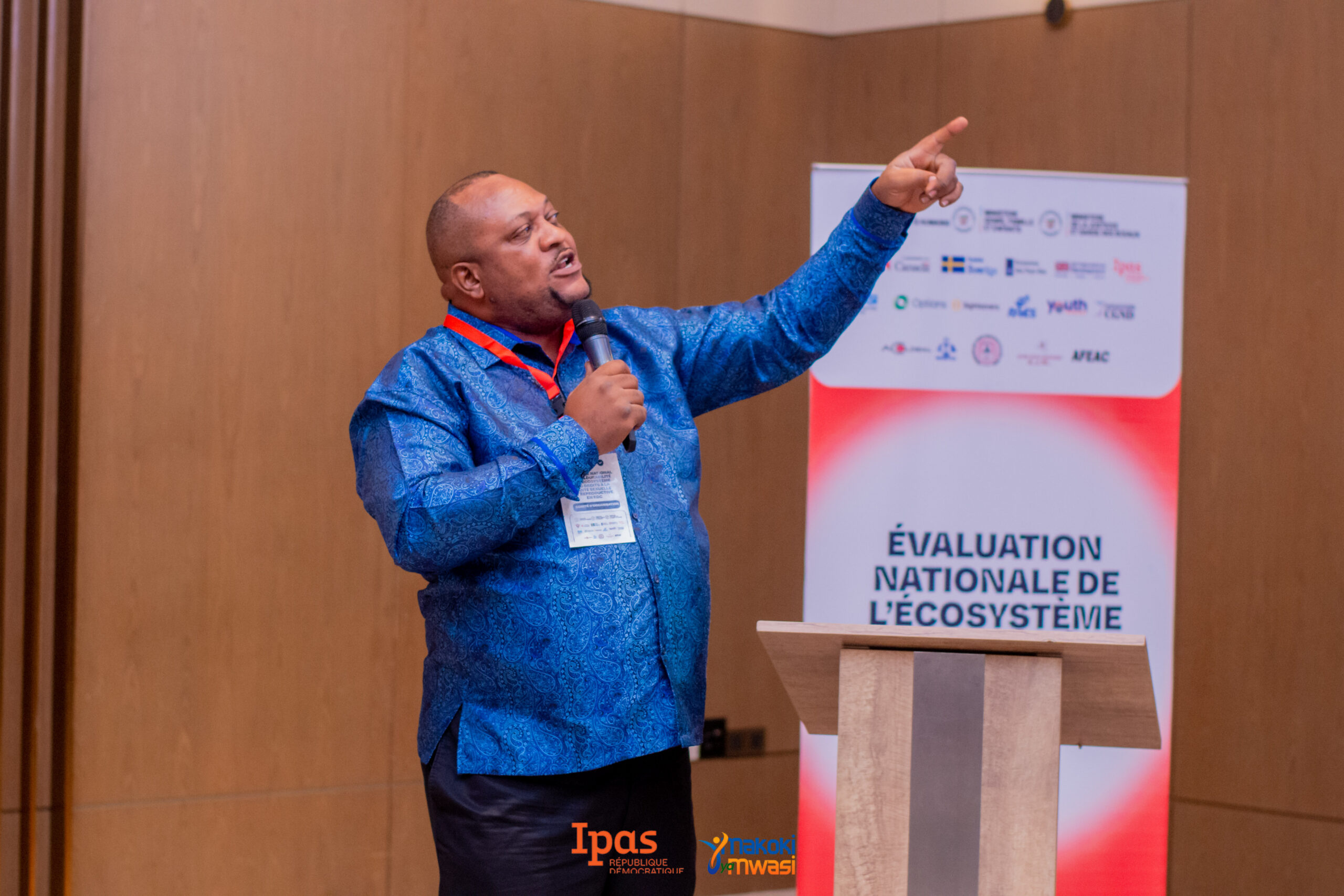
Four years later, the second assessment reflects a clear shift in ambition. Rather than simply documenting gaps, the objective was to measure change: to identify areas of progress, stagnation, or regression, and to better inform future strategic choices. Using the Sustainable Abortion and Contraception Ecosystem Assessment tool, stakeholders were able to move from an initial snapshot to a dynamic analysis of ecosystem evolution—supporting more targeted, coordinated, and accountable action.
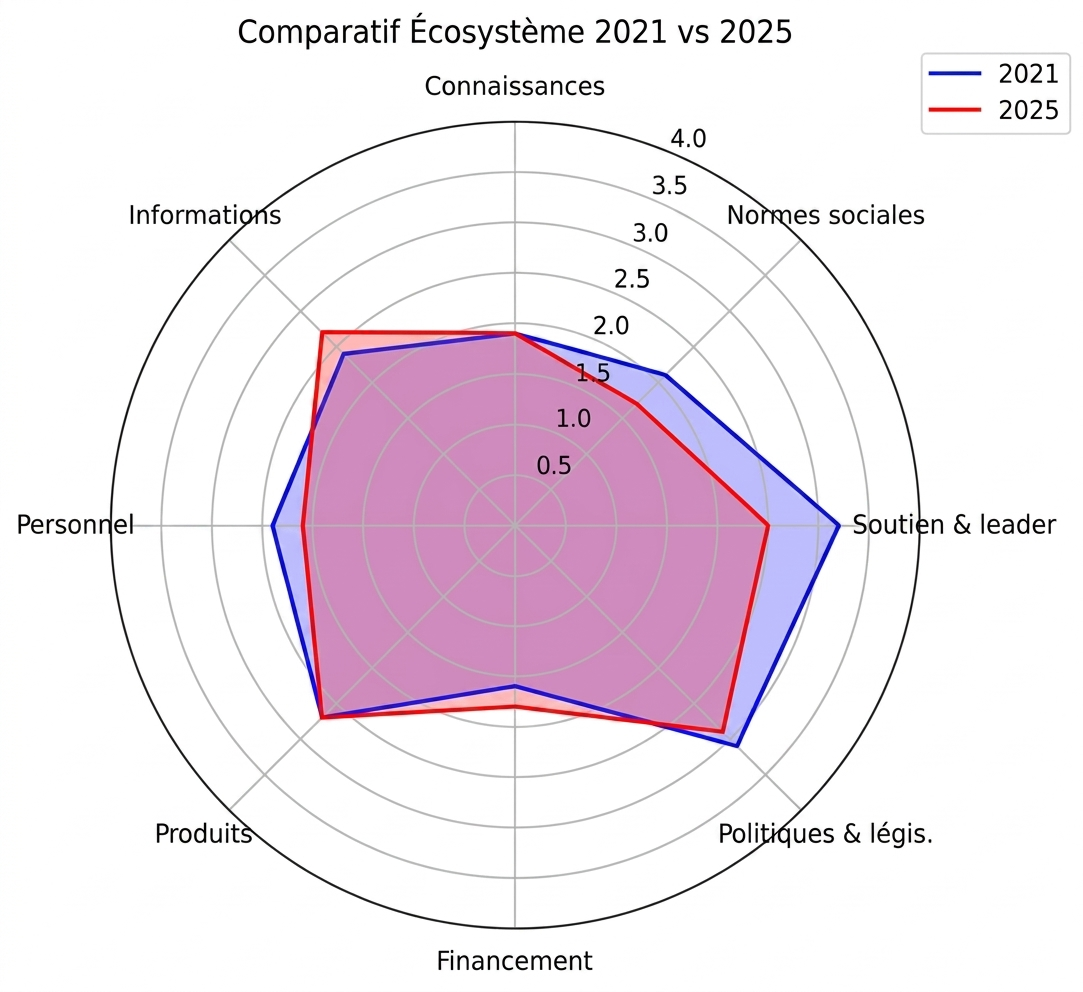
Between 2021 and 2025, the ecosystem transitioned from an embryonic stage to one characterized by measurable—though still fragile—transformation. Comparative scoring points to notable advances across several components, particularly in access to information and resource mobilization. These gains signal growing momentum and a stronger structuring of actors across the ecosystem.
Progress, however, has been uneven. Several critical areas show stagnation or even decline. Social norms remain deeply shaped by taboo, while political support and leadership continue to suffer from inconsistent follow‑through on commitments and recommendations. Health workforce capacity and service delivery face persistent structural challenges, including insufficient training, provider resistance, and shortages of specialized personnel. This mixed picture underscores the vulnerability of recent gains in the absence of sustained political and societal engagement.
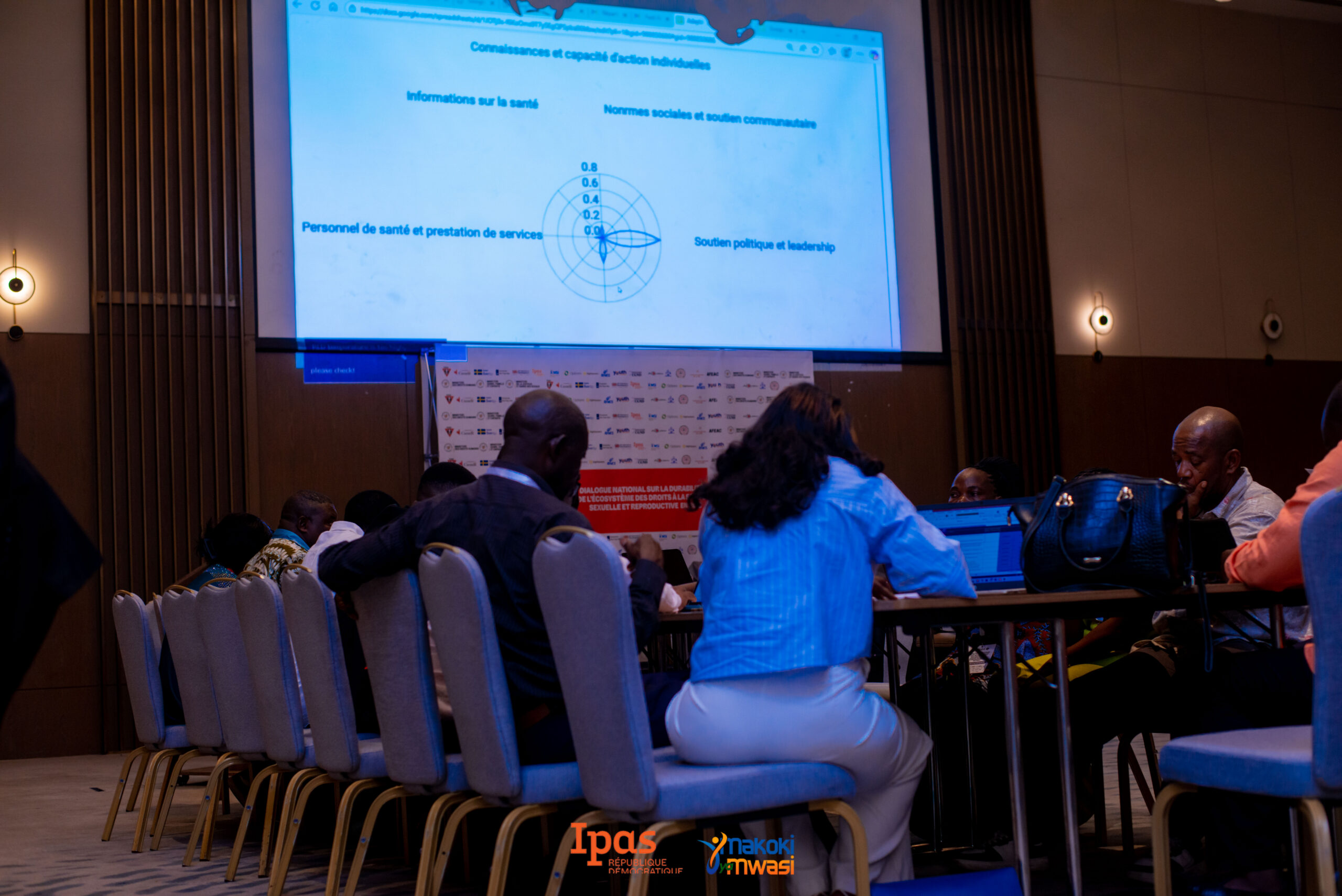
Beyond its findings, the second national dialogue stood out for the rigor of its process and the strength of institutional leadership. Held over three days, the dialogue enabled structured consultation and collective priority‑setting firmly anchored in national policies and frameworks. The Ministry of Health played a central role, with engagement from the Minister of Health, oversight by the Secretary‑General for Health, and the active involvement of the National Reproductive Health Program (PNSR).
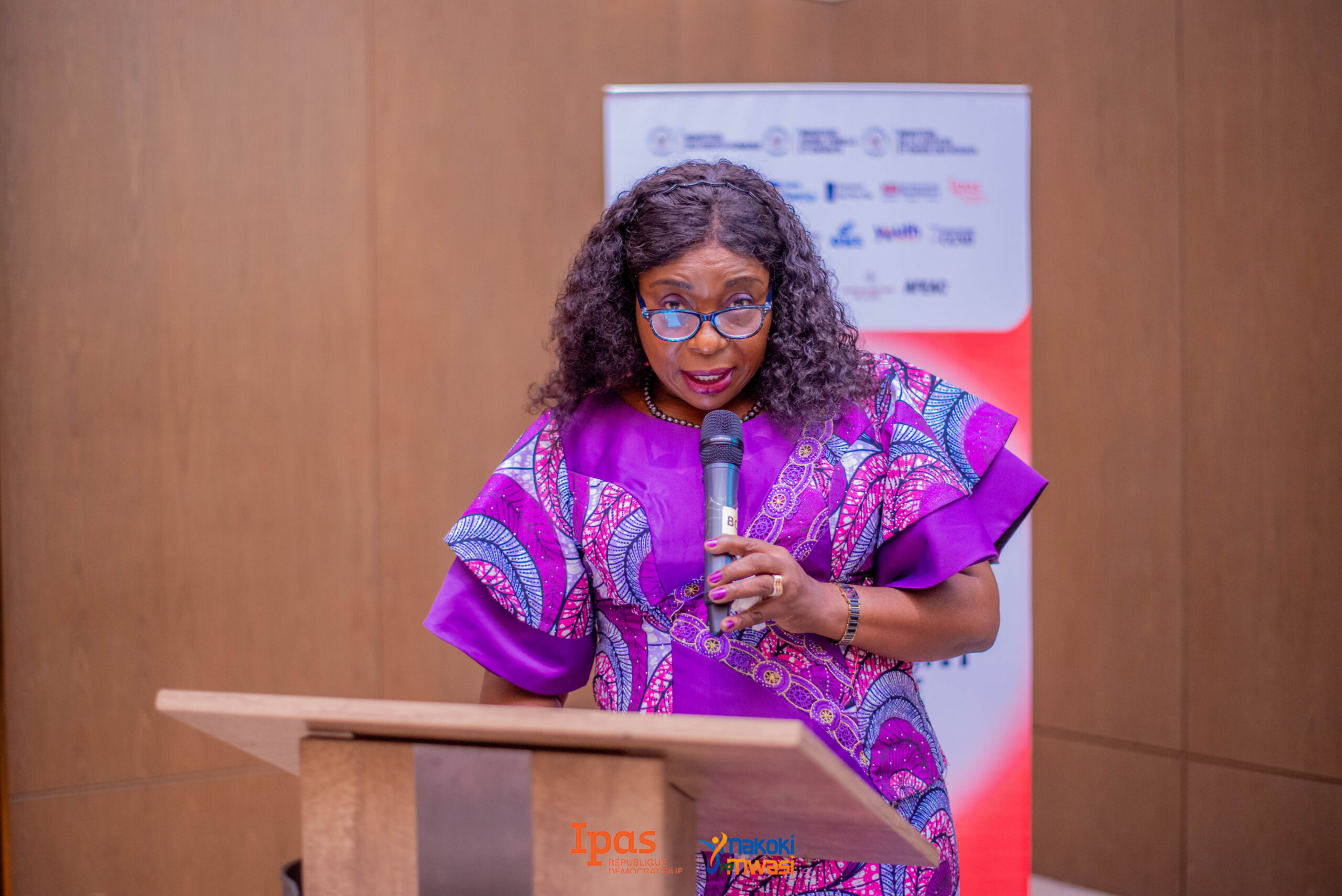
Opening the dialogue, Dr. Anne‑Marie Ntumba, Director of the PNSR, underscored the significance of this collective effort:
“ This dialogue is part of a dynamic aimed at promoting the health and well-being of all women and girls in our country. In line with our institutional and interventional commitment to the Maputo Protocol, we know that unsafe abortion remains one of the main causes of maternal death in our country. It’s our duty to think about how we can offer safe, high-quality services that are accessible to all those who need them. “
Discussions were further enriched by strong contributions from civil society representatives and healthcare professionals. Marie‑Chantal, a magistrate and member of the Association of Women Magistrates of the Congo (AFEMAC), stressed the urgent need to harmonize national legislation in order to fully domesticate the Maputo Protocol. Dr. Berry Kikenda, from the Congolese Society of Gynecologists and Obstetricians (SCOGO), called for strengthened community‑level awareness‑raising to help dismantle enduring taboos around abortion.
Ultimately, the second national dialogue reaffirmed the role of the State as a central actor in ensuring the sustainability of the SRHR ecosystem, while strengthening coordination and access to information across stakeholders. It helped move the conversation beyond a narrowly technical approach toward a rights‑based vision grounded in dignity and public accountability.
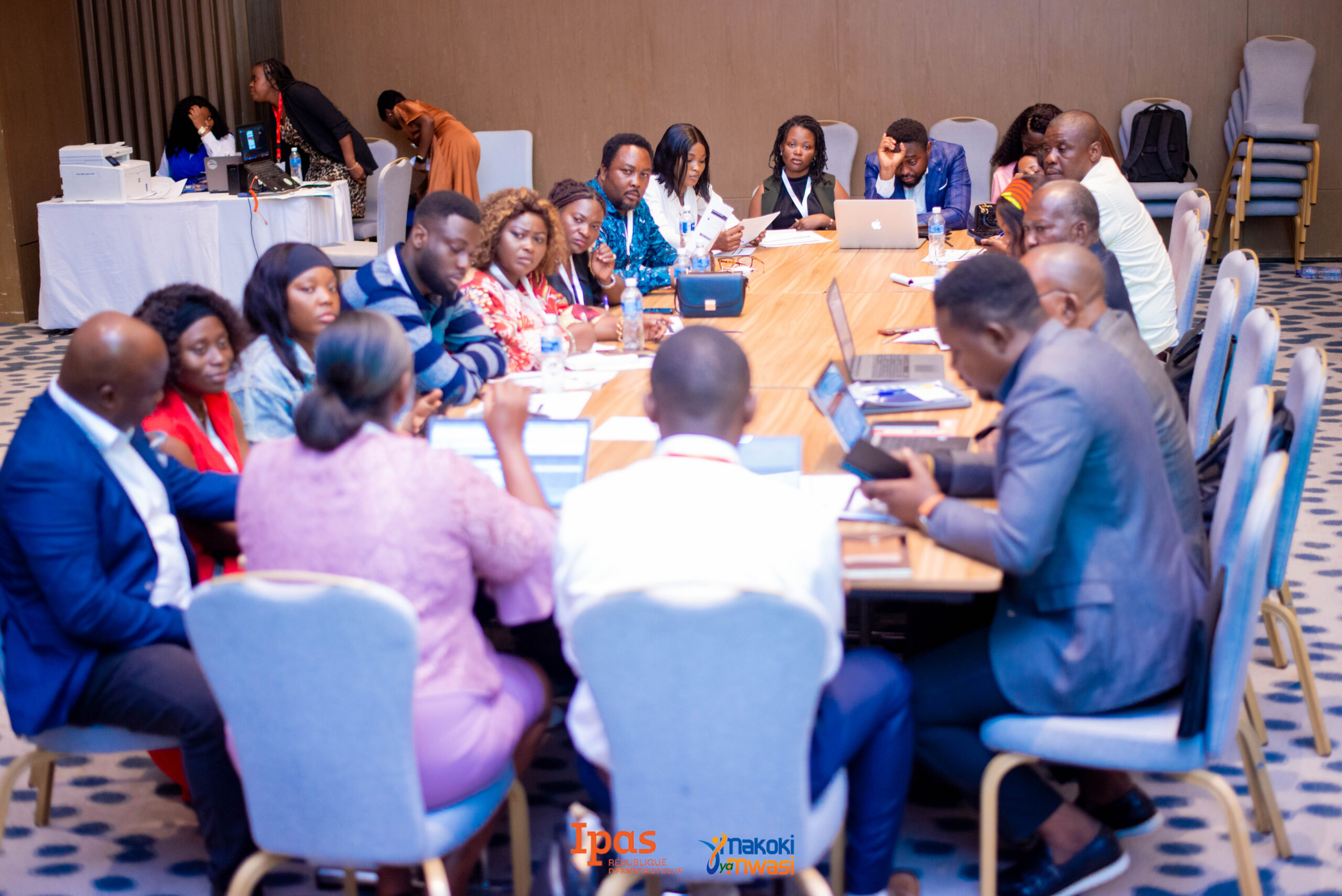
At the close of the dialogue, participants endorsed the development of a 2025–2028 roadmap, to be led by the Working Group on Comprehensive Abortion and Contraception Care centered on women, embedded within the Ministry of Health. This framework will guide follow‑up, advocacy, and coordination efforts, with continued support from Ipas DRC, to translate evidence and commitments into lasting progress for women’s health and bodily autonomy in the DRC