Ipas DRC
Non-profit organization
In the Democratic Republic of Congo, motherhood is often celebrated as a blessing. Yet for many women, an unintended pregnancy can quickly become a source of fear and isolation—especially when a partner withdraws responsibility and support. In these moments, women are left to navigate not only social pressure and economic uncertainty, but deeply personal decisions about their bodies and futures.
These challenges are compounded by persistent gaps in access to contraception and sexual and reproductive health care national data reflects this reality :
only 10.9% of women in union use modern contraceptive methods (DHS 2023–2024). Even more concerning, 32% of married or in‑union women who wish to space or limit births are unable to access their preferred family planning methods,. and in 2024, just 21% of family planning demand was met. For many women, this means facing unintended pregnancies without the information, services, or support needed to make informed choices.
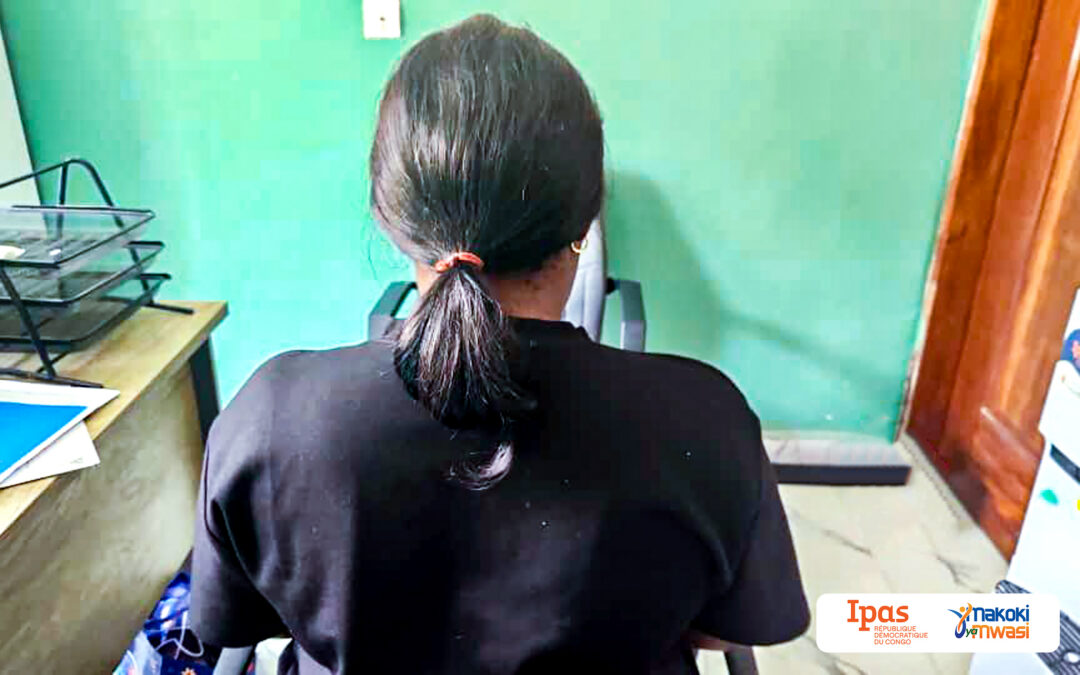
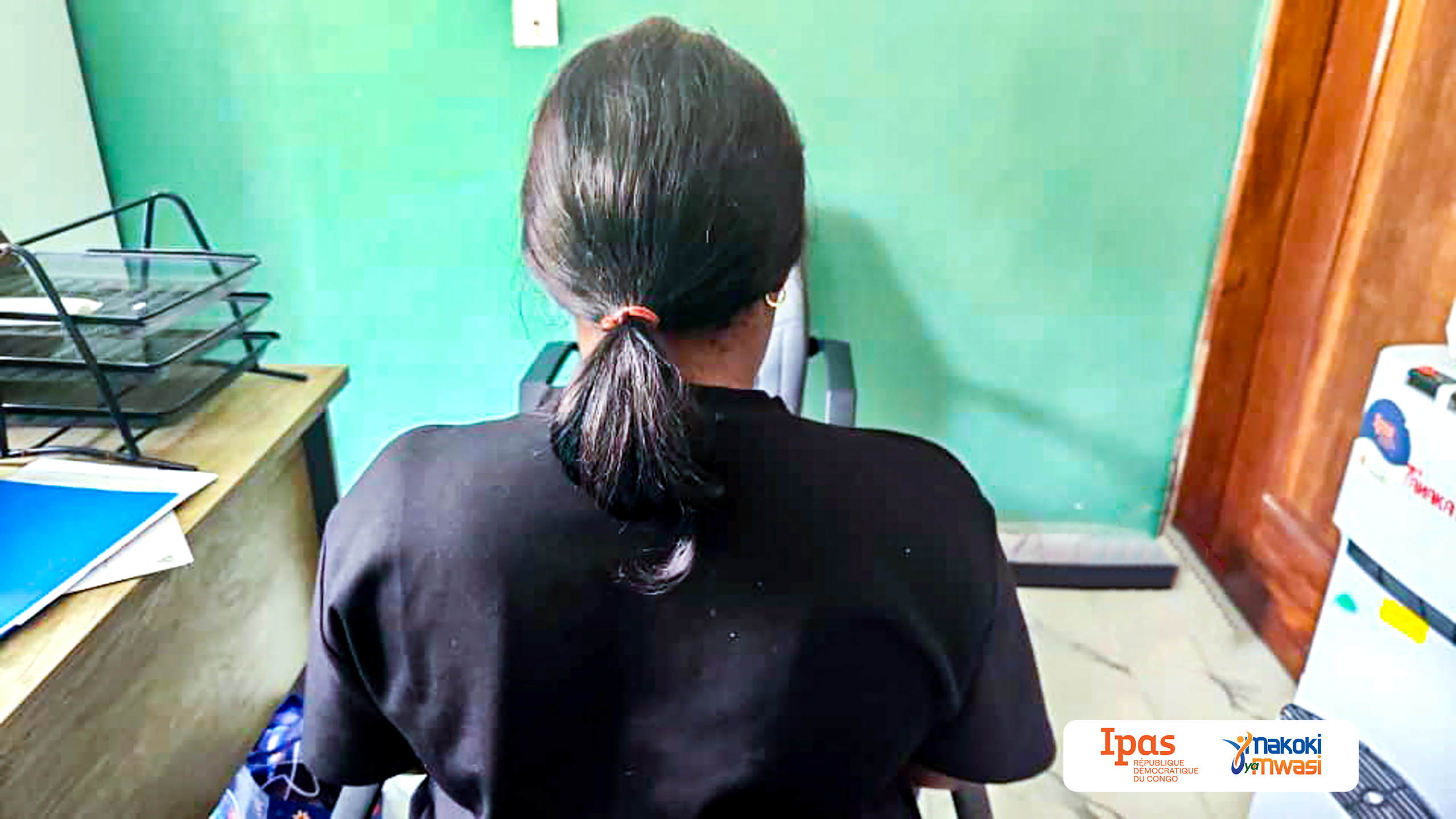
At 26, Matondo (name changed) is already a mother to a young daughter. When she became pregnant again, she did not realize it immediately. With an irregular menstrual cycle, the signs were unclear.
“My cycle is irregular, and if I said I know how to calculate it, I would be lying—I don’t,”
she explains.
When she eventually learned she was pregnant, the shock was compounded by her partner’s response: he refused to acknowledge the pregnancy and left her to face the situation alone. With no stable income, no independent housing, and no support from the child’s father, Matondo felt overwhelmed by the weight of expectations placed on her. Unsure of what to do, and struggling emotionally, she decided to seek help at the Center of Excellence within the Kintambo Maternity—one of the facilities supported by Ipas DRC.
“I had so many thoughts about this pregnancy,” she recalls. “I kept asking myself whether I would be able to care for another child, especially since I was living with my aunt. I felt lost. That’s when I decided to go to the Center of Excellence at the Kintambo Maternity.”
Until recently many women in the DRC had no access to safe, regulated abortion care. This forced countless women into unsafe and clandestine practices, with devastating consequences for their health and lives.
The country’s accession to the Maputo Protocol in 2018 marked a critical turning point. The protocol affirms women’s rights to sexual and reproductive health, including access to safe abortion under specific circumstances such as rape, incest, or risks to a woman’s physical or mental health. While legal reform alone is not enough, it provides an essential foundation for rights‑based care.
When Matondo arrived at the health facility, it was clear that her emotional state required as much attention as her physical health.
“She was deeply distressed,” explains Aimée Olenga, the midwife who accompanied her.. “She felt trapped, unable to cope with the situation she was facing. At one point, she told me she saw only two options—having an abortion or ending her own life.”
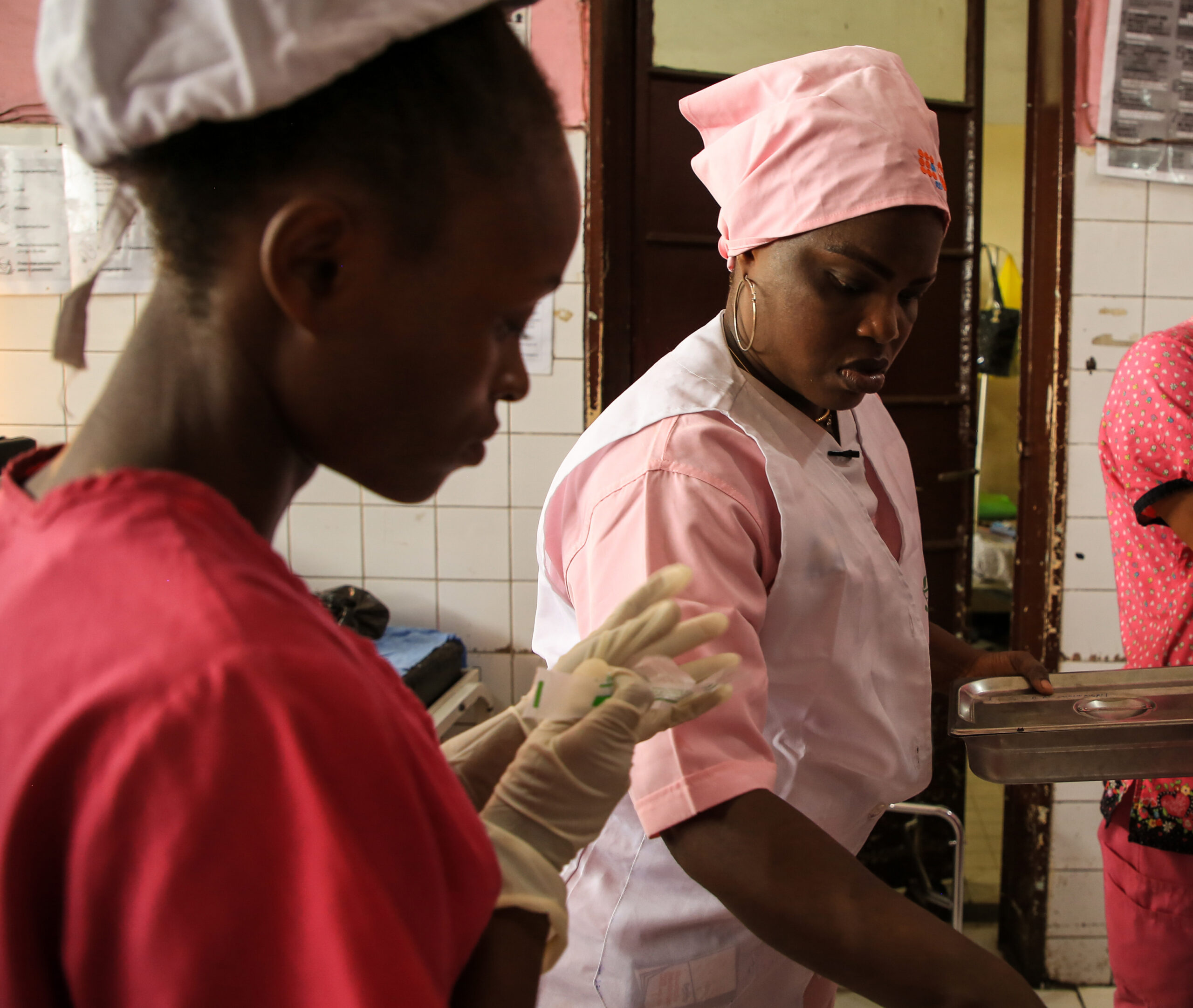
Through patient listening, counseling, and respectful care, Matondo was supported through a safe abortion process that prioritized her dignity, well‑being, and choices. Afterward, she described feeling calmer and relieved—for the first time able to think clearly about her future. Psychological support, Aimée emphasizes, is not optional. It is a core part of care—helping women rebuild confidence, reclaim agency, and move forward without fear or shame.
Matondo’s experience highlights how access to respectful, rights‑based care depends on a strong and well‑structured health system.
Ipas DRC works to build a sustainable abortion ecosystem that enables women to fully exercise their sexual and reproductive health and rights. To do so, the organization supports the delivery of comprehensive, woman‑centered abortion care (CAC) by strengthening the health system, particularly the capacity of health care providers.
Active listening, emotional support, and respectful counseling are part of the rights‑based and quality‑of‑care approach promoted by Ipas, which guides how services are delivered. Family planning remains a core component of the broader sexual and reproductive health and rights continuum.
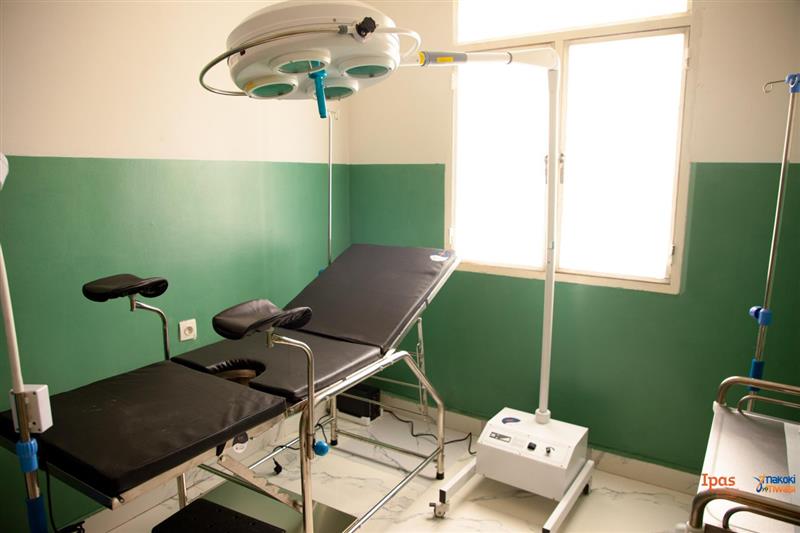
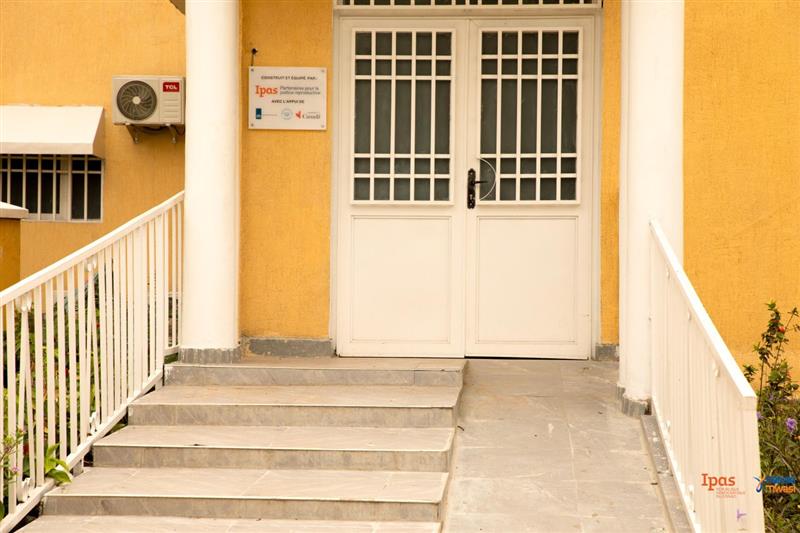
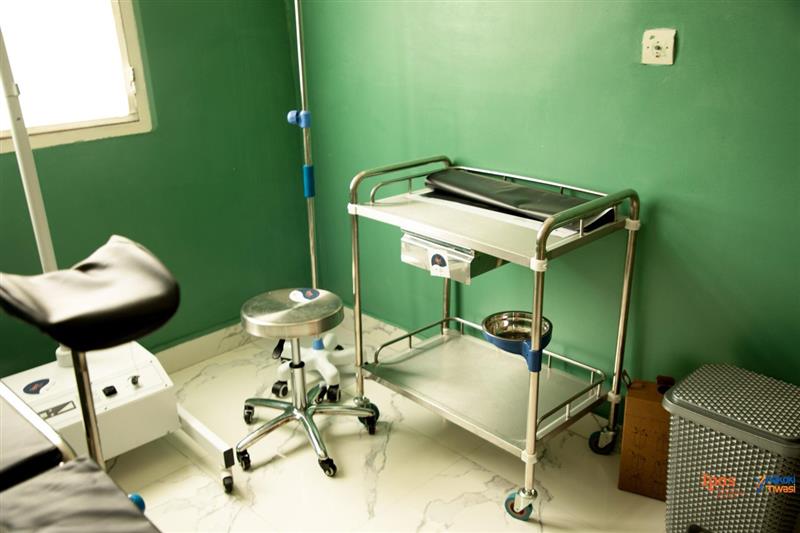
By strengthening health systems and centering women’s autonomy, Ipas DRC is contributing to lasting reductions in maternal morbidity and mortality—and ensuring that women and girls can make decisions about their bodies safely, freely, and with dignity.These centers provide safe abortion and family planning services, reducing the risks associated with unsafe practices and improving the overall quality of care for women and adolescents.

In Kasaï Province, an assessment of the CTS ecosystem—child marriage, adolescent pregnancy, and school dropout— revealed deeply rooted challenges affecting adolescents, particularly girls. These interconnected issues continue to undermine girls’ education, health, and life opportunities. In response, school‑based Health Education Clubs were established in six secondary schools: Institut of Tshikapa, Institut Maker Mwangu, Institut Tshikunga, Institut Diketemene, Institut Kene, and Disanka Secondary School.
The assessment highlighted a worrying context marked by persistently high rates of child marriage and adolescent pregnancy, both of which contribute directly to school dropout among girls. These dynamics reinforce cycles of vulnerability and exclusion, limiting girls’ ability to remain in school and exercise their rights.
According to MICS 2017–2018, 54 percent of women aged 20 to 24 in Kasaï were married before the age of 18—nearly twice the national average of 29 percent. Between 2021 and 2024, 425 cases of child marriage were officially recorded in the province, most involving girls aged 15 to 17. These figures illustrate the scale of the challenge and underscore the urgent need for targeted, school‑ and community‑based interventions that address root causes and strengthen protective environments for adolescents.
The Health Education clubs have become safe, empowering, and transformative spaces for adolescents, strengthening students’ knowledge through structured learning, building teachers’ capacity to deliver comprehensive sexuality education, and encouraging young people to engage in peer‑to‑peer awareness‑raising.
Each club brings together 20 students (12 girls and 8 boys) and is supported by Ipas DRC over a three‑month period. Participants engage in eight structured learning modules covering key themes such as HIV and STI prevention, adolescent pregnancy and child marriage, healthy relationships, consent, gender, and community engagement—equipping them with knowledge and skills to make informed decisions and support their peers.
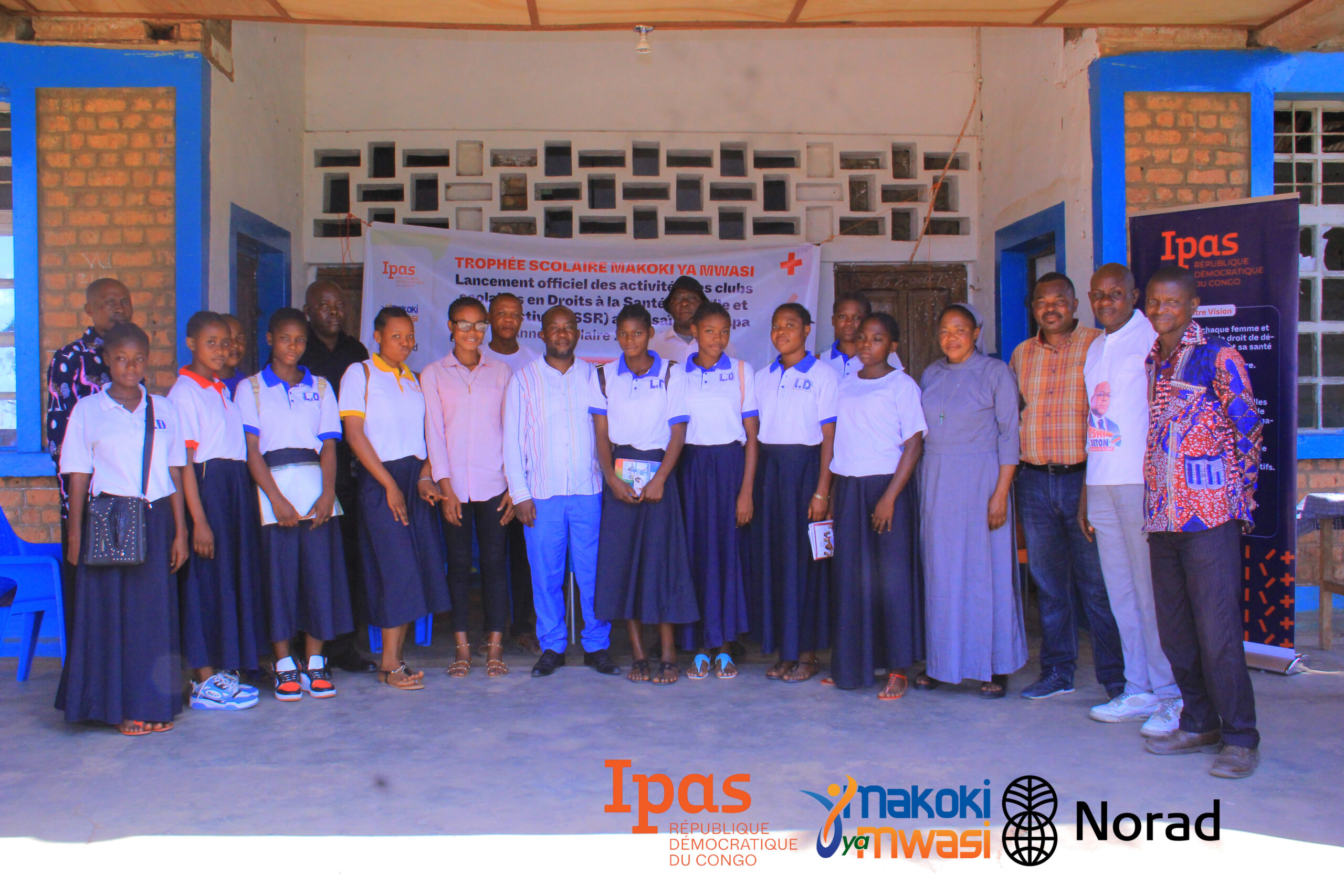
The results of this approach have been tangible. One hundred and twenty students were directly trained and subsequently shared their knowledge with more than 1,400 fellow students. The initiative also culminated in an inter‑school competition that mobilized nearly 6,000 participants, with Institut Tshikunga awarded the Makoki ya Mwasi Trophy 2025—a strong indicator of the programme’s reach, relevance, and impact.
Building on this momentum, the second edition of the initiative (2025–2026) was officially launched at Disanka Secondary School, in the presence of provincial education authorities, teachers, parents, and more than 800 students. This launch marked a new phase of collective engagement to advance adolescents’ sexual and reproductive health and rights within school communities.
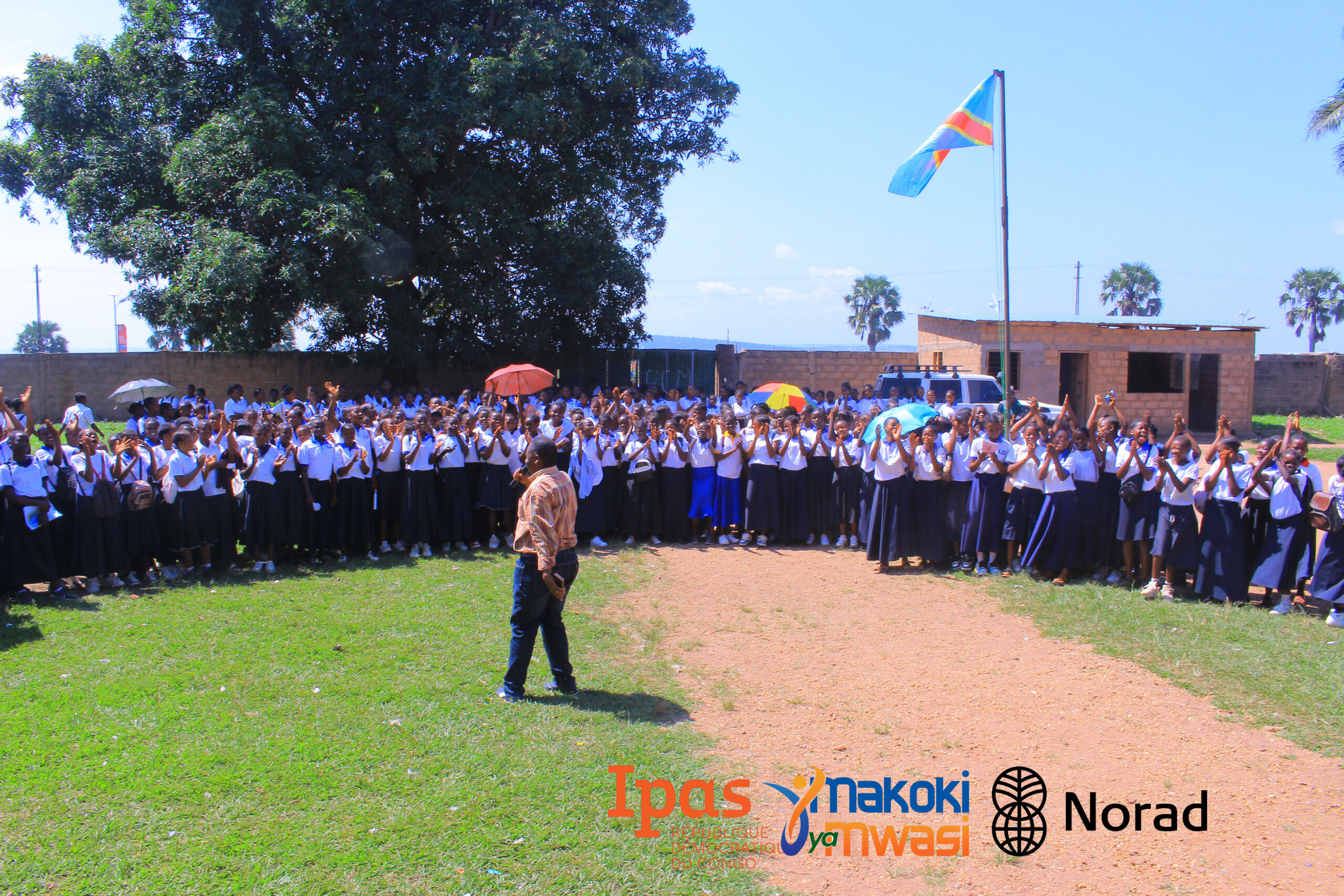
The Health Education clubs respond to a broader national challenge. In the Democratic Republic of Congo, 66.3 percent of students who dropped out of school in 2017–2018 were girls, with pregnancy cited as one of the leading reasons. A study conducted in Kinshasa by the National Service for Women and Development under the Ministry of Gender, Family and Children revealed that, despite legal provisions allowing pregnant girls to remain in school, significant barriers persist in practice.
School dropout rates were already alarmingly high as early as 2013, exceeding 22 percent in both the first and final years of primary education. Out of nearly three million children enrolled in first grade, approximately 700,000 left school during or at the end of the academic year. These figures highlight the urgent need for coordinated, preventive interventions that address both structural and social determinants.
Despite these challenges, the clubs have contributed to meaningful change at the school level. As noted by Joseph Muyaya, Principal of Institut Maker Mwangu:
“ By the end of the school year, the results were remarkable. We recorded zero cases of pregnancy among girls. It was a year that brought us great satisfaction. . “
Beyond this outcome, he also observed a shift in behaviour: girls reported fewer cases of harassment and demonstrated greater confidence in protecting themselves, asserting their rights, and making informed decisions.
Implemented by Ipas DRC with support from the Norad project, the Health Education clubs demonstrate that community engagement goes beyond awareness‑raising. It equips adolescents—girls and boys alike—with the knowledge, skills, and confidence to understand their rights, defend them, and put them into practice.
The programme will conclude in May with the second edition of the “Makoki Ya Mwasi” inter‑school competition, celebrating students’ intelligence, creativity, courage, and civic engagement—hallmarks of a generation better prepared to shape its future.
Despite the proven positive impact of comprehensive sexuality education on the sexual and reproductive health and rights (SRHR) of adolescents, there is a growing movement of opposition to curricula based on moral or religious grounds.
Over the past decade, with the increasing mainstreaming of comprehensive sexuality education (CSE), major international anti-rights players based mainly in the USA have mobilized activists from countries in the Global South, particularly Africa and Latin America, to advocate in United Nations (UN) spaces against the rights of women and young people to SRHR information and services. They are also working with national and regional movements to put an end to ECS programs.
Silencing these issues contributes to stigmatization, shame and ignorance, and can increase risk-taking as well as create barriers to help-seeking for marginalized populations. It is imperative to highlight the empirical and scientific evidence proving the effectiveness of ECS, as well as to recognize that governments around the world are making sex education programs a national priority.

Ipas DRC is pleased to announce the signing of the partnership contract between the Netherlands Embassy to the DRC and a consortium led by Ipas comprising DKT DRC, MSI DRC, Youth Sprint, AFIA MAMA, (AFEAC) Women Lawyer Association, and the Magistrate Association.

Many factors such as food insecurity, lack of access to education, gender-based violence, and inadequate health infrastructure contributed to the fragility of the health system and affected access to and utilization of sexual and reproductive health services. That’s why, through this new project, we want to contribute to building a sustainable abortion ecosystem by improving access to evidence-based SRHR information and quality CAC services, which are essential to advancing gender equality and women’s empowerment in the DRC.”
For five years, Ipas DRC has been supporting community partners to raise awareness of the Maputo Protocol and share information about where women can access safe abortion and contraceptive services. Being a key element of its approach, Ipas will collaborate with Youth Sprint – a national coalition created by Ipas and composed of 24 communities and youth-led organizations across the DRC – and AFIA Mama, a non-profit organization dedicated to promoting and defending women’s rights in the DRC, through the lens of stopping gender violence. These two local organizations will build community social support for women and girls seeking abortion services.

Access to safe and legal abortion and contraception improves the health of women and girls and represents a fundamental human right. The ability to decide if and when to become pregnant is a symbol of reproductive justice and gender equality.
In the Democratic Republic of Congo (DRC), the publication of the Maputo Protocol in the official gazette will be followed by other milestones, such as the publication of a circular guaranteeing access to abortion care, in line with the Protocol’s indications, and the adherence of the Ministry of Public Health in 2020 to the evolving standards and directives relating to the application of the Protocol’s guidelines. All these actions made DRC the first country in French-speaking Africa to have implemented far-reaching changes promoting wider access to abortion care.
However, despite this progress, the legal framework authorizing safe abortion in the DRC, women and girls are often unable to access the services they need due to health system limitations, harmful social norms, and lack of knowledge about sexual and reproductive health and rights (SRHR). Indeed, stigma and limited access to sexual and reproductive health (SRH) information and services expose women to unwanted pregnancies and unsafe abortion methods. Unwanted pregnancies lead to high drop-out rates from secondary school and university, and limit women’s employability and career advancement.
This is why, in an effort to promote the bodily autonomy of women and girls, Ipas DRC and World Affairs Canada have been working together for the past 5 years to expand access to information on SRHR and to safe abortion care. Covering North Kivu, South Kivu, Haut Katanga, Tanganyika and Kinshasa, this project aims to improve women’s ability to make safe reproductive choices that support their educational and professional goals, thus contributing to greater gender equality in the DRC.
Ipas DRC collaborates with the Ministry of Health, Hygiene, and Prevention to improve access to safe, woman-centered abortion services for women and girls in the DRC. At the heart of this Canadian-funded project is the rehabilitation of health facilities, intending to strengthen the technical capacity of public health centers to integrate abortion services and care for survivors of sexual and gender-based violence (SGBV). In addition, to improve the quality of care, Ipas RDC is supporting the PNSR in training and supporting healthcare providers in the public and private sectors to offer abortion care.

“The maternity clinic in Kintambo, in collaboration with the local health authorities, is literally saving lives. Healthcare providers told me about a young girl who had been raped and was thinking of having an unsafe abortion until she heard about this clinic. Today, she’s alive, well and studying at university. This is what Canada’s support for the sexual and reproductive health of women and young people in the DRC looks like,” says Anita Vandenbeld, Parliamentary Secretary to the Minister of International Development for Canada, during her 2024 January visit to the Center of Excellence at the Kintambo Maternity Hospital in the city-province of Kinshasa.


In the DRC, gender norms disadvantage women in many aspects of their lives, including the expression of their rights, particularly their sexual and reproductive rights, and their right to bodily autonomy; gender inequality, exacerbated by poverty and instability, encourages and normalizes violence against women. Added to this, the stigma surrounding abortion plays a central role in the social, medical and legal marginalization of abortion care, and is at the root of the high number of avoidable deaths and sequelae due to unsafe abortion in the DRC.

The Canadian Embassy’s delegation to the DRC not only visited the mobile clinic set up by Ipas and local partners but also took part in educational talks on reducing the stigma surrounding abortion in the Bulengo camp for displaced persons.

Through community dialogues and awareness-raising campaigns run by local organizations in the community, Ipas RDC improves access to reliable information on sexual and reproductive health, fosters open dialogue and raises men’s awareness of their role in promoting the sexual and reproductive health rights of women and girls. This was also the point of discussion during the visit of the Canadian delegation which met with youth-led organizations in Kinshasa as well as in Goma where they talked about challenges faced by YouthSprint network organizations in furthering their vision of empowering women over their sexual and reproductive health. As Dr. Celestine Buyibuyi, Community Involvement Manager for the Eastern region says, “It is imperative to popularize the Maputo Protocol. One woman in four is raped in the IDP camp, and most of them end up with unwanted pregnancies. Some of them resort to unsafe abortions because they are unaware of their rights and fear rejection by the community”.