
Ipas DRC
Non-profit organization
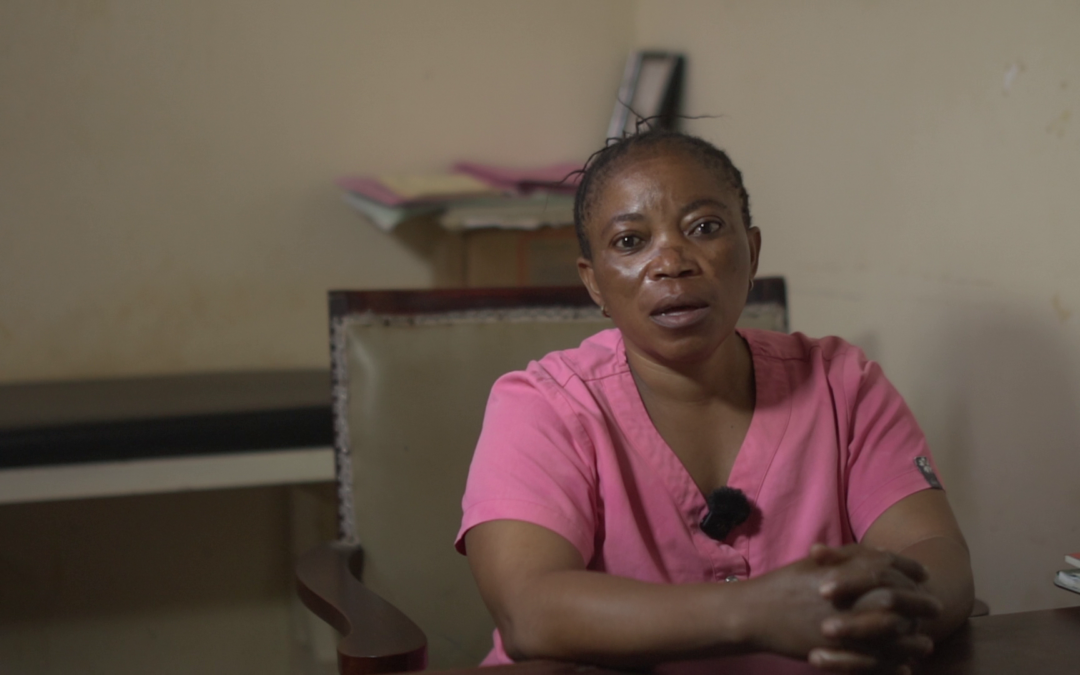
In conflict‑affected settings, where insecurity threatens lives every day, midwives are often the first—and sometimes the only—line of protection between women and the life‑threatening risks associated with pregnancy and reproductive health. In the Beni region of eastern Democratic Republic of Congo, Kavira Alphonsine, a 34‑year‑old midwife at the Kanzulinzuli Health Center, stands at the heart of this frontline response.
Each day, Kavira supports women and girls facing unintended pregnancies, the consequences of sexual violence, and persistent barriers to accessing sexual and reproductive health services. Her work takes place in an environment shaped by armed conflict, displacement, and chronic insecurity—where access to care can mean the difference between life and death.
Through her daily practice, Kavira embodies the critical role midwives play in delivering Comprehensive Abortion Care centered on the woman (CAC) and family planning services, in line with national standards derived from the domestication of the Maputo Protocol. This legal framework recognizes women’s and girls’ right to access safe abortion care under clearly defined conditions in the DRC.
Kavira’s skills have been strengthened through continuous training, supervision, and peer‑learning spaces supported by Ipas DRC under the Makoki ya Mwasi project, with funding from the Swedish International Development Cooperation Agency (Sida). These capacity‑strengthening efforts have deepened her understanding of safe abortion—not as a moral issue, but as a fundamental matter of public health and human rights, particularly in conflict‑affected settings where sexual violence is widespread.
During consultations, Kavira accompanies women and adolescents through pathways often marked by fear, misinformation, and stigma. Her role goes far beyond clinical care. She listens, informs, and explains—creating the conditions for each person to make a free and informed decision, whether related to contraception or access to safe abortion care, always with respect for confidentiality, dignity, and medical standards.
“Every woman who walks through the door of this health facility has the right to be heard and respected in her decision,” she explains. “Many come with fear or uncertainty. My role is to help them understand that they have legal and safe options, and that the health system is here to support them—without judgment.”
Thanks to this person‑centered approach, women who once feared contraceptive methods are now choosing options that align with their needs and life plans. Adolescents—often silenced by taboos surrounding sexuality—find in Kavira a safe space to ask questions and access age-appropriate services. Each decision made freely and with access to accurate information strengthens the bodily autonomy of women and adolescents, while facilitating access to quality sexual and reproductive health services—an essential foundation for reducing the risks associated with unintended pregnancies and unsafe care.
Through the commitment of providers like Kavira, Ipas DRC contributes to strengthening the national health system, in alignment with the priorities of the Ministry of Health and the National Reproductive Health Program (PNSR). By supporting continuous professional development for midwives, integrating comprehensive abortion care services, and promoting the dissemination of Maputo Protocol standards, Ipas works to ensure sexual and reproductive health services that are accessible, acceptable, high‑quality, and rights‑respecting.
For Kavira Alphonsine, being a midwife in this context is more than a profession—it is a daily commitment to saving lives, restoring dignity, and strengthening the decision‑making power of women and girls, even in the most fragile environments. Her journey illustrates how, with structured institutional support and a protective legal framework, health care providers become key agents of reproductive justice and sustainable change.
The support provided by Ipas DRC to strengthen midwives’ capacities has generated a lasting impact on the quality, accessibility, and humanization of sexual and reproductive health services. By sustainably consolidating providers’ competencies, this intervention has enabled health facilities to deliver woman-centered comprehensive abortion care (WCAC) and family planning services aligned with the national legal framework and the Maputo Protocol.
Through continuous training, supportive supervision, and close, on-the-job mentoring, midwives now adopt a human rights–based approach, characterized by reduced stigma and judgment, as well as a significant improvement in provider–client relationships. This dynamic strengthens women’s and adolescents’ trust in health services and ensures continuity of quality care, including in humanitarian settings.
Ultimately, this approach contributes to reducing the risks associated with unintended pregnancies and unsafe abortions, while strengthening the resilience of the local health system.

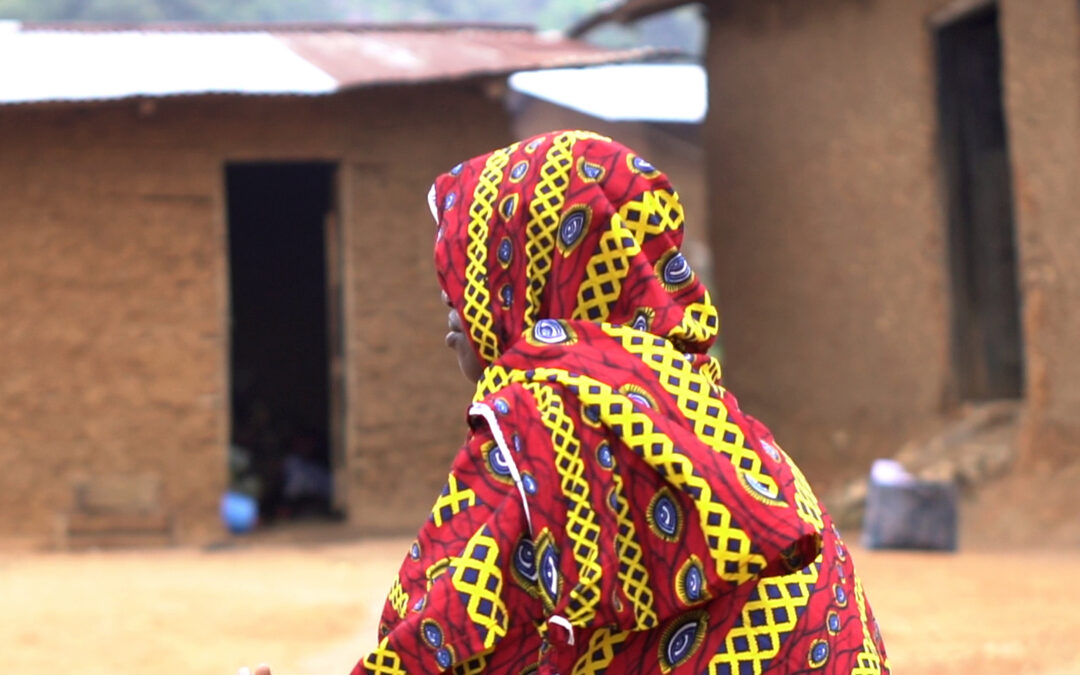
How the Makoki ya Mwasi project advances women’s sexual and reproductive rights in humanitarian settings.
At 32, Amani (name changed) is a mother of five living in the Alpha displacement camp in Beni, North Kivu. Like thousands of families forced to flee violence in eastern Democratic Republic of Congo, her life is shaped by uncertainty, limited resources, and the daily challenge of keeping her children safe and healthy.
“Life in the camp is extremely hard. Some days, I don’t know what my children will eat tomorrow. Every day is about survival,”
she explains.
In a context where access to basic services is fragile and daily survival takes priority, the prospect of another pregnancy became a source of deep concern. With food scarce and health services difficult to access, Amani questioned how she could protect her own health while continuing to care for her children. In displacement, decisions about one’s body are too often shaped by circumstance rather than by choice.
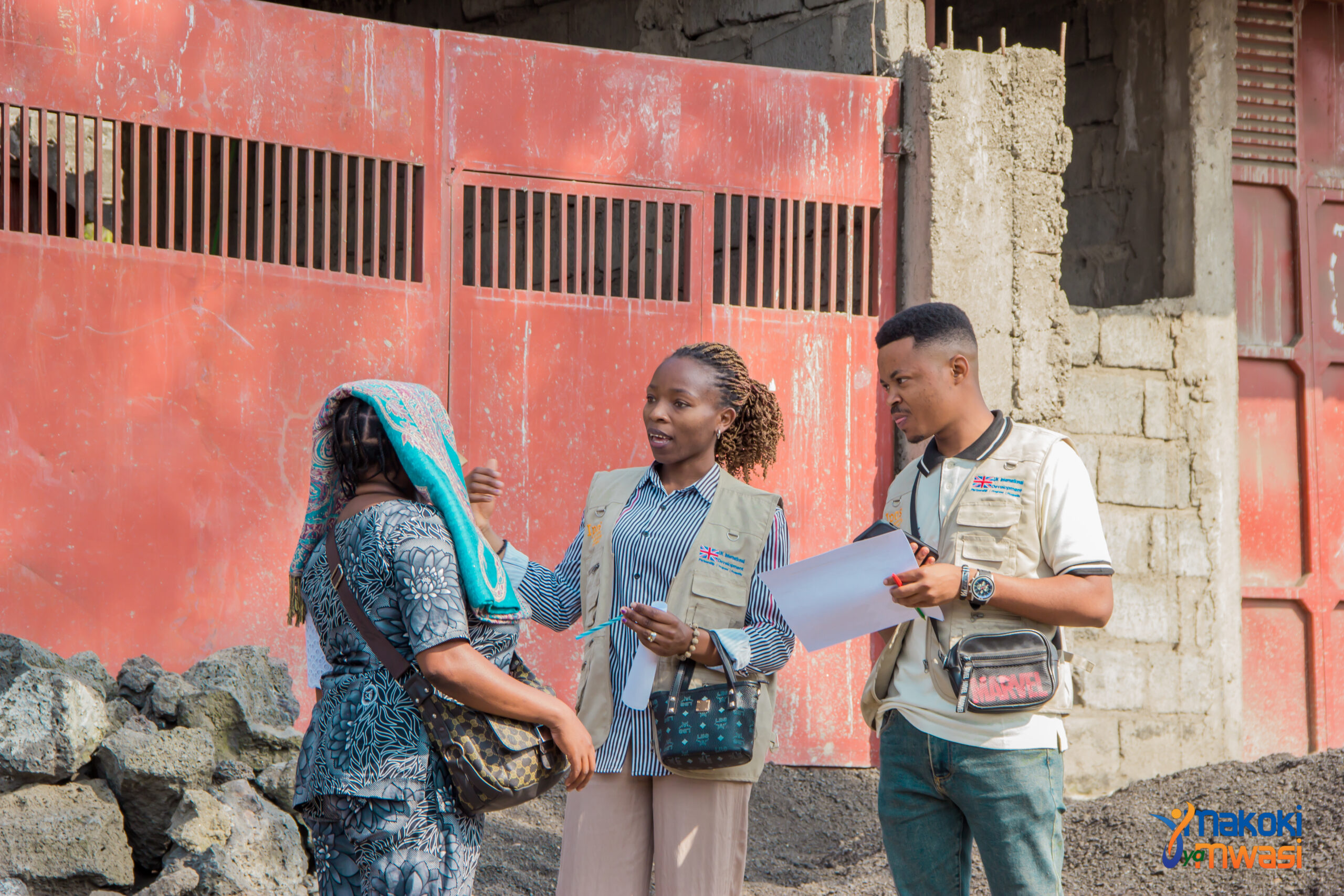
A turning point came when Amani connected with the Mashujaa — a community‑based network supporting women and girls with information, accompaniment, and referrals on sexual and reproductive health and rights.
Through open, respectful dialogue, she learned that access to family planning is a right — not a privilege limited to stable settings. She began to see it as essential to her health, her autonomy, and her family’s well‑being, especially in situations of displacement and crisis.
With accurate information and supportive guidance, Amani felt empowered to seek care.
Amani visited the Butsili Health Center, where health providers had received capacity‑strengthening support from the Ministry of Health, in collaboration with Ipas DRC. She received care grounded in respect, confidentiality, and informed choice. Together with the provider, she discussed options and selected a family planning method aligned with her needs and decisions.
“I feel relieved,” she says. “I can care for my children without constantly fearing another pregnancy while we are already struggling.”
For Amani, this access went far beyond clinical service. It represented a step toward reclaiming control over her body and her future in a context where so much felt uncertain. With her health needs addressed, she can now focus on what matters most: caring for her children and moving forward with greater peace of mind.
Amani’s experience reflects the broader impact sought by Ipas DRC, whose work focuses on addressing inequities in access to sexual and reproductive health care across the Democratic Republic of Congo — particularly for women and girls living in crisis‑affected and highly vulnerable settings.
This work is part of the Makoki ya Mwasi project, implemented by Ipas DRC with support from the Swedish International Development Cooperation Agency (Sida). The project aims to ensure that women and girls — including those living in the most fragile and humanitarian contexts — can access reliable information and high‑quality sexual and reproductive health services. It also contributes to reducing gender‑based violence and unintended pregnancies by placing women’s rights, choices, and dignity at the center of all interventions.
Implemented in North and South Kivu, Kasaï, and Kinshasa, the project takes a comprehensive approach by:
Through this integrated approach, thousands of women and girls have been supported to make informed decisions about their sexual and reproductive health, with meaningful changes observed at both individual and community levels.
In the Alpha displacement camp — as in many crisis‑affected communities across eastern DRC — Ipas DRC demonstrates that rights‑based sexual and reproductive health care is both possible and essential, even in contexts of instability and emergency.
For Amani, this support has meant one clear and powerful outcome: the ability to decide about her own body, despite displacement and hardship. A decision that allows her to look ahead with renewed confidence — for herself and her children.