
Ipas DRC
Non-profit organization

The Democratic Republic of the Congo’s accession to the Maputo Protocol on the Rights of Women in Africa raised great hopes for millions of Congolese women and girls. The government has taken steps to transform this historic achievement into tangible services, accessible without stigma or rejection. The standards and guidelines for comprehensive, woman-centered abortion care, developed by the Ministry of Health through the National Health Program of reproduction with the support of Ipas DRC and civil society, mark a crucial stage in the implementation of the Protocol.
Despite these advances, the real effectiveness of the services remained uncertain. Contradictions between the Protocol and national legislation, persistent stigmatization and clients’ fear of arrest were holding back access. Ensuring safe and sustainable pathways to information adapted to the local context remained a major challenge.
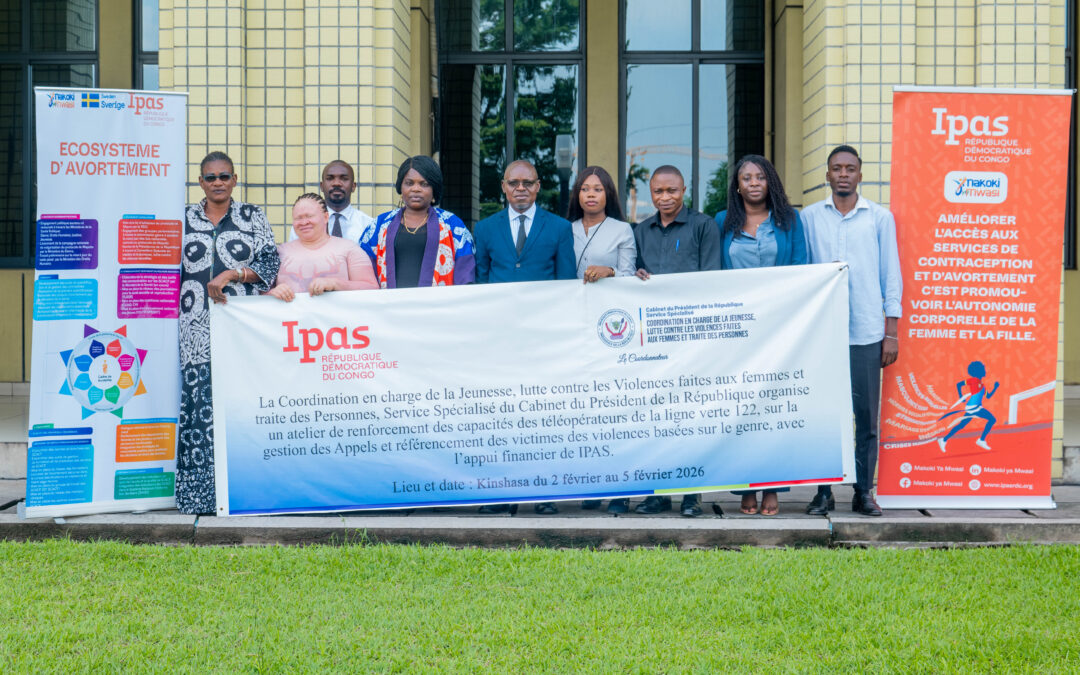
It is in this context that Ipas DRC, in collaboration with the Coordination in charge of youth and the fight against gender-based violence gender-based violence within the Office of the President of the Republic, has strengthened the national hotline. This enables survivors to report sexual and gender-based violence, seek emergency assistance and benefit from specialized medical care. The extension of line 122 to the Kintambo and Makala Centers of Excellence now offers the possibility of being directly connected to a midwife or doctor, translating progressive laws into concrete services.
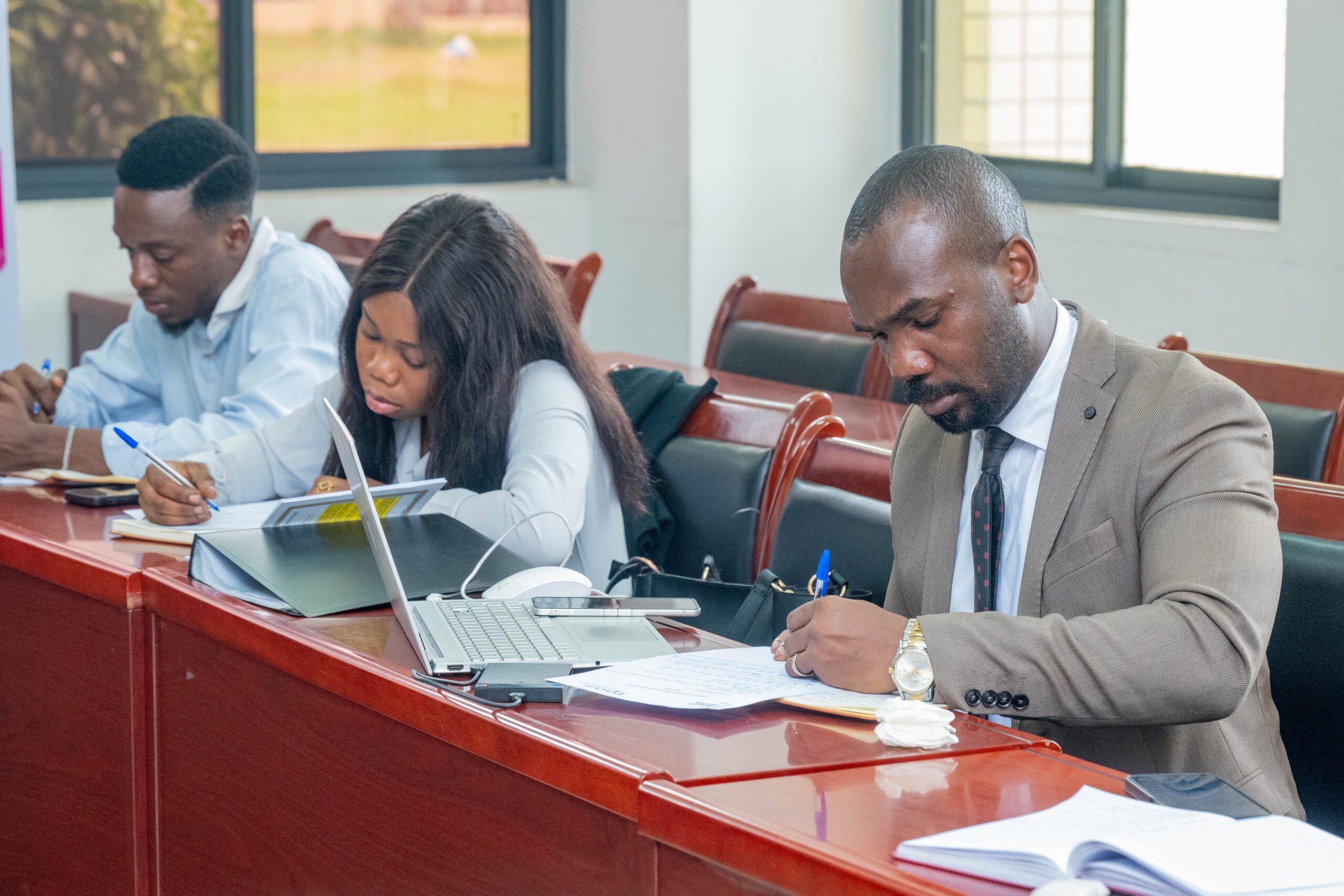
In its mission to protect and promote sexual and reproductive rights, Ipas DRC trained twelve call center agents in Kinshasa. Over a period of four days, they learned how to listen actively to ensure respectful care, how to communicate about the Maputo Protocol and safe abortion, how to refer without discrimination to medical, psychosocial and legal services, and how to clarify values and attitudes towards abortion. At the end of the training, the agents committed themselves to respecting sexual and reproductive rights and referring clients to centers of excellence.
With the support of the Swedish fund, Ipas DRC is supporting the expansion of line 122 in order to strengthen the accessibility of services for survivors, increase its use by communities and respond more effectively to the urgent needs of survivors of gender-based violence.
In response to the upsurge in violence in the Democratic Republic of Congo, the Presidency and the Ministry of Gender, Family and Children have set up this free telephone hotline to report cases of sexual and domestic violence, exploitation and abuse in complete safety. Today, 122 is an essential mechanism for directing victims, witnesses or relatives to rapid and appropriate care. Its aim is to guarantee immediate and confidential access to survivors, facilitate their referral to the appropriate structures, and promote a coordinated and holistic response to victims’ needs.
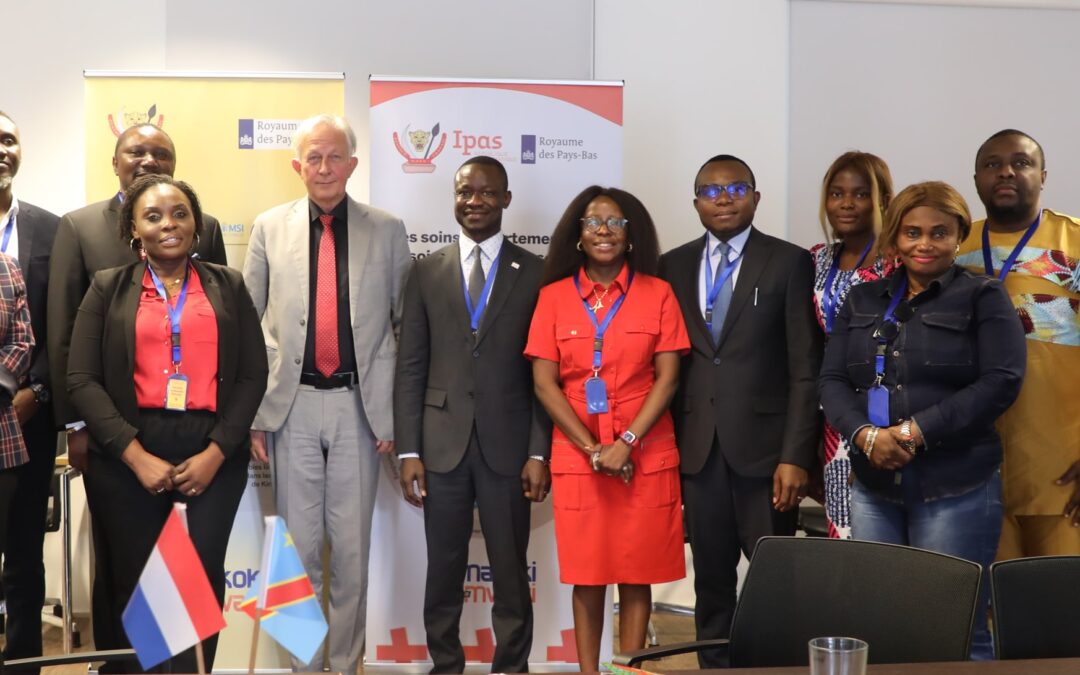
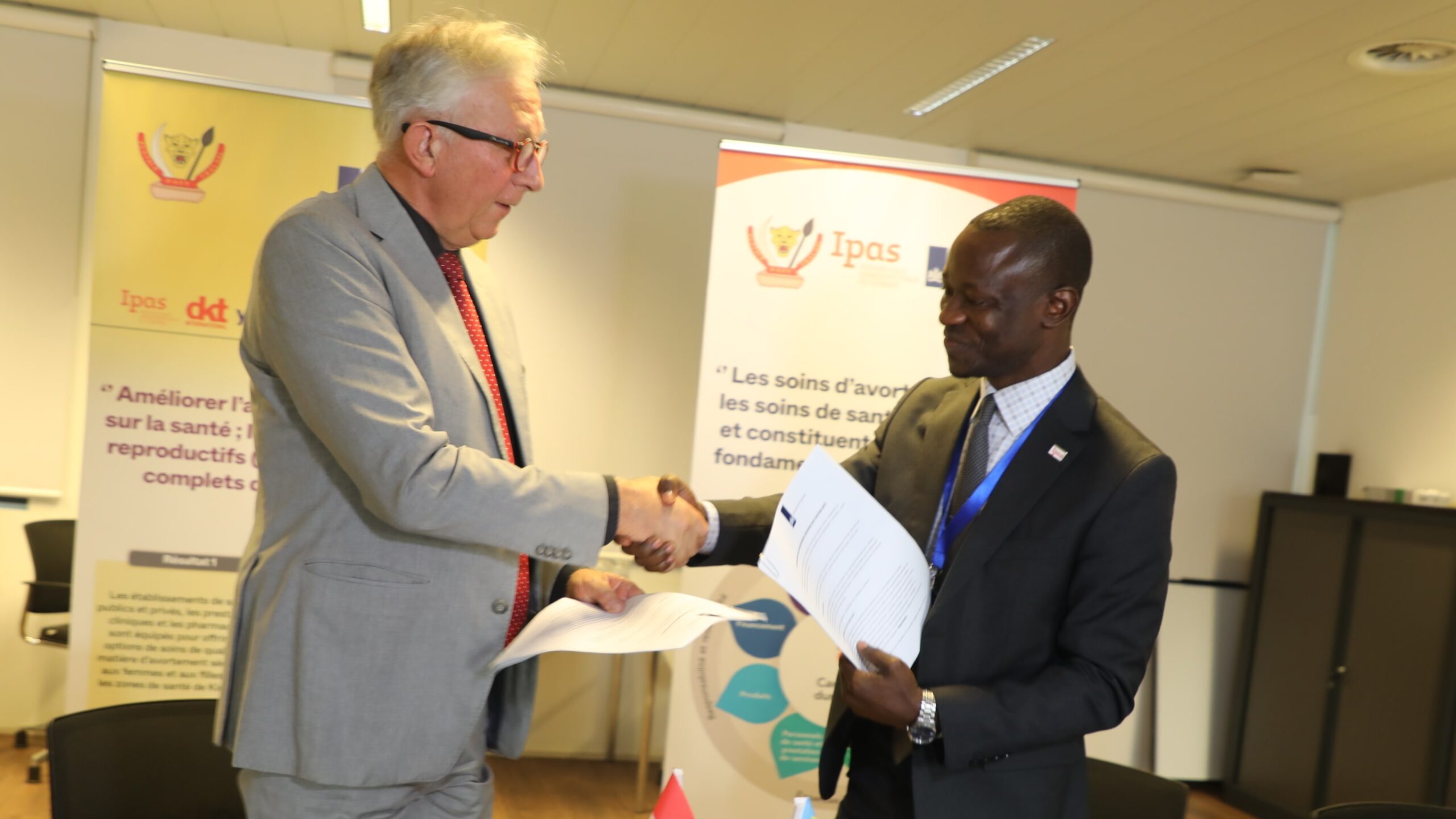
Ipas DRC is pleased to announce the signing of the partnership contract between the Netherlands Embassy to the DRC and a consortium led by Ipas comprising DKT DRC, MSI DRC, Youth Sprint, AFIA MAMA, (AFEAC) Women Lawyer Association, and the Magistrate Association.
Many factors such as food insecurity, lack of access to education, gender-based violence, and inadequate health infrastructure contributed to the fragility of the health system and affected access to and utilization of sexual and reproductive health services. That’s why, through this new project, we want to contribute to building a sustainable abortion ecosystem by improving access to evidence-based SRHR information and quality CAC services, which are essential to advancing gender equality and women’s empowerment in the DRC.”
For five years, Ipas DRC has been supporting community partners to raise awareness of the Maputo Protocol and share information about where women can access safe abortion and contraceptive services. Being a key element of its approach, Ipas will collaborate with Youth Sprint – a national coalition created by Ipas and composed of 24 communities and youth-led organizations across the DRC – and AFIA Mama, a non-profit organization dedicated to promoting and defending women’s rights in the DRC, through the lens of stopping gender violence. These two local organizations will build community social support for women and girls seeking abortion services.
Access to safe and legal abortion and contraception improves the health of women and girls and represents a fundamental human right. The ability to decide if and when to become pregnant is a symbol of reproductive justice and gender equality.
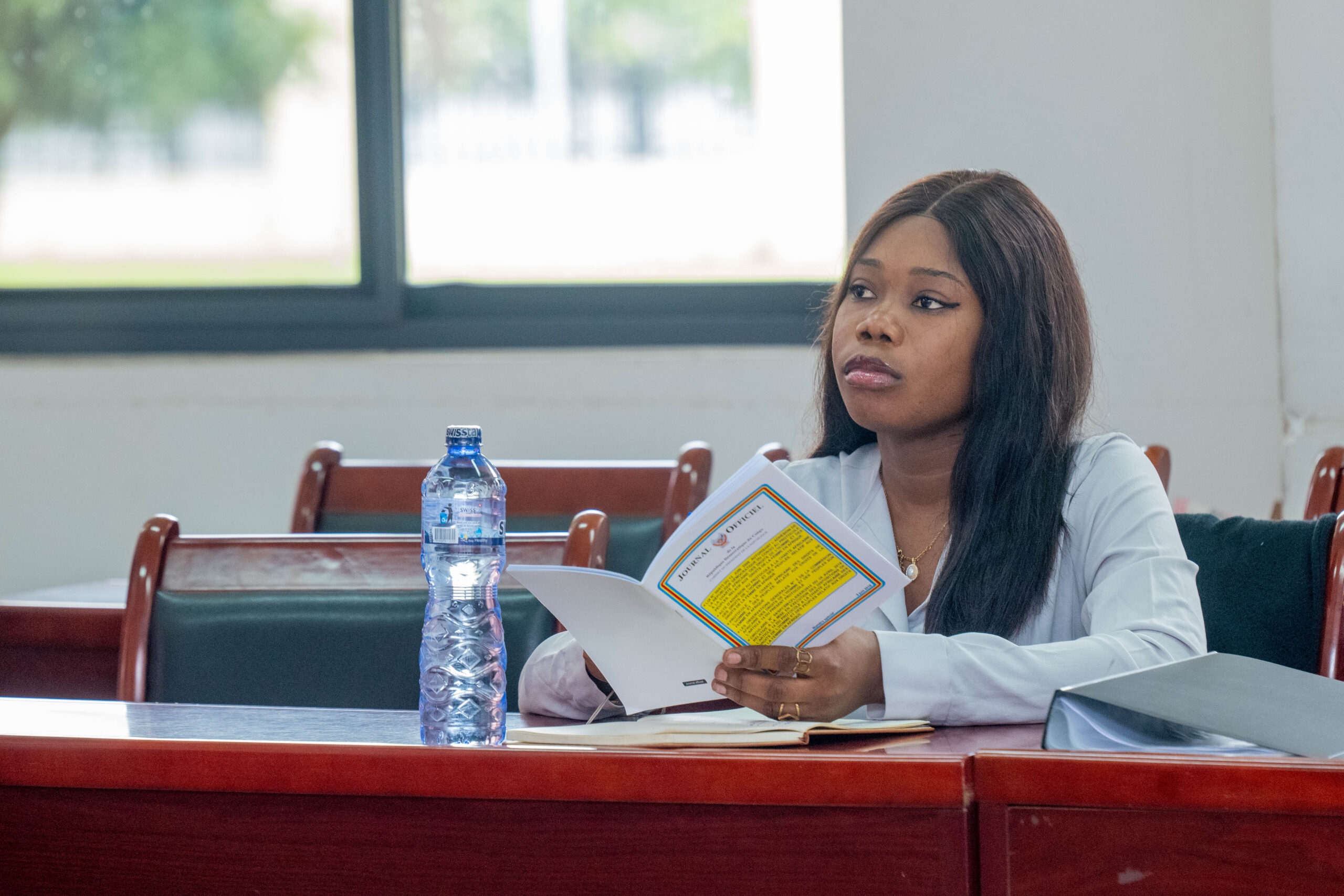
In the Democratic Republic of Congo (DRC), the publication of the Maputo Protocol in the official gazette will be followed by other milestones, such as the publication of a circular guaranteeing access to abortion care, in line with the Protocol’s indications, and the adherence of the Ministry of Public Health in 2020 to the evolving standards and directives relating to the application of the Protocol’s guidelines. All these actions made DRC the first country in French-speaking Africa to have implemented far-reaching changes promoting wider access to abortion care.
However, despite this progress, the legal framework authorizing safe abortion in the DRC, women and girls are often unable to access the services they need due to health system limitations, harmful social norms, and lack of knowledge about sexual and reproductive health and rights (SRHR). Indeed, stigma and limited access to sexual and reproductive health (SRH) information and services expose women to unwanted pregnancies and unsafe abortion methods. Unwanted pregnancies lead to high drop-out rates from secondary school and university, and limit women’s employability and career advancement.
This is why, in an effort to promote the bodily autonomy of women and girls, Ipas DRC and World Affairs Canada have been working together for the past 5 years to expand access to information on SRHR and to safe abortion care. Covering North Kivu, South Kivu, Haut Katanga, Tanganyika and Kinshasa, this project aims to improve women’s ability to make safe reproductive choices that support their educational and professional goals, thus contributing to greater gender equality in the DRC.
Ipas DRC collaborates with the Ministry of Health, Hygiene, and Prevention to improve access to safe, woman-centered abortion services for women and girls in the DRC. At the heart of this Canadian-funded project is the rehabilitation of health facilities, intending to strengthen the technical capacity of public health centers to integrate abortion services and care for survivors of sexual and gender-based violence (SGBV). In addition, to improve the quality of care, Ipas RDC is supporting the PNSR in training and supporting healthcare providers in the public and private sectors to offer abortion care.
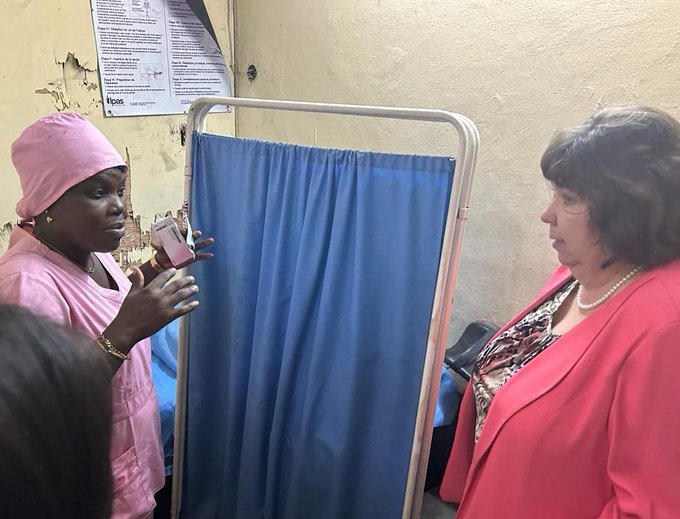
“The maternity clinic in Kintambo, in collaboration with the local health authorities, is literally saving lives. Healthcare providers told me about a young girl who had been raped and was thinking of having an unsafe abortion until she heard about this clinic. Today, she’s alive, well and studying at university. This is what Canada’s support for the sexual and reproductive health of women and young people in the DRC looks like,” says Anita Vandenbeld, Parliamentary Secretary to the Minister of International Development for Canada, during her 2024 January visit to the Center of Excellence at the Kintambo Maternity Hospital in the city-province of Kinshasa.

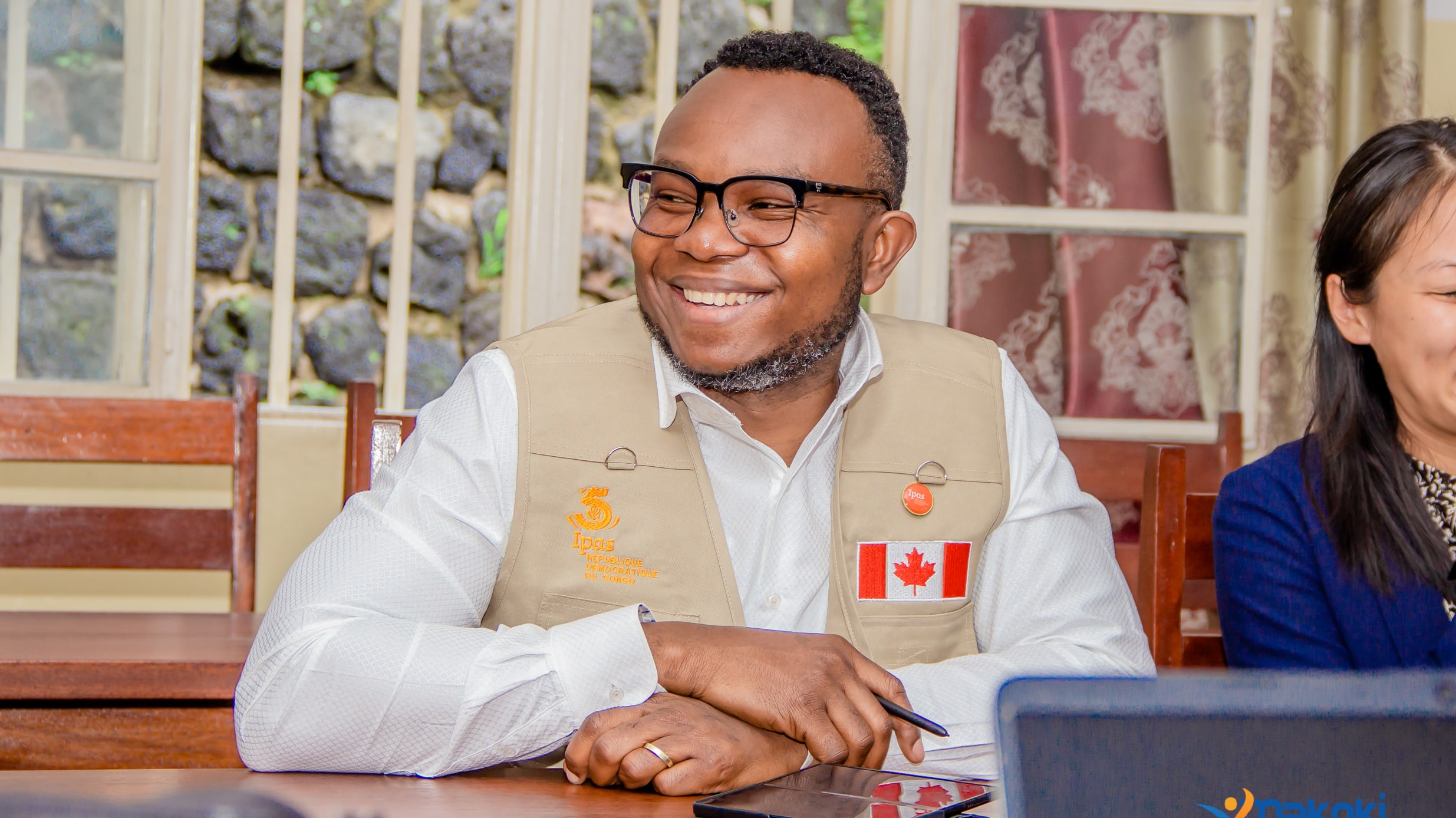
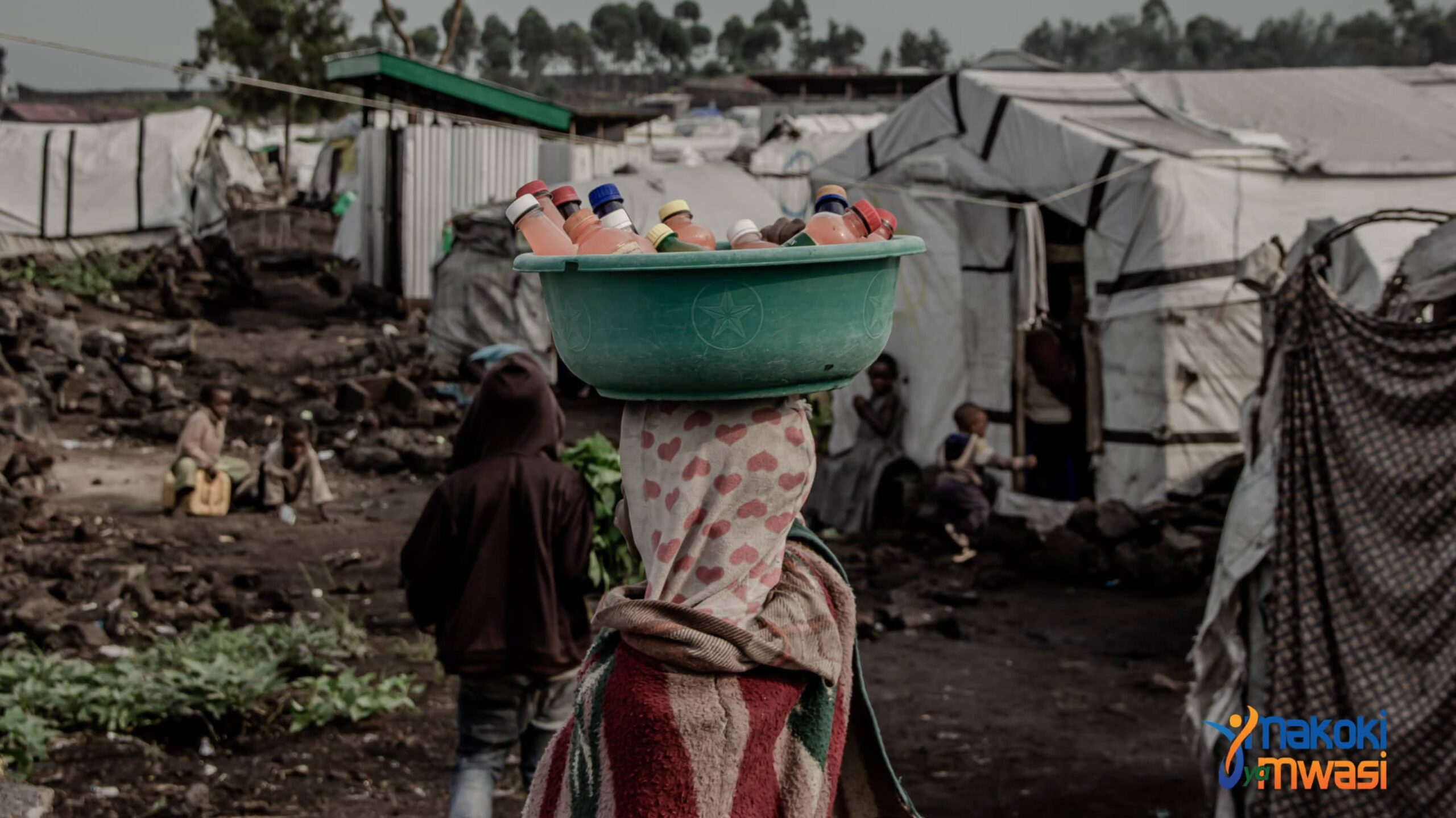
In the DRC, gender norms disadvantage women in many aspects of their lives, including the expression of their rights, particularly their sexual and reproductive rights, and their right to bodily autonomy; gender inequality, exacerbated by poverty and instability, encourages and normalizes violence against women. Added to this, the stigma surrounding abortion plays a central role in the social, medical and legal marginalization of abortion care, and is at the root of the high number of avoidable deaths and sequelae due to unsafe abortion in the DRC.

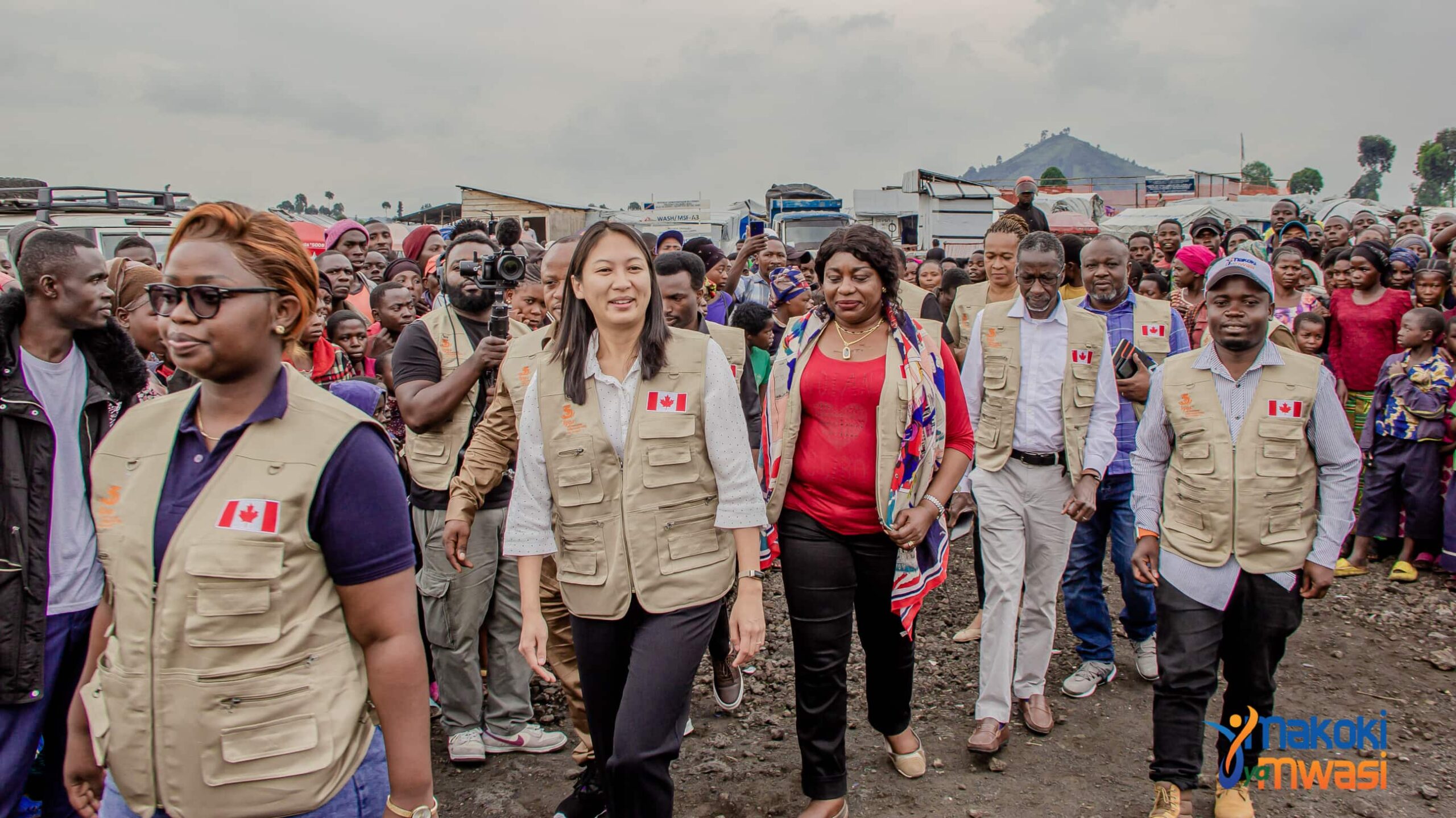
The Canadian Embassy’s delegation to the DRC not only visited the mobile clinic set up by Ipas and local partners but also took part in educational talks on reducing the stigma surrounding abortion in the Bulengo camp for displaced persons.
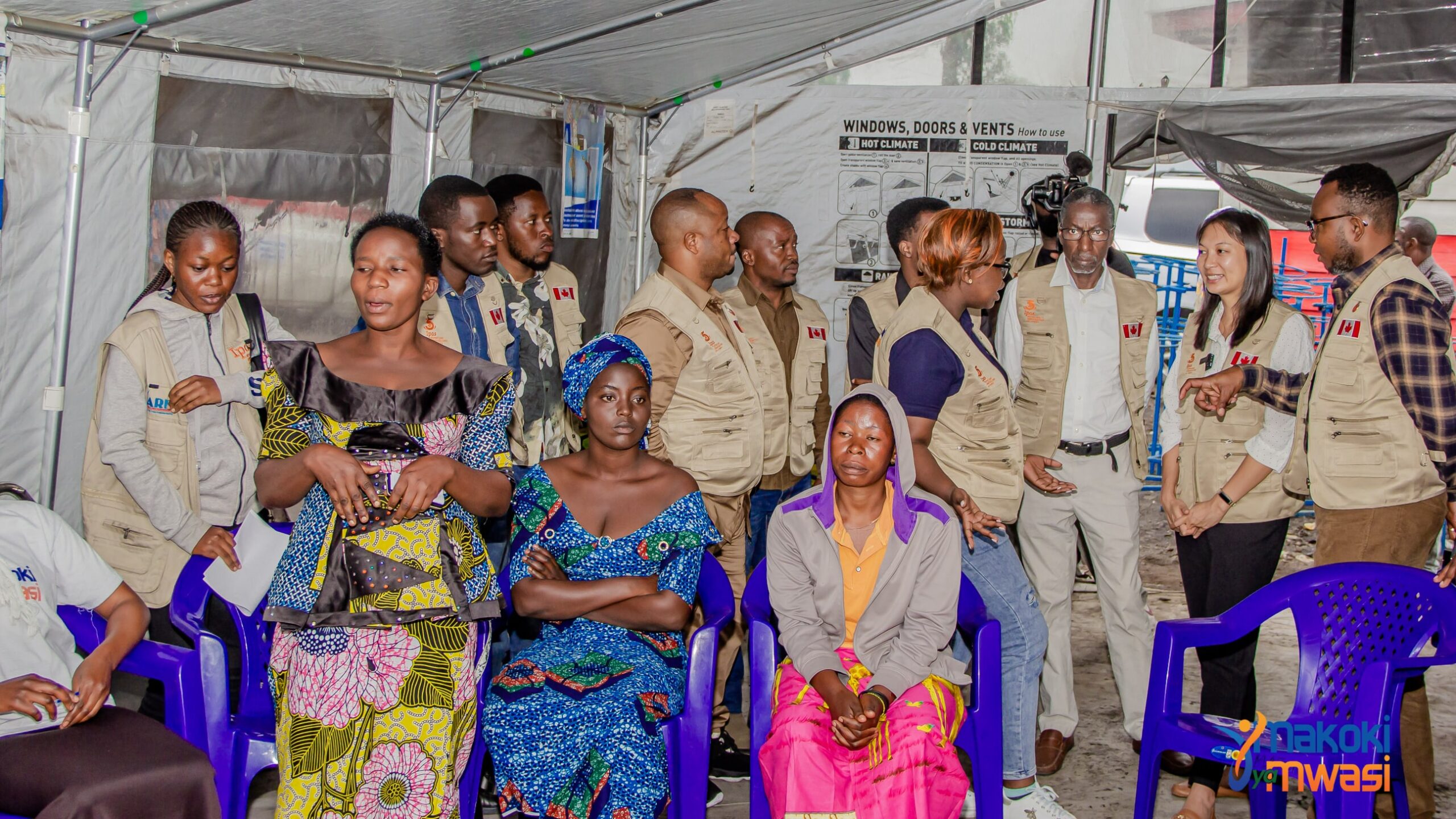
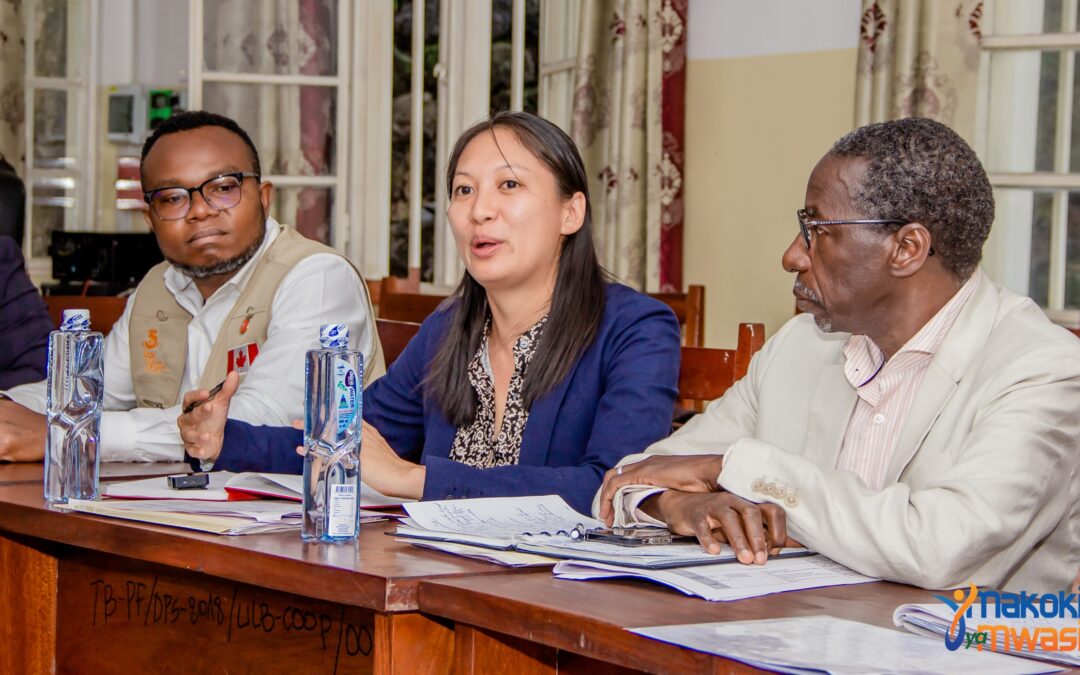
Through community dialogues and awareness-raising campaigns run by local organizations in the community, Ipas RDC improves access to reliable information on sexual and reproductive health, fosters open dialogue and raises men’s awareness of their role in promoting the sexual and reproductive health rights of women and girls. This was also the point of discussion during the visit of the Canadian delegation which met with youth-led organizations in Kinshasa as well as in Goma where they talked about challenges faced by YouthSprint network organizations in furthering their vision of empowering women over their sexual and reproductive health. As Dr. Celestine Buyibuyi, Community Involvement Manager for the Eastern region says, “It is imperative to popularize the Maputo Protocol. One woman in four is raped in the IDP camp, and most of them end up with unwanted pregnancies. Some of them resort to unsafe abortions because they are unaware of their rights and fear rejection by the community”.
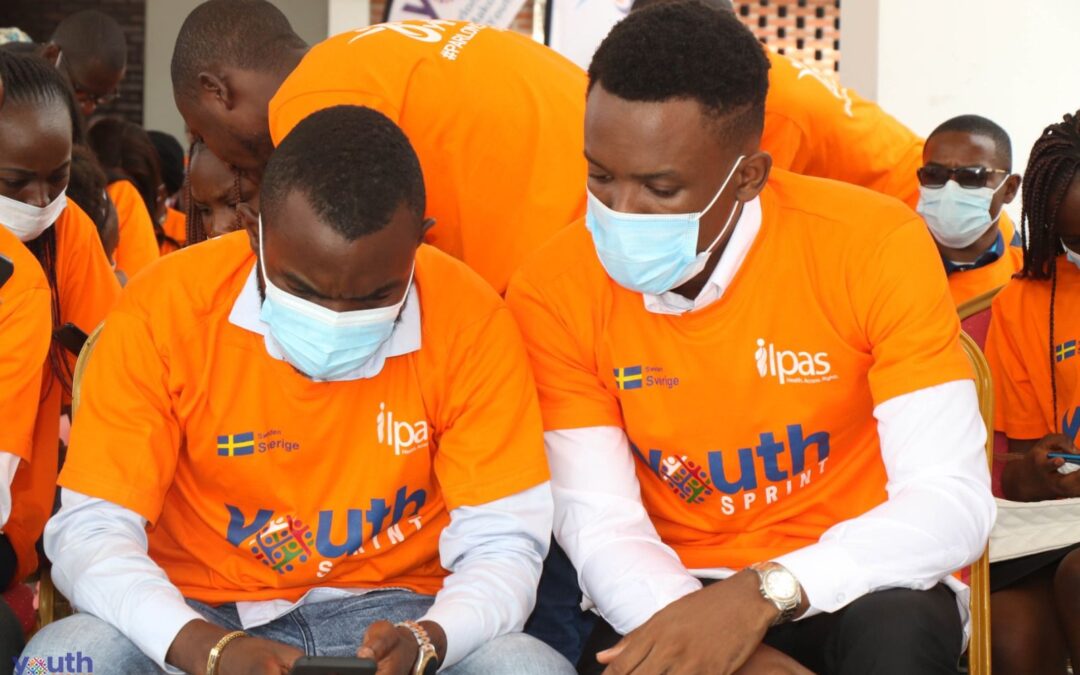
Ipas DRC works with local partners to educate all relevant stakeholders—including women and communities—on women’s newly expanded right to access safe abortion.
In collaboration with the Ministry of Health and key partners, we helped draft new standards and guidelines for comprehensive abortion care that align with the Maputo Protocol and are now working to see that they are fully implemented. We also are training health-care providers to offer abortion and contraceptive care, and linking with community-based organizations and community health workers to ensure that women and girls know where they can access services.