
Ipas DRC
Non-profit organization
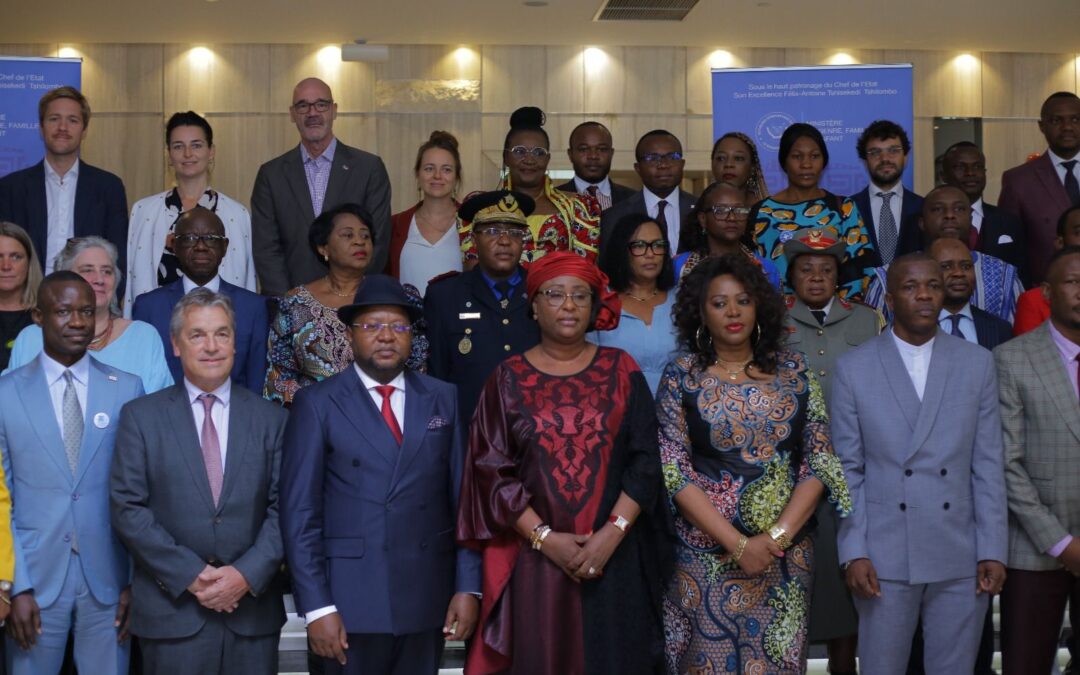
On July 11th, 2023, endorsed by the President of the Democratic Republic of Congo, Félix-Antoine Tshisekedi, the Ministry of Gender held a landmark celebration for the 20th Anniversary of the Maputo Protocol. This celebration united key stakeholders such as the Minister of Human Rights, Minister of Youth, representatives of the Ministry of Health, the Presidents Director of Cabinet, the Permanent Secretary of the Superior Judiciary Council, parliamentarians, the Canadian Ambassador and representatives of diplomatic corps (Sweden, Norway, Germany, Netherlands, and the UK), police and military corps, international organizations, gender-responsive media, researchers, legal actors, youth, women, civil society-organizations, and community leaders. The objective of this event was to celebrate and acknowledge the countries ownership of the instrument and the progress made over the last 20 years in domesticating the Maputo Protocol, highlight the innovative work and contributions of champions, and to reflect on the future and dialogue about scalable solutions with sustainable outcomes that bolster women’s rights in the country and beyond. “The strong mobilization of the government as well as the presidency for this celebration is outstanding; these leaders co-led panels and boldly spoke about the government’s responsibility in creating an enabling environment for women’s rights including abortion rights” stated Gisele Kapinga, High Commissioner at the National Commission for Human Rights.

Ministers, Director of Cabinet of the President, Partners and Donors. This celebration was marked by strong declarations from the government, parliamentarians, civil society leaders, and leading women’s rights activists.

The research on the impact of the domestication of the Maputo Protocol conducted by the University of Kinshasa School of Public Health in collaboration with Ipas and the Ministry of health presented during this event highlighted the challenges in its application on the field, especially within the judicial and health system.
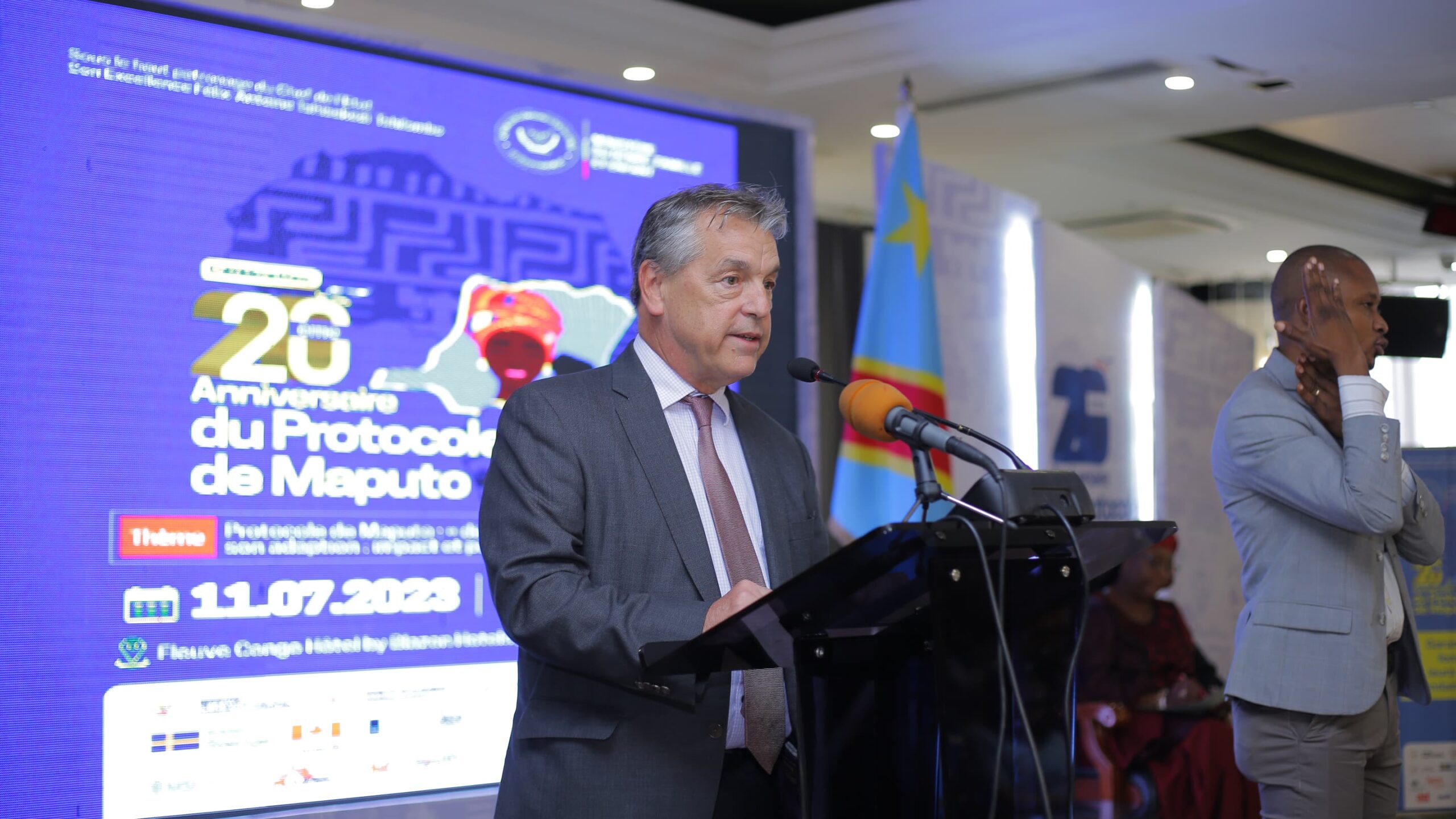
Reflecting on the next steps with civil society organizations such as the Youth Sprint Movement, Women Lawyers Association, and partners (DKT, MSI, and Ipas) on what the next 20 years hold for the future of Congolese women and girls; these activists called for all stakeholders and donors to accelerate the full implementation of the Maputo Protocol by revising the penal code and all other laws that hinder women’s rights. The fervent engagement of diverse stakeholders supporting the implementation of the Maputo Protocol and safe abortion rights in the DRC, gives Ipas and partners leading the fight renewed hope and fuel to making the promises of the Maputo Protocol a reality for women and girls across the DRC.





For that reason, Ipas has focused on sexual and reproductive health needs to support the humanitarian response, particularly access to safe abortion, comprehensive contraception, medical management of GBV, and treatment of sexually transmitted infections in the Kanyaruchinya camp. The Embassy’s exhibition was an opportunity for Ipas DRC to show the concrete results of its efforts in the field.
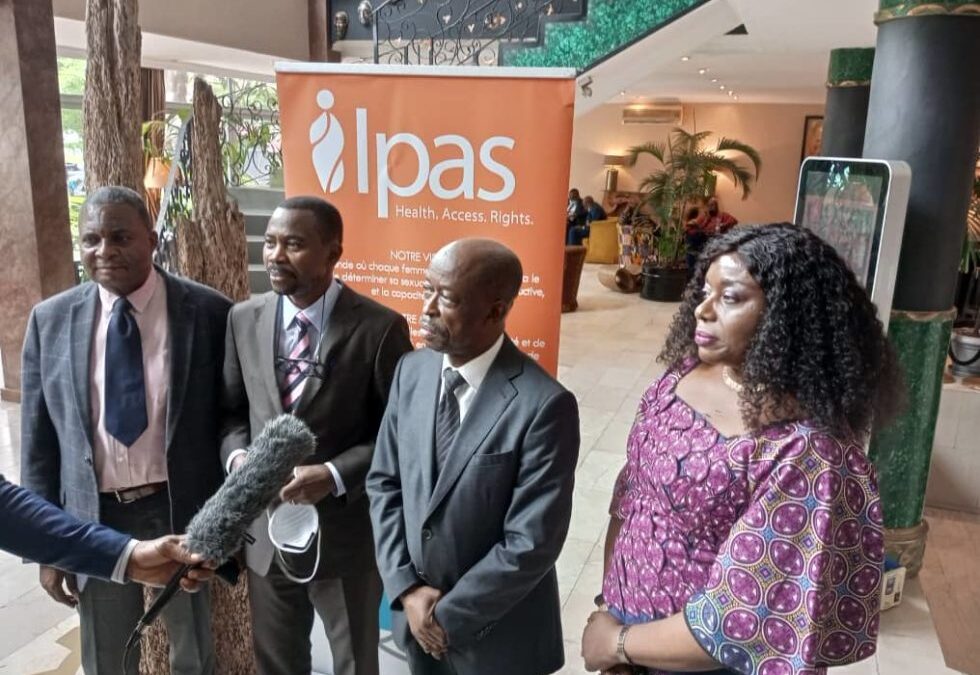
Ipas Democratic Republic of Congo (DRC) recently helped develop a training curriculum and set of health system tools for comprehensive abortion care (CAC) in a vital step toward implementing the Maputo Protocol. These tools will enable access to legal and safe abortion care for women across the country by aligning the health system with standards and guidelines recently approved by the Ministry of Health that remove barriers of marital and parental consent and proof of rape.
“These new tools are a vital part of the DRC government’s efforts to promote reproductive justice as a critical component of women’s empowerment,” said Dr. Jean-Claude Mulunda, Director of Ipas Democratic Republic of Congo (DRC).
Ipas DRC will support expansion of these tools, as well as assist with follow-up and clinical mentoring of trained providers to ensure quality abortion care is available, accessible and affordable.
“The ratification of the Maputo Protocol has created a significant need to update our policies and management tools,” said Dr. Ilunga Bodi, the secretary general of health, at an endorsement ceremony for the tools and curriculum. “The step taken today will help strengthen the health system, facilitate the integration of CAC into the health system at all levels and permit us to finally fill the gap caused by the lack of credible abortion data.”
Dr. Anne-Marie Tumba, director of the Programme National de la Sante Reproductive (PNSR), said, “These tools will contribute towards the provision of holistic quality care to women and girls who desperately need them and will also reduce maternal mortality caused by unsafe abortions. It will allow the government to make decisions based on factual evidence.”