
Ipas DRC
Non-profit organization
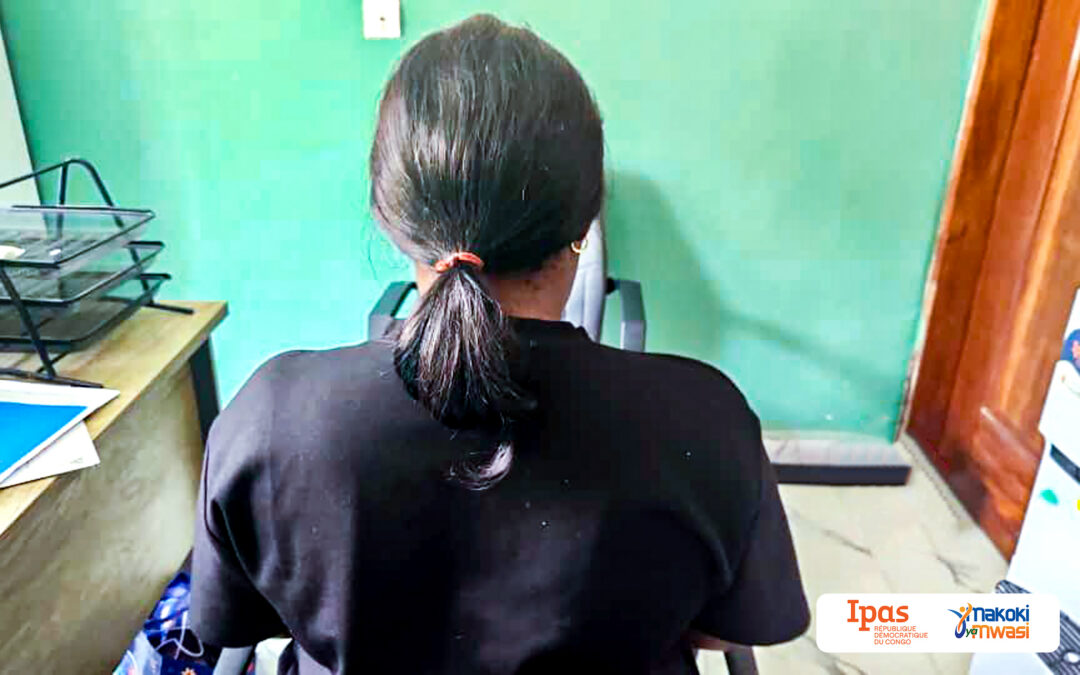
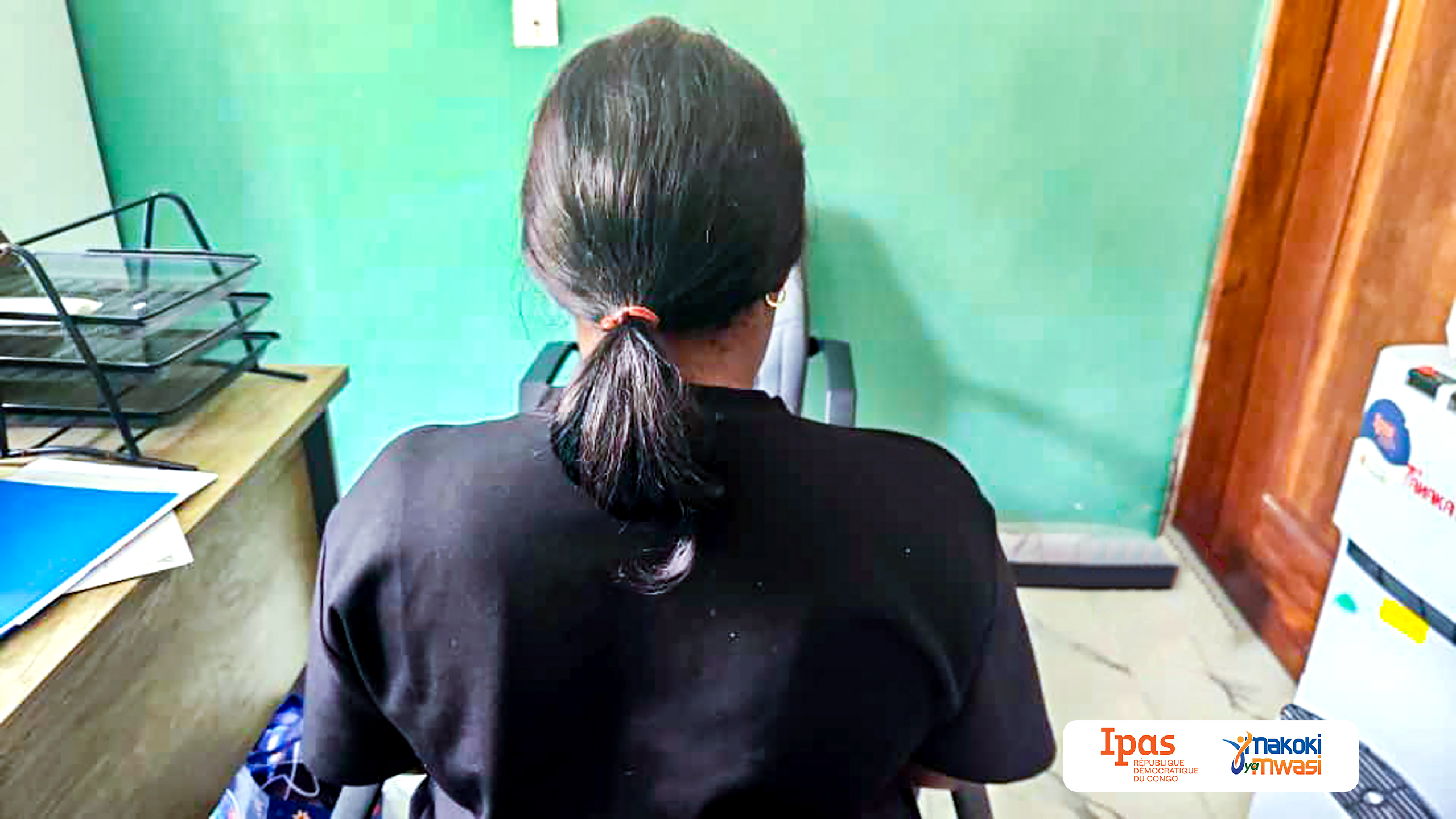
In the Democratic Republic of Congo, motherhood is often celebrated as a blessing. Yet for many women, an unintended pregnancy can quickly become a source of fear and isolation—especially when a partner withdraws responsibility and support. In these moments, women are left to navigate not only social pressure and economic uncertainty, but deeply personal decisions about their bodies and futures.
These challenges are compounded by persistent gaps in access to contraception and sexual and reproductive health care national data reflects this reality :
only 10.9% of women in union use modern contraceptive methods (DHS 2023–2024). Even more concerning, 32% of married or in‑union women who wish to space or limit births are unable to access their preferred family planning methods,. and in 2024, just 21% of family planning demand was met. For many women, this means facing unintended pregnancies without the information, services, or support needed to make informed choices.
At 26, Matondo (name changed) is already a mother to a young daughter. When she became pregnant again, she did not realize it immediately. With an irregular menstrual cycle, the signs were unclear.
“My cycle is irregular, and if I said I know how to calculate it, I would be lying—I don’t,”
she explains.
When she eventually learned she was pregnant, the shock was compounded by her partner’s response: he refused to acknowledge the pregnancy and left her to face the situation alone. With no stable income, no independent housing, and no support from the child’s father, Matondo felt overwhelmed by the weight of expectations placed on her. Unsure of what to do, and struggling emotionally, she decided to seek help at the Center of Excellence within the Kintambo Maternity—one of the facilities supported by Ipas DRC.
“I had so many thoughts about this pregnancy,” she recalls. “I kept asking myself whether I would be able to care for another child, especially since I was living with my aunt. I felt lost. That’s when I decided to go to the Center of Excellence at the Kintambo Maternity.”
Until recently many women in the DRC had no access to safe, regulated abortion care. This forced countless women into unsafe and clandestine practices, with devastating consequences for their health and lives.
The country’s accession to the Maputo Protocol in 2018 marked a critical turning point. The protocol affirms women’s rights to sexual and reproductive health, including access to safe abortion under specific circumstances such as rape, incest, or risks to a woman’s physical or mental health. While legal reform alone is not enough, it provides an essential foundation for rights‑based care.
When Matondo arrived at the health facility, it was clear that her emotional state required as much attention as her physical health.
“She was deeply distressed,” explains Aimée Olenga, the midwife who accompanied her.. “She felt trapped, unable to cope with the situation she was facing. At one point, she told me she saw only two options—having an abortion or ending her own life.”
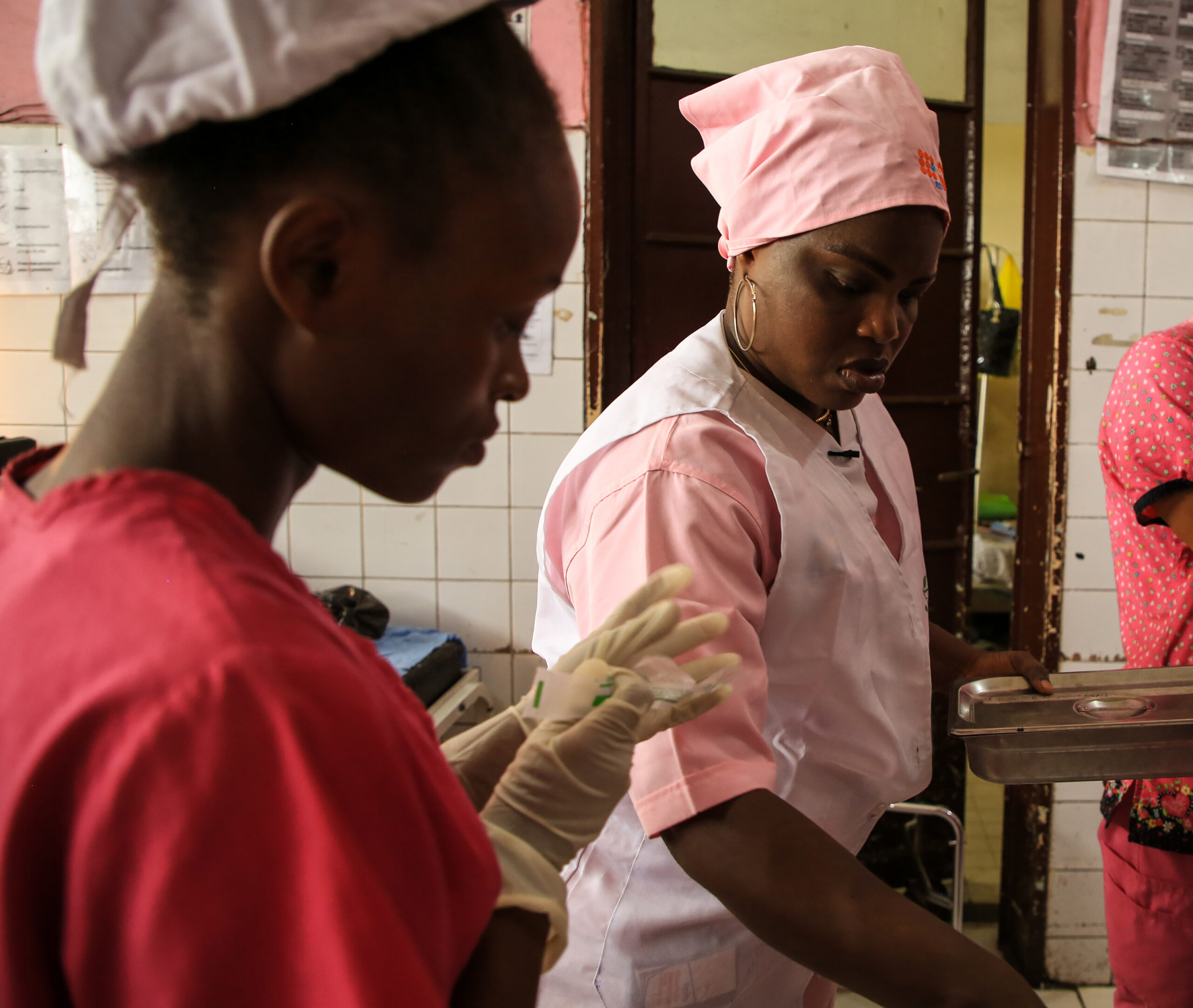
Through patient listening, counseling, and respectful care, Matondo was supported through a safe abortion process that prioritized her dignity, well‑being, and choices. Afterward, she described feeling calmer and relieved—for the first time able to think clearly about her future. Psychological support, Aimée emphasizes, is not optional. It is a core part of care—helping women rebuild confidence, reclaim agency, and move forward without fear or shame.
Matondo’s experience highlights how access to respectful, rights‑based care depends on a strong and well‑structured health system.
Ipas DRC works to build a sustainable abortion ecosystem that enables women to fully exercise their sexual and reproductive health and rights. To do so, the organization supports the delivery of comprehensive, woman‑centered abortion care (CAC) by strengthening the health system, particularly the capacity of health care providers.
Active listening, emotional support, and respectful counseling are part of the rights‑based and quality‑of‑care approach promoted by Ipas, which guides how services are delivered. Family planning remains a core component of the broader sexual and reproductive health and rights continuum.
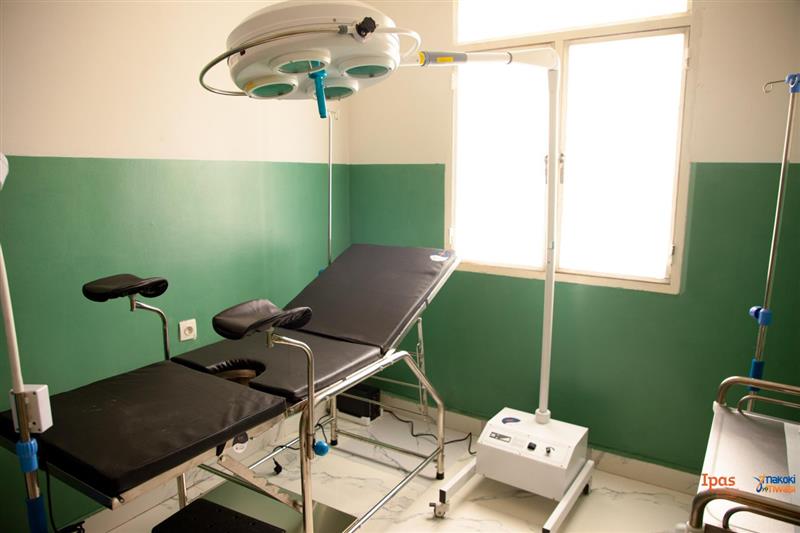
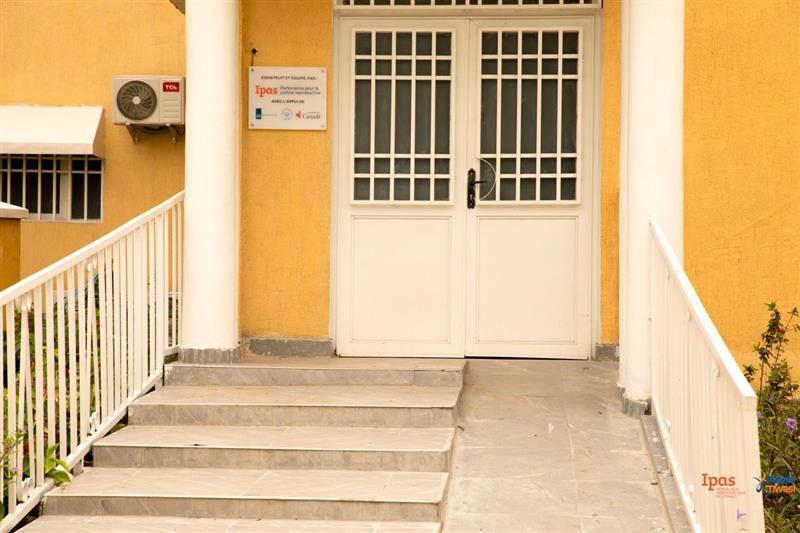
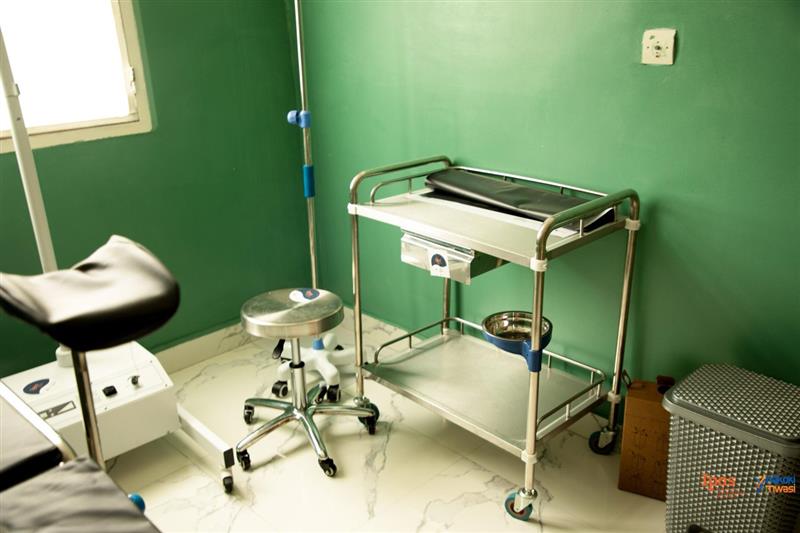
By strengthening health systems and centering women’s autonomy, Ipas DRC is contributing to lasting reductions in maternal morbidity and mortality—and ensuring that women and girls can make decisions about their bodies safely, freely, and with dignity.These centers provide safe abortion and family planning services, reducing the risks associated with unsafe practices and improving the overall quality of care for women and adolescents.