Ipas DRC
Non-profit organization
In the Democratic Republic of Congo, harmful practices such as child marriage, unintended adolescent pregnancies, and gender‑based violence continue to undermine the rights and well‑being of adolescent girls in Kasaï. These challenges—rooted in social norms, economic vulnerability, and limited access to accurate information—have long‑term consequences on girls’ health, safety, and life opportunities.
Adolescent girls frequently lack access to comprehensive sexual and reproductive health (SRH) information and to confidential, high‑quality contraceptive services. This gap fuels teen pregnancy, interrupts schooling, increases health risks, and restricts girls’ ability to make informed decisions about their bodies and their futures.
Data from the 2017–2018 MICS survey highlight the magnitude of the challenge: 54% of women aged 20–24 in Kasaï were married before age 18, compared to 29% nationally. Between 2021 and 2024, the province documented 425 cases of child marriage, predominantly among girls aged 15–17. These numbers signal an urgent need for coordinated, multisectoral action to protect girls’ rights and expand their pathways to autonomy.
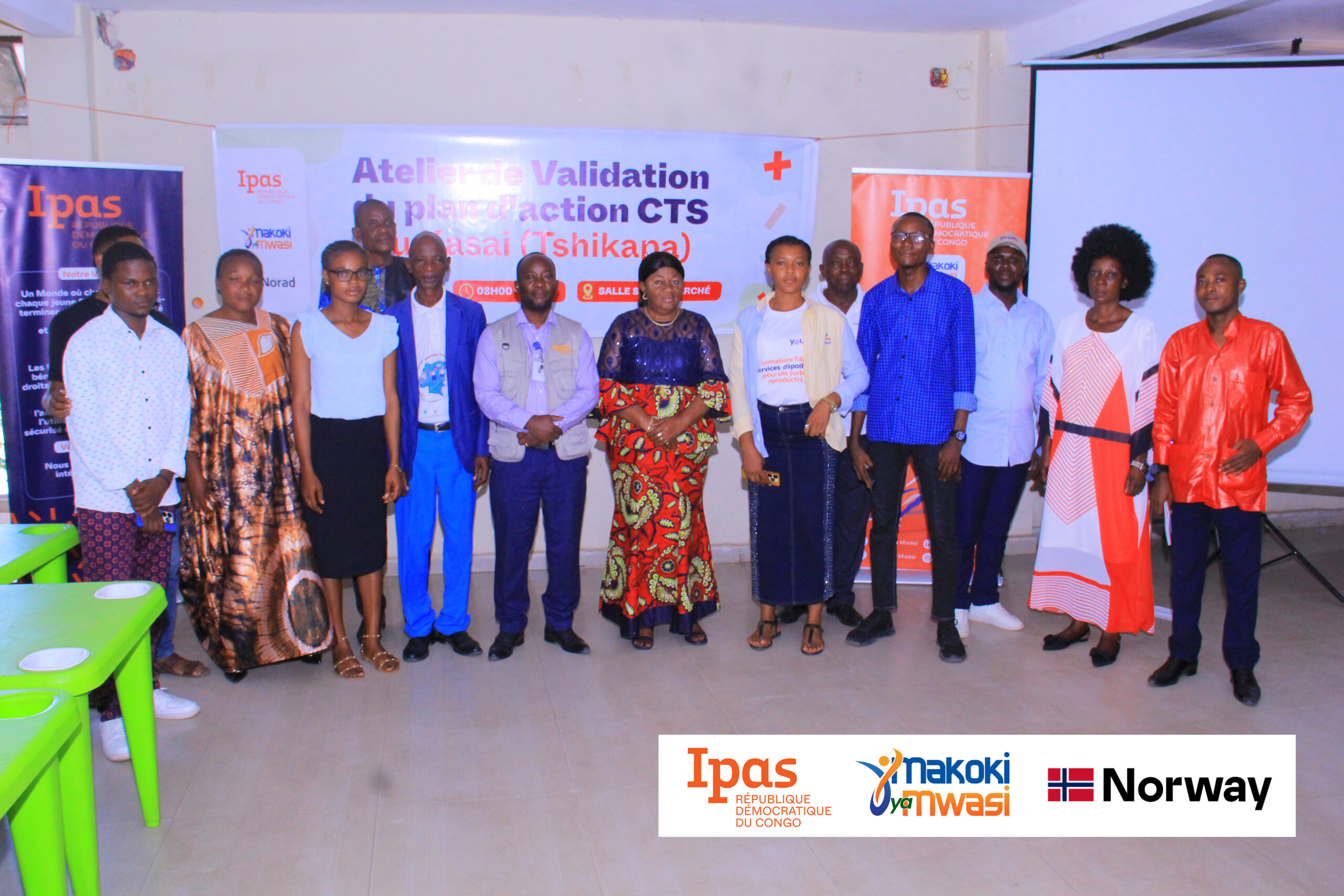
In response, the provincial authorities of Kasaï have developed and endorsed the CTS Action Plan (Child Marriage, Teen Pregnancy, School Dropout)—a roadmap designed to guide integrated interventions. The plan was developed in collaboration with Ipas DRC, with financial support from the Norwegian Agency for Development Cooperation (NORAD), and aims to strengthen sustainable, community‑owned solutions that safeguard adolescent girls’ health, rights, and futures.
A Participatory and Inclusive Development Process
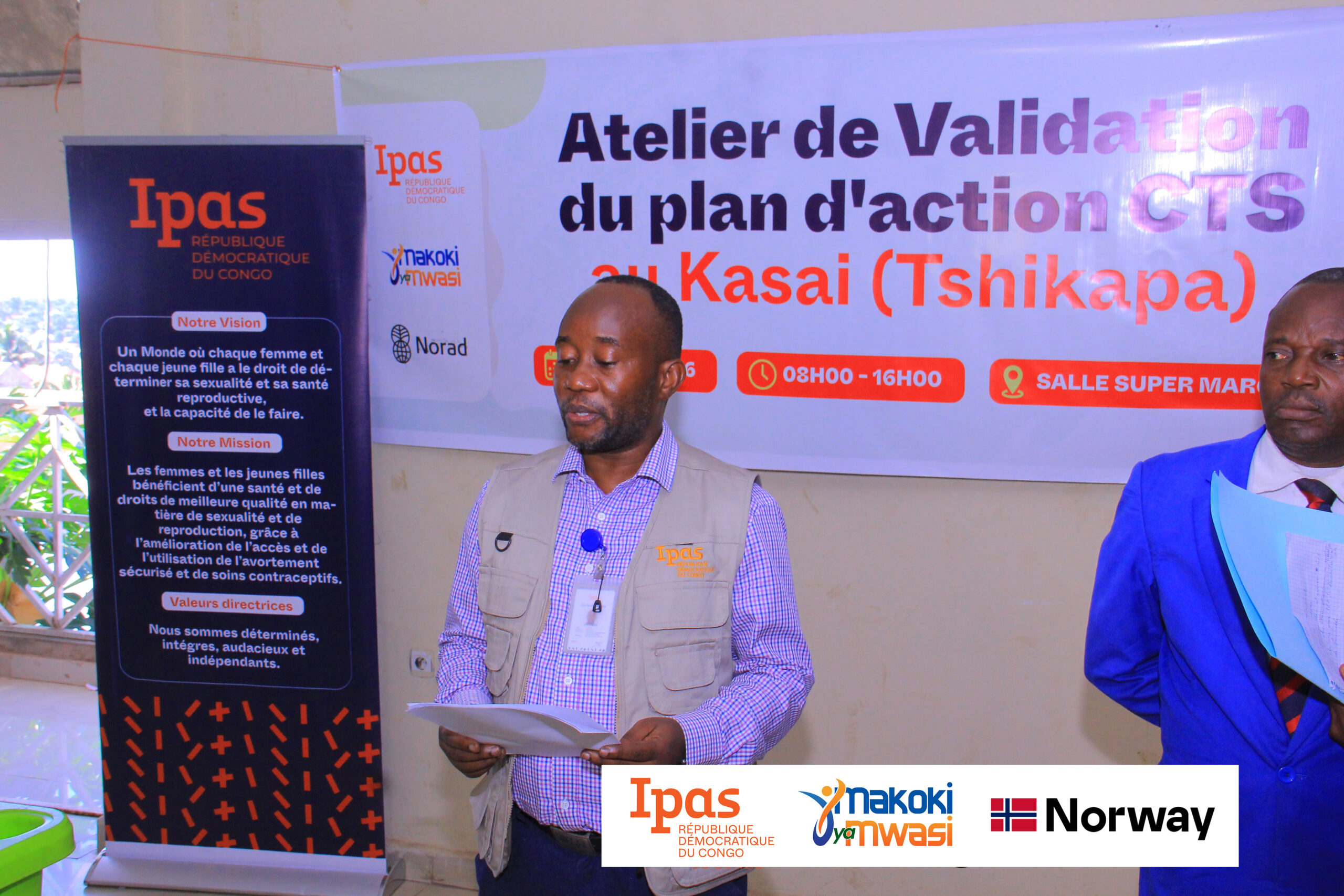
To ensure the plan reflects local priorities and lived realities, provincial leaders initiated a participatory process bringing together experts from the Health, Education, and Gender ministries. Working groups aligned with the six strategic axes strengthened the plan with evidence‑informed recommendations, which were later consolidated in plenary.
A broader validation workshop convened civil society organizations, school authorities, security services, youth representatives, and community leaders. This inclusive process affirmed strong local ownership and reinforced collective commitment to ending child marriage, reducing teen pregnancy, and supporting girls to remain in school.
Official Validation by Provincial Leadership
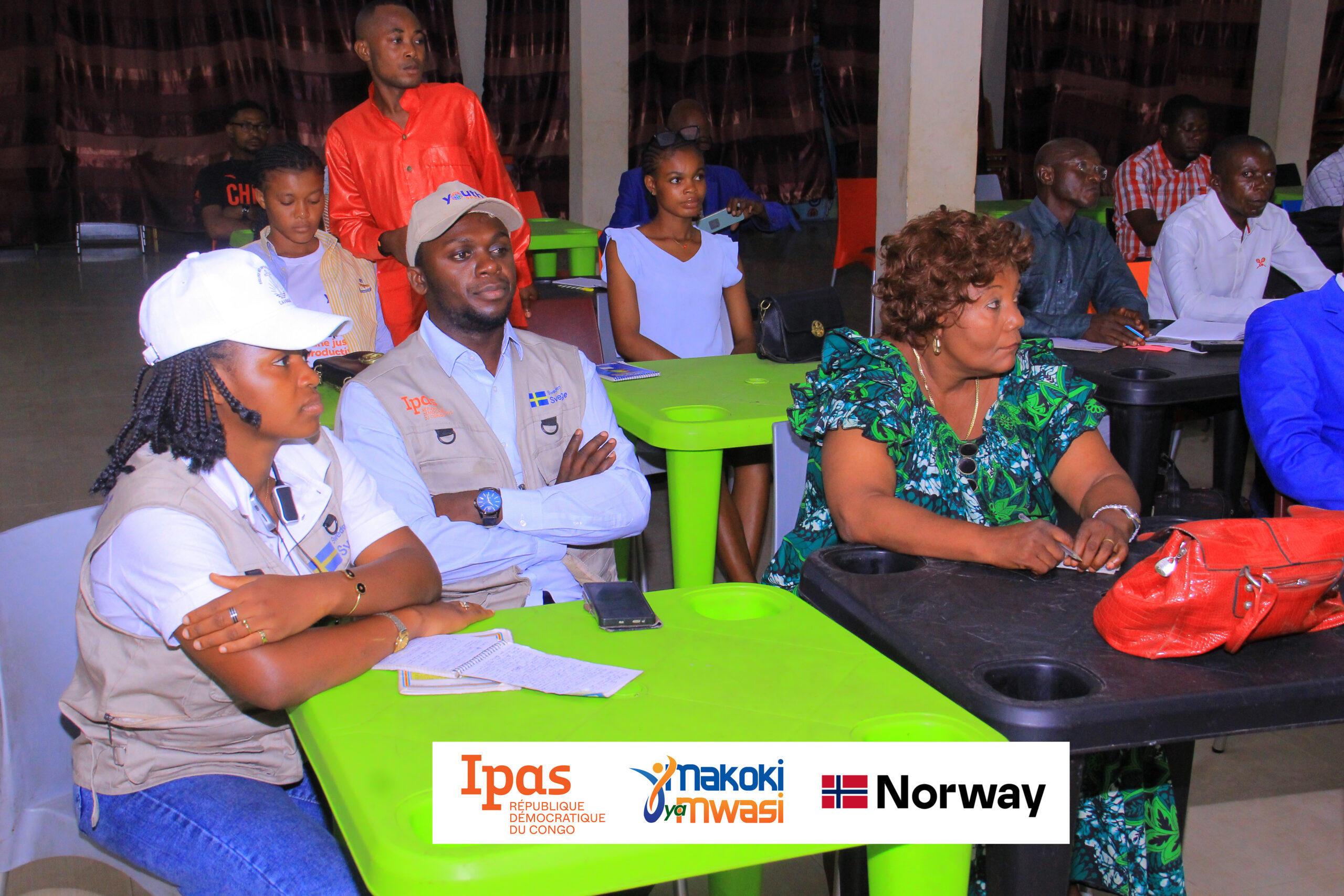
The CTS Action Plan was formally validated by Her Excellency Alphonsine BUNDU LUZANGA, Provincial Minister of Gender, Family, and Children. In her remarks, she underscored the urgent need to act decisively:
“Each day without action exposes hundreds of girls to futures constrained by early marriage, unintended pregnancy, and interrupted education.”
Her leadership sends a strong signal of political will to advance gender equality and uphold girls’ rights across the province.
Six Strategic Axes Designed to Advance Girls’ Rights and Well‑being
The plan is anchored in six strategic pillars that collectively address the root causes and consequences of child marriage and adolescent pregnancy:
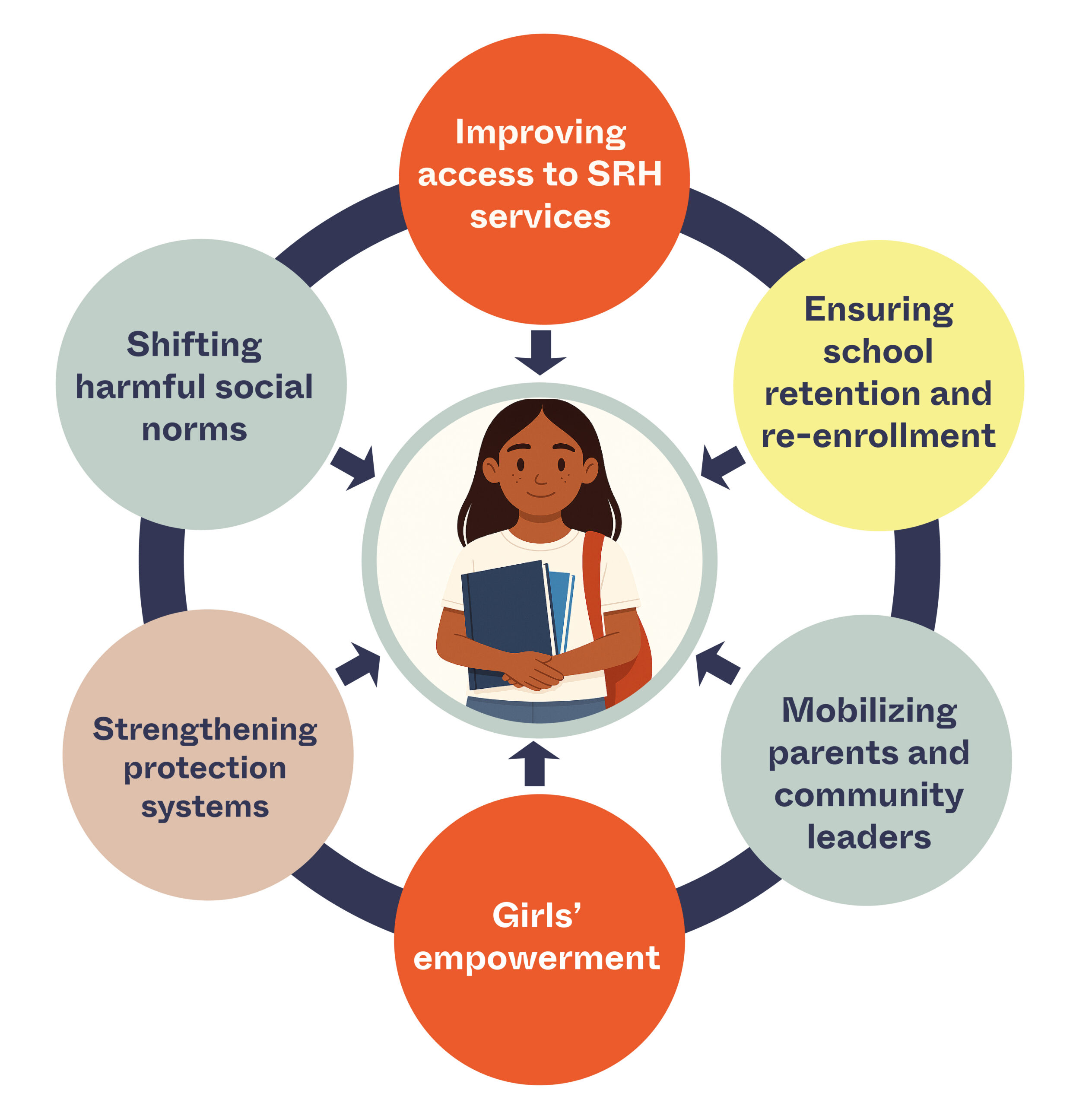
These axes reflect a holistic approach—one that centers girls’ voices, builds community support, and strengthens provincial systems
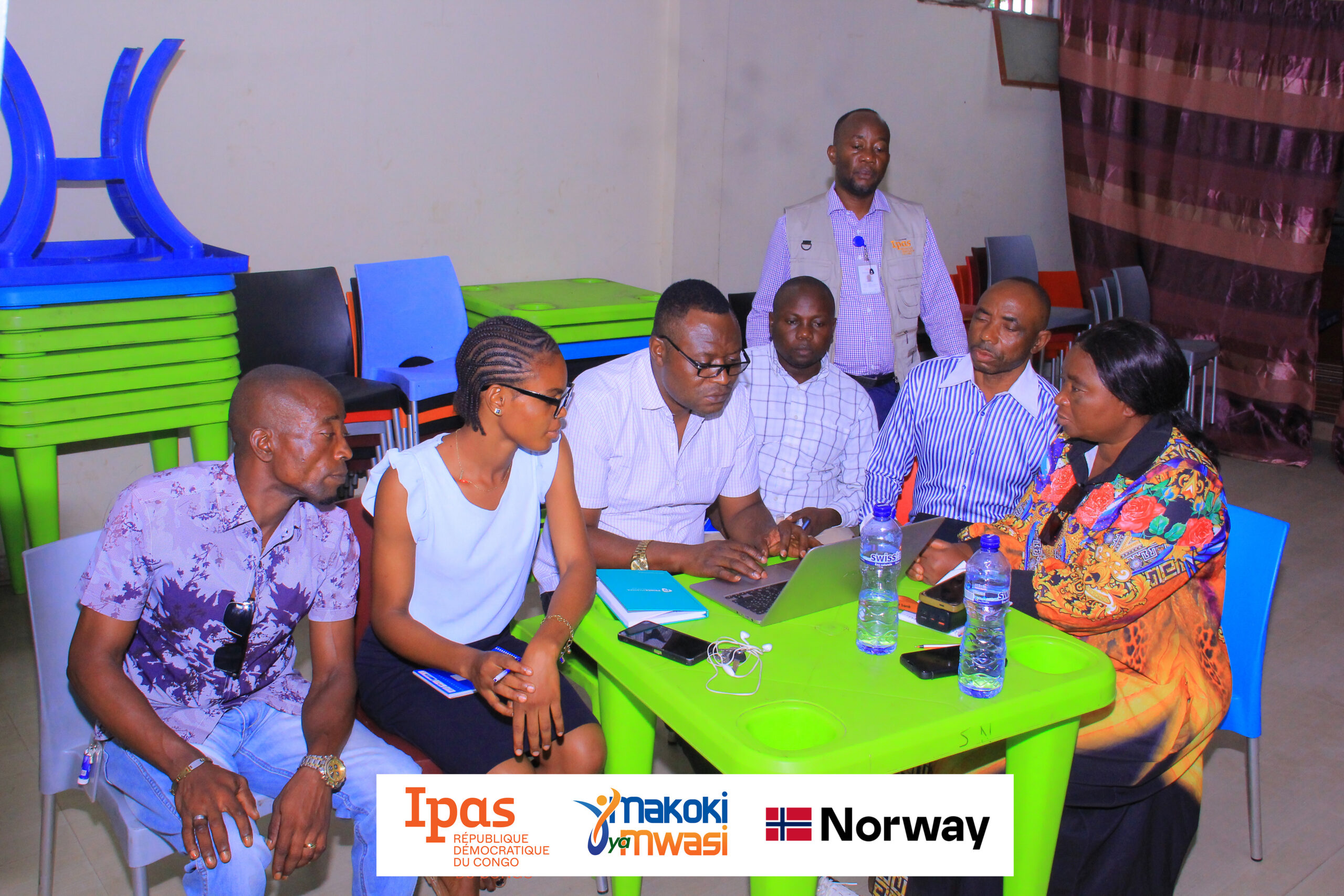
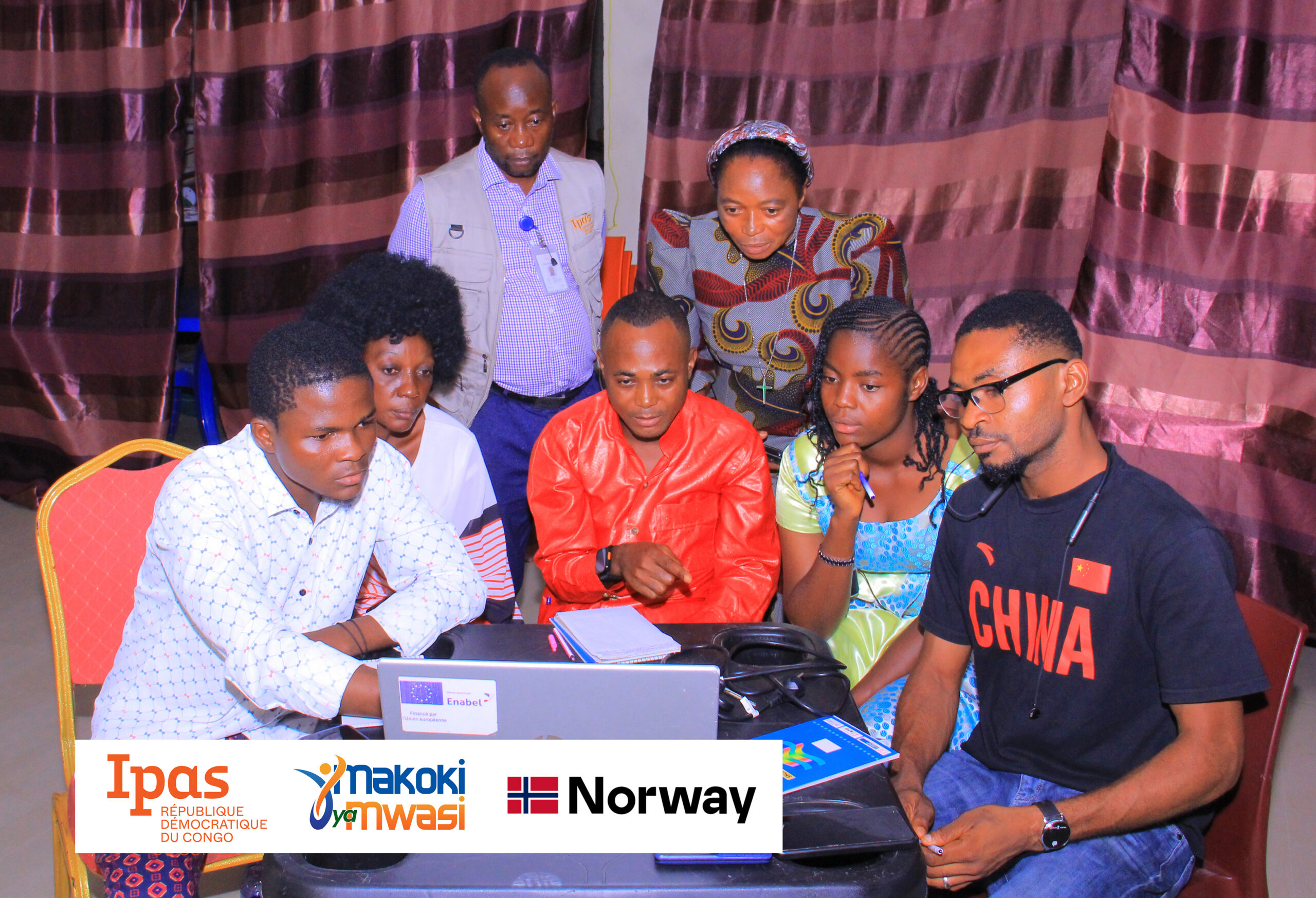
As part of the implementation of the action plan, Ipas will carry out a range of activities aimed at supporting students’ retention in school. The action plan includes awareness‑raising campaigns in schools, as well as the establishment and revitalization of school‑based clubs focused on sexual and reproductive health.
These spaces will provide young people with opportunities to express themselves freely, strengthen their knowledge of sexual and reproductive health, and build leadership skills. The goal is to support adolescents and youth to become agents of change, equipped to positively influence their communities and to promote inclusive, safe, and protective school environments.