
Ipas DRC
Non-profit organization
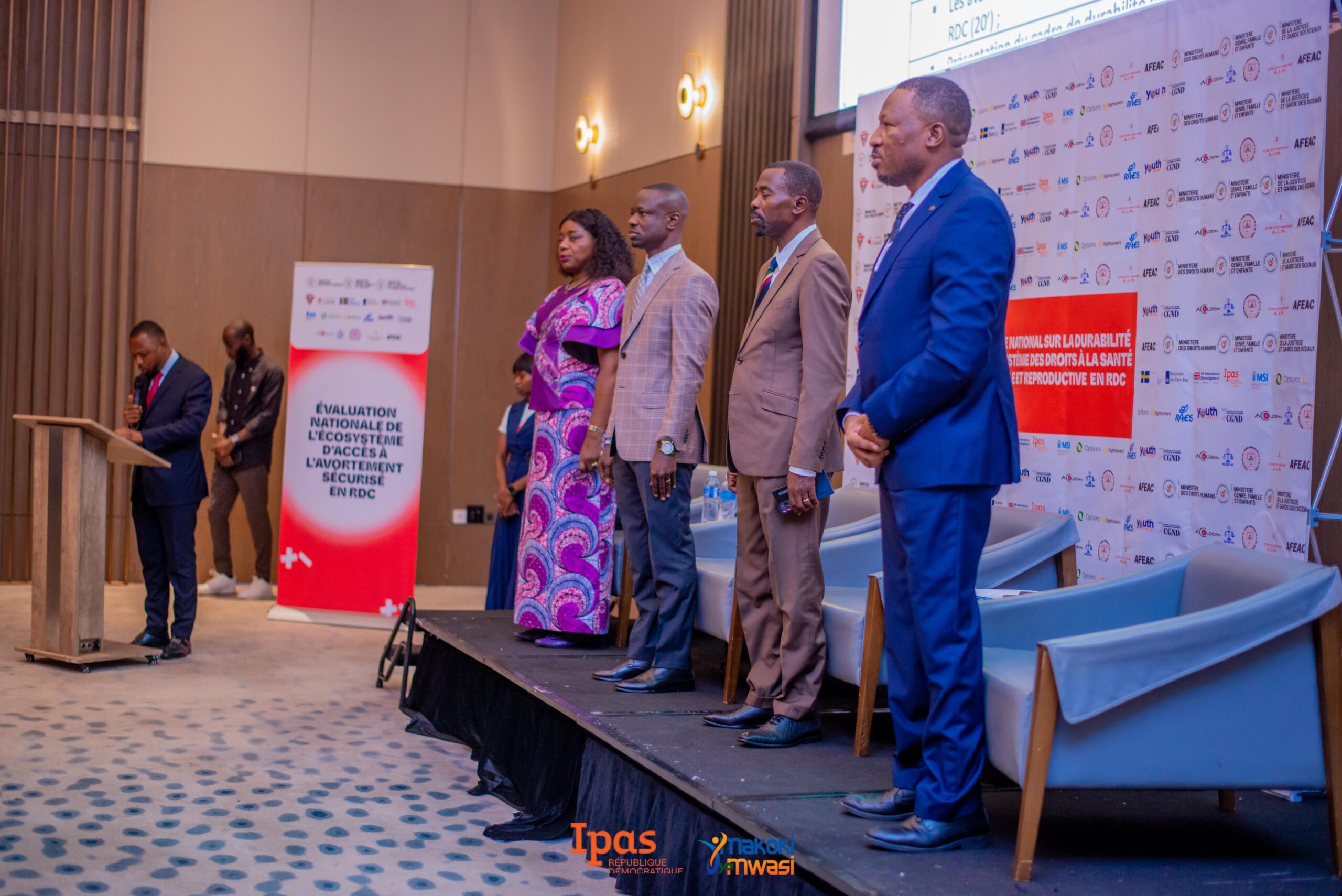
Organized in Kinshasa in October 2025 by the Ministry of Health, in partnership with Ipas RDC and made possible by funding from the FCDO as part of the WISH2 project, the second national dialogue on the sustainability of the sexual and reproductive health rights ecosystem brought together institutional players, technical partners and civil society, strengthening collaboration between international partners and national institutions.
Four years after the first edition in 2021, this meeting marked a decisive step in the evolution of policies and practices related to safe abortion in the Democratic Republic of the Congo, enabling an assessment of the progress made, highlighting persistent challenges and consolidating a common vision centered on women’s bodily autonomy and dignity.
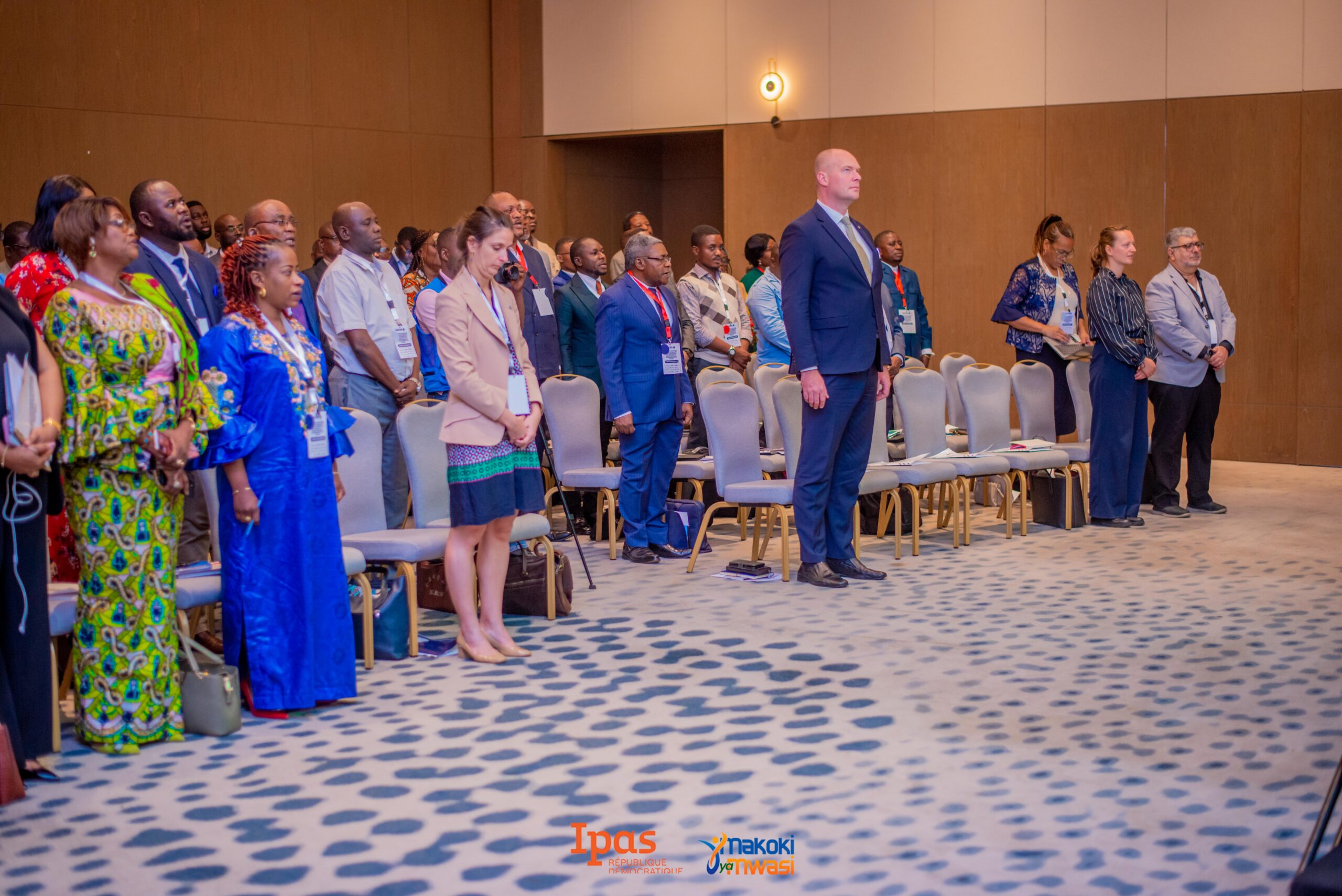
In a context marked by persistent stigma surrounding abortion, restrictive legal interpretations, and uneven political commitment, conducting a second assessment was far more than a routine monitoring exercise—it was a strategic imperative. Since 2021, the abortion and contraception ecosystem in the DRC has evolved within an unstable environment, shaped by shifting national priorities alongside a broader regional and global rise in conservative and anti‑rights discourse.
Against this backdrop, updated and objective evidence was needed to assess not only progress achieved, but also the resilience of the ecosystem itself. This second assessment was designed to inform public action and advocacy, strengthen institutional ownership of SRHR commitments, and consolidate a shared vision grounded in rights, health, and the dignity of women and girls.
The first national dialogue, held in 2021, marked a foundational milestone. For the first time in the DRC, stakeholders came together around a shared diagnosis of the abortion and contraception ecosystem. This assessment highlighted major bottlenecks, including limited awareness of reproductive rights, persistent stigma, fragmented interventions, and a still‑weak institutional framework despite the country’s adherence to the Maputo Protocol. Crucially, it also created an unprecedented space for dialogue among government institutions, technical partners, and civil society actors.
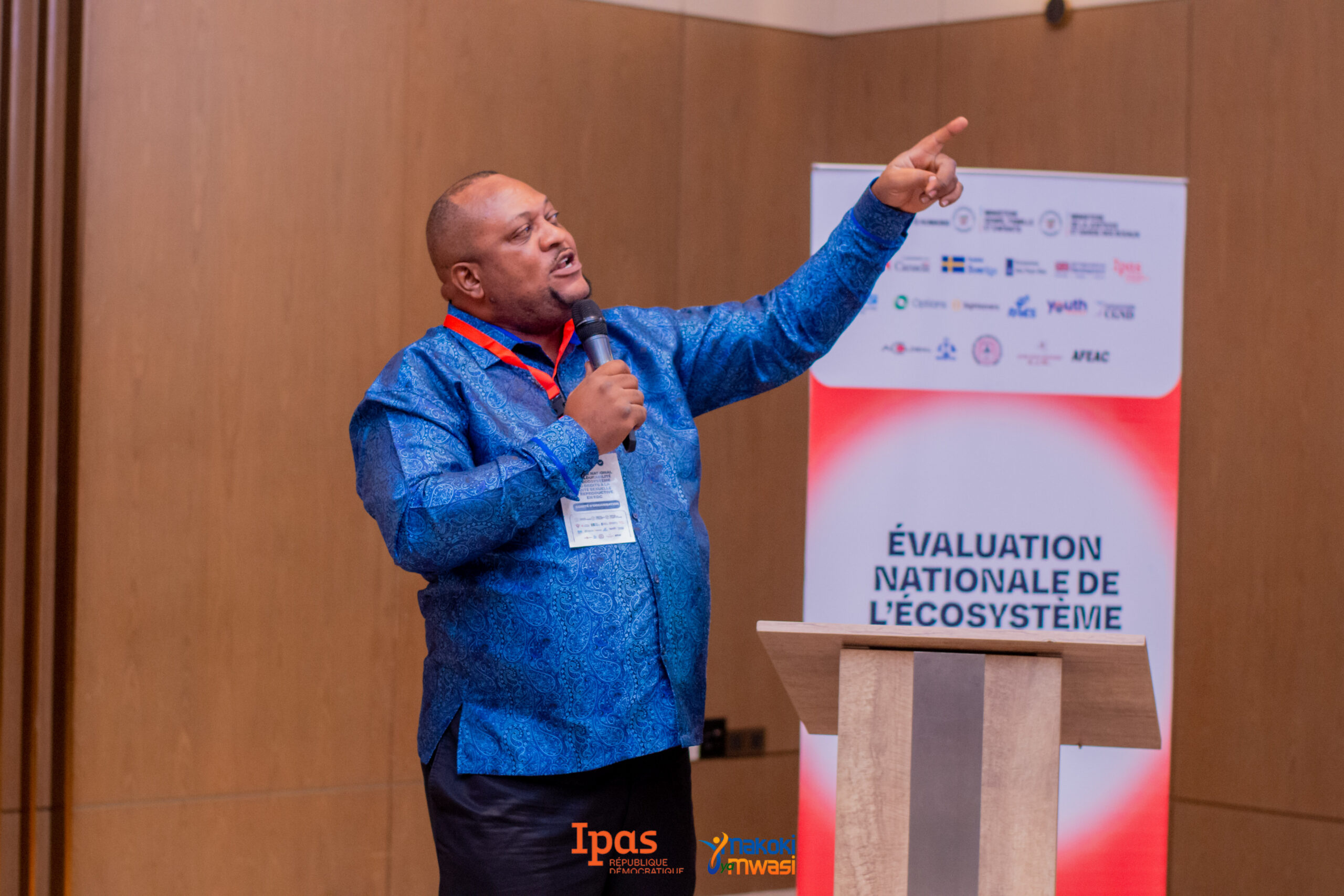
Four years later, the second assessment reflects a clear shift in ambition. Rather than simply documenting gaps, the objective was to measure change: to identify areas of progress, stagnation, or regression, and to better inform future strategic choices. Using the Sustainable Abortion and Contraception Ecosystem Assessment tool, stakeholders were able to move from an initial snapshot to a dynamic analysis of ecosystem evolution—supporting more targeted, coordinated, and accountable action.
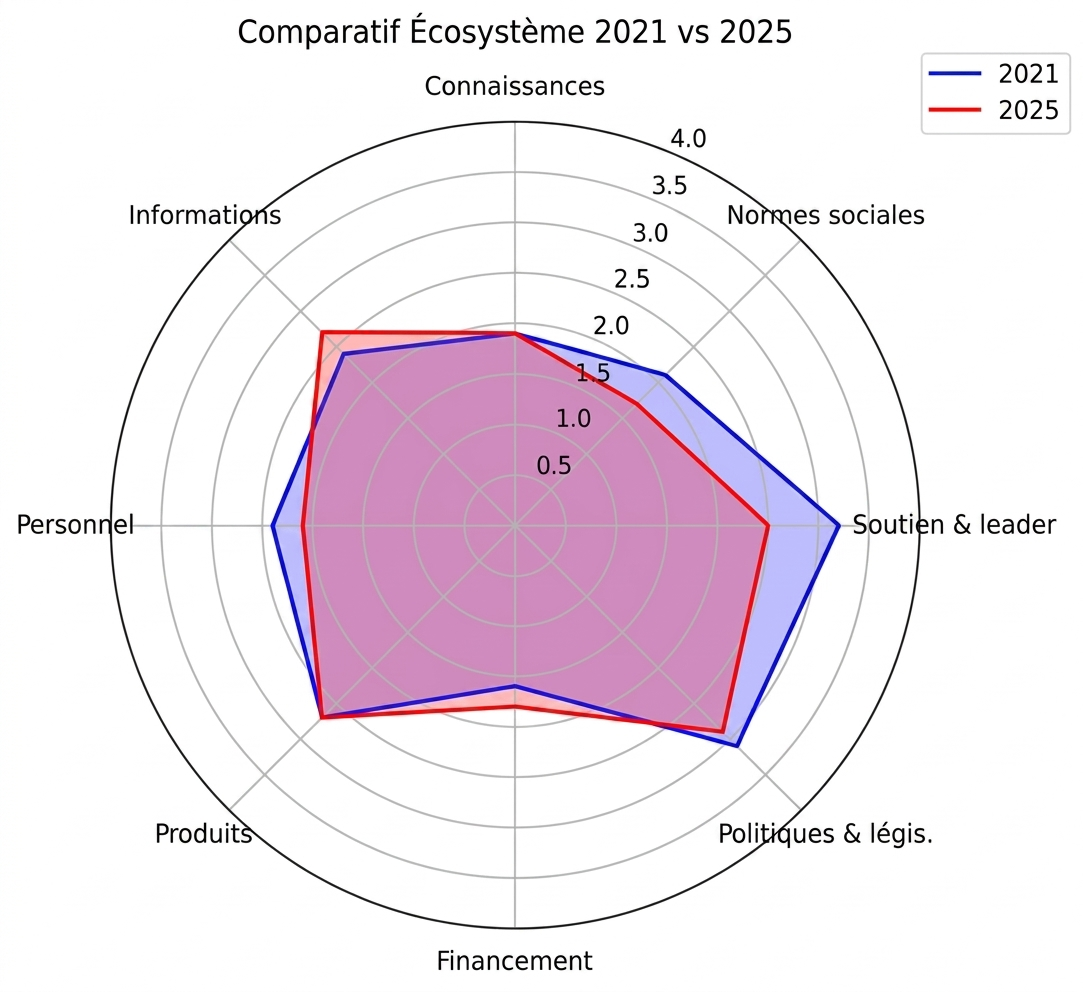
Between 2021 and 2025, the ecosystem transitioned from an embryonic stage to one characterized by measurable—though still fragile—transformation. Comparative scoring points to notable advances across several components, particularly in access to information and resource mobilization. These gains signal growing momentum and a stronger structuring of actors across the ecosystem.
Progress, however, has been uneven. Several critical areas show stagnation or even decline. Social norms remain deeply shaped by taboo, while political support and leadership continue to suffer from inconsistent follow‑through on commitments and recommendations. Health workforce capacity and service delivery face persistent structural challenges, including insufficient training, provider resistance, and shortages of specialized personnel. This mixed picture underscores the vulnerability of recent gains in the absence of sustained political and societal engagement.
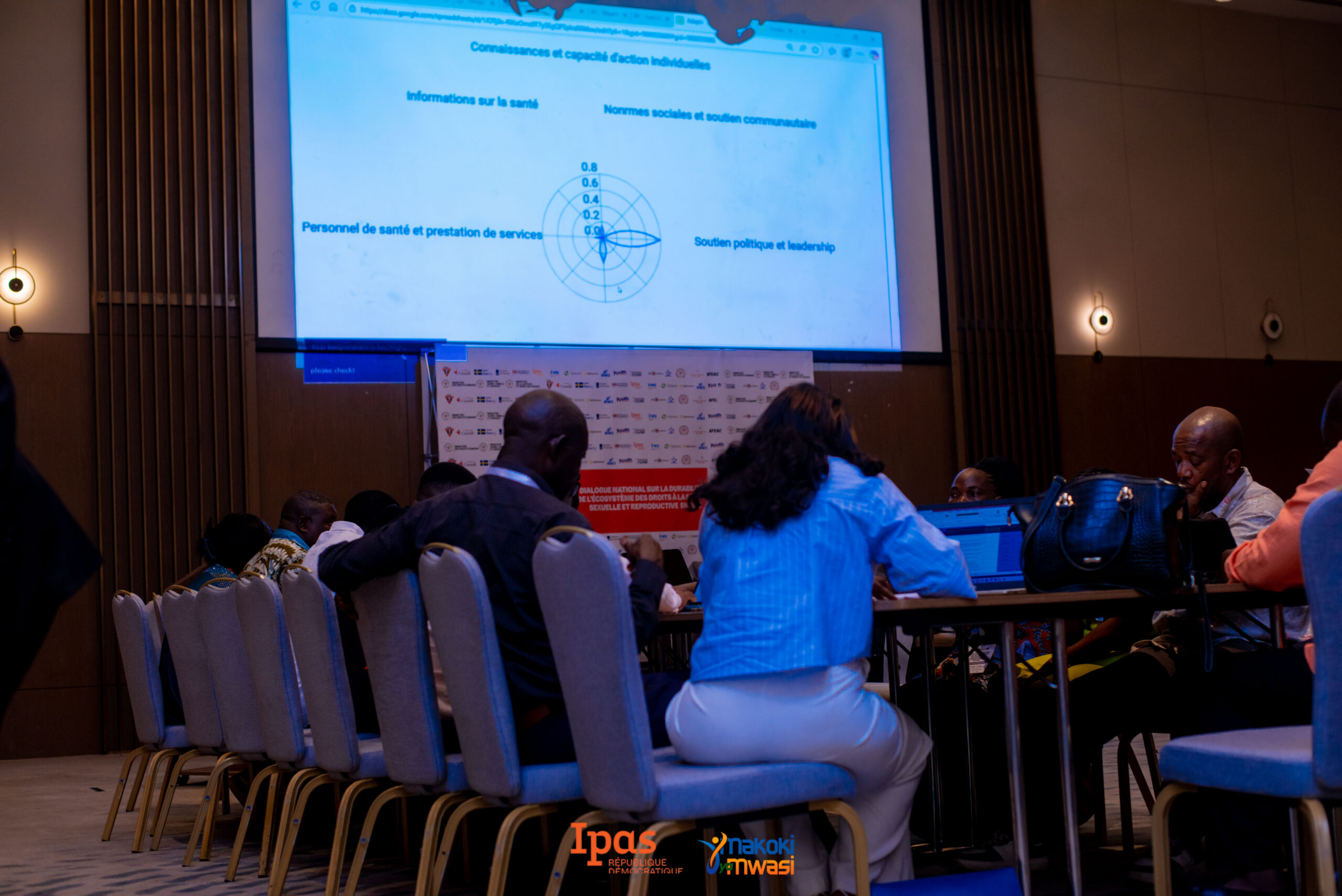
Beyond its findings, the second national dialogue stood out for the rigor of its process and the strength of institutional leadership. Held over three days, the dialogue enabled structured consultation and collective priority‑setting firmly anchored in national policies and frameworks. The Ministry of Health played a central role, with engagement from the Minister of Health, oversight by the Secretary‑General for Health, and the active involvement of the National Reproductive Health Program (PNSR).
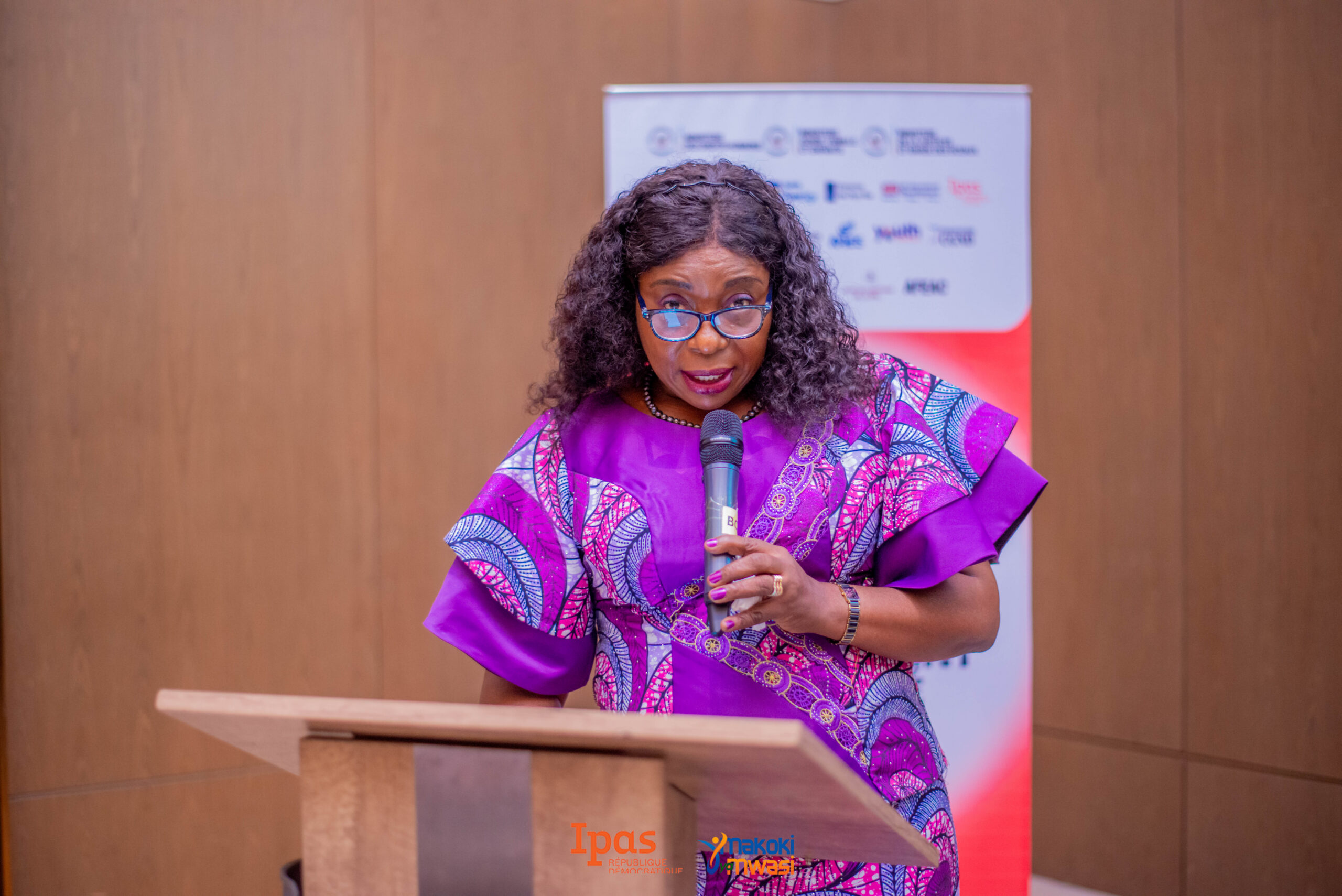
Opening the dialogue, Dr. Anne‑Marie Ntumba, Director of the PNSR, underscored the significance of this collective effort:
“ This dialogue is part of a dynamic aimed at promoting the health and well-being of all women and girls in our country. In line with our institutional and interventional commitment to the Maputo Protocol, we know that unsafe abortion remains one of the main causes of maternal death in our country. It is our duty to reflect on how we can offer safe, quality and accessible services to all those who need them. “
Discussions were further enriched by strong contributions from civil society representatives and healthcare professionals. Marie‑Chantal, a magistrate and member of the Association of Women Magistrates of the Congo (AFEMAC), stressed the urgent need to harmonize national legislation in order to fully domesticate the Maputo Protocol. Dr. Berry Kikenda, from the Congolese Society of Gynecologists and Obstetricians (SCOGO), called for strengthened community‑level awareness‑raising to help dismantle enduring taboos around abortion.
Ultimately, the second national dialogue reaffirmed the role of the State as a central actor in ensuring the sustainability of the SRHR ecosystem, while strengthening coordination and access to information across stakeholders. It helped move the conversation beyond a narrowly technical approach toward a rights‑based vision grounded in dignity and public accountability.
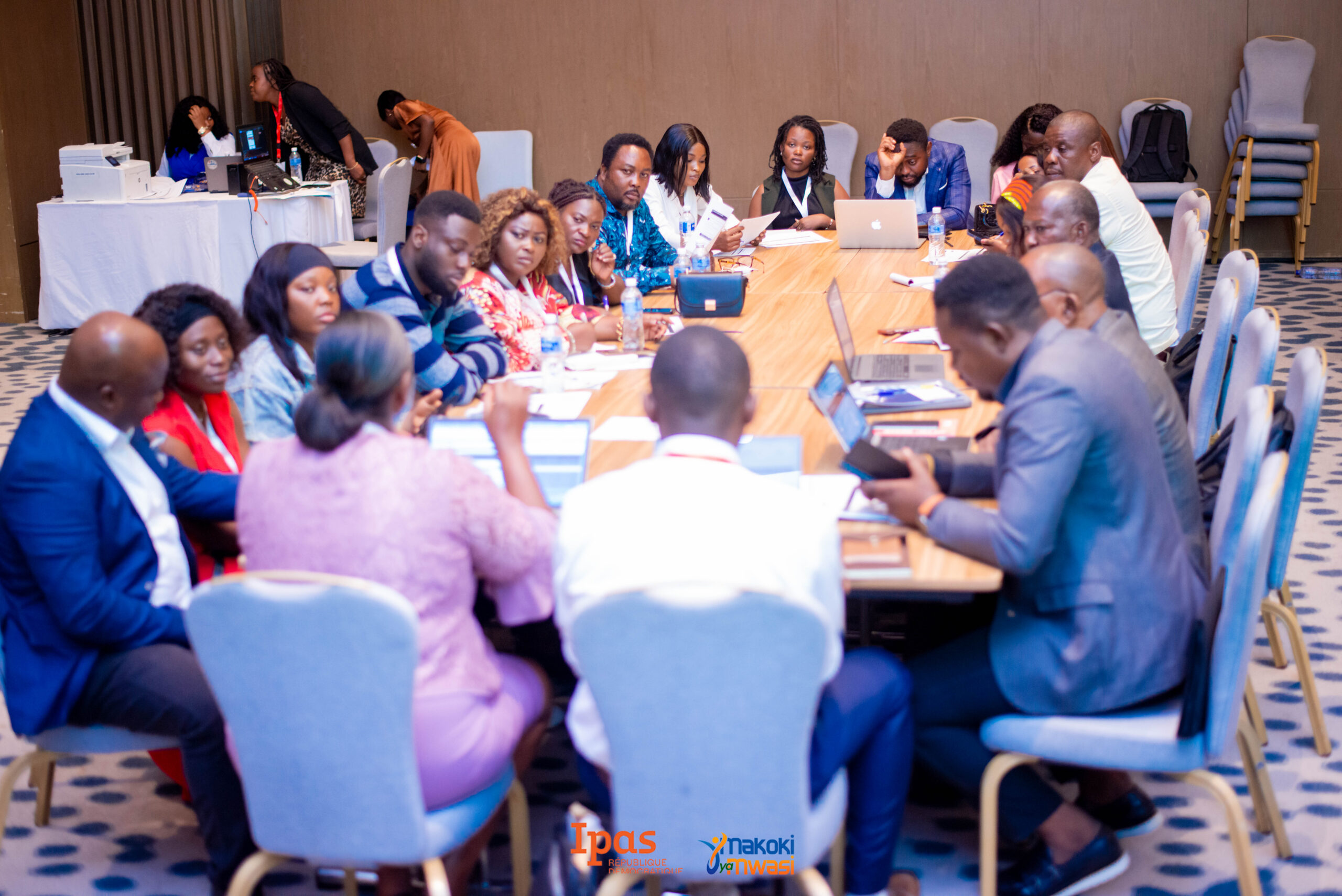
At the close of the dialogue, participants endorsed the development of a 2025–2028 roadmap, to be led by the Working Group on Comprehensive Abortion and Contraception Care centered on women, embedded within the Ministry of Health. This framework will guide follow‑up, advocacy, and coordination efforts, with continued support from Ipas DRC, to translate evidence and commitments into lasting progress for women’s health and bodily autonomy in the DRC