
Ipas DRC
Non-profit organization
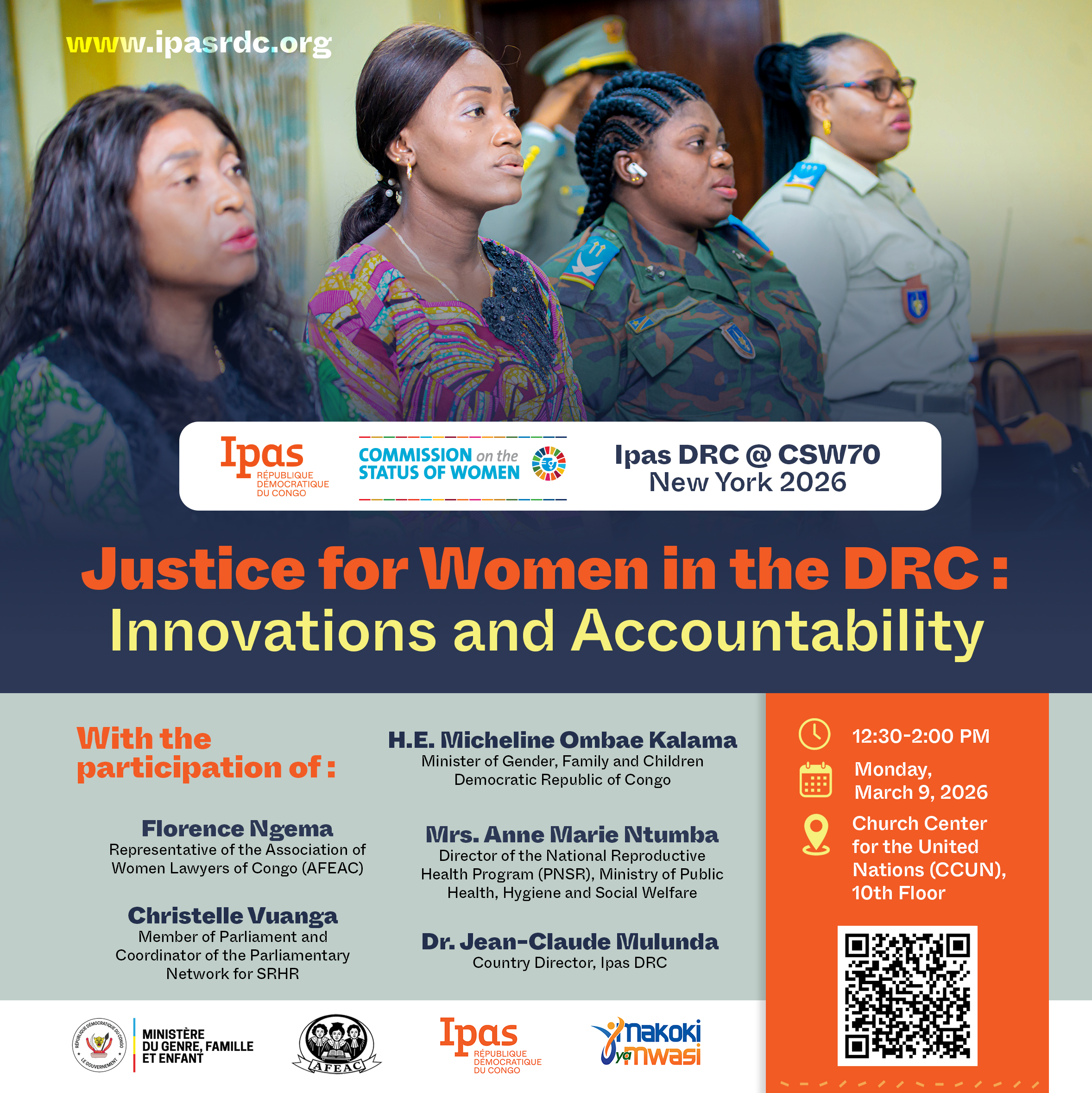
For several years, Ipas DRC has engaged in regional and global advocacy spaces to help shape the legal, policy, and institutional environments that determine women’s and girls’ access to sexual and reproductive health and rights in the Democratic Republic of Congo. The United Nations Commission on the Status of Women (CSW) remains a critical global forum for advancing gender equality, social justice, and human rights.
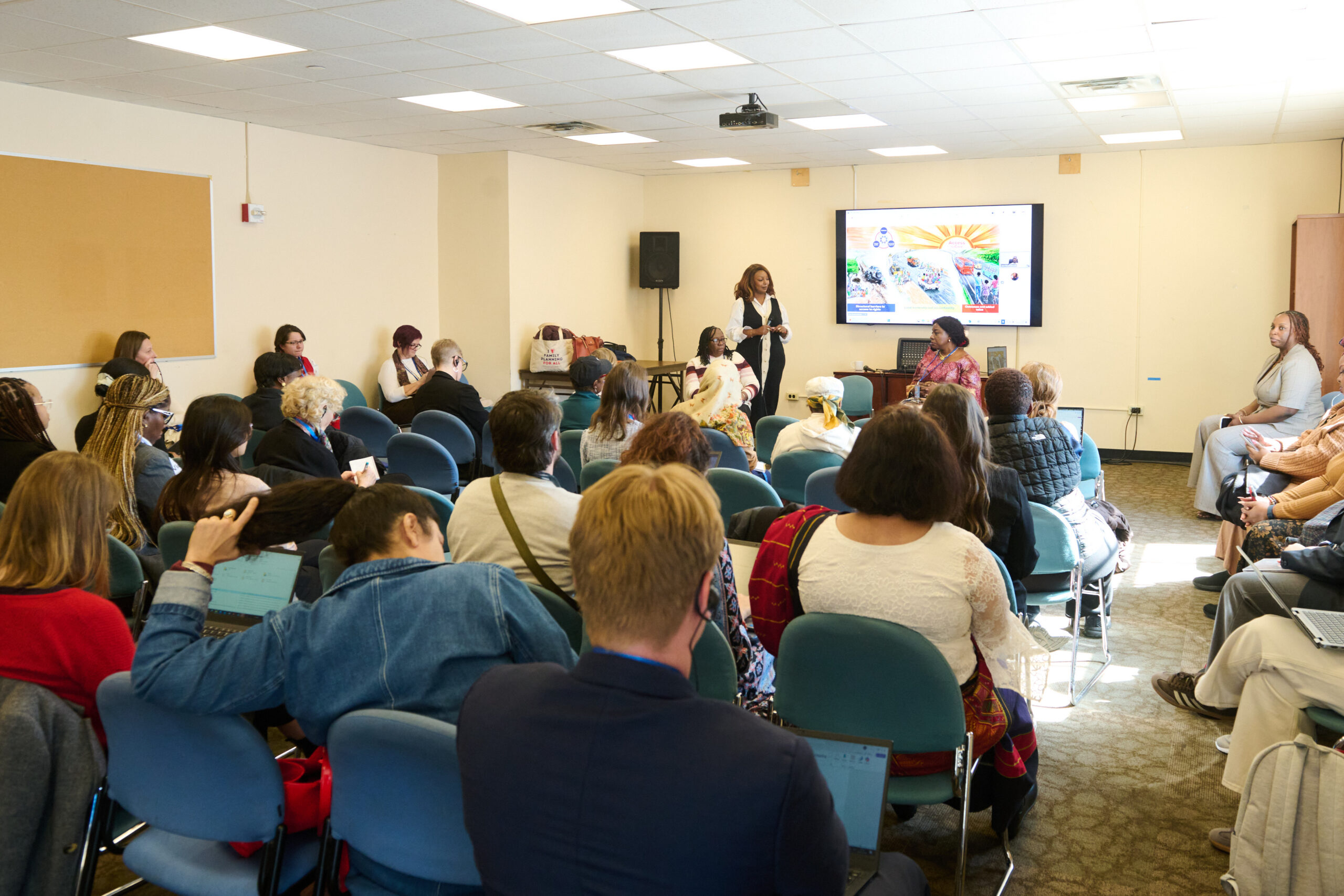
For Ipas DRC, participation in these international spaces is a strategic opportunity to influence global norms, support the effective implementation of the Maputo Protocol in the DRC, and reinforce the legitimacy of national reforms on sexual and reproductive rights.
As part of this broader advocacy effort, Ipas DRC took part in the 70th session of the CSW, held in New York from March 9 to 19, 2026, alongside a high‑level national delegation bringing together leaders from the justice sector, the health system, and civil society, under the patronage of the Minister of Gender, Family, and Children. The discussions reaffirmed the Congolese government’s commitment to advancing and protecting the sexual and reproductive rights of women and girls.
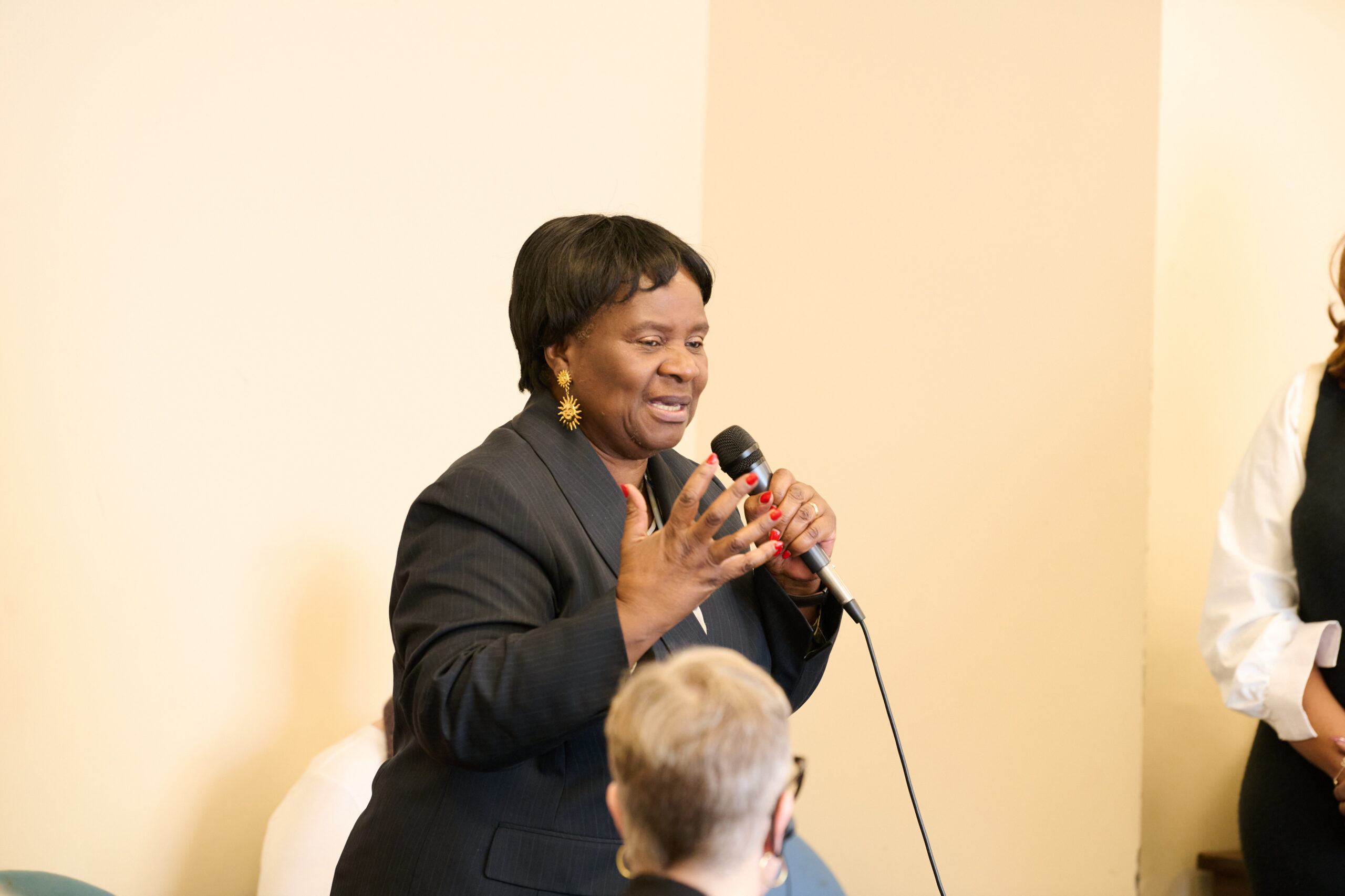
Conversations at CSW70 highlighted tangible progress in legal reform and institutional accountability, including the training of more than 5,000 magistrates, the establishment of judicial focal points, and the issuance of a directive by the High Council of the Judiciary. These measures are helping to improve how abortion‑related cases are addressed within the justice system and to strengthen protections for women’s rights, including in fragile and humanitarian contexts.
At the same time, participants emphasized that legal progress alone is not enough. Limited community awareness, persistent stigma, and uneven enforcement of the law continue to disrupt women’s access to care. In response, Ipas DRC shared its approach to building a sustainable abortion ecosystem—one that strengthens the capacity of health and justice actors, expands access to accurate information, and improves service quality and institutional accountability.
Strong advocacy also called for the integration of comprehensive abortion care into Universal Health Coverage as a critical pathway to sustainably reducing maternal mortality. While data presented point to a decline in deaths linked to unsafe abortion, adolescent girls and young women aged 15–19 remain disproportionately affected. The importance of holistic care for survivors of sexual violence—including medical, legal, and psychosocial support—was also underscored, alongside the need for continued vigilance in the face of persistent global opposition to sexual and reproductive rights.
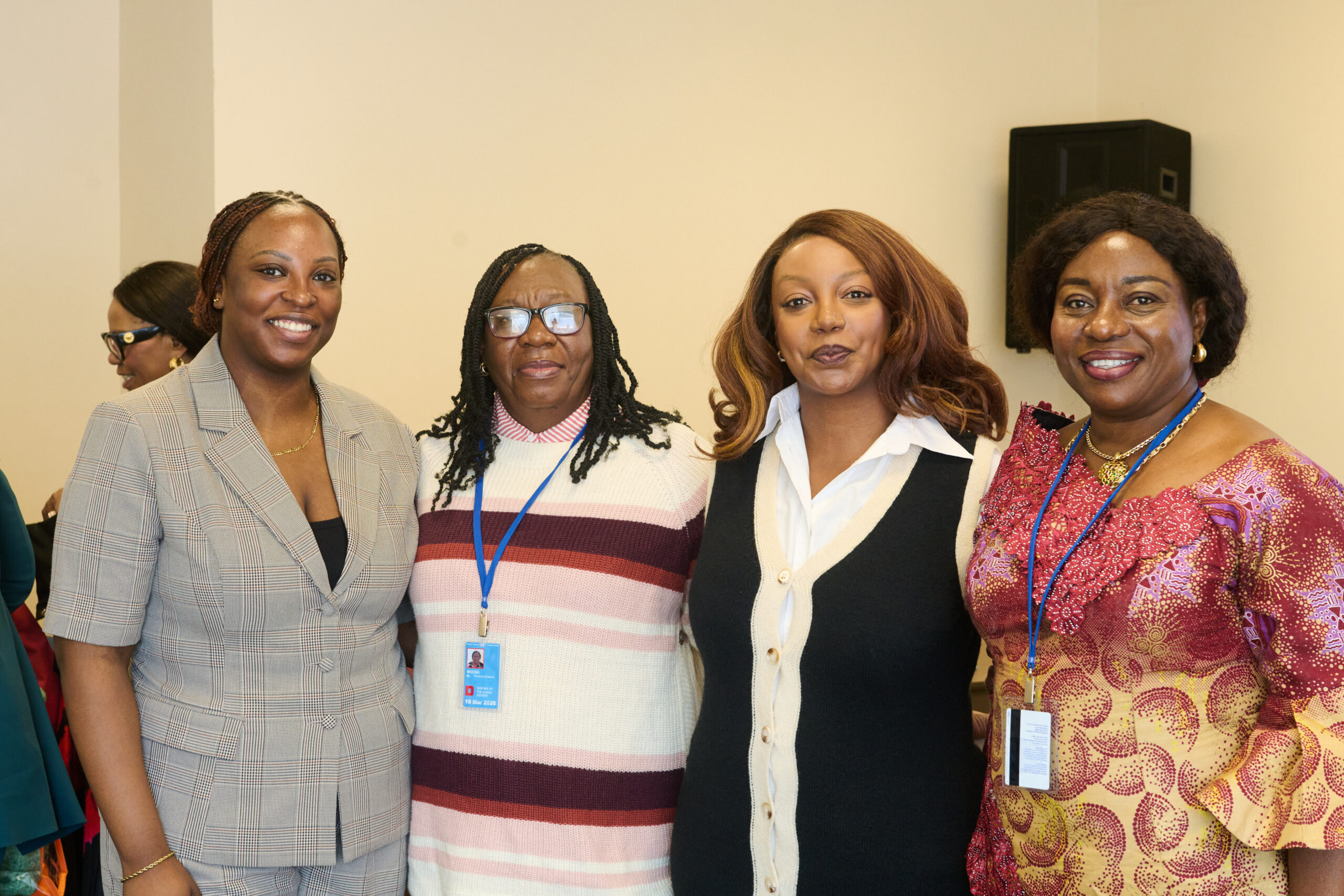
Through its participation in CSW70, Ipas DRC reaffirms its conviction that realizing women’s sexual and reproductive rights requires coordinated action across the justice and health systems, anchored in strong institutional accountability, to ensure rights‑based, accessible, and sustainable care pathways for all women and girls.